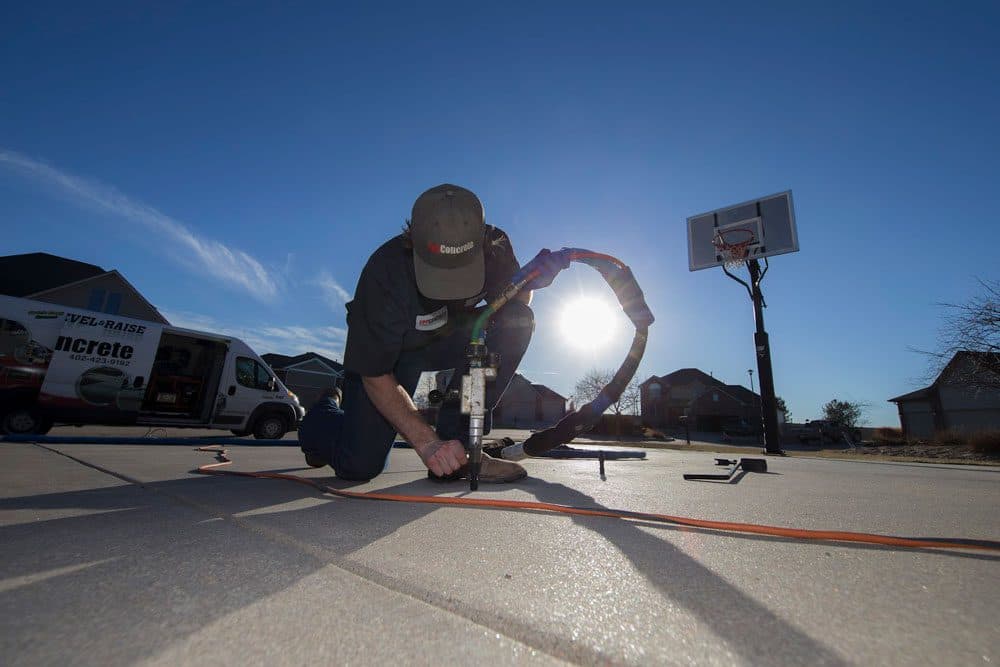
Cracked Concrete: Some Cracks Wait, Some Don't.
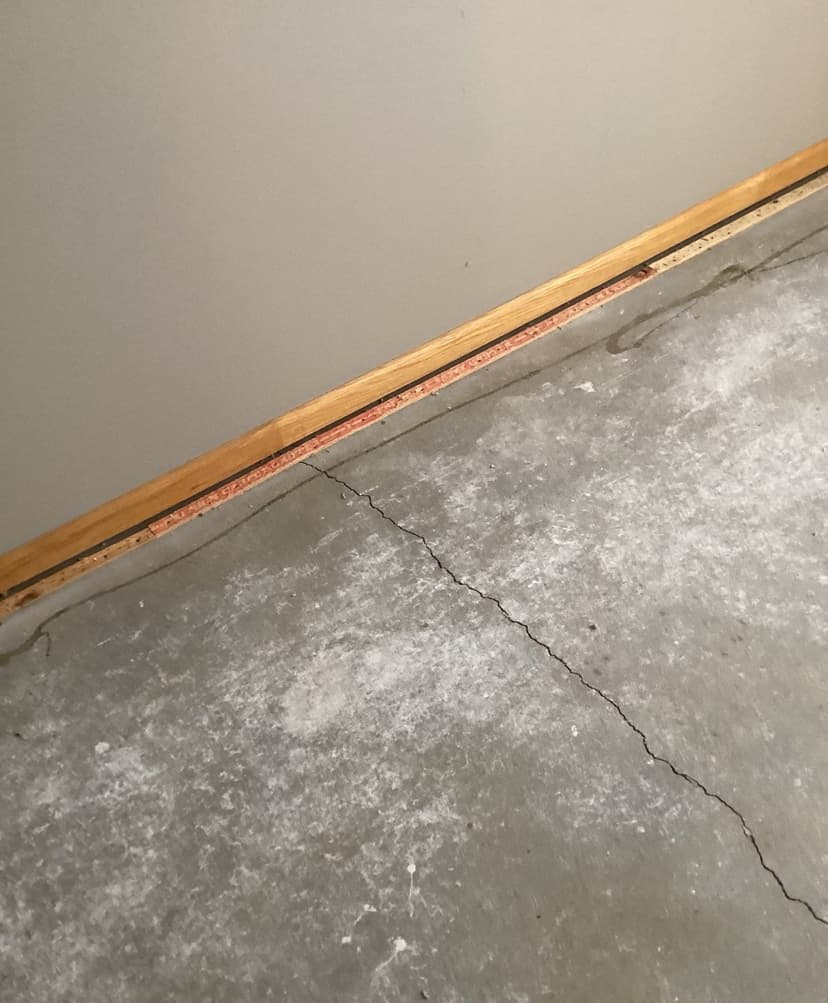
A crack in a slab is the concrete telling you something. Some cracks are harmless shrinkage from the day it was poured. Others mean the soil underneath is moving and the slab is breaking to follow it.
Let's take the first step toward a healthy home.
A local specialist will inspect your foundation, walk you through the findings, and send a clear estimate, no cost, no pressure.
Cracked Concrete: diagnosed and explained.
Concrete cracks because it is strong in compression and weak in tension. A typical slab handles roughly 3,000 to 4,000 psi of compression but only 300 to 400 psi of pulling force, so anything that stretches or bends it tends to crack first. Across Nebraska, Iowa, Kansas, and Missouri, the most common driver is the soil below. Expansive clay and loess swell when wet and shrink when dry, and 50 to 70 freeze-thaw cycles a year push that movement up under the slab. When the ground settles or heaves unevenly, the slab loses its support and fractures. The reason cracks matter is what they tell you about the soil, not just the look. A tight hairline that has not moved in years is usually cosmetic. A crack that is widening, has one side sitting higher than the other, or runs with a hollow sound underneath points to settlement that will keep going. Catching that early often means lifting and stabilizing the slab with foam instead of tearing it out and repouring, which costs far more.


Watch for these warning signs alongside cracked concrete.
- 01
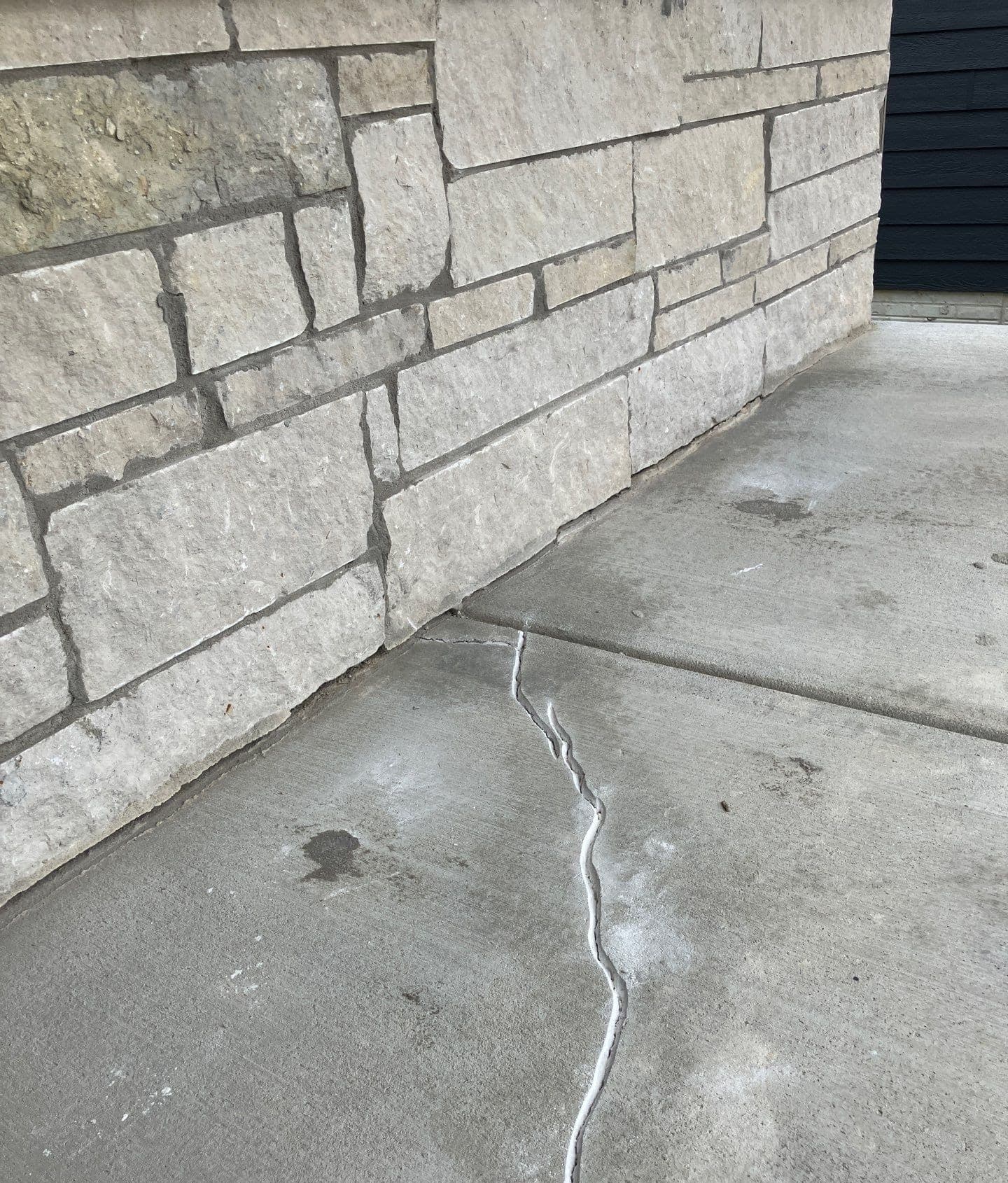
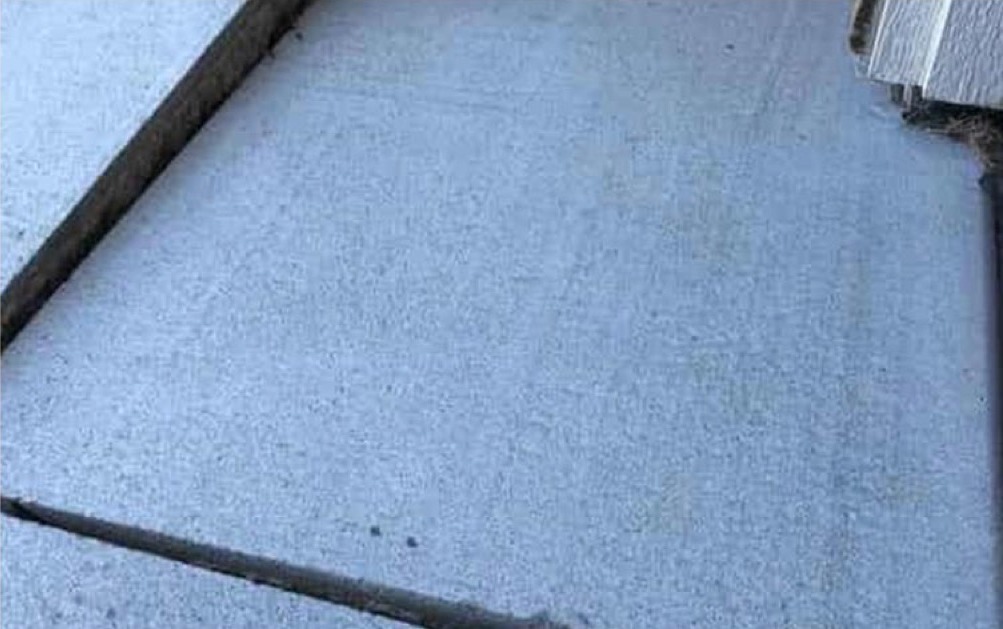
One side of a crack sits higher than the other
A vertical offset across the crack points to soil settlement rather than simple shrinkage.
- 02
The crack is getting wider over months
Growth over time means the underlying movement has not stopped.
- 03
A hollow sound when you tap near the crack
A drum-like tone signals a void where the soil has pulled away from the slab.
- 04
Water pooling along or in the crack
Standing water shows the slab has tilted and is sending runoff toward the home or low spot.
- 05
Cracks lining up with doorways or expansion joints
Fractures that follow the slab edges or joints often trace a settling section.
- 06
Trip edges or lips you can feel underfoot
A raised lip at a crack means adjoining sections have moved to different heights.
What causes cracked concrete in Midwest homes.
- 01
Soil Settlement and Voids
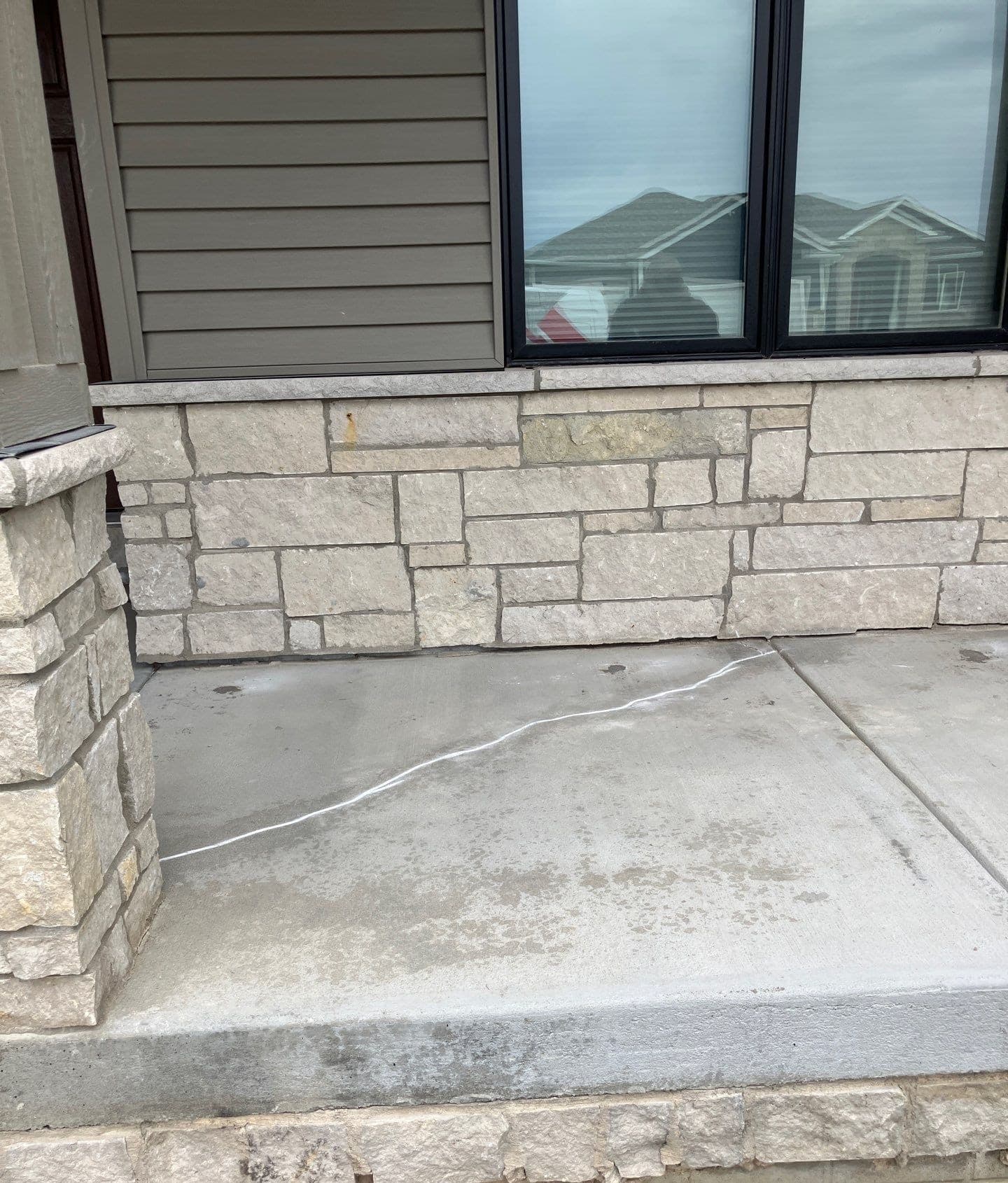
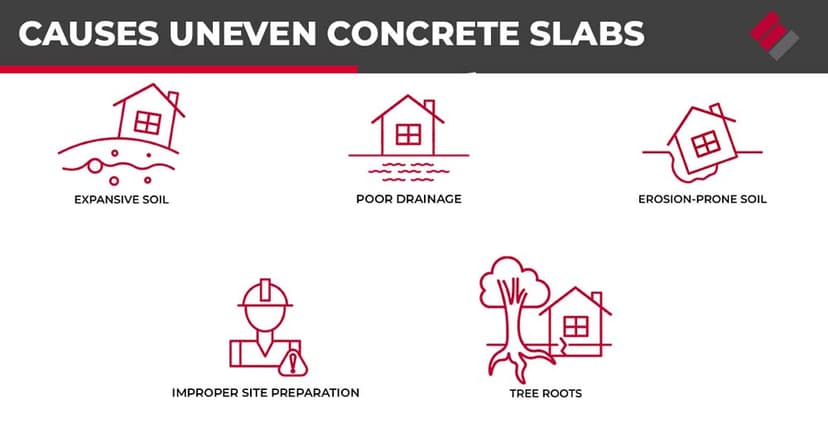
When clay or loess soil below a slab shrinks in a dry spell or washes out from poor drainage, it leaves a gap. The unsupported concrete cracks and drops into the empty space. This is the most common cause of moving cracks in this region.
- 02
Freeze-Thaw Heave
Eastern Nebraska and western Iowa average 50 to 70 freeze-thaw cycles per year, with frost reaching 36 to 42 inches deep. Water in the soil freezes, expands, and lifts the slab, then drops it as it thaws. Repeated lifting and dropping fractures the concrete.
- 03
Concrete Shrinkage
Fresh concrete loses water as it cures and shrinks slightly. If control joints were spaced too far apart or left out, the slab cracks on its own to relieve that tension. These cracks are usually thin, stable, and cosmetic rather than structural.
- 04
Excess Load on Thin Slabs
A slab poured thin or over poorly compacted fill can crack under the weight of vehicles, equipment, or stored material. The load bends the concrete past its tension limit, especially where support underneath is uneven.
How cracked concrete looks after a permanent fix.
A real Epp Foundation Repair project. The visible symptom resolves once the underlying cause is corrected.
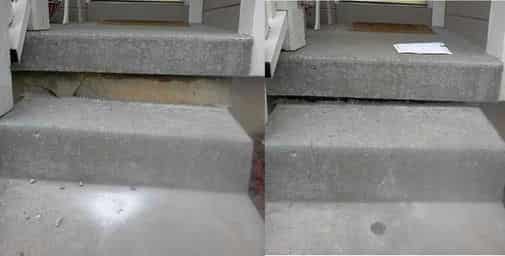
How concrete leveling specialists actually fix cracked concrete.
Solving cracked concrete means addressing the underlying soil, pressure, or settlement cause. Not just patching the visible damage. Below are the engineered solutions we install most often for this symptom in Nebraska, Iowa, Kansas, and Missouri homes.
Engineered concrete leveling solutions for this problem.
Each method is matched to a specific failure mode and soil profile. Browse the toolkit we draw from when diagnosing your home.
Concrete Grinding
Epp Foundation Repair has ground tripping edges off sidewalks, driveways, and garage entries across Nebraska, Iowa, Kansas, and Missouri since 1994. A fast, low-cost fix when the differential is small and the slab underneath is stable.
Concrete Joint & Crack Sealing
Epp Foundation Repair has sealed concrete expansion joints and stable cracks with self-leveling polyurethane across Nebraska, Iowa, Kansas, and Missouri since 1994. Flexible material that handles 50+ freeze-thaw cycles a winter without splitting.
Concrete Patching
Epp Foundation Repair has patched localized concrete damage. Salt-spalled stoops, broken handrail anchors, pitted garage entries. Across Nebraska, Iowa, Kansas, and Missouri since 1994, with the right material matched to the substrate every time.
Concrete Pouring
Some slabs cannot be saved by leveling. Epp Foundation Repair pours new flatwork on properly prepared ground across Nebraska, Iowa, Kansas, and Missouri. We tell you honestly when a fresh pour is the smarter spend.
Concrete Void Filling
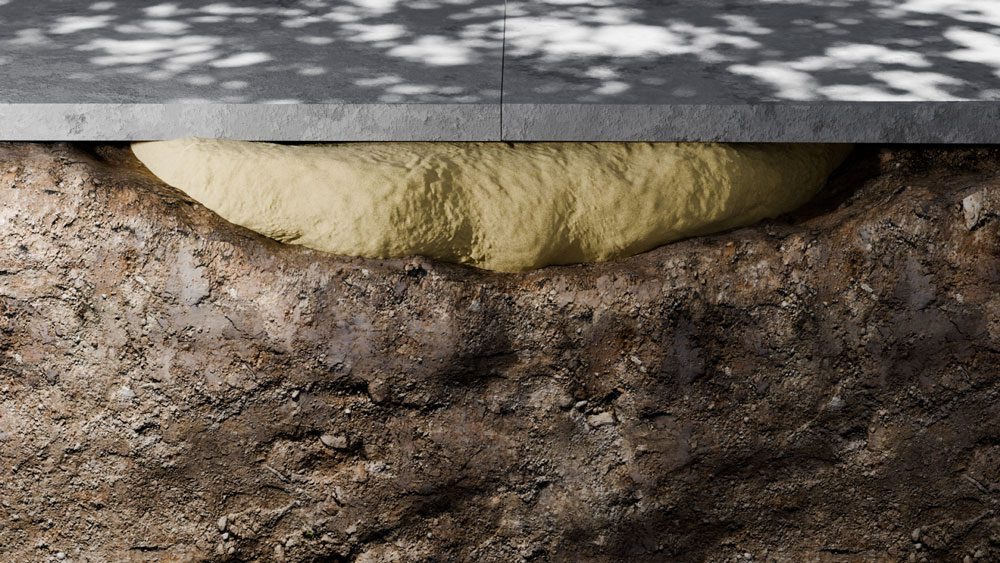
Voids under a concrete slab leave it with nothing to rest on. Epp Foundation Repair has filled those pockets with structural foam across Nebraska, Iowa, Kansas, and Missouri since 1994. No demolition, no waiting for a new pour to cure.
Mudjacking
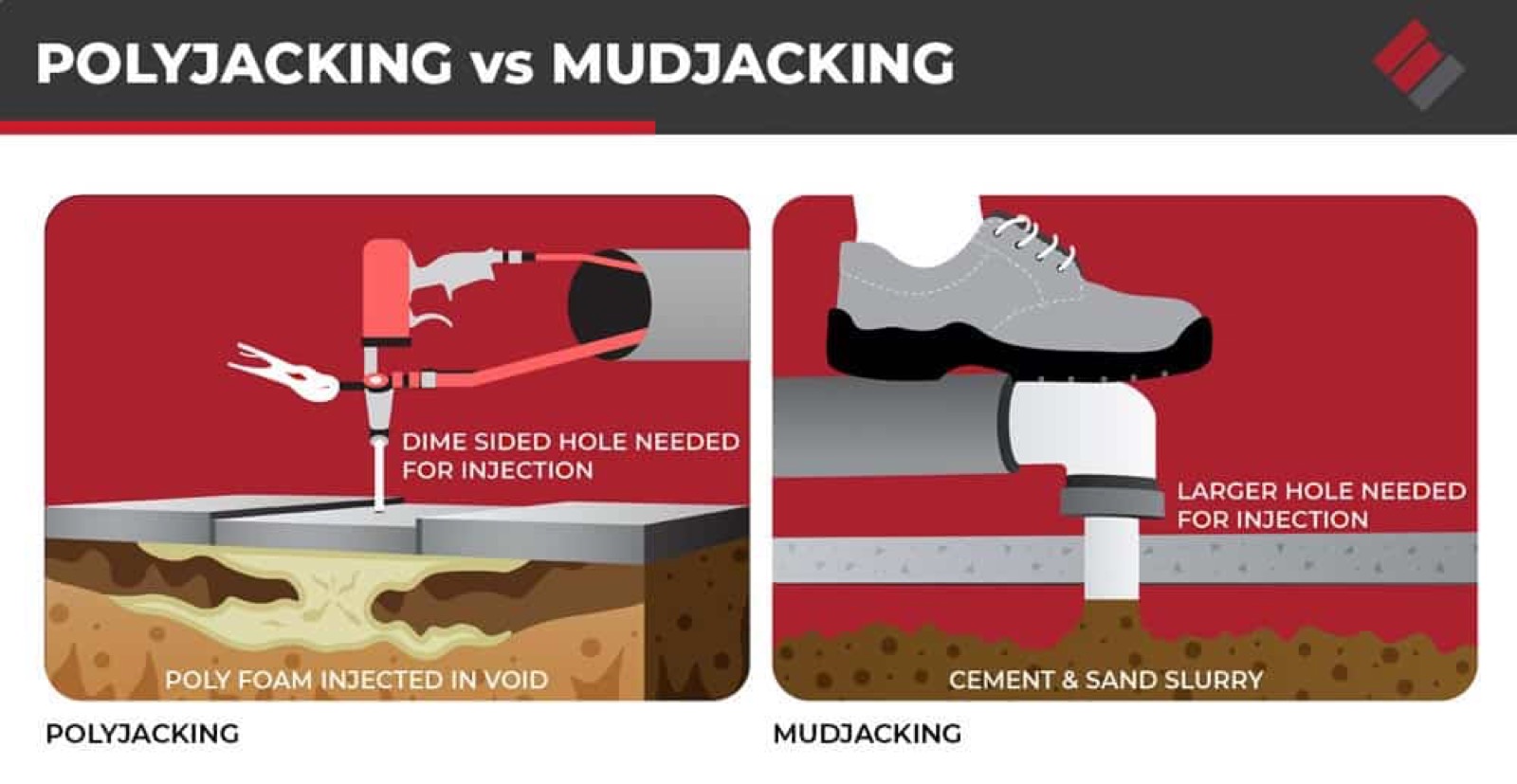
Mudjacking is the traditional way to lift a sunken concrete slab: a cement based slurry pumped underneath through drilled holes. Epp Foundation Repair does not perform mudjacking. Here is how the method works, and why every lifting job Epp completes across Nebraska, Iowa, Kansas, and Missouri uses PolyLift polyurethane foam injection instead.
Why settled concrete in Nebraska and Iowa returns without a soil fix
Most settled driveways, sidewalks, and patios across our region sit over loess fill that consolidated after a wet spring or a long-running downspout. Lifting the slab without addressing the soil cause yields a 12 to 36 month rebound. Regional repair treats the soil column under the slab, not just the surface elevation.
Loess soils and the crack patterns they produce
Most of eastern Nebraska and western Iowa sits on wind-deposited loess, a fine, silty soil 10 to 200+ feet deep. Loess holds its structure when dry but loses cohesion rapidly when saturated. After a wet spring, saturated loess expands against foundation walls. After a dry Nebraska summer, it contracts, pulling away from footings, creating voids beneath slabs, and producing the vertical and diagonal settlement cracks we see most frequently on the Lincoln, Omaha, Council Bluffs corridor.
The Marshall and Sharpsburg loess series, dominant across the eastern Nebraska service area, are particularly prone to this cyclical volume change. Homes built in the 1960s, 1980s on uncompacted loess backfill show the highest incidence of progressive settlement cracking in our inspection data.
Frost depth, freeze-thaw cycles, and horizontal cracking
Eastern Nebraska's 36, 42" frost penetration depth means the soil below grade freezes and thaws 60, 80 times per year. Each cycle applies lateral pressure to basement walls. A wall that holds through ten cycles can fail in the eleventh if drainage has worsened, backfill has settled, or the wall was already at capacity. Horizontal cracks near the soil grade line are almost always a freeze-thaw story in this region.
In eastern Kansas, expansive clay pockets near the surface introduce a different failure mode. Consistent volume change regardless of frost depth. Horizontal cracking in Kansas foundations typically traces to clay expansion; the same pattern in Nebraska more often indicates frost-driven hydrostatic pressure.
"Commercial lifts are mostly planning and very little pump time. We walk the site with the operations manager, identify what stops the business, build a lift sequence that fits inside the operating window, and only then do we put a pump on the floor. The warehouse floor under the south-end rack at a Lincoln distribution center we lifted last year. We did the entire lift over three weeknight shifts, the racks stayed in place, and the floor was carrying forklift load again at 6 a.m. The next morning."

Care and expertise from a team that's been doing this since 1994.
Epp Foundation Repair is locally owned and operated, with crews dedicated exclusively to foundation, basement, and concrete work across the Midwest.
Foundation repair, waterproofing, and concrete leveling are our entire focus, not a sideline.
Three decades of experience with Midwest soils, basements, and weather conditions.
Recognized in 2011 and 2016 for ethical business practices and customer transparency.
Every repair comes with a written Epp warranty, from 1 year to the lifetime of the structure depending on the product.
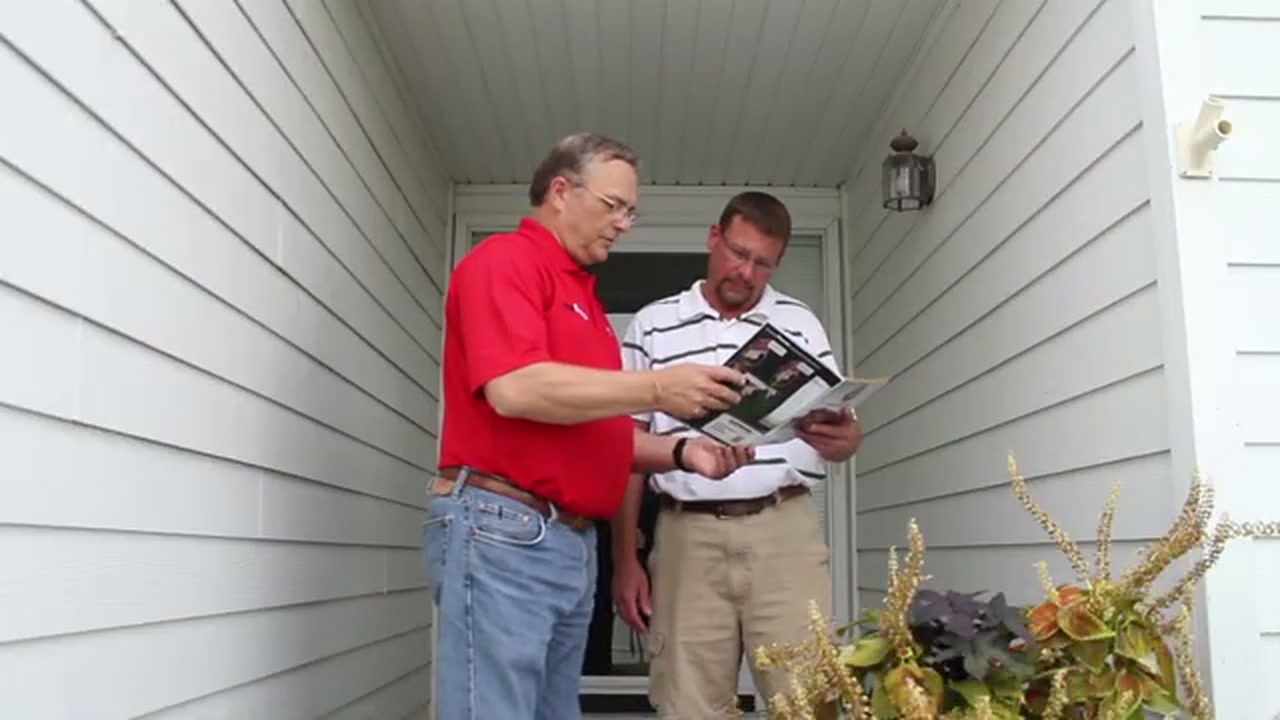
Answers to common questions about Cracked Concrete.
Don't see your question here? Our team is happy to help. Reach out anytime.
Other concrete leveling warning signs to watch for.
If you see one, it's worth checking for the others. Most foundation problems show up as more than one symptom.
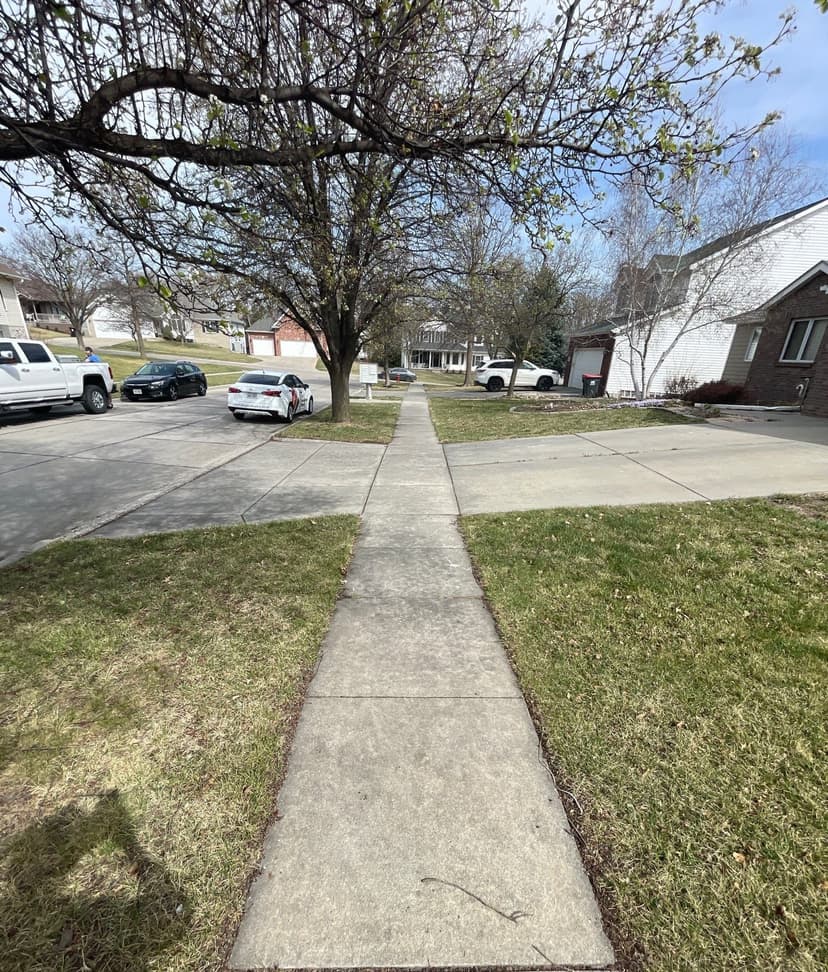
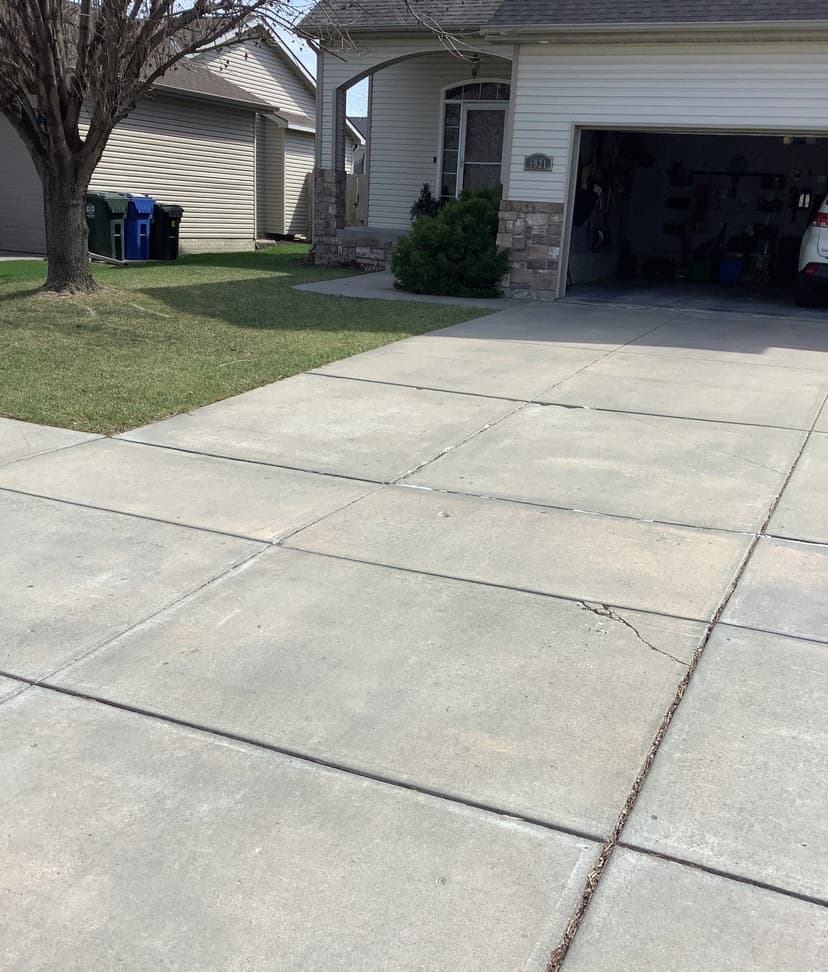
Serving Nebraska, Iowa, Kansas & Missouri.
Local crews based in five regional offices, dispatched daily across four states. If your town isn't listed, call us: we likely serve your area.
- Omaha, NE
- Lincoln, NE
- Topeka, KS
- Sioux City, IA
- Bellevue, NE
- St. Joseph, MO
- Council Bluffs, IA
- Grand Island, NE
- Papillion, NE
- Kearney, NE
Take the first step toward a healthy home.
A straightforward path from initial inspection to completed repairs.
Schedule your inspection.
A local specialist visits your home, evaluates the foundation, and answers your questions on site. No cost, no obligation.
Receive an estimate based on your needs.
We provide a clear, Customized Repair Estimate with a scope of work tailored to your home's specific issues. Typically within one business day.
Get your repairs.
Our own trained crews complete the work on schedule and back it with a written Epp warranty, set out in your contract.
Over 1,700 homeowners have shared their experience.
A 4.9-star average across Google, with verified reviews from homeowners throughout Nebraska, Iowa, Kansas, and Missouri.
Two ways to start: book instantly, or request an estimate.
Schedule your inspection in seconds with our Driive booking tool, or share a few details and a local specialist will follow up within one business day.
- A local foundation specialist on site
- A complete walk-through of the findings
- A Customized Repair Estimate within one business day
- No cost, no obligation, no high-pressure sales
Expert guidance on protecting your home.
Practical articles from the Epp team on foundation health, waterproofing, and home preservation.
 concrete levelingLatest
Mudjacking vs. Foam injection: ten factors that affect pricing.
Both methods can lift sunken concrete, but only one is what Epp Foundation Repair installs. Here are the ten factors behind the price difference and why.
 Concrete Leveling
Expandable Foam For Concrete Leveling: Homeowners Guide
Expandable foam offers a fast, minimally invasive way to level uneven concrete surfaces. Learn how polyurethane foam injection works and what to avoid.
 Concrete Leveling
Why DIY Mudjacking Is A Bad Idea
Mudjacking looks like a simple DIY fix for uneven concrete, but it takes precision and specialized tools. Learn the risks and a better alternative.
 Concrete Leveling
An Easy Way To Fix Sinking Concrete
Sinking or uneven concrete is a common problem with an easy fix. Learn how polyurethane foam injection levels slabs quickly without full replacement.
Five regional offices across the Midwest.
St. Joseph, MO 64506