
Estimate Only
Approximate pricing
Customized Repair Estimate after on-site inspection reflects your scope.
Epp Foundation Repair lifts settled concrete stair sets across Nebraska, Iowa, Kansas, and Missouri and tells homeowners honestly when a step needs lifting and when it needs replacement.

A local specialist will inspect your foundation, walk you through the findings, and send a clear estimate, no cost, no pressure.
Diagnosis First
Stair step leveling can raise a settled porch stoop, basement entry stairs, or garage steps back to grade with polyurethane foam injected through the step, the landing, or an adjacent slab. Epp Foundation Repair recommends it once the concrete itself is confirmed intact, since only the fill below has dropped; a step cracked through its full thickness needs a mason instead.
In Depth
Everything a Midwest homeowner should know about this repair, from the specialists who do it every day.
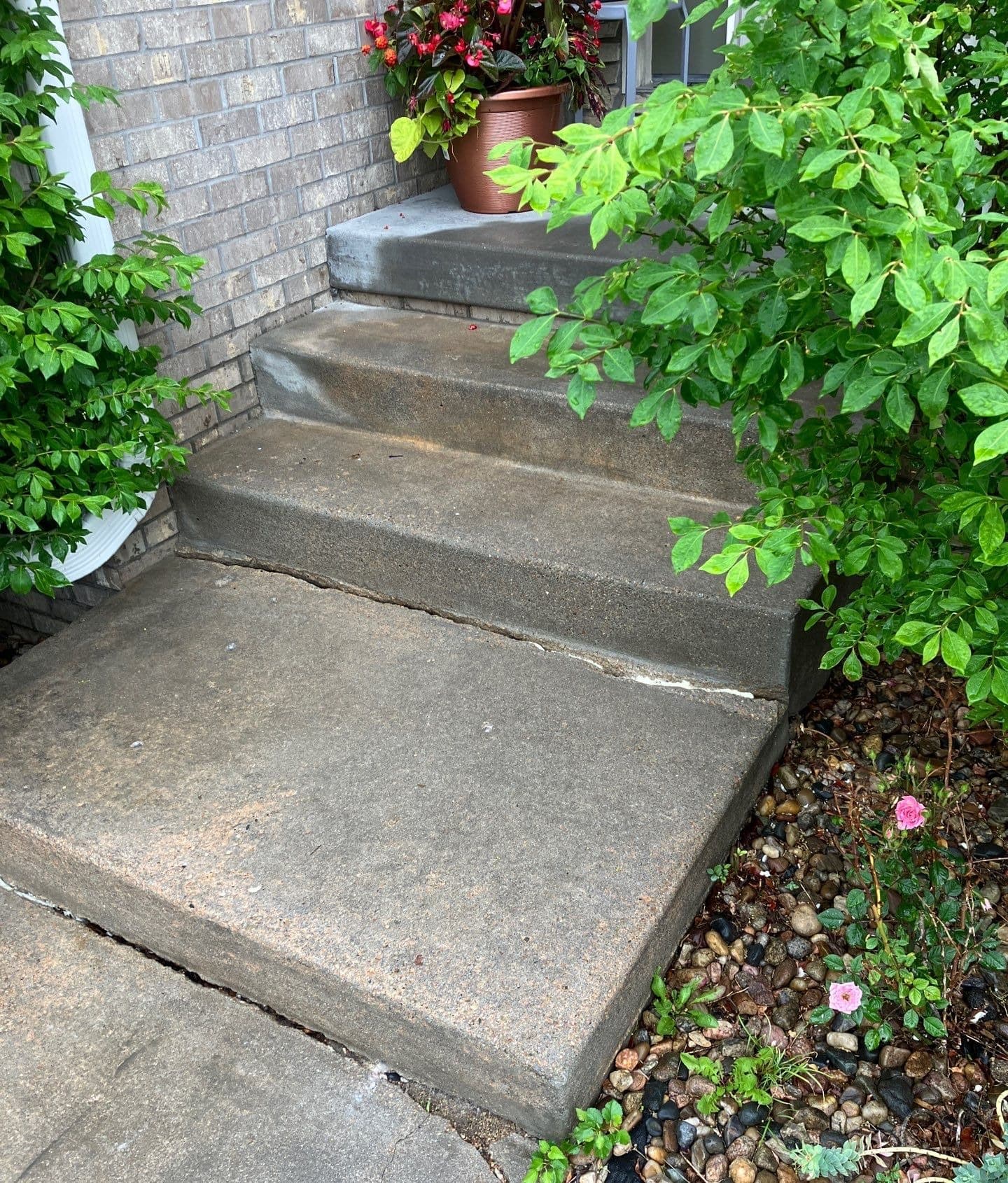
A settled set of concrete stair steps (a front porch stoop that has dropped away from the door threshold, basement entry stairs that have tilted to one side, garage steps that have settled into a tripping hazard at the slab joint) is one of the most common small-scope calls Epp Foundation Repair takes across Nebraska, Iowa, Kansas, and Missouri. We lift these step sets with concrete leveling on step sets, and the diagnostic question is usually simple: is the concrete itself intact, or has it cracked through? When the steps are sound and only the fill below has settled, polyurethane foam injection can lift the entire stair set back to grade. Residential concrete stair sets in this region, particularly the porch stoops poured onto fill in front of houses built in the 1960s through 1990s, almost always sit on minimal compacted backfill. The original construction often used the soil pulled out of the basement excavation as porch stoop fill, placed in shallow lifts and tamped by foot or roller rather than engineered compaction. Over time that fill consolidates further, especially after wet-dry cycles and freeze-thaw events, and the stoop drops. The step-to-house joint opens up, water gets behind the stoop, freeze-heave widens the gap, and the homeowner ends up with a step that has dropped below the door threshold.
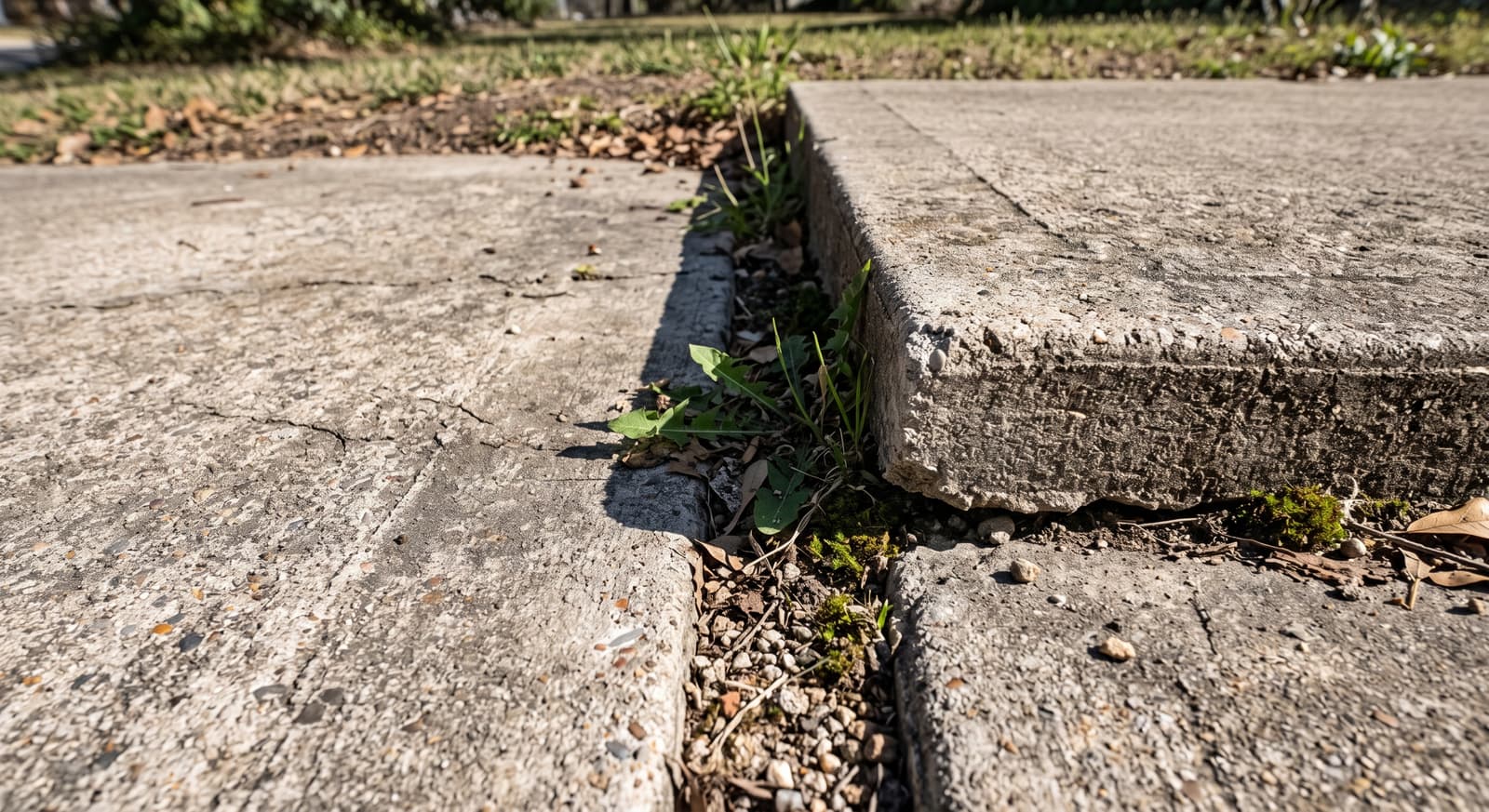
A poured concrete porch stoop, basement entry stair set, or garage step set is essentially a small slab cast on shallow fill. Like any slab, it has almost no flexural strength relative to its dead load. Once the fill below loses thickness through consolidation or erosion, the slab loses bearing across most of its bottom and drops as a unit. The lift mechanism for foam injection is the same as on a driveway slab or a sidewalk panel: drill ports through the step or the adjacent landing, inject two-part polyurethane resin, the resin expands and fills the void below, the step lifts. Across Nebraska, Iowa, Kansas, and Missouri, the most common settlement signature on porch stoops is a step set that has tilted away from the house. The outside edge has dropped further than the house-side edge because the fill at the outside edge of the stoop sees more wet-dry cycling and more freeze-thaw exposure. Freeze-thaw cycles in NE and IA freeze residual moisture in the stoop fill and lift the slab slightly each cycle; that lifted material doesn't fully settle back when it thaws, and over decades the cumulative effect is a slab that has tilted, dropped, and pulled away from the house. In the Kansas-Missouri clay belt the more common cause is expansive clay heave around stoops and entry stairs. Highly plastic clays swell when wet and shrink when dry. A stoop poured on clay fill cycles through expansion and contraction faster than the rest of the foundation because it has less mass and dries faster. Root pressure from adjacent landscaping is the third common driver. A maple, ash, or elm planted close to a stoop draws soil moisture during summer drought, the clay or loess shrinks, and the stoop corner closest to the tree drops.
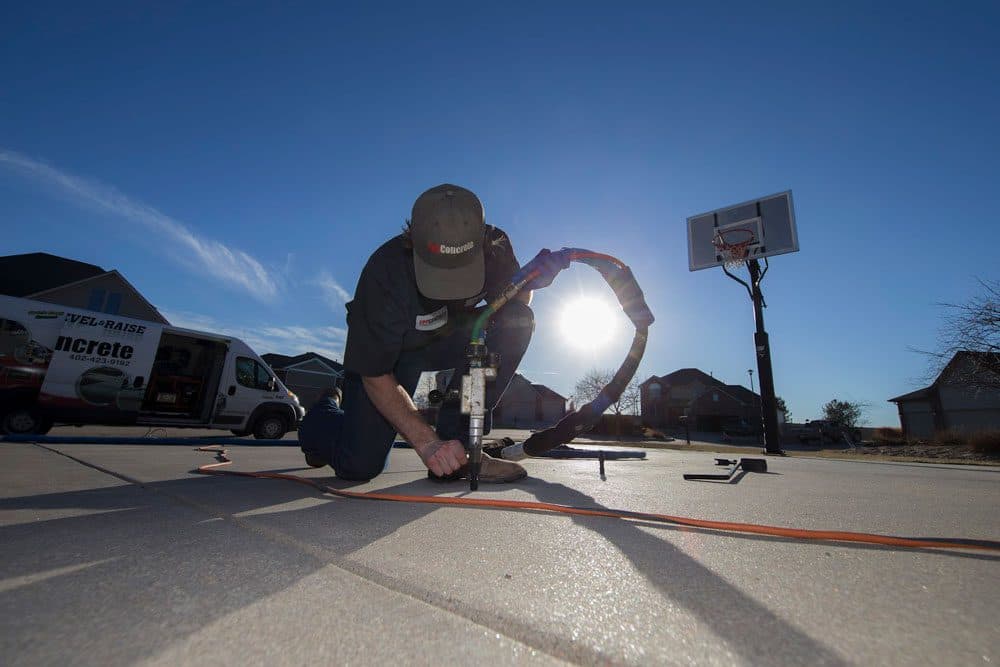
When the diagnosis clears the steps for lifting, Epp uses polyurethane foam injection through foam injection ports drilled either through the step itself, through the adjacent landing or stoop, or through a sidewalk or driveway slab tied to the step assembly. The choice of port location depends on where the void is and how the step set is configured. For a porch stoop, ports usually go through the top landing or the back edge near the house. For basement entry steps, ports often go through the surrounding sidewalk or driveway slab. For garage steps, ports typically go through the garage floor adjacent to the step set. Foam is the right answer for stair lifts because the work is fast, the holes are small (patched flush with color-matched material), and the foam is hydrophobic. It will not wash out under the freeze-thaw and downspout-spray conditions that typically caused the settlement in the first place. The step is walkable soon after the lift. A lift target is set before injection begins. On porch stoops the target is usually just shy of the door threshold to allow for normal threshold weatherstripping clearance and a slight pitch away from the house. On basement entry steps the target is whatever elevation restores normal stair geometry: equal riser heights from top to bottom and level treads.
Nebraska and western Iowa sit on windblown loess. Stoops poured on loess fill consolidate over time as the fill slowly densifies. Freeze-thaw cycles each winter accelerate the process by freezing residual moisture and lifting localized sections, which never fully settle back when they thaw. Kansas and Missouri stair sets more often deal with expansive clay shrinkage during summer droughts pulling the stoop corner down. Across Lincoln, Omaha, Council Bluffs, and St. Joseph, we see the loess and clay patterns repeat on porch stoops, basement entries, and garage step sets.
Epp Foundation Repair lifts the step set. Epp does not replace cracked, spalled, or broken step blocks. That is a mason's scope. Epp does not add, modify, or replace handrails. That is a carpenter or handyman scope. Epp does not re-flash the joint where the step meets the house. That is a roofing or siding contractor scope. Epp does not resurface step treads with decorative coating, tile, or stain. That is a specialty coating contractor. When a step set is structurally cracked through, deeply spalled across the tread surface, or otherwise too damaged to lift as a unit, Epp says so on the Customized Repair Estimate and recommends replacement. When a homeowner has both a settled stoop and a settled adjacent sidewalk or driveway, Epp typically lifts both in the same visit and prices them as a combined scope. Epp Foundation Repair is BBB A+ rated and a BBB Integrity Award winner. Every step lift comes with a written scope, a measured lift target, and Epp's 5-year PolyLift warranty against failure of the installed polyurethane to perform its lifting or stabilization function due solely to defects in materials or workmanship, which runs from substantial completion and requires full payment and compliance with the PolyLift Concrete Lifting Addendum and Expectations Sheet.
Customized Repair Estimate after on-site inspection reflects your scope. If the front step has dropped below the door threshold, an entry stair tilts toward the yard, a basement entry stair has settled into a water-trapping basin, or any step set has become a tripping hazard, schedule a free inspection.
Which Solution Is Right?
| Method | Fits when | Not a fit when | Warranty |
|---|---|---|---|
| Polyurethane Foam Injection | The step or landing itself is intact and only the fill below has settled. Ports go through the step, the landing, or a tied-in slab depending on the step set's configuration. | A tread or riser is cracked through its full thickness, tread spalling is deep, or the stoop is failing structurally at the band joist. | 5 years from substantial completion against failure of the installed polyurethane to perform its lifting or stabilization function due solely to defects in materials or workmanship. Requires full payment and compliance with the PolyLift Concrete Lifting Addendum and Expectations Sheet. |
| Combined Stoop and Adjacent Slab Lift | The settled step is tied to an adjacent sidewalk, driveway, or landing that has also settled, so Epp injects through the adjacent slab and lifts both in the same visit. | The step stands alone with no adjacent settled slab, where injecting through the step or landing directly is enough. | 5 years from substantial completion against failure of the installed polyurethane to perform its lifting or stabilization function due solely to defects in materials or workmanship. Requires full payment and compliance with the PolyLift Concrete Lifting Addendum and Expectations Sheet. |
Warranty terms above are the headline coverage and its governing condition. Full terms, exclusions, and owner responsibilities for every method are on Epp's warranty terms page.
Each method is matched to a specific failure mode and soil profile. Browse the toolkit we draw from when diagnosing your home.
PolyLift is Epp Foundation Repair's polyurethane foam injection method for lifting sunken driveways, sidewalks, patios, and garage floors. Small ports, a two-part expanding foam, and a laser-monitored lift, with the slab walkable 15 minutes after the work is complete.
Slab jacking and polyjacking are names homeowners use for the same idea: lifting a sunken concrete slab by injecting material underneath it. Epp Foundation Repair's slab jacking work, across Nebraska, Iowa, Kansas, and Missouri, is done with polyurethane foam.
Concrete depends on the soil underneath it for support. Runoff along an edge or a downspout that empties beside a slab can wash out or soften that soil, and part of a driveway, sidewalk or patio can then settle or tilt. Water under a slab that freezes and thaws can also leave gaps beneath it.
Based on NOAA 1991 to 2020 climate normals for Lincoln Municipal Airport and Omaha Eppley Airfield.
Based on USDA soil survey data for Lancaster County (Lincoln) and Douglas County (Omaha), clay is the main soil type in both counties. The survey rates Lancaster County high and Douglas County moderate for shrink swell. Clay can swell when it gets wet and shrink as it dries, so a slab or foundation on clay can move up and down with the seasons. The soils that cover the most ground in Lancaster County are Wymore and Aksarben, and in Douglas County they are Contrary and Marshall.
Loess, the wind deposited silt common in eastern Nebraska and western Iowa, can lose strength and settle when it gets wet. Water can reach it from runoff, a plumbing leak or a downspout that empties next to the house.
In Lincoln and Omaha, soil near the surface can freeze and thaw many times between fall and spring. Each city's building code sets a frost line depth, which is the minimum depth below finished grade for a footing. It is 36 inches in Lincoln and 42 inches in Omaha. Supports that sit above that depth, such as some porches, stoops and chimney footings, can move as the ground freezes and thaws.
Horizontal cracks in a basement wall are more often linked to pressure from the soil outside the wall than to settlement. Wet soil pushes harder against a wall than dry soil, and soil that freezes against the wall can add to that pressure.
Climate: NOAA U.S. Climate Normals 1991 to 2020, LINCOLN MUNI AP (USW00014939) and OMAHA EPPLEY AIRFIELD (USW00014942), retrieved September 30, 2026. Soil: USDA NRCS Soil Data Access (SSURGO), county survey for Lancaster County and Douglas County. Frost line depth: Lincoln Municipal Code 20.12.140 and Omaha Municipal Code Sec. 43-127.
These are the concrete leveling problem signs Epp Foundation Repair diagnoses most often. Each one links to what causes it and how it is repaired.
Our specialists evaluate the underlying cause before recommending any work. Inspections are at no cost and there's no obligation to proceed.
"A settled porch stoop in Lincoln or Omaha is almost always a fill problem, not a step problem. The fill placed under that stoop in 1974 was the dirt the builder pulled out of the basement, tamped with a foot or a hand roller, and called good. Fifty years later it has lost an inch of thickness. We drill 5/8-inch ports, inject foam, lift the stoop back to the threshold, and the homeowner has a stable step for the life of the house."

Completed work photographed on real job sites across Nebraska, Iowa, Kansas, and Missouri.
Epp Foundation Repair is locally owned and operated, with crews dedicated exclusively to foundation, basement, and concrete work across the Midwest.
Foundation repair, waterproofing, and concrete leveling are our entire focus, not a sideline.
Three decades of experience with Midwest soils, basements, and weather conditions.
Recognized by the Better Business Bureau for integrity and ethical business practices.
Many of our repairs carry a written Epp warranty. The warranty page lists every covered repair and its terms.
Don't see your question here? Our team is happy to help. Reach out anytime.
Every home is different. What a repair costs depends on the cause, the scope, and access. A free on-site inspection produces a Customized Repair Estimate that reflects your home, not a typical range.
Customized Repair Estimate after on-site inspection reflects your scope.
Stair step leveling is not the right service when a tread, riser, or step block is cracked through its full thickness (replacement by a mason is the call), when tread surfaces have spalled or scaled deeply across most of their area (replacement), or when the porch stoop itself is failing structurally: separating from the house at the band joist, sinking with active foundation movement, or showing rebar exposure from heavy spalling (separate scope).
BBB A+ rated and BBB Integrity Award winner
Related to what you are reading. Our team covers the same ground on camera.
Every concrete leveling method we install. Sequenced so the soil profile and failure mode determine the fix.
 01
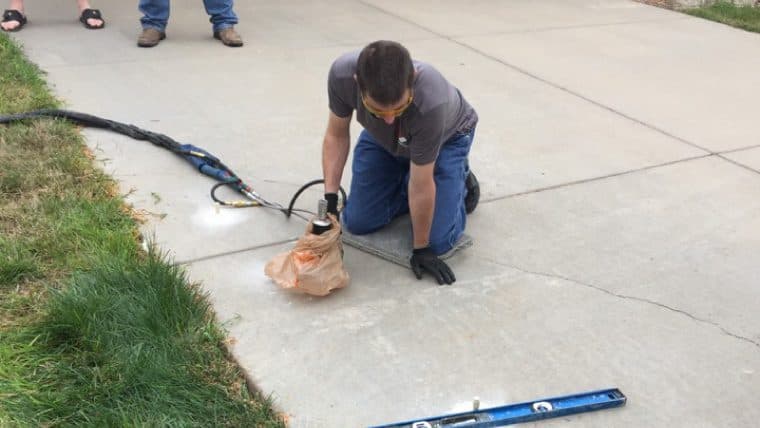
01 Polyurethane foam can lift settled driveway sections back to original grade. Epp Foundation Repair corrects settled drives across Nebraska, Iowa, Kansas, and Missouri.
Learn more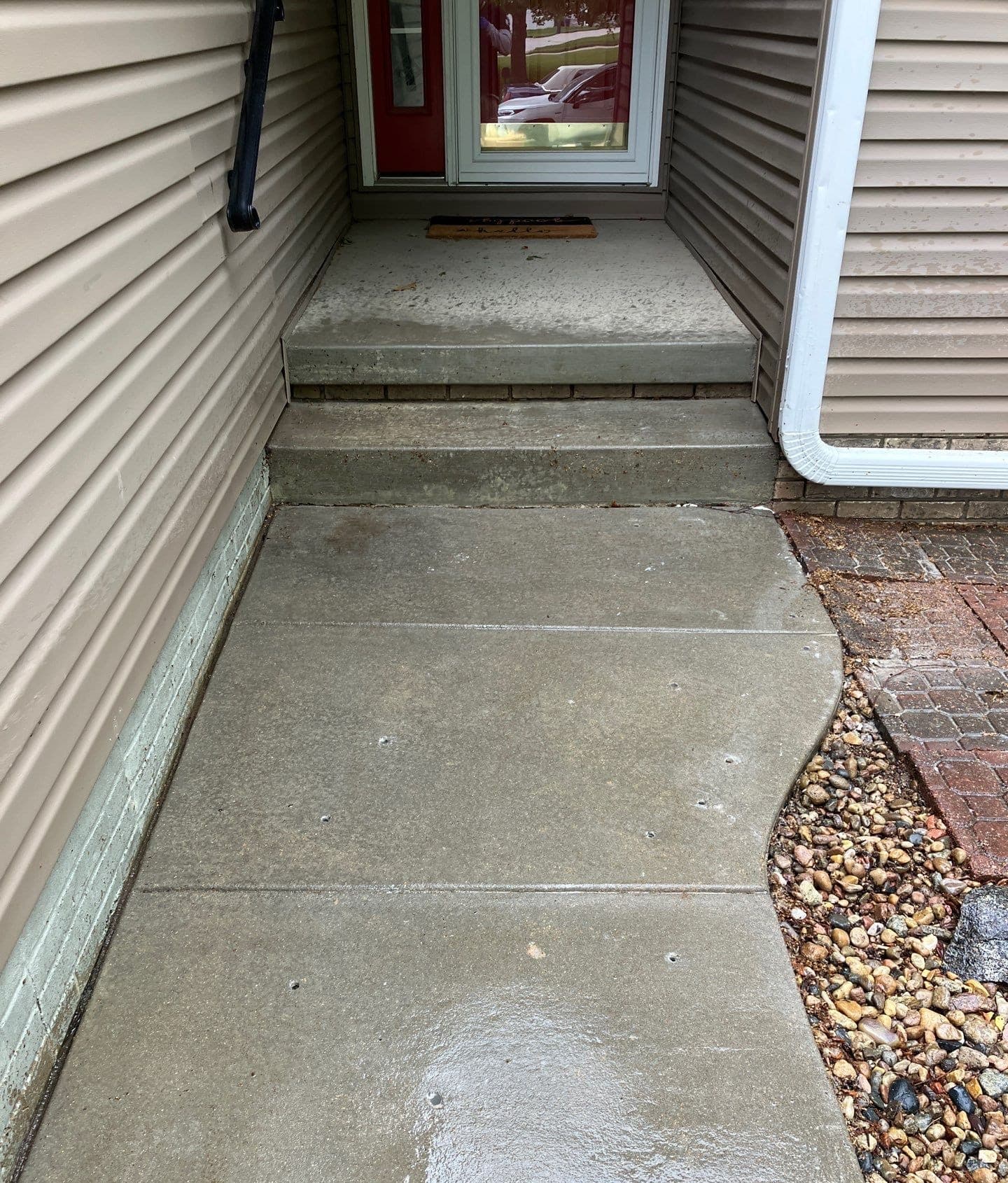 02
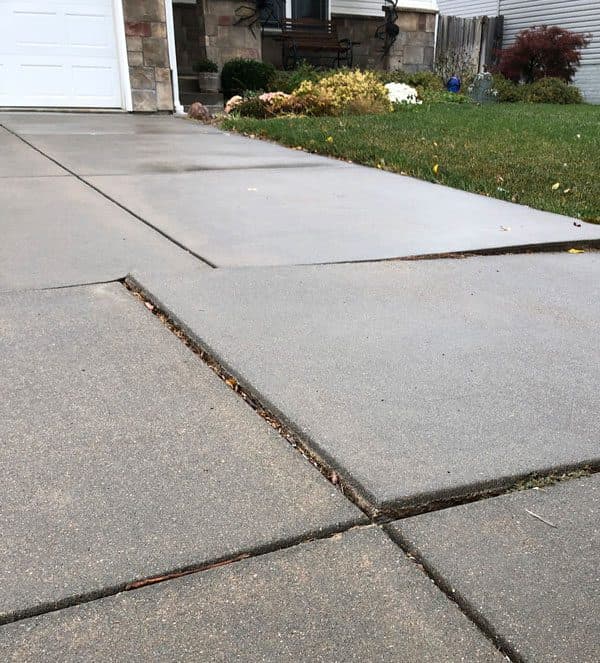
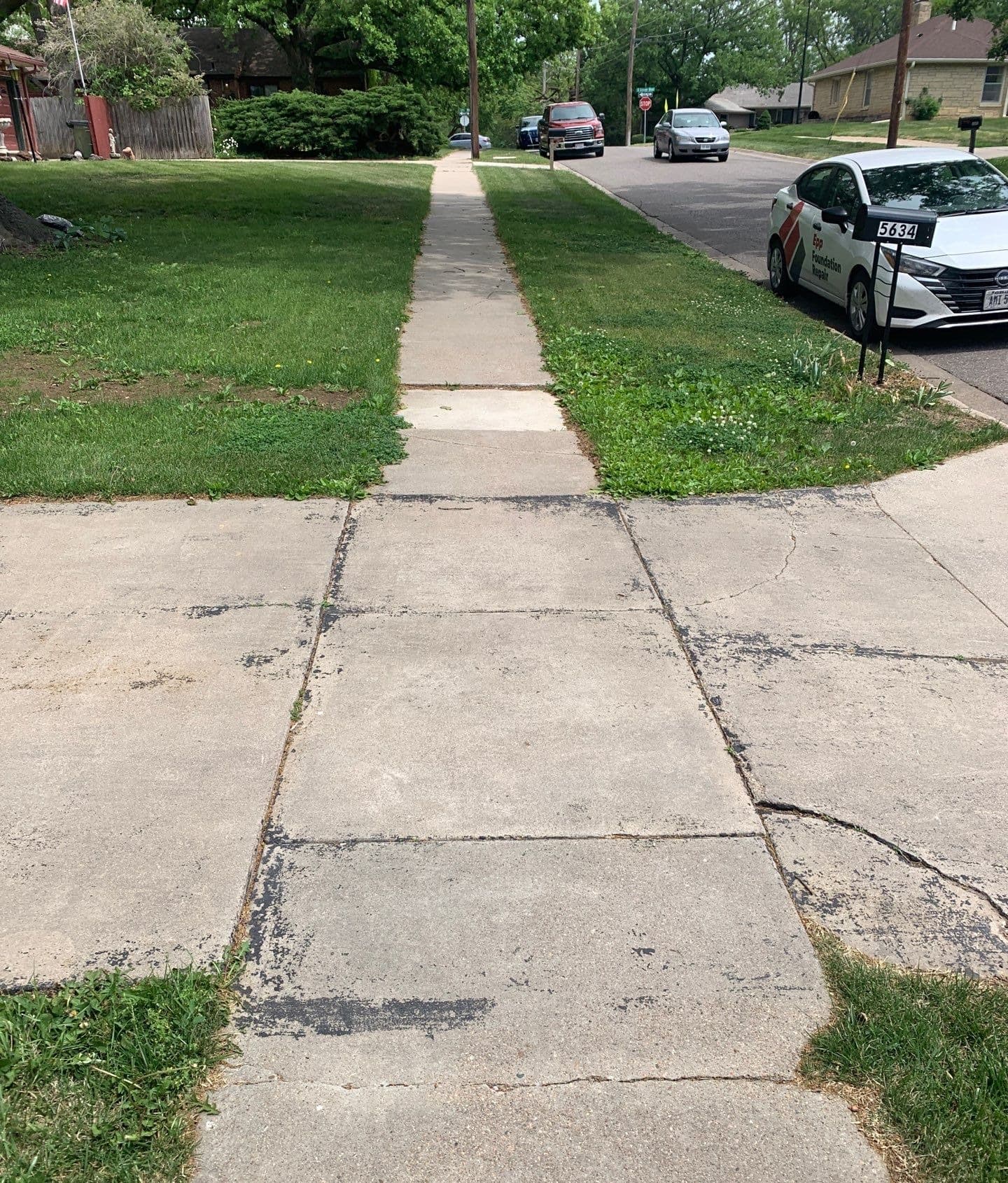
02 Polyurethane foam lifts settled sidewalk sections back to grade and eliminates trip hazards that put homeowners on the wrong side of liability law. Epp Foundation Repair corrects residential sidewalks across Nebraska, Iowa, Kansas, and Missouri.
Learn more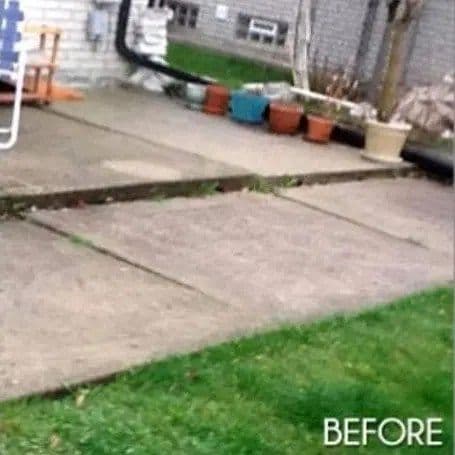 03
03 Polyurethane foam can lift settled patio and porch slabs back to original grade and restore positive drainage away from the house. Epp Foundation Repair corrects residential outdoor living spaces across Nebraska, Iowa, Kansas, and Missouri.
Learn more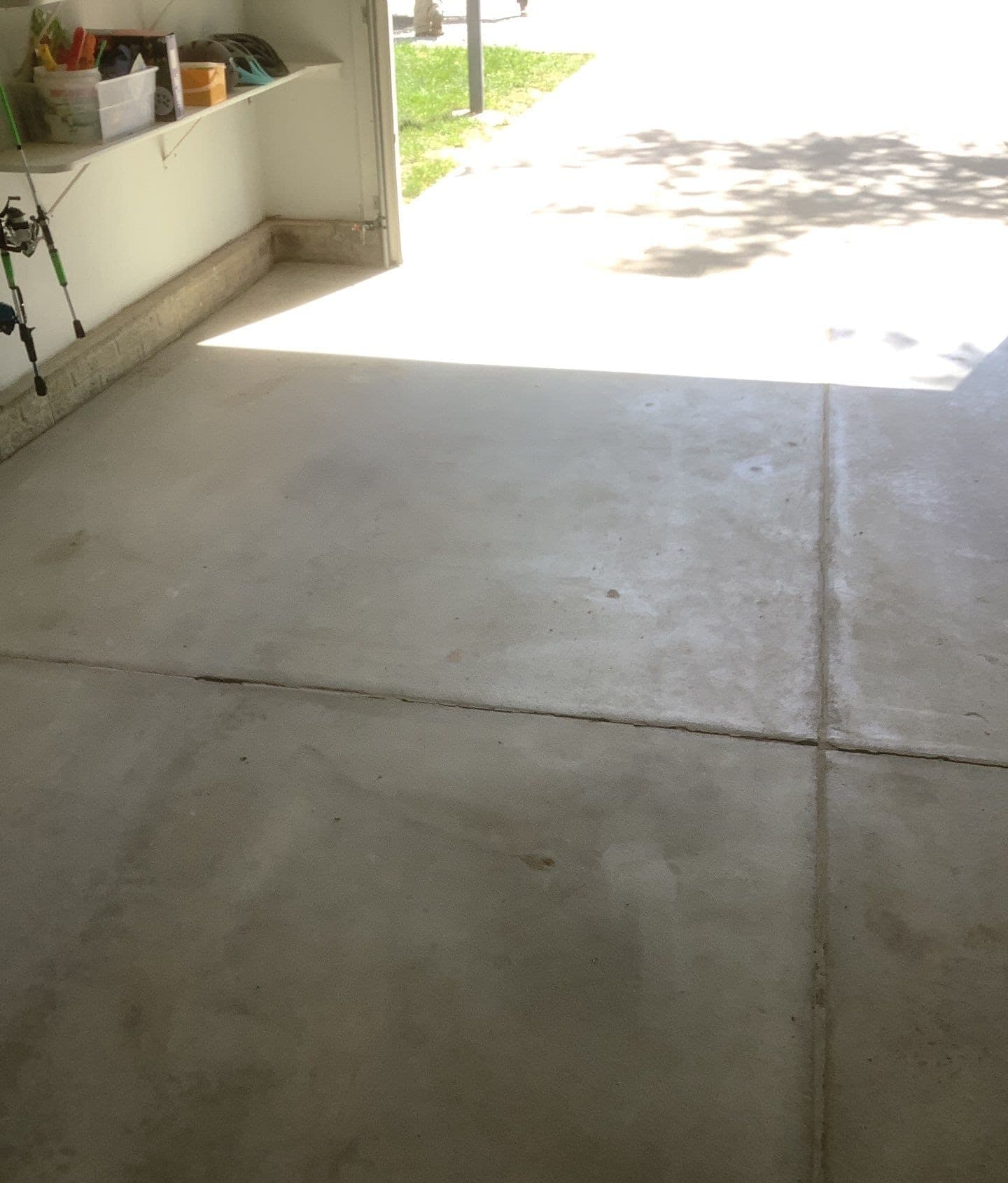 04
04 Polyurethane foam can lift settled garage slabs back toward original grade for vehicles, equipment, and future floor coating. Epp Foundation Repair corrects garage floors across Nebraska, Iowa, Kansas, and Missouri.
Learn more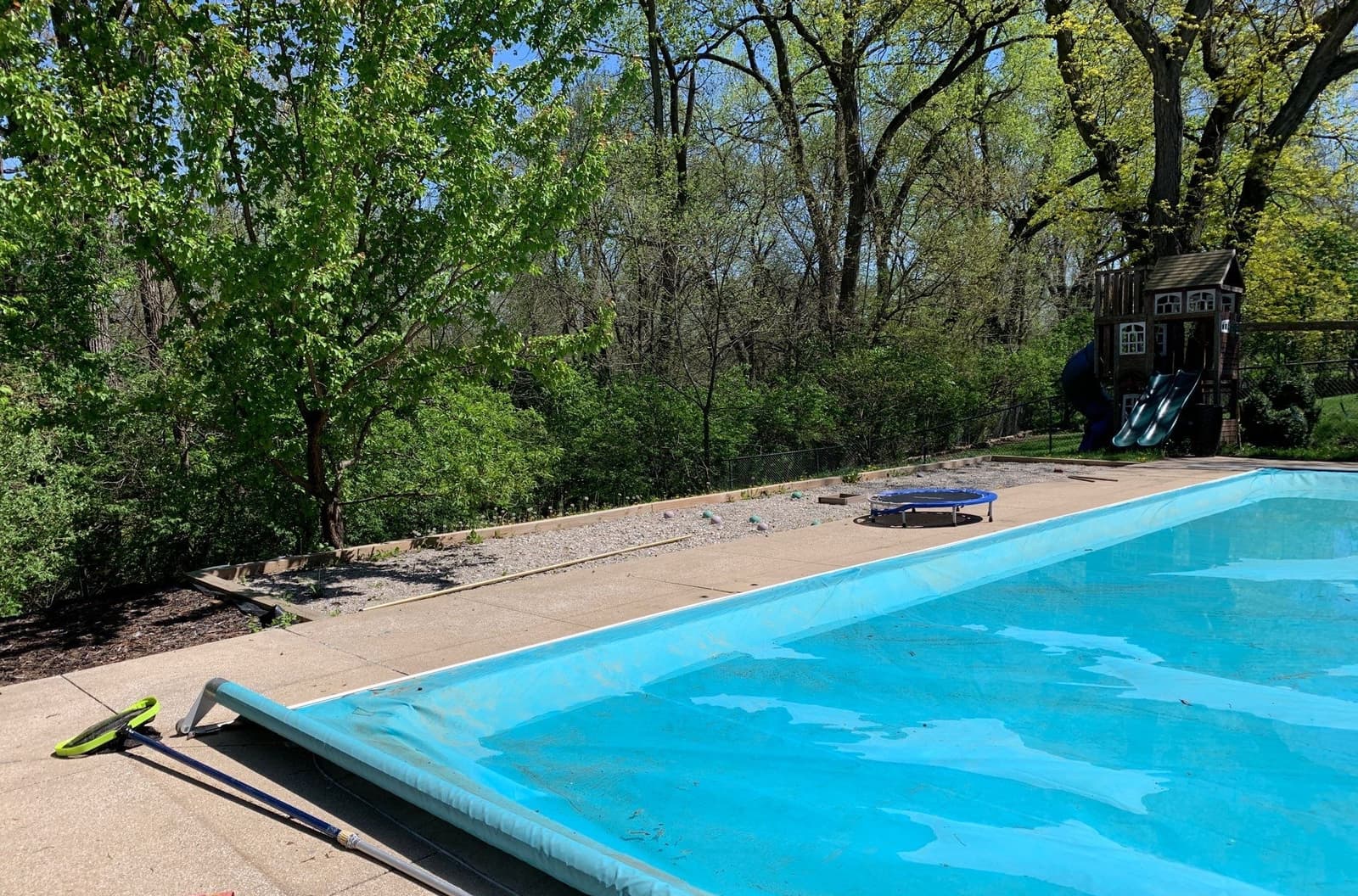 05
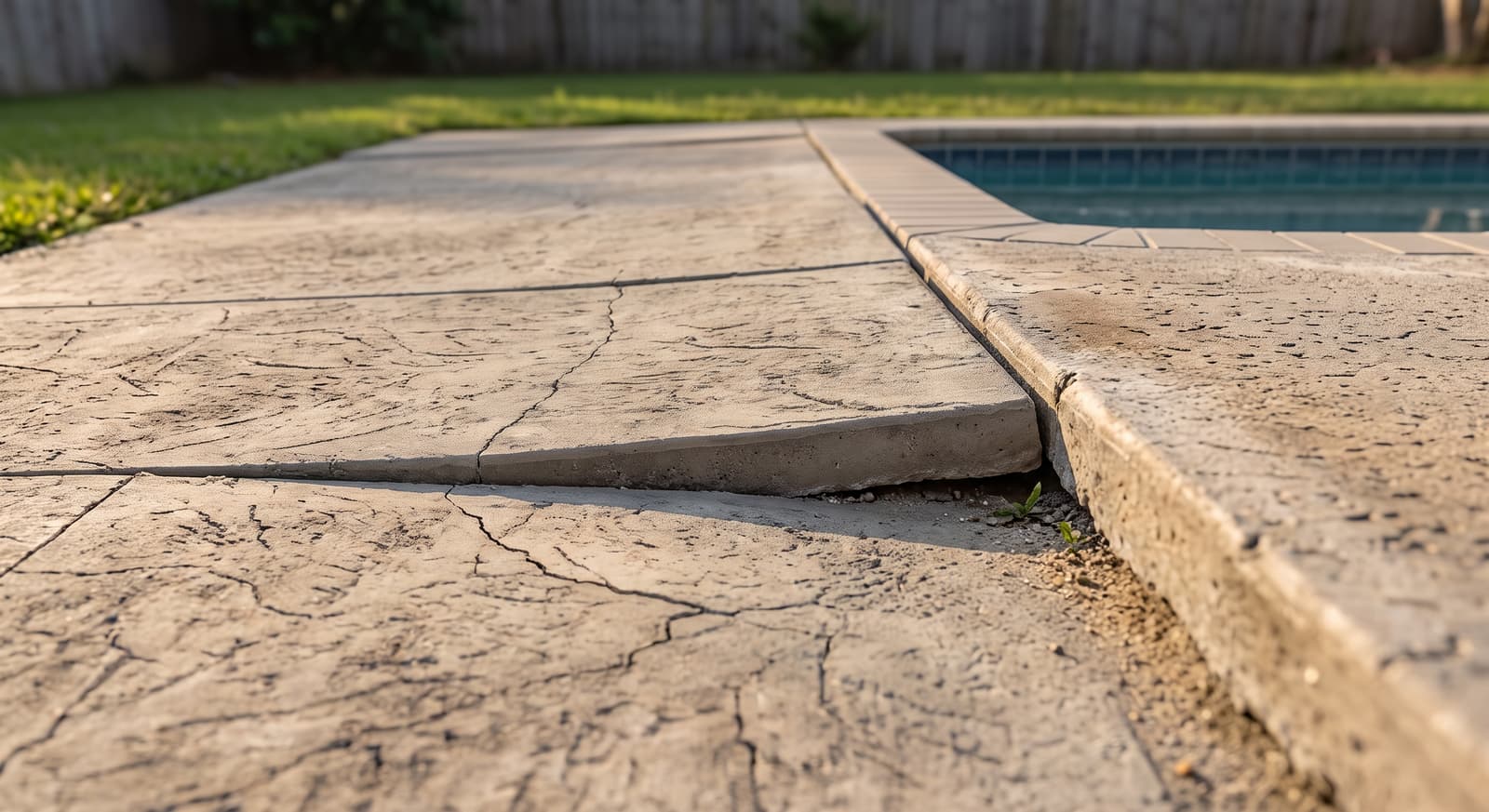
05 Epp Foundation Repair lifts settled pool deck sections with polyurethane foam, but only after confirming the pool shell and coping aren't the actual problem. A settling deck and a moving pool are two different jobs.
Learn more 06
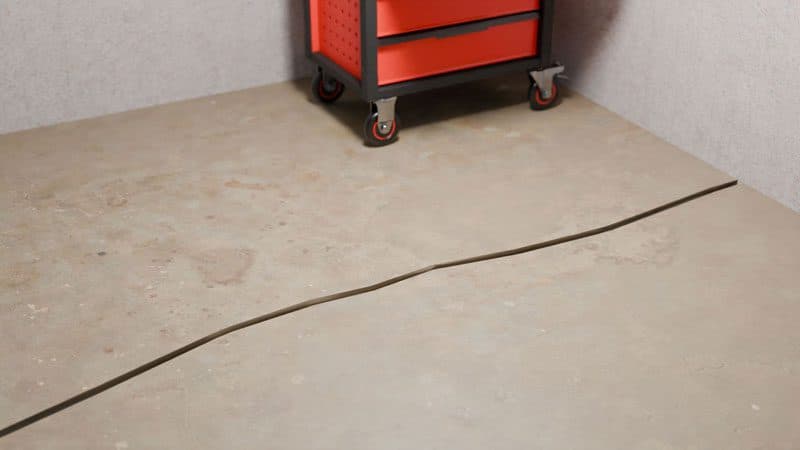
06 Epp Foundation Repair lifts settled interior slabs (basement floors, slab-on-grade living areas, garage floors) with polyurethane foam injected through floor finishes, only after the sub-slab cause is identified.
Learn more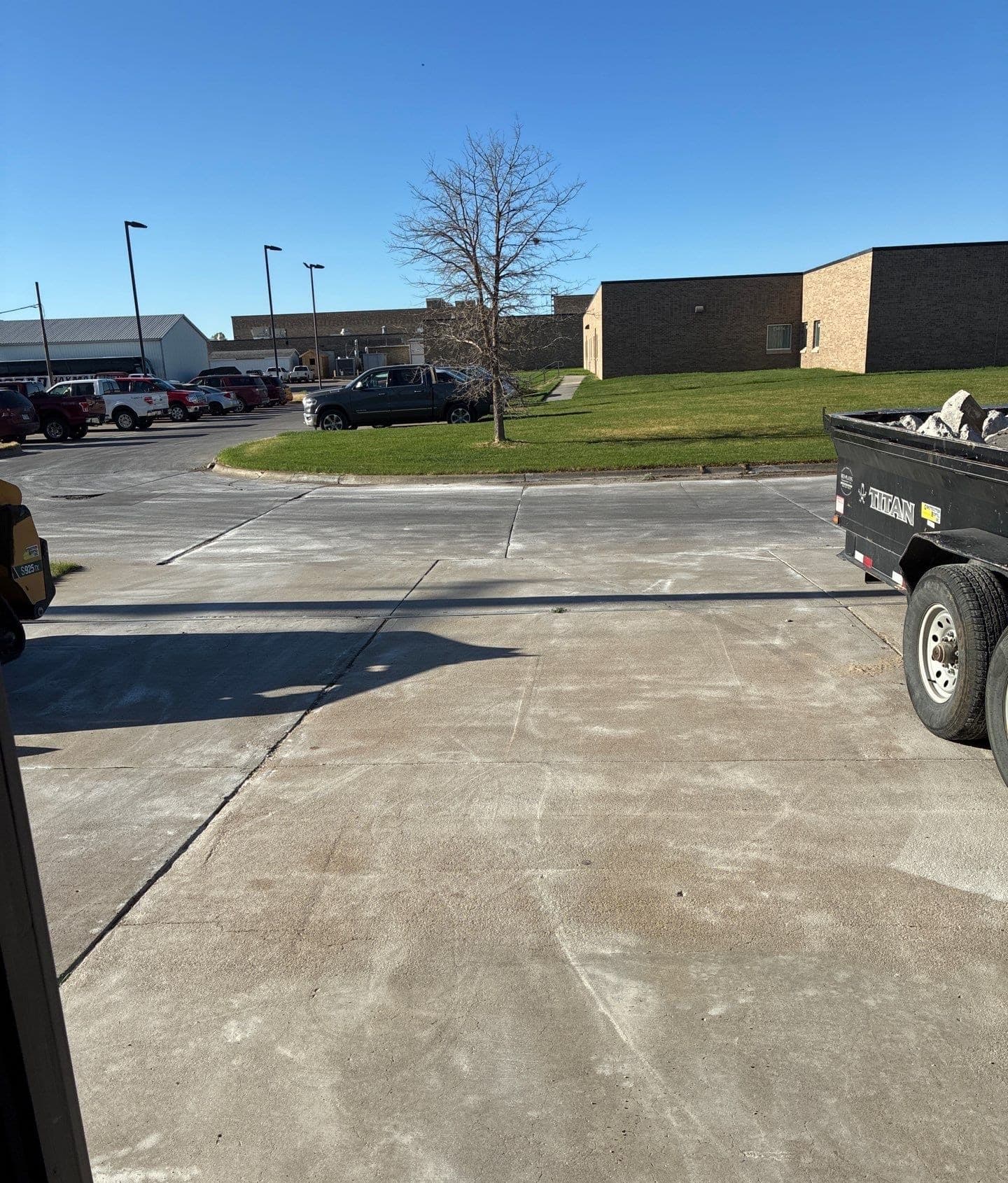 07
07 Epp Foundation Repair lifts settled commercial slabs (warehouse floors, retail flatwork, restaurant kitchens, parking lots, loading docks) with polyurethane foam, engineered around the operating schedule of the business.
Learn moreLocal crews based in five regional offices, dispatched daily across four states. If your town isn't listed, call us: we likely serve your area.
A straightforward path from initial inspection to completed repairs.
An Epp inspector measures the drop at the step-to-threshold joint, sights along the tread surfaces, checks for cracks through the full thickness of any tread or riser, looks for deep spalling, evaluates the step-to-house joint condition, and assesses adjacent slabs (sidewalk, driveway, stoop landing) for related movement.
Epp produces a written scope identifying injection port locations, the target lift in fractions of an inch at the step-to-threshold joint and across the tread surfaces, the volume of polyurethane foam estimated, and a Customized Repair Estimate.
The crew drills injection ports through the top landing of the stoop, through the back edge near the house, or through an adjacent slab tied to the step assembly. Two-part polyurethane resin is pumped through each port; the resin expands and fills consolidated fill voids below.
A 4.9-star average across Google, with verified reviews from homeowners throughout Nebraska, Iowa, Kansas, and Missouri.
Schedule your inspection in seconds with our Driive booking tool, or share a few details and a local specialist will follow up within one business day.
Practical articles from the Epp team on foundation health, waterproofing, and home preservation.
 Concrete LevelingLatest
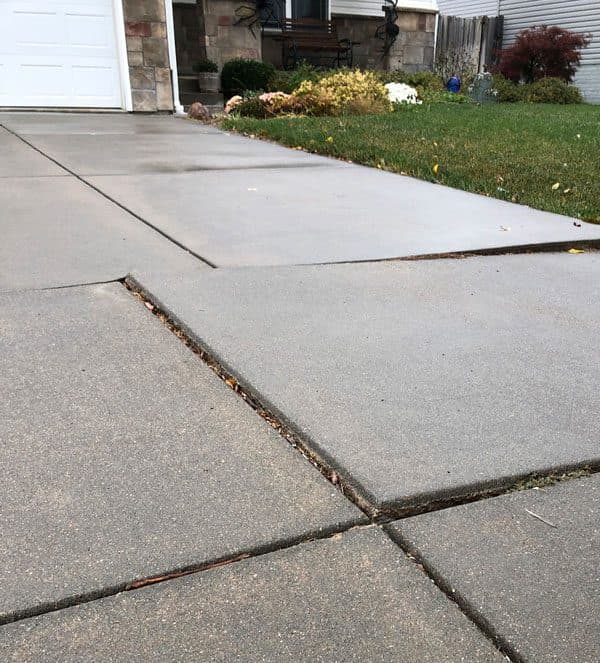
Sunken concrete can often be lifted instead of replaced. Learn why driveways and sidewalks sink, when lifting works, and when replacement makes more sense.
 Concrete Leveling
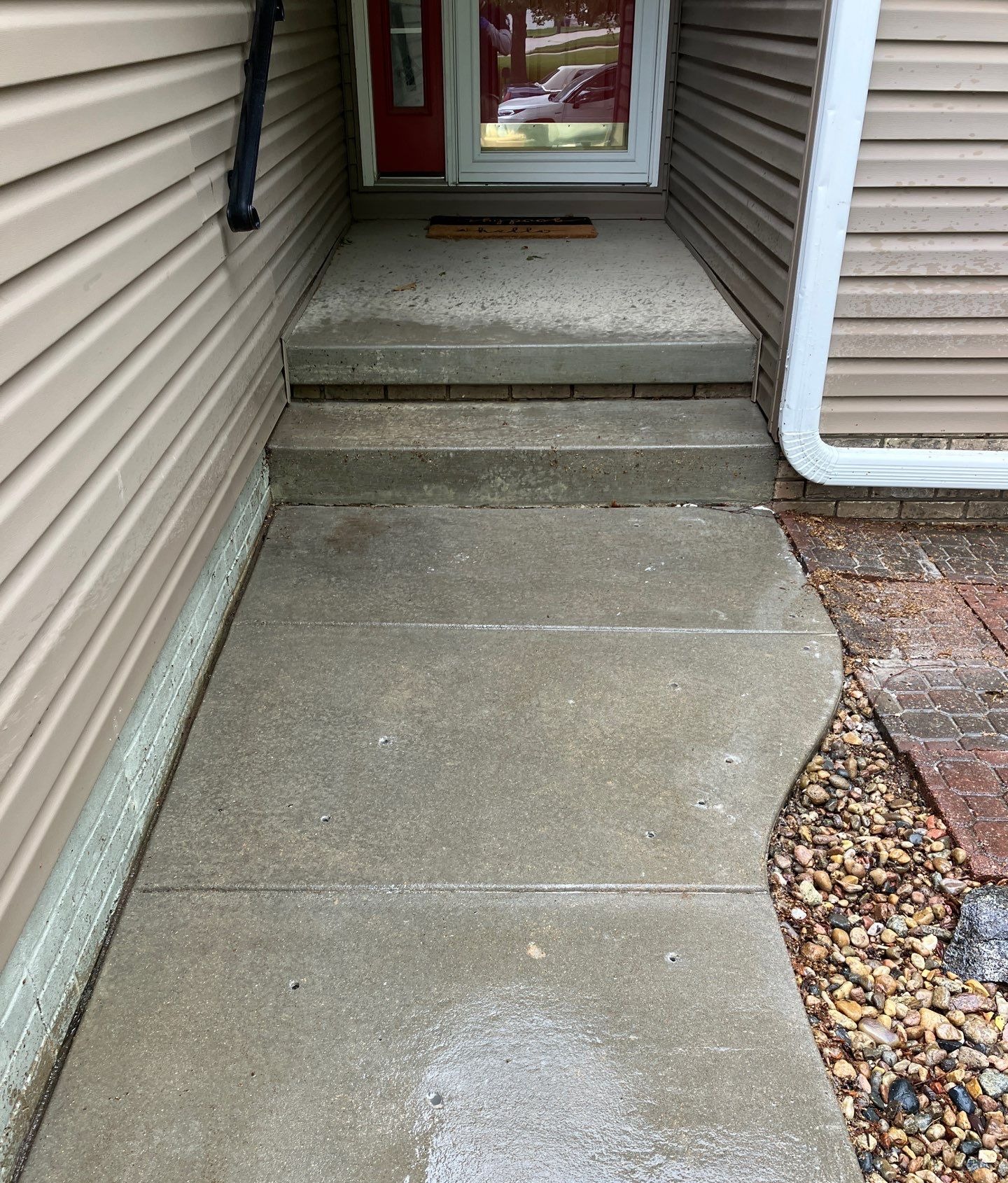
Front steps that sink and pull away from the house are often a soil problem. Learn why it happens and when Epp can lift them with polyurethane foam.
 concrete leveling
Both methods can lift sunken concrete, but only one is what Epp Foundation Repair installs. Here are the ten factors behind the price difference and why.
 Concrete Leveling
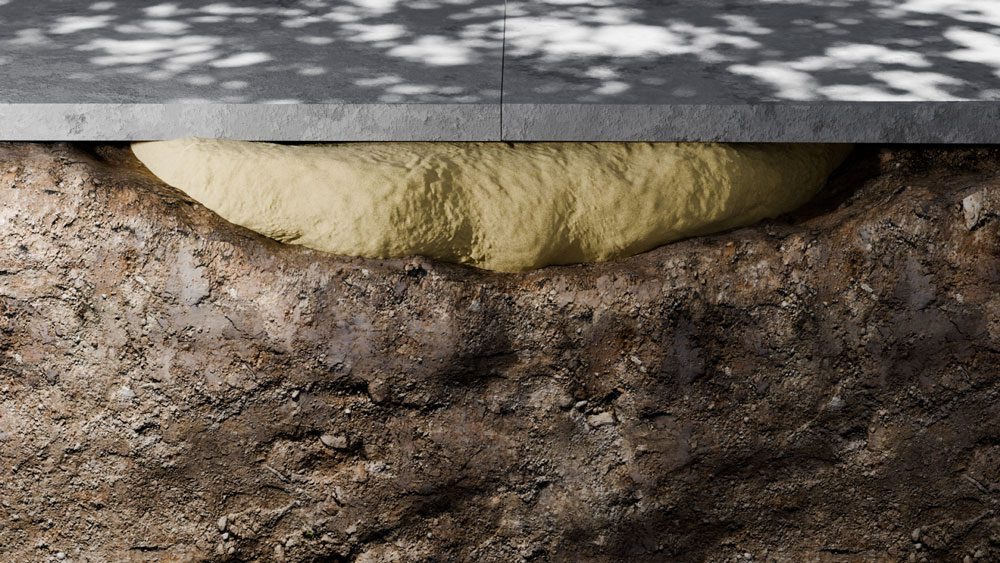
Expandable foam offers a fast, minimally invasive way to level uneven concrete surfaces. Learn how polyurethane foam injection works and what to avoid.
