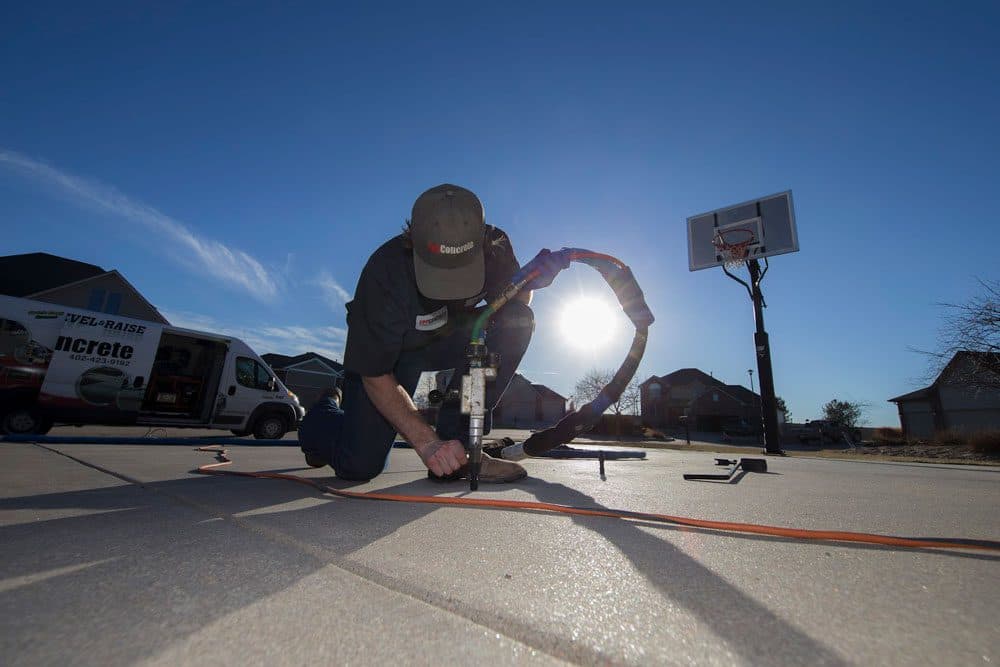
Eliminate Trip Hazards on Your Property
Epp Foundation Repair has resolved trip-hazard differentials across Nebraska, Iowa, Kansas, and Missouri since 1994.

Let's take the first step toward a healthy home.
A local specialist will inspect your foundation, walk you through the findings, and send a clear estimate, no cost, no pressure.
Tripping Hazards: diagnosed and explained.
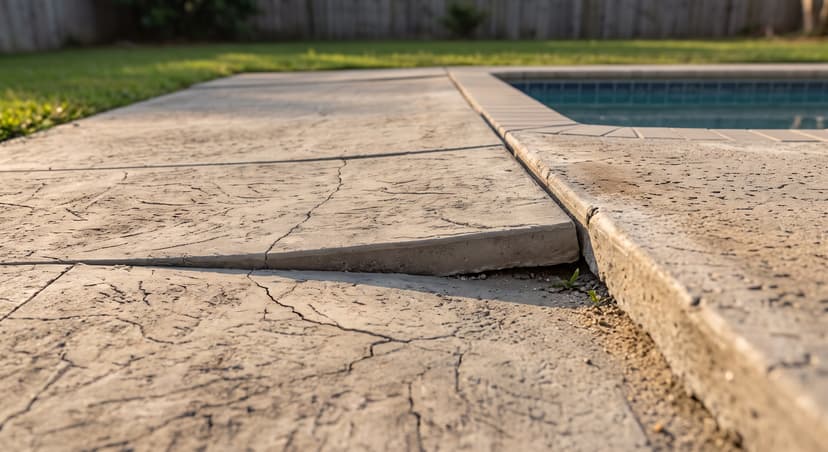
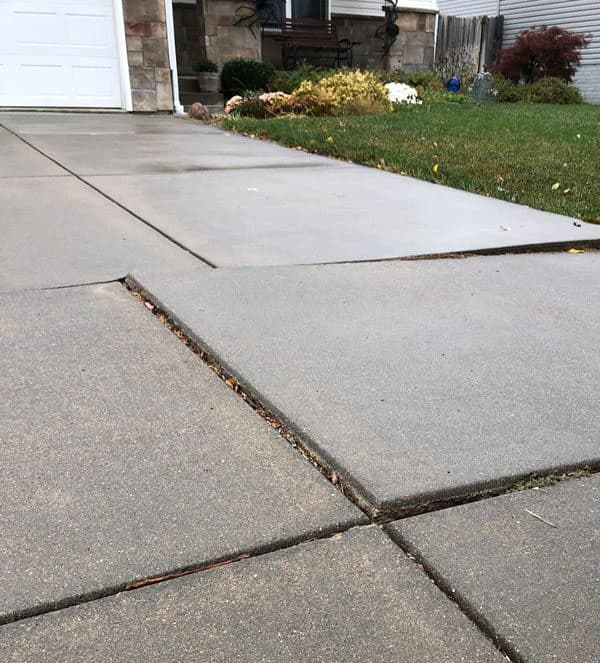
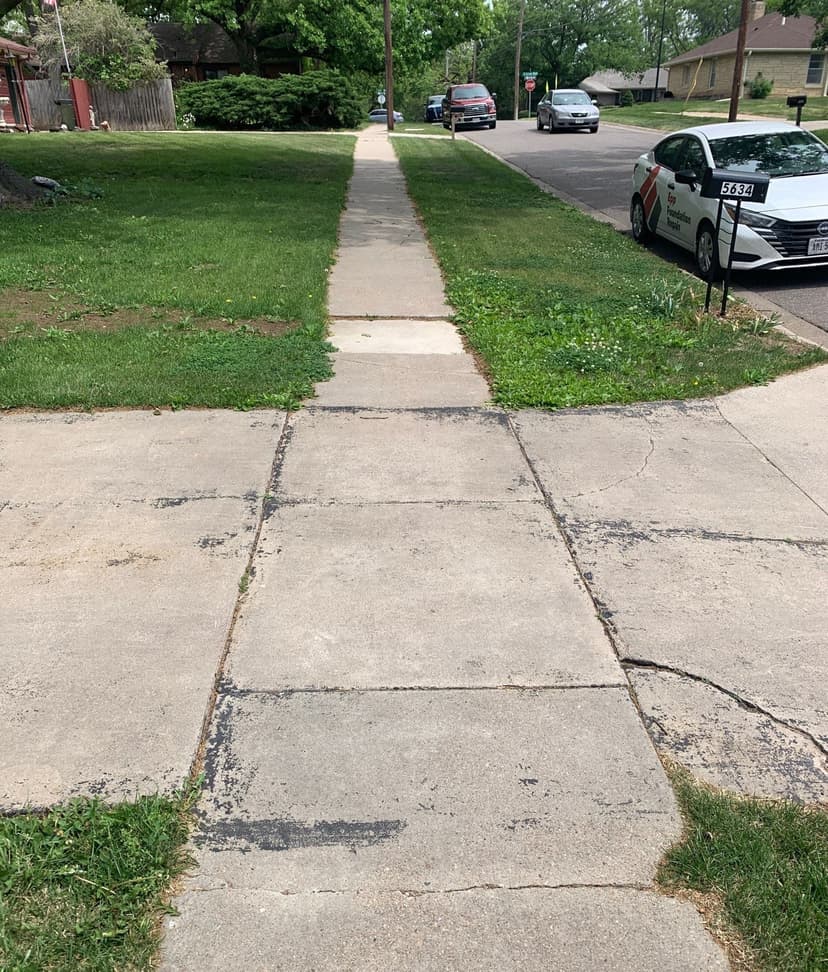
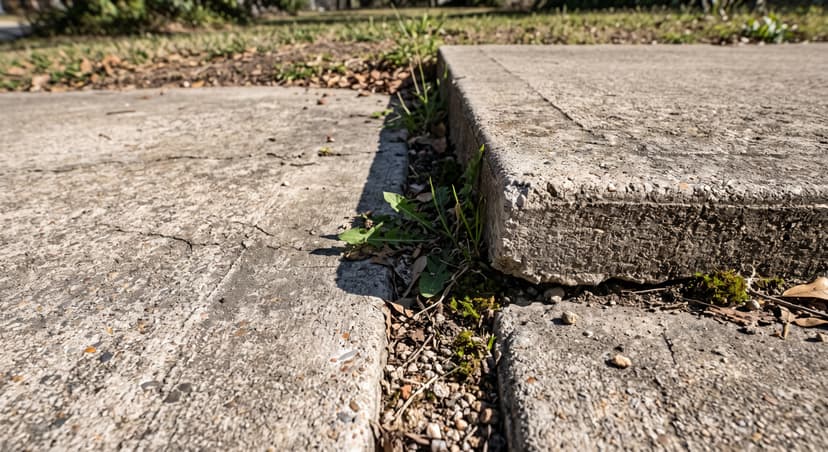
Epp Foundation Repair treats trip hazards as a liability category, not just a concrete category. A trip hazard exists wherever a vertical differential between adjacent walking surfaces exceeds the threshold defined by local code. Epp's crew measures and photographs each hazard and documents it in a Customized Repair Estimate. Trip-hazard calls are a steady part of the concrete leveling work, and a raised slab edge on a walkway can be a liability for the property owner.
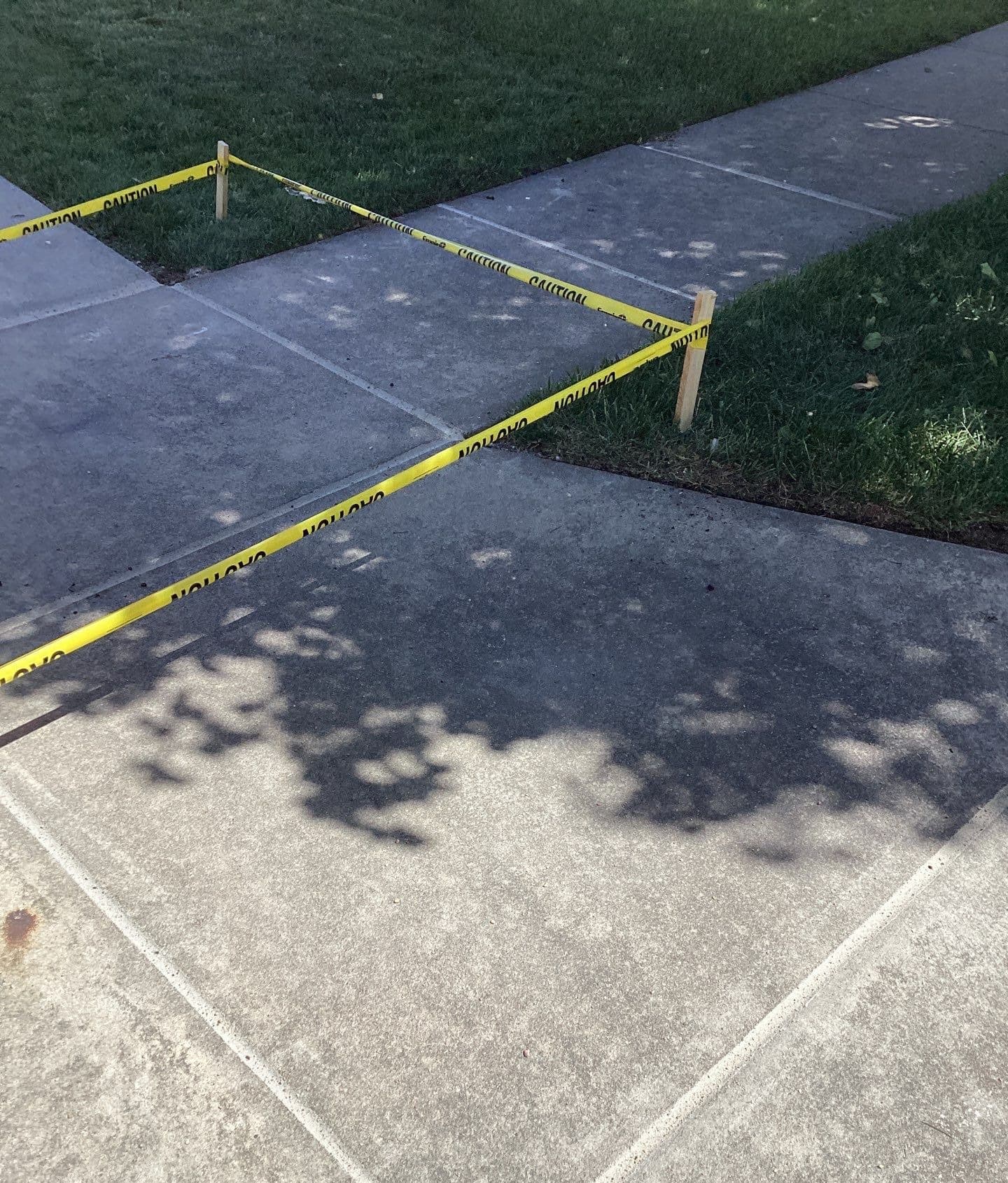
Signs a Trip Hazard Needs Attention
- 01
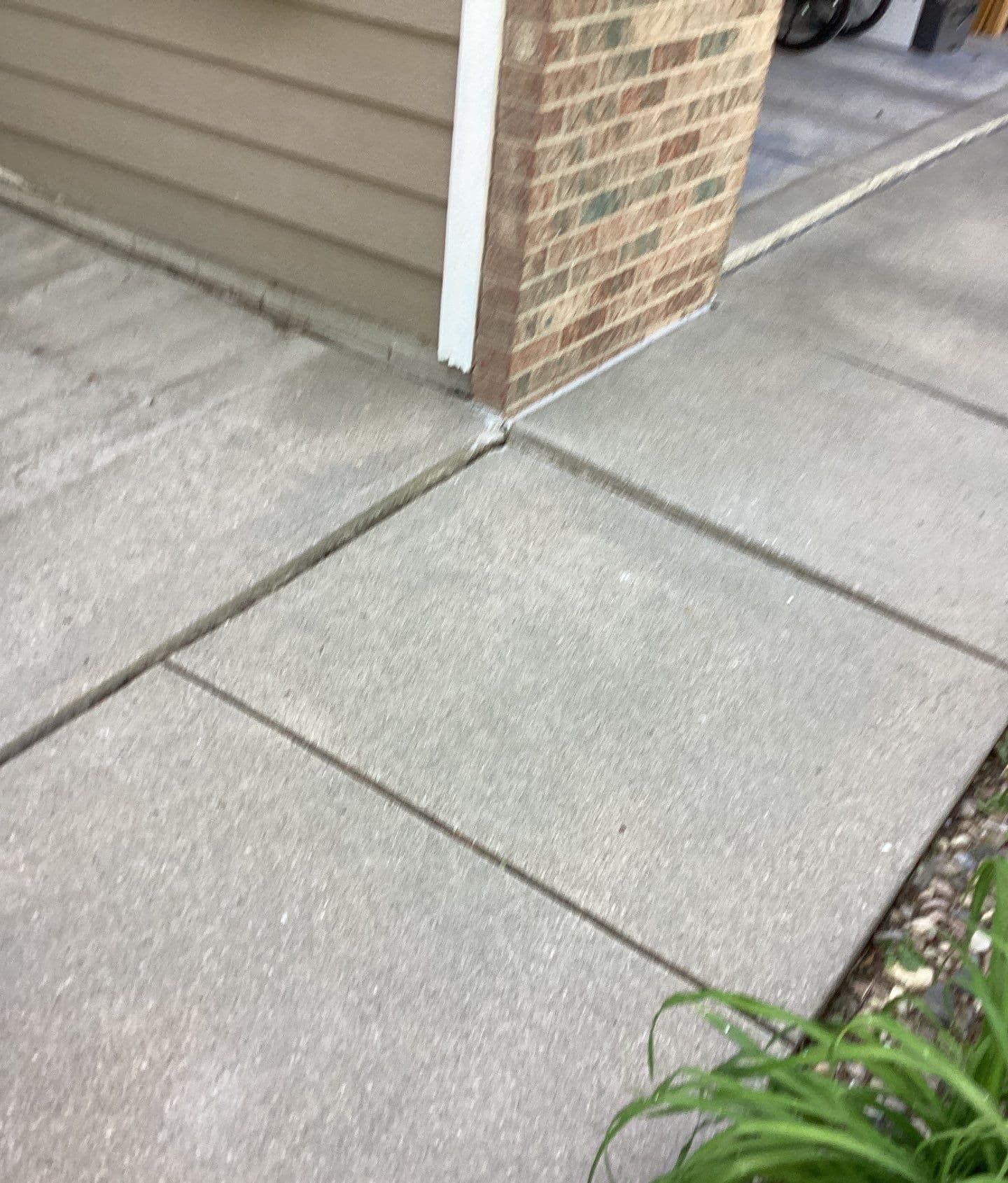
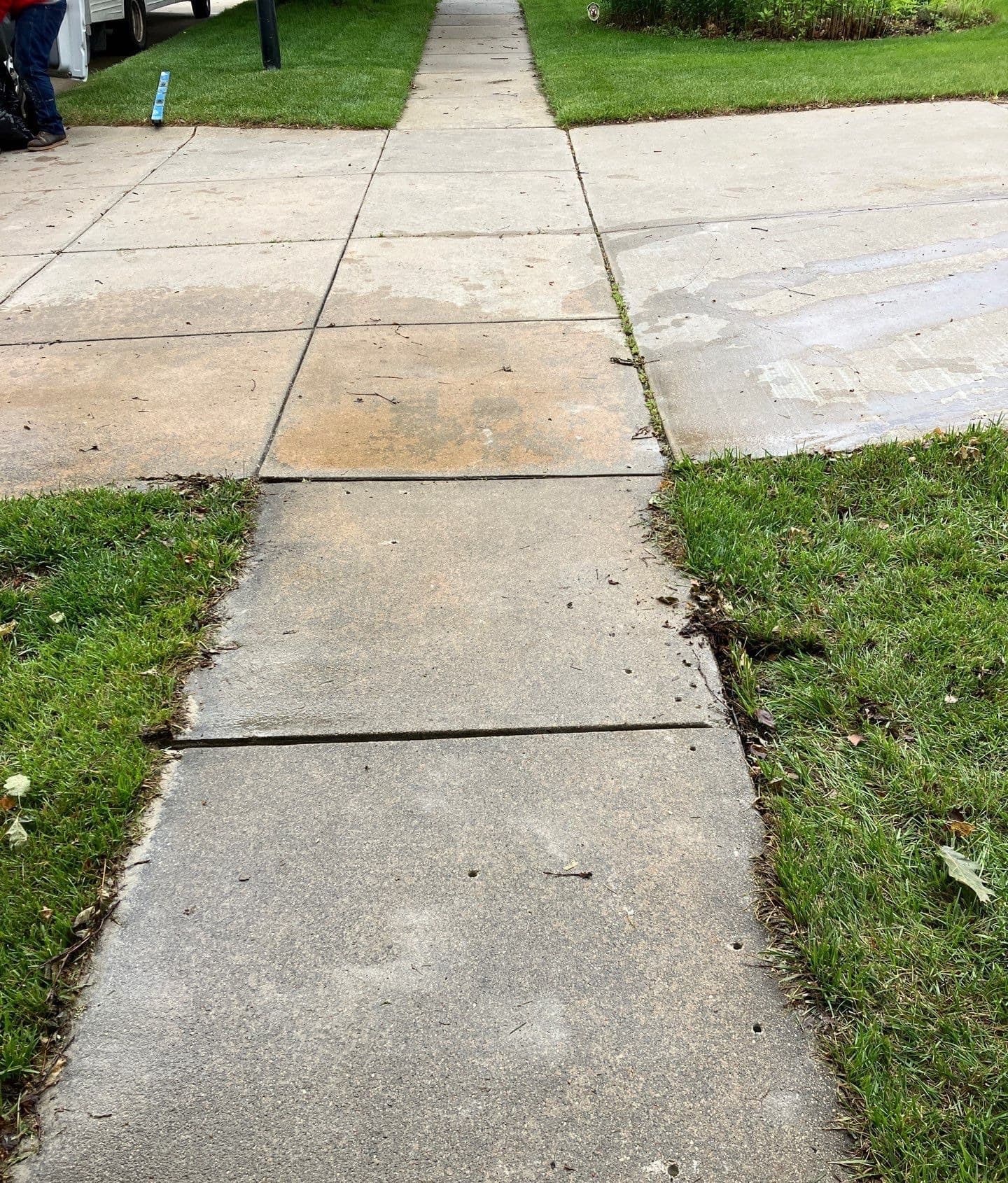
A Vertical Differential Between Panels
Local codes can treat a vertical differential between panels as an unsafe condition that needs repair.
- 02
Differential Located on Public Sidewalk Fronting Your Property
Local ordinances can make the homeowner responsible for maintaining the public sidewalk in front of their property.
- 03
Hazard Located Where Mail Carrier, Delivery Driver, or Service Worker Walks
Mail carriers, delivery drivers, service utility crews, and meter readers all use these walkways.
- 04
Sharp Edge or Spalled Concrete at the Differential
A clean vertical differential is less hazardous than a differential with a sharp spalled edge that catches the toe of a shoe. Salt-damaged slab edges and freshly heaved root-edge slabs both produce these sharp-edge differentials.
What causes tripping hazards in Midwest homes.
- 01
Mature Tree Root Heave Lifting Slab Edges
Silver maples, cottonwoods, sweetgums, and bur oaks planted on residential lots and parkway strips across Lincoln, Omaha, and St. Joseph develop root masses that lift adjacent sidewalk and driveway edges. Epp Foundation Repair identifies root-driven heave on trip-hazard inspections.
- 02
Loess Hydroconsolidation And Expansive Clay Swing
Loess soils along the Missouri and Platte river valleys consolidate on first deep saturation, dropping individual slab sections relative to adjacent panels. Expansive clays swing in volume seasonally, lifting and dropping panels differentially as moisture cycles. Both mechanisms can produce trip-hazard differentials over time.
- 03
Freeze-Heave Cycling Across Expansion Joints
Nebraska, Iowa, Kansas, and Missouri see frequent freeze-thaw cycles each year. Water entering a failed expansion joint freezes to 9% volumetric expansion, lifts one side of the joint, and on thaw the panel does not return all the way to grade. Over many winters the cycling compounds into a larger differential, a common cause of trip hazards on residential driveway-to-sidewalk transitions.
- 04
Salt-Driven Edge Spalling
Sodium chloride and magnesium chloride de-icers applied to driveways and walkways degrade the slab edge over many winters. The top layer of concrete paste scales off, exposing aggregate and creating an irregular sharp edge that catches toes and shoe edges. Spalling produces trip hazards that grinding alone cannot fix. The slab edge must be either lifted to bring adjacent surfaces level or replaced if spalling is extensive.
- 05
Expansion Joint And Saw-Cut Joint Failure
Expansion joints between flatwork sections are designed to absorb thermal movement, and saw-cut control joints are designed to direct shrinkage cracks. When the joint sealant fails, water enters, freezes, and lifts one side. The unsealed joint becomes the active hinge point that produces differentials. Resealing those joints helps prevent the freeze-driven trip hazards Epp Foundation Repair documents.
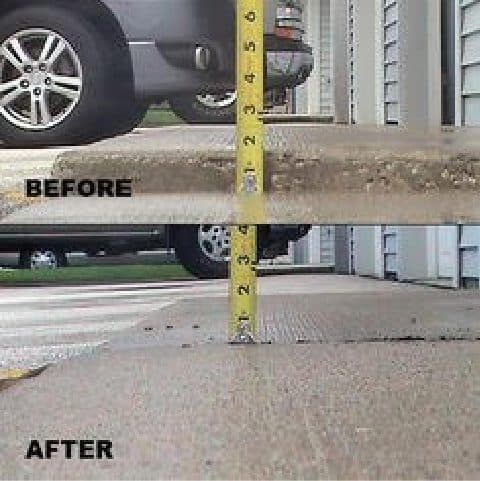
How tripping hazards looks after a permanent fix.
A real Epp Foundation Repair project. The visible symptom resolves once the underlying cause is corrected.
How concrete leveling specialists actually fix tripping hazards.
Solving tripping hazards means addressing the underlying soil, pressure, or settlement cause. Not just patching the visible damage. Below are the engineered solutions we install most often for this symptom in Nebraska, Iowa, Kansas, and Missouri homes.
Engineered concrete leveling solutions for this problem.
Each method is matched to a specific failure mode and soil profile. Browse the toolkit we draw from when diagnosing your home.
Polyurethane Foam Injection
PolyLift is Epp Foundation Repair's polyurethane foam injection method for lifting sunken driveways, sidewalks, patios, and garage floors. Small ports, a two-part expanding foam, and a laser-monitored lift, with the slab walkable 15 minutes after the work is complete.
Polyjacking
Slab jacking and polyjacking are names homeowners use for the same idea: lifting a sunken concrete slab by injecting material underneath it. Epp Foundation Repair's slab jacking work, across Nebraska, Iowa, Kansas, and Missouri, is done with polyurethane foam.
Concrete Grinding
Epp Foundation Repair grinds tripping edges off sidewalks, driveways, and garage entries across Nebraska, Iowa, Kansas, and Missouri. It is a fast fix when the differential is small and the slab underneath is stable.
Why do driveways, sidewalks and patios settle in Nebraska and Iowa?
Concrete depends on the soil underneath it for support. Runoff along an edge or a downspout that empties beside a slab can wash out or soften that soil, and part of a driveway, sidewalk or patio can then settle or tilt. Water under a slab that freezes and thaws can also leave gaps beneath it.
Based on NOAA 1991 to 2020 climate normals for Lincoln Municipal Airport and Omaha Eppley Airfield.
What kind of soil is around Lincoln and Omaha?
Based on USDA soil survey data for Lancaster County (Lincoln) and Douglas County (Omaha), clay is the main soil type in both counties. The survey rates Lancaster County high and Douglas County moderate for shrink swell. Clay can swell when it gets wet and shrink as it dries, so a slab or foundation on clay can move up and down with the seasons. The soils that cover the most ground in Lancaster County are Wymore and Aksarben, and in Douglas County they are Contrary and Marshall.
Loess, the wind deposited silt common in eastern Nebraska and western Iowa, can lose strength and settle when it gets wet. Water can reach it from runoff, a plumbing leak or a downspout that empties next to the house.
How does freezing weather affect footings and basement walls?
In Lincoln and Omaha, soil near the surface can freeze and thaw many times between fall and spring. Each city's building code sets a frost line depth, which is the minimum depth below finished grade for a footing. It is 36 inches in Lincoln and 42 inches in Omaha. Supports that sit above that depth, such as some porches, stoops and chimney footings, can move as the ground freezes and thaws.
Horizontal cracks in a basement wall are more often linked to pressure from the soil outside the wall than to settlement. Wet soil pushes harder against a wall than dry soil, and soil that freezes against the wall can add to that pressure.
Climate: NOAA U.S. Climate Normals 1991 to 2020, LINCOLN MUNI AP (USW00014939) and OMAHA EPPLEY AIRFIELD (USW00014942), retrieved September 30, 2026. Soil: USDA NRCS Soil Data Access (SSURGO), county survey for Lancaster County and Douglas County. Frost line depth: Lincoln Municipal Code 20.12.140 and Omaha Municipal Code Sec. 43-127.
"Most homeowners think the trip hazard out front is the city's problem until somebody falls and the lawyer cites the municipal code that names them. By that point they've spent more on their deductible than the lift would have cost. We've eliminated a lot of these hazards since 1994 because the math always favors fixing them before somebody trips."

Care and expertise from a team that's been doing this since 1994.
Epp Foundation Repair is locally owned and operated, with crews dedicated exclusively to foundation, basement, and concrete work across the Midwest.
Foundation repair, waterproofing, and concrete leveling are our entire focus, not a sideline.
Three decades of experience with Midwest soils, basements, and weather conditions.
Recognized by the Better Business Bureau for integrity and ethical business practices.
Many of our repairs carry a written Epp warranty. The warranty page lists every covered repair and its terms.

Answers to common questions about Tripping Hazards.
Don't see your question here? Our team is happy to help. Reach out anytime.
Other concrete leveling warning signs to watch for.
If you see one, it's worth checking for the others. Most foundation problems show up as more than one symptom.
Serving Nebraska, Iowa, Kansas & Missouri.
Local crews based in five regional offices, dispatched daily across four states. If your town isn't listed, call us: we likely serve your area.
- Omaha, NE
- Lincoln, NE
- Topeka, KS
- Sioux City, IA
- Bellevue, NE
- St. Joseph, MO
- Council Bluffs, IA
- Grand Island, NE
- Papillion, NE
- Kearney, NE
Take the first step toward a healthy home.
A straightforward path from initial inspection to completed repairs.
Schedule your inspection.
A local specialist visits your home, evaluates the foundation, and answers your questions on site. No cost, no obligation.
Receive an estimate based on your needs.
We provide a clear, Customized Repair Estimate with a scope of work tailored to your home's specific issues. Typically within one business day.
Get your repairs.
Trained crews complete the work on schedule.
Over 1,700 homeowners have shared their experience.
A 4.9-star average across Google, with verified reviews from homeowners throughout Nebraska, Iowa, Kansas, and Missouri.
Two ways to start: book instantly, or request an estimate.
Schedule your inspection in seconds with our Driive booking tool, or share a few details and a local specialist will follow up within one business day.
- A local foundation specialist on site
- A complete walk-through of the findings
- A Customized Repair Estimate within one business day
- No cost, no obligation, no high-pressure sales
Expert guidance on protecting your home.
Practical articles from the Epp team on foundation health, waterproofing, and home preservation.
 Concrete LevelingLatest
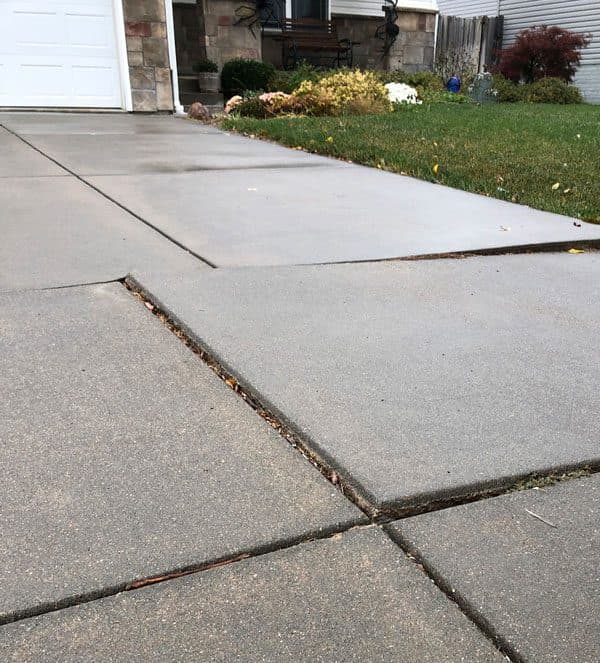
Sunken Driveway or Sidewalk: Should You Lift It or Replace It?
Sunken concrete can often be lifted instead of replaced. Learn why driveways and sidewalks sink, when lifting works, and when replacement makes more sense.
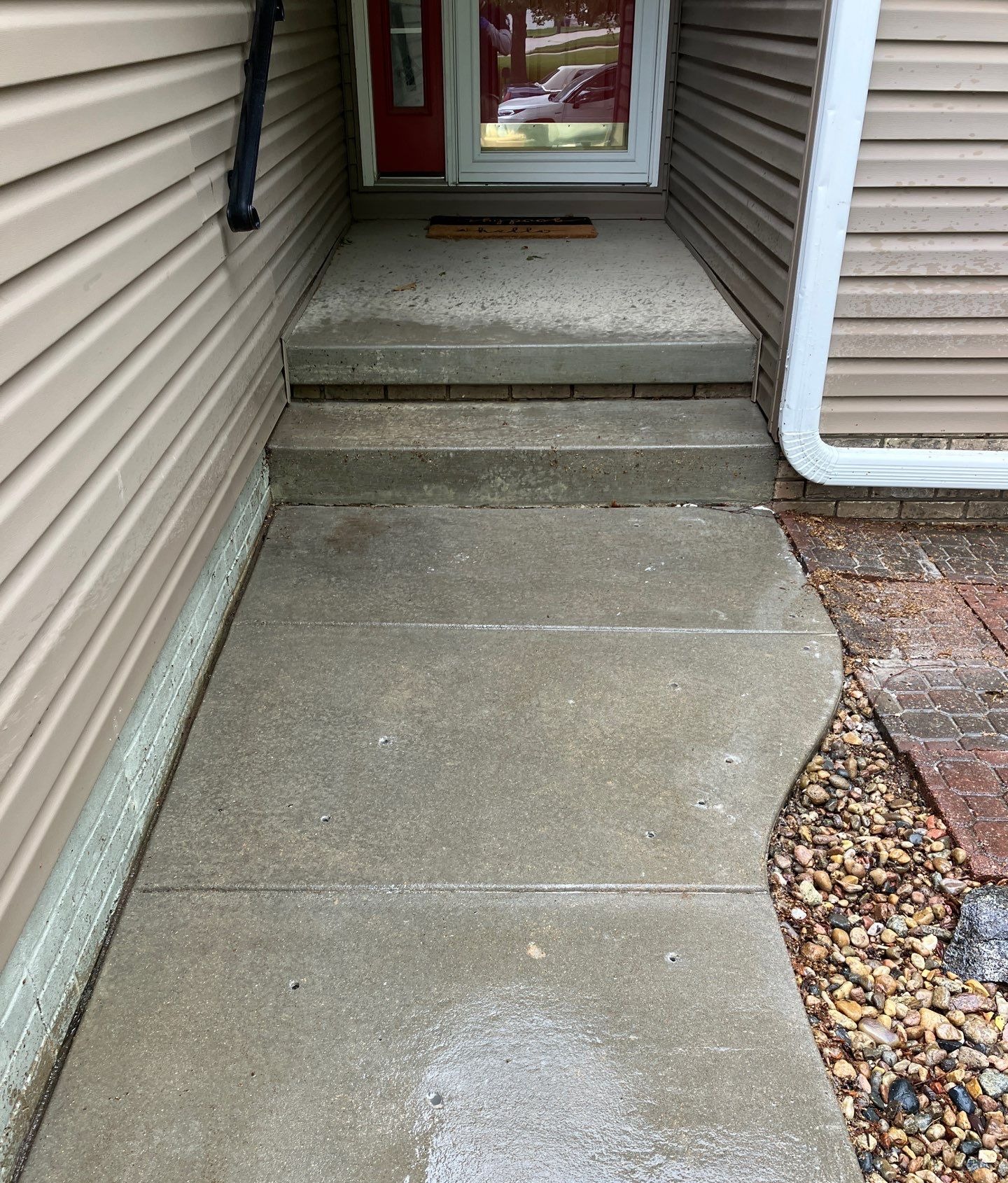 Concrete Leveling
Why Are My Front Steps Pulling Away From the House?
Front steps that sink and pull away from the house are often a soil problem. Learn why it happens and when Epp can lift them with polyurethane foam.
 concrete leveling
Mudjacking vs. Foam injection: ten factors that affect pricing.
Both methods can lift sunken concrete, but only one is what Epp Foundation Repair installs. Here are the ten factors behind the price difference and why.
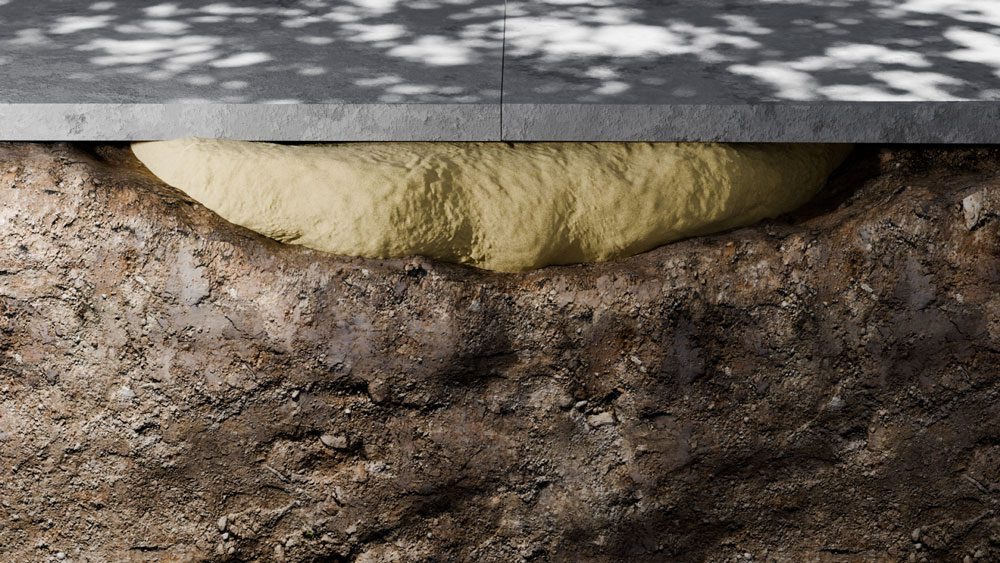 Concrete Leveling
Expandable Foam For Concrete Leveling: Homeowners Guide
Expandable foam offers a fast, minimally invasive way to level uneven concrete surfaces. Learn how polyurethane foam injection works and what to avoid.
Five regional offices across the Midwest.
St. Joseph, MO 64506