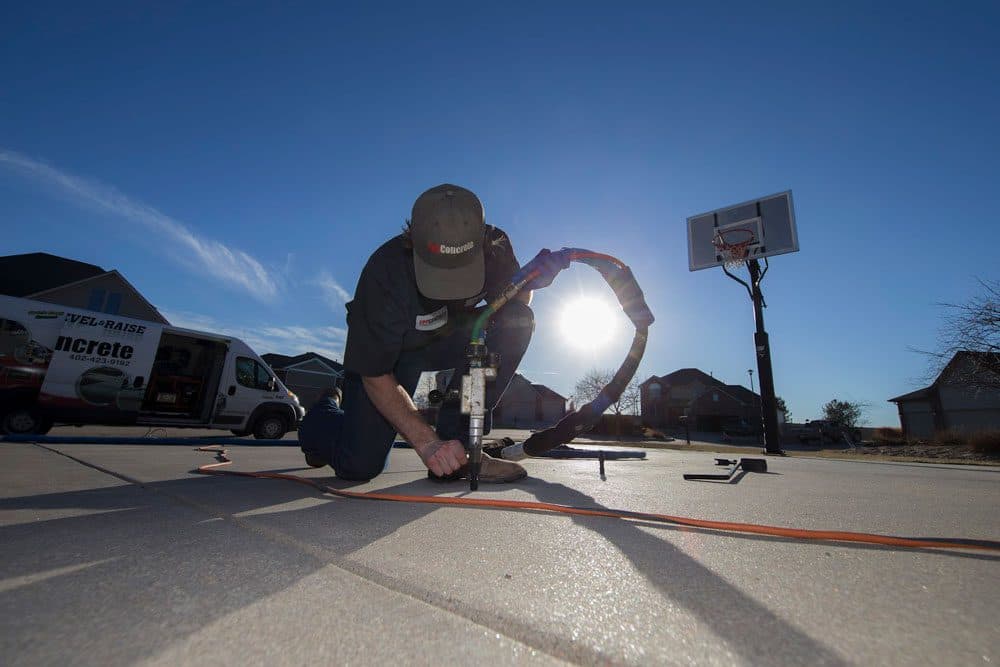
Level Every Uneven Concrete Slab on Your Property in One Visit
Epp Foundation Repair has leveled exterior slabs across Nebraska, Iowa, Kansas, and Missouri since 1994. Driveways, sidewalks, patios, garage floors, and pool decks restored in a single mobilization.
Let's take the first step toward a healthy home.
A local specialist will inspect your foundation, walk you through the findings, and send a clear estimate, no cost, no pressure.
Uneven Concrete Slabs: diagnosed and explained.
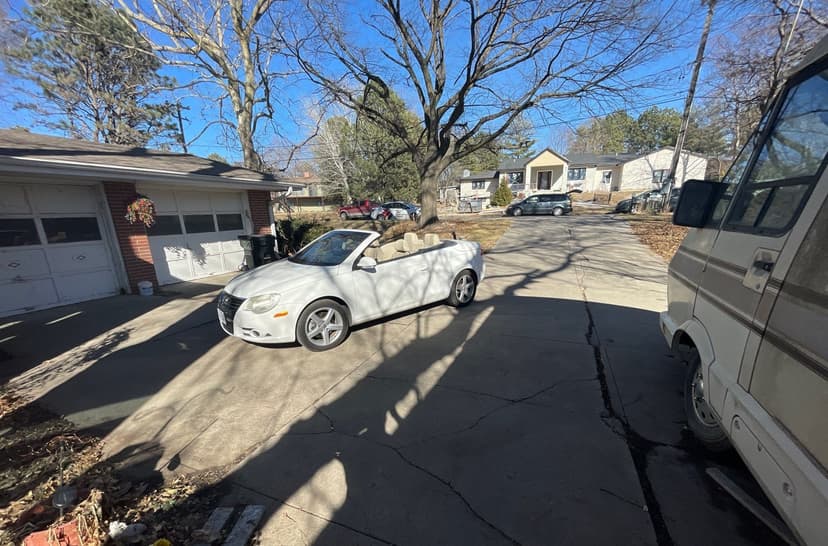
Epp Foundation Repair treats uneven concrete slabs as the catch-all diagnostic category for any exterior flatwork that has moved differentially from its original elevation. Uneven slab inspections cover driveways, sidewalks, patios, garage floors, and pool decks. Dave Epp's technicians measure differentials in eighth-inch increments using laser levels, and the median residential project lifts 3 to 5 slab sections back into elevation through 90 minutes of polyurethane foam injection. In most cases, the slab itself is salvageable. The underlying support failed, not the concrete.


Why Uneven Slabs Become More Expensive Every Year You Wait
- 01
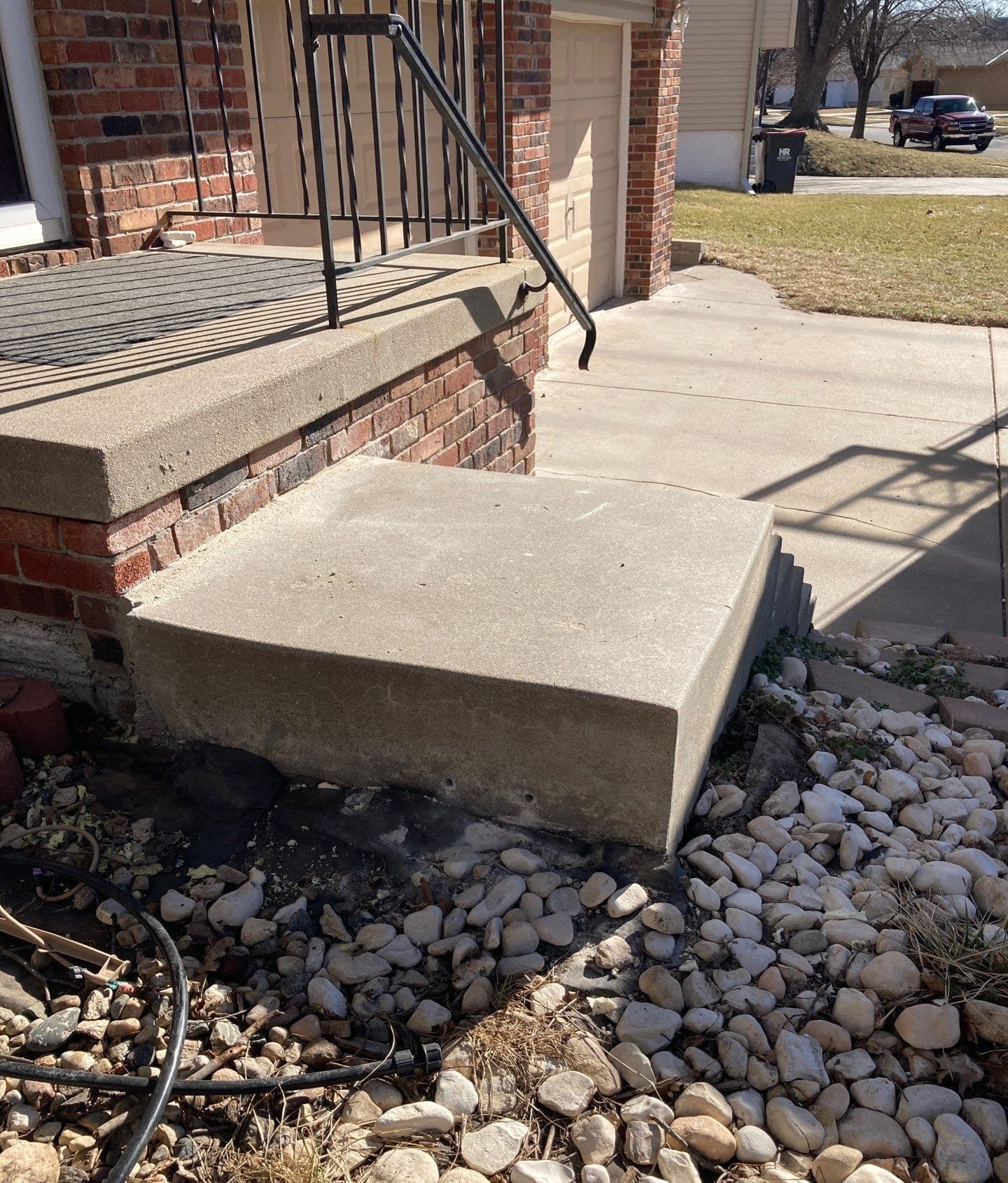
Visible Vertical Differential Between Adjacent Panels
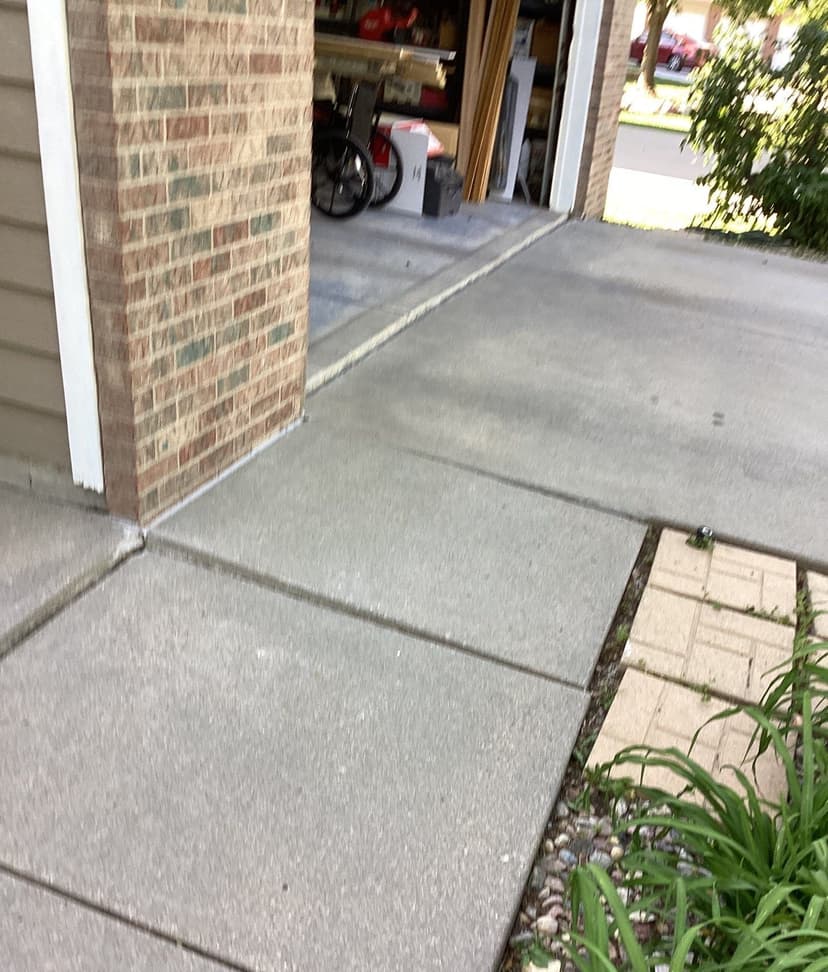
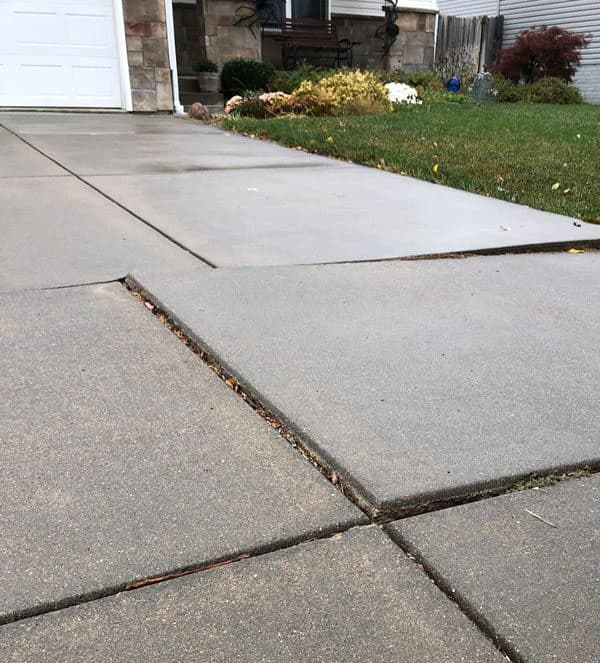
Any vertical step you can feel underfoot or roll a stroller across is a trip hazard exceeding 1/4 inch. Once differentials reach 1/2 inch they meet most NE/IA municipal trip-hazard codes for public sidewalks.
- 02
Water Pooling After Rain
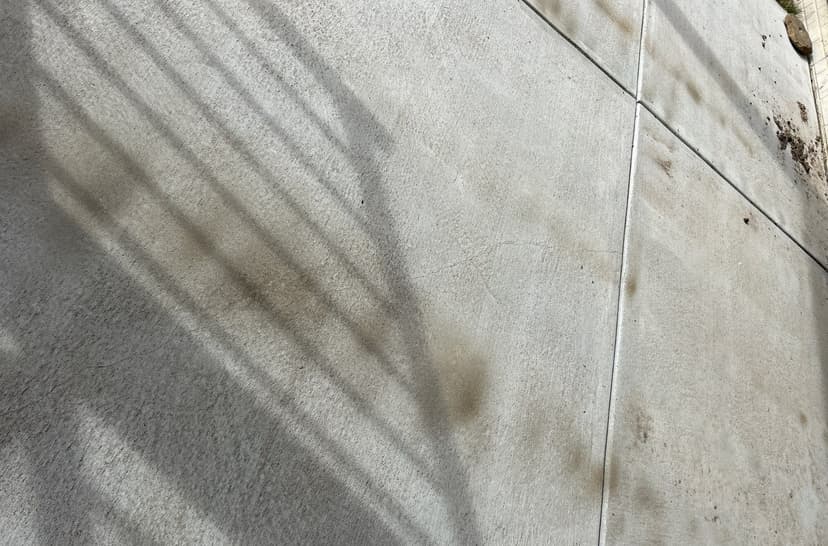
A slab pitched away from the home is correct drainage. A slab pitched toward the home or pooling in the middle traps water that freezes into ice in winter and rots the framing it touches.
- 03
Diagonal Cracks Through Slab Sections
When a slab panel cracks diagonally across its center, the panel is bending under its own weight as one edge has lost support. Epp Foundation Repair can lift the panel cleanly if the crack remains hairline.
- 04
Door or Gate Drag Against the Slab
A garden gate, garage service door, or french door that suddenly scrapes against a slab that used to clear it tells you the slab moved up. Salt-driven heave and freeze-heave both produce this pattern.
What causes uneven concrete slabs in Midwest homes.
- 01
Loess And Expansive Clay Soil Behavior
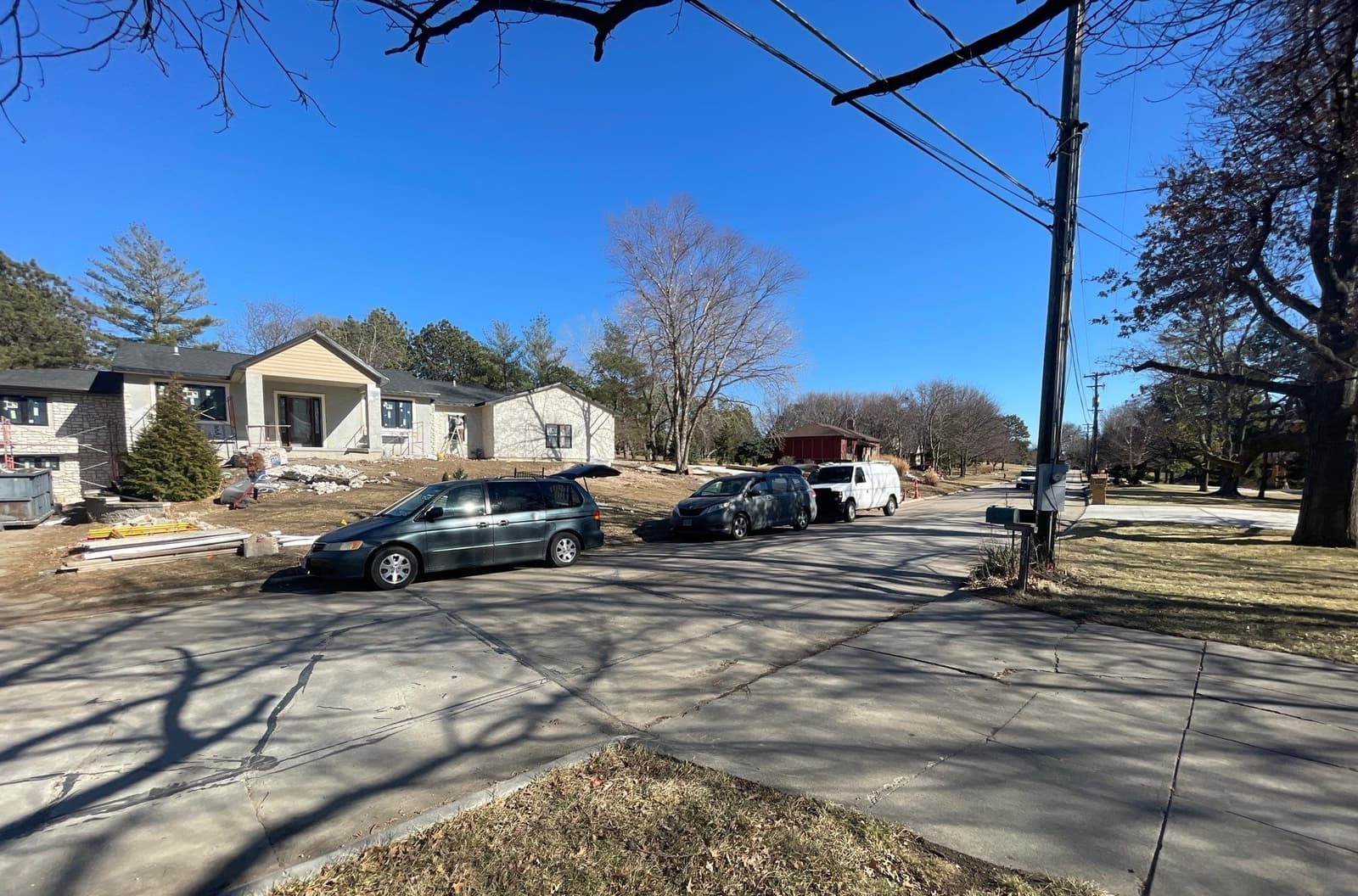
Nebraska, Iowa, Kansas, and Missouri sit on a mix of windblown loess deposits along major river corridors and expansive clays in upland areas. Loess hydroconsolidates 2 to 6 percent of its dry thickness on first deep saturation, dropping anything built on uncompacted loess fill. Expansive clays with plasticity indexes above 30 swing 12 to 15 percent in volume between dry summers and wet springs, fatiguing the slab-soil bond over 10 to 30 years until panels move differentially.
- 02
Tree Root Heave
Mature silver maples, cottonwoods, sweetgums, and bur oaks on residential lots across Lincoln, Omaha, and Kansas City develop root masses that lift slab edges 2 to 5 inches. Epp Foundation Repair identifies root-driven heave on uneven slab inspections through soil probe testing within 6 feet of the slab edge. Lifting the low side or grinding the high side both work. Dave Epp picks based on rise depth and slab thickness.
- 03
Freeze-Thaw Cycling Across Expansion Joints
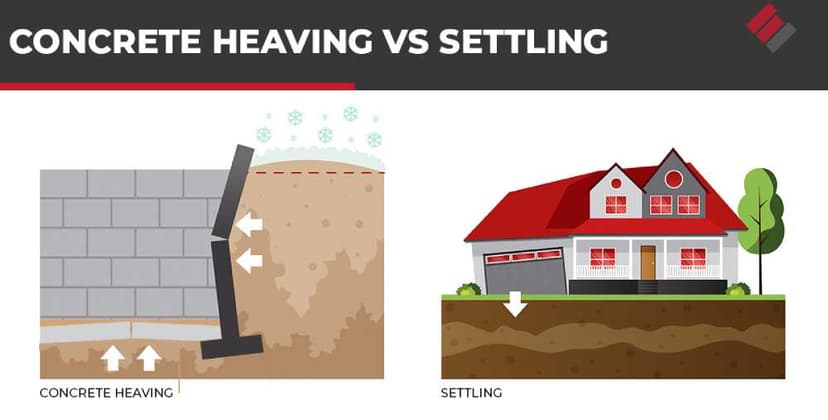
50 to 80 annual freeze-thaw cycles drive water into expansion joints, freeze it to 9% volumetric expansion, and incrementally lift adjacent panels 1/4 to 3/4 inch per cycle without full return on thaw. Twenty years of cycling compounds to 3 to 6 inches of differential settlement, the most common cause of uneven driveway panels in homes built between 1965 and 1995.
- 04
Salt Erosion Of Subgrade Fines
Sodium chloride and magnesium chloride de-icers applied to driveways and sidewalks across the four-state region carry into the subgrade through any joint or crack. The salt-laden water dissolves calcium carbonate fines that bind the subgrade matrix, washing them out over 10 to 20 winters. The result is a void below the slab that drops 1 to 3 inches under load. This is the dominant settlement mechanism on slabs from 1980s and later when chemical de-icers replaced sand.
- 05
Plumbing Leak Voids And Downspout Erosion
Buried supply lines, irrigation manifolds, and roof drainage discharging too close to slab edges erode 1/2 to 3 cubic feet of fines per year out from under exterior flatwork. Dave Epp documents plumbing or drainage as the root cause on uneven slab inspections. The homeowner corrects the water source first, otherwise the lift undoes itself within 12 to 36 months.
How concrete repair specialists actually fix uneven concrete slabs.
Solving uneven concrete slabs means addressing the underlying soil, pressure, or settlement cause. Not just patching the visible damage. Below are the engineered solutions we install most often for this symptom in Nebraska, Iowa, Kansas, and Missouri homes.
Engineered concrete repair solutions for this problem.
Each method is matched to a specific failure mode and soil profile. Browse the toolkit we draw from when diagnosing your home.
Polyurethane Foam Injection
Epp Foundation Repair has injected closed-cell structural foam beneath driveways, sidewalks, garage floors, and pool decks across Nebraska, Iowa, Kansas, and Missouri since 1994. The slab lifts. The void fills. The work finishes in a single day.
Polyjacking
Epp Foundation Repair has installed polyurethane foam slab lift. Whether the contractor calls it polyjacking, foam jacking, or poly lift. Across Nebraska, Iowa, Kansas, and Missouri since 1994. Same closed-cell foam. Same 5-year warranty.
Mudjacking
Mudjacking is the traditional method for lifting a sunken concrete slab: a cement based slurry pumped beneath the slab to fill the void and raise it back to grade. Epp Foundation Repair does not perform mudjacking. Here is how the method works, and why our crews use polyurethane foam injection on every lifting job across Nebraska, Iowa, Kansas, and Missouri.
Slab Jacking
Epp Foundation Repair has slab jacked driveways, sidewalks, garage floors, patios, and pool decks across Nebraska, Iowa, Kansas, and Missouri since 1994, using polyurethane foam injection to lift settled slabs back to grade.
Why concrete fails differently in Nebraska, Iowa, Kansas, and Missouri
Loess soils consolidate under slabs after the first deep water exposure. Expansive clay heaves and contracts seasonally. Salt damage from frequent winter freeze-thaw cycling accelerates surface failure. Generic concrete repair ignores the soil under the slab, which is why settled concrete returns within a season or two. Regional repair starts with the cause underneath, not the crack on top.
Loess soils and the crack patterns they produce
Most of eastern Nebraska and western Iowa sits on wind-deposited loess, a fine, silty soil 10 to 200+ feet deep. Loess holds its structure when dry but loses cohesion rapidly when saturated. After a wet spring, saturated loess expands against foundation walls. After a dry Nebraska summer, it contracts, pulling away from footings, creating voids beneath slabs, and producing the vertical and diagonal settlement cracks we see most frequently on the Lincoln, Omaha, Council Bluffs corridor.
The Marshall and Sharpsburg loess series, dominant across the eastern Nebraska service area, are particularly prone to this cyclical volume change. Homes built in the 1960s, 1980s on uncompacted loess backfill show the highest incidence of progressive settlement cracking in our inspection data.
Frost depth, freeze-thaw cycles, and horizontal cracking
Eastern Nebraska's 36, 42" frost penetration depth means the soil below grade freezes and thaws 60, 80 times per year. Each cycle applies lateral pressure to basement walls. A wall that holds through ten cycles can fail in the eleventh if drainage has worsened, backfill has settled, or the wall was already at capacity. Horizontal cracks near the soil grade line are almost always a freeze-thaw story in this region.
In eastern Kansas, expansive clay pockets near the surface introduce a different failure mode. Consistent volume change regardless of frost depth. Horizontal cracking in Kansas foundations typically traces to clay expansion; the same pattern in Nebraska more often indicates frost-driven hydrostatic pressure.
"After decades on these slabs, I've learned the concrete almost never failed. The dirt under it did. Loess collapses. Clay swings more than the soils around it. Salt washes out the fines. Foam goes under the slab and replaces what the soil lost. The slab is fine. We just give it back its support."

Care and expertise from a team that's been doing this since 1994.
Epp Foundation Repair is locally owned and operated, with crews dedicated exclusively to foundation, basement, and concrete work across the Midwest.
Foundation repair, waterproofing, and concrete leveling are our entire focus, not a sideline.
Three decades of experience with Midwest soils, basements, and weather conditions.
Recognized in 2011 and 2016 for ethical business practices and customer transparency.
Every repair comes with a written Epp warranty, from 1 year to the lifetime of the structure depending on the product.
Answers to common questions about Uneven Concrete Slabs.
Don't see your question here? Our team is happy to help. Reach out anytime.
Other concrete repair warning signs to watch for.
If you see one, it's worth checking for the others. Most foundation problems show up as more than one symptom.
Serving Nebraska, Iowa, Kansas & Missouri.
Local crews based in five regional offices, dispatched daily across four states. If your town isn't listed, call us: we likely serve your area.
- Omaha, NE
- Lincoln, NE
- Topeka, KS
- Sioux City, IA
- Bellevue, NE
- St. Joseph, MO
- Council Bluffs, IA
- Grand Island, NE
- Papillion, NE
- Kearney, NE
Take the first step toward a healthy home.
A straightforward path from initial inspection to completed repairs.
Schedule your inspection.
A local specialist visits your home, evaluates the foundation, and answers your questions on site. No cost, no obligation.
Receive an estimate based on your needs.
We provide a clear, Customized Repair Estimate with a scope of work tailored to your home's specific issues. Typically within one business day.
Get your repairs.
Our own trained crews complete the work on schedule and back it with a written Epp warranty, set out in your contract.
Over 1,700 homeowners have shared their experience.
A 4.9-star average across Google, with verified reviews from homeowners throughout Nebraska, Iowa, Kansas, and Missouri.
Two ways to start: book instantly, or request an estimate.
Schedule your inspection in seconds with our Driive booking tool, or share a few details and a local specialist will follow up within one business day.
- A local foundation specialist on site
- A complete walk-through of the findings
- A Customized Repair Estimate within one business day
- No cost, no obligation, no high-pressure sales
Expert guidance on protecting your home.
Practical articles from the Epp team on foundation health, waterproofing, and home preservation.
 Concrete RepairLatest
Difference Between Floating And Monolithic Slab Foundations
Monolithic and floating slab foundations are built differently and behave differently in the soil. Learn how each works and how they are repaired.
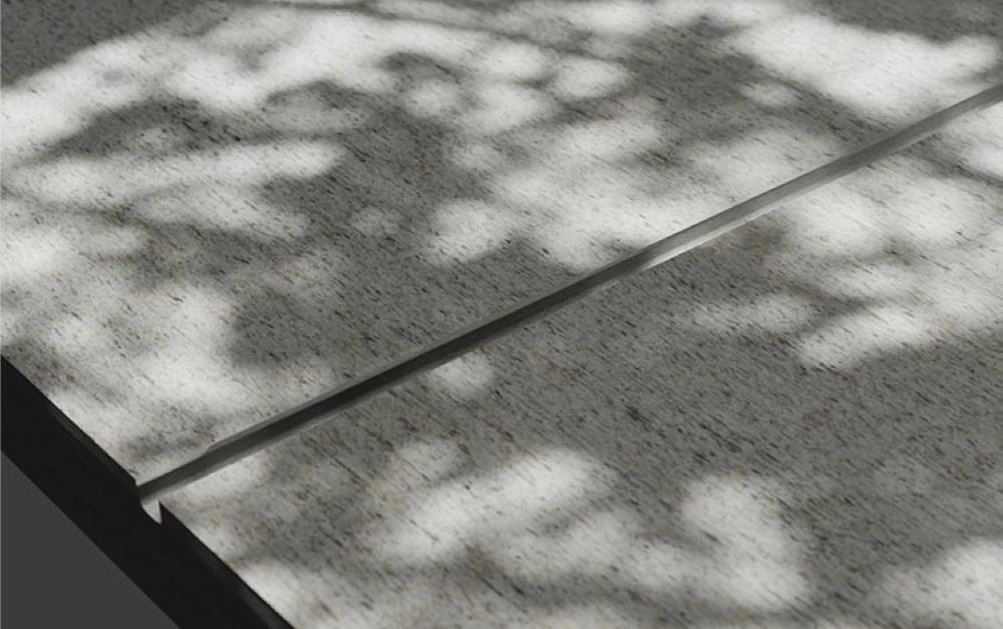 Concrete Repair
What Is The Difference Between Control And Expansion Joints In Concrete?
Control joints and expansion joints both protect concrete, but they work differently. Learn how each one functions and when to use them.
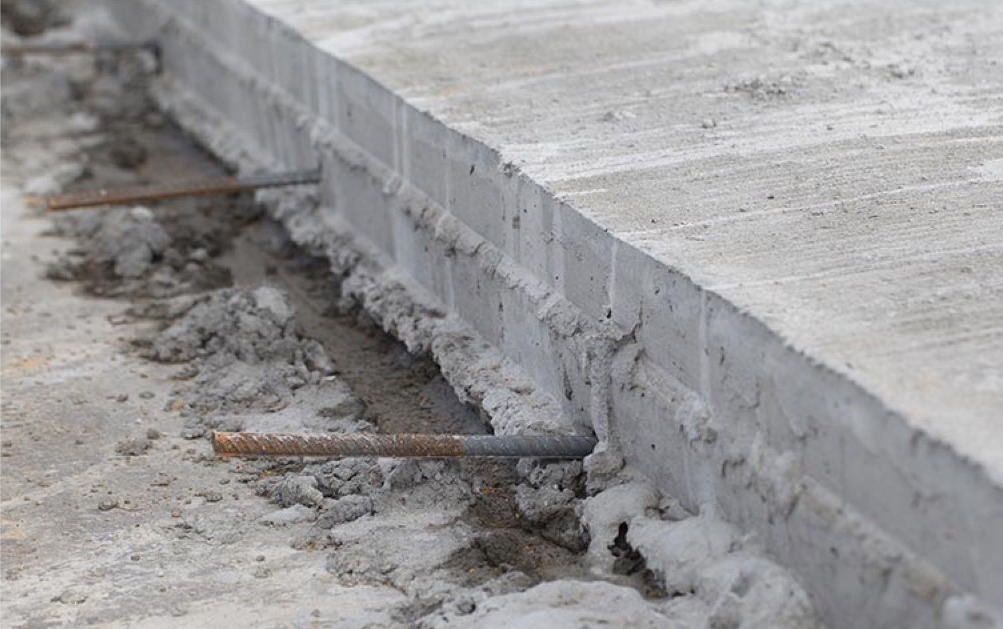 Concrete Repair
The Homeowner's Guide To Post-Tension Slab Foundations
Post-tension slab foundations use tensioned steel cables to resist cracking. Learn how they work, their pros and cons, and common repairs.
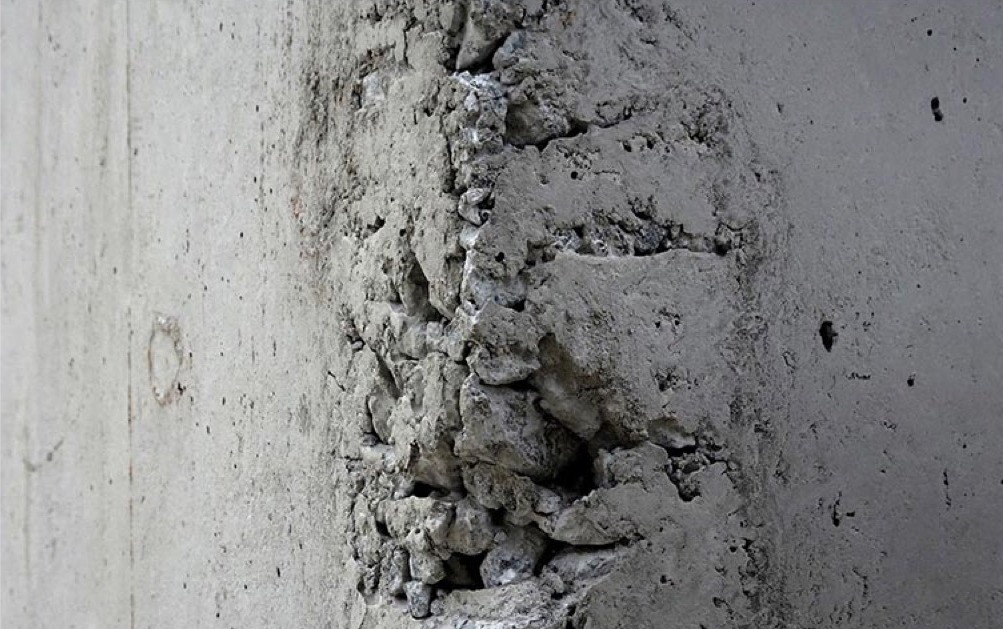 Concrete Repair
Common Causes Of Honeycomb In Concrete And How To Repair It
Honeycombing is a common concrete defect caused by poor mixing, compaction, or pouring. Learn what causes it, its risks, and how it gets repaired.
Five regional offices across the Midwest.
St. Joseph, MO 64506