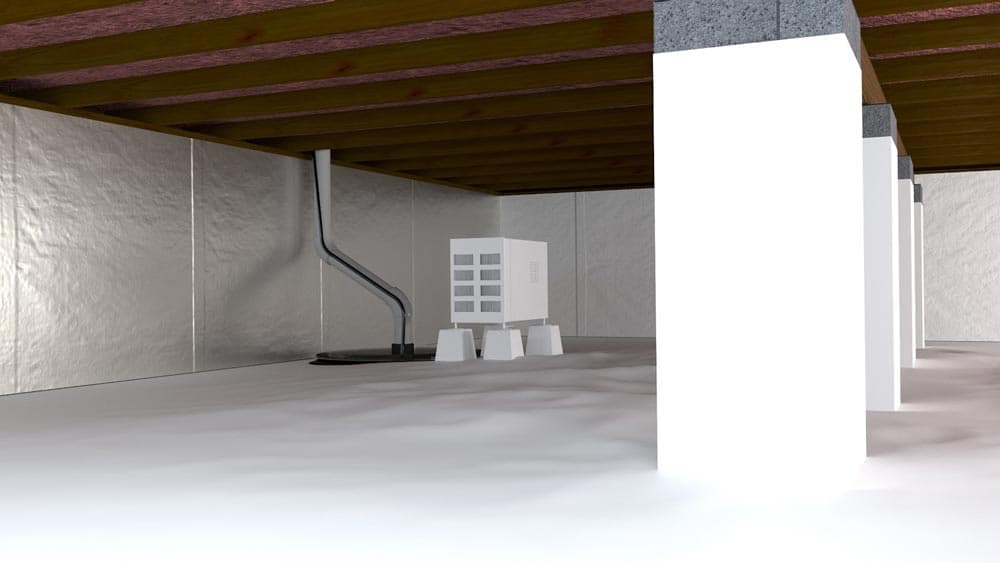
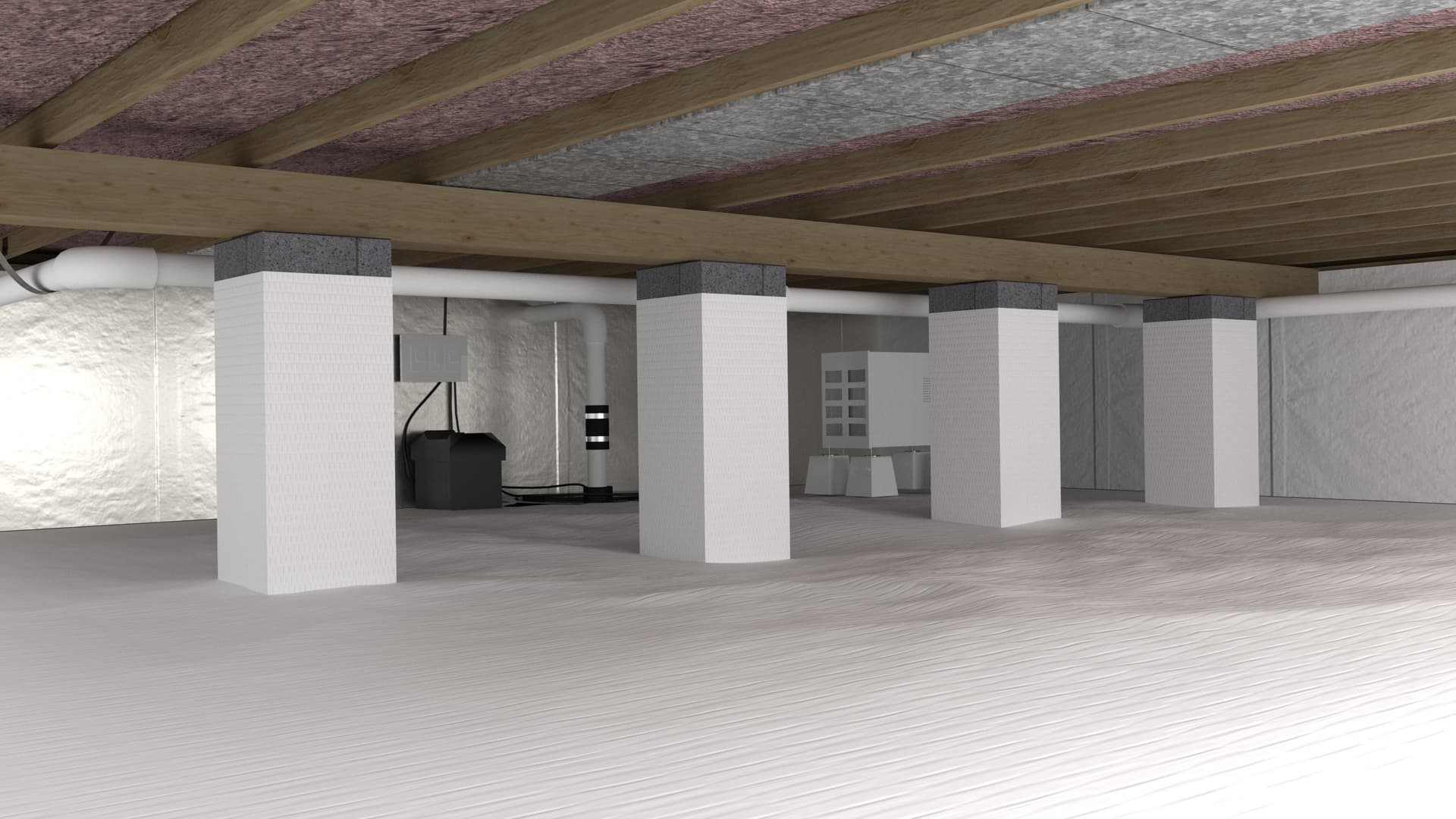
3D rendered illustration of a fully encapsulated crawl space showing wrapped support pillars, a dehumidifier unit and white vapor barrier walls
Crawl Space Repair · Since 1994

Crawl Space Inspection From the Foundation Perspective. Not a Real Estate Walk-Through.

An Epp crawl-space inspection is foundation-and-structural assessment, not a transactional real-estate inspection. Serving Nebraska, Iowa, Kansas, and Missouri since 1994, Epp Foundation Repair laser-levels the dirt-floor grade, maps moisture and humidity at multiple points, and assesses joist, sill plate, post, and beam condition. The Customized Repair Estimate tells you exactly what's failing and what to fix in what order.

Nebraska · Iowa · Kansas · Missouri Since 1994

Let's take the first step toward a healthy home.

A local specialist will inspect your foundation, walk you through the findings, and send a clear estimate, no cost, no pressure.

BBB Accredited
Fully Insured
"By Your Side" Guarantee

Diagnosis First

Five Reasons Homeowners Schedule a Crawl Space Inspection

An Epp crawl space inspection is a foundation and structural assessment: a laser-level grade survey, moisture mapping at multiple points, and a joist-by-joist condition check that produces a Customized Repair Estimate. It fits a new purchase, sagging floors, a second opinion on prior work, a pre-listing check, or a remodel adding load, not a real-estate walk-through or an air-quality lab test.

Monitor
A home sale, on either side of the transaction
CauseA real-estate inspection report flagged crawl-space concerns without specifying severity or scope, or a seller wants condition documented before listing with no known active problem.What it meansThe flag needs to be translated into specific findings before a buyer makes a decision, and documented condition addresses a buyer inspection finding before it comes up.Repair pathEpp's structural inspection scopes what the flag actually means and produces the Customized Repair Estimate as the documentation.
Structural
Noticeable symptoms upstairs
CauseSagging floors, sticking doors, or musty odors have already appeared.What it meansThese symptoms typically appear 2 to 5 years after structural capacity has already started to drop.Repair pathAn inspection scheduled promptly identifies the cause before it advances further.
Monitor
Independent review of a previous contractor's work
CauseWaterproofing, encapsulation, or structural sistering was installed previously and its performance is in question.What it meansAn independent assessment confirms what was actually installed and whether it is performing.Repair pathEpp's inspection documents current conditions against what should be in place.
Monitor
Planning a remodel that adds load
CauseA second story, a finished basement above, or a heavier flooring change is planned.What it meansThe framing needs to be confirmed capable of the added load before the remodel proceeds.Repair pathThe inspection assesses current joist and beam condition against the planned load.

In Depth

What the Full Guide Covers

Everything a Midwest homeowner should know about this repair, from the specialists who do it every day.

Read the Full GuideHide the Full Guide

Most homeowners only think about their crawl space twice. Once when they buy the house and once when something has clearly gone wrong. Both moments deserve an inspection that goes deeper than a real-estate walk-through. Epp Foundation Repair has inspected crawl spaces across Nebraska, Iowa, Kansas, and Missouri since 1994, and the inspection methodology is built around what causes crawl-space problems in this territory. Perched groundwater, expansive clay, freeze-thaw cycles, and 30 to 60 years of accumulated wood, water, and HVAC interaction. An Epp crawl inspection is foundation-and-structural assessment. It is not a real-estate transactional inspection, not an indoor-air-quality lab analysis, and not a code-compliance audit. The deliverable is a Customized Repair Estimate with photos, measurements, findings, and prioritized recommendations. Useful for deciding what to fix, in what order, and at what budget.

CH 01

What an Epp Crawl Space Inspection Covers

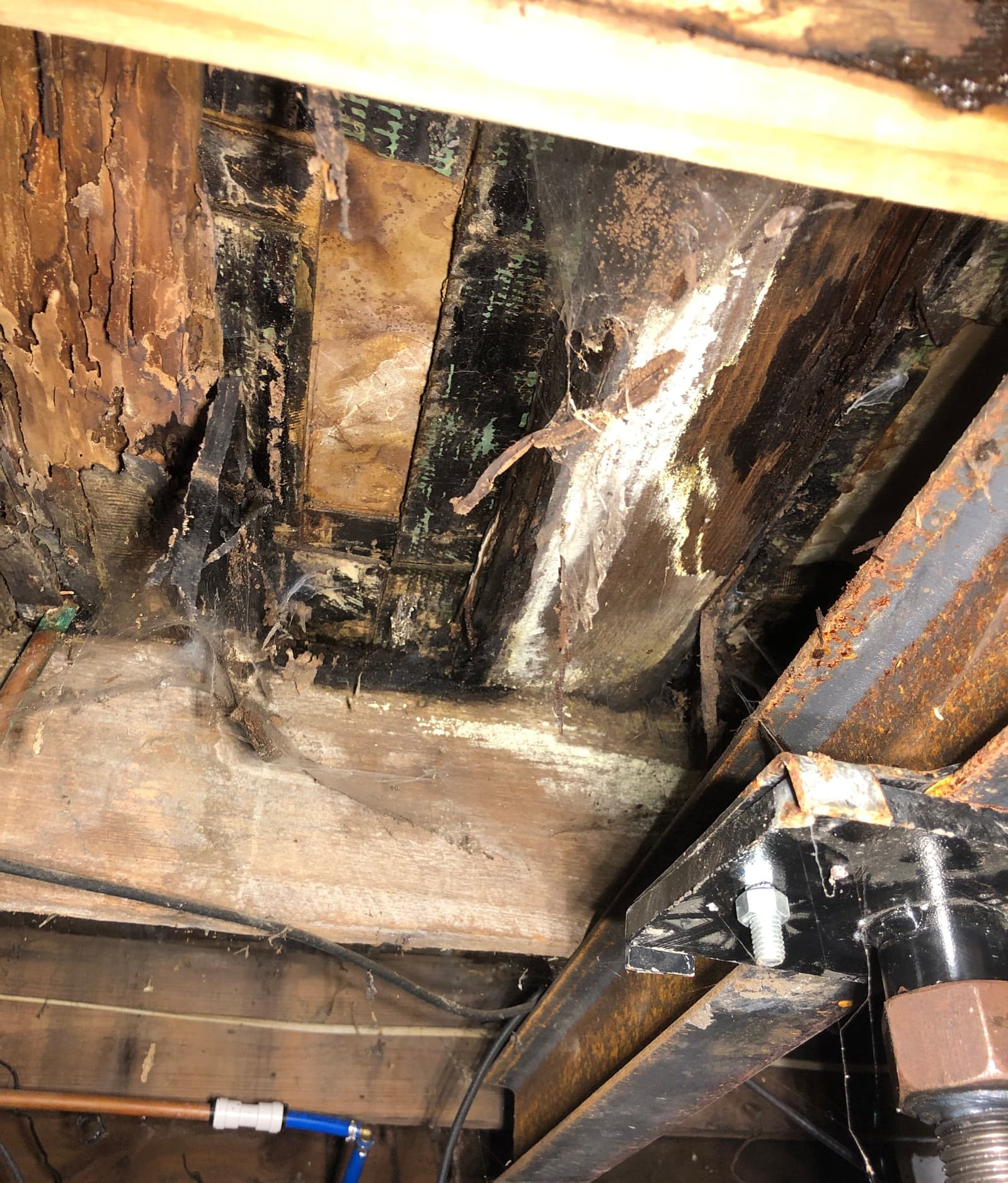
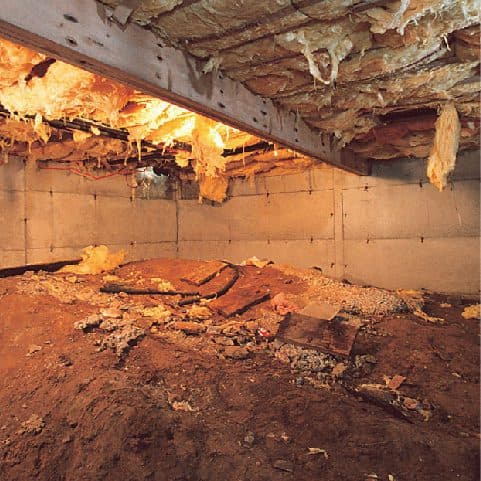
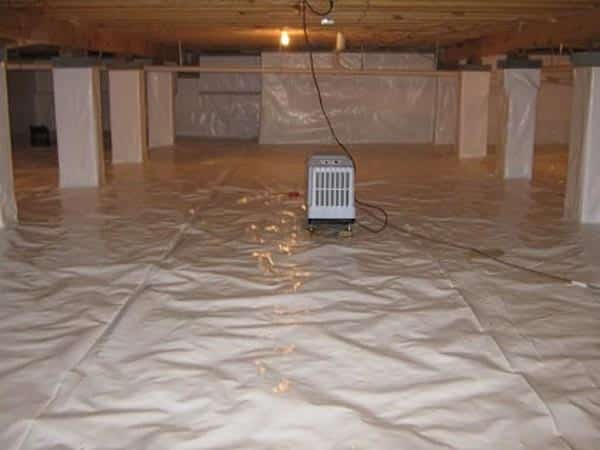
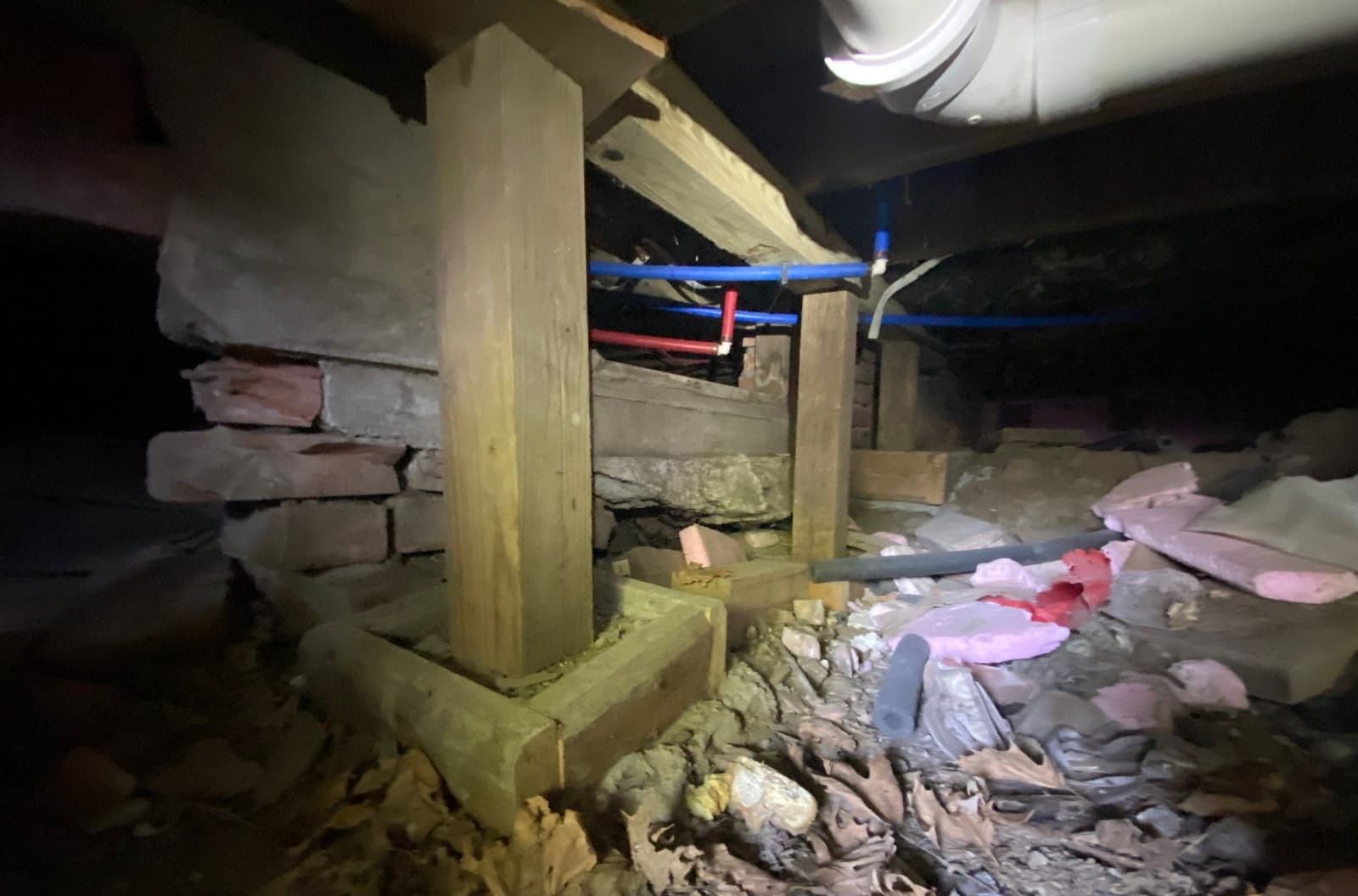
The inspection methodology has seven assessment areas, performed in a typical 60 to 90-minute on-site visit for a residential crawl. Laser-level grade survey. A construction-grade laser level establishes a reference plane and the inspector measures beam, joist, post, and dirt-floor elevations at multiple points across the crawl. Differential settlement, joist sag, beam deflection, and dirt-floor low points are documented to within an eighth of an inch. This is the foundation-structural measurement that separates active movement from cosmetic floor-flex. Moisture mapping at multiple points. Pin and pinless moisture meters measure wood moisture content on joists, sill plate, rim joist, and subfloor at 8 to 15 sample locations. Readings above 20 percent indicate active moisture; readings between 16 and 20 percent indicate elevated moisture risk; readings below 16 percent are dry-target. Continuous-recording hygrometer placed in the crawl captures relative humidity over the inspection visit. Structural assessment of joists, sill plate, posts, and beams. Visual identification of rotted, insect-damaged, crushed, or split structural members. Thumb-test of suspect joists. Wood that compresses under thumb pressure is past the point where surface treatment helps. Documentation of sistering, replacement, or shoring recommendations. Vapor barrier assessment if one is in place. Existing vapor barriers are evaluated for material thickness, condition (torn, displaced, water-pooled), seams, perimeter attachment, and penetration sealing. Most vapor barriers Epp finds in 30-plus year-old NE/IA/KS/MO crawls are either failed or were never installed correctly. Water source and seepage identification. Visual identification of standing water, wall seepage, cove-joint water, sump condition (if existing), and exterior penetration points. Cross-referenced with exterior walk findings on grade, downspouts, gutters, and adjacent hardscape. HVAC duct condition note. Visual condition of ductwork, insulation, sealing at joints, and any visible condensation on duct surfaces. This is a referral-flag scope. Epp documents what's visible and refers to an HVAC contractor for repair or sealing. Pest, debris, and access conditions. Insect activity (termite mud tubes, carpenter ant frass, rodent evidence), accumulated debris, and access condition that would affect future repair work. Documented in the Customized Repair Estimate so subsequent quotes (Epp's or anyone else's) reflect actual site conditions.

CH 02

What You Get. The Customized Repair Estimate

The inspection produces a Customized Repair Estimate. It includes inspector findings organized by assessment area, photographs of significant findings, measurement summary (grade survey, moisture readings, humidity reading), and a prioritized recommendation list (what to fix first, what to fix second, what is optional). The estimate is the homeowner's document. Epp keeps a file copy, but the homeowner can share it with insurance, real estate, or other contractors freely.

CH 03

When an Epp Crawl Inspection Is the Right Scope

Five patterns. The home was just purchased and the real-estate inspection report flagged crawl-space concerns without specifying severity or scope. Epp's structural inspection translates the flag into actionable findings. A homeowner has noticed sagging floors, sticking doors, or musty odors and wants to know whether the cause is in the crawl. The crawl had work done by a previous contractor (waterproofing, encapsulation, structural sistering) and the homeowner wants an independent assessment of what was actually installed and whether it's performing. The home is about to be sold and the seller wants documented crawl condition before listing, so any buyer's inspection findings are already addressed. The homeowner is planning a remodel. Finishing the basement above, adding a second story, replacing flooring, and needs to know whether the crawl-space framing supports the planned load.

CH 04

When a Different Type of Inspection Is the Right Answer

Three patterns where Epp will refer to a different inspector. Real-estate transactional inspection. A standard home inspection covering all major systems for a buyer's due diligence is general home inspector scope. Epp's inspection is a sub-scope structural deep-dive, not a replacement for the full home inspection. Indoor air quality testing. Air sampling for mold spore counts, allergen identification, or VOC analysis sent to an accredited lab is certified industrial hygienist or IAQ lab scope. Epp documents visible mold and humidity conditions but does not perform lab-grade air or surface sampling. Code-compliance audit for permitting. Inspection for compliance with current building code (joist sizing, span tables, ventilation requirements, fire-blocking, electrical, plumbing) is municipal building inspector or licensed structural engineer scope. Epp's inspection assesses condition versus failure; code compliance is a separate question.

CH 05

Why NE/IA/KS/MO Crawl Spaces Need Structural Inspection

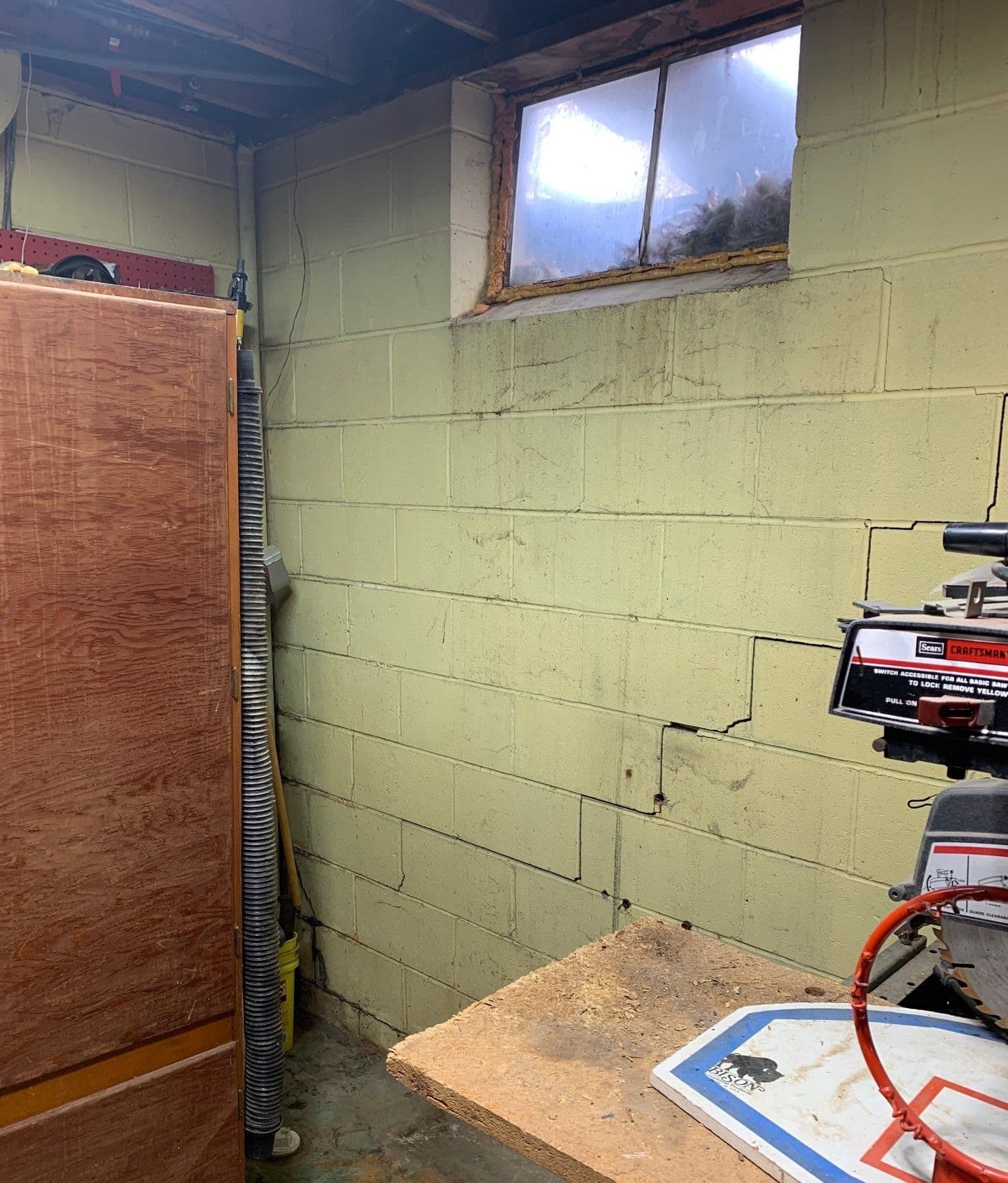
Four regional drivers. Eastern Nebraska and western Iowa loess soils over glacial till hold a perched water table 4 to 8 feet below grade through most of spring, putting crawl-space footings at or below that water level for 6 to 10 weeks per year. Decades of seasonal moisture cycling rot sill plates, crush sill insulation, and corrode anchor bolts. Kansas City expansive clay zones with plasticity index above 30 and 15 percent volumetric expansion move foundation walls inward and outward seasonally, shearing connections at the rim and stressing posts and beams. Regional 50-plus annual freeze-thaw cycles open foundation wall cracks, heave perimeter footings, and admit moisture and pests. And the territory's housing stock includes a large share of 1950s-1980s construction with original framing that has had 40 to 70 years to interact with these conditions. By inspection time, two-thirds of inspected crawls show at least one structural finding requiring attention.

CH 06

What Epp Does Not Do. And Who Does

Epp inspects from a foundation and structural perspective and quotes Epp's own repair work. Three adjacent scopes Epp does not perform. Mold removal. Mold remediation is IICRC S520-certified contractor work. Epp identifies visible mold in the crawl space, documents the humidity conditions feeding it, and refers the removal itself to a certified remediator. Termite or pest treatment. Epp documents pest evidence in the Customized Repair Estimate and refers to licensed pest control. Structural engineering stamp. If a finding warrants stamped structural engineering analysis (planned major load addition, complex differential movement, insurance or litigation documentation), Epp refers to a licensed PE. Epp's Customized Repair Estimate is contractor-grade documentation, not a stamped engineering report.

CH 07

When NOT to Get a Crawl Inspection

A structural crawl inspection is the wrong call when what you actually need is a real-estate buyer's home inspection. The standard home inspection covers all systems including a crawl walk-through and is the right tool for purchase due diligence. Epp's inspection is the appropriate follow-up if the home inspector's crawl-space findings need deeper structural assessment, not a replacement for the original inspection. There is little value in a repeat crawl inspection if you've had one done within the last 24 months and nothing has visibly changed. Crawl conditions evolve over years, not weeks. A re-inspection inside two years is usually low value unless a specific event (flood, plumbing leak, settlement, structural concern) prompts it. Don't substitute a foundation contractor's inspection for an indoor air quality lab analysis when air quality is the actual concern. Epp's inspection documents visible mold and humidity conditions; if the homeowner needs spore-count testing for medical, legal, or insurance reasons, that's certified IAQ lab scope.

CH 08

The Inspection Is Free

A standard crawl-space inspection from Epp Foundation Repair is free across Nebraska, Iowa, Kansas, and Missouri, and includes a 60 to 90-minute on-site visit, laser-level grade survey, moisture mapping at 8 to 15 points, structural assessment of joists, sill plate, posts, and beams, vapor barrier assessment, and water source identification. Customized Repair Estimate after on-site inspection reflects your scope. Epp Foundation Repair is BBB A+ rated and a two-time BBB Integrity Award winner (2011 and 2016). The Customized Repair Estimate is contractor-grade structural assessment documentation, useful to the homeowner regardless of who eventually does the recommended repair work.

Which Solution Is Right?

Which Inspection Technique Applies

MethodFits whenNot a fit when
Laser-Level Grade SurveyDifferential settlement, joist sag, or beam deflection needs objective measurement to separate active movement from cosmetic floor flex.The concern is limited to air quality or pest activity rather than structural movement.
Moisture Mapping and Humidity ReadingA musty odor, a suspected water source, or planning envelope work like waterproofing or insulation calls for baseline readings.The home already has documented humidity logging from a recent Epp visit within 24 months and no new event has occurred.
Structural Member AssessmentVisible sag, sticking doors, or a prior contractor's report flags framing damage that needs a keep, sister, or replace determination.The finding requires a stamped engineering analysis for a major load addition or litigation documentation, which needs a licensed structural engineer instead.
Regional Context

Why crawl spaces in Nebraska and Iowa need a sealed approach

Summer dew points routinely exceed 65 degrees across our service region, which means traditional vented crawl spaces pull humid outside air into the home all season. Combined with high water tables and clay backfill, vented crawls become mold incubators. Modern building science calls for sealed, dehumidified crawls in this climate.

36 to 42"
Frost penetration depth
Eastern Nebraska average
60 to 80
Freeze-thaw cycles / year
Lincoln to Omaha corridor
35 to 40"
Annual precipitation
NE / IA service region

Loess soils and the crack patterns they produce

Most of eastern Nebraska and western Iowa sits on wind-deposited loess, a fine, silty soil 10 to 200+ feet deep. Loess holds its structure when dry but loses cohesion rapidly when saturated. After a wet spring, saturated loess expands against foundation walls. After a dry Nebraska summer, it contracts, pulling away from footings, creating voids beneath slabs, and producing the vertical and diagonal settlement cracks we see most frequently on the Lincoln, Omaha, Council Bluffs corridor.

The Marshall and Sharpsburg loess series, dominant across the eastern Nebraska service area, are particularly prone to this cyclical volume change. Homes built in the 1960s, 1980s on uncompacted loess backfill show the highest incidence of progressive settlement cracking in our inspection data.

Frost depth, freeze-thaw cycles, and horizontal cracking

Eastern Nebraska's 36, 42" frost penetration depth means the soil below grade freezes and thaws 60, 80 times per year. Each cycle applies lateral pressure to basement walls. A wall that holds through ten cycles can fail in the eleventh if drainage has worsened, backfill has settled, or the wall was already at capacity. Horizontal cracks near the soil grade line are almost always a freeze-thaw story in this region.

In eastern Kansas, expansive clay pockets near the surface introduce a different failure mode. Consistent volume change regardless of frost depth. Horizontal cracking in Kansas foundations typically traces to clay expansion; the same pattern in Nebraska more often indicates frost-driven hydrostatic pressure.

Problem Signs

Crawl Space Repair warning signs to check for

These are the crawl space repair problem signs Epp Foundation Repair diagnoses most often. Each one links to what causes it and how it is repaired.

Spotting one of these in your home?

Our specialists evaluate the underlying cause before recommending any work. Inspections are at no cost and there's no obligation to proceed.

"Moisture is the quiet one. There's no flood, no obvious leak, and most homeowners don't know they have a problem until I show them the humidity meter pinned near the top of its range. By that point the joists have been working harder for years. Encapsulation isn't an upgrade. For a NE or IA crawl, it's where the code is heading anyway."
Dave Epp
Dave Epp
President, Epp Foundation Repair
Project Photos

Crawl Space Inspection. Finished Work

Completed work photographed on real job sites across Nebraska, Iowa, Kansas, and Missouri.

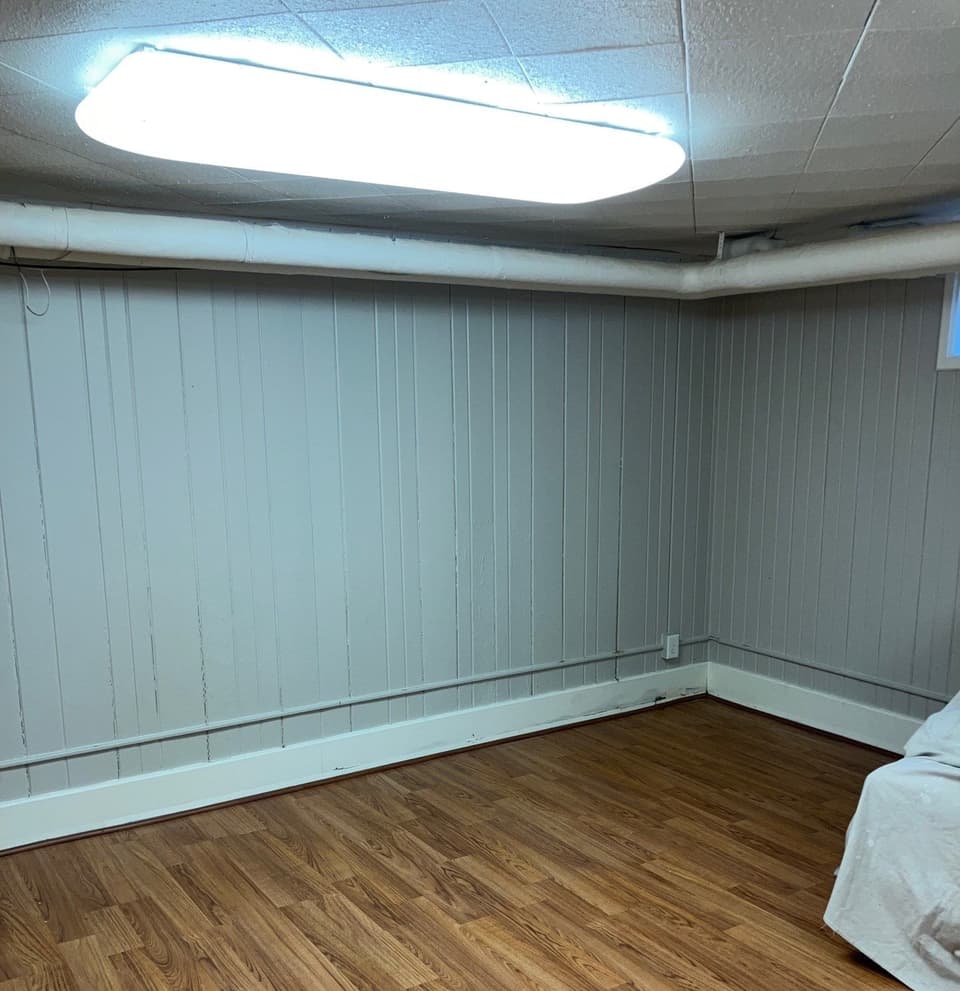
A finished basement or crawlspace renovation showing new white epoxy-coated flooring, gray painted walls, recessed lighting, and what appears to be a dehumidifier unit in place.
A finished basement or crawlspace renovation showing new white epoxy-coated flooring, gray painted walls, recessed lighting, and what appears to be a dehumidifier unit in place. View project in Lincoln, NE
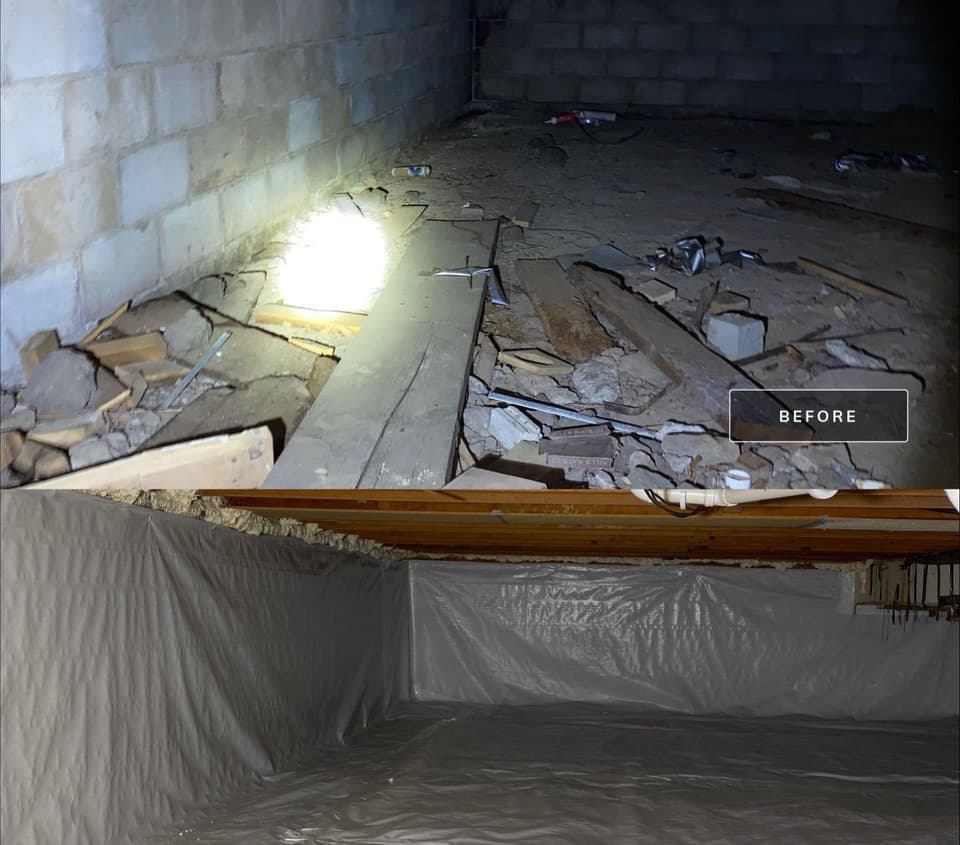
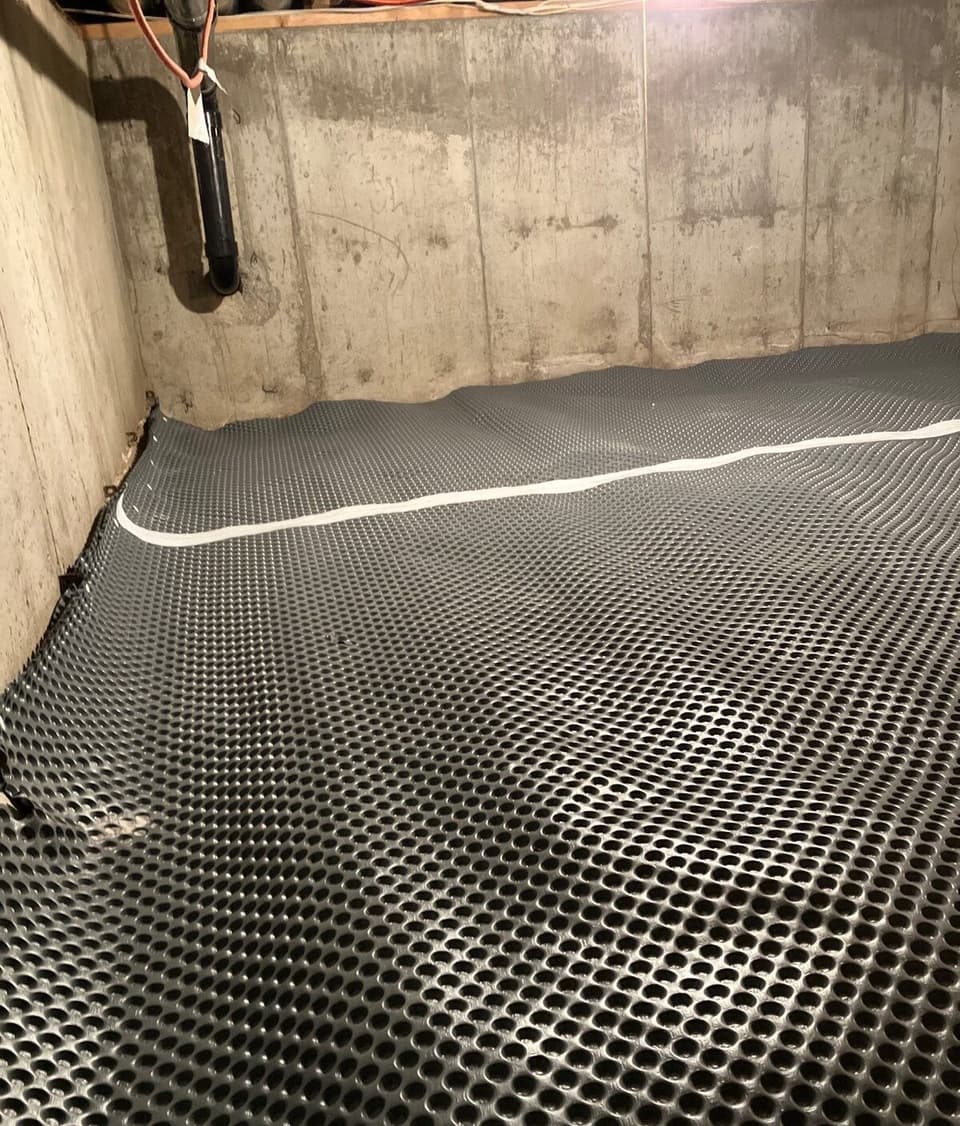
A crawlspace has been cleaned and encapsulated with a vapor barrier after debris removal, with interior drainage infrastructure visible along the perimeter.
A crawlspace has been cleaned and encapsulated with a vapor barrier after debris removal, with interior drainage infrastructure visible along the perimeter. View project in Omaha, Nebraska
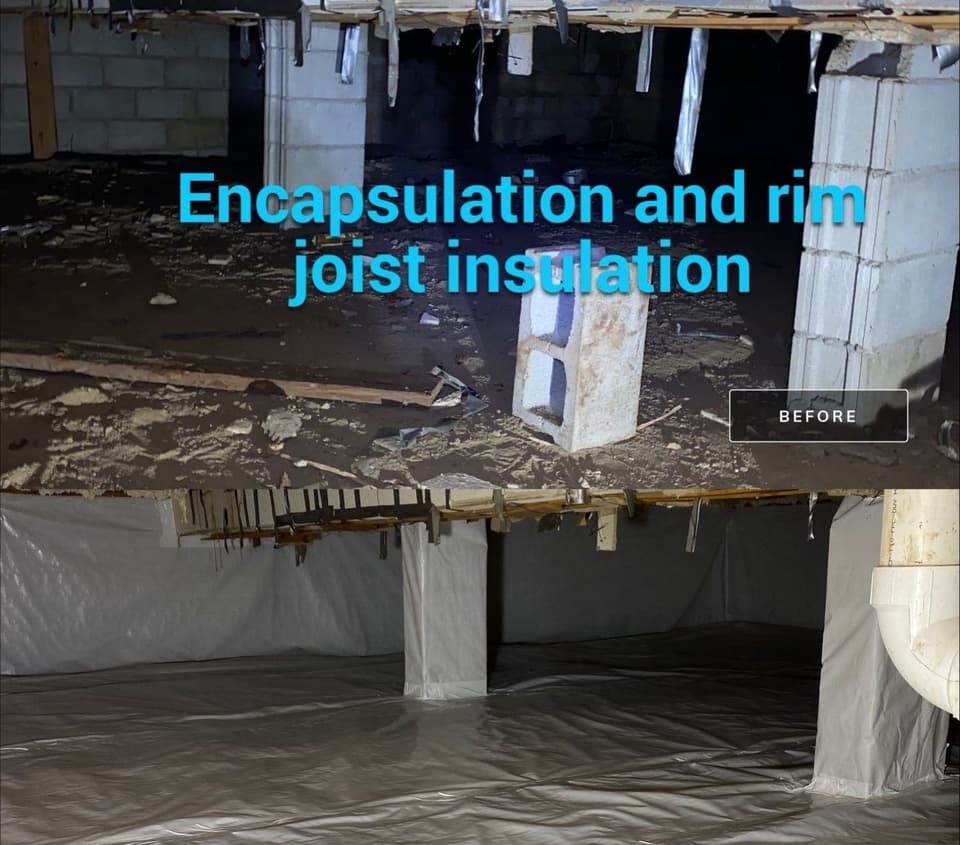
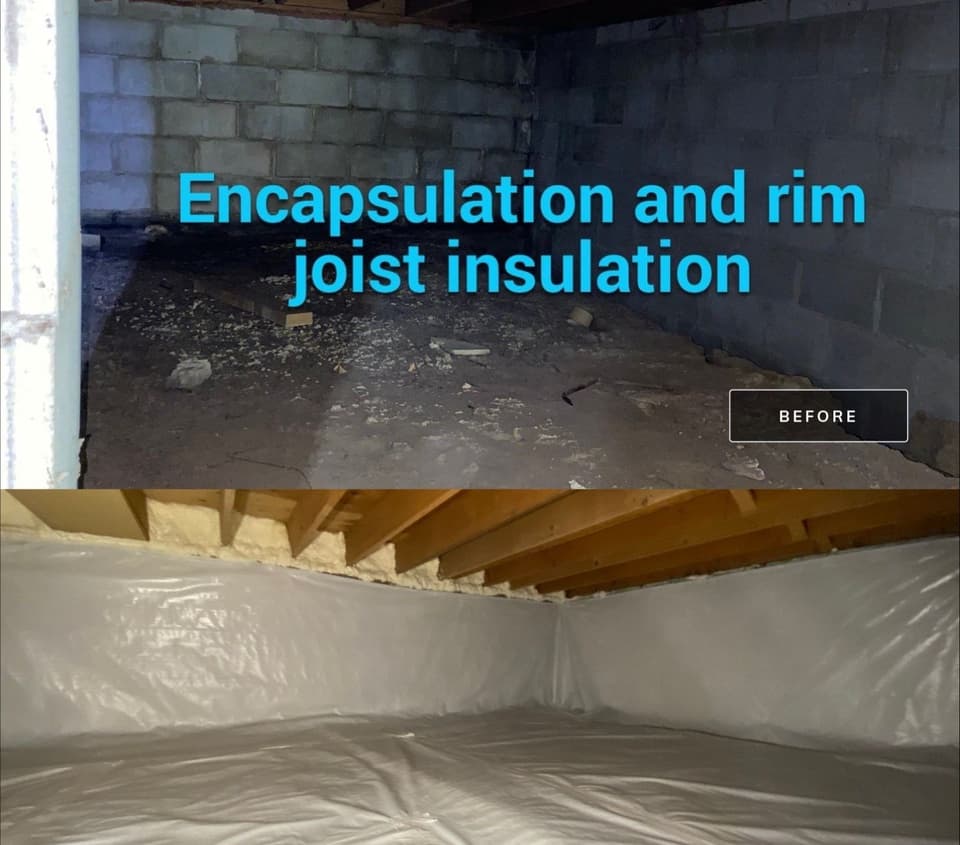
A completed crawlspace encapsulation project showing the before condition with exposed dirt and debris, and the after condition with white vapor barrier and rim joist insulation installed.
A completed crawlspace encapsulation project showing the before condition with exposed dirt and debris, and the after condition with white vapor barrier and rim joist insulation installed. View project in Omaha, Nebraska
A crawlspace has been encapsulated with a vapor barrier membrane and rim joist insulation installed, showing the completed before-and-after transformation from exposed soil and debris to a sealed, finished condition.
A crawlspace has been encapsulated with a vapor barrier membrane and rim joist insulation installed, showing the completed before-and-after transformation from exposed soil and debris to a sealed, finished condition. View project in Omaha, Nebraska
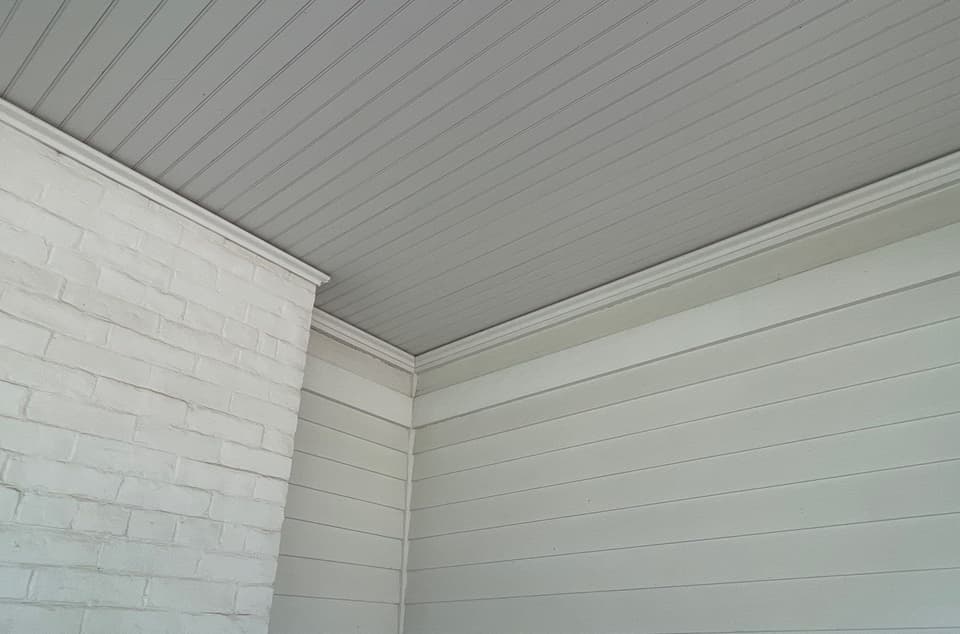
A finished crawlspace or basement area with white painted brick walls, horizontal wood or vinyl paneling on the right wall, and a gray vinyl plank ceiling, showing completion of encapsulation work.
A finished crawlspace or basement area with white painted brick walls, horizontal wood or vinyl paneling on the right wall, and a gray vinyl plank ceiling, showing completion of encapsulation work. View project in Kearney, NE
Why Choose Epp

Care and expertise from a team that's been doing this since 1994.

Epp Foundation Repair is locally owned and operated, with crews dedicated exclusively to foundation, basement, and concrete work across the Midwest.

Specialized expertise.

Foundation repair, waterproofing, and concrete leveling are our entire focus, not a sideline.

Locally owned since 1994.

Three decades of experience with Midwest soils, basements, and weather conditions.

BBB Integrity Award winner.

Recognized in 2011 and 2016 for ethical business practices and customer transparency.

Warrantied solutions.

Every repair comes with a written Epp warranty, from 1 year to the lifetime of the structure depending on the product.

Why hire Epp Foundation Repair.. Video preview.
Epp · Since 1994

Why hire Epp Foundation Repair.

MEET THE TEAM · 2 MIN
Frequently Asked Questions

Answers to common questions about Crawl Space Inspection.

Don't see your question here? Our team is happy to help. Reach out anytime.

The crawl-space inspection itself is free across Nebraska, Iowa, Kansas, and Missouri. The visit includes a 60 to 90-minute on-site assessment, laser-level grade survey of joist and beam elevations, moisture mapping with pin and pinless meters at 8 to 15 sample points across joists, sill plate, rim, and subfloor, structural assessment of joists, sill plate, posts, and beams, vapor barrier and water source identification, and HVAC duct condition note. If the homeowner chooses to move forward with repairs, Epp provides a Customized Repair Estimate for the recommended work.

Any figures shown above are general context only and are not project quotes. A precise figure is provided on the Customized Repair Estimate after on-site inspection.
Pricing & Scope

Honest Pricing and Honest Limits

Every home is different. What a repair costs depends on the cause, the scope, and access. A free on-site inspection produces a Customized Repair Estimate that reflects your home, not a typical range.

Estimate Only

Approximate pricing

Standard crawl-space inspection: free. Includes 60 to 90-minute on-site visit, laser-level grade survey, moisture mapping at 8 to 15 points across joists, sill plate, rim, and subfloor, structural assessment of joists, sill plate, posts, and beams, vapor barrier and water source identification, and HVAC duct condition note. Customized Repair Estimate after on-site inspection reflects your scope.

When this isn't the right fix

A structural crawl inspection is the wrong call when what you actually need is a real-estate buyer's home inspection. The standard home inspection covers all systems including the crawl and is the right tool for purchase due diligence; Epp's inspection is the appropriate follow-up if the home inspector's crawl findings need deeper structural assessment. Re-inspecting a crawl within 24 months of a prior inspection has little value unless a specific event (flood, plumbing leak, settlement, structural concern) prompts it. Crawl conditions evolve over years, not weeks. And don't substitute a foundation contractor's inspection for indoor air quality lab analysis if air quality is the actual concern; Epp documents visible mold and humidity, but spore-count testing for medical, legal, or insurance purposes is certified IAQ lab scope.

Why our estimates are honest

Epp Foundation Repair holds BBB A+ accreditation and is a two-time BBB Integrity Award winner (2011 and 2016). Recognition reflected in every crawl-space inspection Epp performs. The Customized Repair Estimate is contractor-grade structural assessment documentation, delivered to the homeowner with the understanding that the findings are useful regardless of who the homeowner eventually hires for the recommended repair work.
Related video

How To Support Floor Joists In A Crawl Space

How To Support Floor Joists In A Crawl Space. Video preview.
Epp · Since 1994
EPP FOUNDATION REPAIR

Related to what you are reading. Our team covers the same ground on camera.

More Crawl Space Repair Services

The full range of our crawl space repair work.
Every crawl space repair method we install. Sequenced so the soil profile and failure mode determine the fix.

Epp Foundation Repair installing a vapor barrier and dehumidifier in a crawl space. 01

Crawl Space Waterproofing

Crawl space waterproofing addresses active water reaching a dirt-floor or short-clearance crawl. Interior drainage matting at the perimeter, a sump pit with pump, and a 10-to-20-mil polyethylene vapor barrier capture seepage and discharge it outside. Epp Foundation Repair has designed crawl-space drainage and encapsulation systems across NE, IA, KS, and MO since 1994.

Learn more
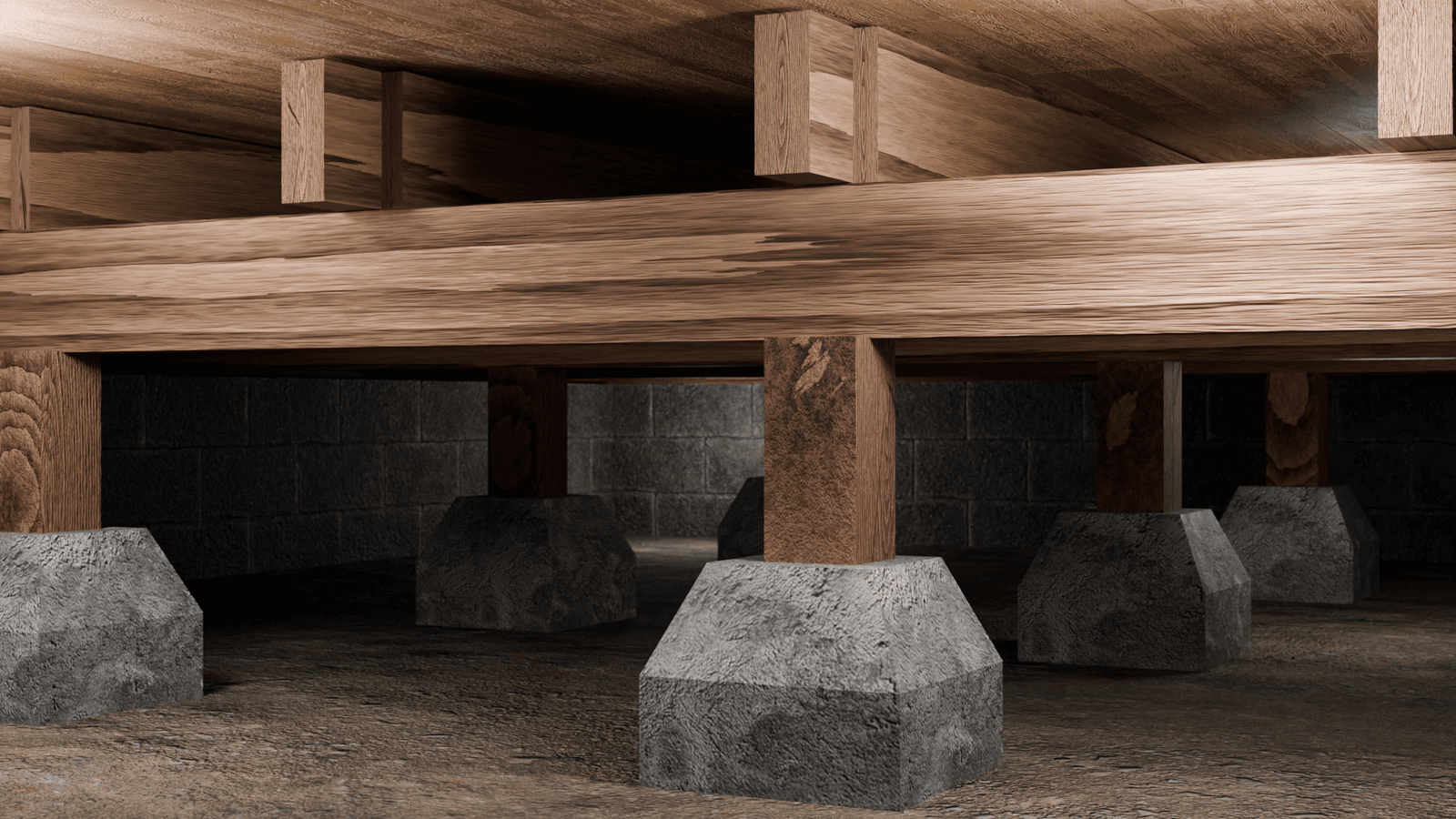
3D rendered cutaway of wood floor joists supported by concrete piers over a block wall crawl space 02

Crawl Space Structural Repair

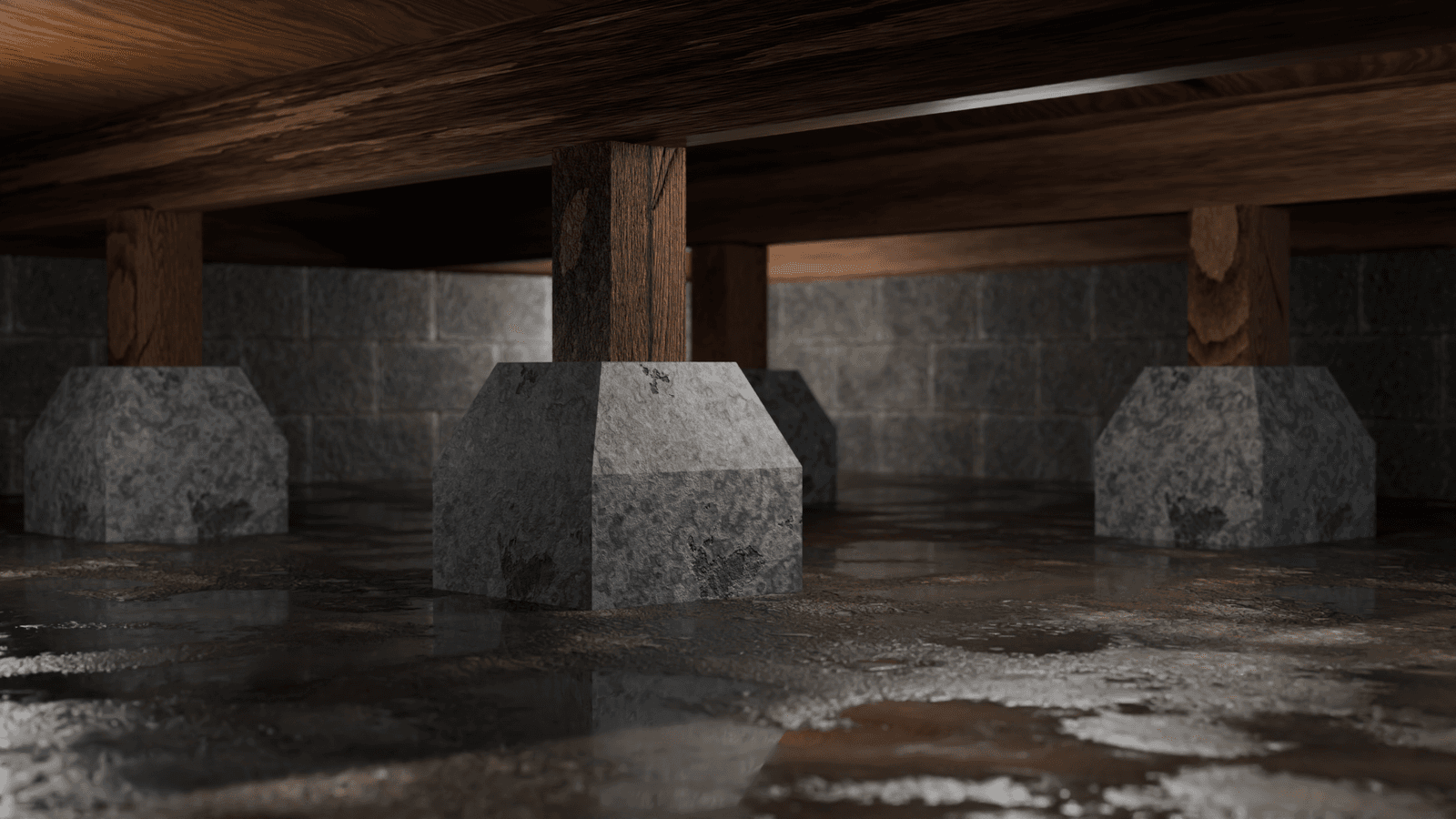
Crawl-space structural repair addresses what's holding the house up from underneath. Sistering sagging joists, replacing rotted joists, installing supplemental jack posts and helical piers, and re-leveling the floor system. Epp Foundation Repair has performed crawl-space structural work across NE, IA, KS, and MO since 1994.

Learn more
Epp Foundation Repair installing adjustable smart jacks to stabilize a crawl space 03

Pier and Beam Foundation Repair

Pier-and-beam systems sit on individual piers supporting beams supporting joists, and they fail at the piers first. Epp Foundation Repair replaces settled or rotted masonry, concrete, and wood piers with helical piers driven to bearing strata, replaces rotted beams, and re-levels older Midwest homes across NE, IA, KS, and MO since 1994.

Learn more
Real crawl space photo showing white vapor barrier encapsulation, a sump discharge pipe, and a dehumidifier unit installed 04

Crawl Space Sump Pump Installation

Crawl space sump pump installation captures groundwater inside a sealed basin set into the dirt floor, lifts it through a check-valve discharge line, and moves it at least 10 feet from the foundation. Epp Foundation Repair installs crawl-space sumps in 3 to 4-foot clearance dirt-floor crawls across NE, IA, KS, and MO, typically as a pre-encapsulation step or paired with interior crawl-space drainage matting.

Learn more
3D rendered cutaway of an encapsulated crawl space with dehumidifier unit and a disclaimer caption at the bottom 05

Crawl Space Drainage Systems

Crawl space drainage systems intercept wall seepage and groundwater at the perimeter, channel it through low-profile drainage matting and perforated pipe under the dirt floor, and feed it to a sump pit that pumps it at least 10 feet from the foundation. Epp Foundation Repair installs full crawl-space drainage systems across NE, IA, KS, and MO, designed for 3 to 4-foot clearance and regional soil conditions.

Learn more
Text panel beside photo of black corrugated drain pipe laid in a gravel trench along a crawl space wall 06

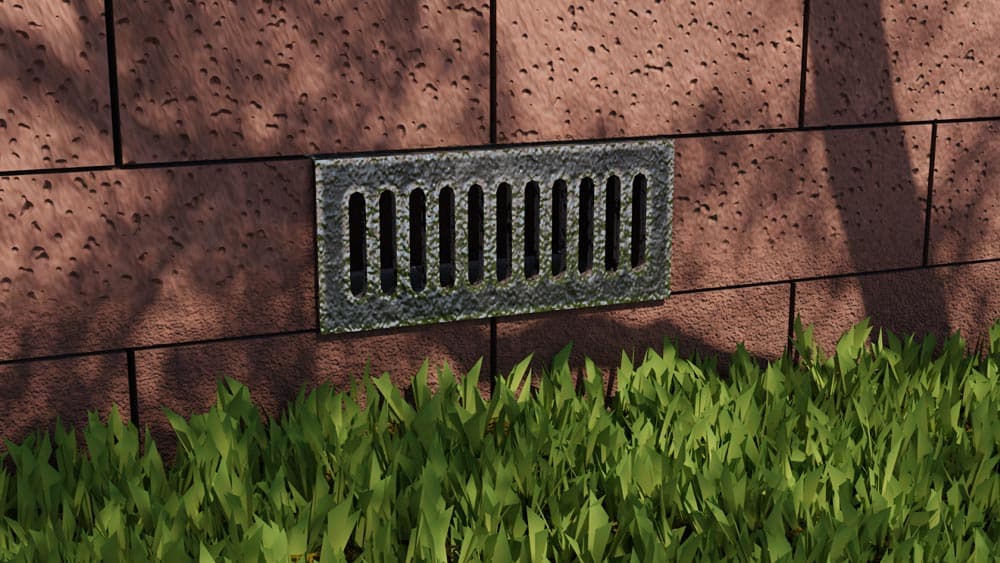
Crawl Space Ventilation

Airflow and humidity control for crawl spaces, from corrected venting to sealed encapsulation when open vents make moisture worse.

Learn more
Epp Foundation Repair diagram showing rim joist insulation in a crawl space foundation. 07

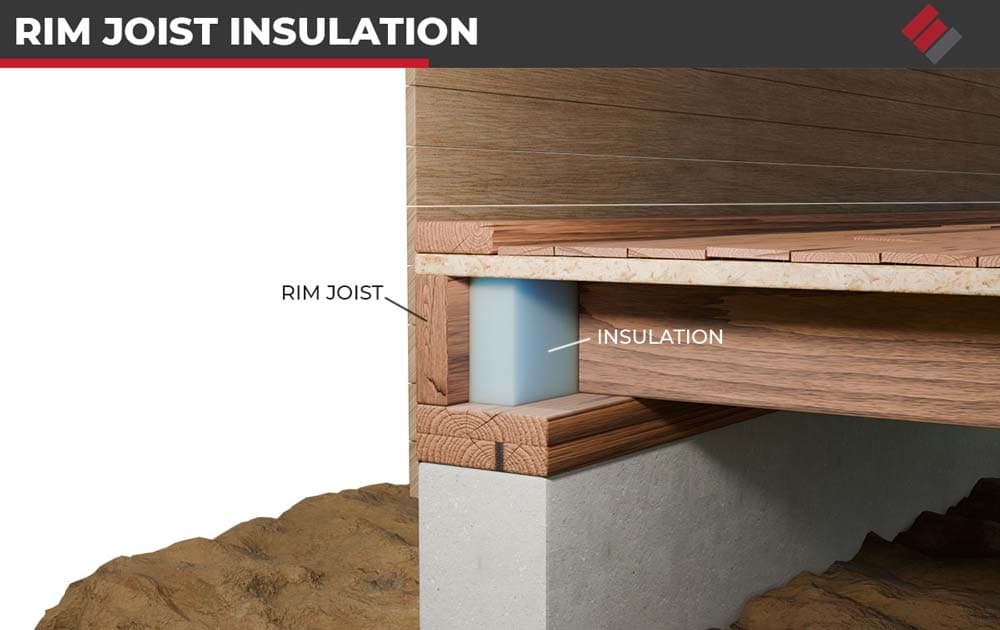
Rim Joist Insulation

Sealing and insulating the rim joist is the insulation work Epp does most. It closes the biggest air leak in a Nebraska or Iowa crawl space, warms the floor above, and goes in after the moisture is under control.

Learn more
Dark photo inside a dirt floor crawl space with wood joists a block wall and rolled up carpet debris 08

Crawl Space Cleaning

Debris removal and dry-out that clears a crawl space, paired with fixing the moisture so it stays clean. Removing or treating mold is certified remediator work, and Epp refers it out.

Learn more
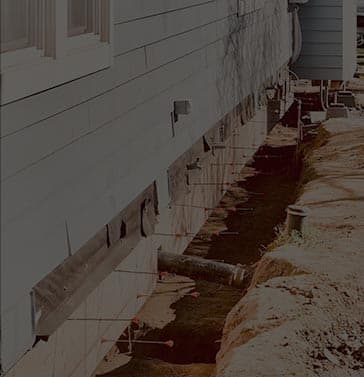
Epp Foundation Repair stabilizing an exterior stem wall with reinforcement rods and installing waterproofing membrane. 09

Stem Wall Repair

Structural repair of the short foundation wall under a crawl space, addressing cracks, spalling, and rusted rebar at the source.

Learn more
Epp Foundation Repair installing a new insulated crawl space access door for a secure entry. 10

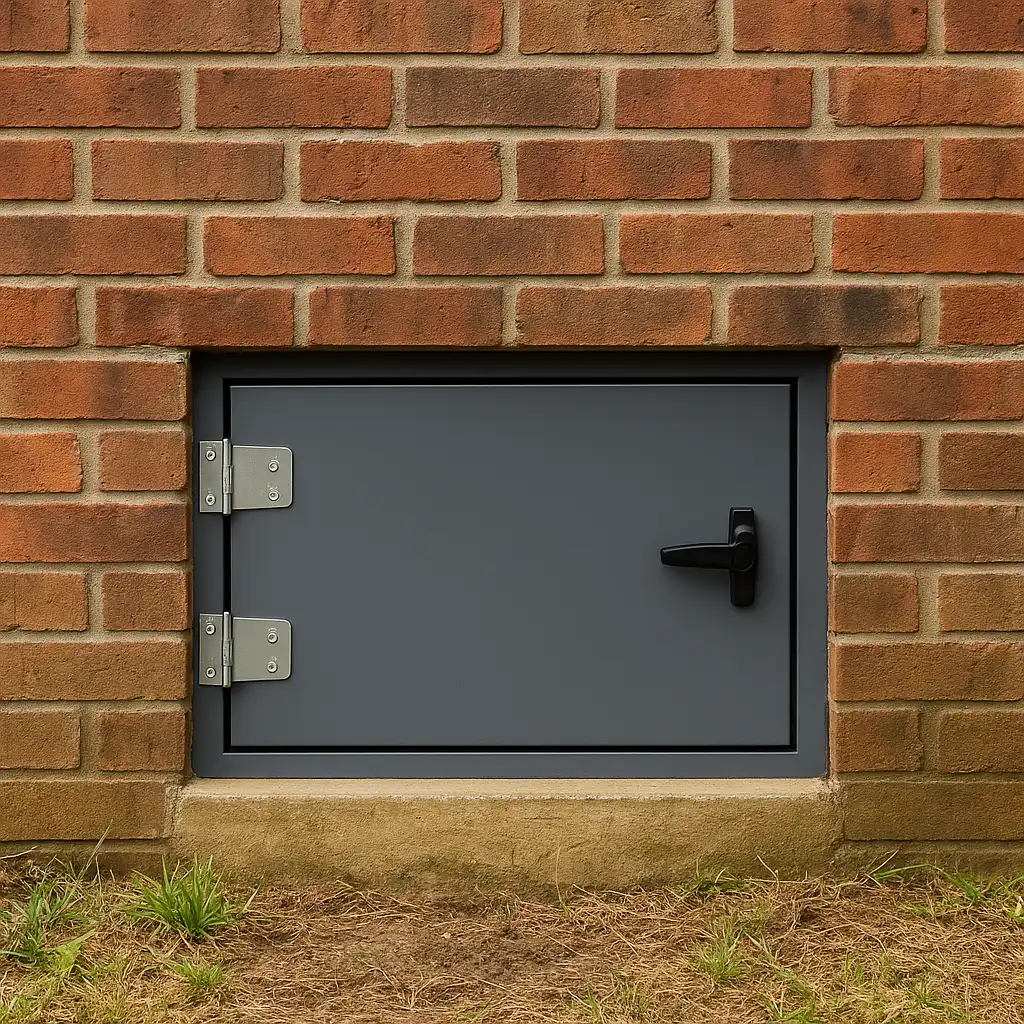
Crawl Space Door Installation

A sealed, durable crawl space door that closes the last gap in your moisture and pest control without trapping water inside.

Learn more
Service Areas

Serving Nebraska, Iowa, Kansas & Missouri.

Local crews based in five regional offices, dispatched daily across four states. If your town isn't listed, call us: we likely serve your area.

Top cities we serve
Check Your Service Area
The Process

How we approach Crawl Space Inspection

A straightforward path from initial inspection to completed repairs.

Step 01

Schedule the On-Site Inspection

Homeowner calls Epp or submits a request. Office confirms address, crawl access location, and any specific concerns the homeowner wants documented. Inspection is scheduled at a time when the homeowner can be on-site for the inspector's walk-through and findings discussion at the end of the visit.

Step 02

Walk the Exterior First

Inspector walks the exterior before entering the crawl. Grade against the foundation, downspouts and downspout extensions, gutter condition, adjacent hardscape, visible foundation wall cracks, sump discharge termination location, and any obvious upstream water source.

Step 03

Enter the Crawl and Run the Full Inspection

Inspector enters through the access and runs the seven-area assessment: laser-level grade survey of joist, beam, post, and dirt-floor elevations; moisture mapping with pin and pinless meters at 8 to 15 sample points; structural assessment with thumb-test of suspect joists; vapor barrier evaluation if one exists; water source and seepage identification; HVAC duct condition note; pest, debris.

Customer Reviews

Over 1,700 homeowners have shared their experience.

A 4.9-star average across Google, with verified reviews from homeowners throughout Nebraska, Iowa, Kansas, and Missouri.

Free Estimate

Two ways to start: book instantly, or request an estimate.

Schedule your inspection in seconds with our Driive booking tool, or share a few details and a local specialist will follow up within one business day.

What to expect
  • A local foundation specialist on site
  • A complete walk-through of the findings
  • A Customized Repair Estimate within one business day
  • No cost, no obligation, no high-pressure sales
Prefer to call
402-423-9192
Nebraska · Iowa · Kansas · MissouriSince 1994
Epp Foundation Repair

Let's take the first step toward a healthy home.

A local specialist will inspect your foundation, walk you through the findings, and send a clear estimate, no cost, no pressure.

BBB Accredited
Fully Insured
"By Your Side" Guarantee
Our Locations

Five regional offices across the Midwest.

See all service areas
Lincoln, NE
Epp Foundation Repair
1133 Libra Dr
Lincoln, NE 68512
(402) 566-5265
Omaha, NE
Epp Foundation Repair
12305 Gold St, Ste 2
Omaha, NE 68144
(402) 521-5081
Grand Island, NE
Epp Foundation Repair
802 Bronze Rd
Grand Island, NE 68803
(308) 303-3944
Norfolk, NE
Epp Foundation Repair
1105 S 13th St, Ste 205
Norfolk, NE 68701
(402) 792-4092
St. Joseph, MO
Epp Foundation Repair
2400 Frederick Ave, Suite 315
St. Joseph, MO 64506
(816) 549-2672