
Estimate Only
Approximate pricing
Customized Repair Estimate after on-site inspection reflects your scope.
Epp Foundation Repair has lifted settled slab-on-grade foundations across Nebraska, Iowa, Kansas, and Missouri since 1994, and Epp diagnoses the void before choosing foam or slab piers. Epp does not perform mudjacking.
A local specialist will inspect your foundation, walk you through the findings, and send a clear estimate, no cost, no pressure.
Diagnosis First
Slab jacking supports a settled slab-on-grade foundation again once Epp Foundation Repair maps the void's depth and cause. A shallow void under a lighter slab is usually filled with polyurethane foam. A deep void, or settlement from an unstable soil layer, calls for slab piers instead. Minor settlement with no tripping hazard may not need a lift.
In Depth
Everything a Midwest homeowner should know about this repair, from the specialists who do it every day.
A slab-on-grade foundation that has settled is one of the most over-diagnosed problems in residential foundation repair. The two lift methods Epp uses are polyurethane foam injection and slab piers, and only one of them is usually correct for a specific slab; mudjacking is not one of Epp's methods. The cause of the settlement and the depth of the void are what determine which method works. Epp Foundation Repair has been lifting slab foundations across Nebraska, Iowa, Kansas, and Missouri since 1994, and the first thing we tell homeowners is that there is no universal lift method. Epp Foundation Repair starts every slab inspection by mapping the settlement pattern with a digital level or laser, identifying whether the slab has dropped at the perimeter, at the center, or in localized spots. That pattern tells us what is happening below the slab. A perimeter drop usually means the soil supporting the edge of the slab has consolidated or eroded. A center drop usually means a plumbing leak created a void, or the original sub-slab fill was poorly compacted. Local depressions usually mean a discrete void from a buried organic, a collapsed sewer line, or expansive clay heave reversing.
A concrete slab has almost no flexural strength relative to its dead load. The slab is rigid enough to span small voids, but once the unsupported area grows too large, the slab cracks and drops into the void. By the time a homeowner notices a sloped floor, the void below is usually larger than the visible cracking suggests. The repair has to fill the void and re-support the slab, not just lift the visible part. Across Nebraska, Iowa, Kansas, and Missouri, the most common cause of slab settlement we see is consolidation of poorly compacted granular fill placed below the slab during original construction. Slab-on-grade construction in older homes often used on-site loess or fine sand as sub-slab fill, placed without proper compaction. Over the years that fill slowly densifies, especially after a wet-dry cycle, and the slab drops. In the Kansas-Missouri clay belt the more common pattern is expansive clay heave at the slab center (from a plumbing leak wetting the clay) followed by clay drying and contracting, leaving a void.
Polyurethane foam injection (also called polyjacking, or PolyLift in Epp's own job labels). A two-part polyurethane resin is injected through 5/8-inch ports drilled in the slab. The foam expands, fills voids, compacts loose soil, and lifts the slab. Foam is the right answer for shallow voids and for lighter slab loads. It is the fastest method and the least invasive. Mudjacking (cement slurry injection), for comparison, pumps a cement-and-sand slurry through larger ports drilled through the slab. The slurry is heavier than foam and applies more lift force. Epp Foundation Repair does not perform mudjacking on any job, residential or commercial, because the slurry's weight can re-saturate clay soils and recreate the original problem; when a slab needs more lift force than foam provides, Epp goes to slab piers instead. Slab piers. When the void is deep below the slab, when the settlement is ongoing because the underlying soil layer is unstable, or when the slab is loaded heavily enough that foam will not hold, the right repair is slab piers. A small section of slab is cut out at each pier point. A push pier or helical pier is driven through the slab opening down to load-bearing strata, the slab is lifted on the pier head, and the cut-out is patched. This is the method that works when the settlement cause is deep soil consolidation rather than a shallow void.
Epp Foundation Repair sends a diagnostician (not a salesperson) to every slab inspection. The inspector maps elevation across the floor with a digital level or laser, locates the low point and the high point, identifies any visible cracks and measures their offset, checks for signs of a plumbing leak, and looks for evidence of past or present moisture in the sub-slab fill. On homes built over expansive clay, the inspector probes through test holes to confirm the soil type and moisture content directly below the slab. We come out of that inspection with a recommendation: foam, slab piers, or occasionally slab replacement. Epp Foundation Repair does not perform mudjacking, so it is never among the recommendations. We will not quote a lift method before we know what is below the slab. ## Regional context: why NE/IA/KS/MO slabs settle the way they do
Nebraska and western Iowa sit on a deep layer of windblown loess. Loess is structurally stable when dry but collapses suddenly when saturated, a soil failure mode called hydrocollapse. A sustained plumbing leak, a downspout dumping water against the foundation, or a high water table after a wet year can trigger hydrocollapse below a slab and produce settlement. In the Kansas-Missouri clay belt, the dominant soil concern is the opposite: expansive clay that swells when wet and shrinks when dry. Slab edges over clay heave in spring and drop in late summer, year after year. The freeze-thaw cycles NE and IA see each winter add a third stressor by freezing sub-slab moisture and lifting localized sections.
Epp Foundation Repair will tell you up front when slab jacking is not the right service. We will not lift a slab that has structural cracks through its full thickness. That slab needs to be replaced. We will not lift a slab over an active plumbing leak until the leak is repaired (the leak will recreate the void). We do not lift slabs to correct minor cosmetic settlement unless the homeowner has a tripping hazard or door-clearance problem. Slab jacking stabilizes and re-supports the slab; it does not repair existing cracks in the slab, so visible cracks remain visible after the lift (crack repair is a separate step). Epp Foundation Repair is BBB A+ rated and a BBB Integrity Award winner. Every slab lift comes with a written scope, a measured lift target, and a written warranty on the work. Foam jobs are backed by Epp's 5-year PolyLift warranty against failure of the installed polyurethane to perform its lifting or stabilization function due solely to defects in materials or workmanship; slab pier jobs are backed by Epp's slab pier warranty.
Epp Foundation Repair does not price mudjacking; every quote covers polyurethane foam or slab piers. A Customized Repair Estimate after on-site inspection reflects your scope, soil conditions, and accessibility. If you have a sloped floor, a doorway that has fallen out of square, a crack in a slab that has dropped on one side, or a hollow sound when you tap the floor, schedule a free inspection.
Which Solution Is Right?
| Method | Fits when | Not a fit when | Warranty |
|---|---|---|---|
| Polyurethane Foam Injection | The void is shallow and the slab load is light. Foam cures fast and needs only 5/8-inch ports. | The void is deep or the underlying soil layer is actively consolidating, where slab piers are the right fit. | 5 years, failure of the installed polyurethane to perform its lifting or stabilization function due solely to defects in materials or workmanship |
| Slab Piers | The void is deep below the slab, settlement is ongoing from an unstable soil layer, or the slab load is too heavy for foam to hold. | The void is shallow and within foam's lift capacity, where foam is faster and less invasive. | 10 years, stabilization of the installed area only, no lifting warranty provided |
Warranty terms above are the headline coverage and its governing condition. Full terms, exclusions, and owner responsibilities for every method are on Epp's warranty terms page.
Each method is matched to a specific failure mode and soil profile. Browse the toolkit we draw from when diagnosing your home.
When the fill under a slab-on-grade foundation or a footing consolidates or washes out, Epp Foundation Repair injects structural polyurethane foam into the soil beneath it to restore support and attempt lift. Stabilization is guaranteed; lift is attempted, never promised.
When a slab-on-grade or monolithic foundation drops because the fill beneath it washed out or shrank, Epp Foundation Repair fills the void and lifts the slab with polyurethane foam, and adds slab piers where the soil cannot carry the load. Stabilization is the promise; lift is attempted.
Epp Foundation Repair has installed small-diameter helical slab piers under ranch homes, slab additions, and light commercial slabs across Nebraska, Iowa, Kansas, and Missouri since 1994. Slab piers are engineered for slab-on-grade loads.
A foundation rests on the soil under and around it. When that soil gets wetter, drier or colder, it can swell, shrink, settle or freeze, and the foundation can move with it.
Based on NOAA 1991 to 2020 climate normals for Lincoln Municipal Airport and Omaha Eppley Airfield.
Based on USDA soil survey data for Lancaster County (Lincoln) and Douglas County (Omaha), clay is the main soil type in both counties. The survey rates Lancaster County high and Douglas County moderate for shrink swell. Clay can swell when it gets wet and shrink as it dries, so a slab or foundation on clay can move up and down with the seasons. The soils that cover the most ground in Lancaster County are Wymore and Aksarben, and in Douglas County they are Contrary and Marshall.
Loess, the wind deposited silt common in eastern Nebraska and western Iowa, can lose strength and settle when it gets wet. Water can reach it from runoff, a plumbing leak or a downspout that empties next to the house.
In Lincoln and Omaha, soil near the surface can freeze and thaw many times between fall and spring. Each city's building code sets a frost line depth, which is the minimum depth below finished grade for a footing. It is 36 inches in Lincoln and 42 inches in Omaha. Supports that sit above that depth, such as some porches, stoops and chimney footings, can move as the ground freezes and thaws.
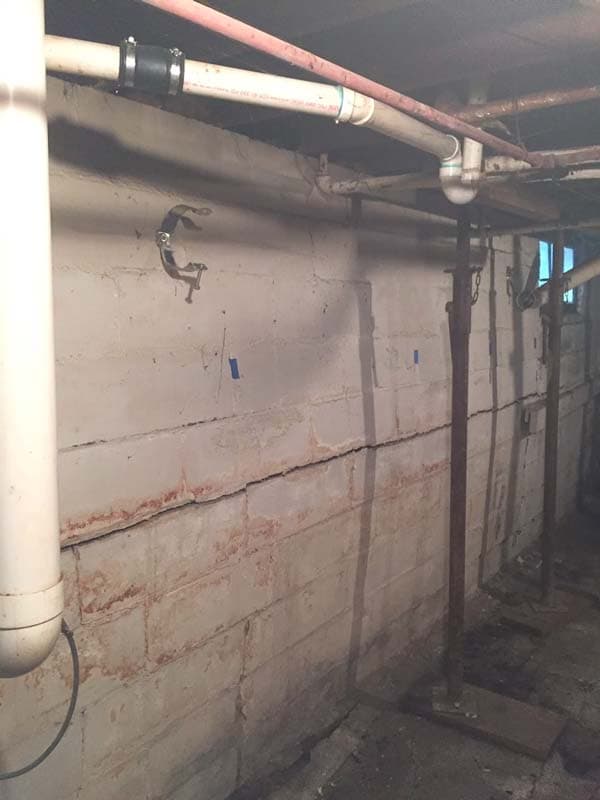
Horizontal cracks in a basement wall are more often linked to pressure from the soil outside the wall than to settlement. Wet soil pushes harder against a wall than dry soil, and soil that freezes against the wall can add to that pressure.
Climate: NOAA U.S. Climate Normals 1991 to 2020, LINCOLN MUNI AP (USW00014939) and OMAHA EPPLEY AIRFIELD (USW00014942), retrieved September 30, 2026. Soil: USDA NRCS Soil Data Access (SSURGO), county survey for Lancaster County and Douglas County. Frost line depth: Lincoln Municipal Code 20.12.140 and Omaha Municipal Code Sec. 43-127.
These are the foundation repair problem signs Epp Foundation Repair diagnoses most often. Each one links to what causes it and how it is repaired.
Our specialists evaluate the underlying cause before recommending any work. Inspections are at no cost and there's no obligation to proceed.
"I've watched the same house in Lincoln settle three times in fifteen years because the contractor before us kept lifting the slab without ever fixing the leaking sewer line underneath. The soil was the patient. Nobody had treated the soil."

Completed work photographed on real job sites across Nebraska, Iowa, Kansas, and Missouri.
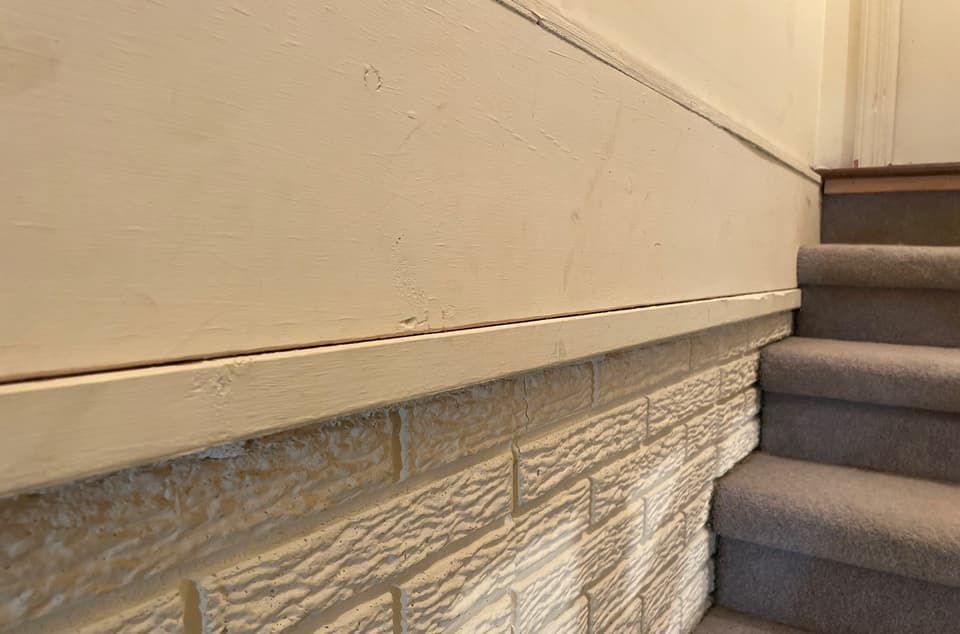
Epp Foundation Repair is locally owned and operated, with crews dedicated exclusively to foundation, basement, and concrete work across the Midwest.
Foundation repair, waterproofing, and concrete leveling are our entire focus, not a sideline.
Three decades of experience with Midwest soils, basements, and weather conditions.
Recognized by the Better Business Bureau for integrity and ethical business practices.
Many of our repairs carry a written Epp warranty. The warranty page lists every covered repair and its terms.
Don't see your question here? Our team is happy to help. Reach out anytime.
Every home is different. What a repair costs depends on the cause, the scope, and access. A free on-site inspection produces a Customized Repair Estimate that reflects your home, not a typical range.
Customized Repair Estimate after on-site inspection reflects your scope.
Slab jacking is not appropriate when the slab has structural cracks through its full thickness (replacement is the call), when there is an active plumbing leak that has not been repaired (the leak will recreate the void), or for minor cosmetic settlement with no tripping or door-clearance issue. Foam is also the wrong method when the void is deep; slab piers are correct in that case.
BBB A+ rated and BBB Integrity Award winner
Related to what you are reading. Our team covers the same ground on camera.
Every foundation repair method we install. Sequenced so the soil profile and failure mode determine the fix.
 01
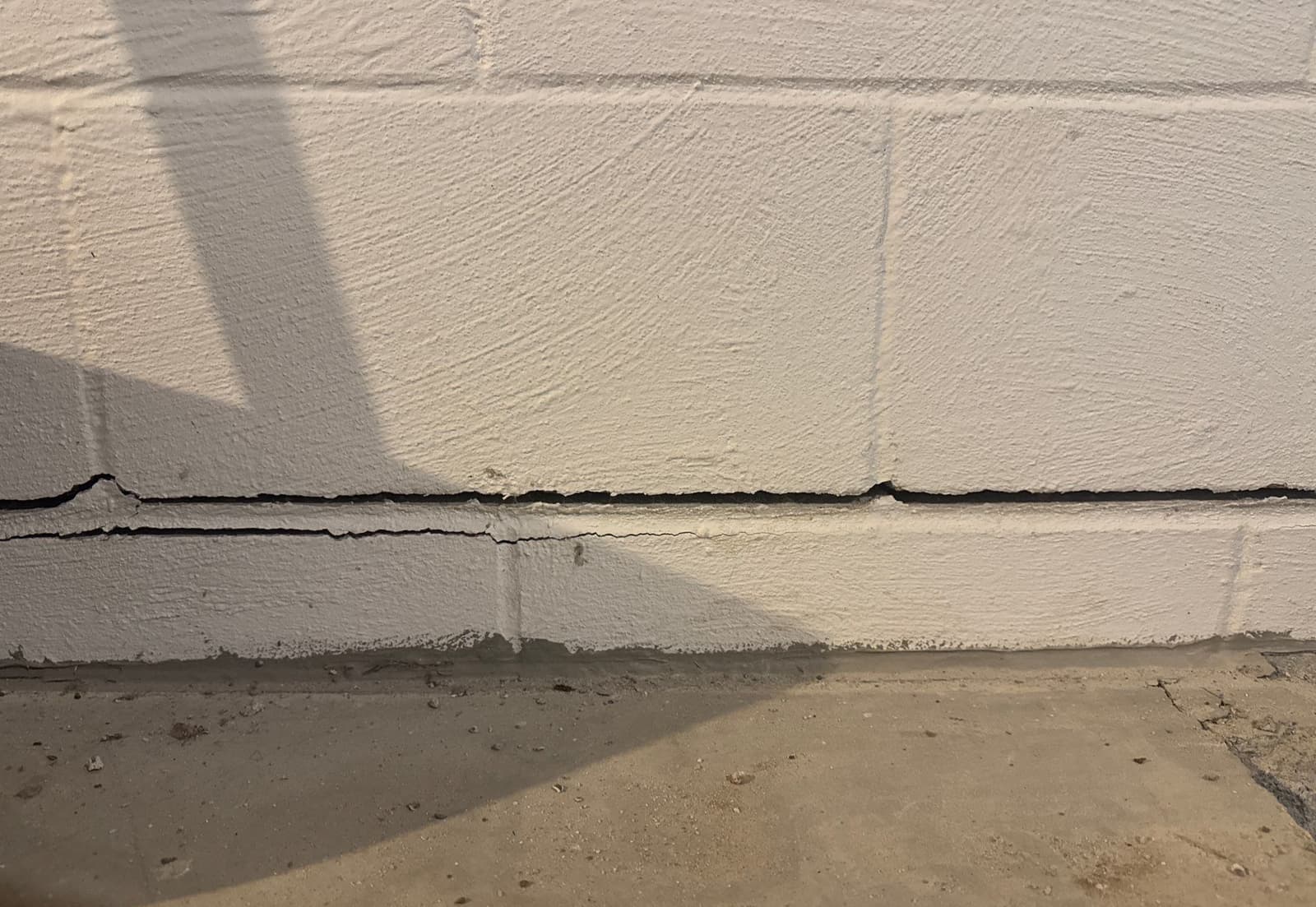
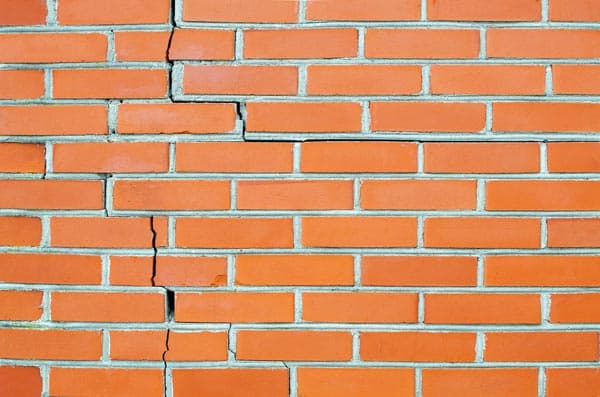
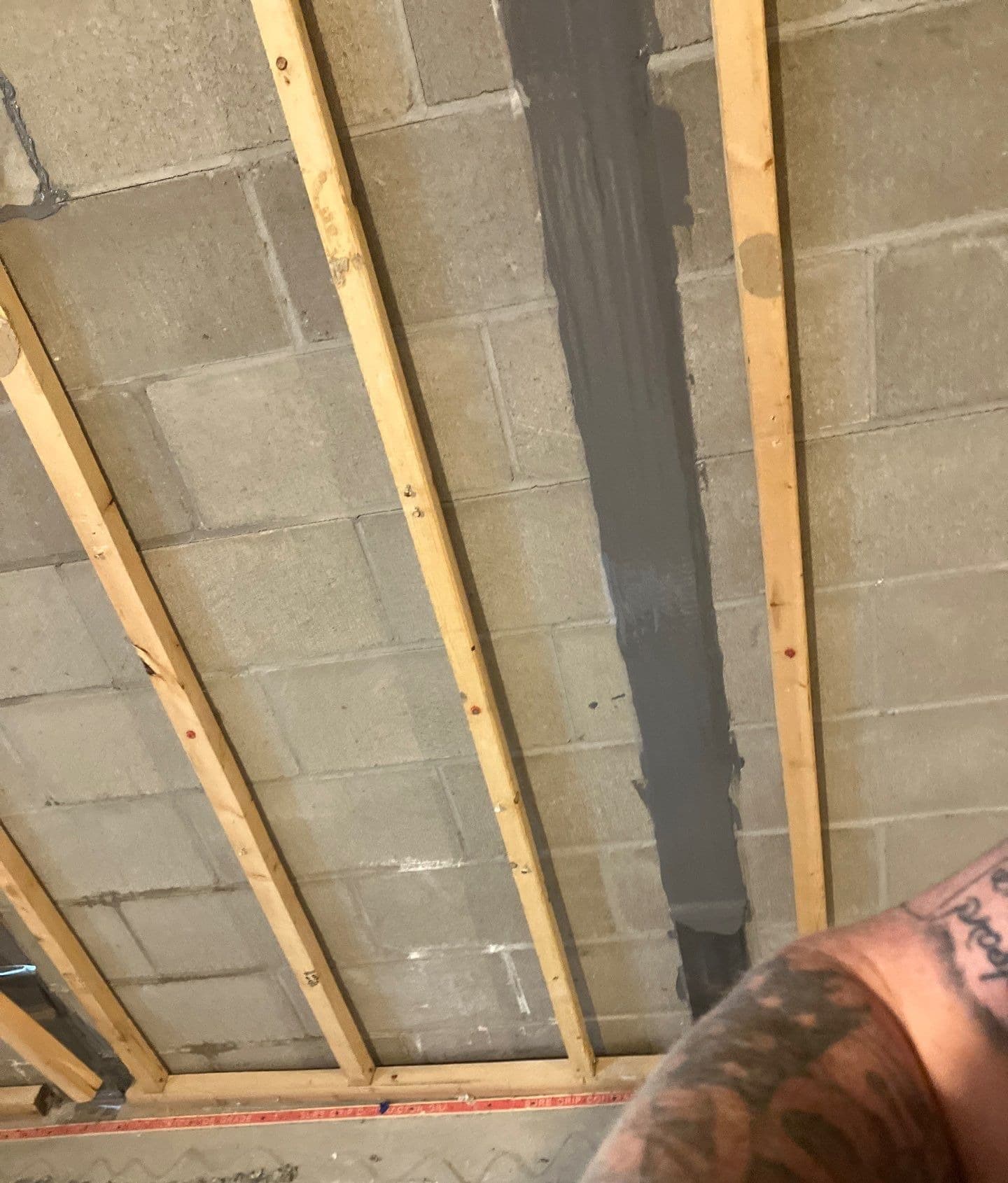
01 The cause determines the repair method. There is no universal fix. A hairline shrinkage crack in poured concrete is cosmetic. A horizontal crack in block at the soil grade line is lateral pressure and needs reinforcement. A stair-step crack widening through brick veneer is differential settlement and needs underpinning beneath the affected wall.
Learn more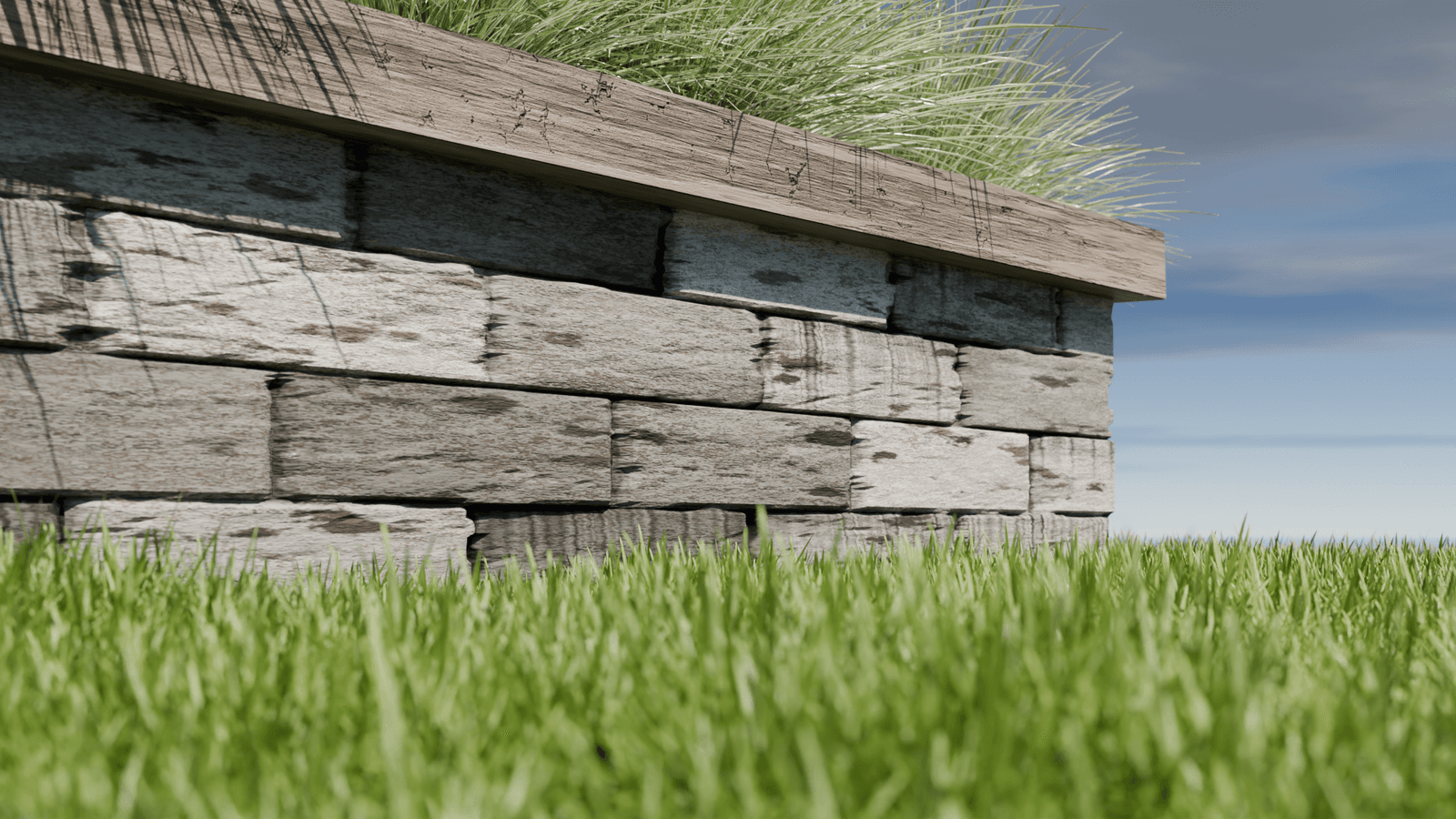 02
02 A leaning or bulging retaining wall is a soil problem before it is a wall problem. Epp Foundation Repair diagnoses the failure mode first, then prescribes the right fix: helical tieback anchors, drainage correction, or full wall replacement.
Learn more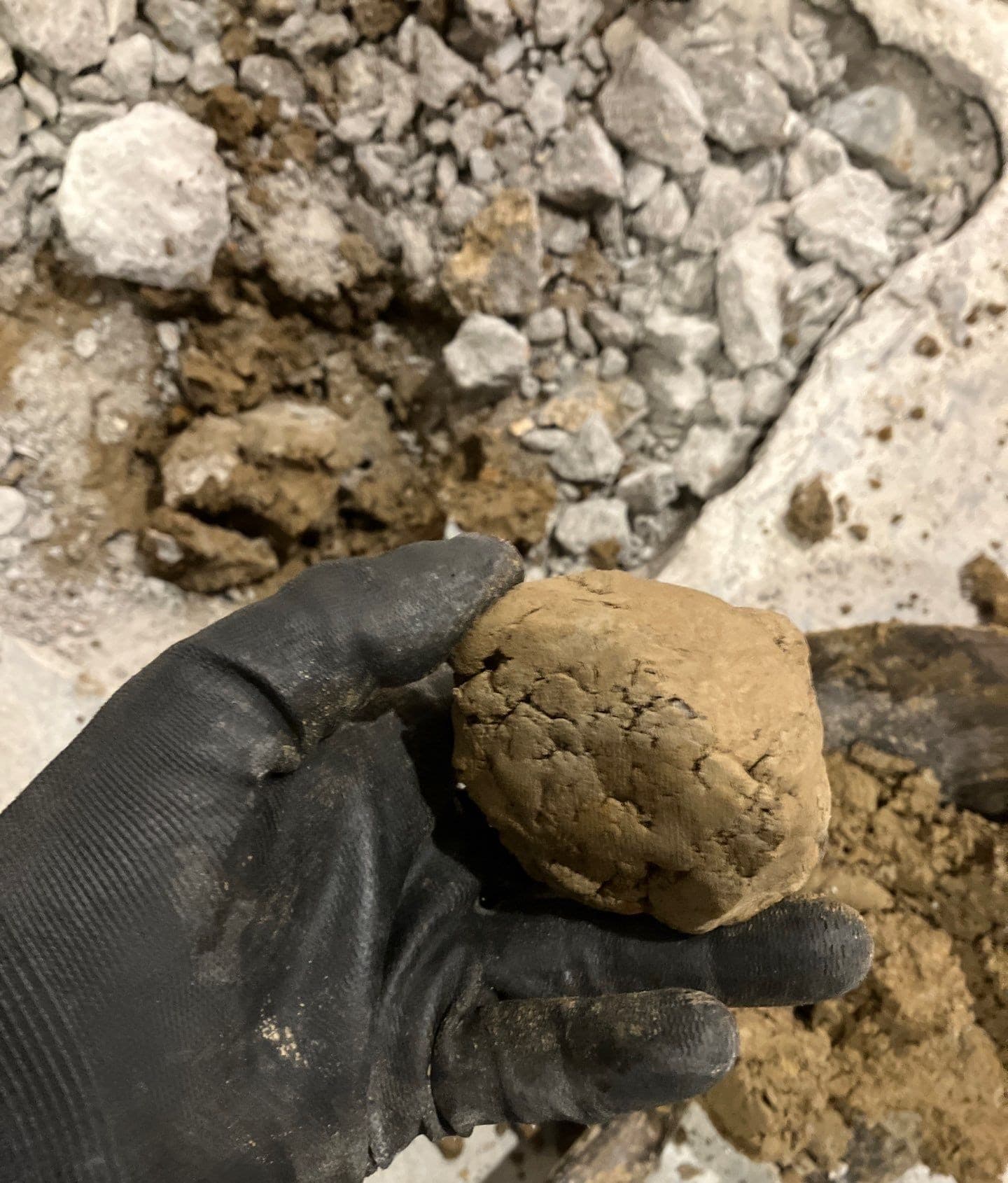 03
03 When the soil under your foundation is the problem, repairing the structure alone can fail. Epp Foundation Repair treats the cause (collapsing loess, expansive clay, washed-out voids) using polyurethane chemical injection, mid-soil injection, and deep-driven helical anchors, matched to the soil under your specific lot.
Learn more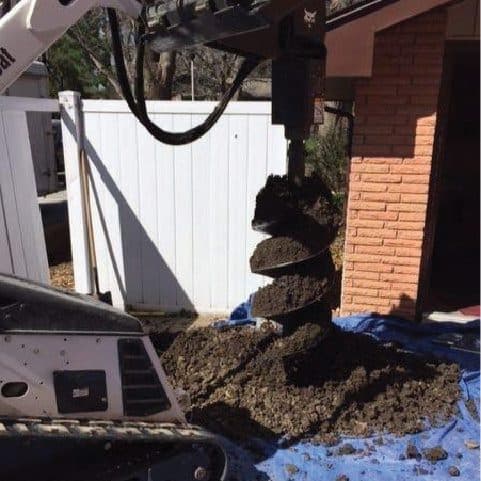 04
04 Foundation repair for warehouses, industrial slabs, strip malls, and multi-tenant residential. Engineered to commercial load classes, scheduled around your operations, executed alongside your structural engineer. An Epp foundation specialist inspects every commercial bid before the crew is dispatched.
Learn more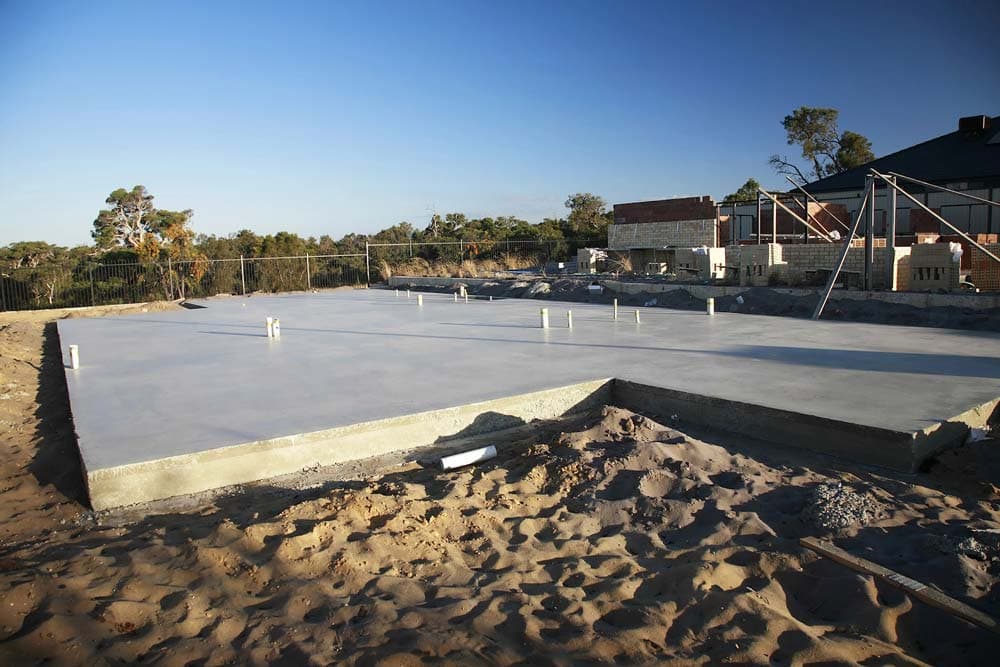 05
05 Epp Foundation Repair stabilizes failing slab-on-grade foundations across Nebraska, Iowa, Kansas, and Missouri using slab piers, polyurethane lift, and void-fill foam. Most settled slabs trace back to shallow original footings, expansive clay heave, or undetected plumbing voids. Epp diagnoses the cause before quoting a repair.
Learn more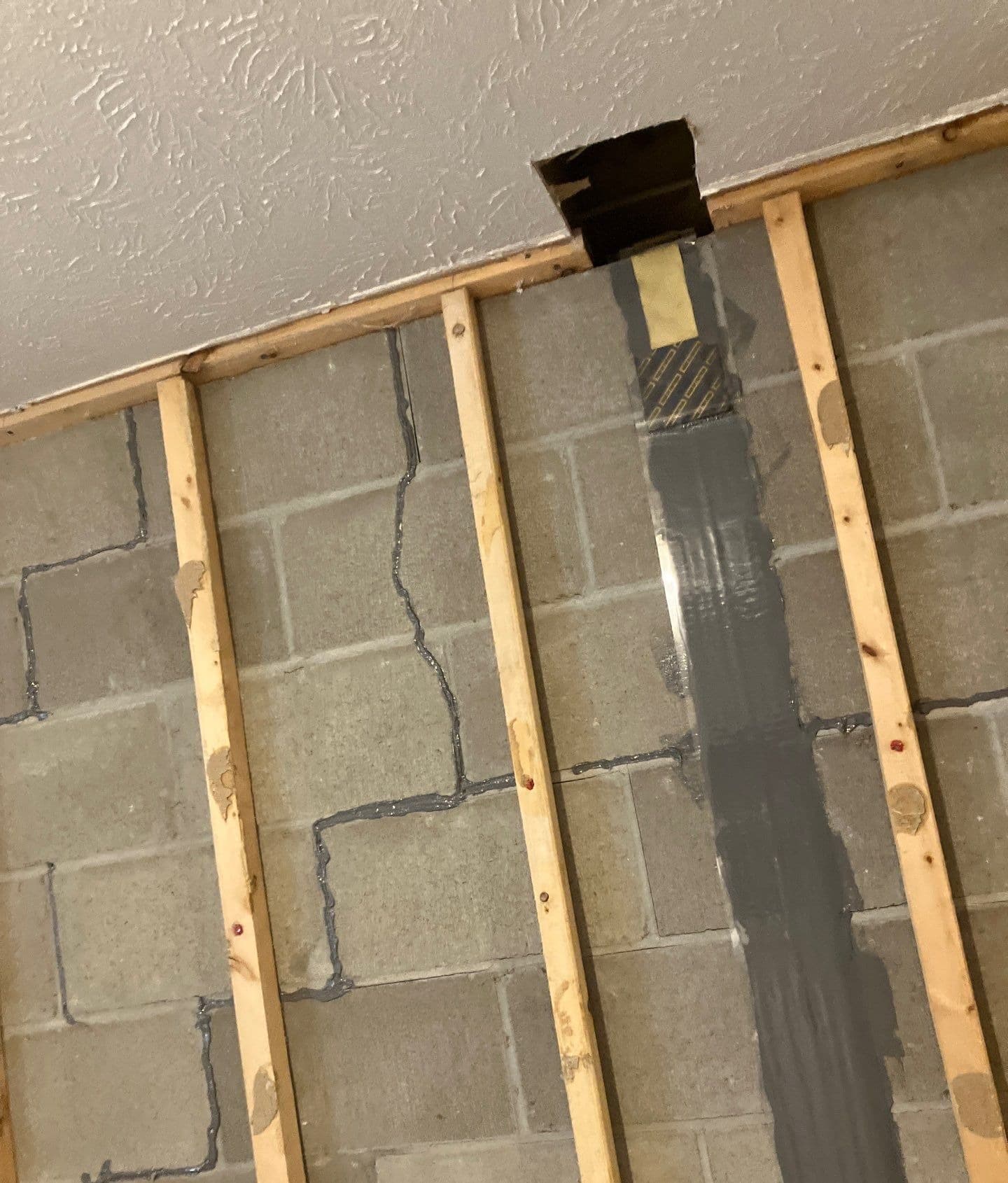 06
06 Epp Foundation Repair stabilizes poured concrete, CMU block, and stone basement walls across Nebraska, Iowa, Kansas, and Missouri. Each wall type fails differently. Epp diagnoses the failure pattern before specifying carbon fiber, wall anchors, push piers, or perimeter waterproofing.
Learn more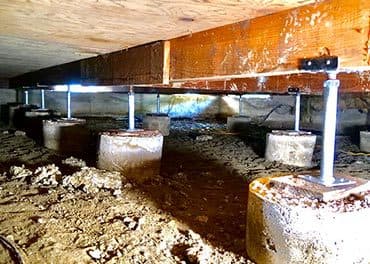 07
07 Epp Foundation Repair inspects, supplements, and replaces failing pier systems across Nebraska, Iowa, Kansas, and Missouri, including older helical piers installed before torque verification, rotted wooden crawl-space posts, and undersized push piers from an earlier repair. Every existing pier gets a load test before Epp recommends replacement.
Learn more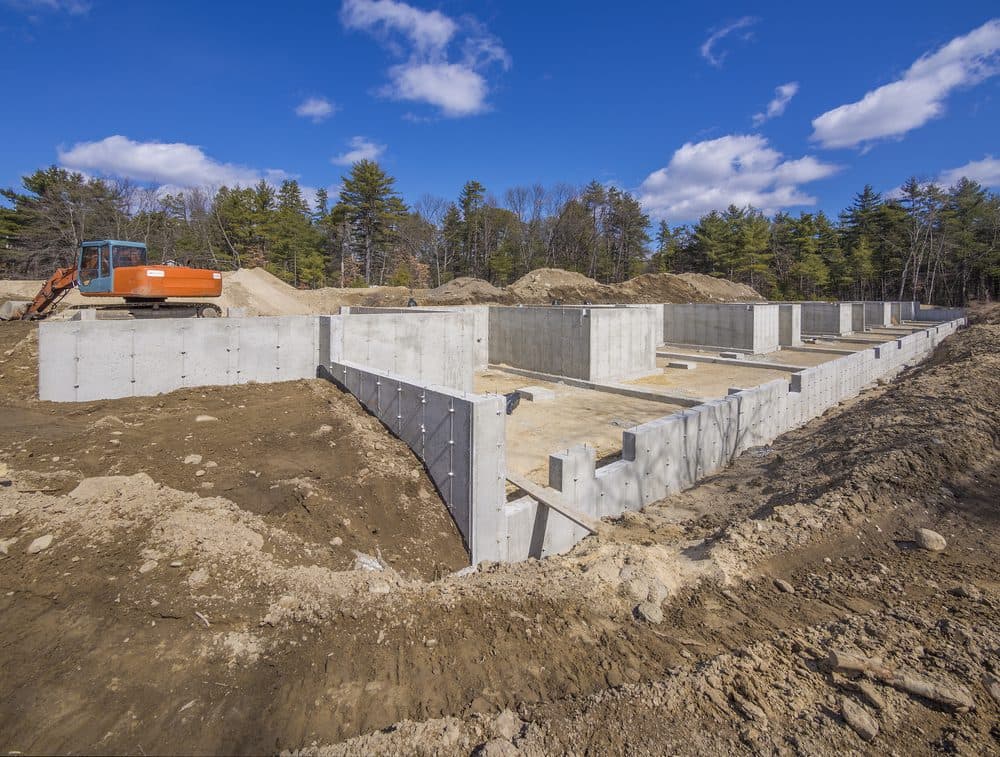 08
08 Epp Foundation Repair consults with builders and homeowners on new builds across Nebraska, Iowa, Kansas, and Missouri. Pre-construction soil assessment and engineered helical pier installs on questionable sites. Epp does not pour foundations or install waterproofing during construction. The honest scope is here.
Learn more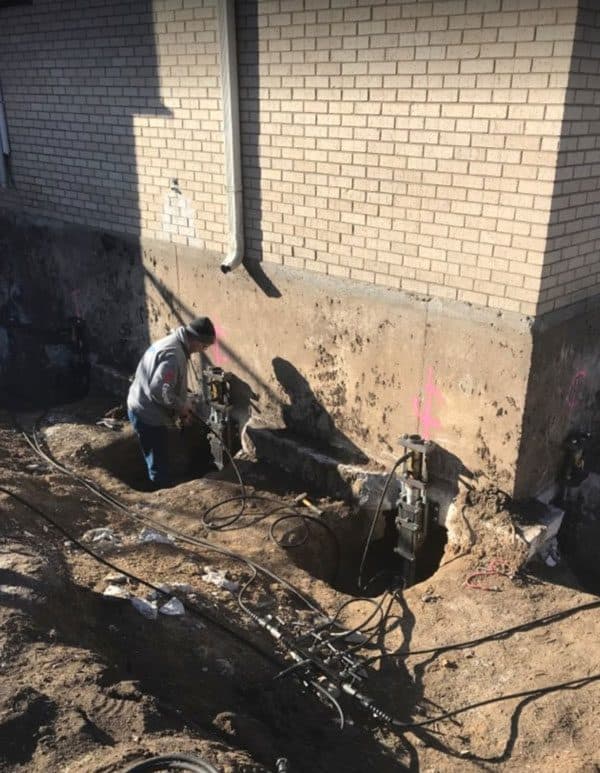 09
09 Foundation leveling lifts a settled house back toward original elevation using helical piers, push piers, or polyurethane foam, when ground conditions allow safe lift without cracking interior finishes.
Learn more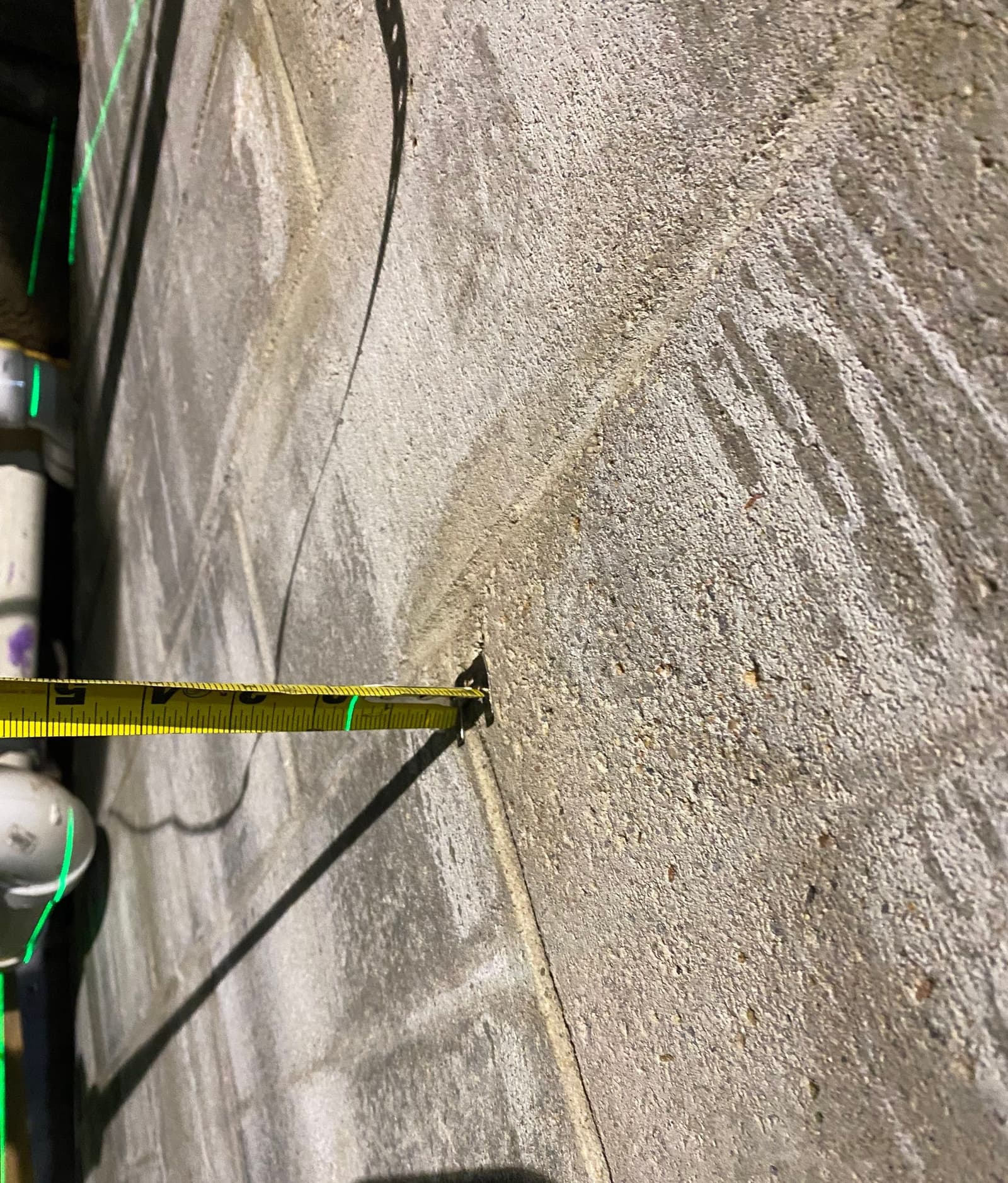 10
10 On-site foundation inspection with laser-level floor survey, crack monitor installation, and measurements over time that separate structural movement from cosmetic settling before any repair recommendation.
Learn moreLocal crews based in five regional offices, dispatched daily across four states. If your town isn't listed, call us: we likely serve your area.
A straightforward path from initial inspection to completed repairs.
An Epp diagnostician arrives with a digital level or laser and maps elevation across the slab in a grid pattern. The inspector locates the low and high points, marks every visible crack and measures its vertical offset, photographs the settlement pattern, and looks for signs of a plumbing leak.
Epp produces a written scope identifying the lift method (foam, slab piers, or a combination of the two, never mudjacking), port locations, the target lift at each measurement point, and a Customized Repair Estimate. The homeowner reviews and approves before any crew mobilizes. For combination jobs we also identify which sections get foam and which get piers. No on-site upselling.
On install day the crew drills 5/8-inch foam ports through the slab in the pre-planned pattern. For slab pier jobs, the crew saw-cuts sections of the slab at each pier location and removes the concrete plug. Floor coverings are protected with drop cloths and dust containment.
A 4.9-star average across Google, with verified reviews from homeowners throughout Nebraska, Iowa, Kansas, and Missouri.
Schedule your inspection in seconds with our Driive booking tool, or share a few details and a local specialist will follow up within one business day.
Practical articles from the Epp team on foundation health, waterproofing, and home preservation.
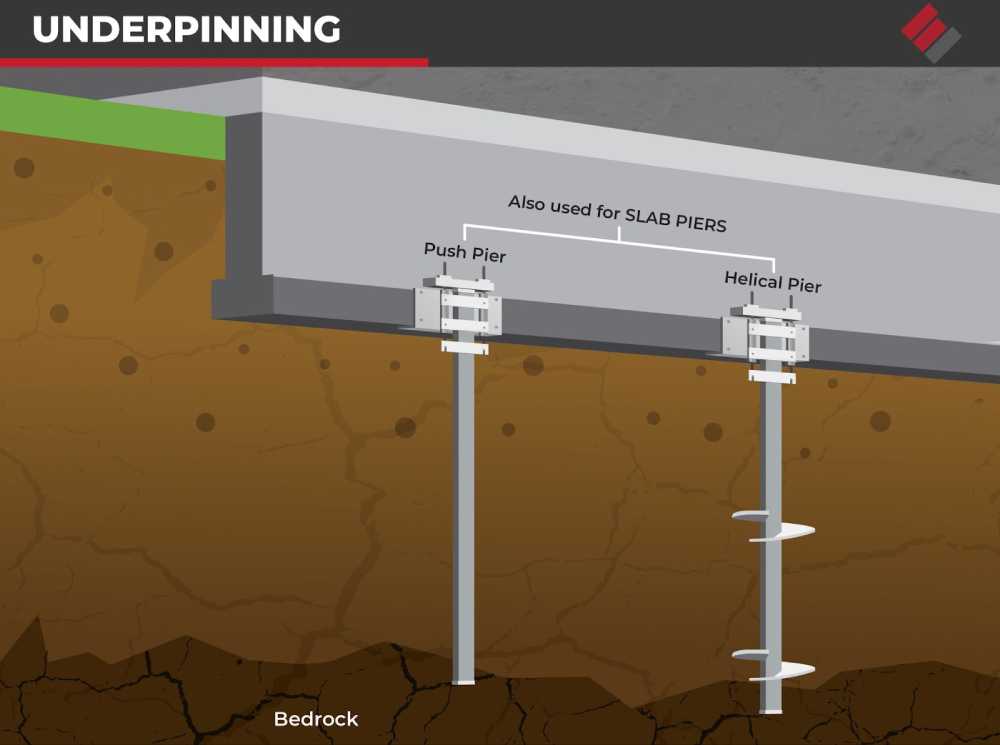 foundation repairLatest
A stable foundation protects your building, your people, and your bottom line. This guide covers warning signs, repair methods, and what to expect from a…
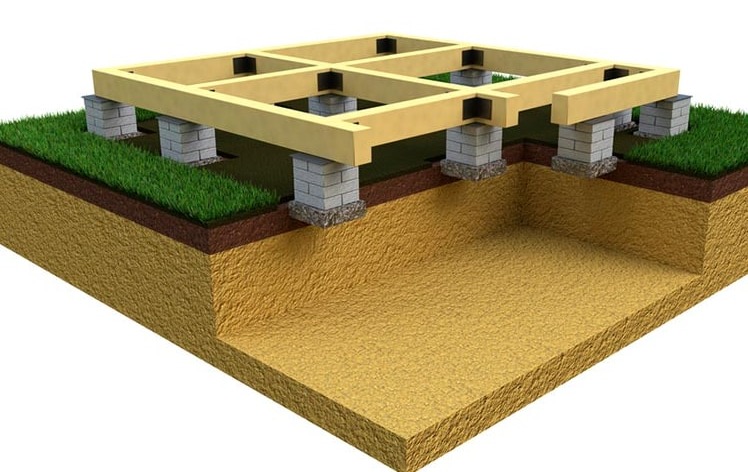 Foundation Repair
Learn the key to proper pier and beam foundation spacing for lasting home stability. Find out when to repair or add piers for support.
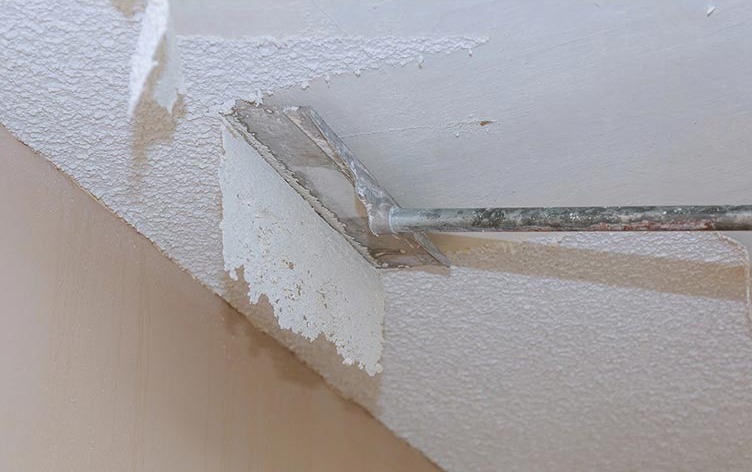 Foundation Repair
Discover what causes cracks in a popcorn ceiling, the different crack types, and when foundation issues call for a professional repair.
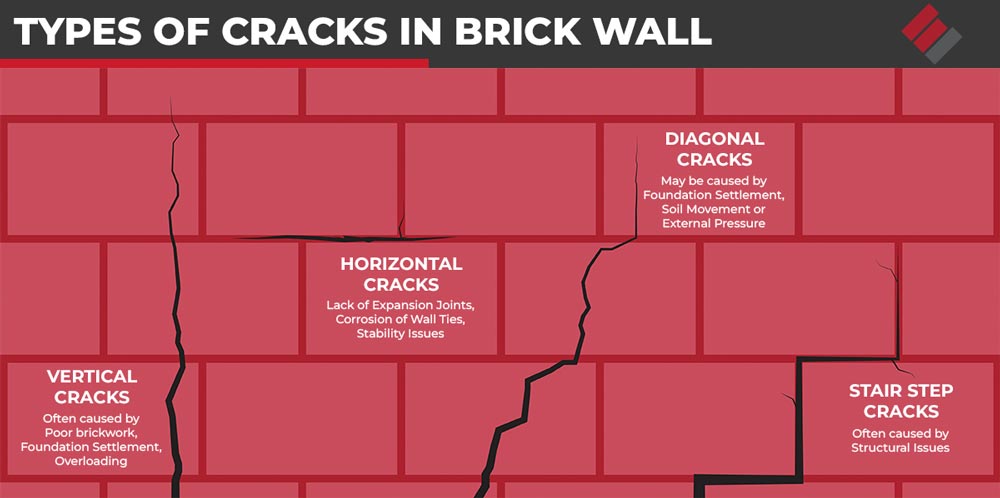 Foundation Repair
Not every crack in brick is a foundation problem. Learn the crack types, how to judge severity, the interior and exterior warning signs, and the repair options.
