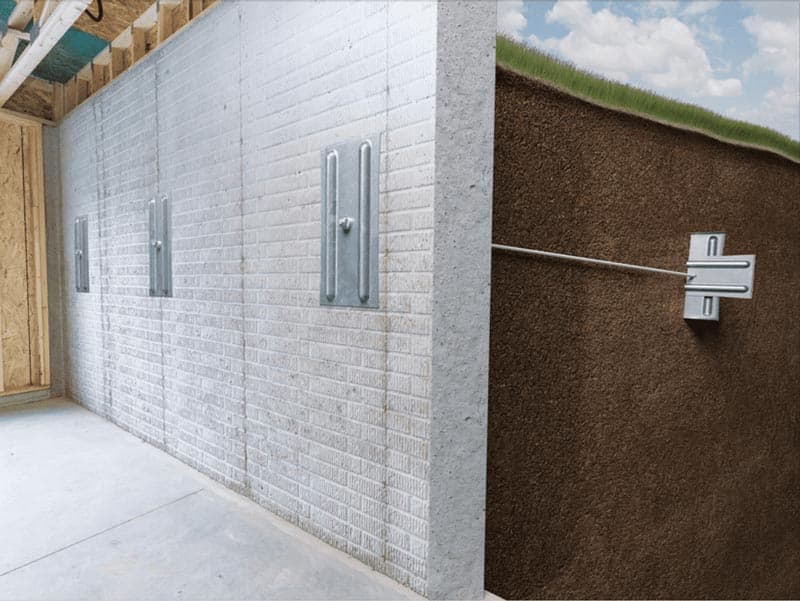
Push Piers Drive Through Failing Soil to Load-Bearing Strata Beneath
Epp Foundation Repair installs resistance push piers under settling Nebraska, Iowa, Kansas, and Missouri foundations, driven to refusal under the structure's own weight.

Let's take the first step toward a healthy home.
A local specialist will inspect your foundation, walk you through the findings, and send a clear estimate, no cost, no pressure.
Push Piers: how it works and when it's the right call.
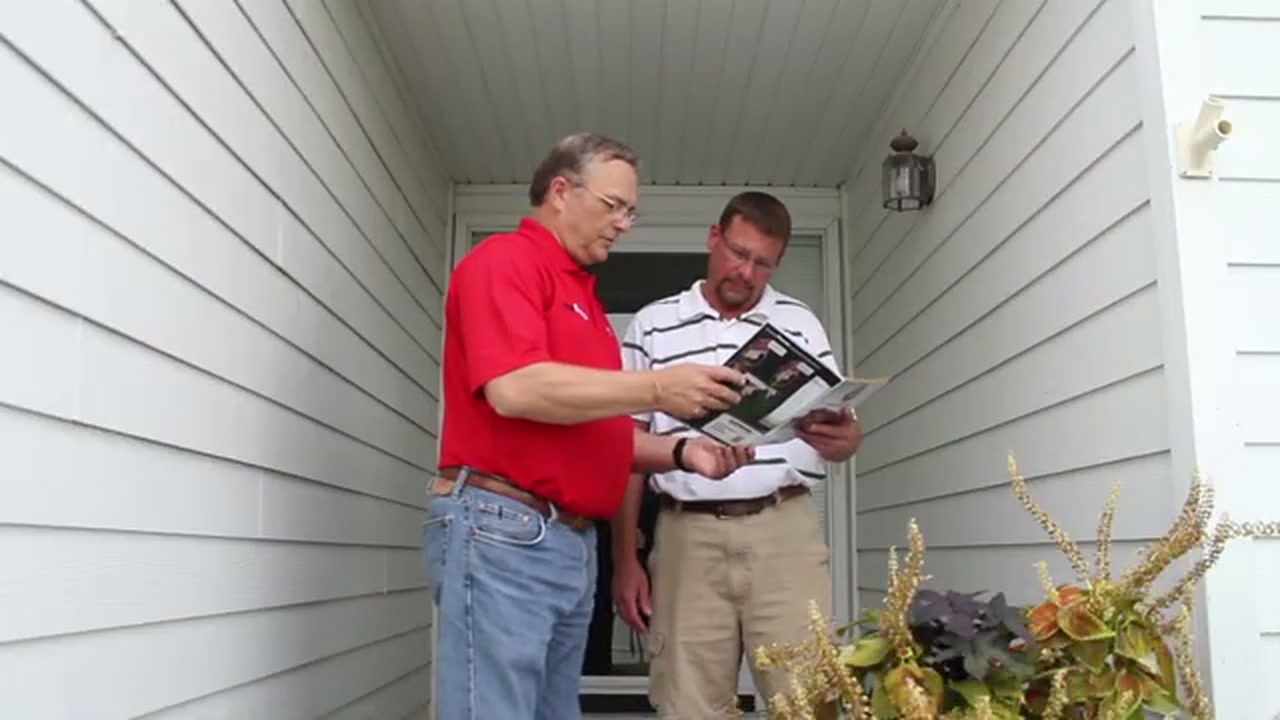
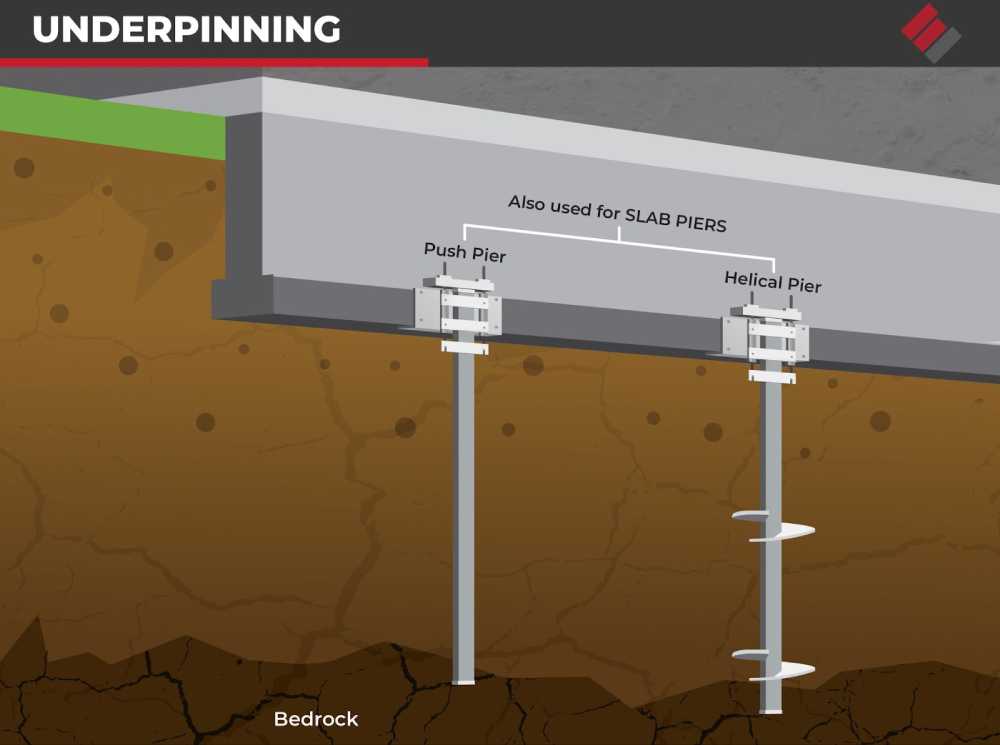
Foundations settle because the soil beneath the footing cannot carry the load any longer. Across the Epp service area, that failure usually traces to one of three causes: loess soils that hydroconsolidate when wet (the loose silt structure collapses under load once water reduces particle friction, common in eastern Nebraska and western Iowa), expansive clays that shrink away from the footing during drought and re-swell when wet (dominant in eastern Kansas and western Missouri), or poorly compacted backfill from the original construction that finally consolidates after years of loading. Push piers bypass the failing zone entirely by transferring the structural load past it to a competent layer below. First, Epp installs a steel bracket against the underside of the footing. A hydraulic ram is mounted to the bracket, and a steel pier section is positioned beneath the ram. The ram presses the first section into the ground using the home's weight as the reaction force; once the section is driven flush, another section is coupled on top and the process repeats. This continues until the ram pressure can no longer advance the pier. The pier has hit refusal at a dense bearing layer. Lift is a secondary objective; stabilization is the primary deliverable, and Epp does not advertise lift outcomes the company cannot guarantee.
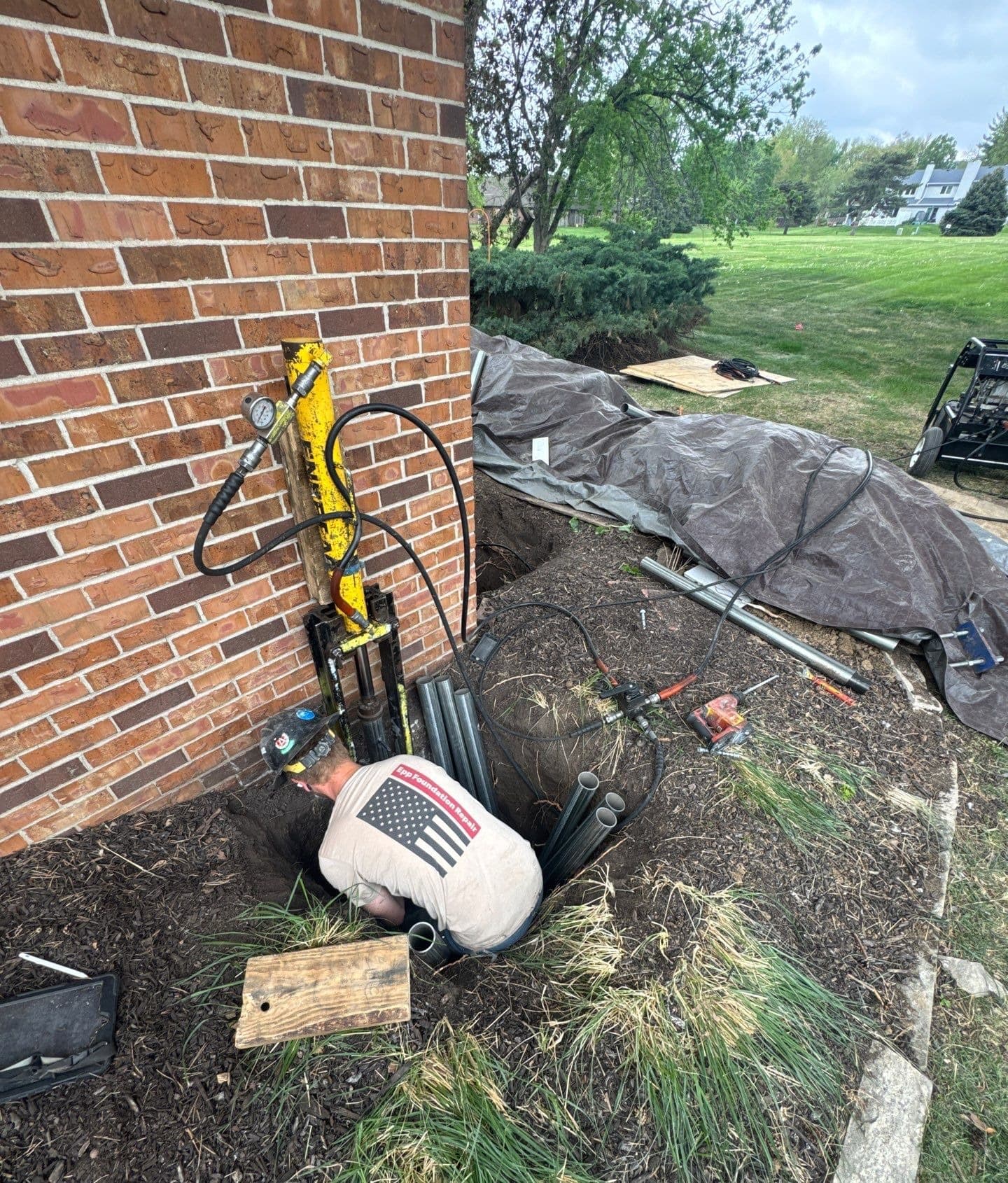
Signs of Settlement? Kendra Explains Why This Home Needs Push Piers!


Our team walks through this on camera.
How we install push piers.
Step 01.Site Assessment and Push-Pier Plan
Epp Foundation Repair maps differential settlement with a laser level, photographs every crack pattern, reviews county soil records and original construction details, and confirms the structure has enough dead load to drive push piers to refusal. The crew specifies pier count and spacing. In Nebraska and Iowa, refusal typically occurs in dense glacial till, and in some Missouri locations the pier reaches limestone or bedrock. The push-vs-helical decision is made on the inspection visit: heavy structure plus access for excavation plus need for fast install equals push piers; light structure or soft surface soils or restricted access equals helicals.
Step 02.Access Excavation at Each Pier Location
Crews hand-dig a pit at each pier location along the exterior of the footing, exposing the footing edge for bracket attachment. Spoils are stockpiled on tarps for clean backfill at closeout, and landscape fabric and topsoil are preserved separately.
Step 03.Bracket Installation Under the Footing
A heavy-gauge steel pier bracket is shimmed and bolted tight against the underside of the footing using mechanical anchors set into the concrete. The bracket carries the hydraulic ram during the drive phase and becomes the permanent connection between the footing and the pier afterward. Bracket-to-footing contact is verified visually and torque-checked before the ram mounts.
"Push piers need weight above them to work. If your house can't push back, the pier won't drive. That's physics, and it's why we turn down jobs that should be helicals."

Care and expertise from a team that's been doing this since 1994.
Epp Foundation Repair is locally owned and operated, with crews dedicated exclusively to foundation, basement, and concrete work across the Midwest.
Foundation repair, waterproofing, and concrete leveling are our entire focus, not a sideline.
Three decades of experience with Midwest soils, basements, and weather conditions.
Recognized by the Better Business Bureau for integrity and ethical business practices.
Many of our repairs carry a written Epp warranty. The warranty page lists every covered repair and its terms.
Answers to common questions about Push Piers.
Don't see your question here? Our team is happy to help. Reach out anytime.
Foundation Repair warning signs this solution resolves.
Each problem sign below is a symptom this solution is engineered to fix. See how we diagnose it before we recommend this method.
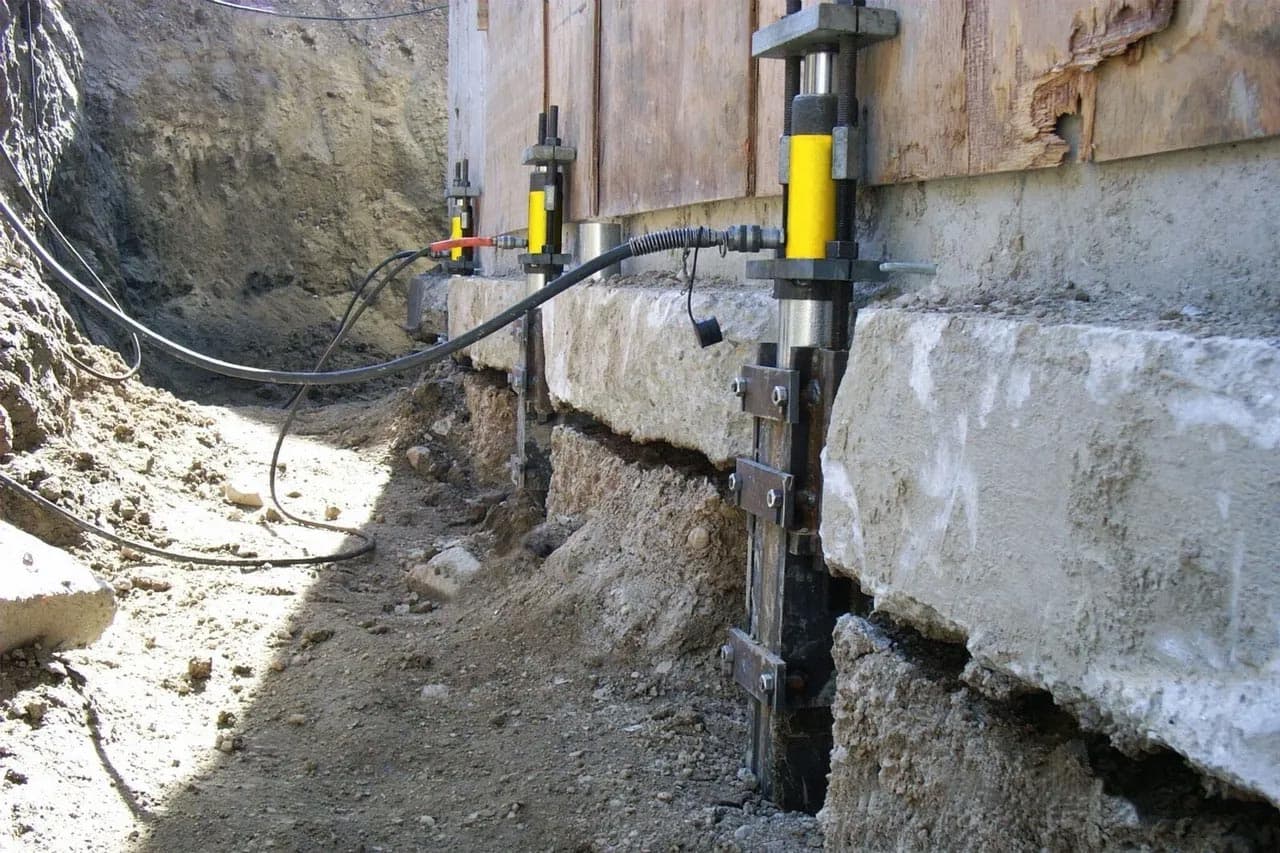
Sinking Foundation
Epp Foundation Repair has stabilized sinking foundations across Nebraska, Iowa, Kansas, and Missouri since 1994. Starting with what's actually moving underneath, not a sales sheet of piers.
Learn more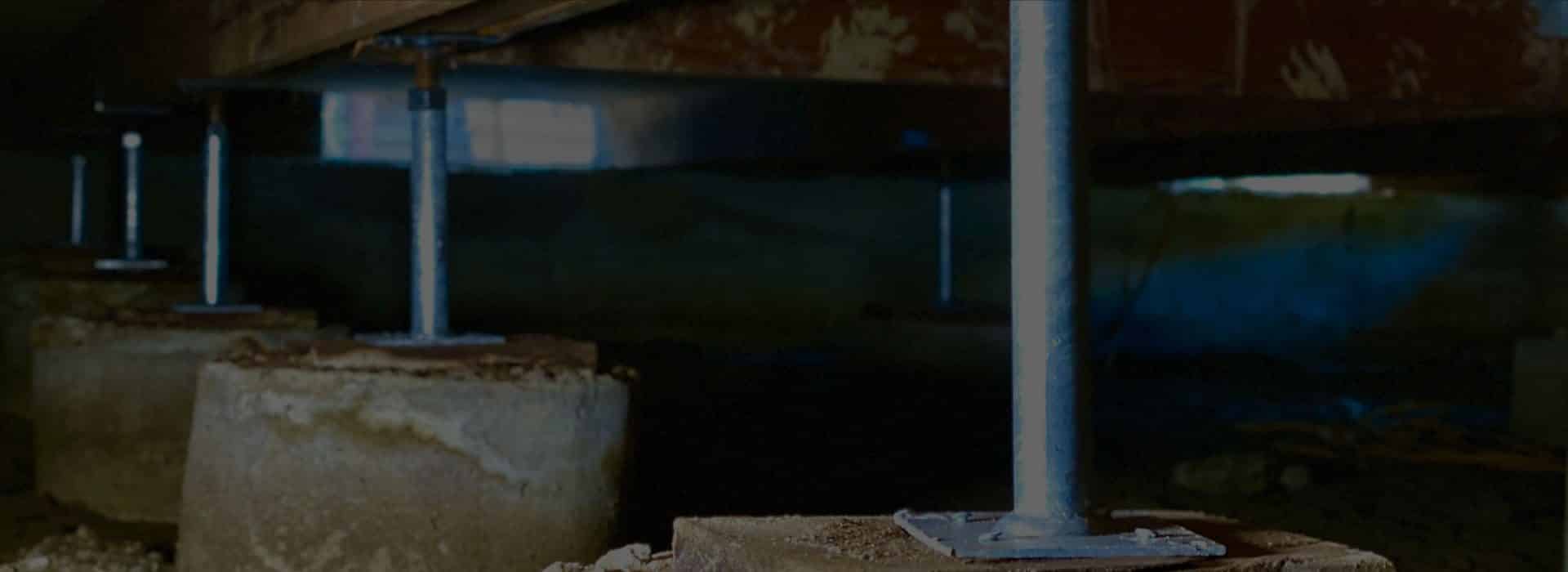
Sagging Floors
Epp Foundation Repair has diagnosed and repaired sagging floors across Nebraska, Iowa, Kansas, and Missouri since 1994. BBB A+. BBB Integrity Award.
Learn more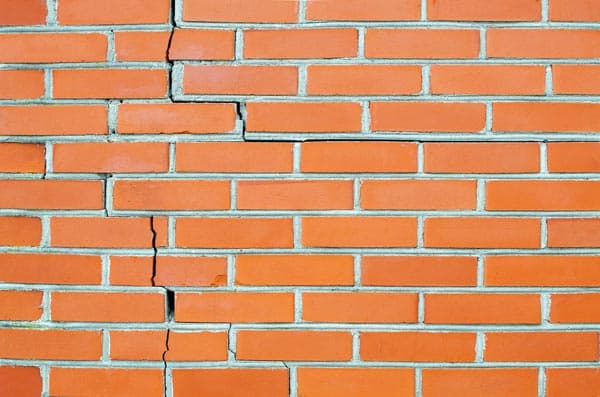
Cracked Brick Veneer Diagnosed and Stabilized
Epp Foundation Repair, family owned since 1994, reads brick veneer crack patterns across Nebraska, Iowa, Kansas, and Missouri. Most stair-step cracks are not a brick problem; they are a foundation problem the brick is reporting.
Learn more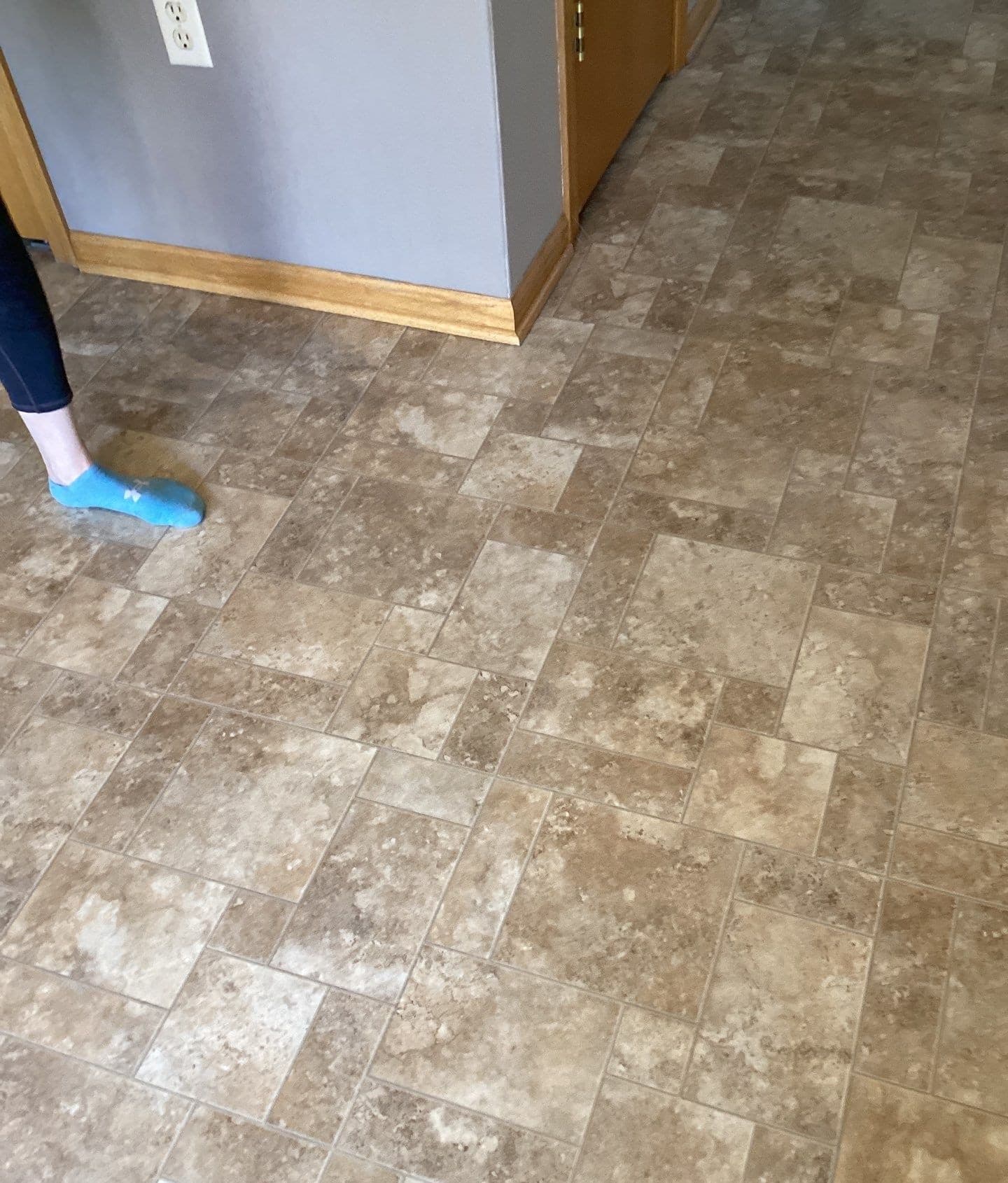
Bouncing Floors
A floor that flexes or bounces when you walk across it. This points to lost support underneath, often from foundation settlement or sagging structural members. The bounce gets worse as the support keeps shifting.
Learn more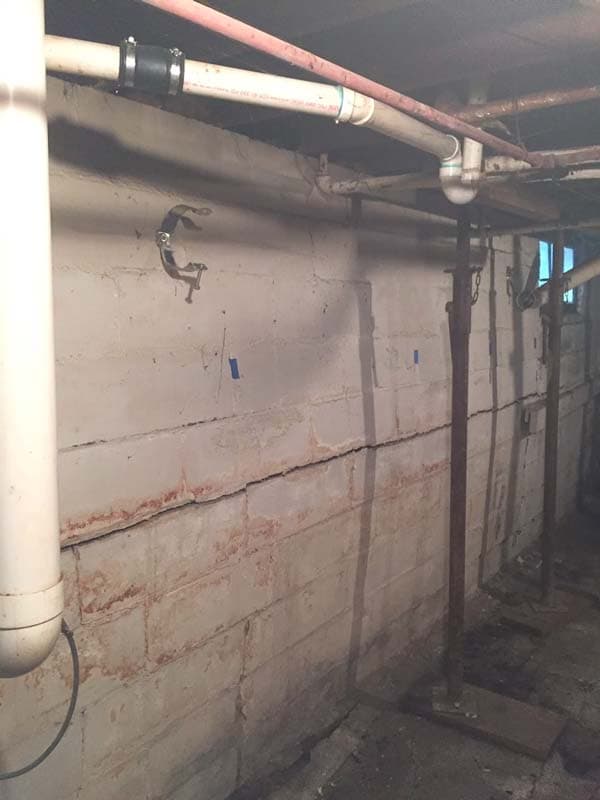
Bowing Walls
Inward deflection in a basement wall. Even a fraction of an inch. Indicates lateral soil pressure exceeding the wall's capacity. The pressure doesn't go away on its own.
Learn more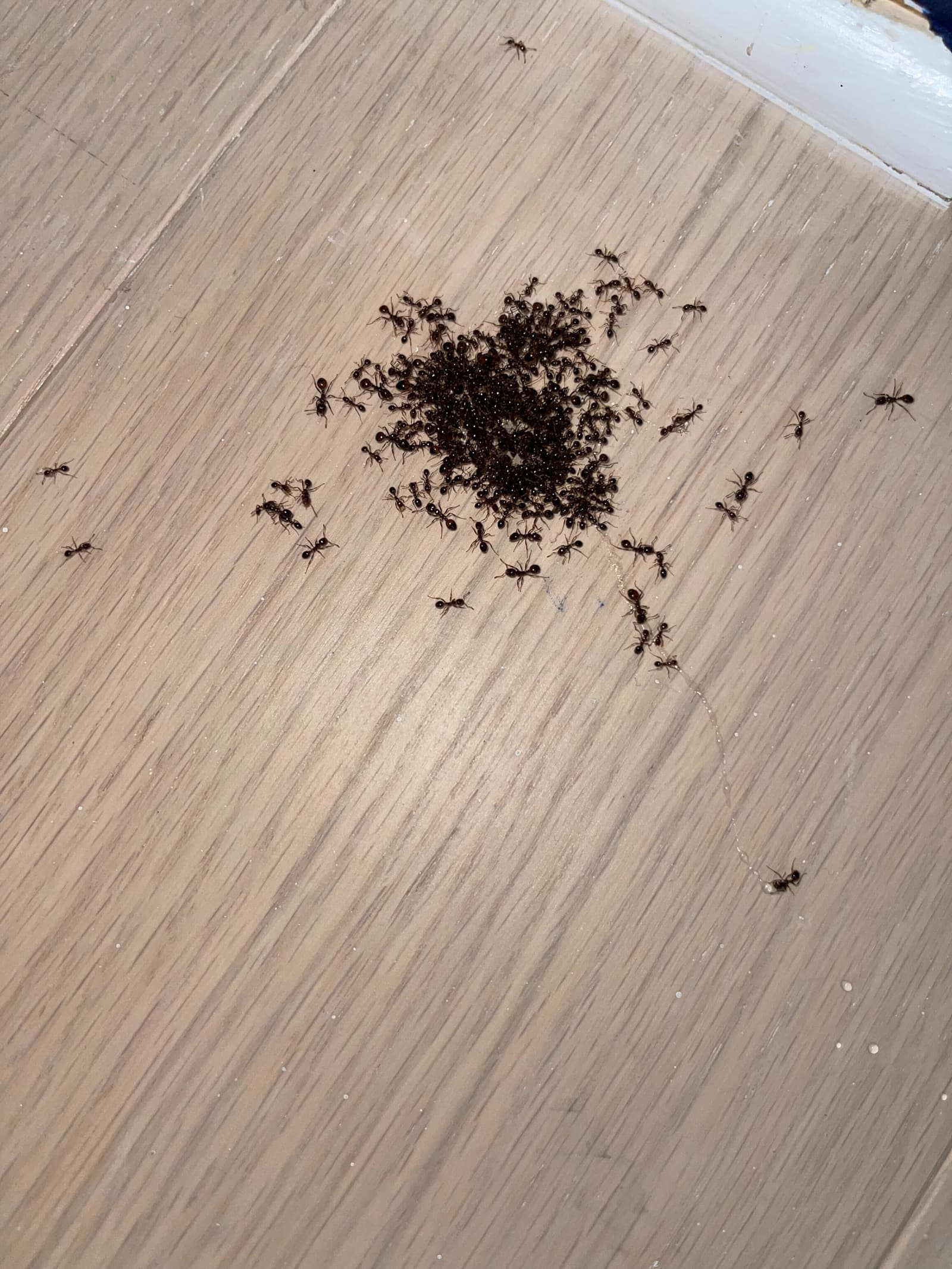
Carpenter Ant Infestation
Carpenter ants do not eat wood, they nest in it. They look for wood that is already damp or softened. Their presence is often a sign that a crawl space or foundation area is holding water it should not.
Learn moreServing Nebraska, Iowa, Kansas & Missouri.
Local crews based in five regional offices, dispatched daily across four states. If your town isn't listed, call us: we likely serve your area.
- Omaha, NE
- Lincoln, NE
- Topeka, KS
- Sioux City, IA
- Bellevue, NE
- St. Joseph, MO
- Council Bluffs, IA
- Grand Island, NE
- Papillion, NE
- Kearney, NE
Take the first step toward a healthy home.
A straightforward path from initial inspection to completed repairs.
Schedule your inspection.
A local specialist visits your home, evaluates the foundation, and answers your questions on site. No cost, no obligation.
Receive an estimate based on your needs.
We provide a clear, Customized Repair Estimate with a scope of work tailored to your home's specific issues. Typically within one business day.
Get your repairs.
Trained crews complete the work on schedule.
Get the free settlement guide
Most foundation problems announce themselves early. This guide shows you what to look for before you call anyone.
- ✓A room-by-room checklist you can walk the house with
- ✓Which cracks can wait, and which deserve a closer look
- ✓How pier repair actually works, in plain language
Over 1,700 homeowners have shared their experience.
A 4.9-star average across Google, with verified reviews from homeowners throughout Nebraska, Iowa, Kansas, and Missouri.
Two ways to start: book instantly, or request an estimate.
Schedule your inspection in seconds with our Driive booking tool, or share a few details and a local specialist will follow up within one business day.
- A local foundation specialist on site
- A complete walk-through of the findings
- A Customized Repair Estimate within one business day
- No cost, no obligation, no high-pressure sales
Expert guidance on protecting your home.
Practical articles from the Epp team on foundation health, waterproofing, and home preservation.
 foundation repairLatest
2026 Omaha commercial foundation repair guide for business owners.
A stable foundation protects your building, your people, and your bottom line. This guide covers warning signs, repair methods, and what to expect from a…
 Foundation Repair
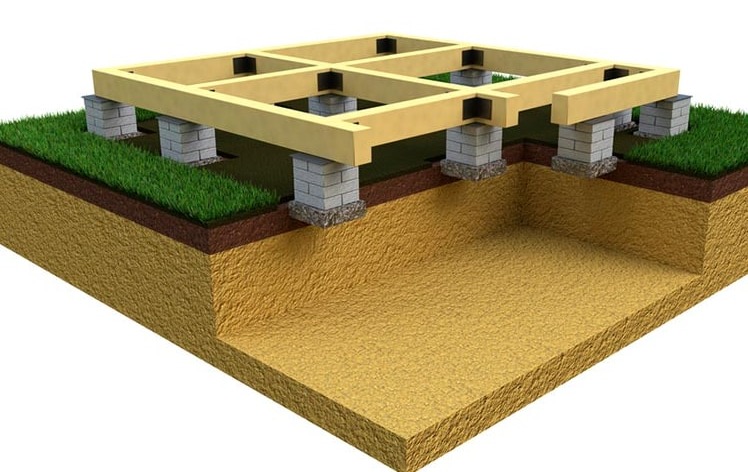
Pier And Beam Foundation Spacing: Best Practices For Stability
Learn the key to proper pier and beam foundation spacing for lasting home stability. Find out when to repair or add piers for support.
 Foundation Repair
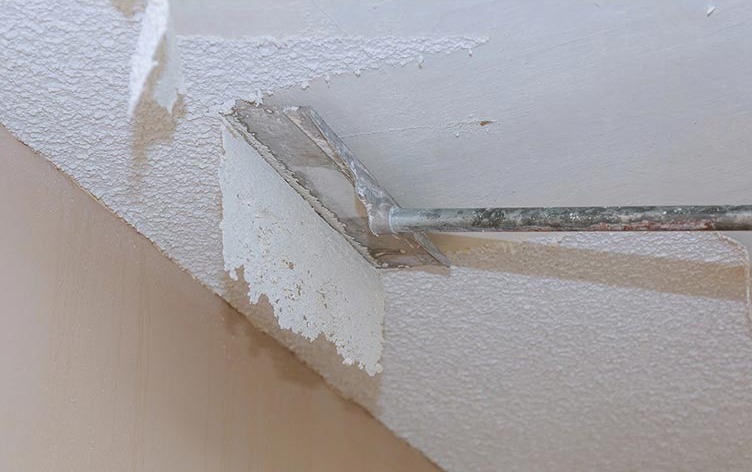
Can Cracks In Popcorn Ceiling Be Repaired?
Discover what causes cracks in a popcorn ceiling, the different crack types, and when foundation issues call for a professional repair.
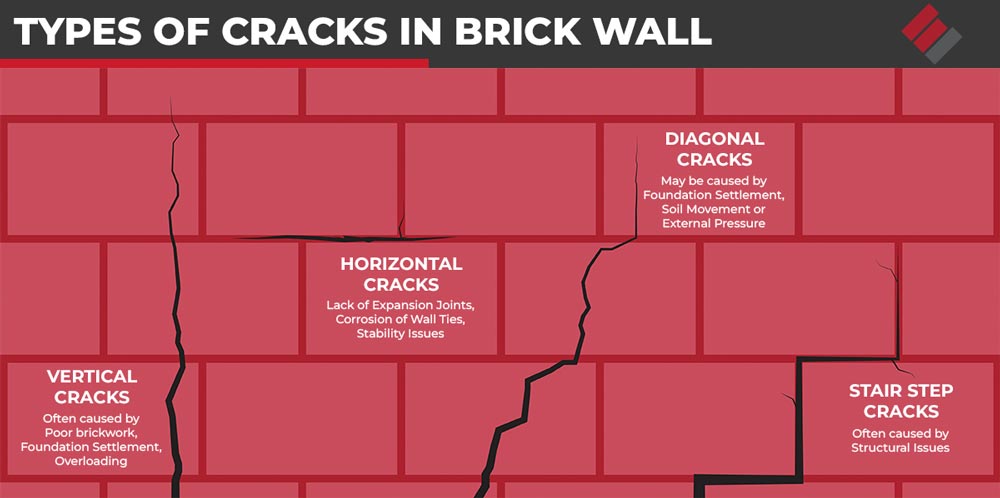 Foundation Repair
When Should I Be Worried About Cracks In Brick?
Not every crack in brick is a foundation problem. Learn the crack types, how to judge severity, the interior and exterior warning signs, and the repair options.
Five regional offices across the Midwest.
St. Joseph, MO 64506