Why DIY Mudjacking Is A Bad Idea
Mudjacking looks like a simple DIY fix for uneven concrete, but it takes precision and specialized tools. Learn the risks and a better alternative.
DIY mudjacking may be a tempting solution for some homeowners trying to save money and find a quick fix for their uneven concrete slabs. But we are here to help explain why you should think twice before attempting to tackle such a project yourself, as well as a superior option you may not have considered. Epp Foundation Repair does not perform mudjacking, professionally or otherwise; every lift we install uses concrete leveling with polyurethane foam instead, for the reasons laid out below.
Why Do Concrete Slabs Become Uneven?
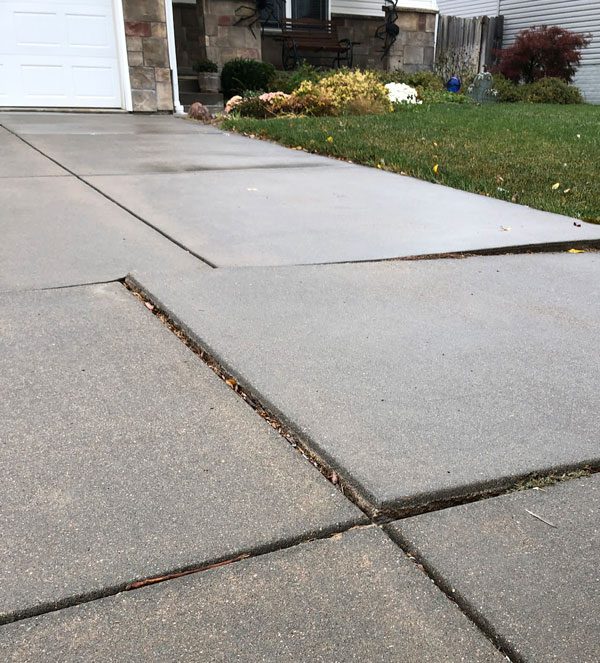
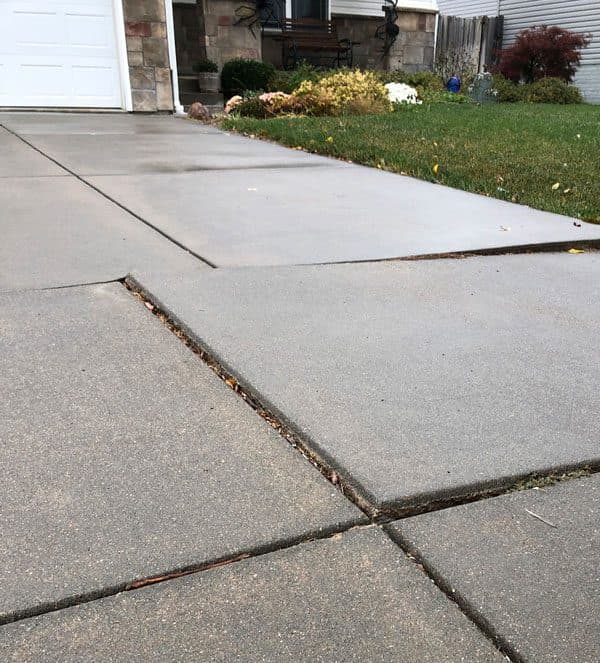
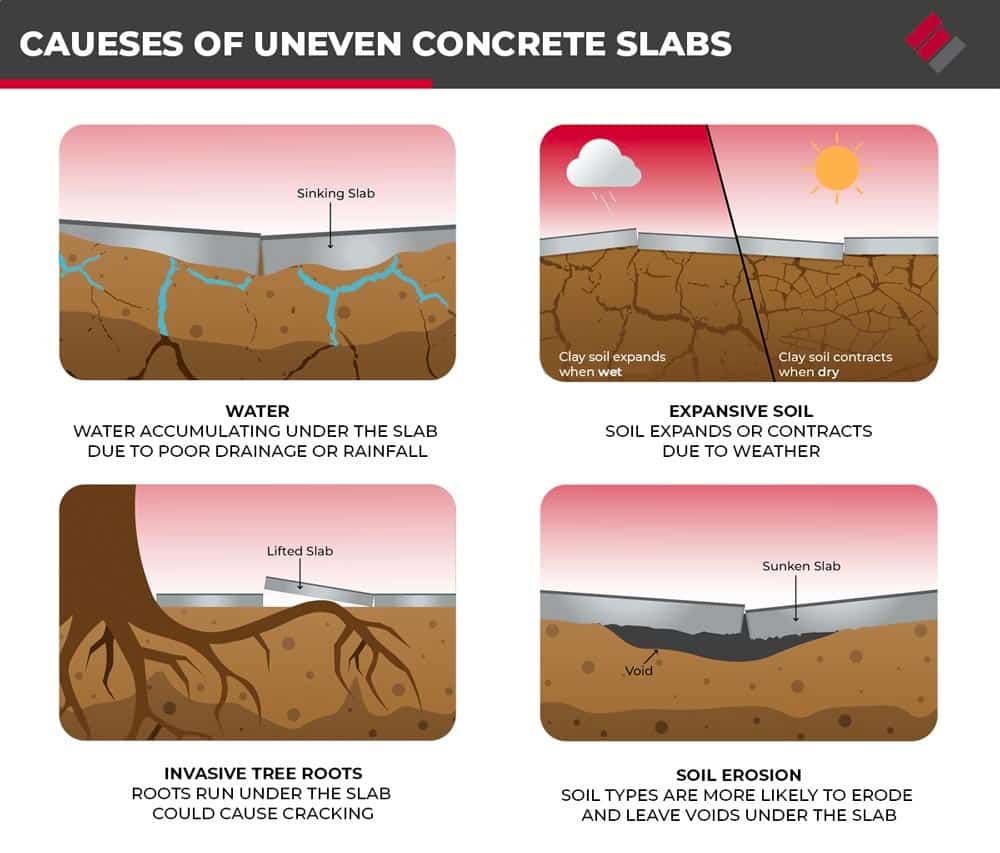
Before starting any concrete repair project, reading the concrete leveling warning signs and knowing why your concrete may have become uneven or cracked is essential. Understanding the source of the problem is critical to understanding how to fix it, and the answer is not always mudjacking.
- Poor Site Preparation: Before a slab is poured, the soil must be adequately compacted. Improper site preparation can lead to the soil shifting below the slab and the slab settling.
- Soil Expansion: Clay soil is known for its ability to swell and contract with changing moisture levels. Over time, this leads to the shifting of the concrete.
- Erosion: Other soil types are more susceptible to erosion beneath the concrete, which lends itself to sinking and uneven slabs.
- Tree Roots: This cause is easy to spot. Powerful tree root systems, over time, can cause your concrete to crack and become uneven.
Once the source of the problem is determined, other factors to consider are the extent of the damage. Some small cracks can be resolved by sealing the crack itself, while unevenness requires another solution. Some slabs are best replaced altogether. A professional will be able to determine the most effective solution.
What Is Concrete Leveling?
Concrete leveling, also known as concrete lifting and concrete jacking, is any method used to raise sunken and uneven concrete. It is a faster and more cost-effective way to resolve uneven concrete than replacing entire slabs.
While mudjacking is one way to level concrete, more modern concrete leveling techniques, like expanding foam, are now available. We will discuss this method in more detail below.
What Is Mudjacking?
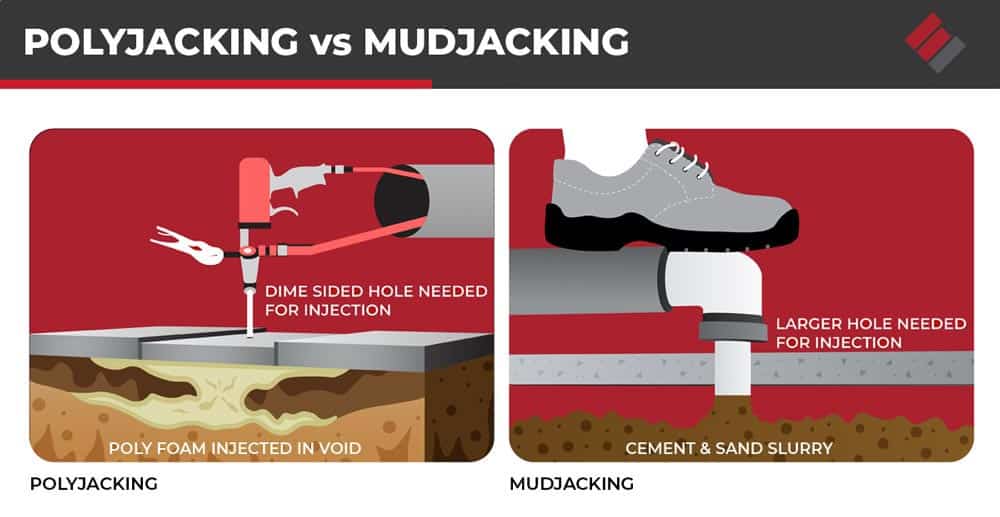
Mudjacking is an older method of leveling concrete. It involves injecting a slurry mixture of water, sand, and soil below the affected concrete slab to help raise it back up. While this may sound simple, it is a meticulous process.
How Is Mudjacking Done?
Here is a simplified step-by-step guide to mudjacking.
- Assess: Assess the extent of the damage, how much the slab will need to be raised, and how much slurry you need to mix. After determining how much mix is necessary, the slurry is made by mixing water, sand, soil, and cement. It must be done so that the slurry is thin enough to pass through the drilled holes but thick enough to build pressure below the slab and raise it.
- Drill Holes In The Uneven Slab: The next step is to drill holes in the affected slab. The mudjacking slurry will be injected under the slab through these holes.
- Inject The Slurry Under The Uneven Slab: Carefully pump the mixture through the drilled holes until you achieve the right amount of lift.
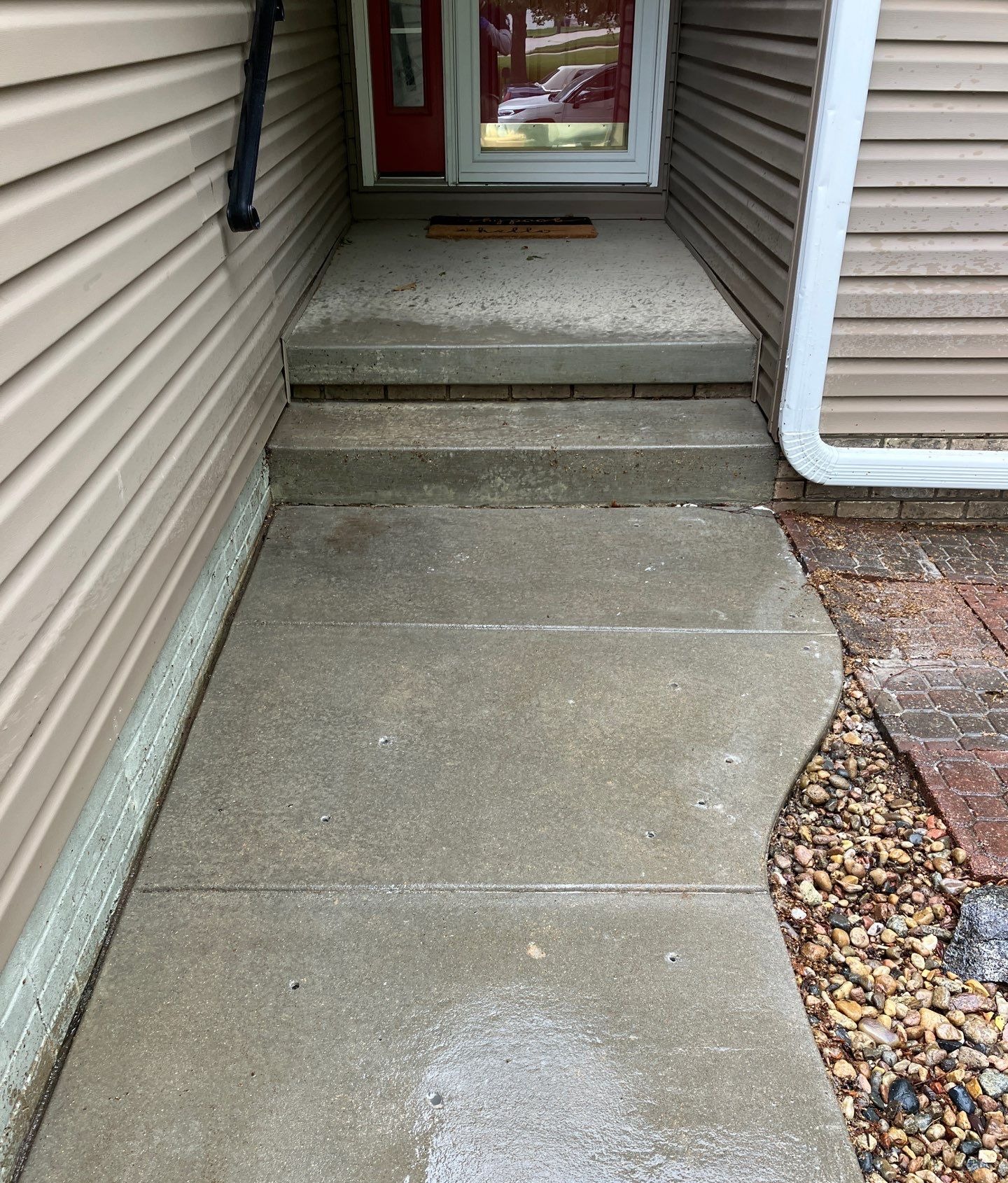
- Final Touches: Fill the drilled holes with a compound that closely matches the color of the slab.
Why DIY Mudjacking Is A Bad Idea
As you can see, mudjacking is not a job for novices. Please keep these points in mind before you attempt this type of project yourself.
Experience
Mudjacking requires much precision that can only be achieved by hands-on experience. Whether knowing what situations call for mudjacking, deciding where and how many holes to drill, or even how to mix and pour the mud slurry, an expert will give you the best results.
Tools
Mudjacking requires highly specialized and costly tools, such as a hydraulic mudjacking pump and a concrete boring drill with a diamond bit. While you can make do with some more readily available tools, they are likely to be weaker than the ones available to professionals, causing the project to take longer and potentially come out a bit sloppier.
Cost
Acquiring all of the necessary tools and materials is quite an expense, especially considering that you are unlikely to use these tools again.
But another thing to consider is how much your time is worth. While a professional may take a few hours to a day, it is likely to take inexperienced homeowners far longer, aside from all of the time it takes to research the process and decide on the best materials to purchase, gather the necessary tools and materials, and then clean up at the end of it all.
In addition, if something goes wrong, you will have a new and potentially more costly problem to fix, which may cost you more and even require hiring a professional.
Risks
If you feel brave enough to try this yourself, please also keep in mind the risks you must prepare for.
If the holes are drilled with the wrong tool, using too much pressure, or in the wrong spot, the slab is subject to cracking or even breaking. And if the space below the slab is not filled substantially, the same result can occur. Then, you are right back to where you started, or worse.
On the other hand, if you pour too much mud slurry below the slab, you risk over-lifting it, and there is no way to undo that. You have a new eyesore that may require a total slab replacement.
Is DIY mudjacking worth the risk?
A Superior Solution
As mentioned earlier, there are more modern methods for lifting uneven concrete slabs, including polyjacking. This superior alternative is faster, cleaner, and longer-lasting. Let us show you why.
Polyjacking: A Better Alternative
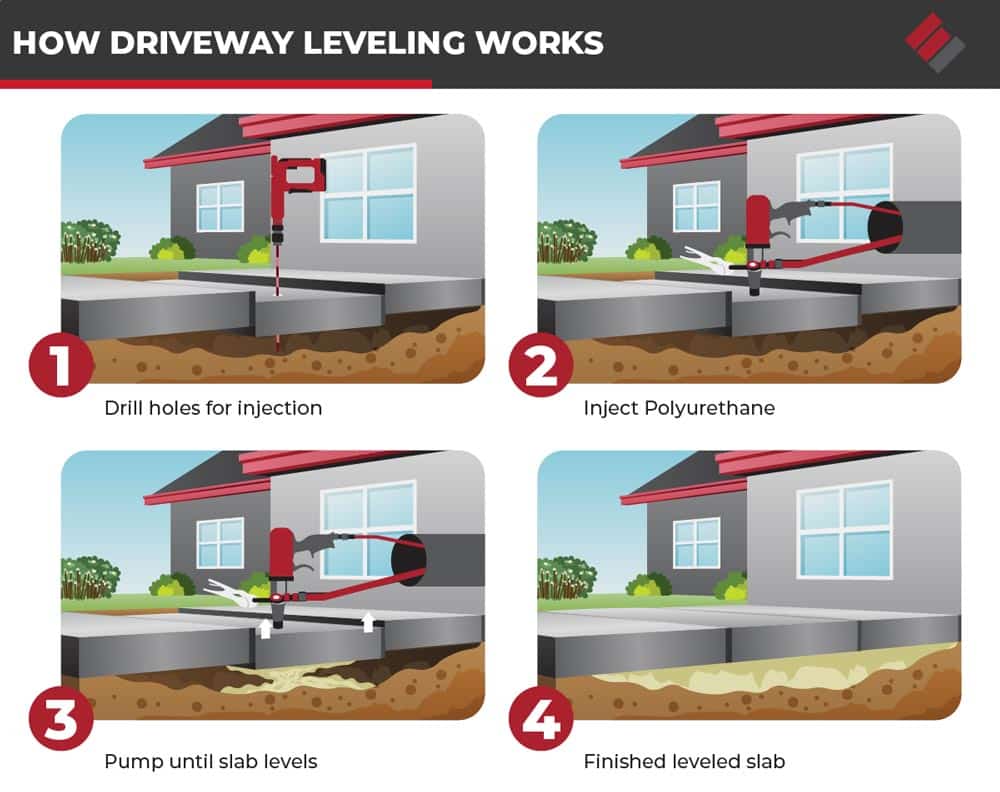
Polyjacking with polyurethane foam is another method for lifting concrete that uses an expanding foam instead of a cement slurry. It follows a similar installation process with a few exceptions. For example, we can drill smaller holes, a fraction of the size of those needed for mudjacking, which creates a cleaner look for your project.
Polyjacking is also faster, only taking a few hours at most from start to finish.
Not yet convinced?
Here are a few more reasons why polyjacking is better than mudjacking.
- Concrete lifting foam is waterproof. Hence, unlike the cement slurry used in mudjacking, it will not erode over time.
- Concrete lifting foam has a stronger strength-to-weight ratio than cement slurry, which keeps the soil underneath from shifting while supporting more loads, like your car.
- Concrete lifting foam stabilizes the soil beneath the slab to prevent future cracks and is a longer-lasting solution than mudjacking.
If you have a cracked or uneven slab in our service area, contact us today for a free inspection and estimate. Avoid the money pit of DIY mudjacking and discover a better solution with us.

Written by
Owner and President, Epp Foundation Repair
Dave joined the family business in 2004 after growing up watching his father Phil build it from the ground up. Today he runs daily operations across Epp's service region in Nebraska, Iowa, Kansas, and Missouri, and is trained and experienced across every repair method Epp installs.
More about Dave