
Estimate Only
Approximate pricing
Customized Repair Estimate after on-site inspection reflects your scope.
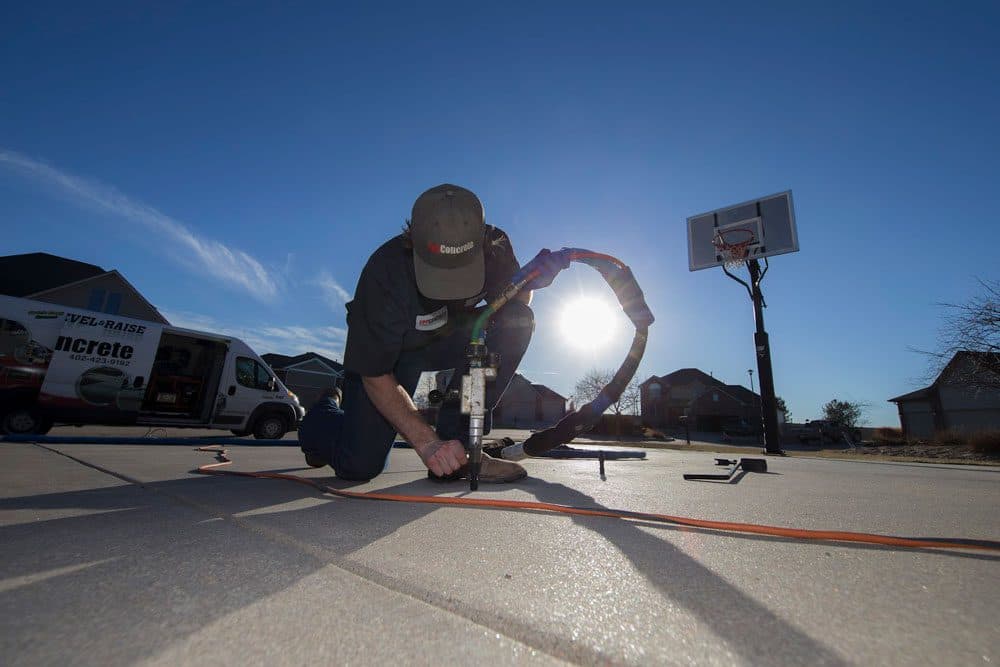
Epp Foundation Repair lifts settled pool decks across Nebraska, Iowa, Kansas, and Missouri and inspects the pool shell and coping for related movement before touching the deck.

A local specialist will inspect your foundation, walk you through the findings, and send a clear estimate, no cost, no pressure.
Diagnosis First
Pool deck leveling can raise a settled concrete deck back toward grade with polyurethane foam injected into the backfill around the pool. Epp Foundation Repair inspects the pool shell and coping first, since some deck settlement is really the pool moving, and only quotes a lift once that inspection confirms the shell itself is stable.
In Depth
Everything a Midwest homeowner should know about this repair, from the specialists who do it every day.
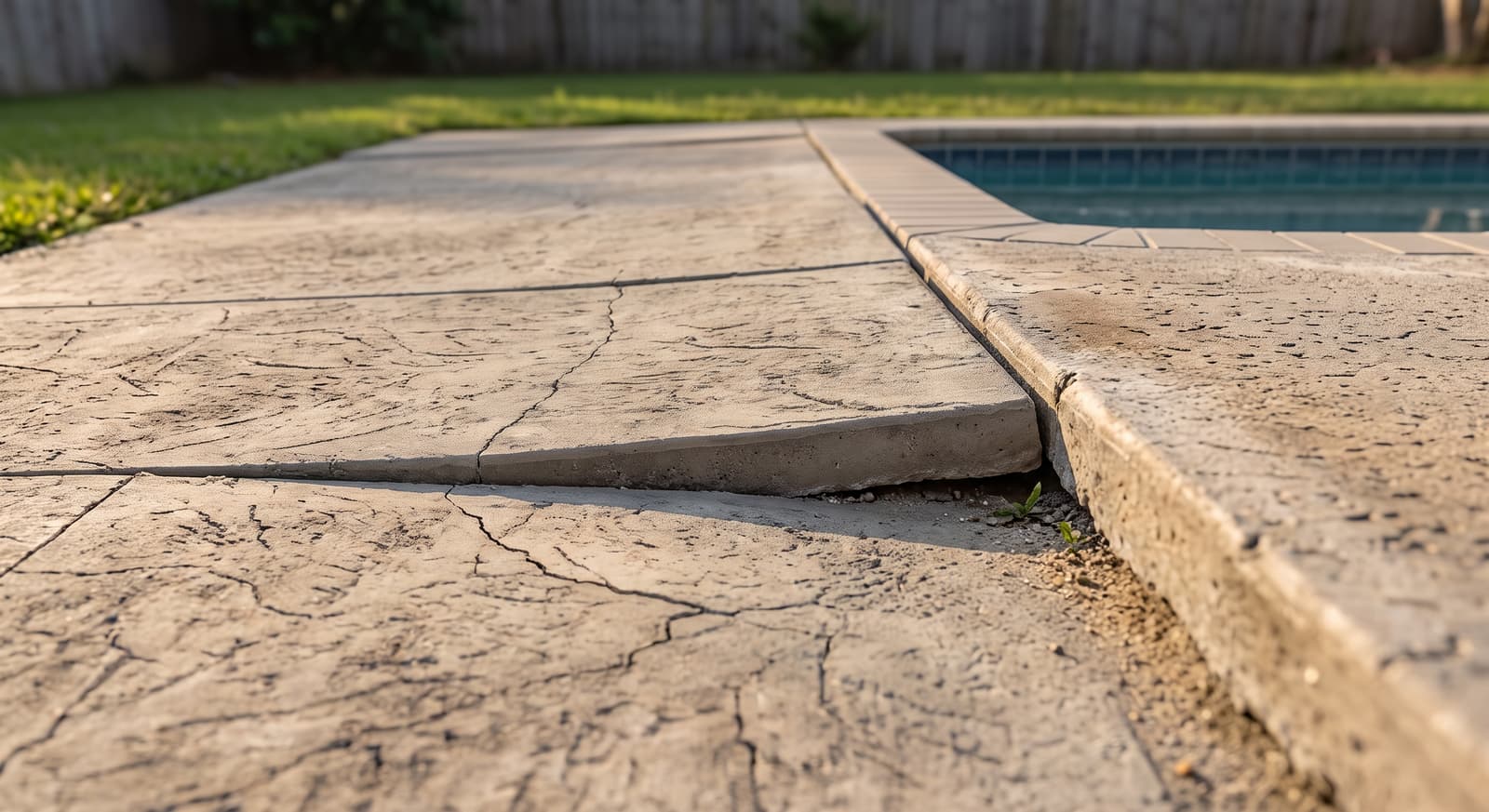
A settled pool deck looks like a concrete leveling problem. In Epp Foundation Repair's experience, some pool deck calls turn out to be a pool problem. The shell is moving, the coping is separating from the bond beam, or the backfill around the pool walls is consolidating in a way that pulls the deck down with it. Lifting the deck without diagnosing those conditions first wastes the homeowner's money and can mask a more expensive problem developing underneath. Epp Foundation Repair sends an inspector to every pool deck call who walks the entire perimeter, checks coping joints for separation, sights along the deck for differential settlement relative to the pool edge, and looks at the bond beam where the deck meets the pool wall. Only after that inspection confirms the pool shell is stable do we quote a deck lift. When the inspection finds shell movement, we stop and refer the homeowner to a pool contractor. Epp does not repair pool shells, coping, or interior pool finishes.
A residential pool installed in eastern Nebraska, western Iowa, or the Missouri River corridor sits in an excavated pit that is wider than the pool shell on all sides. That over-dig is backfilled after the shell is set, usually with the same loess or fine sand pulled out of the original excavation. The backfill is compacted in lifts during pool construction, but the compaction standards on residential pool installs are not the same as the structural standards used for building foundations. Over time that backfill settles further, especially after wet-dry cycles, and the pool deck slab poured on top of it drops. The pattern shows up as a deck that has tilted toward the pool, a noticeable lip at the coping joint, or settled sections directly above the over-dig perimeter. The pool itself usually sits on undisturbed soil at the bottom of the original excavation and does not move. The deck and the pool are doing two different things. The deck is dropping, the pool is staying put, and the result is the visible differential. In the Kansas-Missouri clay belt the more common mechanism is expansive clay heave under the deck slab. The unshaded deck areas around a pool see full sun, then absorb pool water spillover, then dry out, and cycle through expansion and contraction faster than the rest of the yard. Highly plastic clays can swell when wet and shrink when dry. The deck sections in direct sun and pool spray see the worst of that cycle.
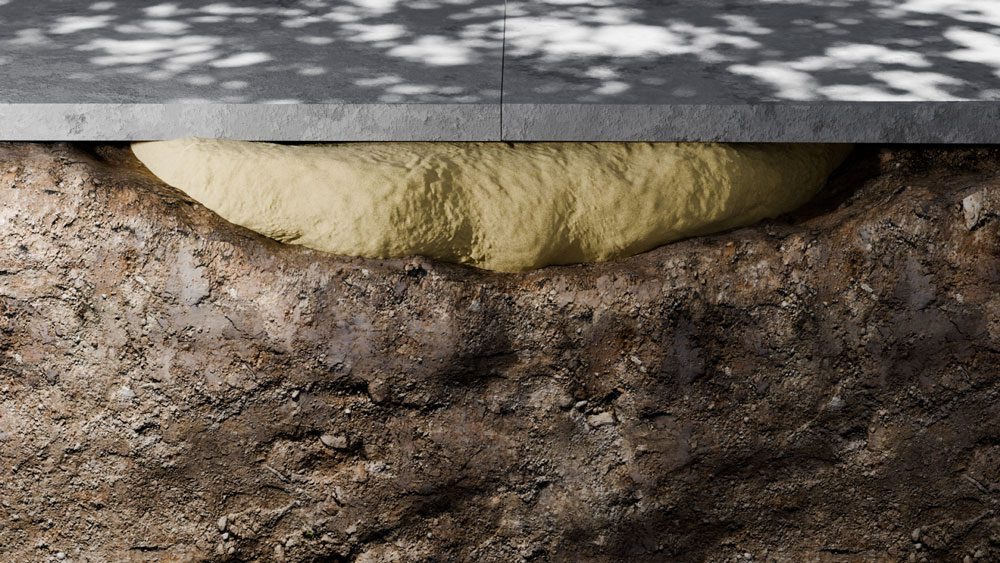
When the pool inspection clears, Epp lifts the deck with polyurethane foam injection, which we call mid-soil injection when the foam is targeted at the backfill layer rather than the immediate sub-slab void. Two-part polyurethane resin is injected through ports drilled in the deck. The foam expands, fills voids in the consolidated backfill, compacts loose material, and lifts the deck in measured increments. Foam cures quickly, and the pool is usable as soon as the lift is verified. Epp uses a laser or digital level monitored at multiple points during the lift, calling out elevation changes in real time so the operator can stop precisely at the target. On pool decks, the target is usually slightly short of the original elevation to allow a slight grade away from the pool. A fully restored elevation that grades back toward the pool creates a drainage problem the homeowner will deal with later.
Nebraska and western Iowa sit on windblown loess that can run very deep. Loess is structurally stable when dry but loses volume suddenly when saturated, a soil failure mode called hydroconsolidation. Pool installations in this region almost always sit in loess backfill, and a single wet year (or a leaking pool plumbing line) can drop the deck quickly. Freeze-thaw cycles in NE and IA add a second stressor by freezing residual moisture in the backfill and lifting localized sections. Kansas and Missouri pool decks more often deal with expansive clay swelling and shrinking under the slab. Decks in direct sun see the most dramatic cycling because they dry faster between wet events. We see the loess and clay patterns repeat in Lincoln, Omaha, Council Bluffs, and on concrete leveling jobs in St. Joseph.
Epp Foundation Repair lifts the deck slab. Epp does not repair the pool shell, the bond beam, the coping stones, or the interior pool finish. Those are pool contractor scopes and we refer them out. Epp does not resurface the deck or apply decorative coatings; those are specialty coating contractors. Epp does not regrade the yard around the pool or extend pool plumbing. When the deck is too salt-eroded or structurally cracked to lift as a unit, Epp says so on the Customized Repair Estimate and recommends replacement instead. Epp Foundation Repair is BBB A+ rated and a BBB Integrity Award winner. Every pool deck lift comes with a written scope, a measured lift target at multiple points, and Epp's 5-year PolyLift warranty, which runs from substantial completion and covers failure of the installed polyurethane to perform its lifting or stabilization function due solely to defects in materials or workmanship. The warranty requires full payment and compliance with the PolyLift Concrete Lifting Addendum and Expectations Sheet.
Customized Repair Estimate after on-site inspection reflects your scope. If the deck is tilting toward the pool, separating at the coping, creating a tripping hazard at the deck-to-pool edge, or holding water against the pool wall, schedule a free inspection.
Which Solution Is Right?
| Method | Fits when | Not a fit when | Warranty |
|---|---|---|---|
| Polyurethane Foam Injection | The pool inspection confirms the shell is stable and settlement traces to backfill consolidation along the over-dig band. Ports stay back from the pool wall, and the lift target is set a touch short of full elevation to preserve grade away from the pool. | The inspection finds the pool shell or coping moving, which is a pool contractor's scope, or the slab is too salt-eroded or cracked to lift as a unit. | 5 years from substantial completion against failure of the installed polyurethane to perform its lifting or stabilization function due solely to defects in materials or workmanship. Requires full payment and compliance with the PolyLift Concrete Lifting Addendum and Expectations Sheet. |
| Joint Sealant | Added to the lift scope when sealing the deck's own expansion joints helps keep water from re-entering after the foam cures. | The joint in question is the coping-to-bond-beam joint, which is pool contractor scope, not Epp's. | 60 days, materials and workmanship, when sealant is in scope |
Warranty terms above are the headline coverage and its governing condition. Full terms, exclusions, and owner responsibilities for every method are on Epp's warranty terms page.
Each method is matched to a specific failure mode and soil profile. Browse the toolkit we draw from when diagnosing your home.
PolyLift is Epp Foundation Repair's polyurethane foam injection method for lifting sunken driveways, sidewalks, patios, and garage floors. Small ports, a two-part expanding foam, and a laser-monitored lift, with the slab walkable 15 minutes after the work is complete.
Slab jacking and polyjacking are names homeowners use for the same idea: lifting a sunken concrete slab by injecting material underneath it. Epp Foundation Repair's slab jacking work, across Nebraska, Iowa, Kansas, and Missouri, is done with polyurethane foam.
Voids under a concrete slab leave it with nothing to rest on. Epp Foundation Repair has filled those pockets with structural foam across Nebraska, Iowa, Kansas, and Missouri since 1994. No demolition, no waiting for a new pour to cure.
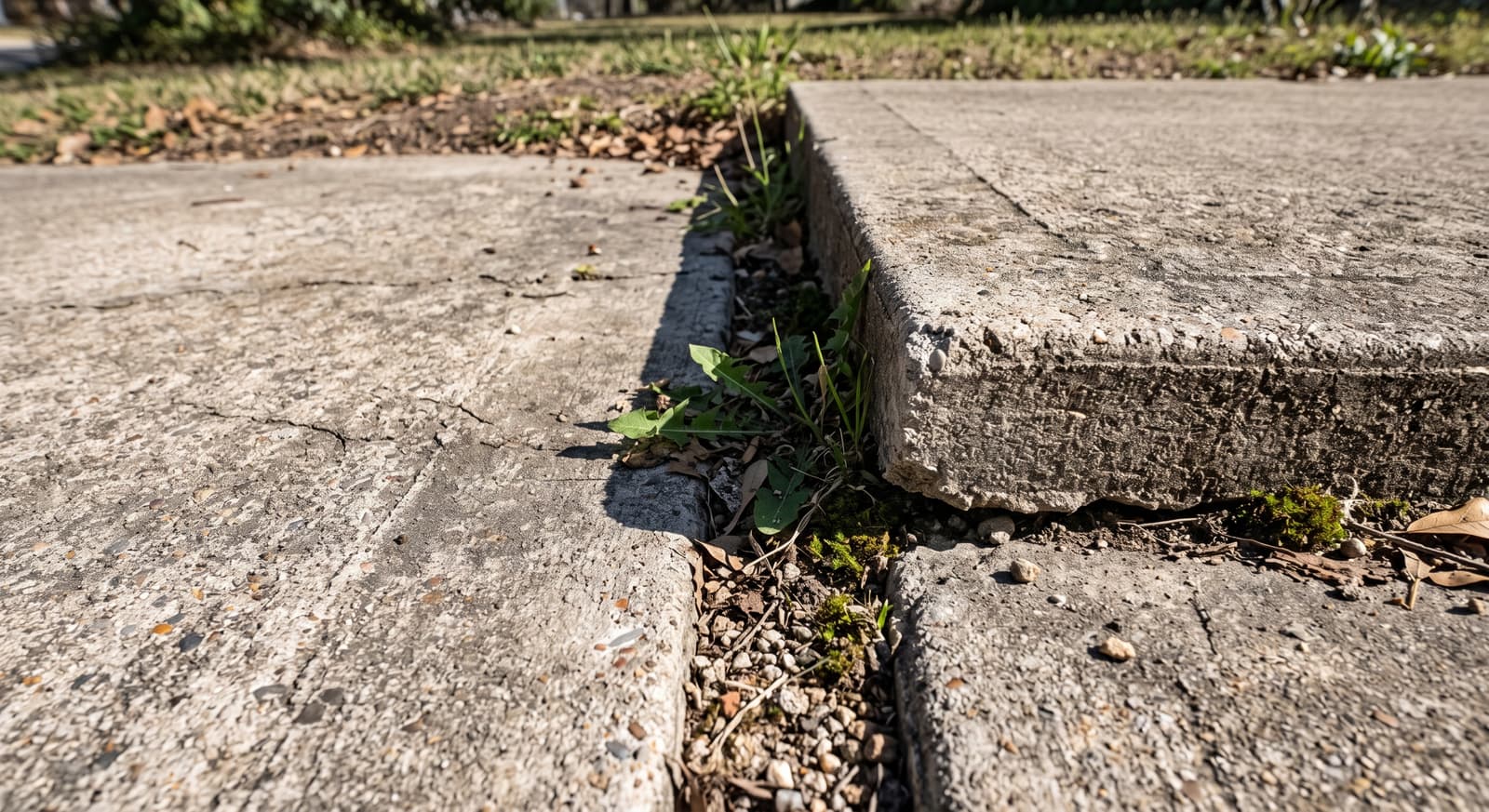
Concrete depends on the soil underneath it for support. Runoff along an edge or a downspout that empties beside a slab can wash out or soften that soil, and part of a driveway, sidewalk or patio can then settle or tilt. Water under a slab that freezes and thaws can also leave gaps beneath it.
Based on NOAA 1991 to 2020 climate normals for Lincoln Municipal Airport and Omaha Eppley Airfield.
Based on USDA soil survey data for Lancaster County (Lincoln) and Douglas County (Omaha), clay is the main soil type in both counties. The survey rates Lancaster County high and Douglas County moderate for shrink swell. Clay can swell when it gets wet and shrink as it dries, so a slab or foundation on clay can move up and down with the seasons. The soils that cover the most ground in Lancaster County are Wymore and Aksarben, and in Douglas County they are Contrary and Marshall.
Loess, the wind deposited silt common in eastern Nebraska and western Iowa, can lose strength and settle when it gets wet. Water can reach it from runoff, a plumbing leak or a downspout that empties next to the house.
In Lincoln and Omaha, soil near the surface can freeze and thaw many times between fall and spring. Each city's building code sets a frost line depth, which is the minimum depth below finished grade for a footing. It is 36 inches in Lincoln and 42 inches in Omaha. Supports that sit above that depth, such as some porches, stoops and chimney footings, can move as the ground freezes and thaws.
Horizontal cracks in a basement wall are more often linked to pressure from the soil outside the wall than to settlement. Wet soil pushes harder against a wall than dry soil, and soil that freezes against the wall can add to that pressure.
Climate: NOAA U.S. Climate Normals 1991 to 2020, LINCOLN MUNI AP (USW00014939) and OMAHA EPPLEY AIRFIELD (USW00014942), retrieved September 30, 2026. Soil: USDA NRCS Soil Data Access (SSURGO), county survey for Lancaster County and Douglas County. Frost line depth: Lincoln Municipal Code 20.12.140 and Omaha Municipal Code Sec. 43-127.
These are the concrete leveling problem signs Epp Foundation Repair diagnoses most often. Each one links to what causes it and how it is repaired.
Our specialists evaluate the underlying cause before recommending any work. Inspections are at no cost and there's no obligation to proceed.
"On pool decks the first question isn't how we lift it. It's whether the pool is stable enough that lifting the deck makes sense. Some pool deck calls in our region turn into a pool contractor referral. The rest we lift with foam and the homeowner gets years of stable deck out of a one-day job."

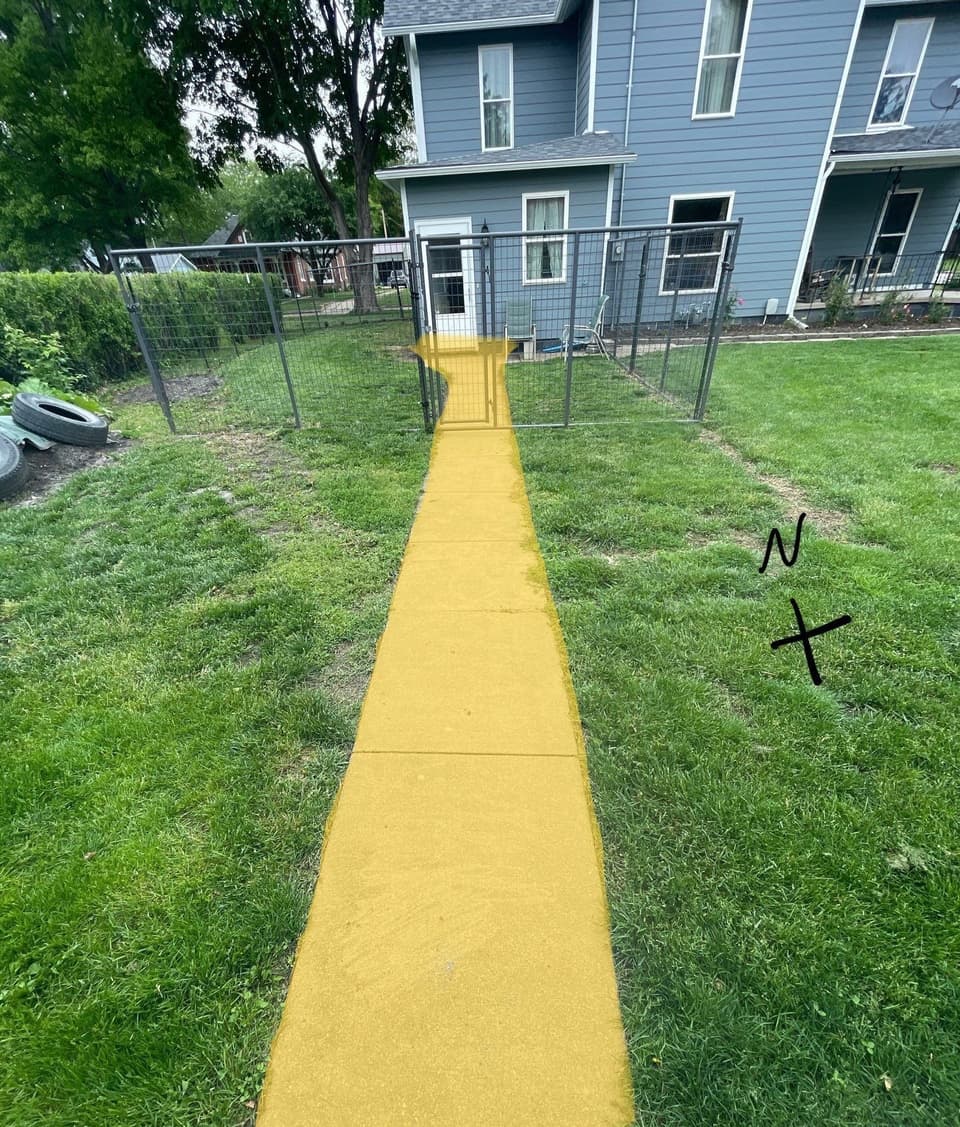
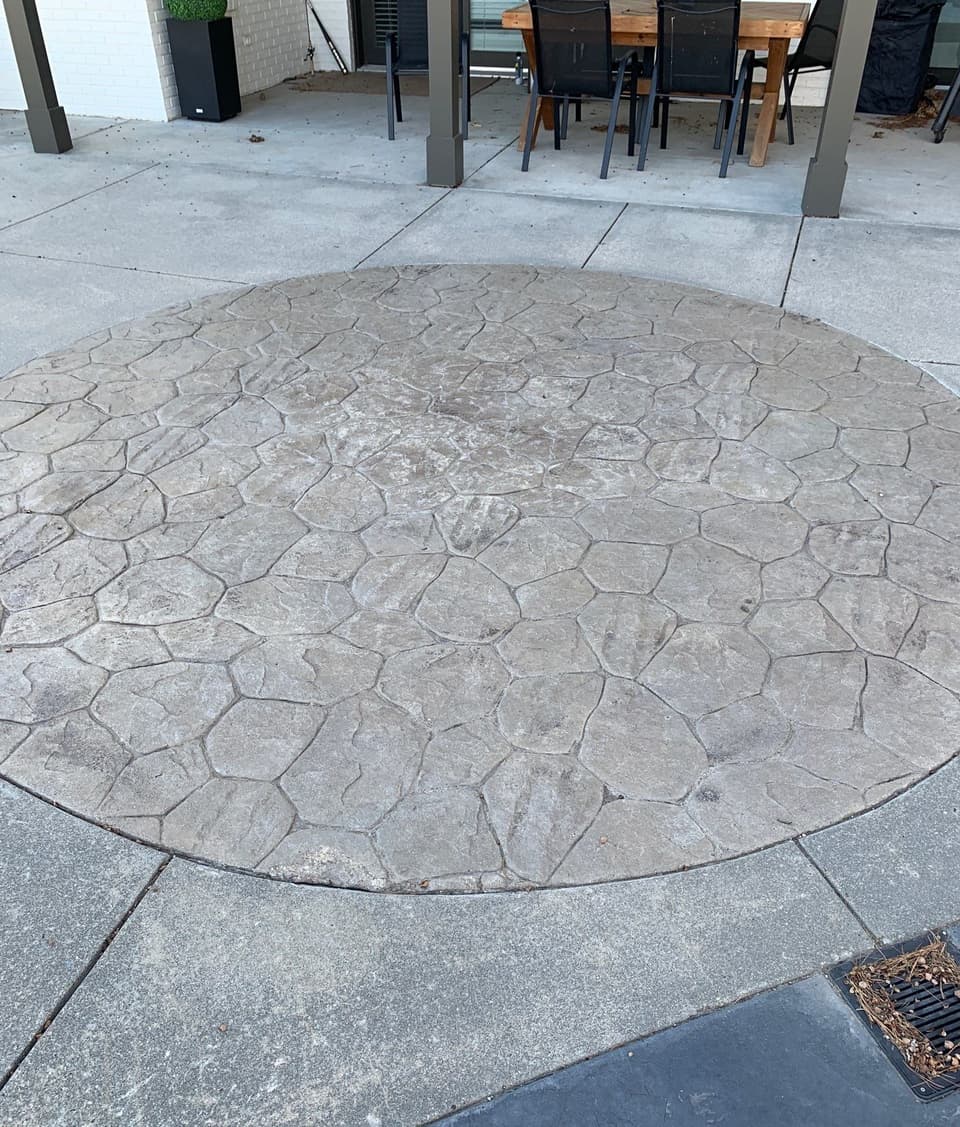
Completed work photographed on real job sites across Nebraska, Iowa, Kansas, and Missouri.
Epp Foundation Repair is locally owned and operated, with crews dedicated exclusively to foundation, basement, and concrete work across the Midwest.
Foundation repair, waterproofing, and concrete leveling are our entire focus, not a sideline.
Three decades of experience with Midwest soils, basements, and weather conditions.
Recognized by the Better Business Bureau for integrity and ethical business practices.
Many of our repairs carry a written Epp warranty. The warranty page lists every covered repair and its terms.
Don't see your question here? Our team is happy to help. Reach out anytime.
Every home is different. What a repair costs depends on the cause, the scope, and access. A free on-site inspection produces a Customized Repair Estimate that reflects your home, not a typical range.
Customized Repair Estimate after on-site inspection reflects your scope.
Pool deck leveling is not the right service when the pool shell itself is moving (refer to a pool contractor first), when coping shows differential movement at the bond beam (pool contractor scope), when the deck slab has spalled or scaled deeply across most of its surface (replacement is the call), or when the deck has cracked into too many pieces to lift as a unit. Epp identifies which category your deck falls into during the inspection.
BBB A+ rated and BBB Integrity Award winner
Related to what you are reading. Our team covers the same ground on camera.
Every concrete leveling method we install. Sequenced so the soil profile and failure mode determine the fix.
 01
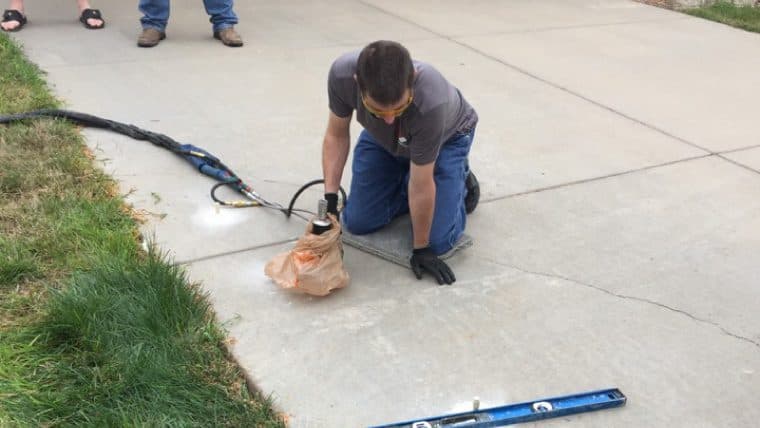
01 Polyurethane foam can lift settled driveway sections back to original grade. Epp Foundation Repair corrects settled drives across Nebraska, Iowa, Kansas, and Missouri.
Learn more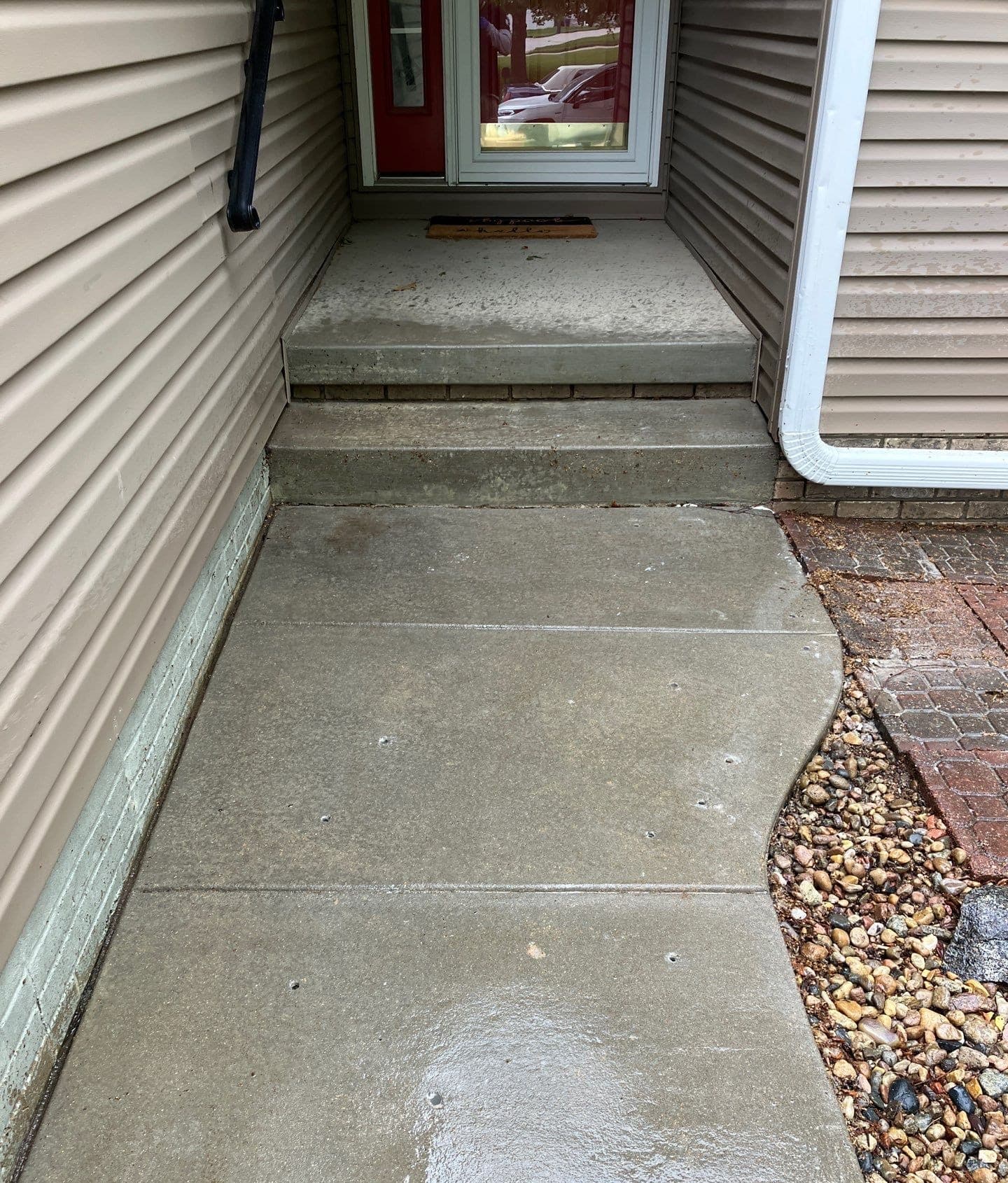 02
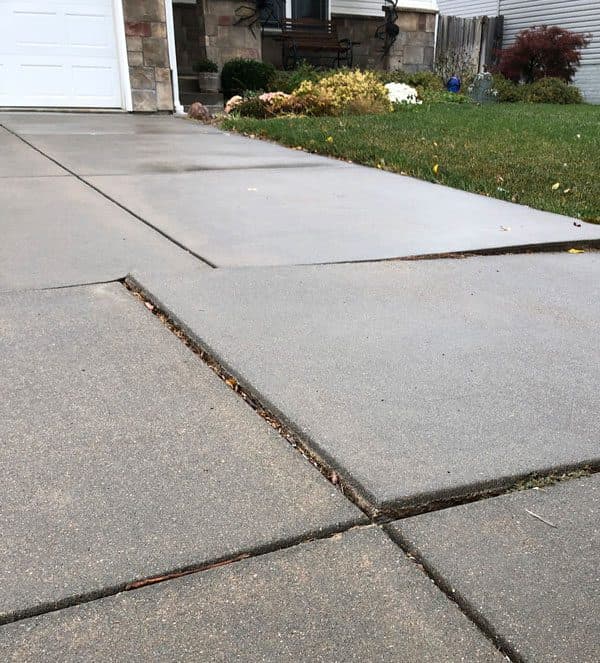
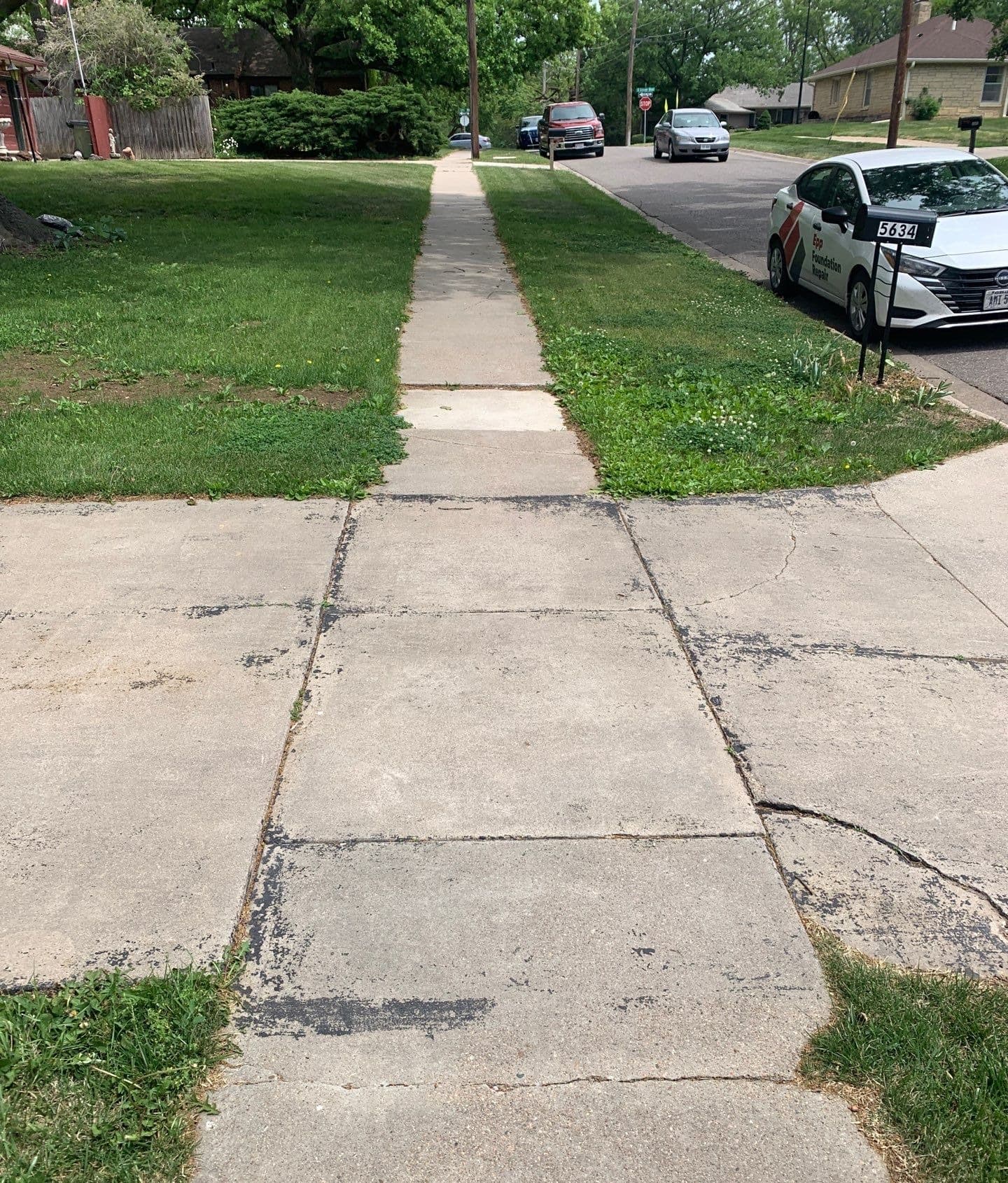
02 Polyurethane foam lifts settled sidewalk sections back to grade and eliminates trip hazards that put homeowners on the wrong side of liability law. Epp Foundation Repair corrects residential sidewalks across Nebraska, Iowa, Kansas, and Missouri.
Learn more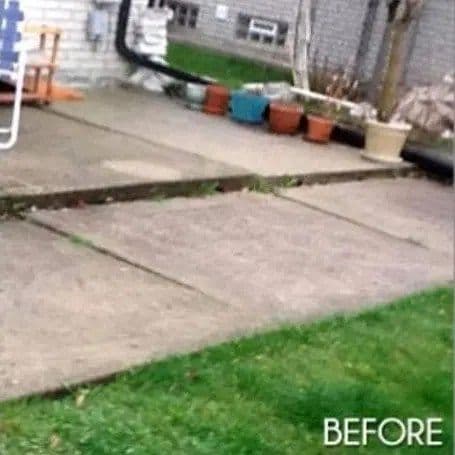 03
03 Polyurethane foam can lift settled patio and porch slabs back to original grade and restore positive drainage away from the house. Epp Foundation Repair corrects residential outdoor living spaces across Nebraska, Iowa, Kansas, and Missouri.
Learn more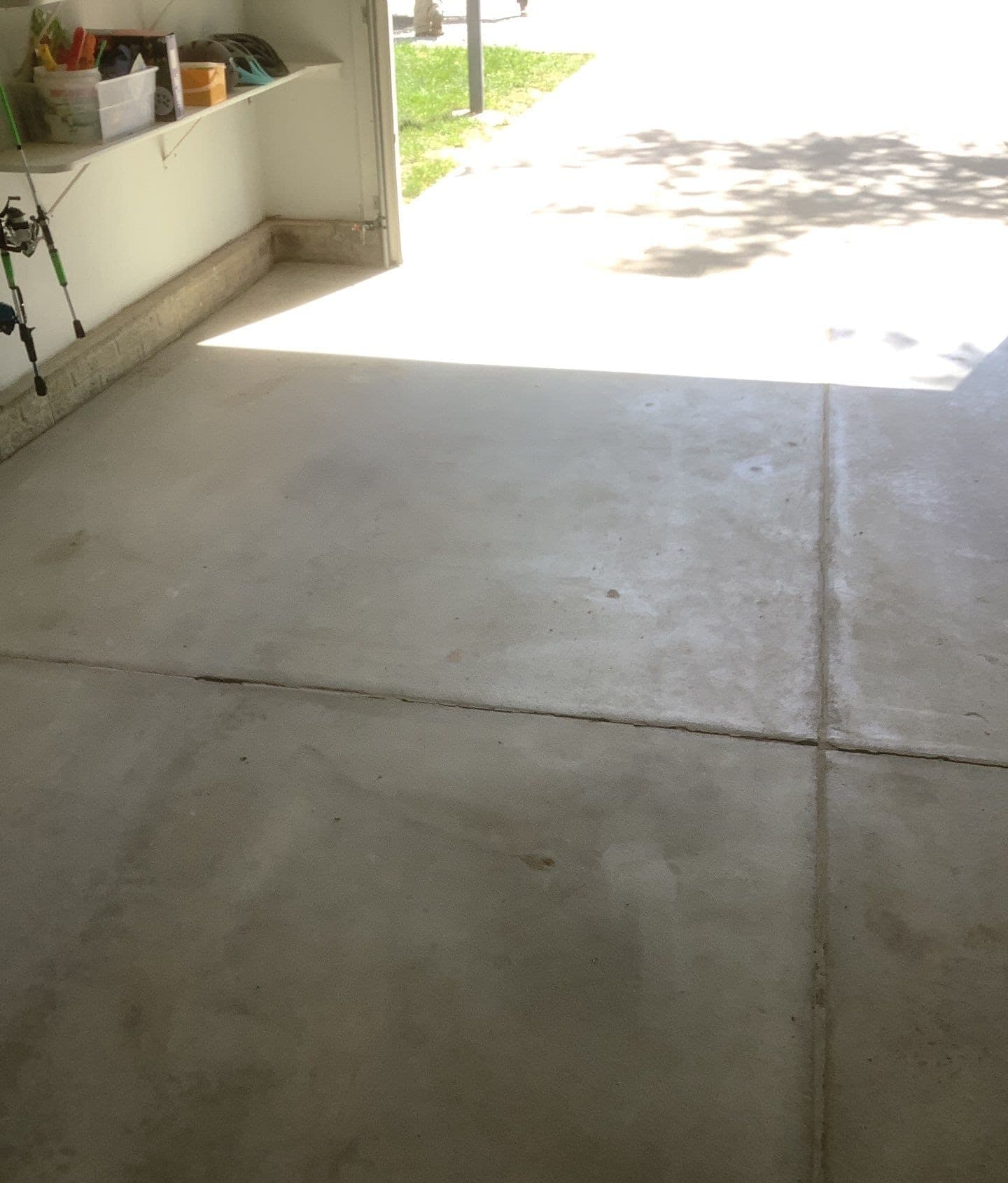 04
04 Polyurethane foam can lift settled garage slabs back toward original grade for vehicles, equipment, and future floor coating. Epp Foundation Repair corrects garage floors across Nebraska, Iowa, Kansas, and Missouri.
Learn more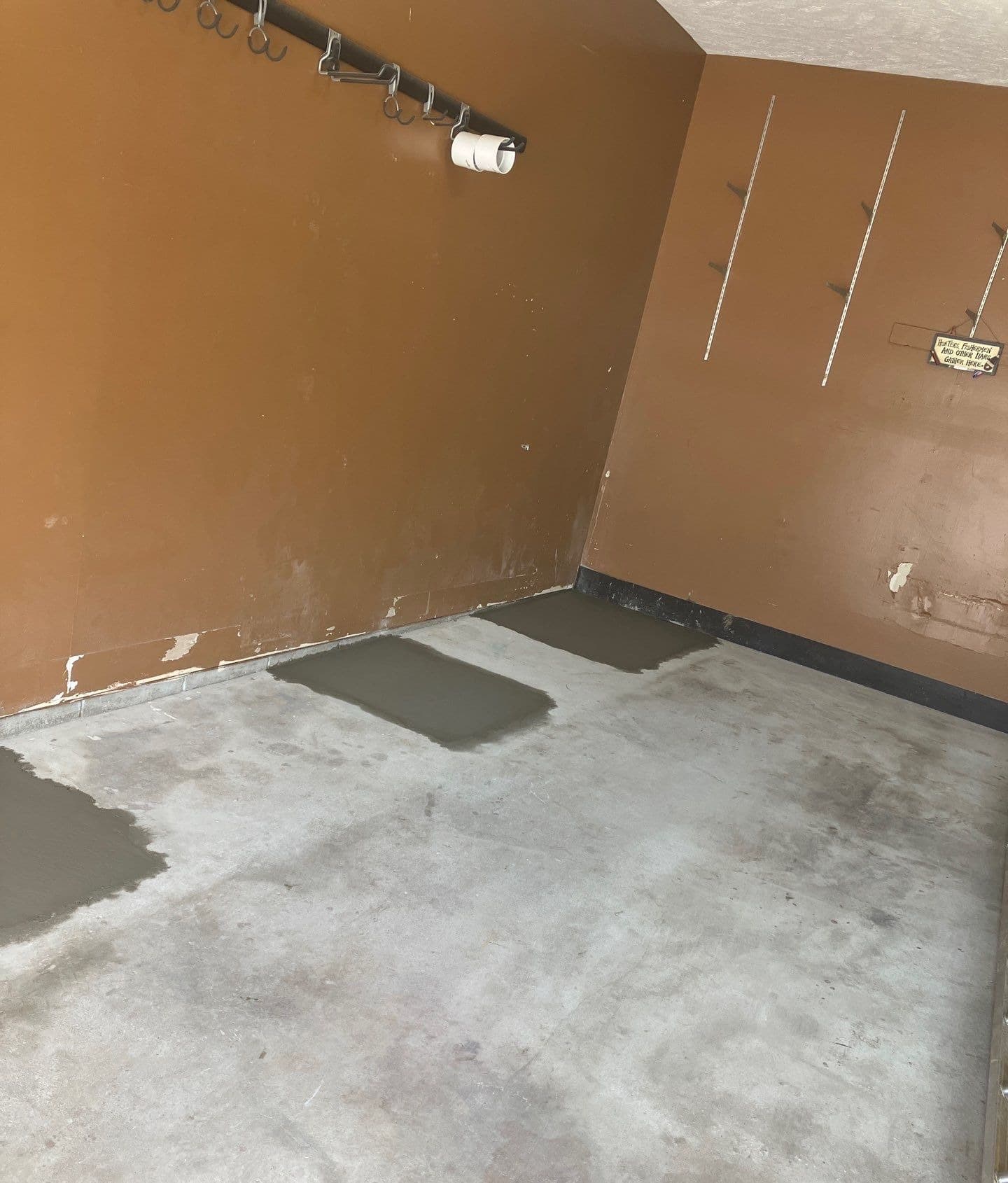 05
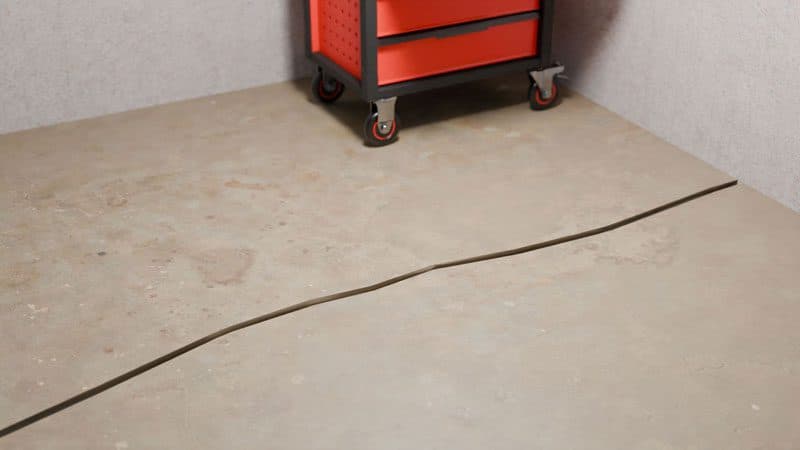
05 Epp Foundation Repair lifts settled interior slabs (basement floors, slab-on-grade living areas, garage floors) with polyurethane foam injected through floor finishes, only after the sub-slab cause is identified.
Learn more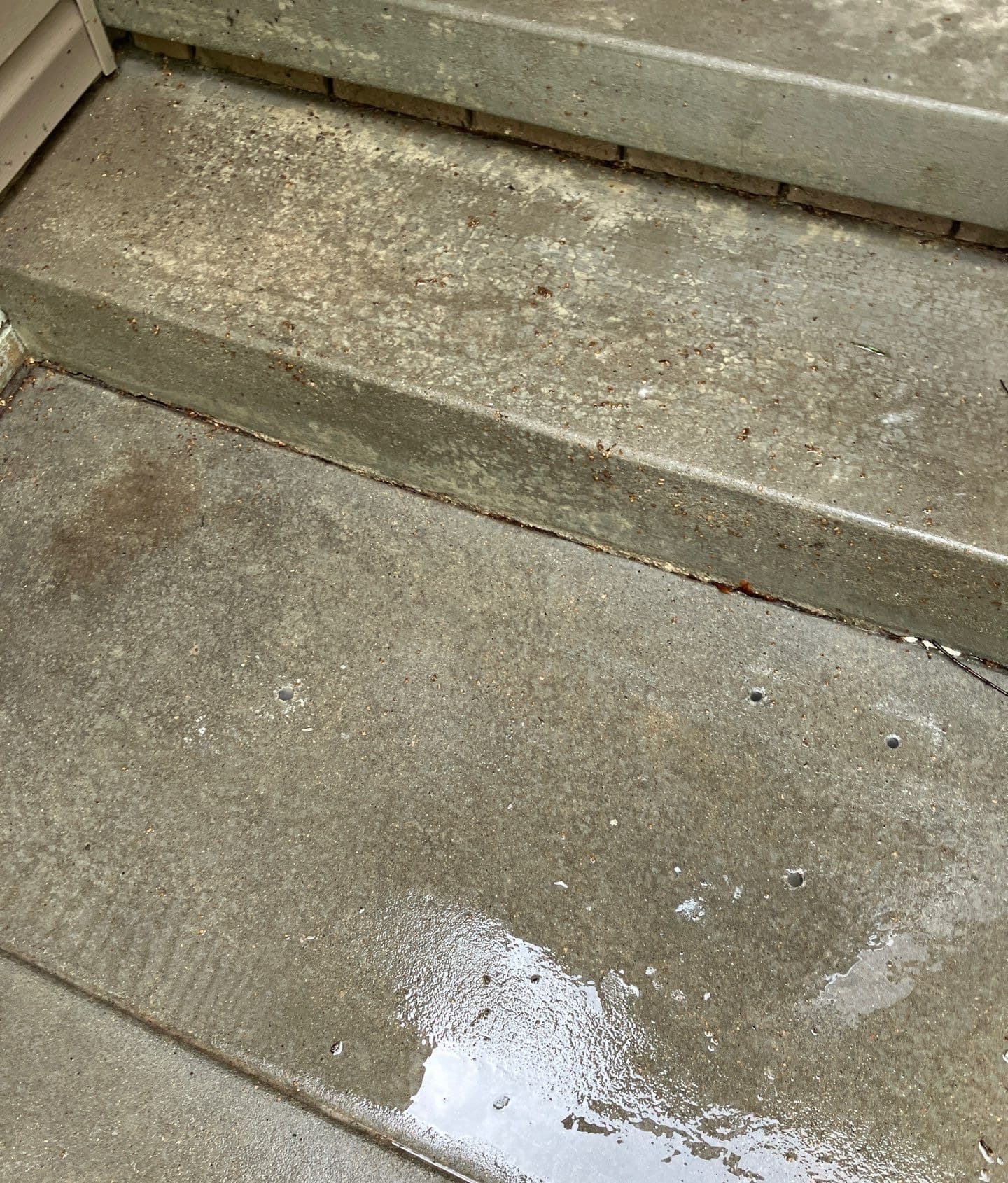 06
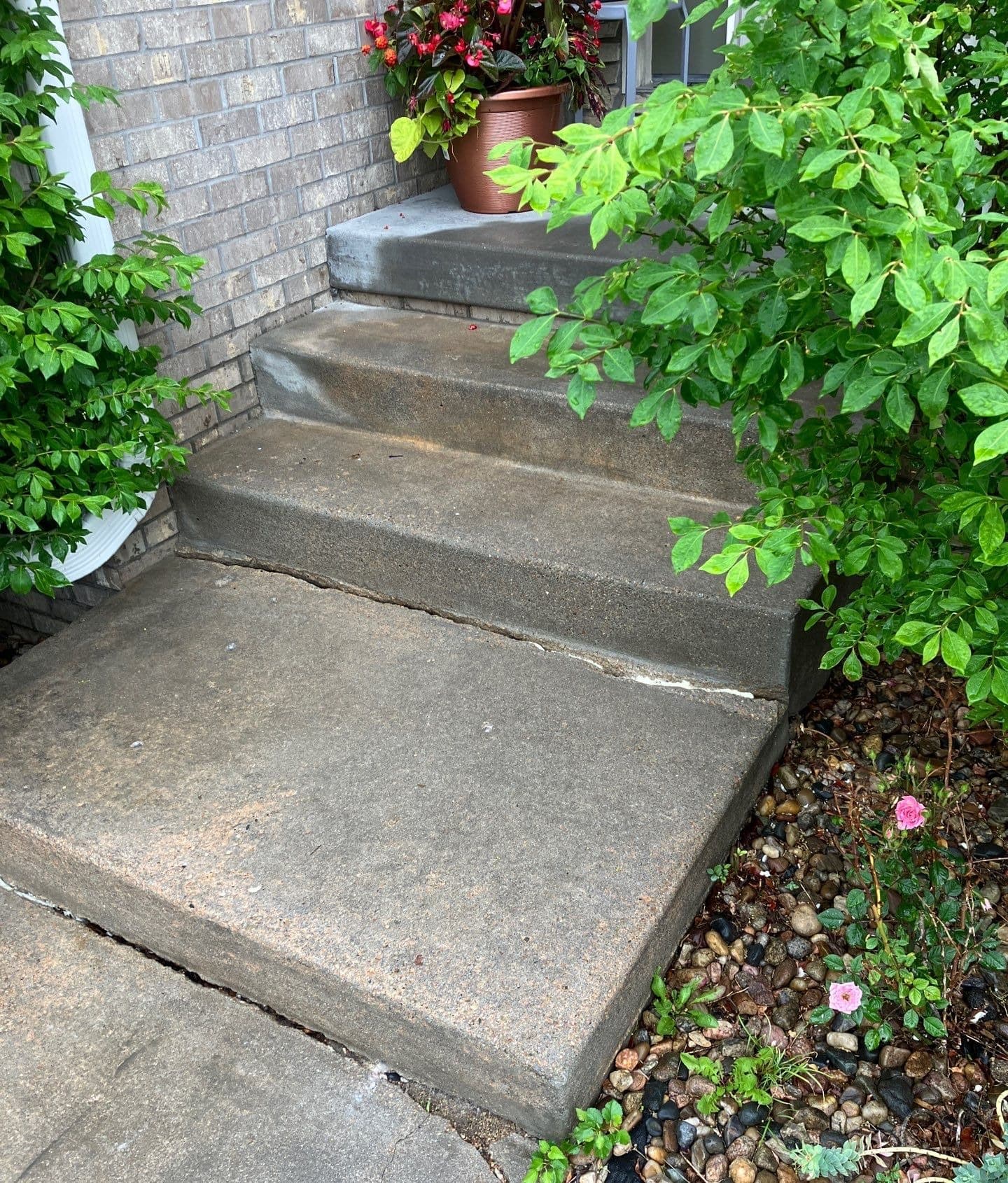
06 Epp Foundation Repair lifts settled concrete stair steps (front porch steps, basement entry stairs, garage steps) with polyurethane foam, when the steps themselves are intact and only the fill below has settled.
Learn more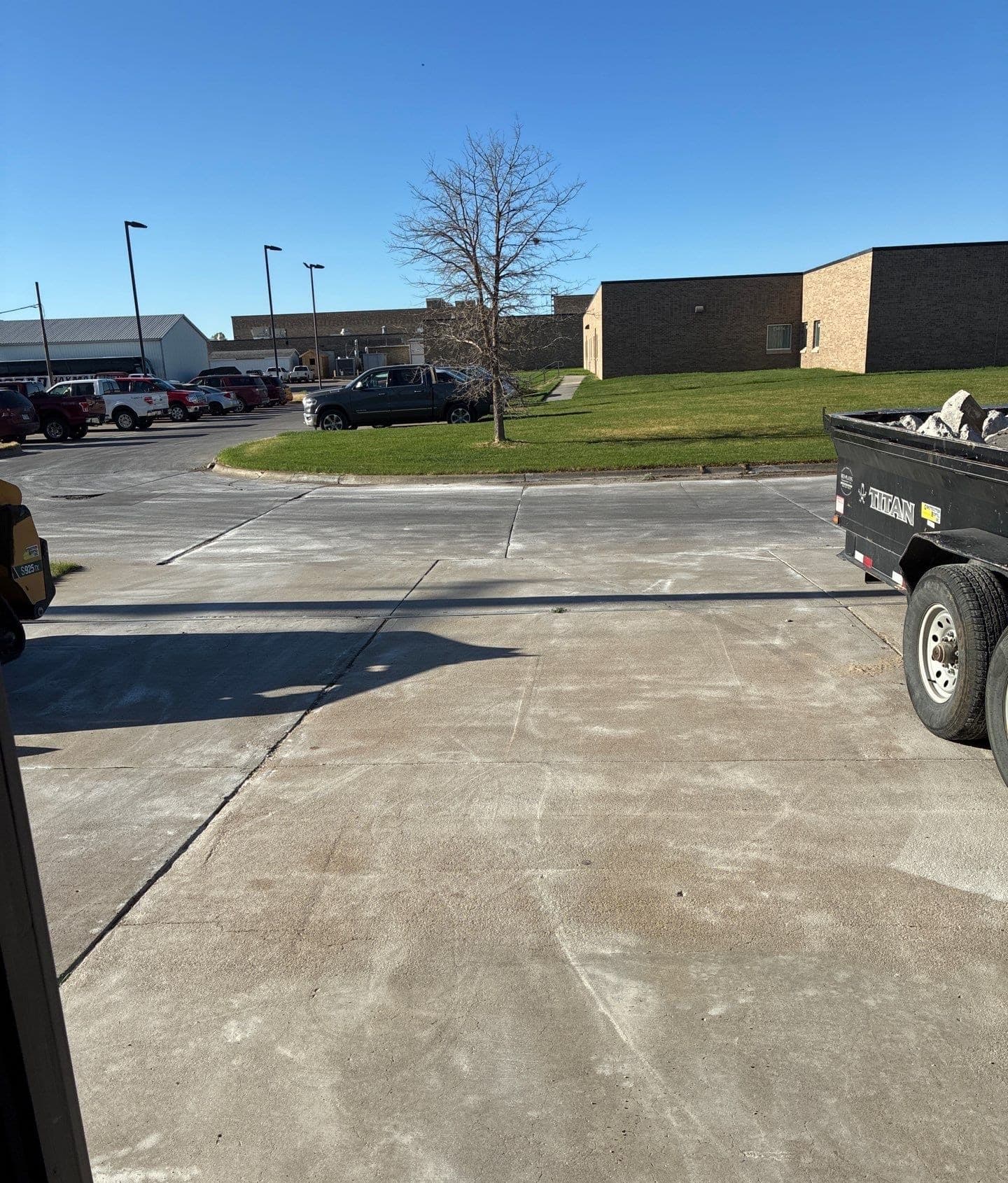 07
07 Epp Foundation Repair lifts settled commercial slabs (warehouse floors, retail flatwork, restaurant kitchens, parking lots, loading docks) with polyurethane foam, engineered around the operating schedule of the business.
Learn moreLocal crews based in five regional offices, dispatched daily across four states. If your town isn't listed, call us: we likely serve your area.
A straightforward path from initial inspection to completed repairs.
An Epp diagnostician walks the entire pool perimeter, sights along the waterline with a straightedge or laser to confirm the pool shell is level, measures coping-to-bond-beam gaps at multiple points, maps deck elevation with a digital level, and identifies the band of settlement along the over-dig perimeter.
Epp produces a written scope identifying injection port locations, the target lift in fractions of an inch at each measurement point, the volume of polyurethane foam estimated, and a Customized Repair Estimate. Lift targets are set slightly short of original elevation where needed to maintain proper grade away from the pool.
The crew drills injection ports through the deck slab, staying back from the pool wall to keep lateral foam pressure off the shell. Two-part polyurethane resin is pumped through each port, expanding and filling backfill voids.
A 4.9-star average across Google, with verified reviews from homeowners throughout Nebraska, Iowa, Kansas, and Missouri.
Schedule your inspection in seconds with our Driive booking tool, or share a few details and a local specialist will follow up within one business day.
Practical articles from the Epp team on foundation health, waterproofing, and home preservation.
 Concrete LevelingLatest
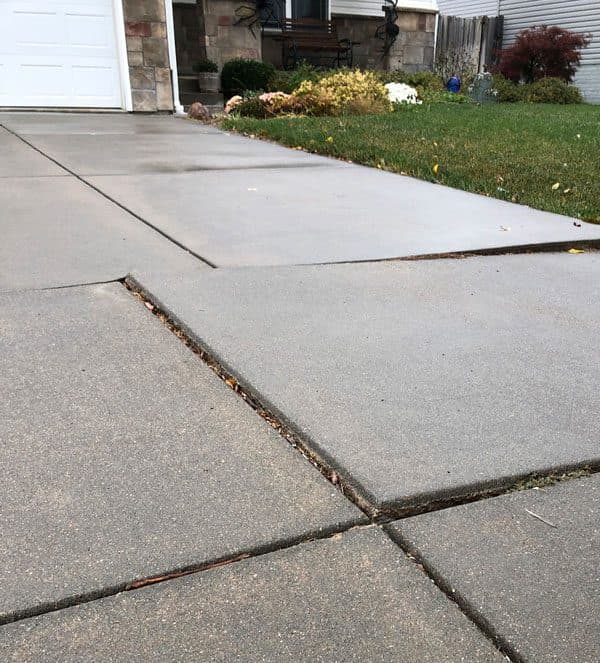
Sunken concrete can often be lifted instead of replaced. Learn why driveways and sidewalks sink, when lifting works, and when replacement makes more sense.
 Concrete Leveling
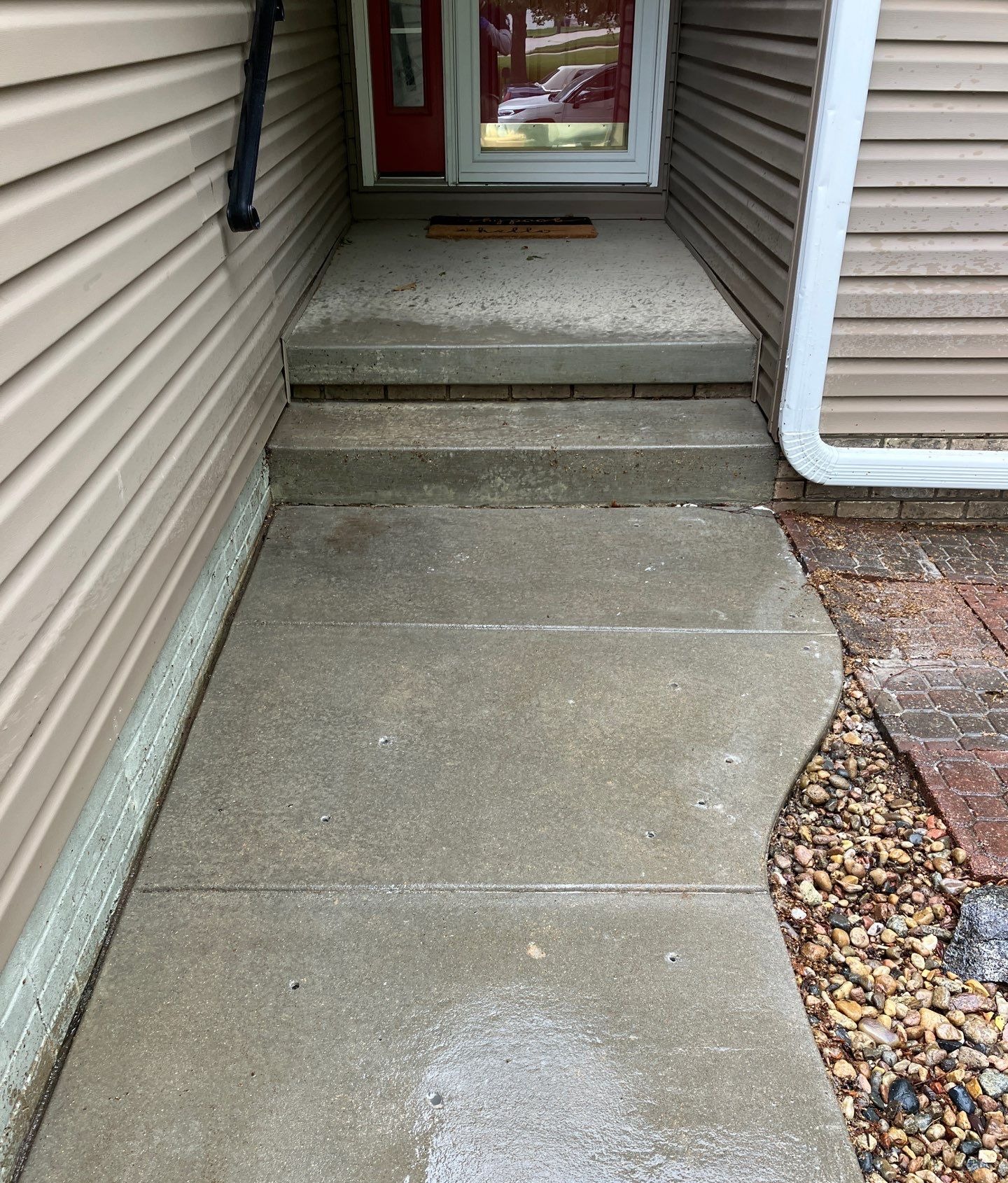
Front steps that sink and pull away from the house are often a soil problem. Learn why it happens and when Epp can lift them with polyurethane foam.
 concrete leveling
Both methods can lift sunken concrete, but only one is what Epp Foundation Repair installs. Here are the ten factors behind the price difference and why.
 Concrete Leveling
Expandable foam offers a fast, minimally invasive way to level uneven concrete surfaces. Learn how polyurethane foam injection works and what to avoid.
