
Estimate Only
Approximate pricing
Customized Repair Estimate after on-site inspection reflects your scope.
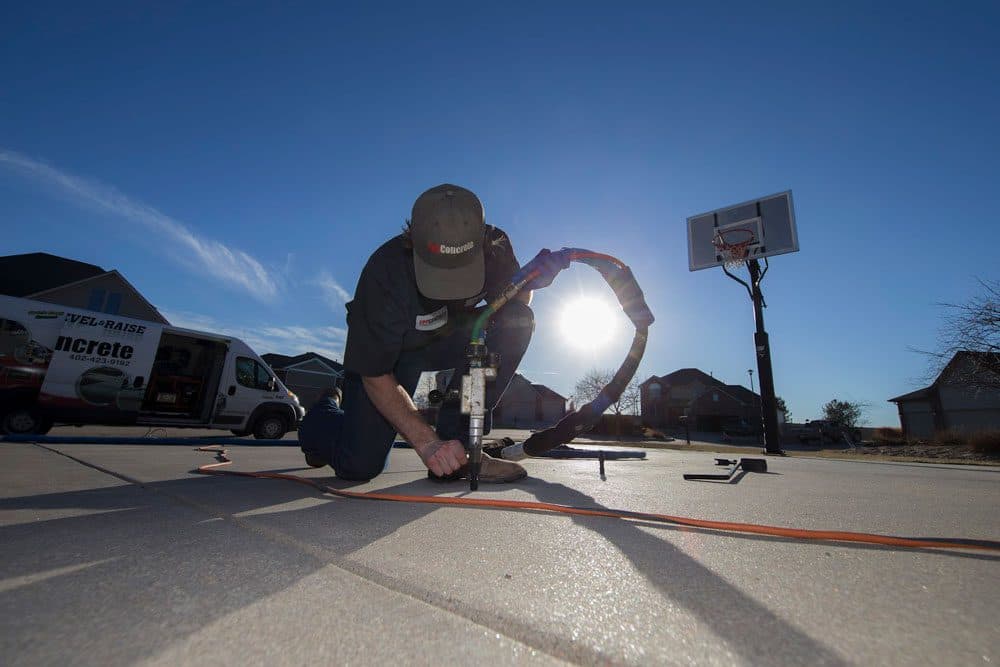
Epp Foundation Repair has been repairing commercial slabs, warehouse floors, parking lots, and loading docks across Nebraska, Iowa, Kansas, and Missouri since 1994, and sometimes offers night, weekend, or section by section scheduling to help keep operations running.

A local specialist will inspect your foundation, walk you through the findings, and send a clear estimate, no cost, no pressure.
Diagnosis First
Commercial concrete repair matches the method to the load class and the operating schedule of the facility, using polyurethane foam for light to medium load areas and slab piers under heavy forklift lanes or racking. It fits a commercial slab that carries operational or liability risk from settlement, and it stops short of slabs that have failed across most of the area or exceed lift-and-seal capability.
In Depth
Everything a Midwest homeowner should know about this repair, from the specialists who do it every day.
A warehouse forklift puts heavy axle loads on a slab. A retail tenant can't close the floor for three days. A loading dock has to be operational by 5 a.m. Monday. Epp Foundation Repair approaches commercial work around those realities: load-class-appropriate methods and scheduling that works around the operation, not the other way around. The pattern at the commercial scale is the same as residential. Soil moves, slabs follow, but the consequences are different. A forklift catching a lip in a warehouse aisle can become a workers-comp claim. A loading dock that drops out of level creates a truck-trailer mismatch. A retail floor with a settled corner is a slip-and-fall risk. The repair scope has to match the operational risk.
Five commercial site types show these failures in NE/IA/KS/MO: 1. Lincoln Air Park and west Omaha warehouses on engineered fill. Industrial parks built on graded fill settle differentially as the fill column consolidates over decades. 2. I-680 and I-29 corridor distribution and food-grade facilities. Heavy forklift traffic on slabs with light reinforcement; joints fail first, then radial cracks open from joint corners. 3. Council Bluffs and Bottoms grain-belt storage. Slabs sit on Missouri River alluvial soils with a high water table, where fines mobilize under any leak or downspout failure. 4. Sarpy and Lancaster County retail strip center slabs. Customer-facing floors; aesthetics and slip-and-fall risk drive the repair priority more than load capacity. 5. St. Joseph commercial parking lots and loading docks. Expansive clay subgrade combined with heavy truck traffic; lots heave and settle seasonally. ## Methods Epp Matches to Load Class
Epp uses three of the concrete repair methods on commercial slabs, selected by load class and condition: - Polyurethane foam injection for light-to-medium load areas, such as retail floors, office space, and warehouse aisles with lighter axle loads. Polyurethane caulk for working joints, epoxy injection for structural cracks crossing the slab. Customized Repair Estimate after on-site inspection reflects your scope.
Four steps from first call to demobilization: 1. Pre-bid site walk and load assessment. Site manager and Epp's commercial inspector walk the affected areas with a laser level, document settlement, and identify load class for each zone. Structural engineer brought in when load class or building code review requires it. 2. Customized Repair Estimate. The estimate identifies method per zone (foam, slab piers, or crack repair), pier count and depth where applicable, schedule windows, and any temporary load restrictions during cure. 3. Mobilization on the operational schedule. Equipment, crew, and materials staged to minimize footprint on operations. Epp sometimes offers night, weekend, or section by section scheduling on commercial jobs; it is not a standard offer. 4. Demobilization and verification. A final laser level check covers the repaired zones, and crack and joint seals cure before traffic returns.
Scope clarity matters more on commercial work than anywhere else. Owners are coordinating multiple trades against an operating schedule. Epp does not: - Do new-construction flatwork or take on new-construction projects. Epp is post-construction repair only. - Engineer-of-record sign-off (Epp coordinates with the building's structural engineer; Epp's scope is execution, not design certification). - Sawcut and demo large slab sections for full replacement (concrete demo contractor). When a commercial slab is beyond repair scope (failed across most of the area, end-of-life concrete, or load demands that exceed lift-and-seal capability), Epp says so in the Customized Repair Estimate and prices removal and a new pour alongside the repair options.
The four-state territory Epp covers has three distinct subgrade conditions that drive commercial concrete failure: - Loess fills (eastern NE, western IA). Hydroconsolidate on first soaking, and differential settlement across a large slab can follow. - River bottomland alluvium (Missouri River valley from Sioux City to St. Joseph). High water table, low natural density, fines mobilize easily under leaks and concentrated drainage. - Expansive clay (eastern KS, western MO, parts of southeast NE). Swell and shrink with moisture cycling; commercial slabs on clay heave one season and drop the next without proper subgrade management. Epp Foundation Repair holds a BBB A+ rating and is a BBB Integrity Award winner.
Which Solution Is Right?
| Method | Fits when | Not a fit when | Warranty |
|---|---|---|---|
| Polyurethane Foam Injection | Light-to-medium load areas such as retail floors, office space, or warehouse aisles with lighter axle loads. | Heavy forklift traffic, racking footings, or a zone where settlement has recurred after prior repairs, which need slab piers instead. | 5 years from substantial completion, limited to defects in materials or workmanship |
| Slab Piers | Heavy forklift lanes, racking footings, or loading dock approach slabs where the soil cannot reliably support the load going forward. | The load class is light to medium and the slab is otherwise sound, where foam is the more direct fix. | 10 years from installation, stabilization only, no lifting warranty is provided |
| Crack and Joint Repair | Working joints need polyurethane caulk, or a structural crack crossing the slab needs epoxy injection. | The slab has failed across most of the area, where sectional repair costs more than replacement over the asset's remaining life. | Ask about the warranty that applies to your project |
Warranty terms above are the headline coverage and its governing condition. Full terms, exclusions, and owner responsibilities for every method are on Epp's warranty terms page.
Each method is matched to a specific failure mode and soil profile. Browse the toolkit we draw from when diagnosing your home.
PolyLift is Epp Foundation Repair's polyurethane foam injection method for lifting sunken driveways, sidewalks, patios, and garage floors. Small ports, a two-part expanding foam, and a laser-monitored lift, with the slab walkable 15 minutes after the work is complete.
Slab jacking and polyjacking are names homeowners use for the same idea: lifting a sunken concrete slab by injecting material underneath it. Epp Foundation Repair's slab jacking work, across Nebraska, Iowa, Kansas, and Missouri, is done with polyurethane foam.
Epp Foundation Repair has installed small-diameter helical slab piers under ranch homes, slab additions, and light commercial slabs across Nebraska, Iowa, Kansas, and Missouri since 1994. Slab piers are engineered for slab-on-grade loads.
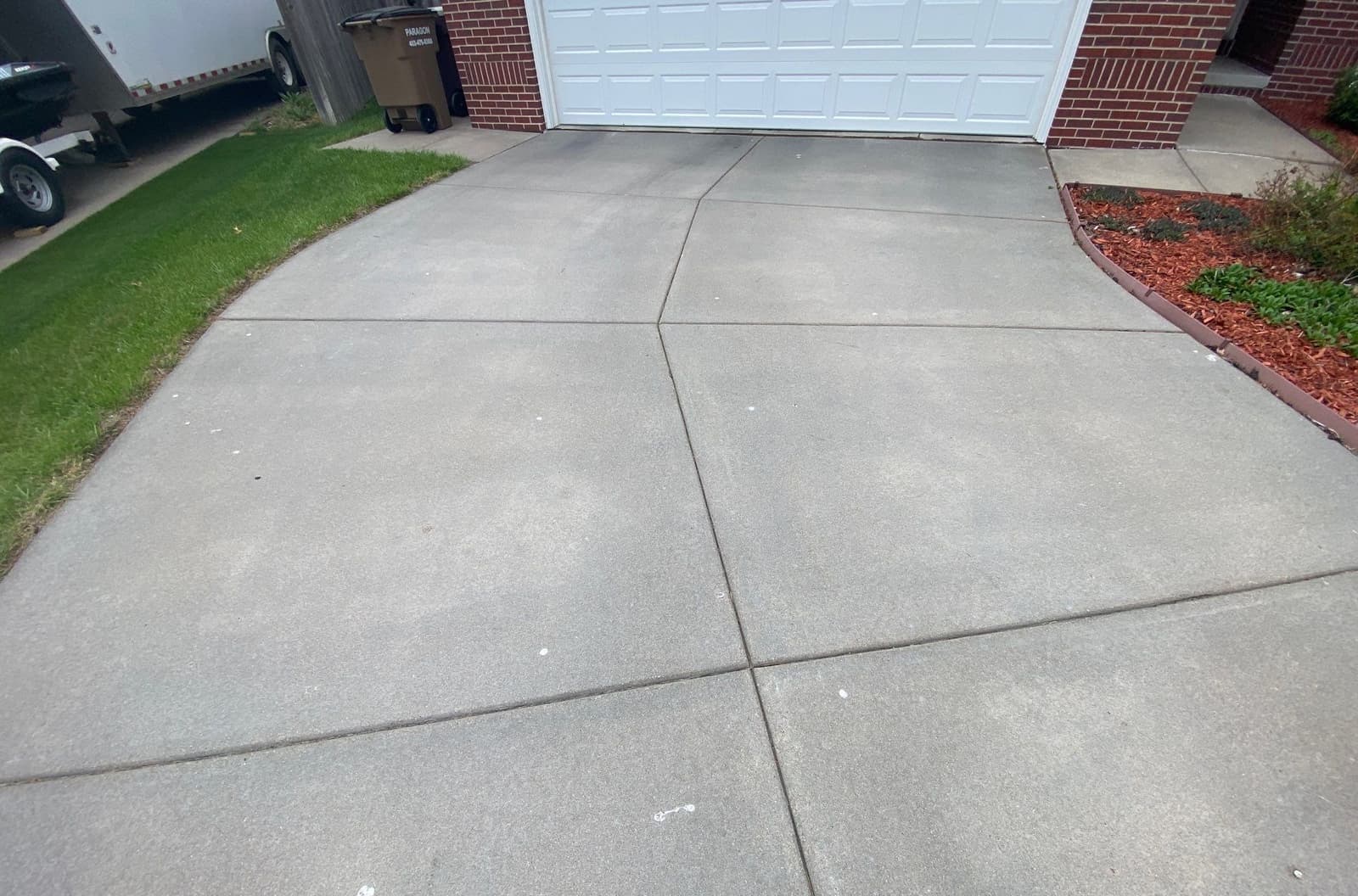
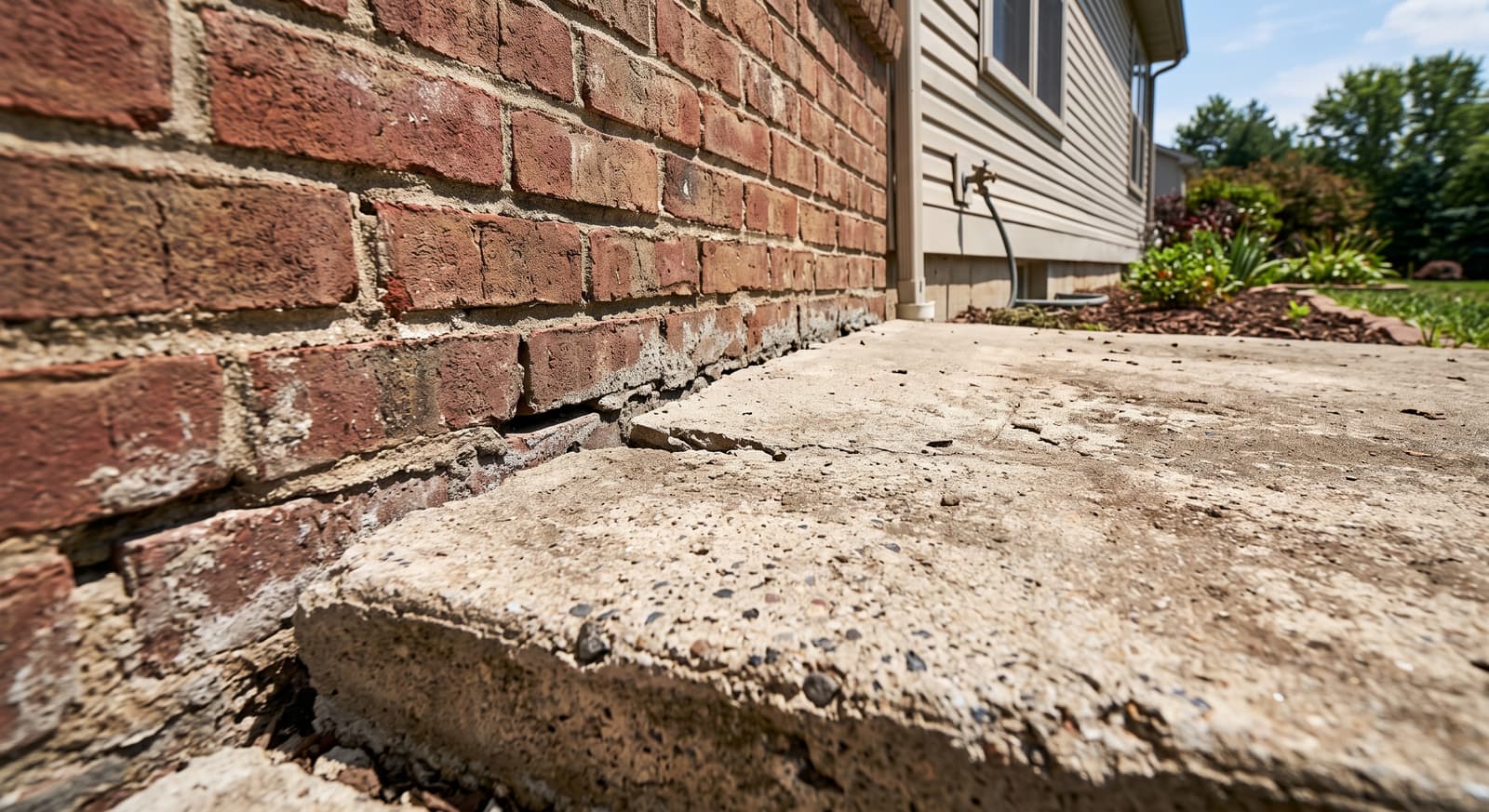
Concrete slabs rest on the soil under them. When that soil washes out, softens or settles, part of a slab can sink, tilt or crack. Small cracks that form as new concrete dries and shrinks are common, and most of them do not affect the strength of the slab.
Based on NOAA 1991 to 2020 climate normals for Lincoln Municipal Airport and Omaha Eppley Airfield.
Based on USDA soil survey data for Lancaster County (Lincoln) and Douglas County (Omaha), clay is the main soil type in both counties. The survey rates Lancaster County high and Douglas County moderate for shrink swell. Clay can swell when it gets wet and shrink as it dries, so a slab or foundation on clay can move up and down with the seasons. The soils that cover the most ground in Lancaster County are Wymore and Aksarben, and in Douglas County they are Contrary and Marshall.
Loess, the wind deposited silt common in eastern Nebraska and western Iowa, can lose strength and settle when it gets wet. Water can reach it from runoff, a plumbing leak or a downspout that empties next to the house.
In Lincoln and Omaha, soil near the surface can freeze and thaw many times between fall and spring. Each city's building code sets a frost line depth, which is the minimum depth below finished grade for a footing. It is 36 inches in Lincoln and 42 inches in Omaha. Supports that sit above that depth, such as some porches, stoops and chimney footings, can move as the ground freezes and thaws.
Horizontal cracks in a basement wall are more often linked to pressure from the soil outside the wall than to settlement. Wet soil pushes harder against a wall than dry soil, and soil that freezes against the wall can add to that pressure.
Climate: NOAA U.S. Climate Normals 1991 to 2020, LINCOLN MUNI AP (USW00014939) and OMAHA EPPLEY AIRFIELD (USW00014942), retrieved September 30, 2026. Soil: USDA NRCS Soil Data Access (SSURGO), county survey for Lancaster County and Douglas County. Frost line depth: Lincoln Municipal Code 20.12.140 and Omaha Municipal Code Sec. 43-127.
These are the concrete repair problem signs Epp Foundation Repair diagnoses most often. Each one links to what causes it and how it is repaired.
Our specialists evaluate the underlying cause before recommending any work. Inspections are at no cost and there's no obligation to proceed.
"On commercial work the first question I ask is what's the load class and what's the production schedule. The repair method follows from that. Foam in the light-load areas, slab piers under the forklift lanes, and we work the hours that don't shut you down."

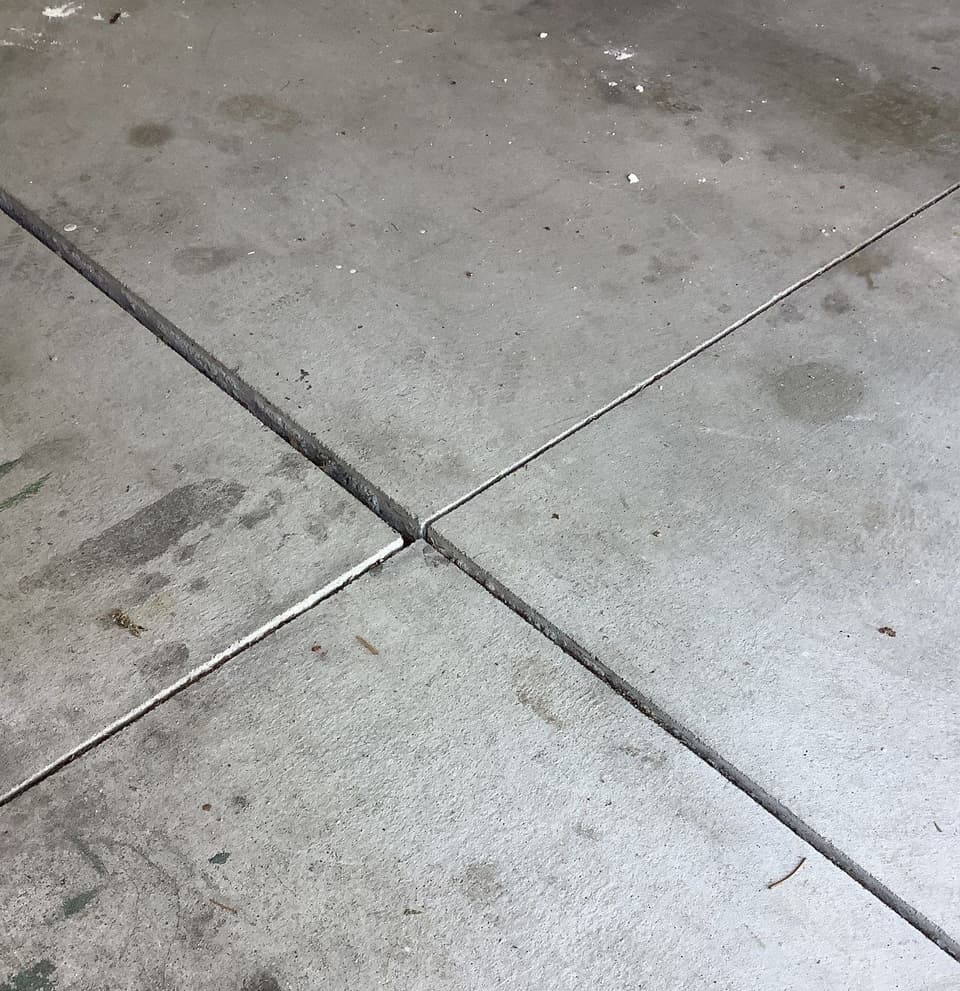
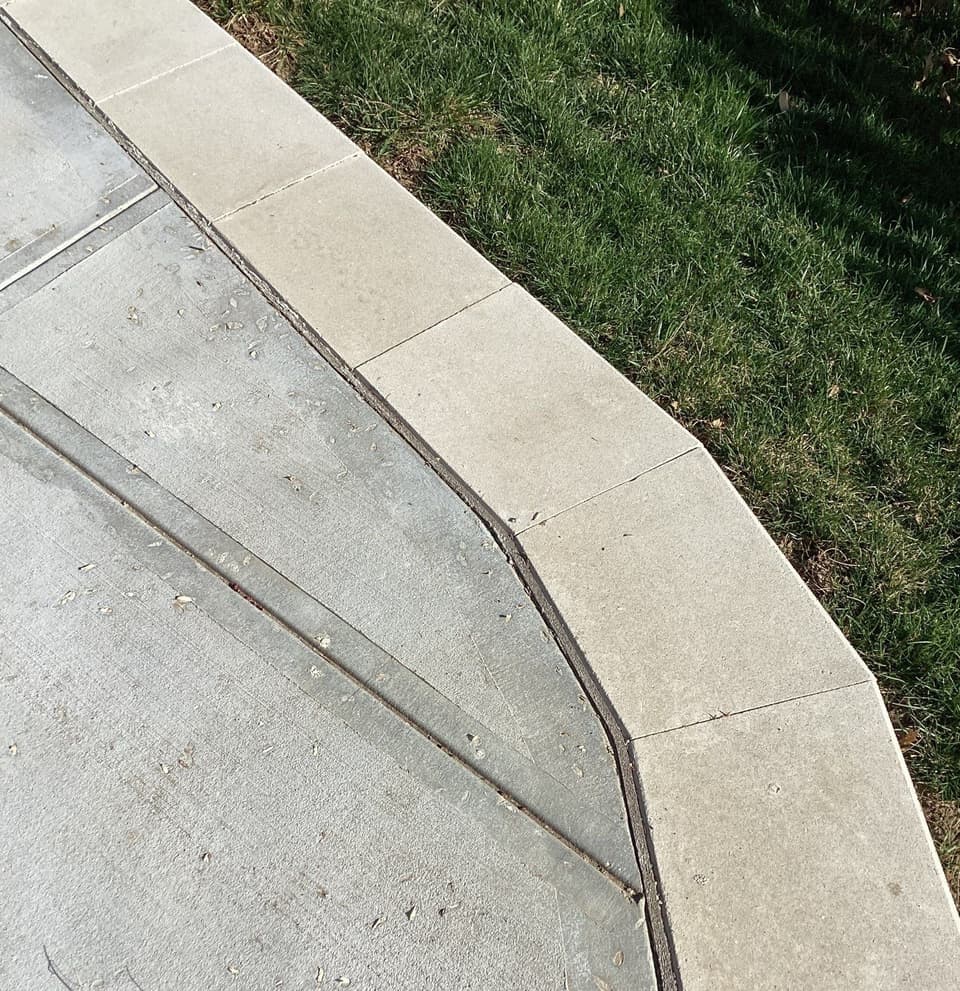
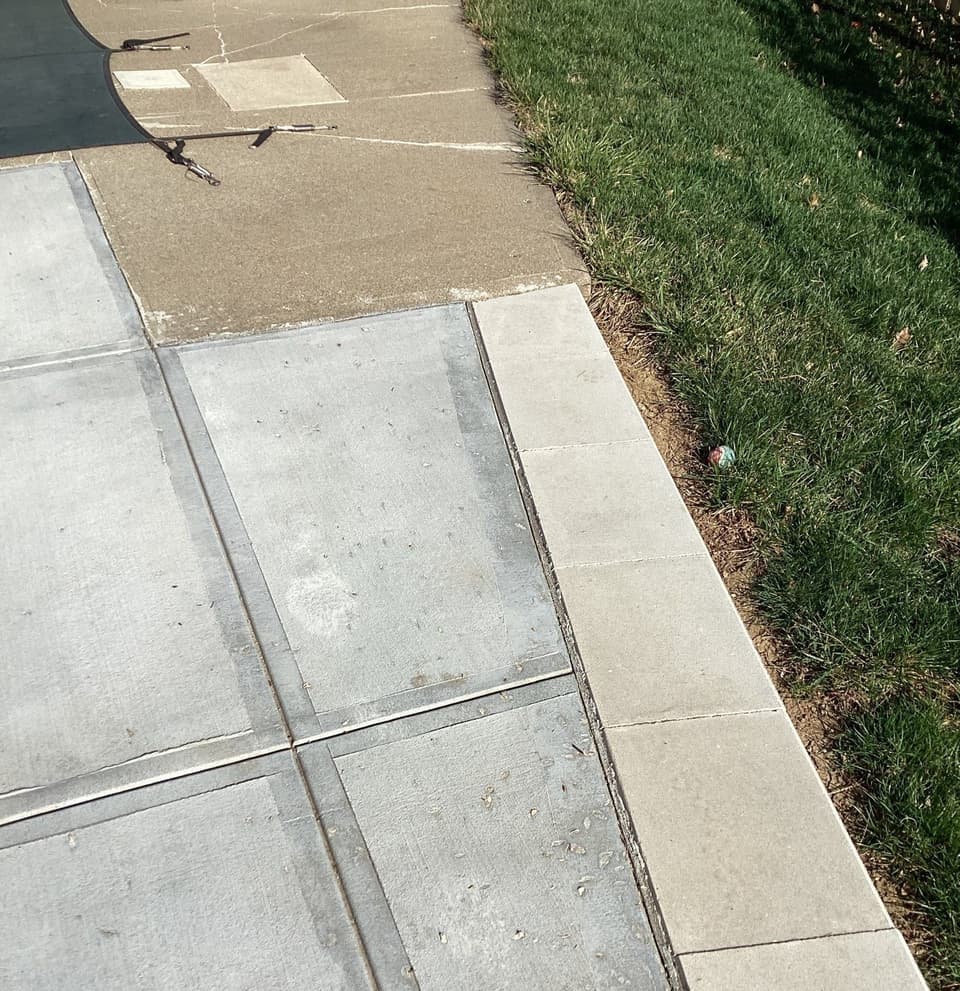
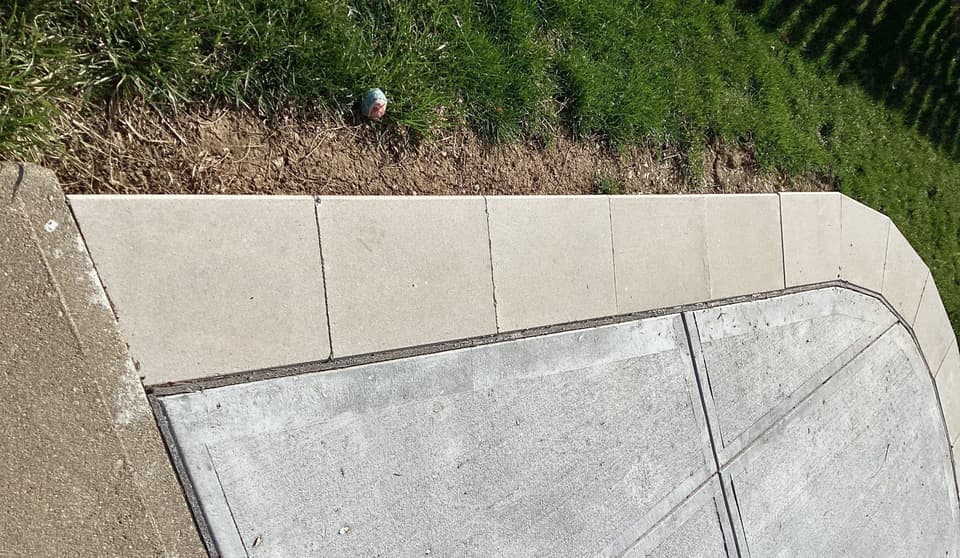
Completed work photographed on real job sites across Nebraska, Iowa, Kansas, and Missouri.
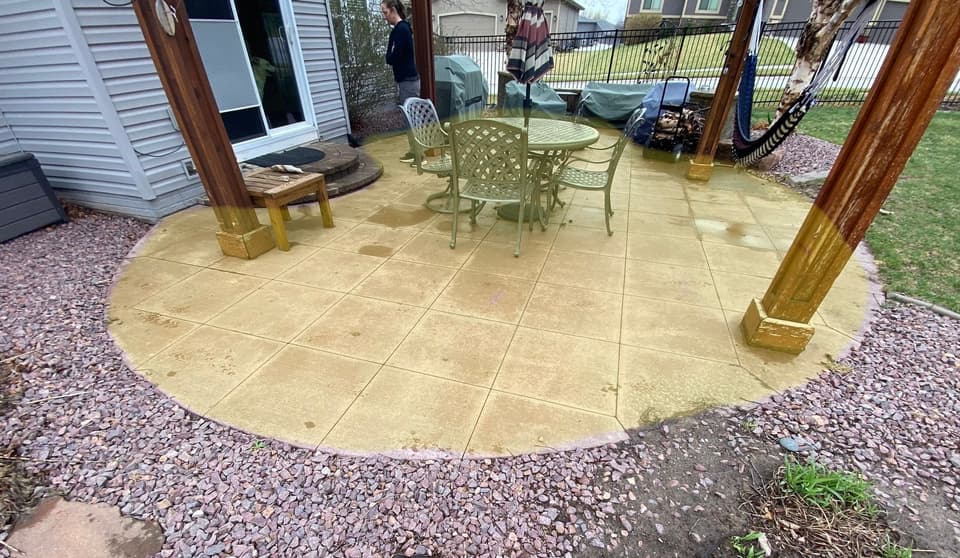
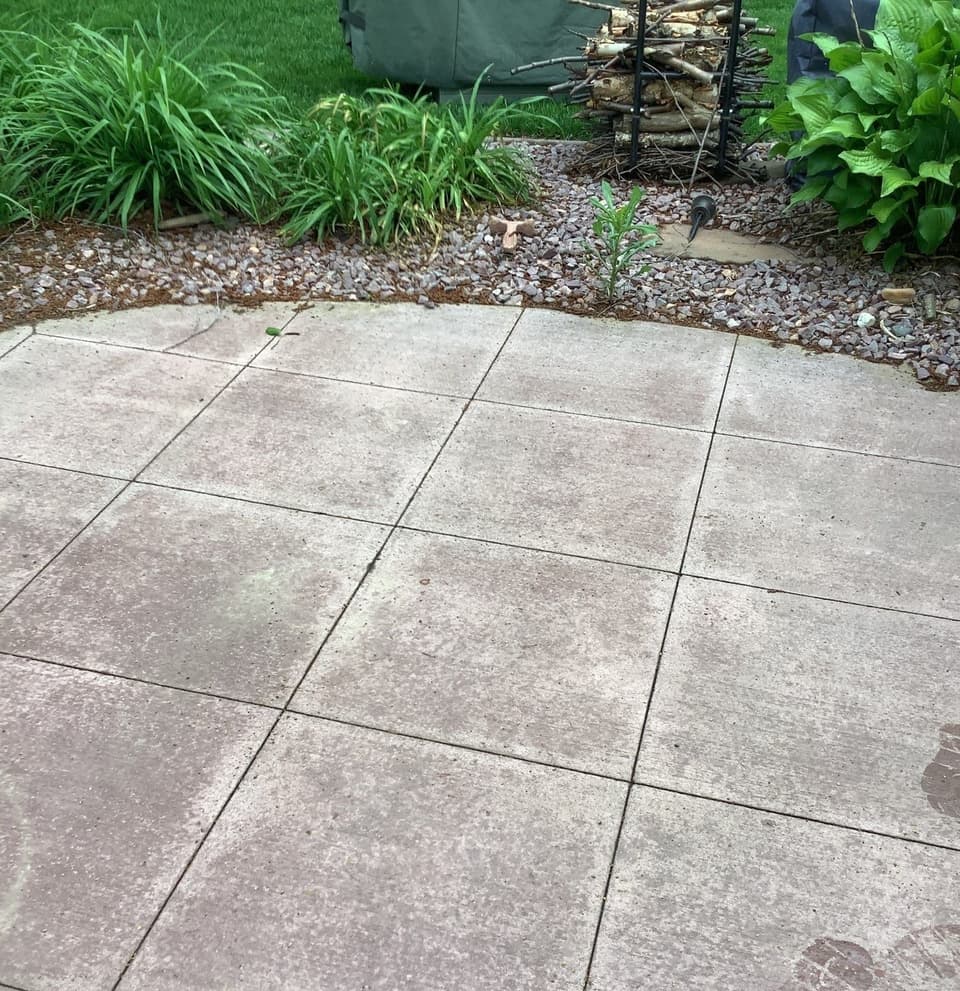
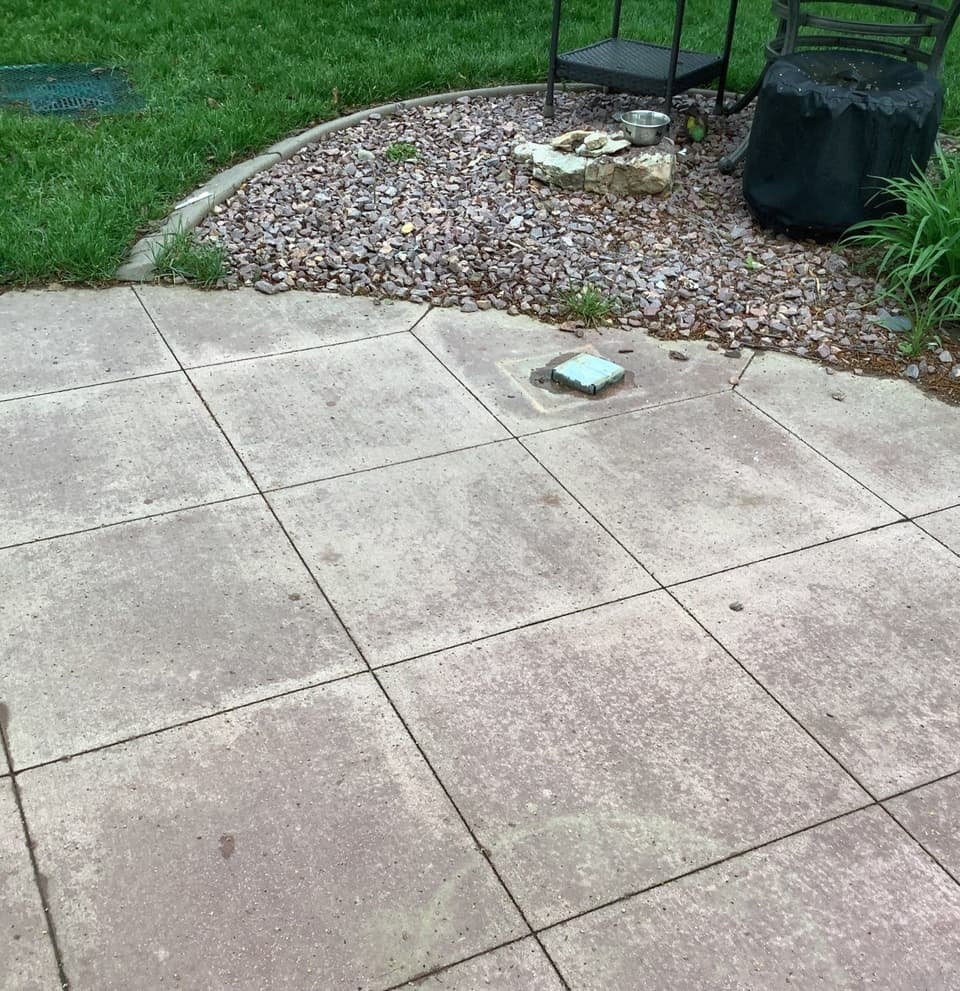
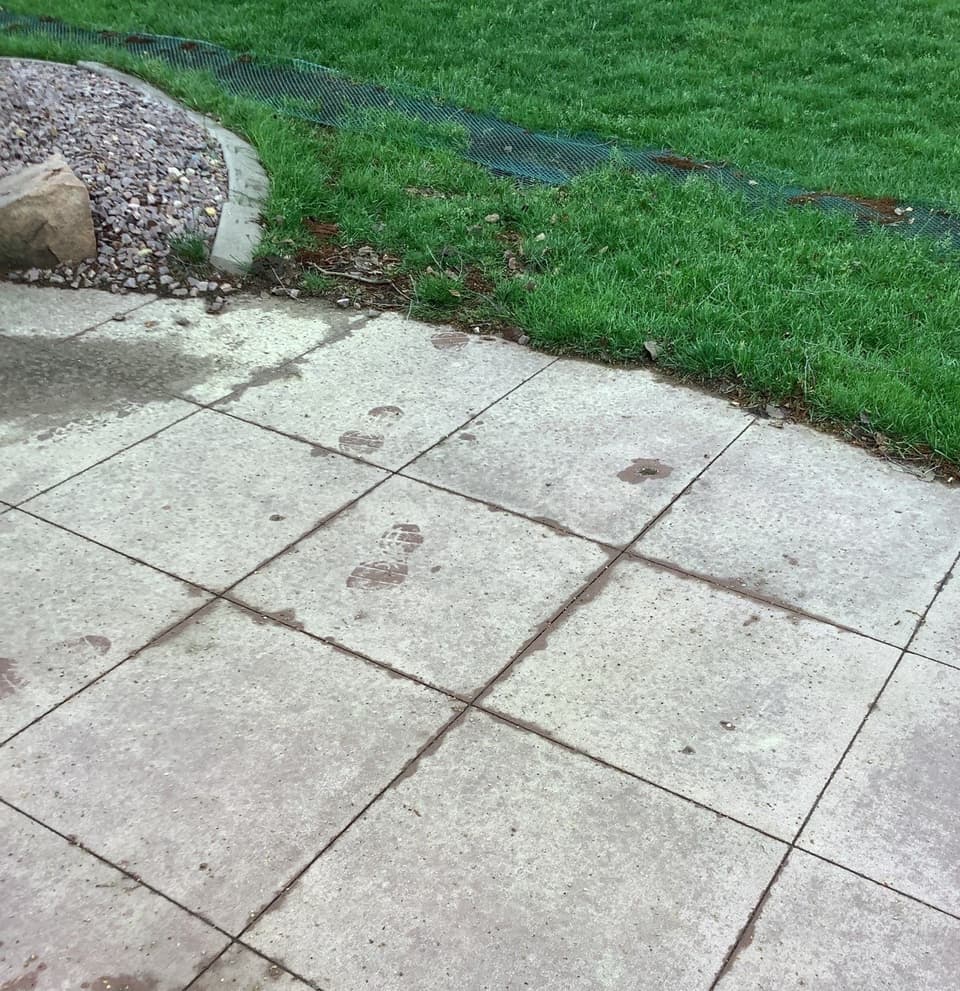
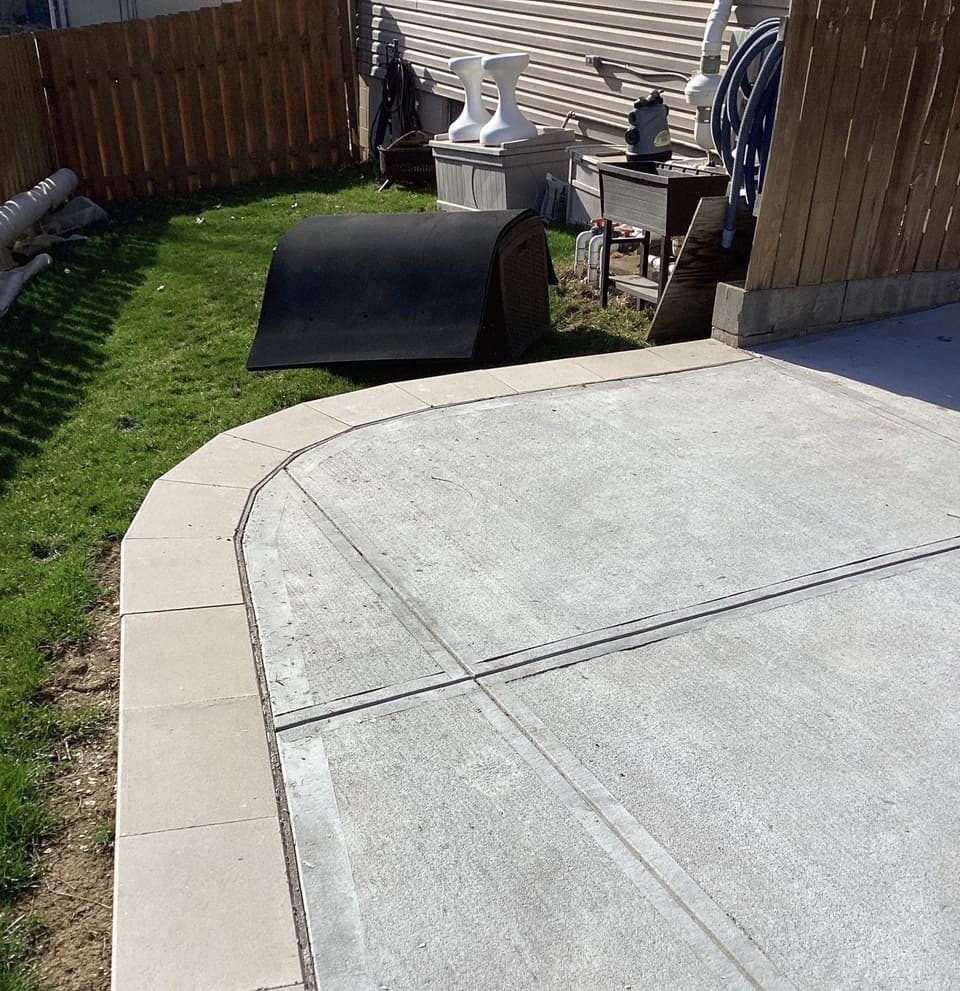
Epp Foundation Repair is locally owned and operated, with crews dedicated exclusively to foundation, basement, and concrete work across the Midwest.
Foundation repair, waterproofing, and concrete leveling are our entire focus, not a sideline.
Three decades of experience with Midwest soils, basements, and weather conditions.
Recognized by the Better Business Bureau for integrity and ethical business practices.
Many of our repairs carry a written Epp warranty. The warranty page lists every covered repair and its terms.
Don't see your question here? Our team is happy to help. Reach out anytime.
Every home is different. What a repair costs depends on the cause, the scope, and access. A free on-site inspection produces a Customized Repair Estimate that reflects your home, not a typical range.
Customized Repair Estimate after on-site inspection reflects your scope.
Lift-and-seal is the wrong scope when the slab has failed across most of the area, when load demands exceed the capability of foam or piers on the existing concrete, when sectional repair would cost more than full replacement over the asset's remaining life, or when end-of-life concrete has reached the point that further repair isn't economical. Epp also does not take new-construction projects, sign as engineer-of-record, or perform large-scale slab demo. Those scopes go to design engineers and concrete demo contractors.
Epp Foundation Repair holds a BBB A+ rating and is a BBB Integrity Award winner.
Related to what you are reading. Our team covers the same ground on camera.
Every concrete repair method we install. Sequenced so the soil profile and failure mode determine the fix.
 01
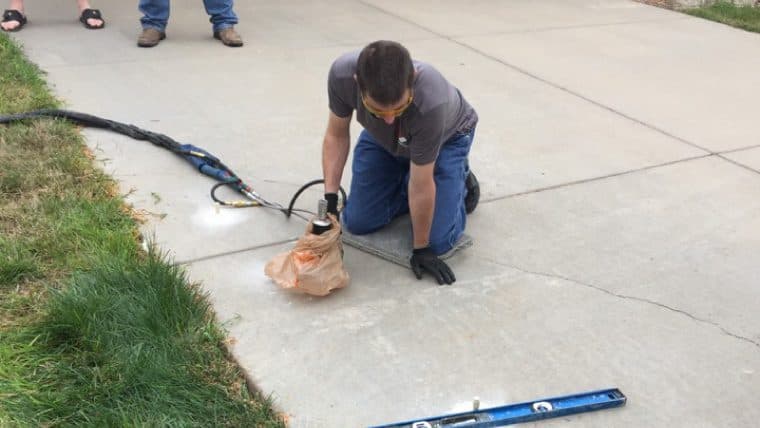
01 Concrete lifting and leveling from Epp Foundation Repair. Mid-soil polyurethane foam injection for clean residential lifts, and slab piers when the load justifies deep support; Epp does not perform mudjacking. Serving NE, IA, KS, and MO since 1994. The right scope when the slab is salvageable; when the concrete is cracked beyond repair, Epp removes the section and pours new concrete instead.
Learn more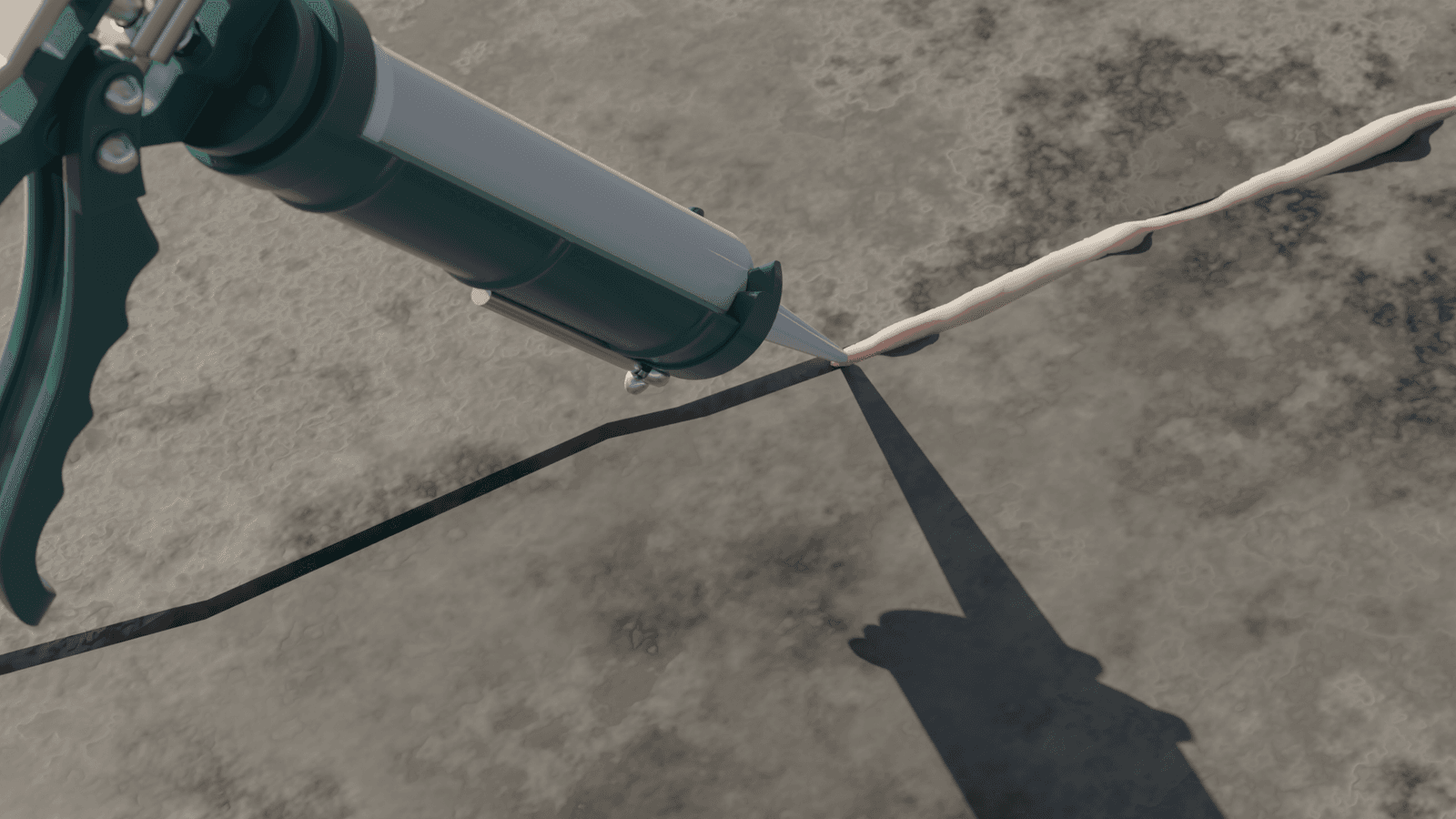 02
02 Exterior concrete crack repair from Epp Foundation Repair. Flexible polyurethane sealant on stable cosmetic cracks, foam-lift plus seal when the slab below the crack has settled, and an honest new pour when the slab is end-of-life. Driveways, sidewalks, patios, garage floors, and pool decks across NE, IA, KS, and MO since 1994. Different exposure than foundation cracks, different repair method, different scope.
Learn more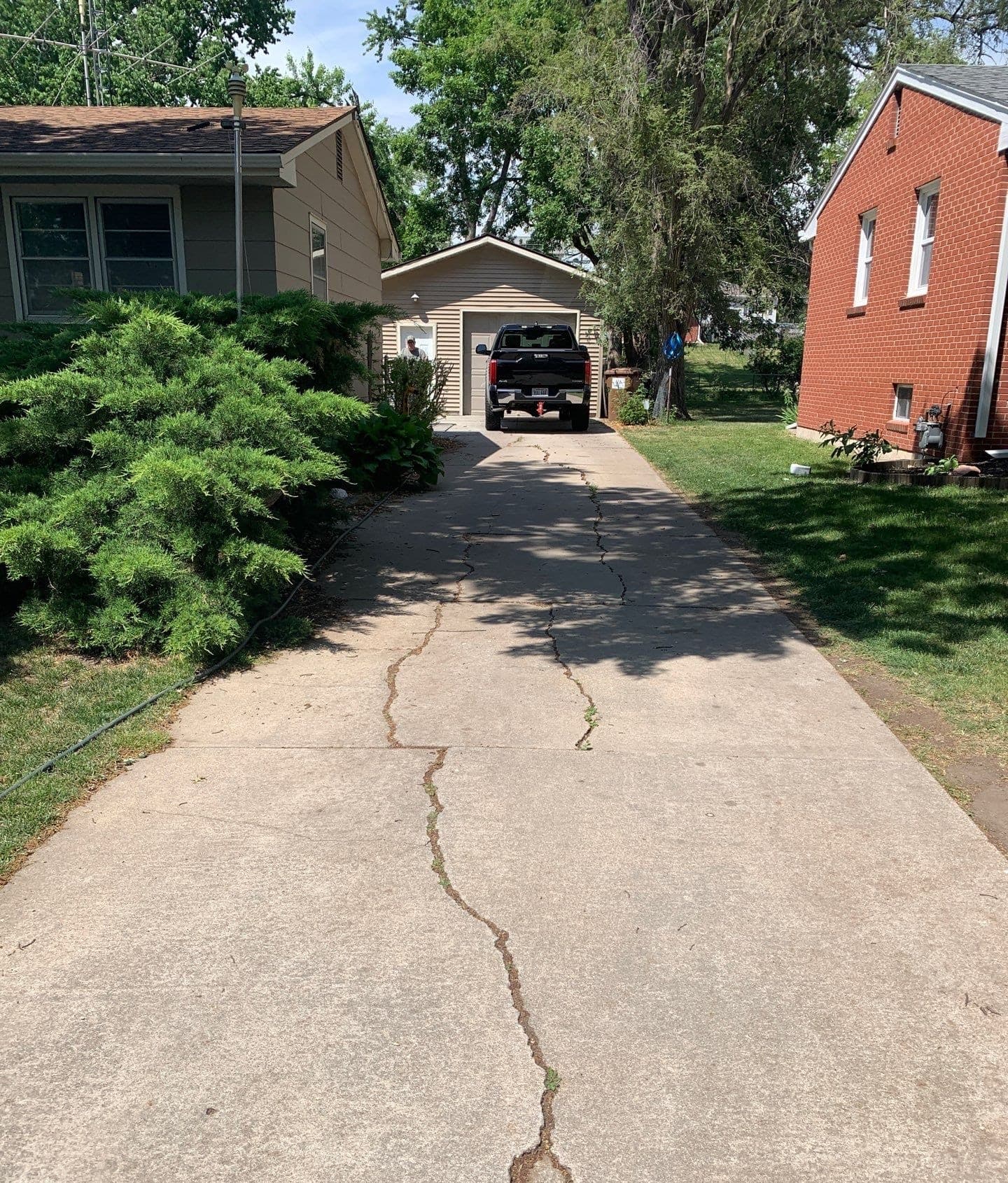 03
03 Driveway repair from Epp Foundation Repair. Settlement lift with mid-soil polyurethane foam, never mudjacking, flexible polyurethane sealing on stable cracks, honest replacement pour when sections are end-of-life. Apron-to-street settlement, edge drop, center heave, and base-failure cracking across NE, IA, KS, and MO since 1994. Combined scope: Epp lifts and seals what's salvageable, and pours new concrete on sections that need replacement.
Learn more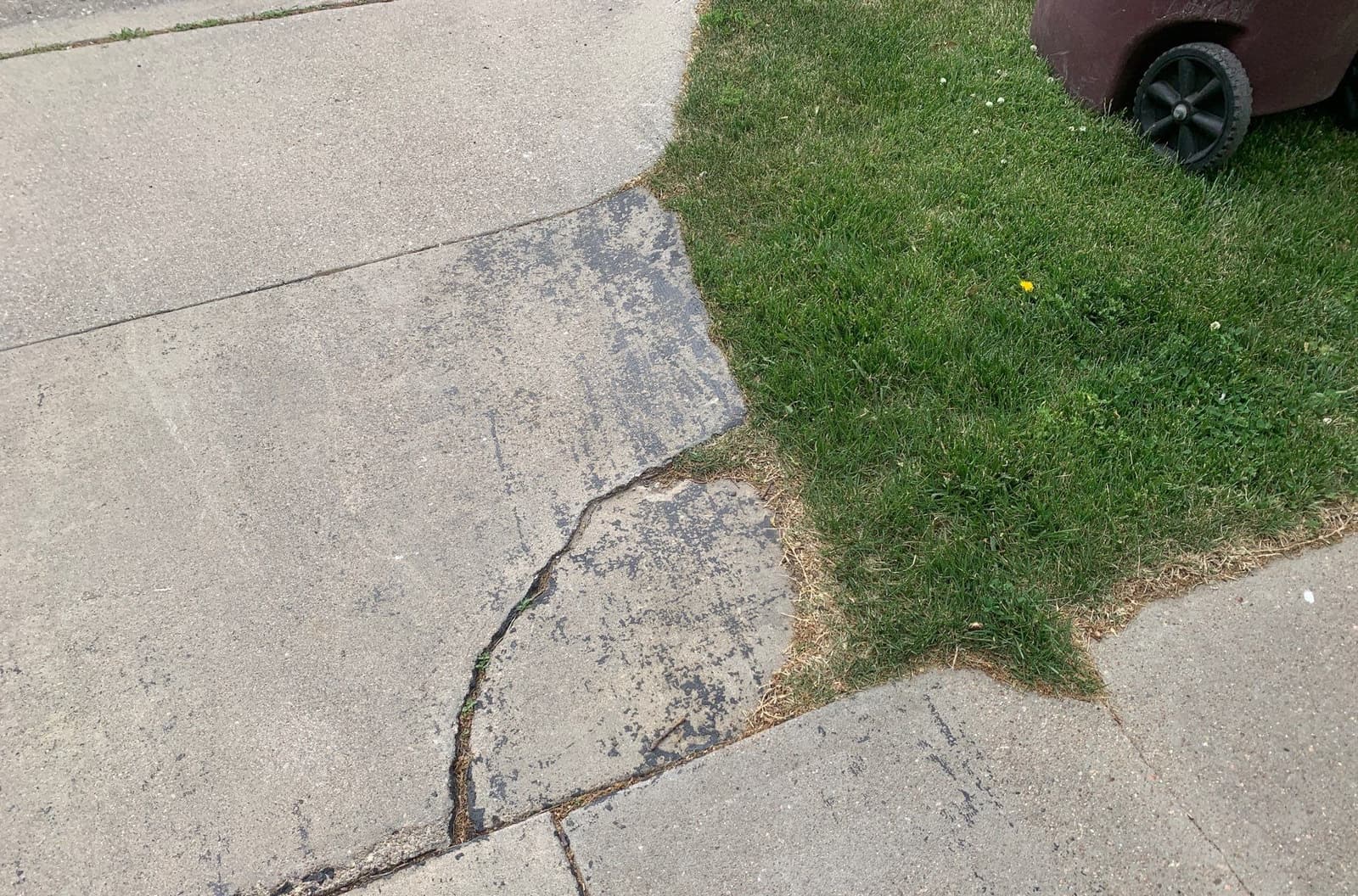 04
04 Sidewalk repair from Epp Foundation Repair. Section lift with mid-soil polyurethane foam to eliminate tripping hazards, concrete grinding on minor offsets, flexible polyurethane sealing on stable cracks, and an honest new pour when sections are end-of-life. Tree root settlement, walk-to-driveway joint drop, freeze-heave, and salt deterioration across NE, IA, KS, and MO since 1994. Liability matters. Settled public walks can be a homeowner liability under local codes.
Learn more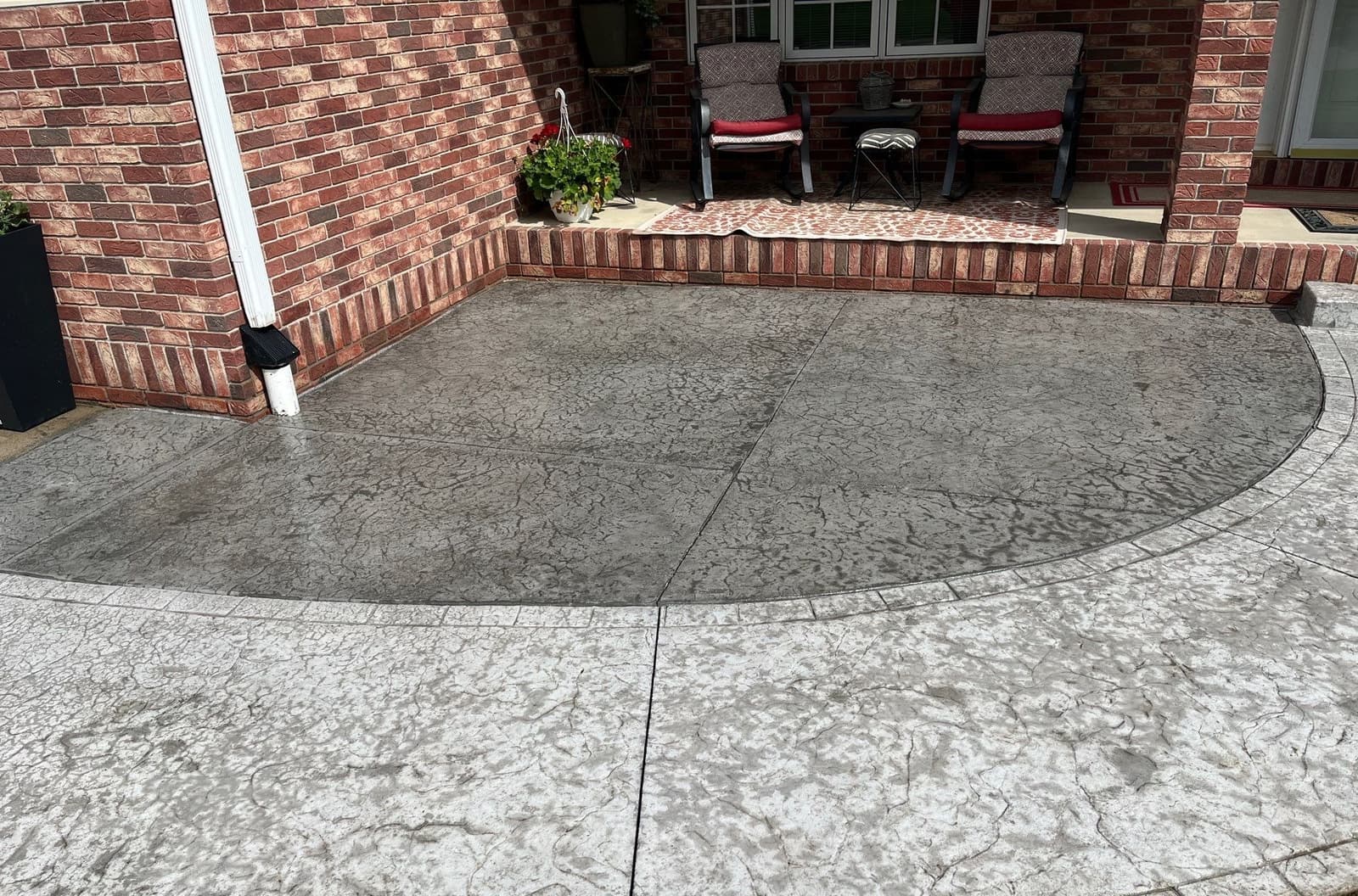 05
05 Epp Foundation Repair lifts settled patio slabs, seals working cracks, and stabilizes the soil beneath outdoor living spaces across Nebraska, Iowa, Kansas, and Missouri.
Learn more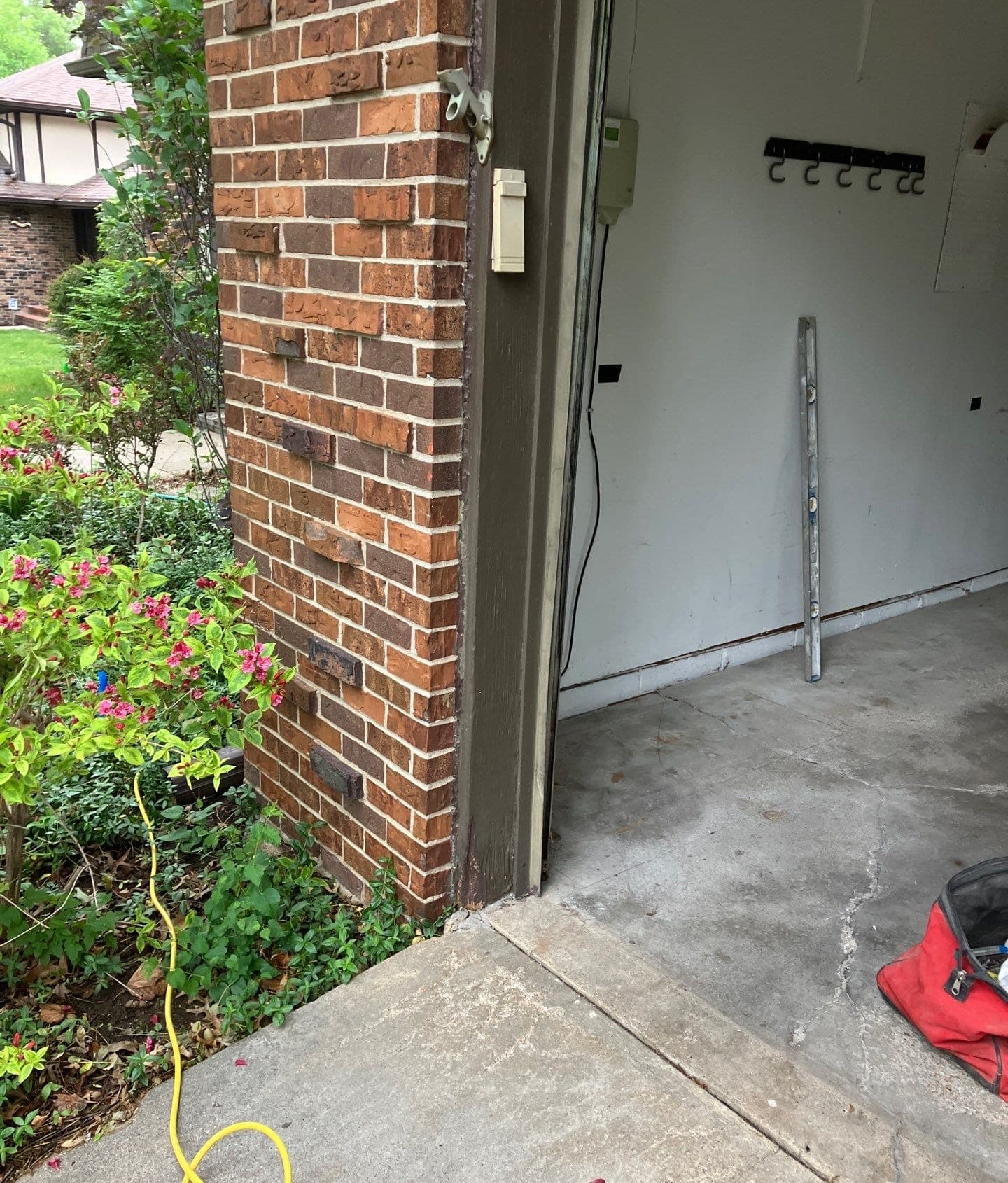 06
06 Epp Foundation Repair lifts settled garage slabs, fills voids under the concrete, and seals working cracks across Nebraska, Iowa, Kansas, and Missouri.
Learn more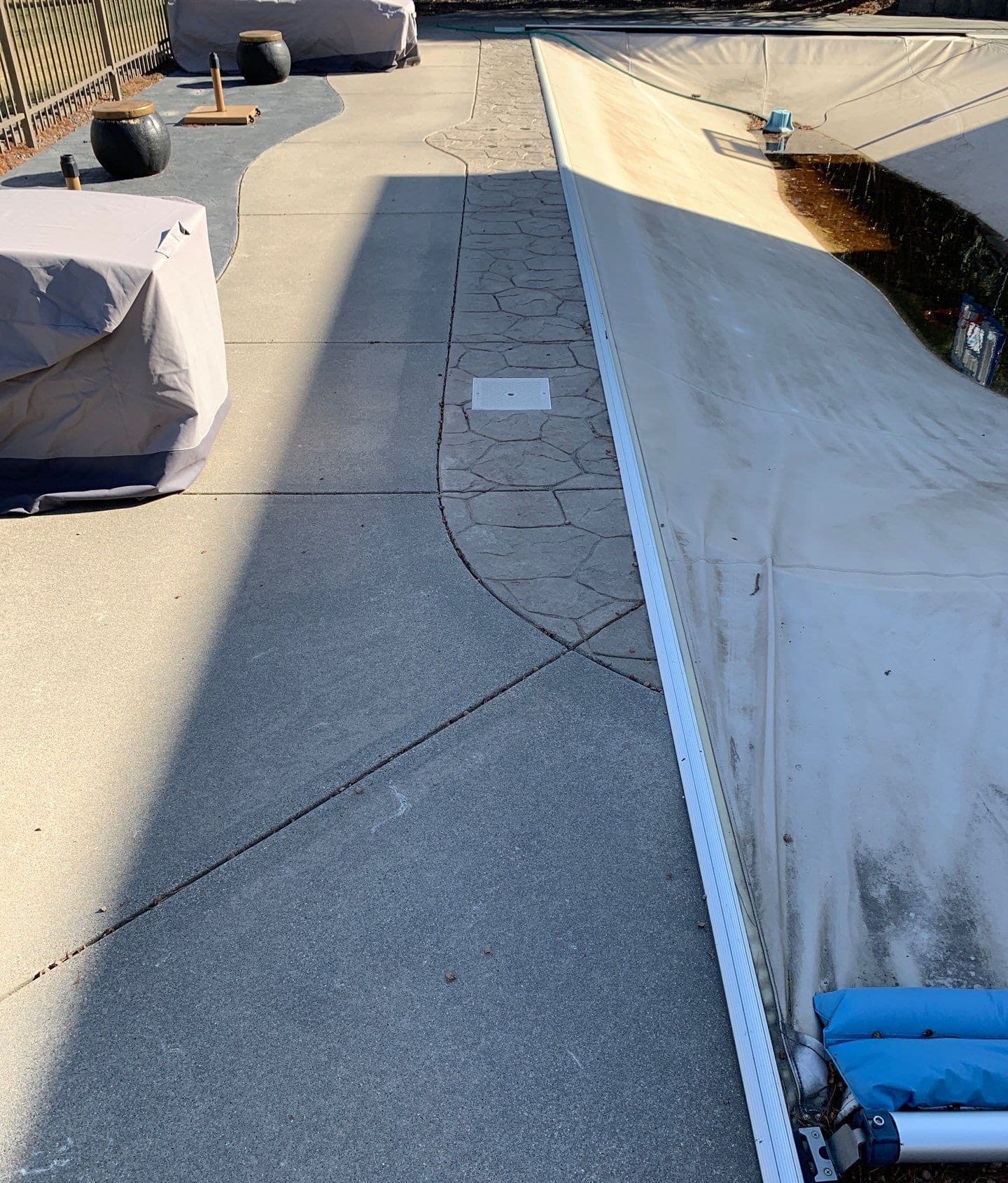 07
07 Lifting and stabilizing sunken pool deck slabs with mid-soil foam injection, plus crack and joint repair.
Learn more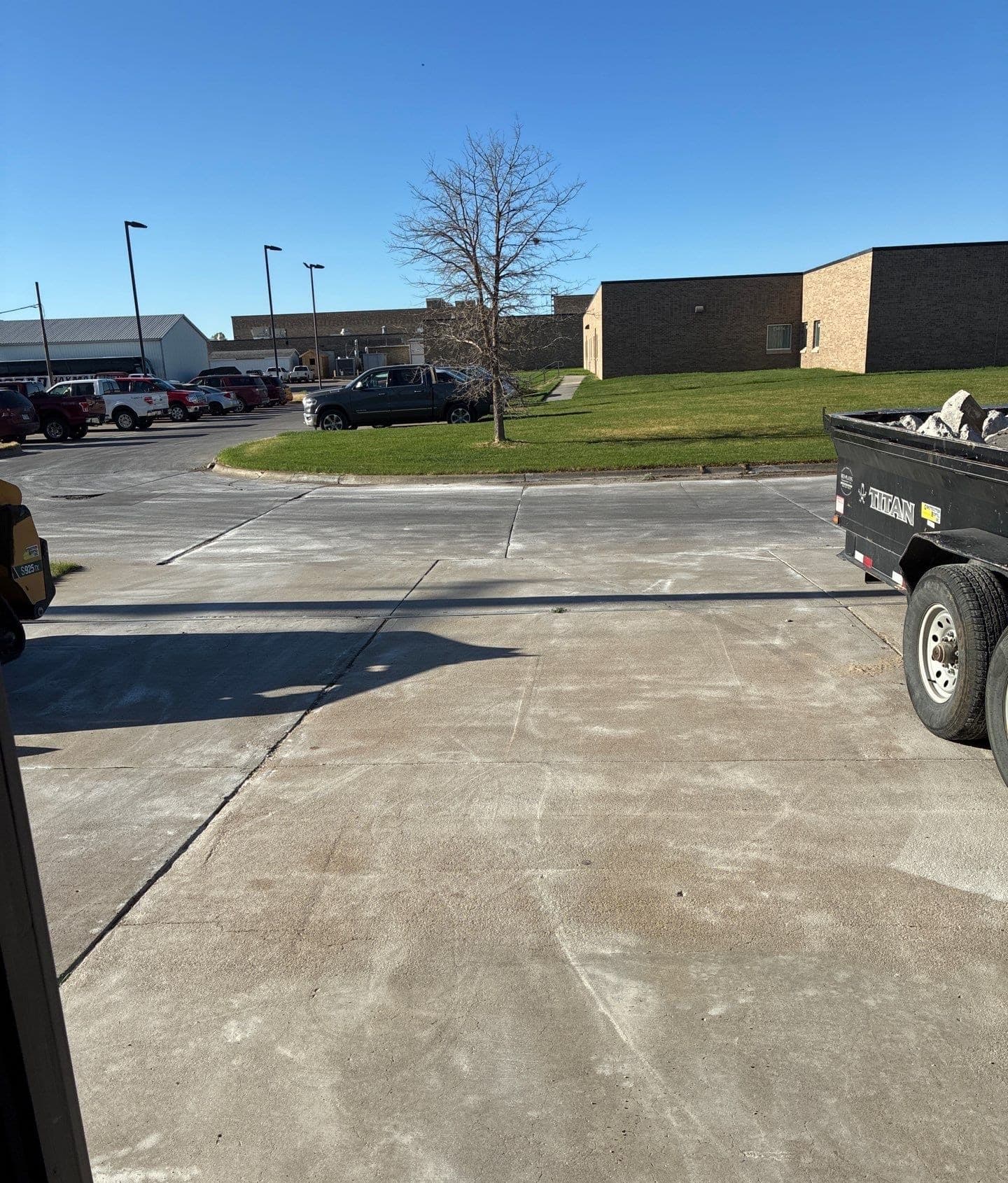 08
08 Epp Foundation Repair's free concrete inspection looks at the slab itself, probes for the void underneath it, checks the drainage and downspout placement nearby, and reads the soil context that put the slab where it is. The homeowner receives a Customized Repair Estimate, sorted into Must Do, Strongly Suggest, and Monitor, not a generic quote. Serving NE, IA, KS, and MO since 1994. Epp does not resurface concrete or install decorative overlays; those needs are referred to the right trade.
Learn moreLocal crews based in five regional offices, dispatched daily across four states. If your town isn't listed, call us: we likely serve your area.
A straightforward path from initial inspection to completed repairs.
Commercial inspector walks the affected areas with the site manager and a laser level, documents settlement, and identifies load class per zone. Structural engineer brought in when code review or load class requires it.
The Customized Repair Estimate identifies method per zone (foam, slab piers, or crack and joint repair), pier count and depth where applicable, scheduling windows, and any temporary load restrictions during cure.
Crew, equipment, and materials staged to minimize footprint on operations. Epp sometimes offers night, weekend, or section by section scheduling on commercial jobs; it is not a standard offer.
A 4.9-star average across Google, with verified reviews from homeowners throughout Nebraska, Iowa, Kansas, and Missouri.
Schedule your inspection in seconds with our Driive booking tool, or share a few details and a local specialist will follow up within one business day.
Practical articles from the Epp team on foundation health, waterproofing, and home preservation.
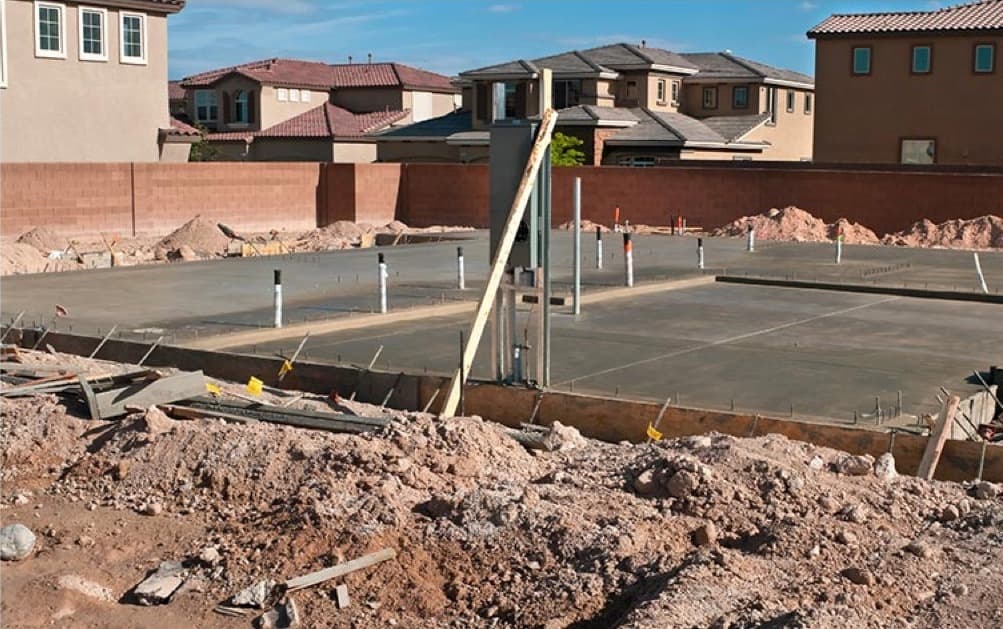 Concrete RepairLatest
Monolithic and floating slab foundations are built differently and behave differently in the soil. Learn how each works and how they are repaired.
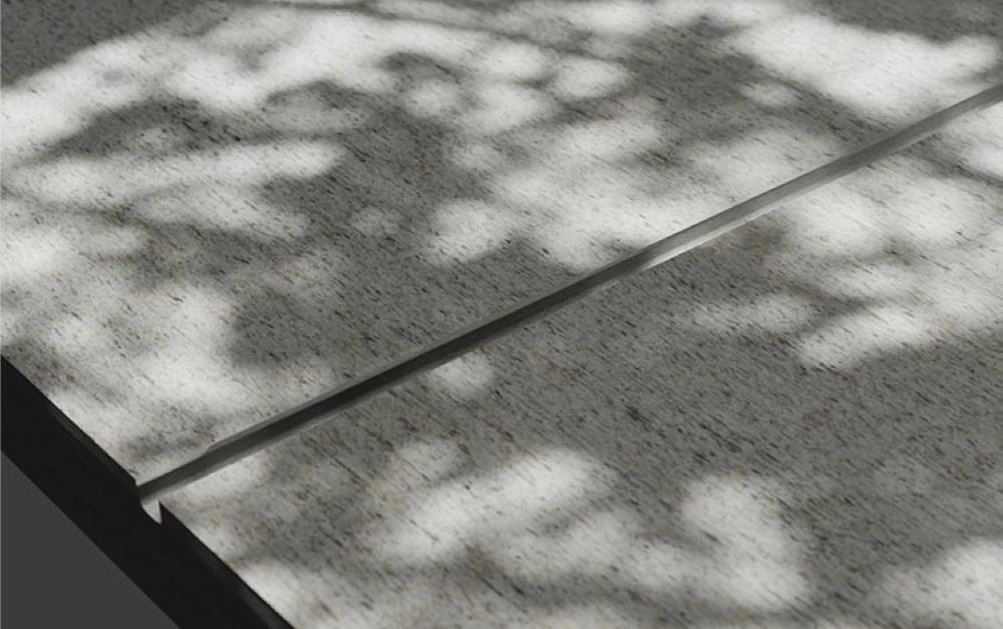 Concrete Repair
Control joints and expansion joints both protect concrete, but they work differently. Learn how each one functions and when to use them.
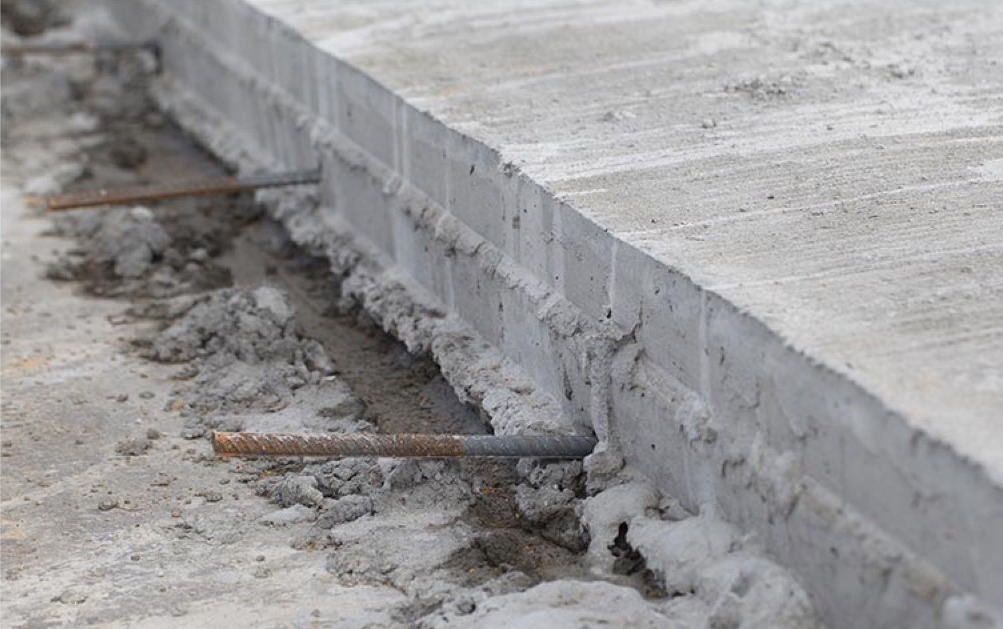 Concrete Repair
Post-tension slab foundations use tensioned steel cables to resist cracking. Learn how they work, their pros and cons, and common repairs.
 Concrete Repair
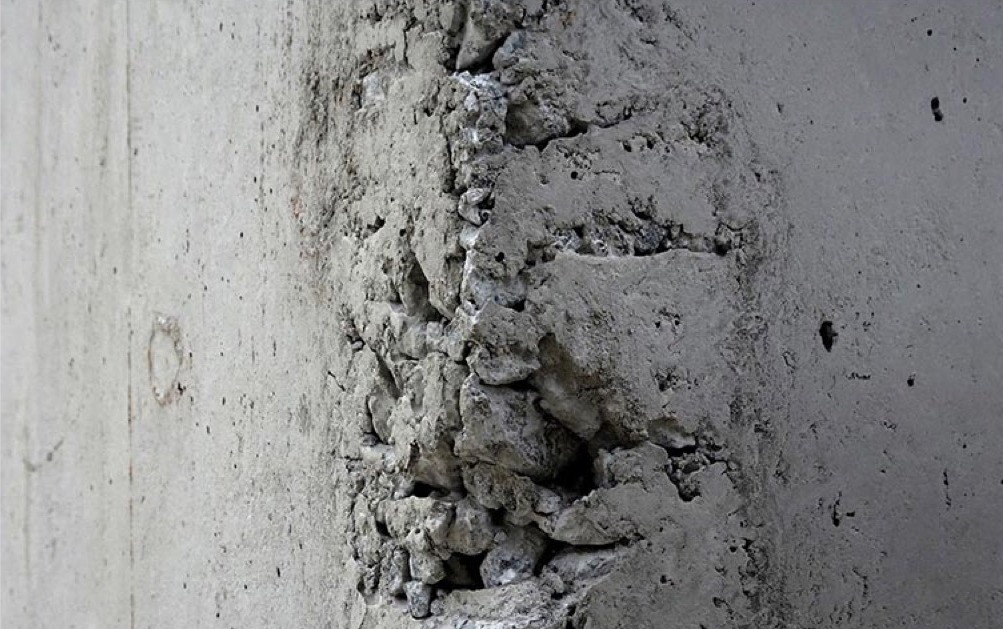
Honeycombing is a common concrete defect caused by poor mixing, compaction, or pouring. Learn what causes it, its risks, and how it gets repaired.
