
Estimate Only
Approximate pricing
Customized Repair Estimate after on-site inspection reflects your scope.

Most basement cracks need polyurethane to stop the leak and epoxy to restore structural bond. Serving Nebraska, Iowa, Kansas, and Missouri since 1994, Epp Foundation Repair injects sequentially when the diagnosis calls for it, monitors active cracks with a gauge before injecting, and recommends carbon fiber or pier work first when the crack is widening rather than stable.

A local specialist will inspect your foundation, walk you through the findings, and send a clear estimate, no cost, no pressure.
Diagnosis First
Basement crack repair seals and, where needed, structurally bonds a leaking basement wall crack after the movement and leak pattern are diagnosed. Most leaking basement cracks in this region need both, polyurethane injected first to stop the water, epoxy injected after to bond the concrete, while a widening crack needs reinforcement before any injection at all.
In Depth
Everything a Midwest homeowner should know about this repair, from the specialists who do it every day.
And the diagnosis decides the order. Polyurethane alone stops the leak but leaves no structural bond, which is fine on a non-structural shrinkage crack and a problem on a settlement-driven crack. Epoxy alone bonds the structure but doesn't seal the leak path under hydraulic pressure, which is fine on a dry crack and a problem on an actively leaking one. Most basement cracks in Nebraska, Iowa, Kansas, and Missouri sit in the middle, leaking under spring hydrostatic load and carrying enough structural meaning that polyurethane alone leaves the wall weaker than it should be. Epp Foundation Repair injects polyurethane first to stop the active leak, then epoxy after the crack dries to bond the structure. Sequential, not either-or. The scope covers diagnosis, a crack monitor if needed, polyurethane injection, epoxy follow-up, and a written warranty. The diagnosis decides which.
This page covers basement-specific water-driven crack repair: the leaking poured-concrete crack, the seeping block joint, the hydrostatic-pressure crack that opens every spring. The companion page at /foundation-repair/foundation-crack-repair/ covers all crack types broadly: settlement cracks, shrinkage cracks, structural cracks across the foundation system, including non-basement contexts like garage slab cracks, exterior wall cracks, and stem wall cracks. If your crack is leaking, this page is the right one. If your crack is dry but you're tracking movement, the foundation-repair crack page is the right one.
A crack that's actively widening is not a crack that gets injected. Injection bonds the crack as it exists today; if the wall is moving, the injection can fail at the same crack or nearby. Epp Foundation Repair installs a glass or plastic crack monitor on any crack where active movement is suspected and re-measures it over time before committing to injection.
Polyurethane and epoxy are often treated as alternatives. The answer for most basement cracks is both, in sequence. Polyurethane foam injection is hydrophilic. It foams aggressively in the presence of water, expanding to fill the crack and seal against active hydraulic pressure. The foam cures flexible, which lets the seal absorb minor wall movement without cracking the repair. Specified first when a crack is actively leaking, because it's the only injection product that works against water flow. Epoxy injection is structural. It bonds two faces of a stable, dry crack with a high-strength resin that cures harder than the parent concrete. Specified on a dry, stable crack where structural bond is the goal. The sequence Epp uses on most leaking basement cracks. Step one is polyurethane injection to stop the active leak and seal the crack against further water intrusion. Step two is a cure and dry-out period. Step three is epoxy injection through the same ports, displacing or bonding to the cured polyurethane and adding structural bond across the crack face. The sequential approach addresses both the leak and the structural bond in the same scope of work. ## Carbon Fiber Reinforcement for Block Walls and Active Cracks
Block walls don't behave like poured walls. A horizontal crack in a block wall is rarely a shrinkage crack; it's almost always a lateral pressure crack from expansive clay or hydrostatic load against the exterior. Injection alone on a block-wall horizontal crack solves nothing because the wall is still under load that can reopen the crack. The right tool is carbon fiber strap reinforcement: unidirectional carbon fiber bonded vertically across the crack and epoxied to a prepared block surface, which stabilizes the wall against further bowing or crack propagation. Vertical cracks in block walls are sometimes injectable (if shrinkage or minor settlement) and sometimes not (if active wall movement). Diagnosis decides. Same rule as poured walls. Crack monitor when in doubt.
The single most important honesty on this page. Targeted crack repair works for ISOLATED leaking cracks. One crack, two cracks, occasionally three. When a basement has many leaking cracks, or when the seepage is wall-wide rather than crack-specific, or when the cove joint is leaking along the full perimeter, the right tool is full interior waterproofing. That means drain tile at the cove, sump pump sized to contributing area, and a wall vapor barrier, not crack-by-crack injection. Epp Foundation Repair will say so on the inspection. Injecting a hairline cosmetic shrinkage crack is also the wrong scope. Concrete shrinks as it cures, which on a long poured wall often produces a hairline crack. Hairline cracks this narrow are rarely water entry points, because surface tension holds the water out. Epp will tell you. Injecting a widening crack is also the wrong scope: if the crack is moving, the repair fails. Reinforcement (carbon fiber, wall anchor) or settlement work (pier) comes first. Injection is the last step after the movement source is addressed.
Crack inspection and monitor. Visual inspection notes crack width (with a crack gauge or feeler), crack length, leak rate during recent rain or active leak, surrounding wall condition, and any indicators of movement (offset, displacement, secondary cracking). A glass or plastic crack monitor is installed if movement is suspected and re-measured over time before committing. Surface prep and port installation. Crack is cleaned with a wire brush and compressed air to remove loose concrete and prior caulk. Mechanical injection ports (plastic nipples) are surface-mounted along the crack at a spacing set by crack width. The crack between ports is sealed with a surface paste (fast-set epoxy) to contain the injection material. Polyurethane injection to stop the leak. Polyurethane resin is injected through the lowest port first, working upward as foam emerges from the next port up. Foam expansion fills the crack from the back of the wall to the front, sealing against any active hydraulic pressure. Each port is sealed off as the next one begins to bleed. Cure and re-inspect. After a cure period, the wall is re-inspected after the next significant rain event to confirm the leak is stopped. If any port shows residual seepage, the port is re-injected. Epoxy injection for structural bond. Same port array is used to inject epoxy resin, displacing or bonding to the cured polyurethane and creating a continuous structural bond across the crack face. Injection works lowest-port-up. Port removal and finish. Surface ports are snapped or ground off at the wall plane. Surface paste is ground flush. Wall is left ready for paint, drywall, or finish framing, depending on the homeowner's plan. Written warranty documents the crack location, injection sequence, and materials used.
Eastern Nebraska and western Iowa loess soil over glacial till applies hydrostatic load against basement walls in spring when the perched water table rises. That load opens hairline shrinkage cracks in poured concrete walls just enough to admit water. Polyurethane is the right first injection here because it works under active hydraulic load. Kansas and Missouri expansive clay applies lateral pressure against block walls that can open horizontal courses. That's carbon fiber strap territory, not injection territory. Across the four-state region, repeated freeze-thaw cycles each winter open and close existing cracks, which is why epoxy bond (which cures rigid) is paired with polyurethane (which cures flexible). The polyurethane absorbs the freeze-thaw movement that would otherwise crack the epoxy.
Epp injects cracks and installs carbon fiber. Three adjacent scopes Epp does not perform. Exterior excavation to install a membrane on the outside of a single crack. That's exterior waterproofing scope, covered on a separate page, and rarely the right call when interior injection works. Surface caulking of cosmetic hairline cracks. Settlement repair (pier installation) as part of a crack scope. If the crack indicates settlement, the pier work is the primary scope and the crack repair follows; Epp quotes both but separates the scopes so the homeowner understands which work is doing which job.
Customized Repair Estimate after on-site inspection reflects your scope. Epp Foundation Repair is BBB A+ accredited and a BBB Integrity Award winner. When the crack count justifies it, Epp recommends full basement waterproofing instead of per-crack repair.
Which Solution Is Right?
| Method | Fits when | Not a fit when | Warranty |
|---|---|---|---|
| Polyurethane foam injection | The crack is actively leaking; the foam is hydrophilic and expands against water flow to seal it. | The goal is structural bond alone, since cured foam is flexible and adds no strength. | 2 years, water will not seep through the repaired area |
| Epoxy injection | The crack is dry and confirmed stable, bonding the two faces into a unit stronger than the surrounding concrete. | The crack is still wet or actively leaking, since epoxy does not seal against active water pressure the way polyurethane does. | 2 years, water will not seep through the repaired area |
| Sequential polyurethane then epoxy injection | A crack that is both leaking and structurally significant, needing the leak stopped first and the concrete bonded after. | The crack only needs one or the other, such as a dry stable crack (epoxy alone) or a leak with no structural cause (polyurethane alone). | 2 years, water will not seep through the repaired area |
| Carbon fiber strap reinforcement | A horizontal block-wall crack under lateral pressure, or any crack where the wall is still under active load. | The crack is stable and the wall is not under ongoing lateral or settlement load. | Lifetime of the structure, stabilization only, on walls bowed 3 inches or less and anchored corner to corner |
Warranty terms above are the headline coverage and its governing condition. Full terms, exclusions, and owner responsibilities for every method are on Epp's warranty terms page.
Each method is matched to a specific failure mode and soil profile. Browse the toolkit we draw from when diagnosing your home.
Epp Foundation Repair has injected foundation cracks across Nebraska, Iowa, Kansas, and Missouri since 1994, and uses sequential polyurethane plus epoxy when one alone won't hold.
When the fill under a slab-on-grade foundation or a footing consolidates or washes out, Epp Foundation Repair injects structural polyurethane foam into the soil beneath it to restore support and attempt lift. Stabilization is guaranteed; lift is attempted, never promised.
Epp Foundation Repair has reinforced bowed walls across Nebraska, Iowa, Kansas, and Missouri since 1994. No interior steel, no excavation, no lost basement space.
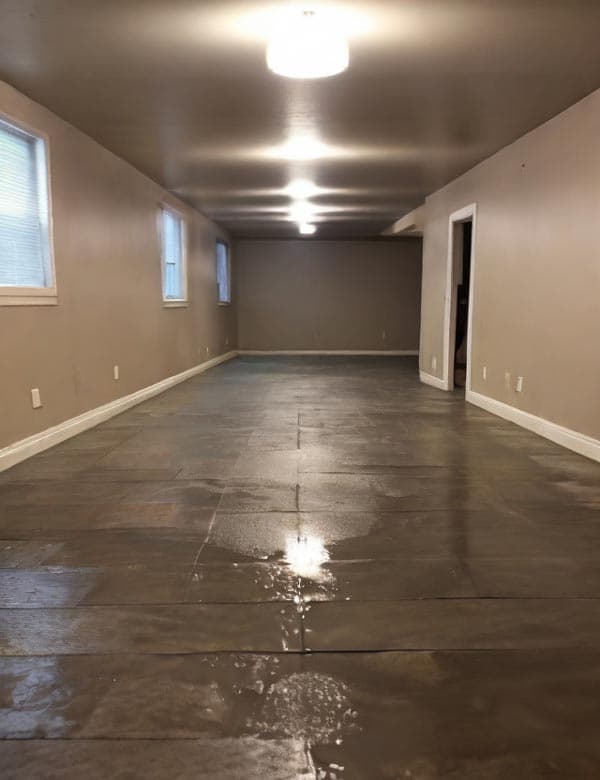
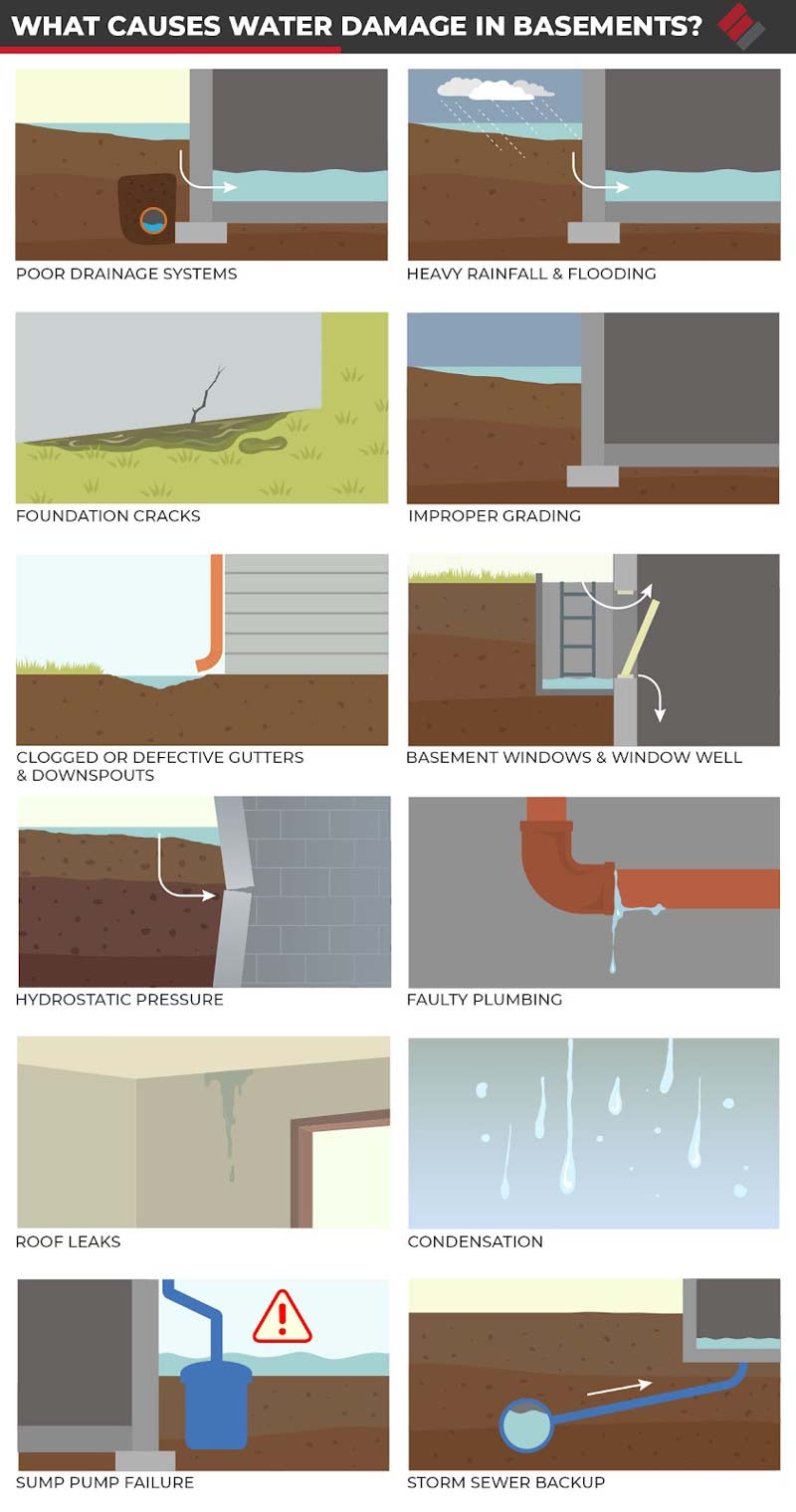
Rain and melting snow soak into the soil around a basement. When that water cannot drain away, it can press against the walls and floor and find a way in through cracks and joints.
Based on NOAA 1991 to 2020 climate normals for Lincoln Municipal Airport and Omaha Eppley Airfield.
Based on USDA soil survey data for Lancaster County (Lincoln) and Douglas County (Omaha), clay is the main soil type in both counties. The survey rates Lancaster County high and Douglas County moderate for shrink swell. Clay can swell when it gets wet and shrink as it dries, so a slab or foundation on clay can move up and down with the seasons. The soils that cover the most ground in Lancaster County are Wymore and Aksarben, and in Douglas County they are Contrary and Marshall.
Loess, the wind deposited silt common in eastern Nebraska and western Iowa, can lose strength and settle when it gets wet. Water can reach it from runoff, a plumbing leak or a downspout that empties next to the house.
In Lincoln and Omaha, soil near the surface can freeze and thaw many times between fall and spring. Each city's building code sets a frost line depth, which is the minimum depth below finished grade for a footing. It is 36 inches in Lincoln and 42 inches in Omaha. Supports that sit above that depth, such as some porches, stoops and chimney footings, can move as the ground freezes and thaws.
Horizontal cracks in a basement wall are more often linked to pressure from the soil outside the wall than to settlement. Wet soil pushes harder against a wall than dry soil, and soil that freezes against the wall can add to that pressure.
Climate: NOAA U.S. Climate Normals 1991 to 2020, LINCOLN MUNI AP (USW00014939) and OMAHA EPPLEY AIRFIELD (USW00014942), retrieved September 30, 2026. Soil: USDA NRCS Soil Data Access (SSURGO), county survey for Lancaster County and Douglas County. Frost line depth: Lincoln Municipal Code 20.12.140 and Omaha Municipal Code Sec. 43-127.
These are the basement waterproofing problem signs Epp Foundation Repair diagnoses most often. Each one links to what causes it and how it is repaired.
Our specialists evaluate the underlying cause before recommending any work. Inspections are at no cost and there's no obligation to proceed.
"Polyurethane or epoxy is the wrong question. The right question is what does this specific crack need, and the honest answer on most basement cracks I see is both. Polyurethane stops the leak this week. Epoxy bonds the structure next month. We've used this sequence since the late nineties because it's the only one that actually closes both problems."

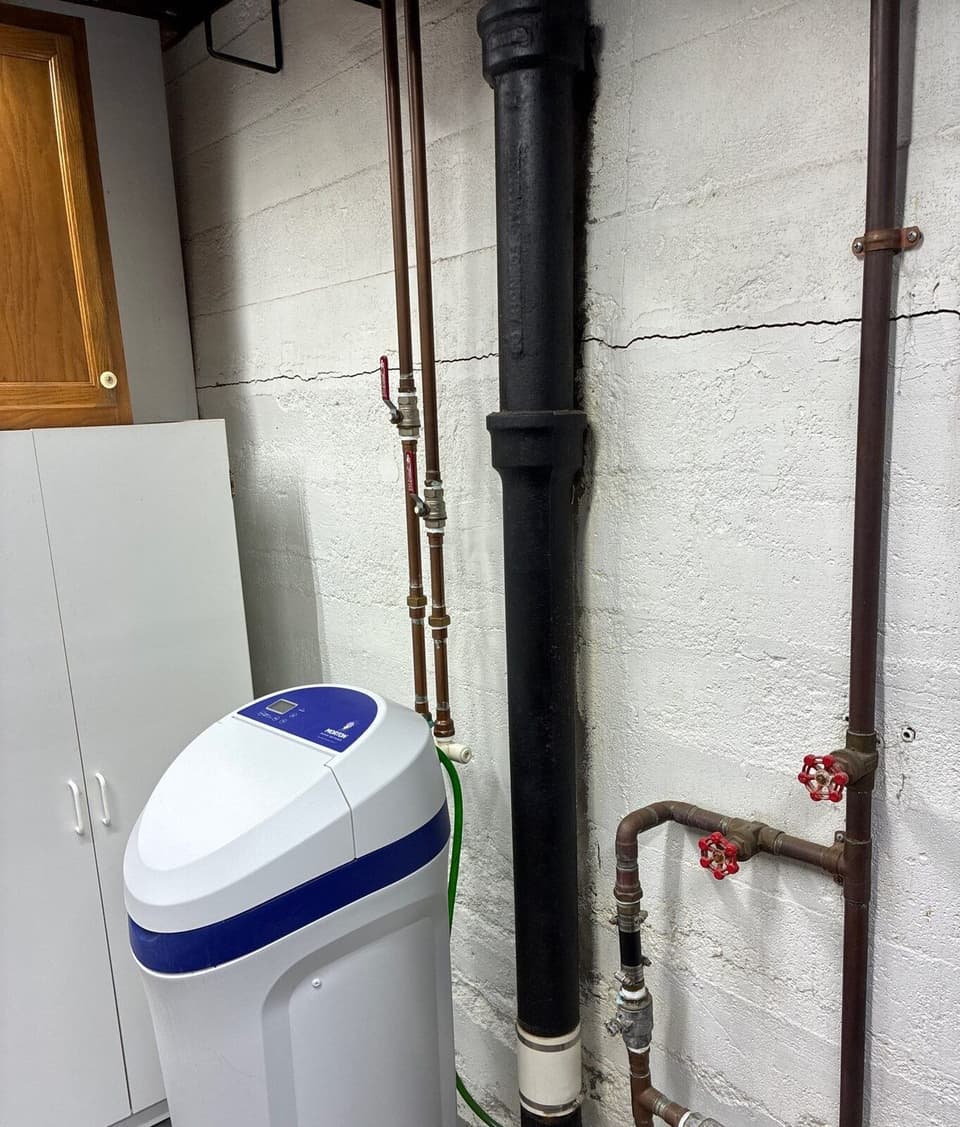
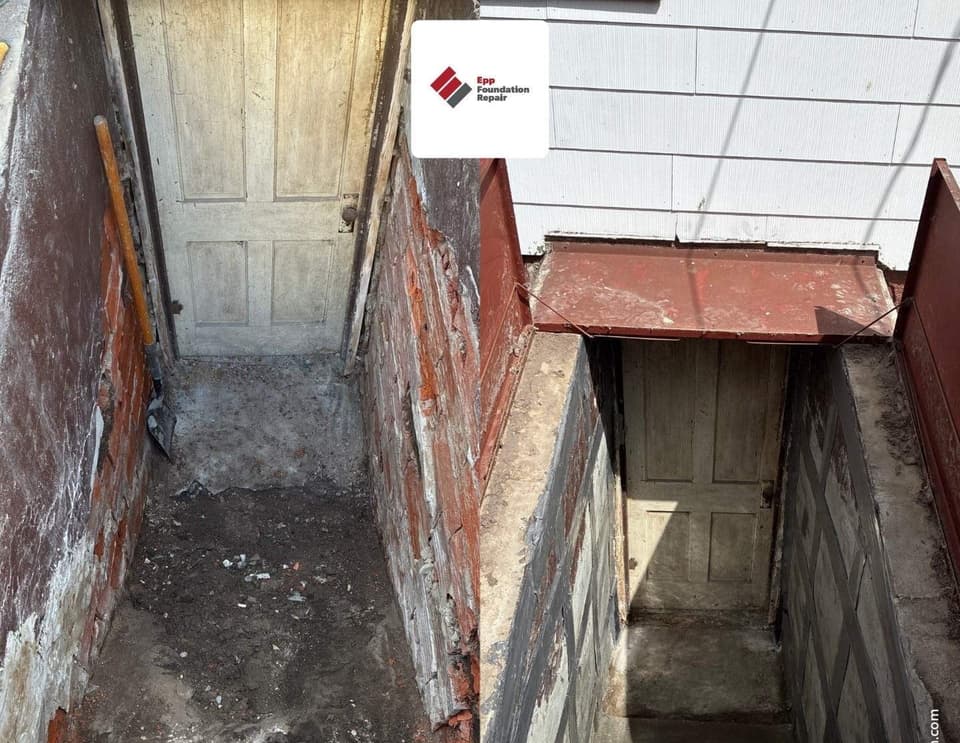
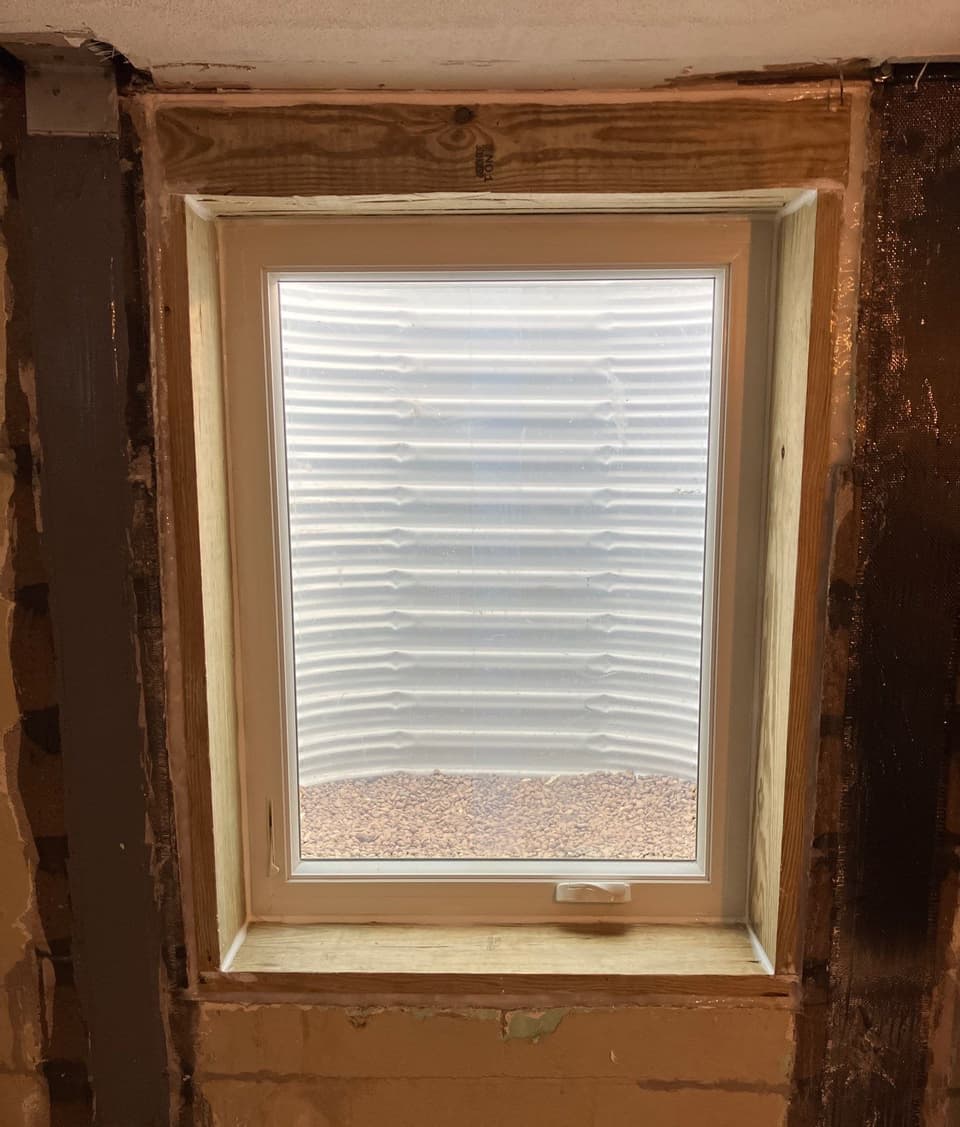
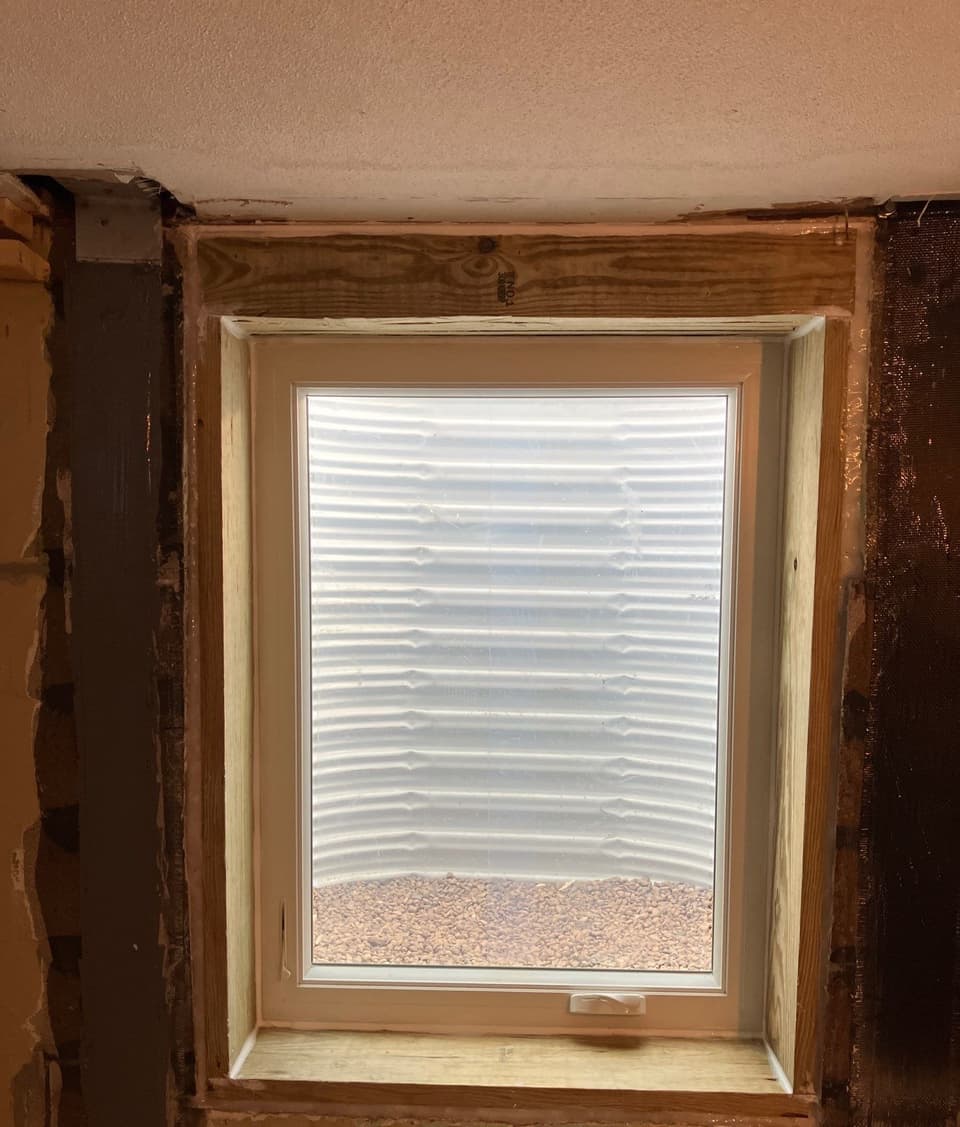
Completed work photographed on real job sites across Nebraska, Iowa, Kansas, and Missouri.
Epp Foundation Repair is locally owned and operated, with crews dedicated exclusively to foundation, basement, and concrete work across the Midwest.
Foundation repair, waterproofing, and concrete leveling are our entire focus, not a sideline.
Three decades of experience with Midwest soils, basements, and weather conditions.
Recognized by the Better Business Bureau for integrity and ethical business practices.
Many of our repairs carry a written Epp warranty. The warranty page lists every covered repair and its terms.
Don't see your question here? Our team is happy to help. Reach out anytime.
Every home is different. What a repair costs depends on the cause, the scope, and access. A free on-site inspection produces a Customized Repair Estimate that reflects your home, not a typical range.
Customized Repair Estimate after on-site inspection reflects your scope.
Don't inject a crack that's actively widening. The repair can fail at the same crack or nearby. Install a crack monitor, re-measure it over time, and address movement (carbon fiber, wall anchor, pier) before injecting. Don't inject a hairline cosmetic shrinkage crack. Don't pay for crack-by-crack injection when the basement has many leaking cracks or wall-wide seepage. Epp confirms which scope and cost apply with a free on-site inspection. Contact Epp Foundation Repair for a free, on-site Customized Repair Estimate.
Epp Foundation Repair holds BBB A+ accreditation and is a BBB Integrity Award winner.
Our team walks through this on camera.
Every basement waterproofing method we install. Sequenced so the soil profile and failure mode determine the fix.
 01
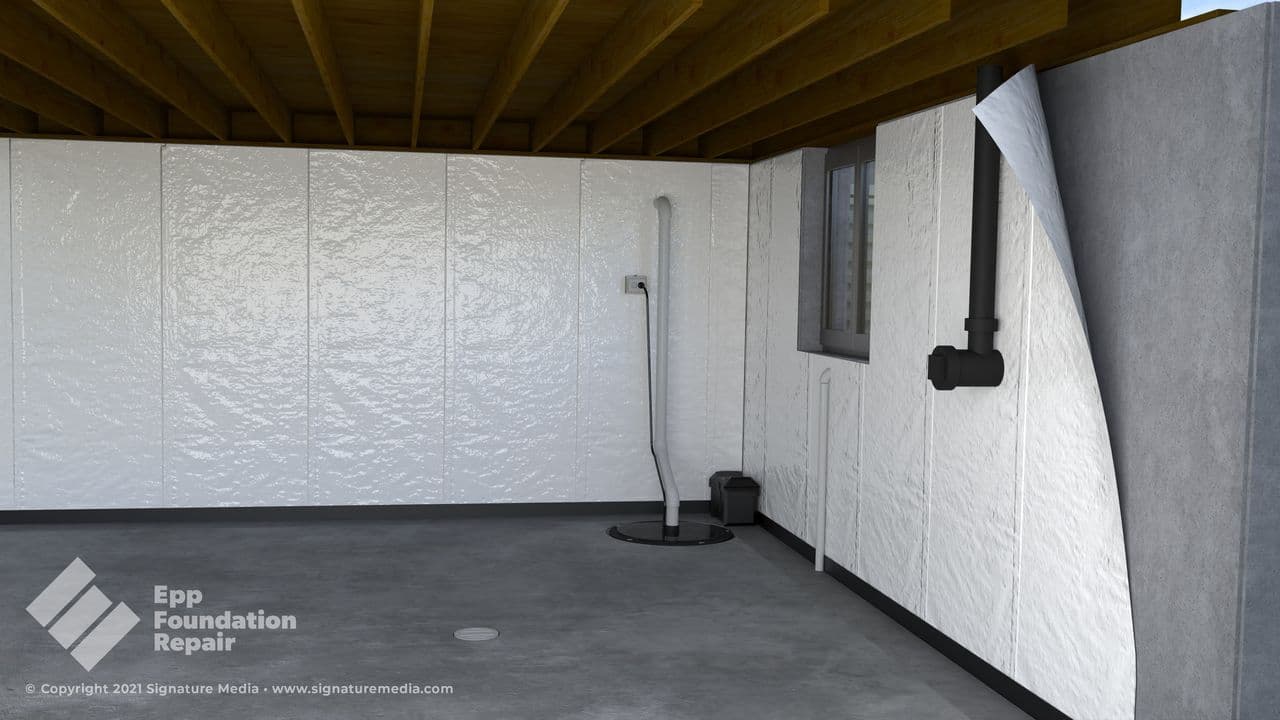
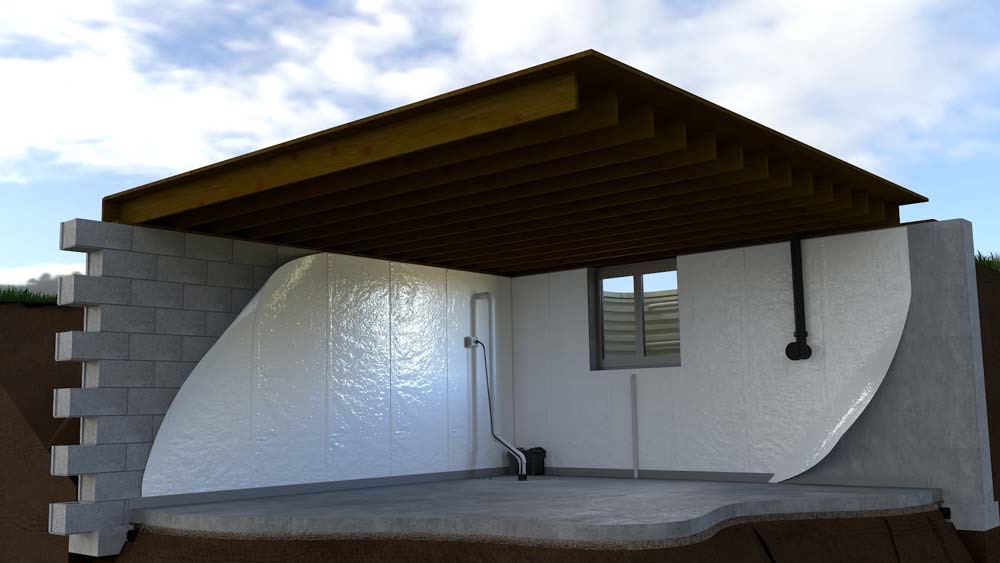
01 Interior basement waterproofing manages water that has already reached your foundation. Perimeter drain tile, sump pump, and wall vapor barrier capture and discharge hydrostatic seepage rather than excavating outside. Epp Foundation Repair installs full-perimeter interior systems across NE, IA, KS, and MO when exterior excavation is impractical or unnecessary.
Learn more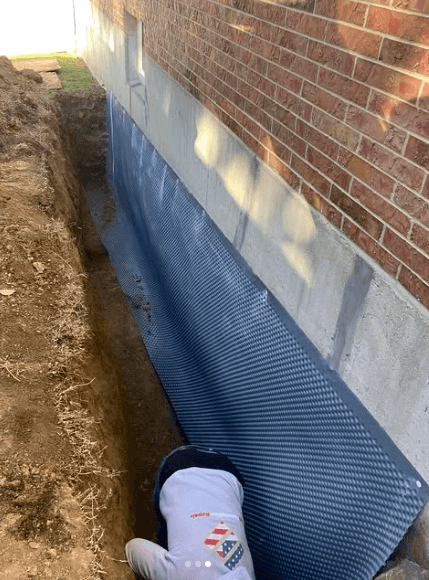 02
02 Exterior basement waterproofing excavates the affected section of the foundation, applies an elastomeric membrane to the wall face, and installs drain tile in proper drainage stone. It is the only method that prevents water from reaching the wall at all. Epp Foundation Repair targets exterior waterproofing to the specific wall sections that need it across NE, IA, KS, and MO, typically as a last resort where an interior system will not work.
Learn more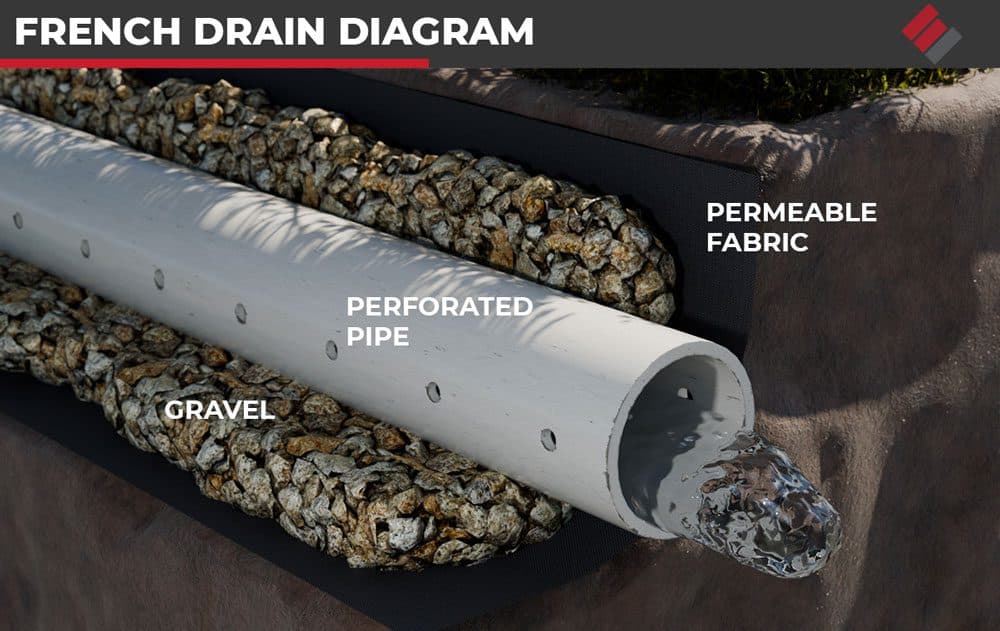 03
03 Exterior French drain installation intercepts groundwater and surface runoff in the yard before it reaches the foundation. It uses perforated pipe set in washed gravel, sloped to daylight or a discharge point, and wrapped in filter fabric to prevent soil clogging. Epp Foundation Repair installs yard-level French drains across NE, IA, KS, and MO on lots where downspout runoff, neighbor-property drainage, or chronic wet zones are loading water against the foundation.
Learn more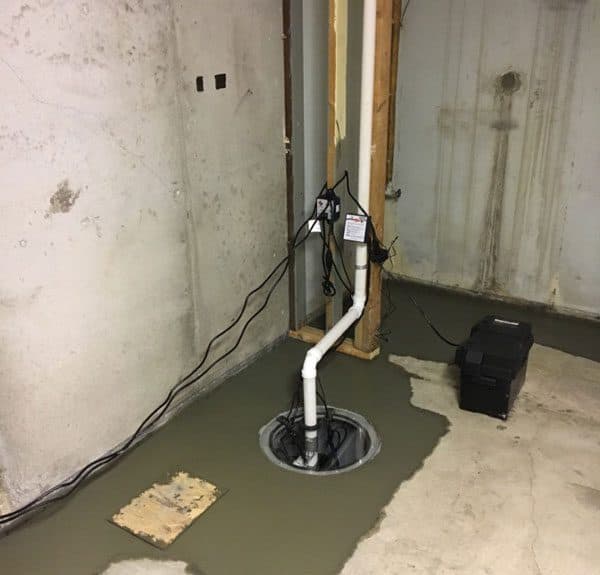 04
04 Sump pump installation captures basement water in a sealed pit, lifts it through a check-valve discharge line, and moves it 6 to 10 feet from the foundation. It is the active end of every interior basement waterproofing system. Epp Foundation Repair installs new pits and pumps and replaces failed pumps in existing basins across NE, IA, KS, and MO, with cast-iron submersible primaries and discharge configured to local code.
Learn more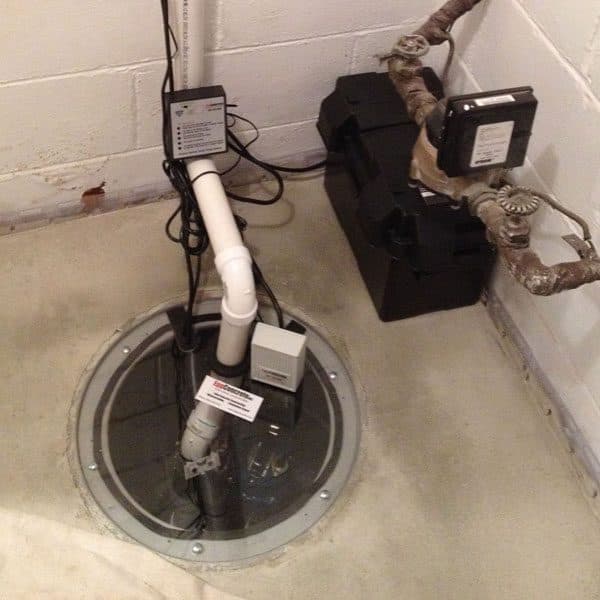 05
05 Backup sump pump installation puts a second pump in the basin that runs when the primary fails. Battery-backup is standard across the territory, water-powered is occasionally appropriate where municipal water pressure and code permit. Epp Foundation Repair installs and tests backup systems across NE, IA, KS, and MO because spring storms in this region routinely produce heavy rain and power outages in the same event, exactly when the primary pump is most needed.
Learn more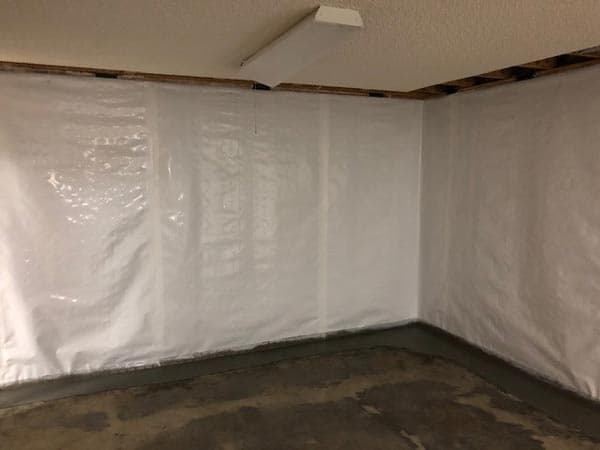 06
06 Epp Foundation Repair installs mechanically fastened polyethylene wall vapor barriers as the final component of an interior basement waterproofing system, directing minor wall seepage downward into the drain channel and out through the sump. Serving NE, IA, KS, and MO since 1994. Epp does not install a barrier in isolation when walls are actively wet, because that creates a mold trap.
Learn moreLocal crews based in five regional offices, dispatched daily across four states. If your town isn't listed, call us: we likely serve your area.
A straightforward path from initial inspection to completed repairs.
Visual inspection notes crack width with a crack gauge, length, leak rate during recent rain, surrounding wall condition, and any movement indicators. If active widening is suspected, a glass or plastic crack monitor is bonded across the crack and re-measured over time.
Crack cleaned with wire brush and compressed air to remove loose concrete and prior caulk. Mechanical injection ports (plastic nipples) are surface-mounted along the crack at a spacing set by crack width. Crack between ports sealed with fast-set epoxy surface paste to contain the injection material under pressure.
Polyurethane resin injected through the lowest port first, working upward as foam emerges from the next port up. Foam expansion fills the crack from the back of the wall to the front, sealing against active hydraulic pressure. Each port sealed off as the next one begins to bleed.
A 4.9-star average across Google, with verified reviews from homeowners throughout Nebraska, Iowa, Kansas, and Missouri.
Schedule your inspection in seconds with our Driive booking tool, or share a few details and a local specialist will follow up within one business day.
Practical articles from the Epp team on foundation health, waterproofing, and home preservation.
 Basement WaterproofingLatest
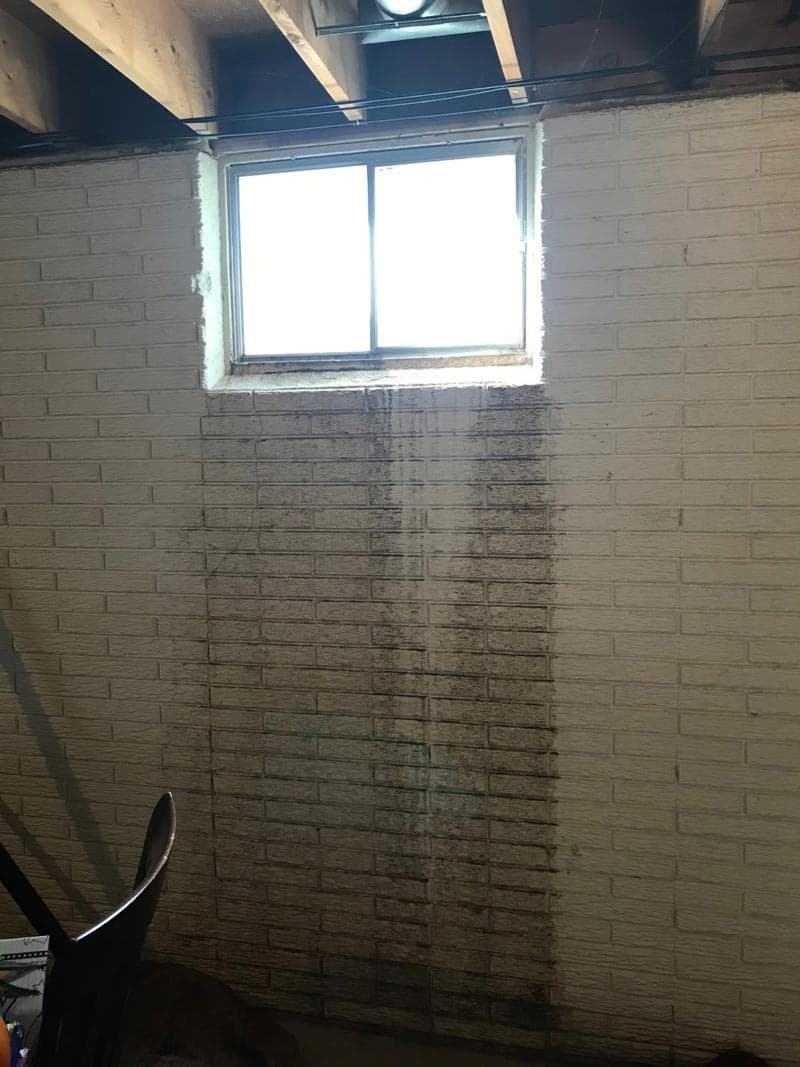
Waterproof paint and sealer can help with light dampness, but they usually cannot stop water pushed through a basement wall by wet soil outside.
 Basement Waterproofing
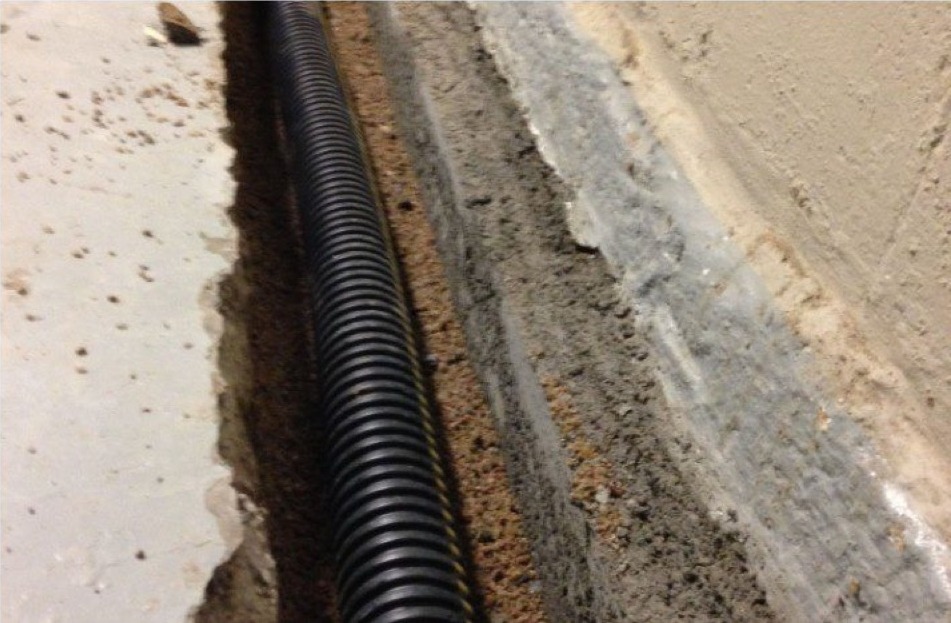
Drain tile channels water away from your foundation to keep the surrounding soil dry, which helps prevent many common foundation problems.
 Basement Waterproofing
Water seeping through a foundation slab escalates quickly. Learn what hydrostatic pressure is, why it happens, and how to stop it damaging your home.
 Basement Waterproofing
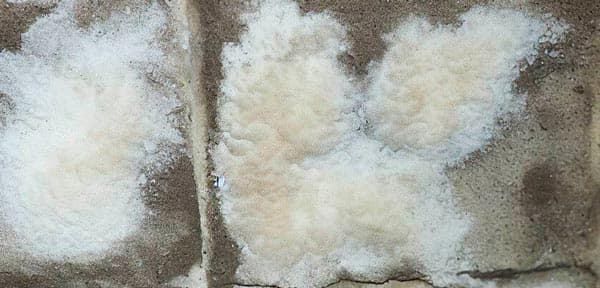
Efflorescence is a chalky white residue left by evaporating water. It signals moisture intrusion that can lead to bigger problems if ignored.
