Helical Tieback Anchors Stabilize Tilting Retaining Walls Without Rebuilding
Epp Foundation Repair has anchored leaning block, poured-concrete, and timber retaining walls across Nebraska, Iowa, Kansas, and Missouri since 1994.

Let's take the first step toward a healthy home.
A local specialist will inspect your foundation, walk you through the findings, and send a clear estimate, no cost, no pressure.
Retaining Wall Anchors: how it works and when it's the right call.
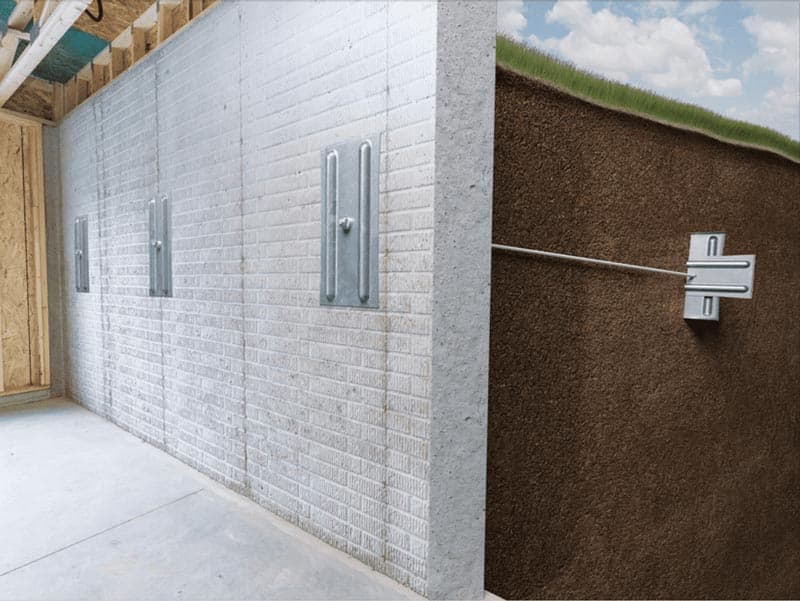
Retaining walls tilt outward because soil pressure behind the wall exceeds the wall's capacity to resist that pressure. Add freeze-thaw cycling, common across all four states Epp serves, and the wall faces lateral loads that often exceed what unreinforced block or poured concrete was designed for. Helical tieback anchors counter that load by tying the wall to stable native soil behind the failure zone. A small-diameter helical anchor, a steel shaft with welded helical plates, is driven horizontally through a pre-drilled hole in the wall face using a hydraulic torque motor. The crew advances the helical into native soil behind the wall, past the active failure wedge, into ground that is not moving. The anchor is then capped with a steel bearing plate against the wall face and tensioned with a calibrated wrench, transferring the lateral soil load from the wall fabric to the anchor in the deep soil. The anchors stabilize the wall where it stands; they are not installed to straighten it. Drainage behind the wall is a separate issue that anchors do not solve; if water is the root cause, the install includes a separate drainage scope, or Epp recommends rebuild with proper drainage tile rather than anchoring a wall that will keep accumulating pressure.

Why This Retaining Wall Is Failing (And How Helical Piers Fix It)


Related to what you are reading. Our team covers the same ground on camera.
How we install retaining wall anchors.
Step 01.Plumb Survey and Wall Fabric Assessment
Epp Foundation Repair measures wall plumb at multiple points along the length with a digital level or laser plumb line, documenting tilt to the quarter-inch at every measurement point. The crew inspects mortar joints, looks for separated courses, probes the backfill for organic content or saturation.
Step 02.Anchor Layout and Engineered Plan
Anchor spacing is laid out based on wall height, soil density, and tilt severity. Multiple vertical rows are specified for taller walls. The plan calls out anchor count, length, helical configuration, and tension target. When the project requires engineering or the customer asks for it, Epp can bring in a structural engineer for a stamped repair plan. The anchor angles downward into the soil to engage the helical in undisturbed native ground rather than the loose backfill immediately behind the wall.
Step 03.Drilling Through the Wall Face
The crew drills a precise hole through each anchor location on the wall face, sized to the helical shaft diameter. On block walls, the drill enters at a mortar joint when geometry allows to minimize cracking. On poured concrete walls, a core bit cuts a clean hole. Installation torque is monitored continuously, and the crew knows the helical has reached stable bearing soil when torque matches the engineered target.
"Eight out of ten retaining walls homeowners want torn down can actually be stabilized in place with tieback anchors and a drainage fix. The honest part of this job is telling you which two of ten cannot. Before you spend the money."

Care and expertise from a team that's been doing this since 1994.
Epp Foundation Repair is locally owned and operated, with crews dedicated exclusively to foundation, basement, and concrete work across the Midwest.
Foundation repair, waterproofing, and concrete leveling are our entire focus, not a sideline.
Three decades of experience with Midwest soils, basements, and weather conditions.
Recognized by the Better Business Bureau for integrity and ethical business practices.
Many of our repairs carry a written Epp warranty. The warranty page lists every covered repair and its terms.
Answers to common questions about Retaining Wall Anchors.
Don't see your question here? Our team is happy to help. Reach out anytime.
Foundation Repair warning signs this solution resolves.
Each problem sign below is a symptom this solution is engineered to fix. See how we diagnose it before we recommend this method.
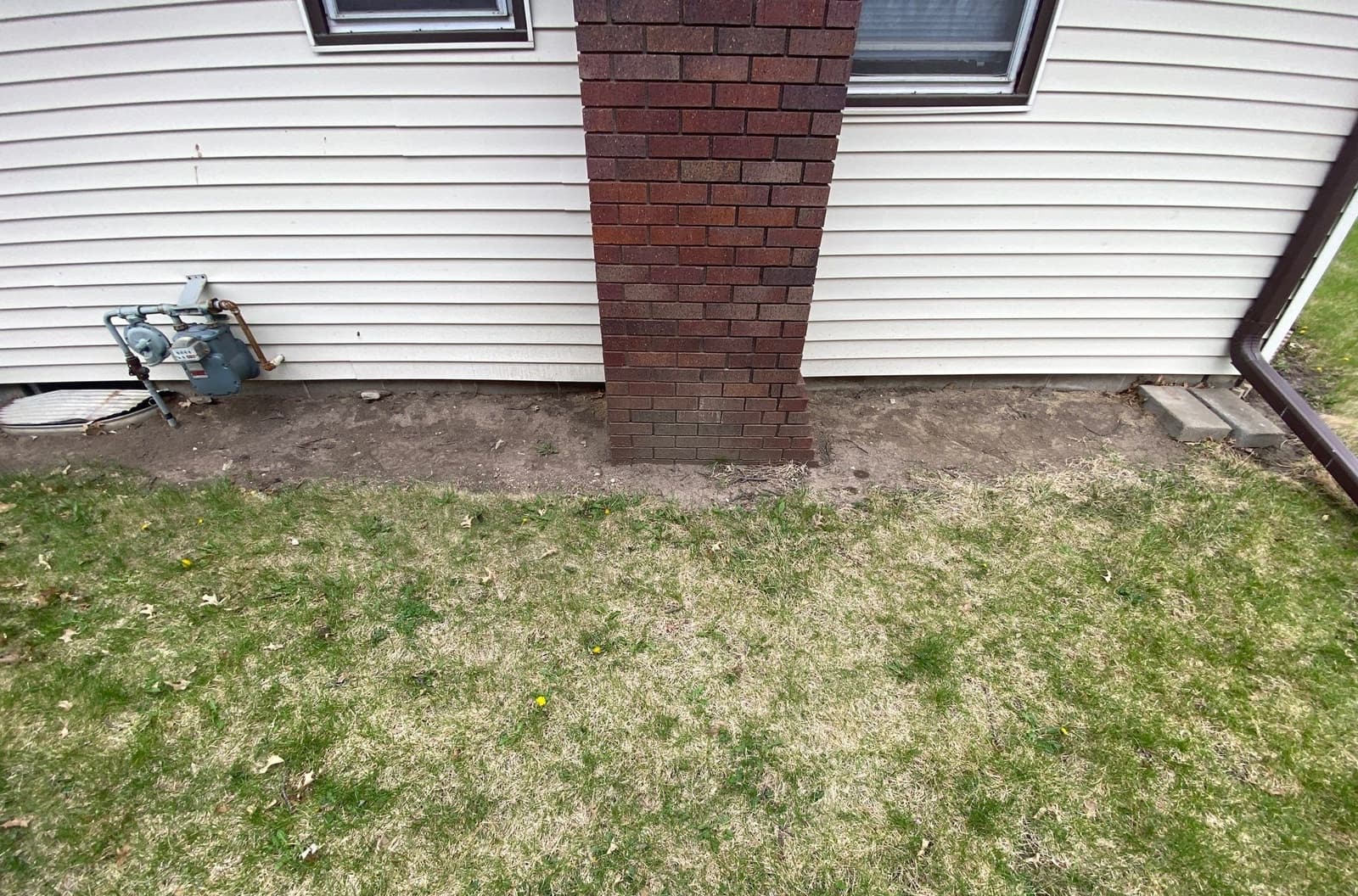
Leaning Chimneys
Epp Foundation Repair has stabilized leaning chimneys across Nebraska, Iowa, Kansas, and Missouri since 1994. BBB A+. BBB Integrity Award.
Learn more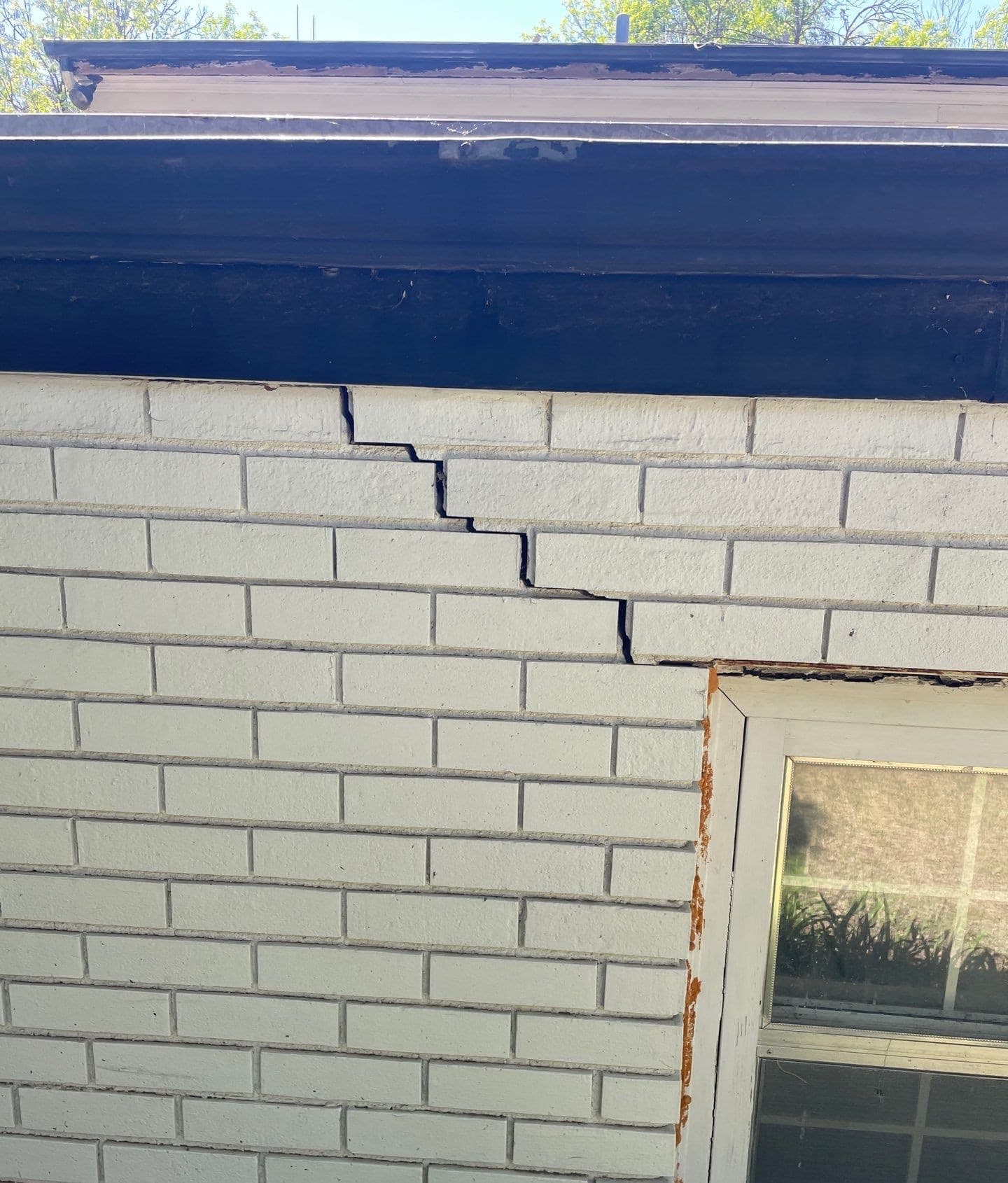
Stair-Step Cracks
Epp Foundation Repair has measured, monitored, and repaired stair-step cracks across Nebraska, Iowa, Kansas, and Missouri since 1994, separating the active ones that need underpinning from the stable ones that just need sealing.
Learn more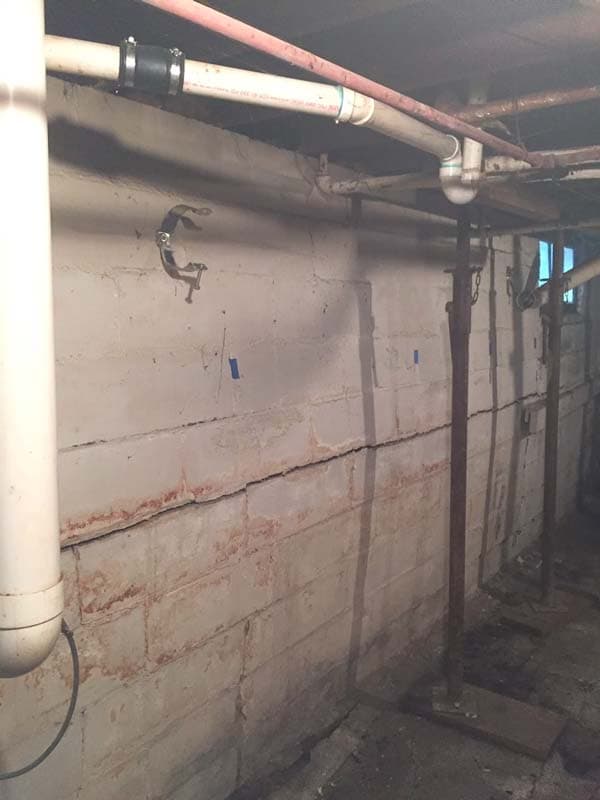
Bowing Walls
Inward deflection in a basement wall. Even a fraction of an inch. Indicates lateral soil pressure exceeding the wall's capacity. The pressure doesn't go away on its own.
Learn more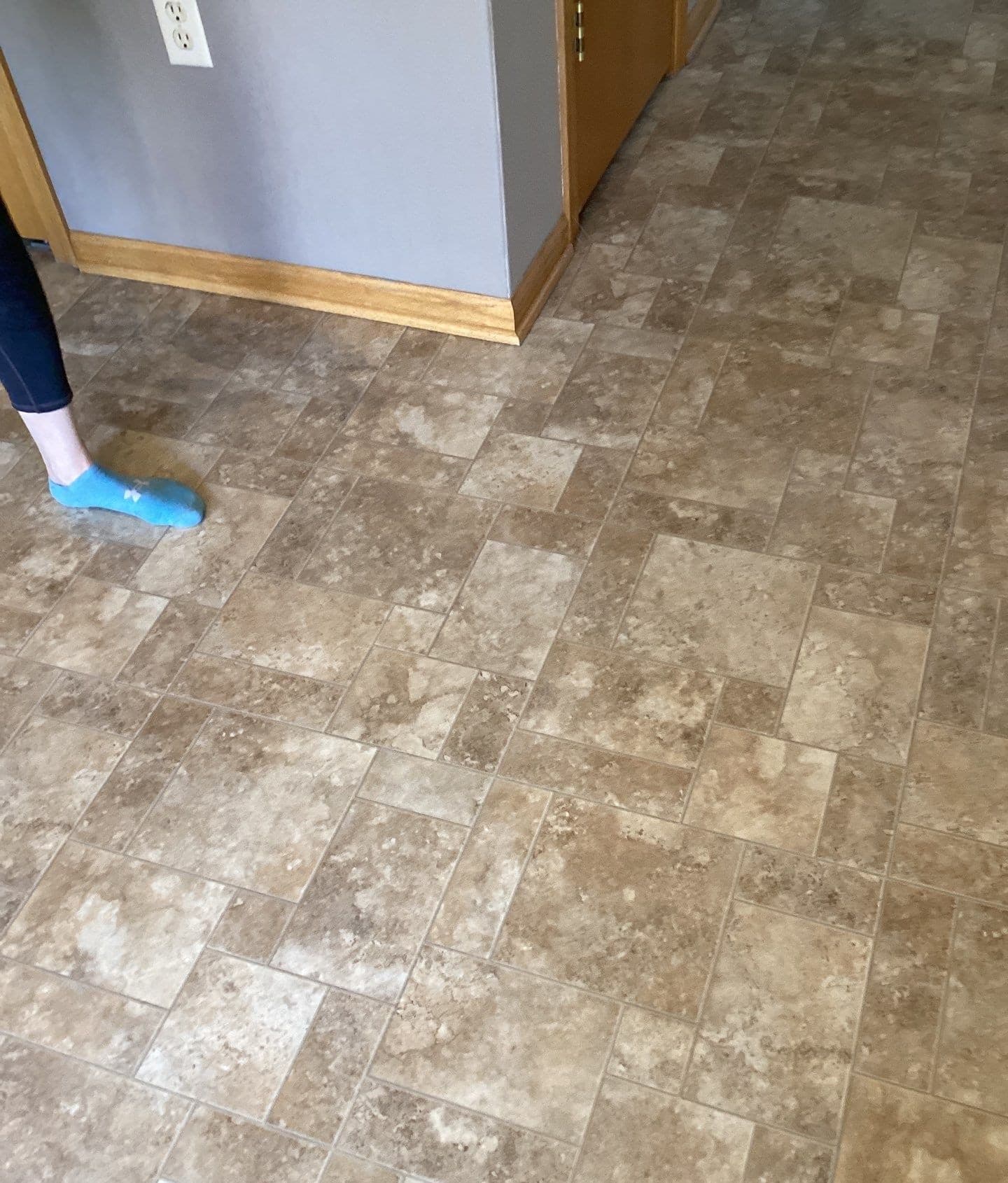
Bouncing Floors
A floor that flexes or bounces when you walk across it. This points to lost support underneath, often from foundation settlement or sagging structural members. The bounce gets worse as the support keeps shifting.
Learn more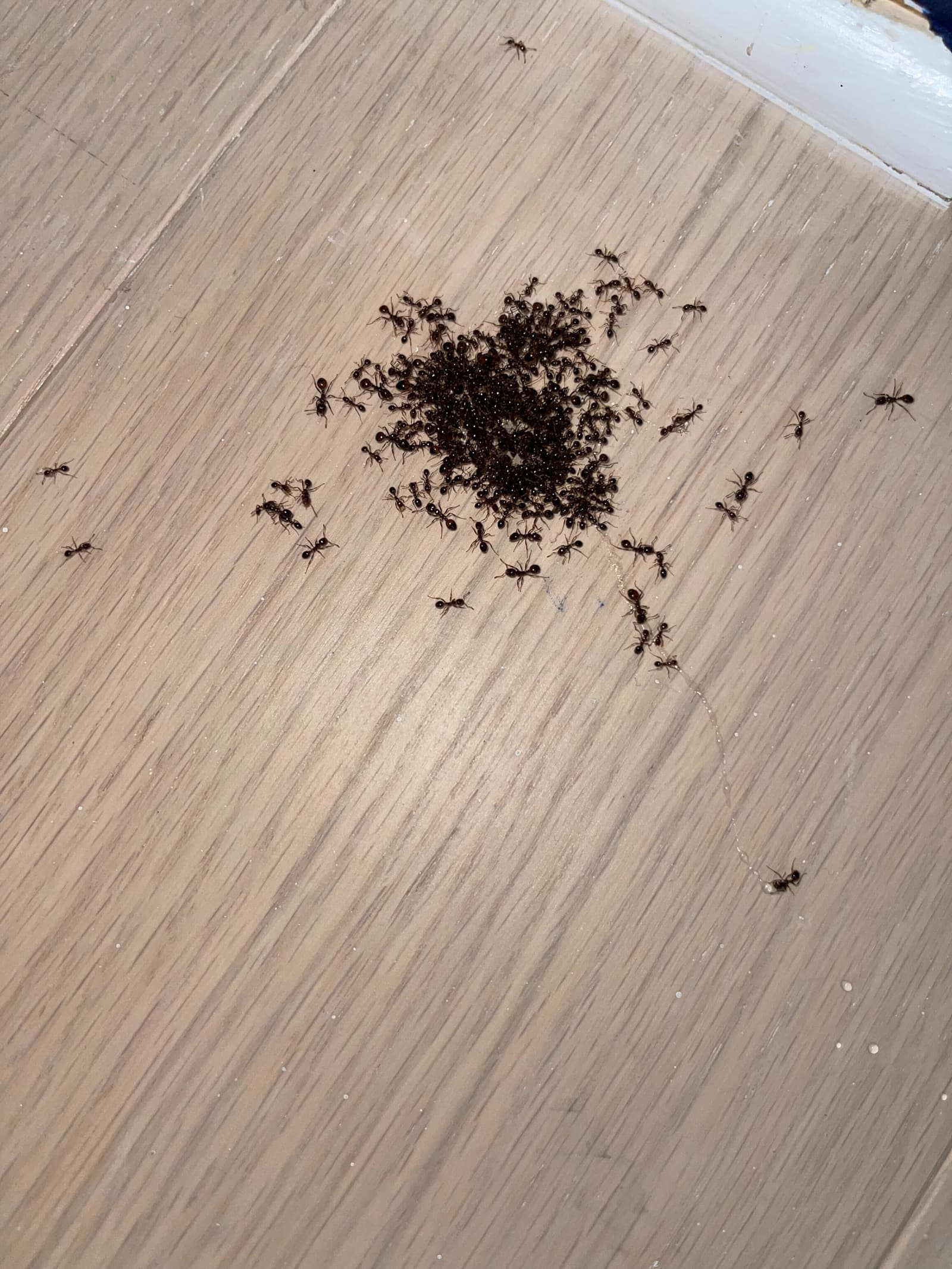
Carpenter Ant Infestation
Carpenter ants do not eat wood, they nest in it. They look for wood that is already damp or softened. Their presence is often a sign that a crawl space or foundation area is holding water it should not.
Learn more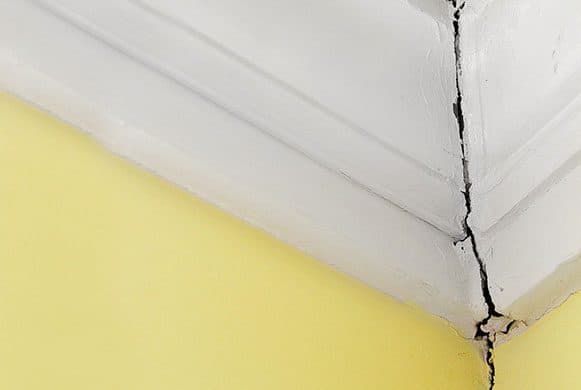
Ceiling Gaps
A crack or gap where the wall meets the ceiling. This means part of the structure is moving differently than the rest. The separation usually traces back to foundation movement below.
Learn moreServing Nebraska, Iowa, Kansas & Missouri.
Local crews based in five regional offices, dispatched daily across four states. If your town isn't listed, call us: we likely serve your area.
- Omaha, NE
- Lincoln, NE
- Topeka, KS
- Sioux City, IA
- Bellevue, NE
- St. Joseph, MO
- Council Bluffs, IA
- Grand Island, NE
- Papillion, NE
- Kearney, NE
Take the first step toward a healthy home.
A straightforward path from initial inspection to completed repairs.
Schedule your inspection.
A local specialist visits your home, evaluates the foundation, and answers your questions on site. No cost, no obligation.
Receive an estimate based on your needs.
We provide a clear, Customized Repair Estimate with a scope of work tailored to your home's specific issues. Typically within one business day.
Get your repairs.
Trained crews complete the work on schedule.
Get the free settlement guide
Most foundation problems announce themselves early. This guide shows you what to look for before you call anyone.
- ✓A room-by-room checklist you can walk the house with
- ✓Which cracks can wait, and which deserve a closer look
- ✓How pier repair actually works, in plain language
Over 1,700 homeowners have shared their experience.
A 4.9-star average across Google, with verified reviews from homeowners throughout Nebraska, Iowa, Kansas, and Missouri.
Two ways to start: book instantly, or request an estimate.
Schedule your inspection in seconds with our Driive booking tool, or share a few details and a local specialist will follow up within one business day.
- A local foundation specialist on site
- A complete walk-through of the findings
- A Customized Repair Estimate within one business day
- No cost, no obligation, no high-pressure sales
Expert guidance on protecting your home.
Practical articles from the Epp team on foundation health, waterproofing, and home preservation.
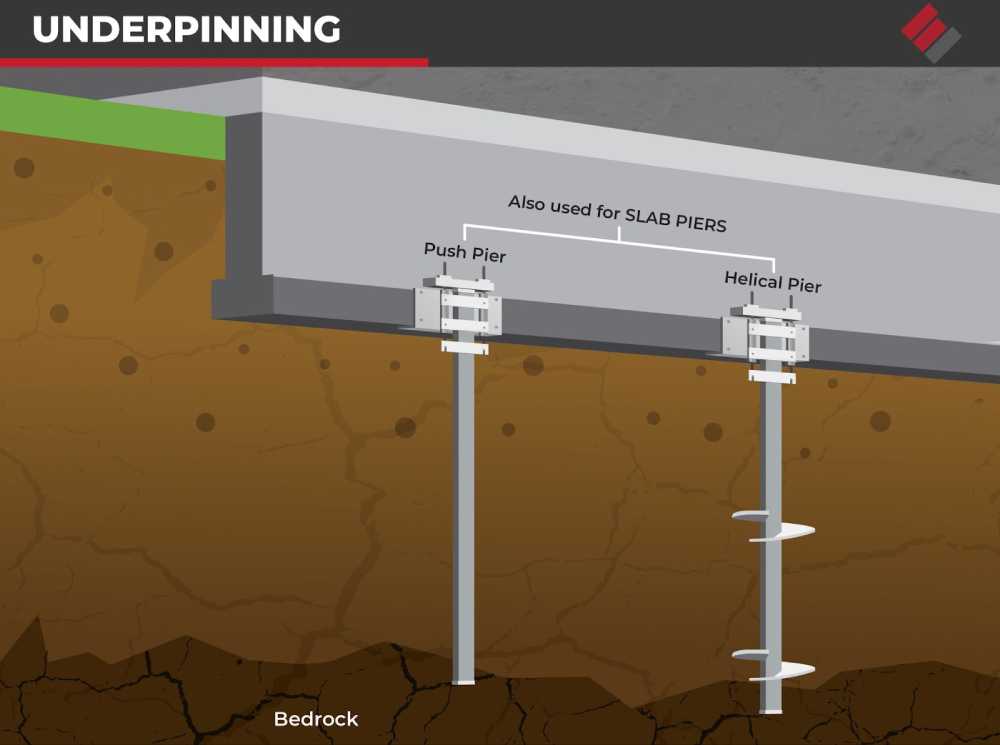 foundation repairLatest
2026 Omaha commercial foundation repair guide for business owners.
A stable foundation protects your building, your people, and your bottom line. This guide covers warning signs, repair methods, and what to expect from a…
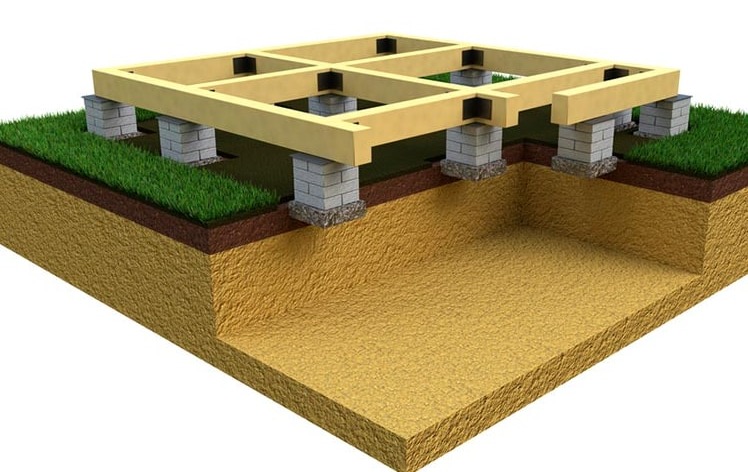 Foundation Repair
Pier And Beam Foundation Spacing: Best Practices For Stability
Learn the key to proper pier and beam foundation spacing for lasting home stability. Find out when to repair or add piers for support.
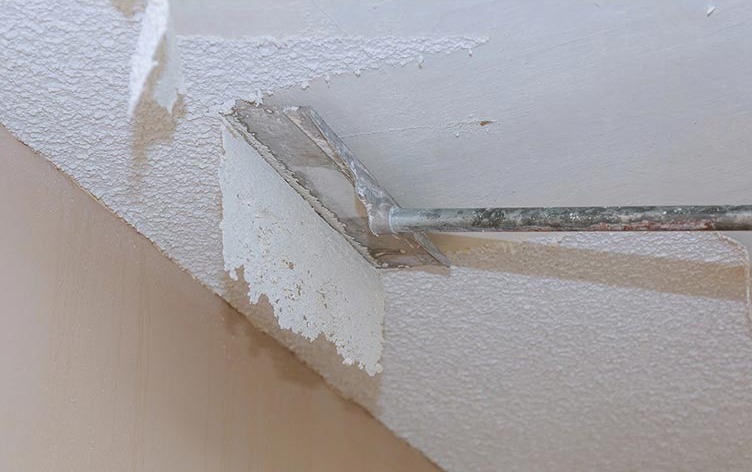 Foundation Repair
Can Cracks In Popcorn Ceiling Be Repaired?
Discover what causes cracks in a popcorn ceiling, the different crack types, and when foundation issues call for a professional repair.
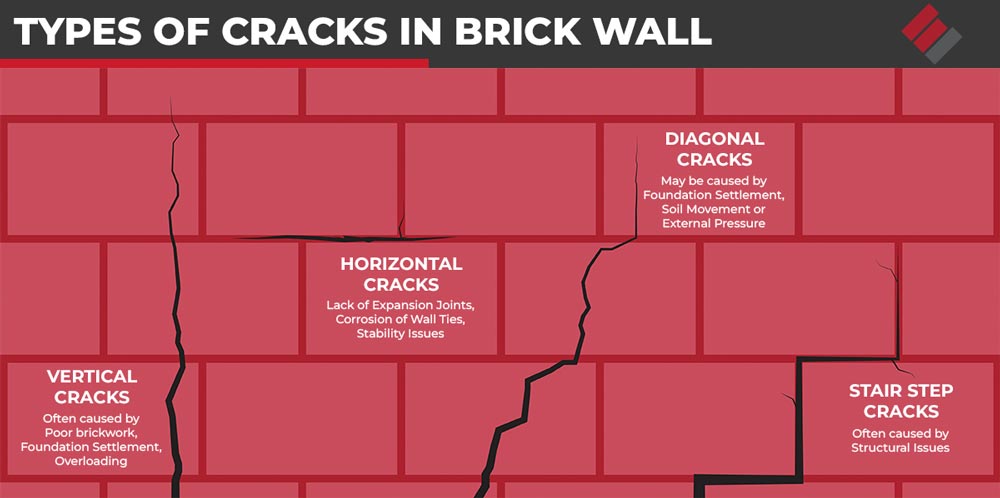 Foundation Repair
When Should I Be Worried About Cracks In Brick?
Not every crack in brick is a foundation problem. Learn the crack types, how to judge severity, the interior and exterior warning signs, and the repair options.
Five regional offices across the Midwest.
St. Joseph, MO 64506