
Estimate Only
Approximate pricing
Customized Repair Estimate after on-site inspection reflects your scope.
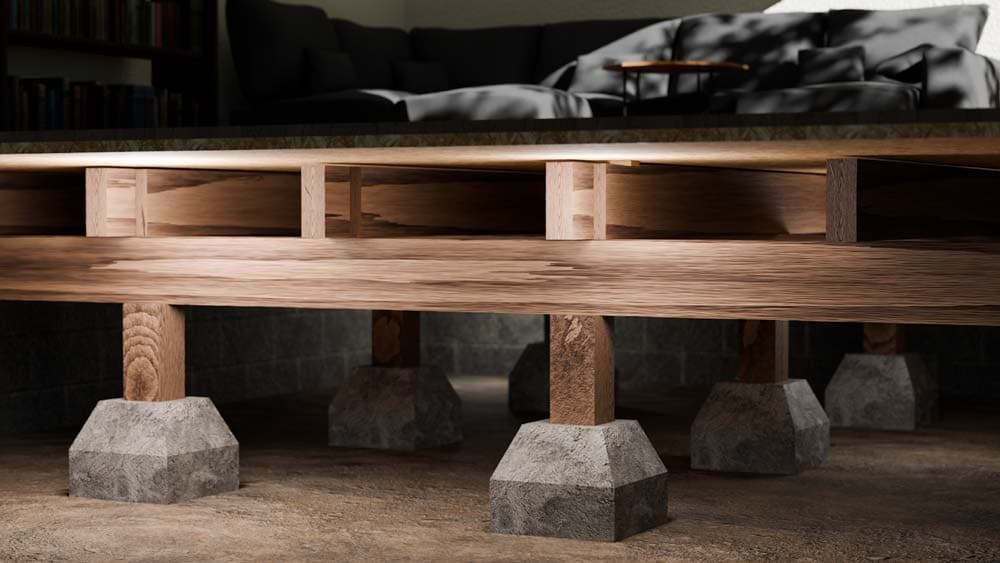
Epp Foundation Repair has replaced failed structural beams and girders in basements and crawl spaces across Nebraska, Iowa, Kansas, and Missouri since 1994. Engineered lumber or steel sized for the actual load, supported on new helical piers where needed, with load transfer verified.

A local specialist will inspect your foundation, walk you through the findings, and send a clear estimate, no cost, no pressure.
Diagnosis First
Beam and girder replacement removes a failed structural beam and installs an engineered LVL or steel I-beam sized for the actual load and span. Epp Foundation Repair chooses between sister-beam reinforcement and full replacement only after calculating the load, probing the wood, and checking whether the existing posts can carry the new beam's reactions.
In Depth
Everything a Midwest homeowner should know about this repair, from the specialists who do it every day.
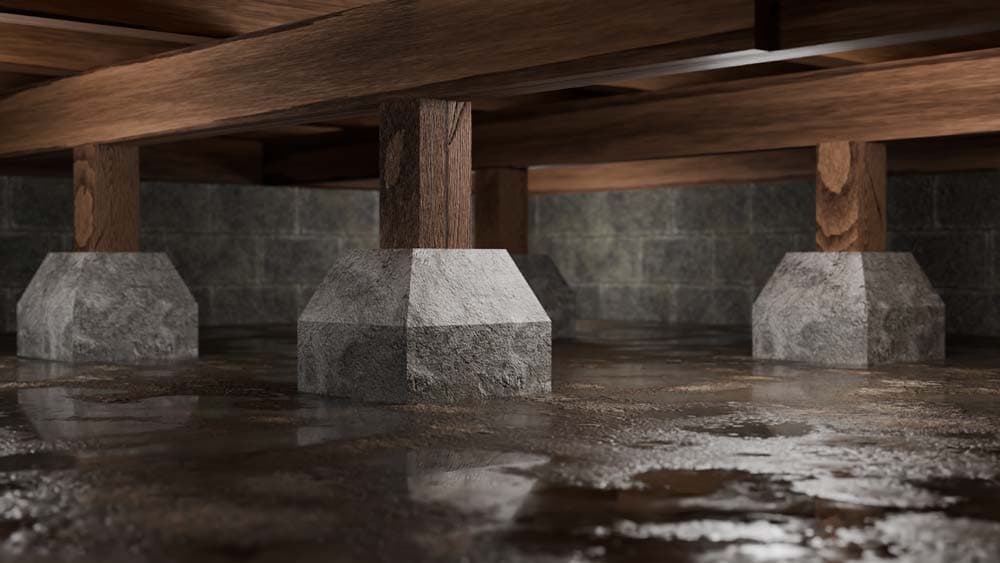
Epp Foundation Repair removes a failed structural beam or girder. The horizontal member that carries floor joist loads and transfers them to posts or piers below, and replaces it with an engineered LVL (laminated veneer lumber) or a steel I-beam sized for the actual load and the actual span. The work is staged for safety: multi-point temporary jacking takes the joist load off the failing beam, the old beam comes out in sections, the new beam goes in on properly-sized supports (new helical piers if the existing posts are also inadequate), and load is transferred in measured stages with a laser level confirming the floor above returns to plane. Customized Repair Estimate after on-site inspection reflects your scope.
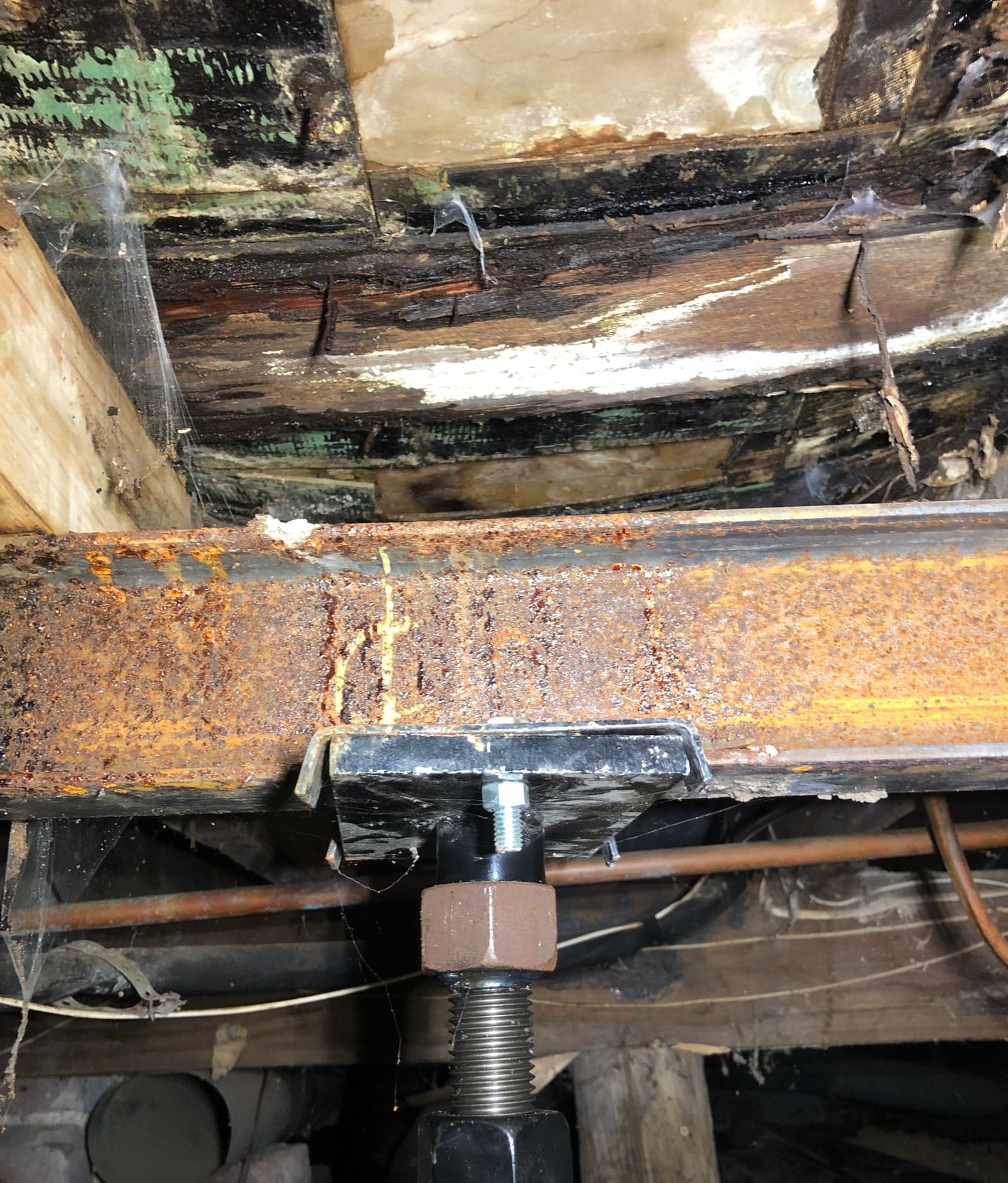
Dave Epp has cut out failed beams in homes from the 1920s to the 2000s across Lincoln, Omaha, Grand Island, and Kansas City. The failure modes are recognizable. Rot shows up first at the beam-to-post bearing point, where chronic crawl-space moisture or basement humidity wets the end-grain of a wood beam and breaks down the fiber over decades. Undersizing shows up when an original 1950s 6x6 carrier beam was sized for 12-foot spans and the basement was later partitioned, the kitchen island added, or a second story put on top. The beam never had the design capacity for the load it's now carrying. Cracking and checking shows up in original-growth lumber that's dried below 8% moisture content and pulled itself apart along the grain. Insect damage shows up most often where Epp also finds chronic moisture, because termites and carpenter ants follow the same water. ## What Epp does, and what Epp doesn't do
Epp Foundation Repair handles the load calculation, the beam removal, the engineered replacement, the support work (new helical piers or post replacements where required), the load transfer, and the final laser-level verification. Sister-beam reinforcement, when the existing beam can be saved, is scoped separately among the framing repair solutions and is often the right call for undersized but otherwise sound beams. Epp does not engineer-stamp drawings for permit purposes. When the local building department requires a stamped structural drawing for a beam replacement. Typical for spans over 14 feet, for steel I-beam replacements, or for any replacement that changes the original load path. Epp coordinates with a licensed professional engineer in the local jurisdiction. The PE drawings and the Epp installation are both included in the written scope when applicable. Epp does not relocate HVAC ductwork, plumbing supply lines, or electrical that runs along the original beam path; those scopes belong to mechanical, plumbing, and electrical contractors and are coordinated, not performed, in-house.
A beam replacement scope begins with three measurements. First, Epp calculates the actual load on the beam. Joist count, span, deck-load, live-load, and any concentrated point loads from above. Second, Epp measures the existing beam dimension, condition, and bearing detail at each end. Third, Epp inspects the existing posts or piers to determine whether they can carry the new beam's reactions or whether they also need replacement. The result of the diagnostic is either a sister-reinforcement scope, a full beam replacement scope, or a beam-plus-support scope. The choice is driven by the load and the wood, not by preference.
Epp Foundation Repair is BBB A+ rated, won the BBB Integrity Award in 2011 and 2016, and has installed engineered LVL and steel I-beam replacements across the Midwest continuously since 1994. Load calculations, drive logs, and bearing details go in writing at completion.
Which Solution Is Right?
| Method | Fits when | Not a fit when | Warranty |
|---|---|---|---|
| Sister-Beam Reinforcement | The existing beam is structurally sound but undersized, or has minor notching, boring, or checking damage. | The beam is rotted at the bearing point, split through the web, or has lost section to insect damage. | Ask about the warranty that applies to your project |
| Full Beam Replacement | The beam is rotted at the bearing point, split through the web, or has lost section to insect damage. | The beam is sound but only undersized, where sister-beam reinforcement is the less invasive fix. | Ask about the warranty that applies to your project |
| New Helical Pier Support | The existing posts or piers cannot carry the new beam's reactions and need replacing alongside the beam work. | The existing supports are adequate for the new beam. | Lifetime of the structure, piers stop further settlement of the piered area, eligible only when piered crack to crack, crack to corner, or corner to corner |
Warranty terms above are the headline coverage and its governing condition. Full terms, exclusions, and owner responsibilities for every method are on Epp's warranty terms page.
Each method is matched to a specific failure mode and soil profile. Browse the toolkit we draw from when diagnosing your home.
Epp Foundation Repair has sistered, reinforced, and replaced failing beams since 1994. Under thousands of homes from Lincoln to Omaha to St. Joseph.
Epp Foundation Repair has rebuilt undersized and rotted carrier beams in 1950s through 1970s homes since 1994. The main beam carrying your entire floor system.
When a foundation has settled into soft or eroding soil, surface-level repairs treat the symptom. Helical piers transfer the structure's load to deep bearing soil, stopping settlement permanently, often restoring lost elevation.
Epp Foundation Repair has installed code-listed steel adjustable jack posts under sagging floors since 1994. Permanent structural support, not temporary shoring.
Epp Foundation Repair has installed steel repair plates on damaged floor joists since 1994. Fast reinforcement where sistering a full lumber joist isn't practical.
Epp Foundation Repair has leveled sagging floors across Nebraska, Iowa, Kansas, and Missouri since 1994. Laser-surveyed, cause-matched, lifted incrementally.
Most 1950s to 1970s homes across our service region were built with 2x8 joists at 16-inch centers spanning 14 feet, which is at the edge of code even when new. Combined with chronic-wet crawl spaces that rot sill plates and joist ends, the framing under older homes here fails predictably. Repair starts with cause diagnosis: settled support, rotted bearing, or undersized member.
Most of eastern Nebraska and western Iowa sits on wind-deposited loess, a fine, silty soil 10 to 200+ feet deep. Loess holds its structure when dry but loses cohesion rapidly when saturated. After a wet spring, saturated loess expands against foundation walls. After a dry Nebraska summer, it contracts, pulling away from footings, creating voids beneath slabs, and producing the vertical and diagonal settlement cracks we see most frequently on the Lincoln, Omaha, Council Bluffs corridor.
The Marshall and Sharpsburg loess series, dominant across the eastern Nebraska service area, are particularly prone to this cyclical volume change. Homes built in the 1960s, 1980s on uncompacted loess backfill show the highest incidence of progressive settlement cracking in our inspection data.
Eastern Nebraska's 36, 42" frost penetration depth means the soil below grade freezes and thaws 60, 80 times per year. Each cycle applies lateral pressure to basement walls. A wall that holds through ten cycles can fail in the eleventh if drainage has worsened, backfill has settled, or the wall was already at capacity. Horizontal cracks near the soil grade line are almost always a freeze-thaw story in this region.
In eastern Kansas, expansive clay pockets near the surface introduce a different failure mode. Consistent volume change regardless of frost depth. Horizontal cracking in Kansas foundations typically traces to clay expansion; the same pattern in Nebraska more often indicates frost-driven hydrostatic pressure.
These are the framing repair problem signs Epp Foundation Repair diagnoses most often. Each one links to what causes it and how it is repaired.
Our specialists evaluate the underlying cause before recommending any work. Inspections are at no cost and there's no obligation to proceed.
"You can sister a beam to add capacity if it's structurally sound but undersized. You cannot sister a beam that's rotted at the bearing or split through the web. Replacement is the only honest answer at that point, and the new beam has to be sized by load, not by what fits."

Epp Foundation Repair is locally owned and operated, with crews dedicated exclusively to foundation, basement, and concrete work across the Midwest.
Foundation repair, waterproofing, and concrete leveling are our entire focus, not a sideline.
Three decades of experience with Midwest soils, basements, and weather conditions.
Recognized in 2011 and 2016 for ethical business practices and customer transparency.
Every repair comes with a written Epp warranty, from 1 year to the lifetime of the structure depending on the product.
A small sample of work completed across our service area.
Explore detailed case studies of recent foundation, waterproofing, and concrete projects across Nebraska, Iowa, Kansas, and Missouri.
View All ProjectsDon't see your question here? Our team is happy to help. Reach out anytime.
Every home is different. What a repair costs depends on the cause, the scope, and access. A free on-site inspection produces a Customized Repair Estimate that reflects your home, not a typical range.
Customized Repair Estimate after on-site inspection reflects your scope.
Do not replace the beam if the existing beam is sound but the posts or piers below have failed. That is a support replacement scope, not a beam scope. Do not proceed with a beam replacement that the local jurisdiction requires to be stamped by a licensed engineer without coordinating the engineering work. Skipping a required engineer stamp on a structural beam is unsafe and unpermittable.
Epp Foundation Repair is BBB A+ rated and won the BBB Integrity Award in 2011 and 2016.
Every framing repair method we install. Sequenced so the soil profile and failure mode determine the fix.
 01
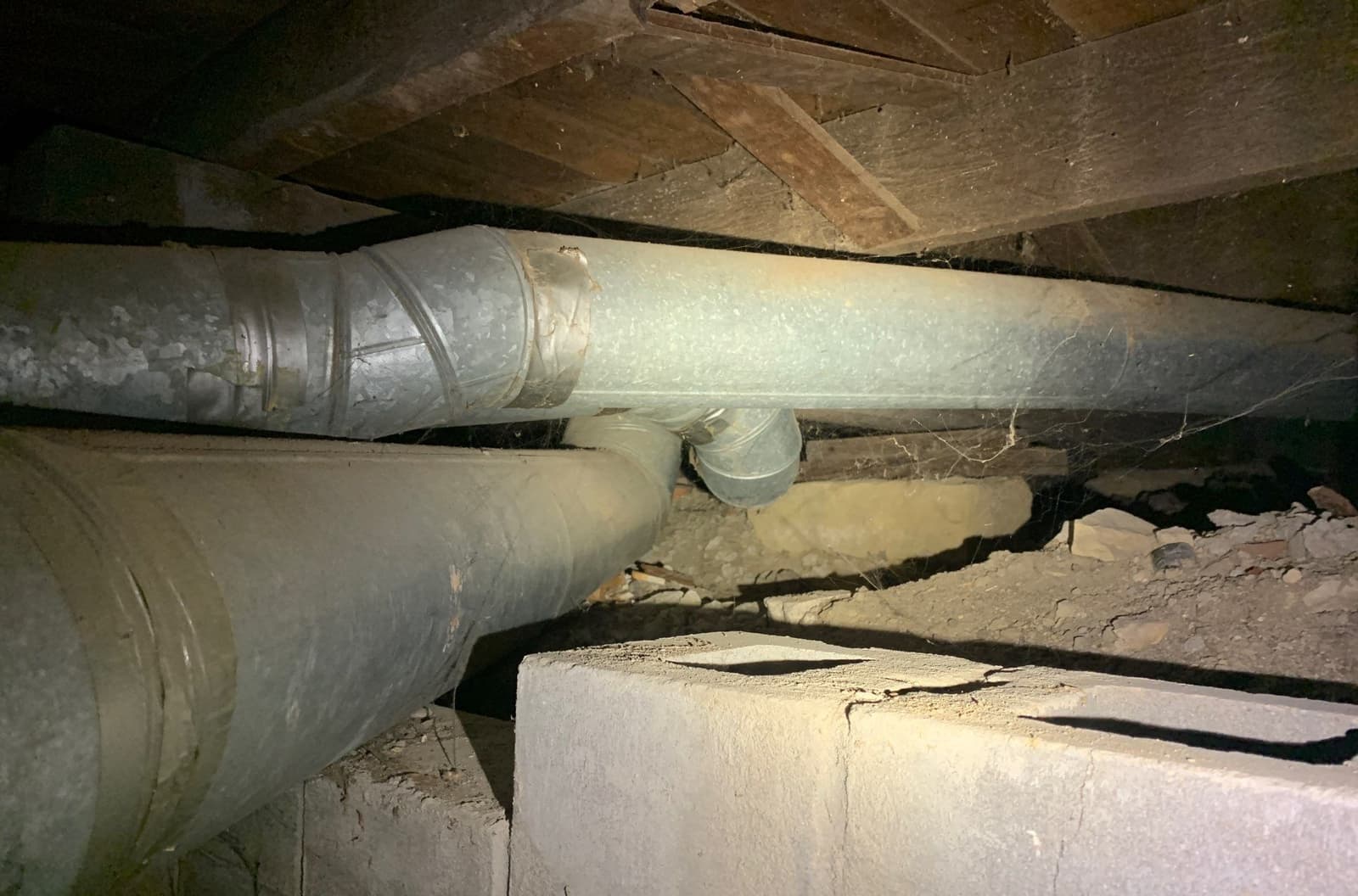
01 Sistering bolts a new full-length joist alongside an existing undersized, cracked, or partially rotted joist to restore load capacity without removing the original. When the damage is localized and the joist is not failed through.
Learn more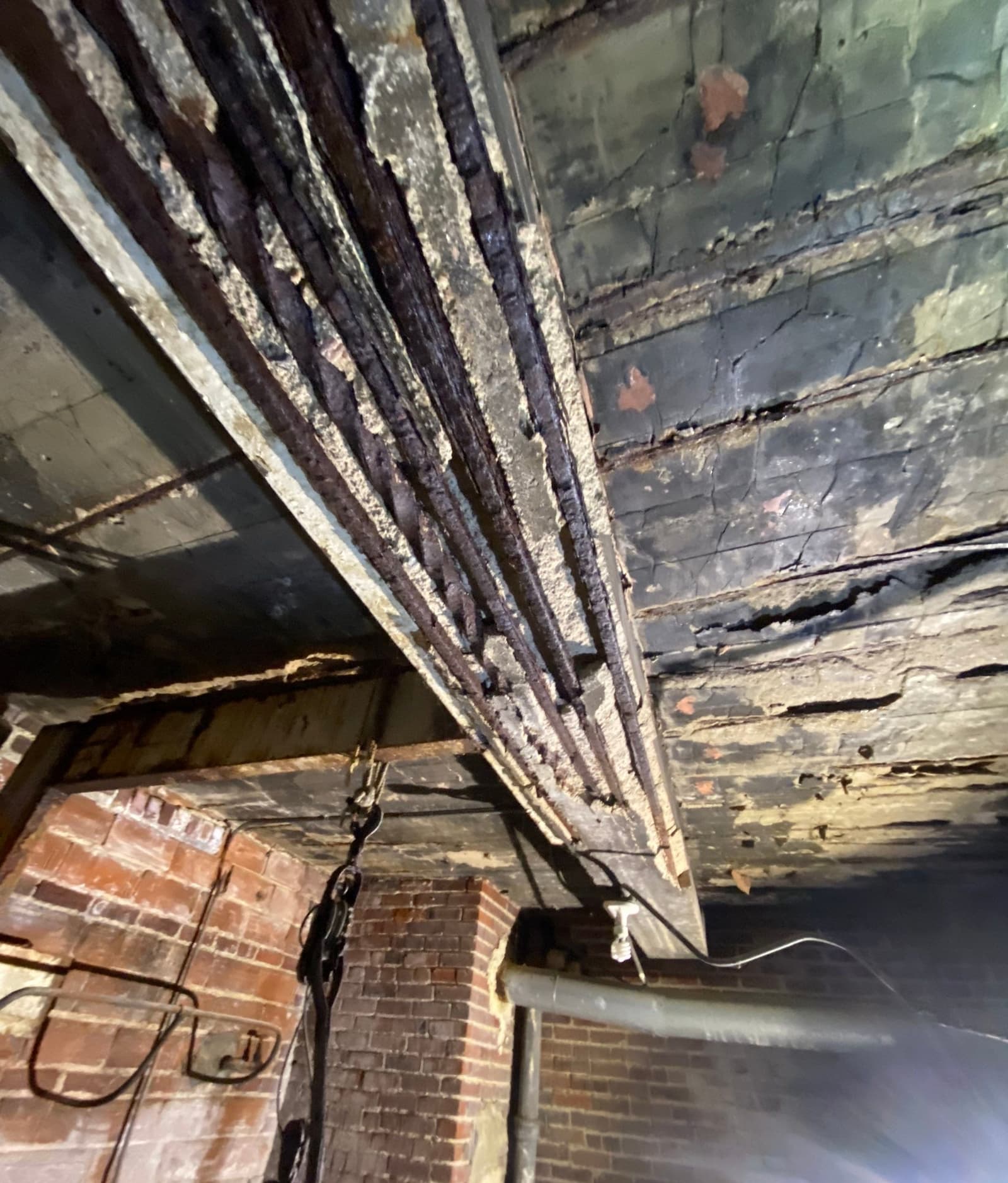 02
02 Floor joist repair covers the full intervention range. Sistering, end-rot repair, repair plates, full replacement. Chosen after a diagnosis that distinguishes wood damage from a settled support or undersized beam below.
Learn more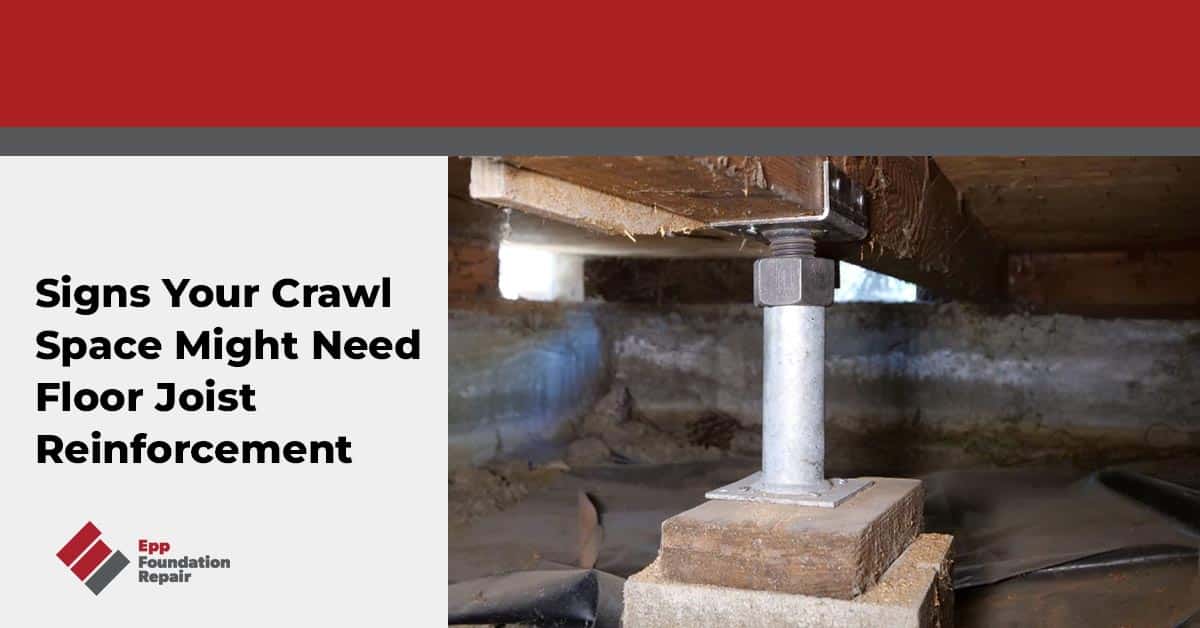 03
03 Joist repair covers any structural joist. Floor, ceiling, or accessible attic. With the same diagnostic-first approach: identify whether the joist failed, or whether the support below it failed, then match the intervention.
Learn more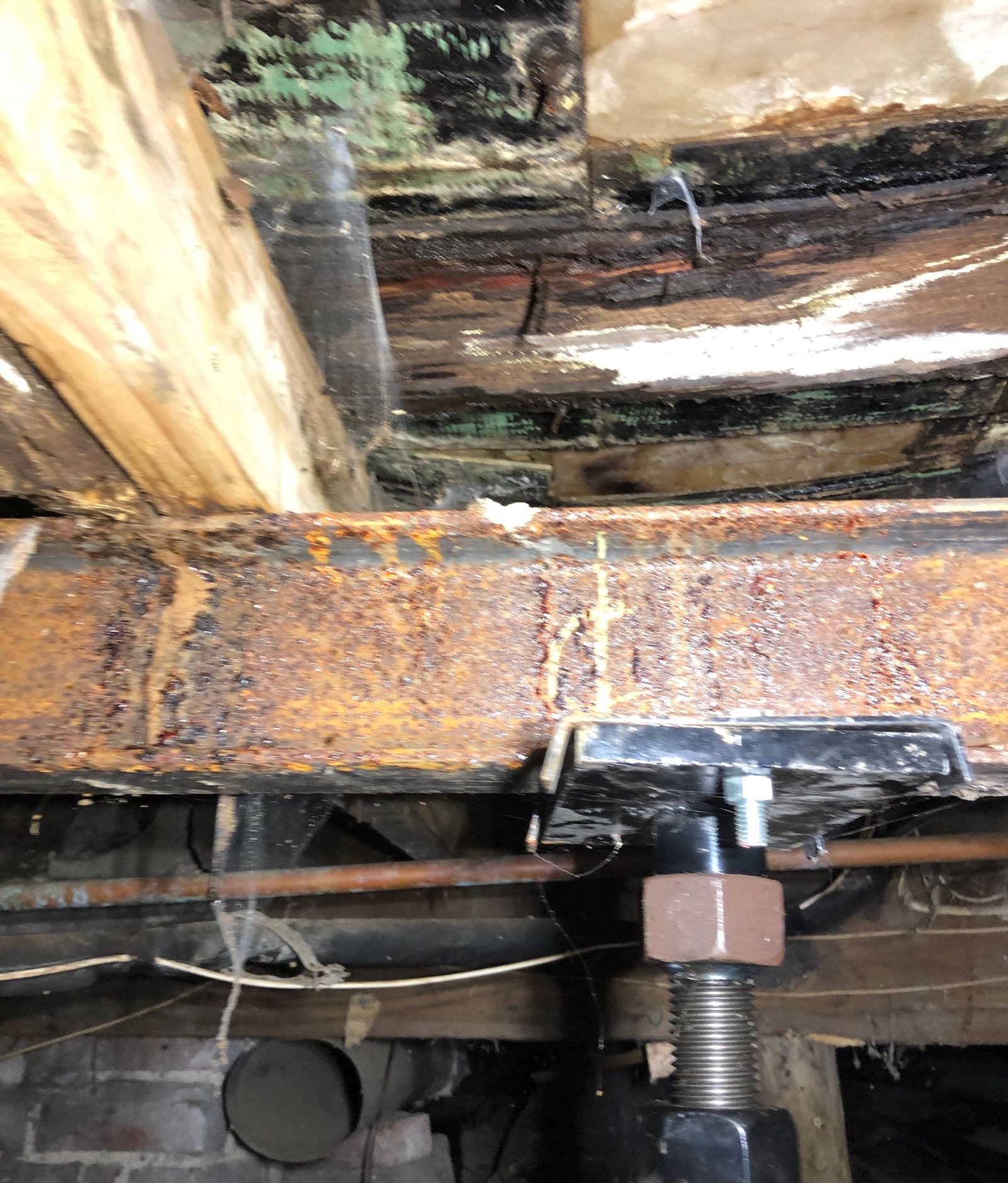 04
04 Sagging floor repair starts with a laser-level survey to identify the cause. Undersized joist, rotted joist, settled support post, sagging beam, or foundation movement. Then executes the structural lift, sister, jack, or pier work matched to the diagnosis.
Learn more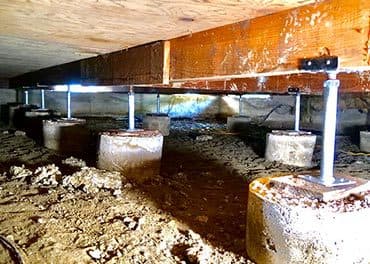 05
05 Epp Foundation Repair replaces failed wood posts and undersized concrete piers in crawl spaces and basements across NE, IA, KS, and MO. Typically with helical pier and adjustable steel jack-post upgrades.
Learn moreEpp Foundation Repair sisters or replaces rotted exterior deck joists and corroded joist hangers across NE, IA, KS, and MO. Exterior-rated structural screws, ledger-condition assessment, and honest scope.
Learn moreLocal crews based in five regional offices, dispatched daily across four states. If your town isn't listed, call us: we likely serve your area.
A straightforward path from initial inspection to completed repairs.
Dave Epp or a senior estimator inspects the failed beam, calculates the load, specifies engineered LVL or steel I-beam, and coordinates with a licensed PE for stamped drawings if the jurisdiction requires them. Scope and price go in writing.
Steel jack posts and cribbing relieve joist load across the entire length of the beam being replaced. Floors above are protected from movement during the work.
Failed beam is removed in sections. Existing posts and piers are evaluated. New helical piers, steel jack posts, or post replacements are installed where the original supports cannot carry the new beam reactions.
A 4.9-star average across Google, with verified reviews from homeowners throughout Nebraska, Iowa, Kansas, and Missouri.
Schedule your inspection in seconds with our Driive booking tool, or share a few details and a local specialist will follow up within one business day.
Practical articles from the Epp team on foundation health, waterproofing, and home preservation.
 Framing RepairLatest
Converting a crawl space into a basement is possible but involves major work. Learn the process, the pros and cons, and what to expect before starting.
 Framing Repair
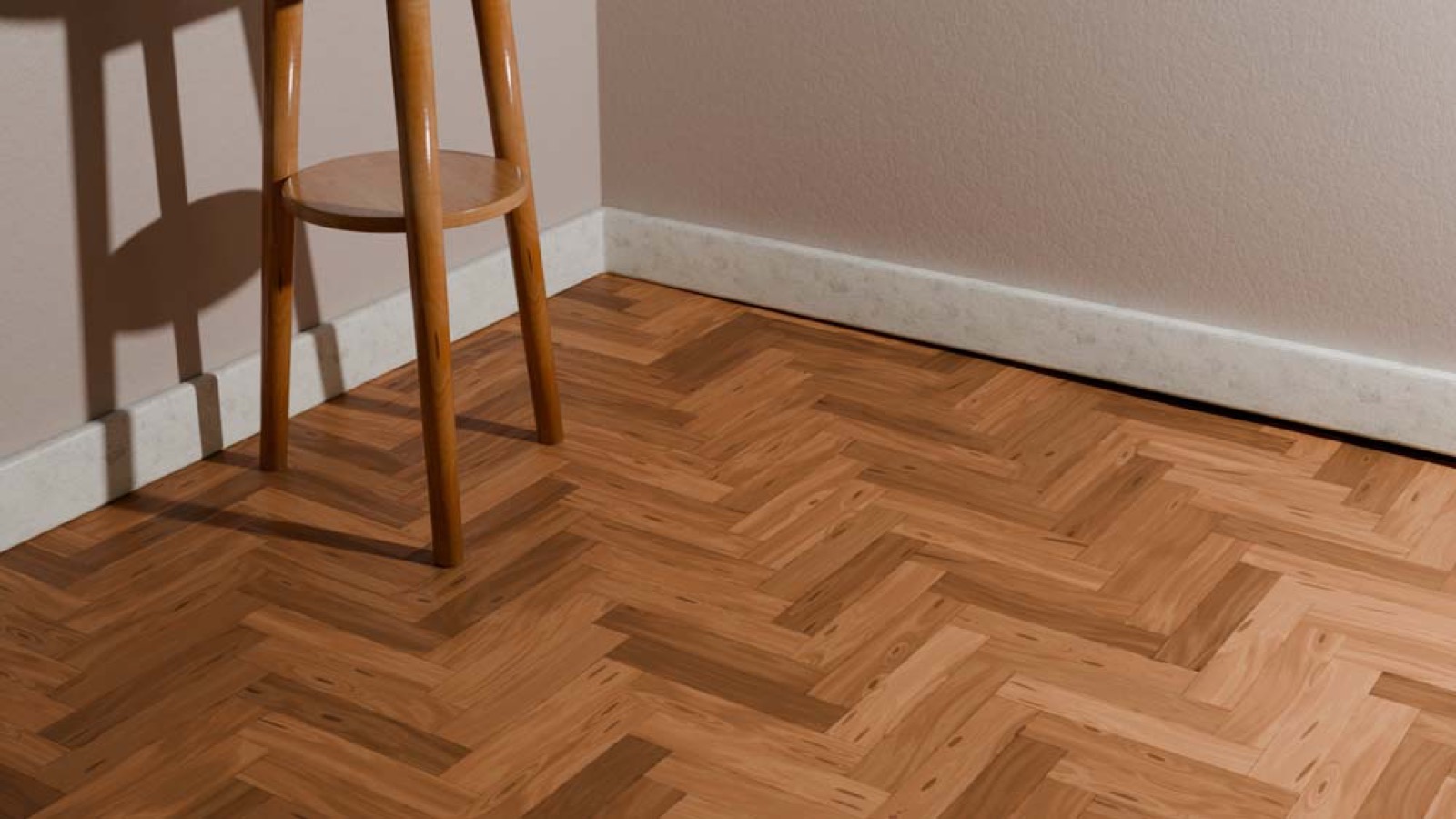
Learn what causes a sloping floor, three easy ways to test for one, and the repair options a foundation contractor may recommend to fix it.
 Framing Repair
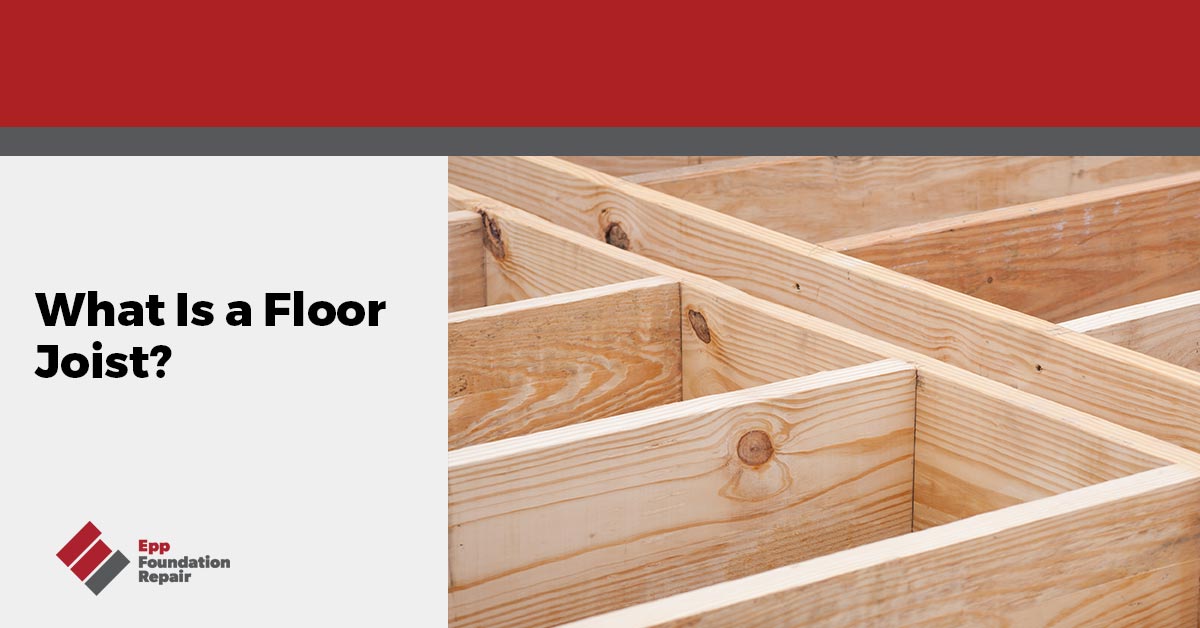
Floor joists carry the weight of the floor above a crawl space. Learn what they are, the problems that weaken them, the warning signs, and how they are repaired.
 Framing Repair
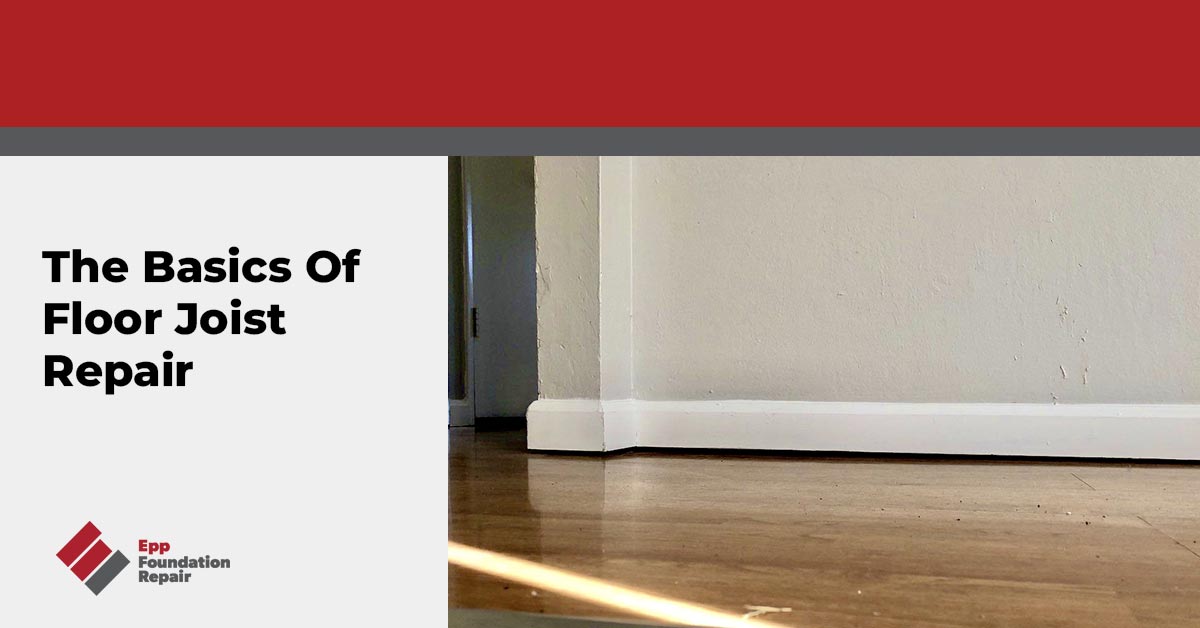
Learn what floor joists do, why they weaken, the repair methods a foundation contractor uses, and the signs that a crawl space floor needs attention.