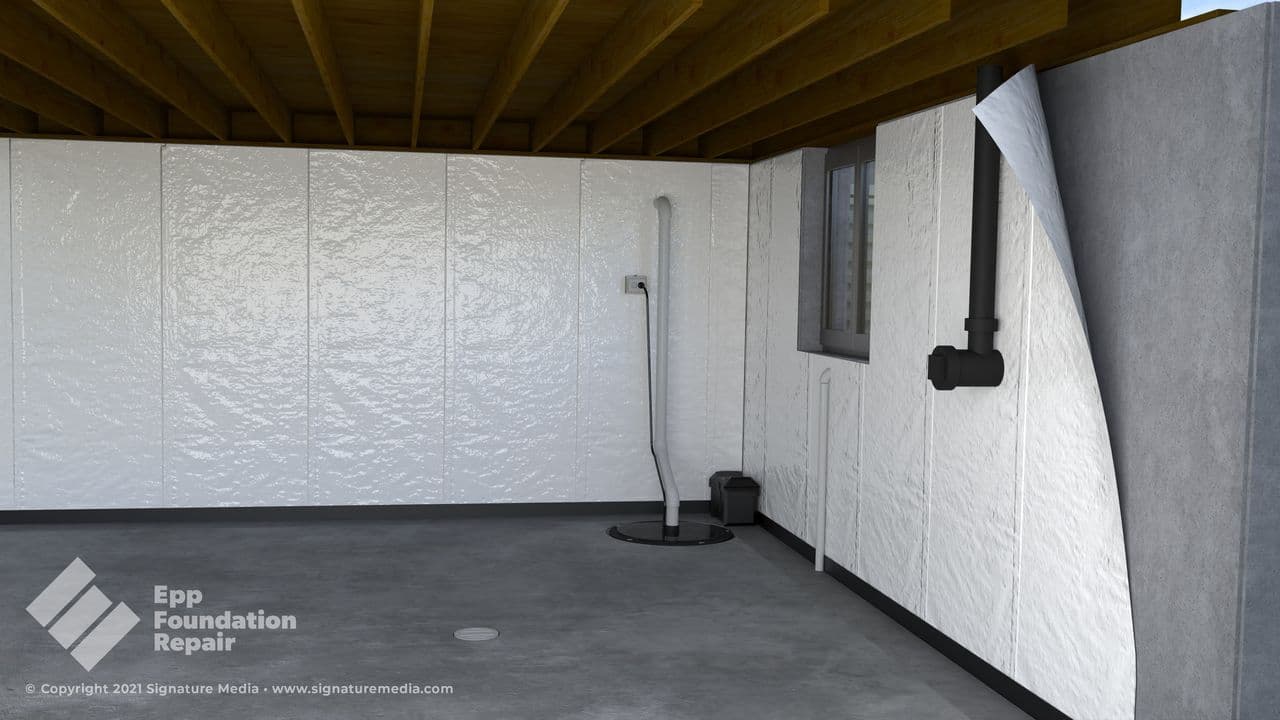
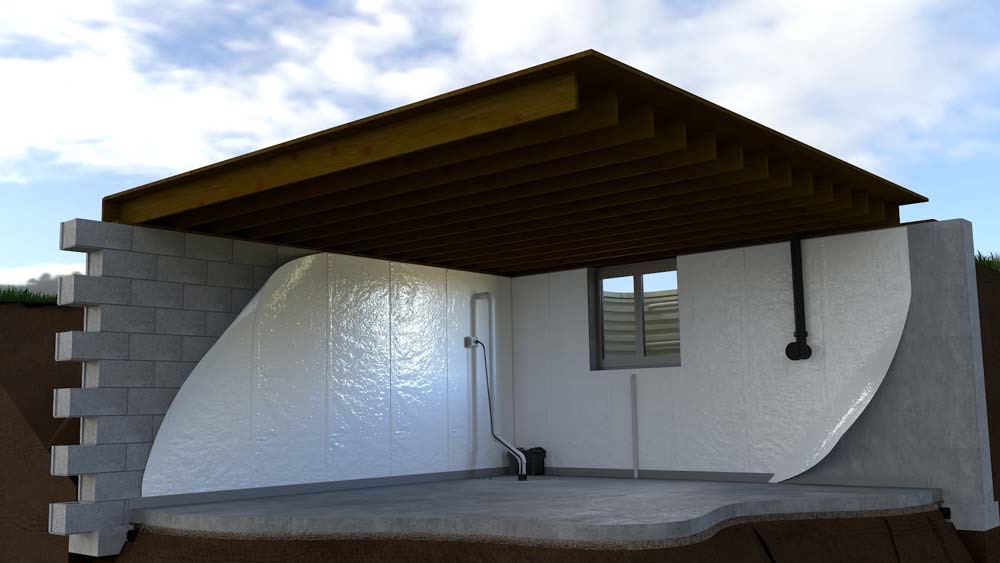
Wide hero render of finished basement waterproofing system with white wall panels sump pump pipe and window
Basement Waterproofing · Since 1994

Backup Sump Pumps for When the Primary Fails During a Storm.

A primary sump pump is no use during a storm-driven power outage, and storms are exactly when basements flood. Serving Nebraska, Iowa, Kansas, and Missouri since 1994, Epp Foundation Repair installs battery-backup sump pump systems with 12V deep-cycle batteries and inverter/chargers that run for 6 to 12 hours of pumping when grid power is out, and water-powered backups where municipal pressure and local code permit.

Nebraska · Iowa · Kansas · Missouri Since 1994

Let's take the first step toward a healthy home.

A local specialist will inspect your foundation, walk you through the findings, and send a clear estimate, no cost, no pressure.

BBB Accredited
Fully Insured
"By Your Side" Guarantee

Diagnosis First

What Your Situation Means for Backup Sump Pump Timing

Backup sump pump installation adds a second pump in the same basin that takes over when the primary fails, loses power, or cannot keep up with inflow during a storm. Epp Foundation Repair installs battery backup systems as the default across the region, since spring storms here routinely combine heavy rain with power outages.

Structural
A sound primary pump in a home prone to storm-driven power outages
CauseGrid power loss during the same storms that produce heavy rain, when the primary, which runs on AC power, stops working.What it meansThe primary alone leaves no protection during the exact moment it is needed most.Repair pathA battery backup added onto the working primary, tested through failure, high-water, and power-outage modes.
Monitor
A builder-grade or end-of-life primary pump
CauseAn undersized plastic primary pump reaching the end of its service life.What it meansPairing a backup with a failing primary is backward; the primary should be replaced first.Repair pathReplace the primary with a proper cast-iron unit, then evaluate backup need.
Monitor
A basement whose water source has not been diagnosed
CauseAn uncorrected upstream issue, such as a bad downspout or negative grading, feeding water to the pit.What it meansA backup on top of an undiagnosed source is overkill in the same way the primary would be.Repair pathDiagnose and correct the water source first, then size the primary and evaluate backup need.
Monitor
Frequent, extended power outages across the whole house
CauseThe outage problem extends beyond the sump pump to the rest of the home's power needs.What it meansA battery backup only protects the pump; a whole-house outage problem is a different scope.Repair pathA transfer-switch generator powering the primary pump and the house, not a battery backup pump.

In Depth

What the Full Guide Covers

Everything a Midwest homeowner should know about this repair, from the specialists who do it every day.

Read the Full GuideHide the Full Guide

And spring across the territory routinely delivers heavy rain and power outages in the same event. Lincoln, Omaha, and Kansas City basement contractors all see the same pattern in service call data. Primary sump pump failures during storms are not random across the year, they cluster between March and June when grid outages and 2-inch rain events overlap. A backup sump pump system exists for exactly that overlap. The math works out for any finished basement, any basement with valuable storage, and any home prone to power outages during severe weather. Most insurance carriers offer a documented-backup-pump discount that recovers a portion of the install cost over the system lifespan.

CH 01

What a Backup Sump Pump Actually Does

A backup sump pump system has three modes of activation. Primary failure mode. When the main pump motor burns out, the float sticks, the impeller fails, or any other mechanical issue stops the primary, the backup activates and assumes pumping duty. High-water mode. When water inflow exceeds the primary's pumping capacity (a severe-storm scenario with full perimeter drain tile feeding the pit), water rises above the primary's float threshold and triggers the backup's higher float, so both pumps run simultaneously. Power-outage mode. When grid power fails, the primary stops (because it's AC-powered) and the backup activates on its independent power source (12V battery or municipal water pressure). Two backup architectures cover almost every residential installation. Battery-backup systems use a 12V deep-cycle marine battery (75 to 150 amp-hour capacity), a combined inverter/charger that keeps the battery topped off during normal operation, and a secondary DC pump rated for the basin. Run time on full battery is 6 to 12 hours of continuous pumping or up to 36 hours of cycled pumping in a moderate inflow scenario. Water-powered backup systems use municipal water pressure to drive a venturi pump that requires no battery, no electricity, and runs as long as the city water supply runs. Trade-off: water-powered backups discharge 2 gallons of city water for every 1 gallon pumped from the pit, the home pays for that city water on the next bill, and many municipalities prohibit the discharge configuration that water-powered backups require. For most residential installations across the territory, battery-backup is the right tool. Water-powered backups are appropriate in specific scenarios. Homes with chronic power instability, homes with adequate municipal water pressure (40+ psi), and jurisdictions where local code permits the storm-discharge tie-in water-powered systems need.

Four conditions. Drywall, framing, flooring, contents, and microbial remediation, and the cost of a backup pump is 2 to 10 percent of that claim. Any basement with valuable storage. Furnaces and water heaters at floor level, archived documents, electronics, exercise equipment, or anything else that doesn't recover from saturation. Any home prone to power outages during severe weather. Many rural lots in Cass County NE, the Council Bluffs basement waterproofing area of Pottawattamie County IA, and Atchison County MO experience 4 to 12 storm-related outages per year, and the outages routinely coincide with the rain events the primary pump is supposed to handle. Any home where the primary pump cycles heavily. High cycle count means high probability of mechanical failure at exactly the wrong moment, so backup is risk management.

CH 03

What Epp Installs and How

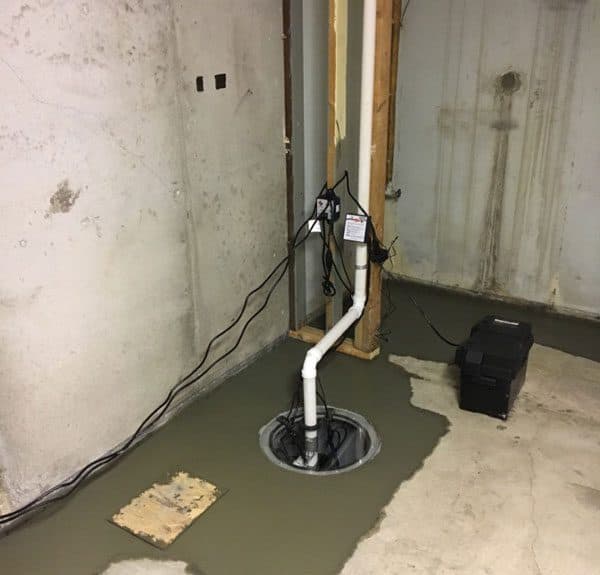
A battery-backup sump pump installation runs 4 to 6 working hours on top of an existing primary pump system, or 6 to 8 hours combined with a new primary installation. Components and sequence: Battery selection and mounting. Epp's standard is a 100 amp-hour 12V deep-cycle marine battery in a vented battery box near the sump pit. Marine deep-cycle batteries tolerate the partial-charge cycling that backup systems impose, which automotive starting batteries do not. The vented box contains battery off-gassing during charging. Inverter/charger installation. Combined inverter/charger unit mounts on a wall stud near the basin, plugged into the same dedicated circuit as the primary pump (or a separate dedicated circuit if pit configuration requires it). The unit keeps the battery at full charge during normal operation and switches to inverter mode within 1 second of grid power loss. Backup pump installation. Secondary DC pump (typically 1/4 to 1/2 hp depending on basin volume and primary capacity) is set in the basin alongside the primary. Backup pump float sits 2 to 4 inches above the primary's float so the backup only runs when the primary has failed or water has risen beyond primary capacity. Discharge tie-in. Backup pump discharge tees into the existing primary discharge line above the primary's check valve, with an independent check valve on the backup leg. Both pumps discharge through the same exterior pipe. Epp does not run a separate backup discharge line because the configuration creates more failure points than it prevents. Battery and pump testing. Crews simulate primary failure (unplug primary), simulate high-water (fill pit with garden hose), and simulate power loss (unplug inverter/charger from grid). Backup must activate in all three scenarios. Test cycles confirm battery voltage holds under load, inverter switches correctly, and backup pump discharges to exterior. Homeowner walk-through. Epp's installer demonstrates the battery test routine. Push test button on inverter/charger monthly, replace battery every 4 to 7 years, watch for charger fault indicators, and provides written maintenance documentation. ## Why Nebraska, Iowa, Kansas, and Missouri Need Backup Pumps More Than Most Markets

The regional storm pattern is the entire argument. Spring storms across eastern NE, western IA, KS, and MO routinely produce hail, wind, and 2-inch rain events that drop transmission lines, knock out grid power to neighborhoods for 4 to 24 hours, and saturate the soil column at the same time. NWS data for the four-state area shows a clear cluster of severe-storm warnings between March 15 and June 30. The same window when perched water tables are highest and primary sump pumps cycle hardest. Power outage during severe storm is the failure mode that flooded basements share. A battery-backup pump is the single piece of equipment that addresses it. Fifty-plus freeze-thaw cycles per winter add a second consideration: discharge lines can freeze if not routed below frost depth, and a frozen primary discharge line means the primary cycles but no water leaves the basin. The pit fills, the float continues to call for pumping, and the primary eventually overheats and burns out. Backup pumps tied into the same discharge line don't solve that problem (both pumps discharge through the same frozen pipe), which is why Epp routes all discharge lines below frost depth (42 inches eastern NE, 48 inches northern IA) where they cross unheated ground.

CH 04

What Epp Does Not Do. And Who Does

Epp installs the backup pump, battery, inverter/charger, and discharge tie-in. Three adjacent scopes Epp does not perform. Battery maintenance and replacement after install. Quarterly testing and the 4-to-7-year battery replacement are homeowner responsibility, not warranty items. Epp provides written maintenance instructions and a printed reminder schedule. A failed backup pump that traces to a dead unmaintained battery is not a warranty claim. Whole-home generator installation. For homes with frequent or extended power outages, a transfer-switch generator that powers the primary pump (and the rest of the house) is a different solution from a battery-backup pump. Generator installation is electrician and HVAC scope. Epp will identify when generator + primary pump is a better fit than battery backup and refer to qualified local contractors. Water-powered backup discharge tie-in where local code prohibits it. Most NE, IA, KS, and MO municipalities prohibit the storm-sewer tie-in that water-powered backups require, and Epp will not install a configuration that violates municipal code. If the homeowner specifically wants water-powered backup, Epp confirms code at the local building department first.

CH 05

When NOT to Install a Backup Sump Pump

Don't install a backup before the primary is correctly sized and installed. A 1/4 hp builder-grade plastic primary that's reaching end-of-life shouldn't get a backup. It should get replaced with a proper 1/3 hp cast-iron primary first, and the backup decision happens after that. A backup is insurance against the primary failing, not a workaround for an undersized primary. Don't install a backup in a basement where the actual water source hasn't been diagnosed. A backup pump on top of an uncorrected upstream source (bad downspout, negative grading, yard drainage) is overkill. The primary is overkill in that scenario too. Epp diagnoses source first, sizes the primary appropriately, then evaluates backup need. Don't install a water-powered backup in a jurisdiction where the discharge tie-in is illegal. Most NE, IA, KS, and MO municipalities prohibit water-powered backup discharge to storm sewer without specific approval. Epp confirms local code at the building department before quoting water-powered backup, and recommends battery-backup as the default when code is restrictive. Which it usually is.

CH 06

Pricing

Customized Repair Estimate after on-site inspection reflects your scope. Epp Foundation Repair is BBB A+ rated and a two-time BBB Integrity Award winner (2011 and 2016). Every backup pump installation includes a 2-year Epp workmanship warranty, a 3 to 5-year manufacturer warranty on the pump and inverter/charger, and printed maintenance documentation that tells the homeowner exactly what to test, when, and what replacement parts will be needed at the 4 to 7 year mark.

Which Solution Is Right?

Which Backup Sump Pump System Fits

MethodFits whenNot a fit when
Battery backup systemThe right tool for nearly all residential installations across the region, independent of grid power.Municipal water pressure and local code specifically favor a water-powered system instead.
Water-powered backup systemMunicipal water pressure is adequate and local code permits the discharge configuration it requires.Local code prohibits the storm-sewer discharge tie-in the system needs, which is the case in most of the region's jurisdictions.
Regional Context

Why basement water in Nebraska and Iowa needs a regional fix

Saturated clay backfill, frequent winter freeze-thaw cycling, and heavy annual precipitation drive hydrostatic pressure against basement walls in ways that drier or warmer regions never see. Generic waterproofing approaches fail here because they ignore the soil and climate that put water against the wall in the first place.

36 to 42"
Frost penetration depth
Eastern Nebraska average
60 to 80
Freeze-thaw cycles / year
Lincoln to Omaha corridor
35 to 40"
Annual precipitation
NE / IA service region

Loess soils and the crack patterns they produce

Most of eastern Nebraska and western Iowa sits on wind-deposited loess, a fine, silty soil 10 to 200+ feet deep. Loess holds its structure when dry but loses cohesion rapidly when saturated. After a wet spring, saturated loess expands against foundation walls. After a dry Nebraska summer, it contracts, pulling away from footings, creating voids beneath slabs, and producing the vertical and diagonal settlement cracks we see most frequently on the Lincoln, Omaha, Council Bluffs corridor.

The Marshall and Sharpsburg loess series, dominant across the eastern Nebraska service area, are particularly prone to this cyclical volume change. Homes built in the 1960s, 1980s on uncompacted loess backfill show the highest incidence of progressive settlement cracking in our inspection data.

Frost depth, freeze-thaw cycles, and horizontal cracking

Eastern Nebraska's 36, 42" frost penetration depth means the soil below grade freezes and thaws 60, 80 times per year. Each cycle applies lateral pressure to basement walls. A wall that holds through ten cycles can fail in the eleventh if drainage has worsened, backfill has settled, or the wall was already at capacity. Horizontal cracks near the soil grade line are almost always a freeze-thaw story in this region.

In eastern Kansas, expansive clay pockets near the surface introduce a different failure mode. Consistent volume change regardless of frost depth. Horizontal cracking in Kansas foundations typically traces to clay expansion; the same pattern in Nebraska more often indicates frost-driven hydrostatic pressure.

Problem Signs

Basement Waterproofing warning signs to check for

These are the basement waterproofing problem signs Epp Foundation Repair diagnoses most often. Each one links to what causes it and how it is repaired.

Spotting one of these in your home?

Our specialists evaluate the underlying cause before recommending any work. Inspections are at no cost and there's no obligation to proceed.

"The day a basement floods is always the day the homeowner thought their primary pump was working. Battery backups are insurance you actually use. Every spring across our service area, we have customers who tell us the backup ran for four or six hours during a storm outage and saved their finished basement. That's the whole job."
Dave Epp
Dave Epp
Dave Epp on why battery-backup sump pumps are the single piece of equipment that prevents storm-driven basement floods in the NE/IA/KS/MO climate
Project Photos

Backup Sump Pump Installation. Finished Work

Completed work photographed on real job sites across Nebraska, Iowa, Kansas, and Missouri.

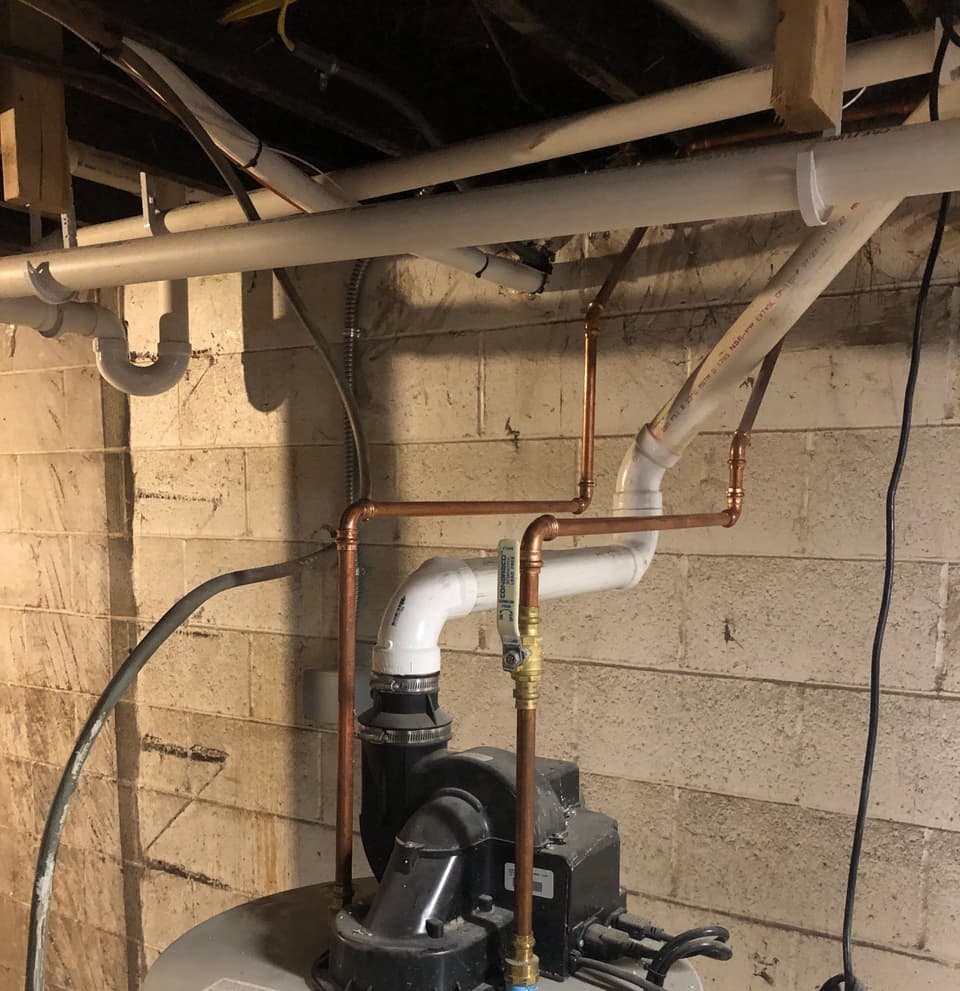
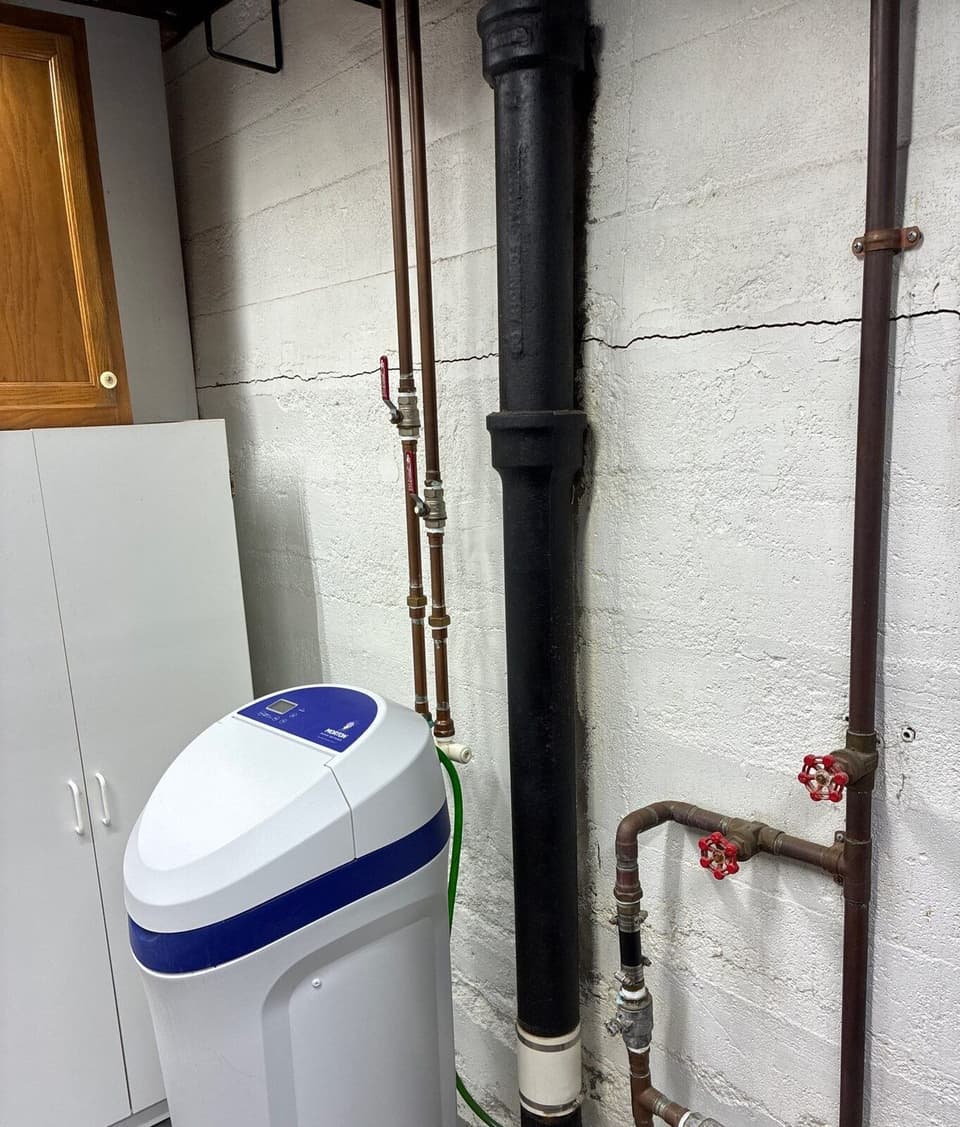
A completed sump pump installation with integrated drainage system mounted on a basement floor against a concrete block wall with copper and PVC piping connected to the system.
A completed sump pump installation with integrated drainage system mounted on a basement floor against a concrete block wall with copper and PVC piping connected to the system. View project in Valley, Nebraska
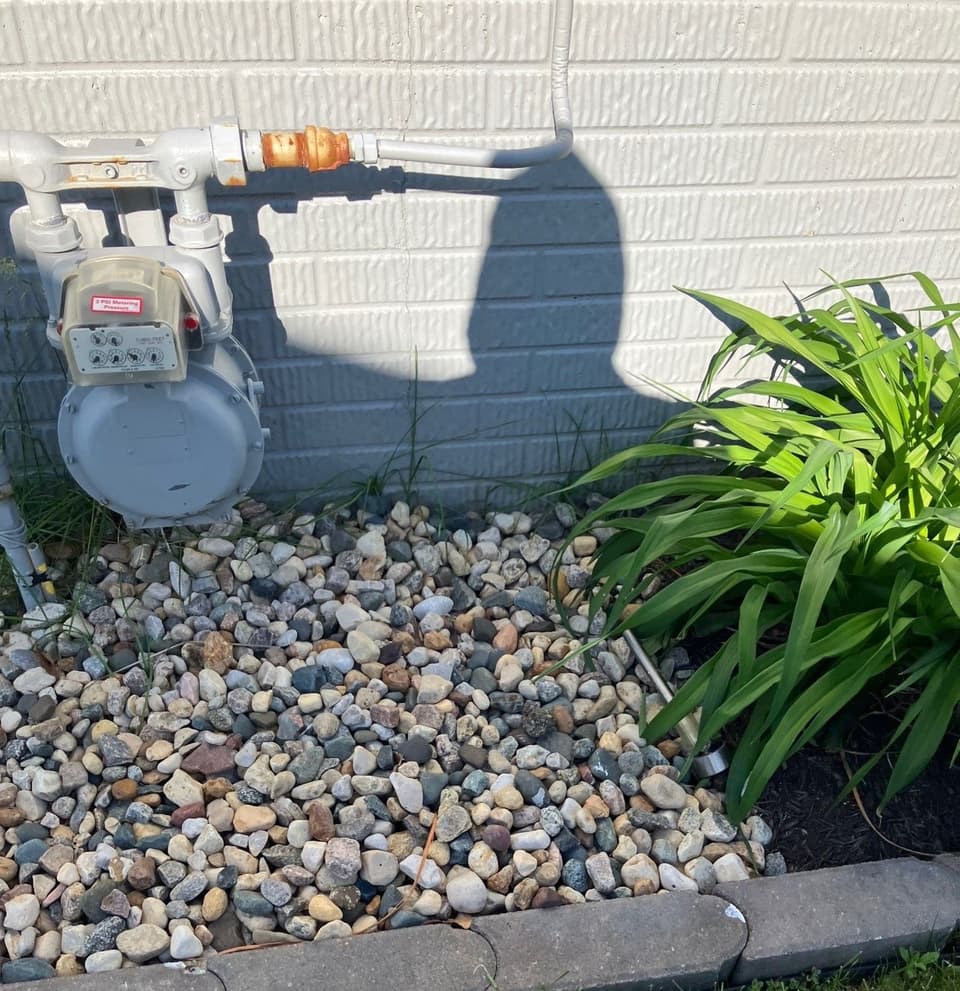
A completed sump pump installation with drainage system visible against a brick foundation, surrounded by decorative river rocks and landscaping edging.
A completed sump pump installation with drainage system visible against a brick foundation, surrounded by decorative river rocks and landscaping edging. View project in Bennington, NE
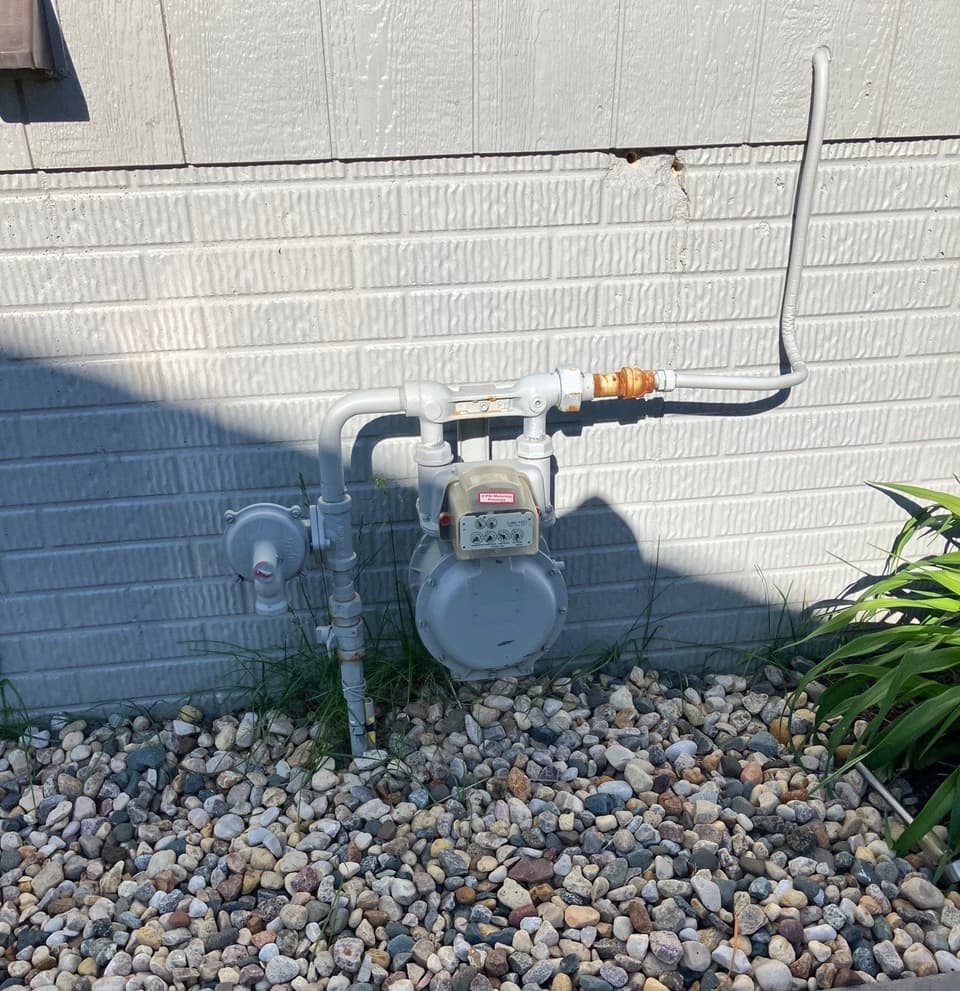
A completed sump pump installation system is visible against a brick foundation with decorative rock bed and landscaping, showing finished installation with discharge piping.
A completed sump pump installation system is visible against a brick foundation with decorative rock bed and landscaping, showing finished installation with discharge piping. View project in Bennington, NE
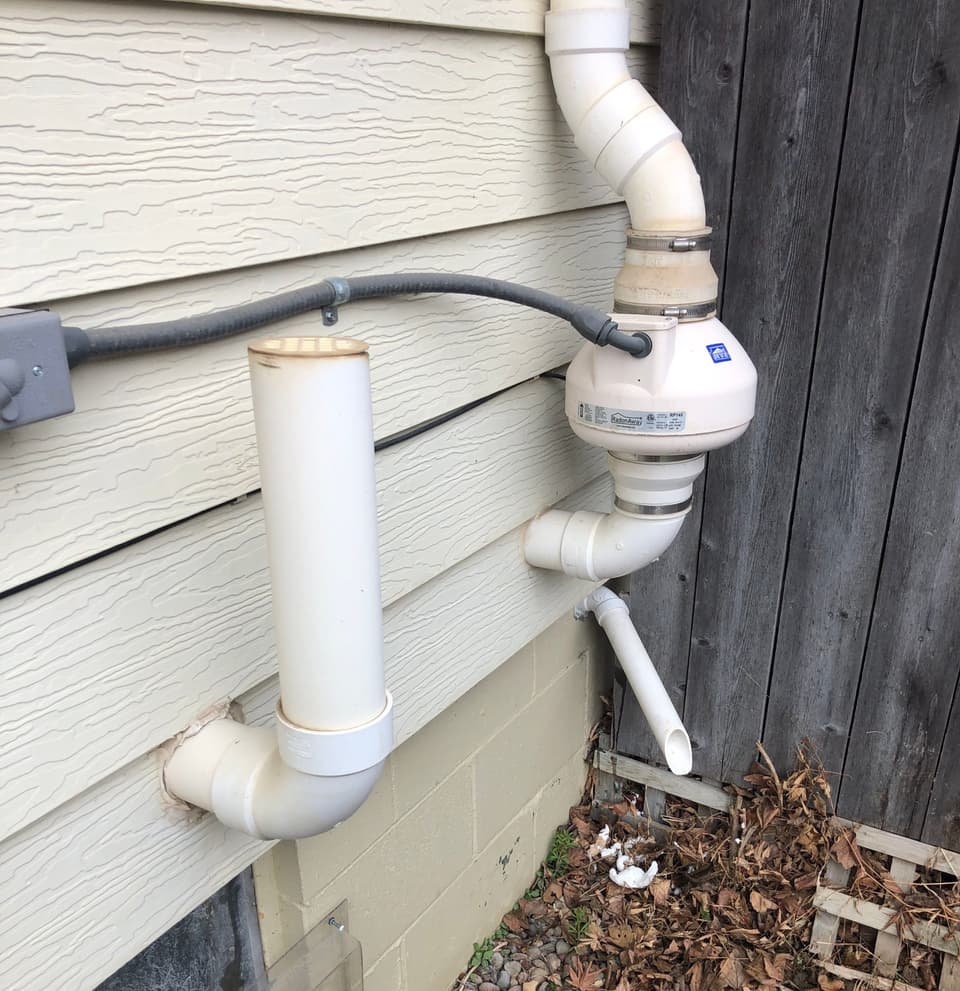
Installed sump pump system with interior drainage piping along the foundation exterior, showing completed installation with discharge line running to grade.
Installed sump pump system with interior drainage piping along the foundation exterior, showing completed installation with discharge line running to grade. View project in Plattsmouth, Nebraska
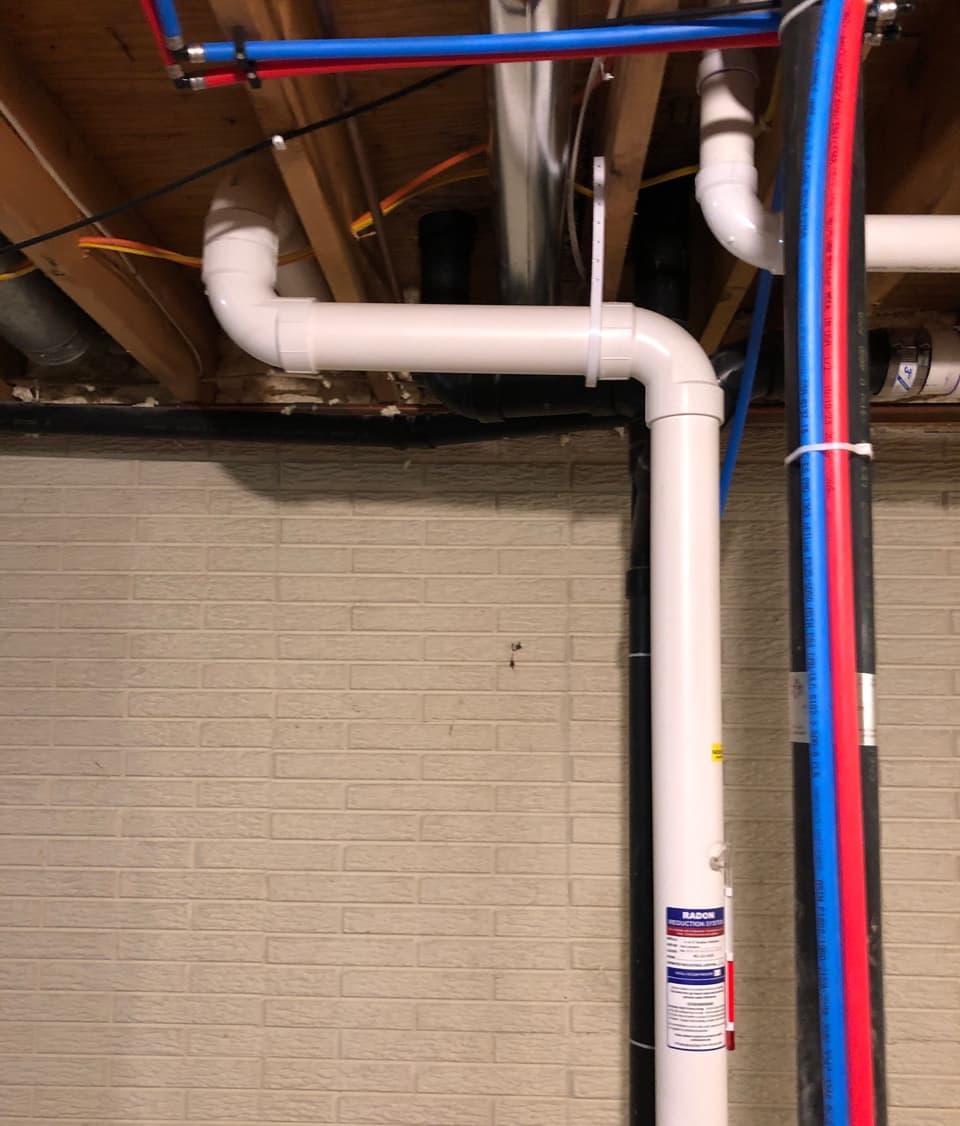
Installed sump pump system with white PVC discharge pipe and integrated interior drainage system alongside blue and red PEX tubing in a basement setting.
Installed sump pump system with white PVC discharge pipe and integrated interior drainage system alongside blue and red PEX tubing in a basement setting. View project in Lincoln, NE
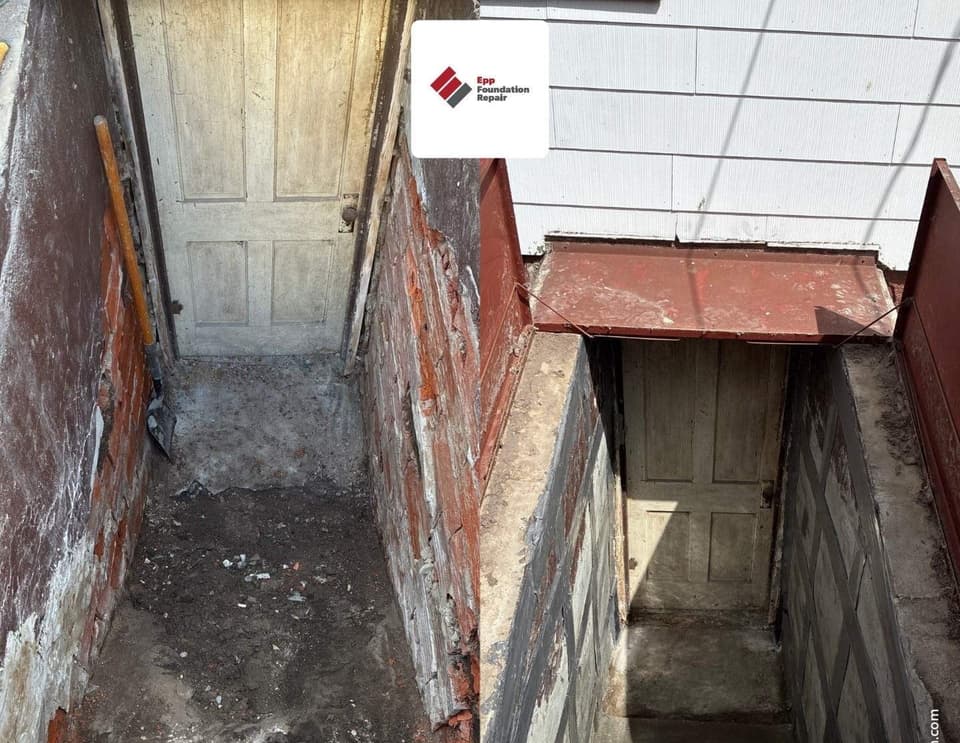
A basement egress window installation project showing the before condition with deteriorated brick walls and debris, and the after condition with a clean, installed egress window and cleared foundation area.
A basement egress window installation project showing the before condition with deteriorated brick walls and debris, and the after condition with a clean, installed egress window and cleared foundation area. View project in Ravenna, NE
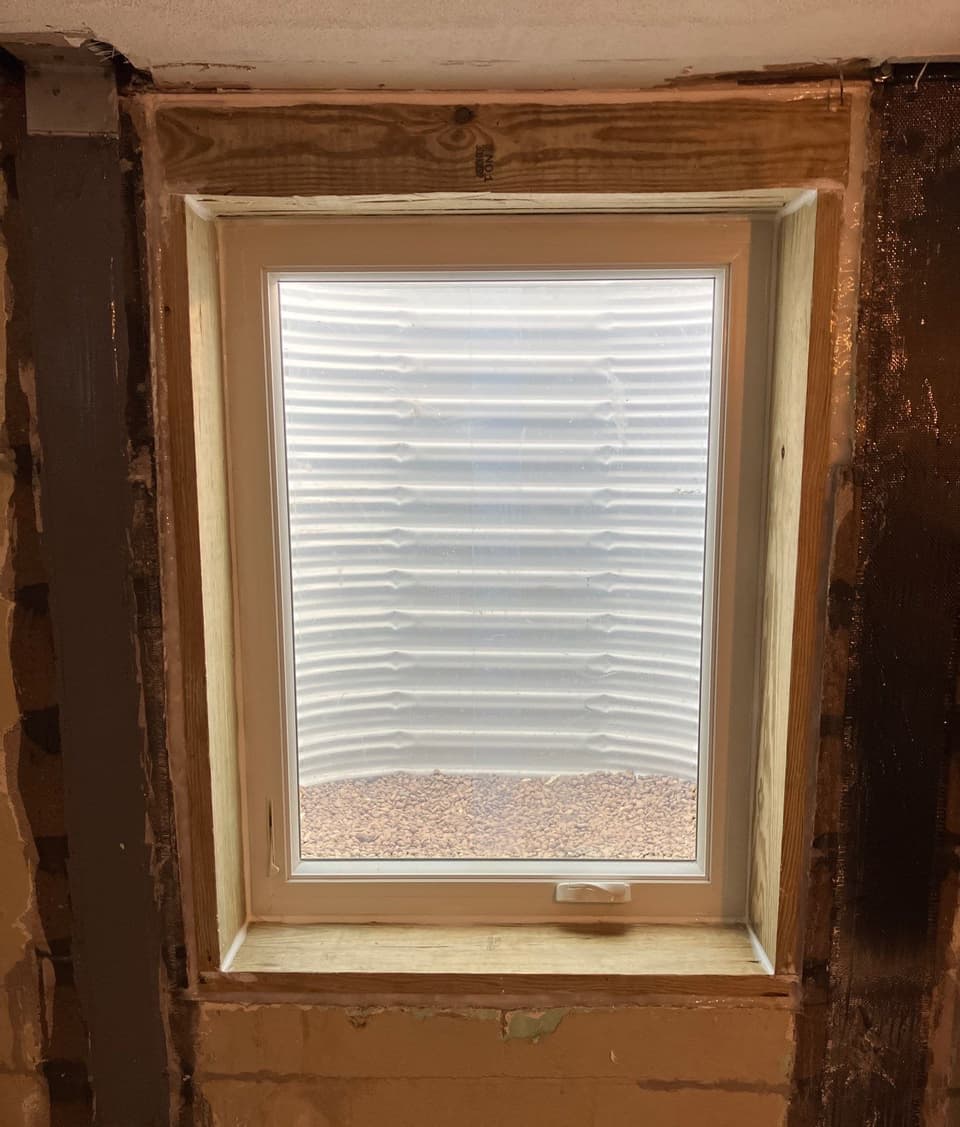
A newly installed egress window in a finished basement room with gray walls, white trim, and a potted plant on the windowsill.
A newly installed egress window in a finished basement room with gray walls, white trim, and a potted plant on the windowsill. View project in Lincoln, NE
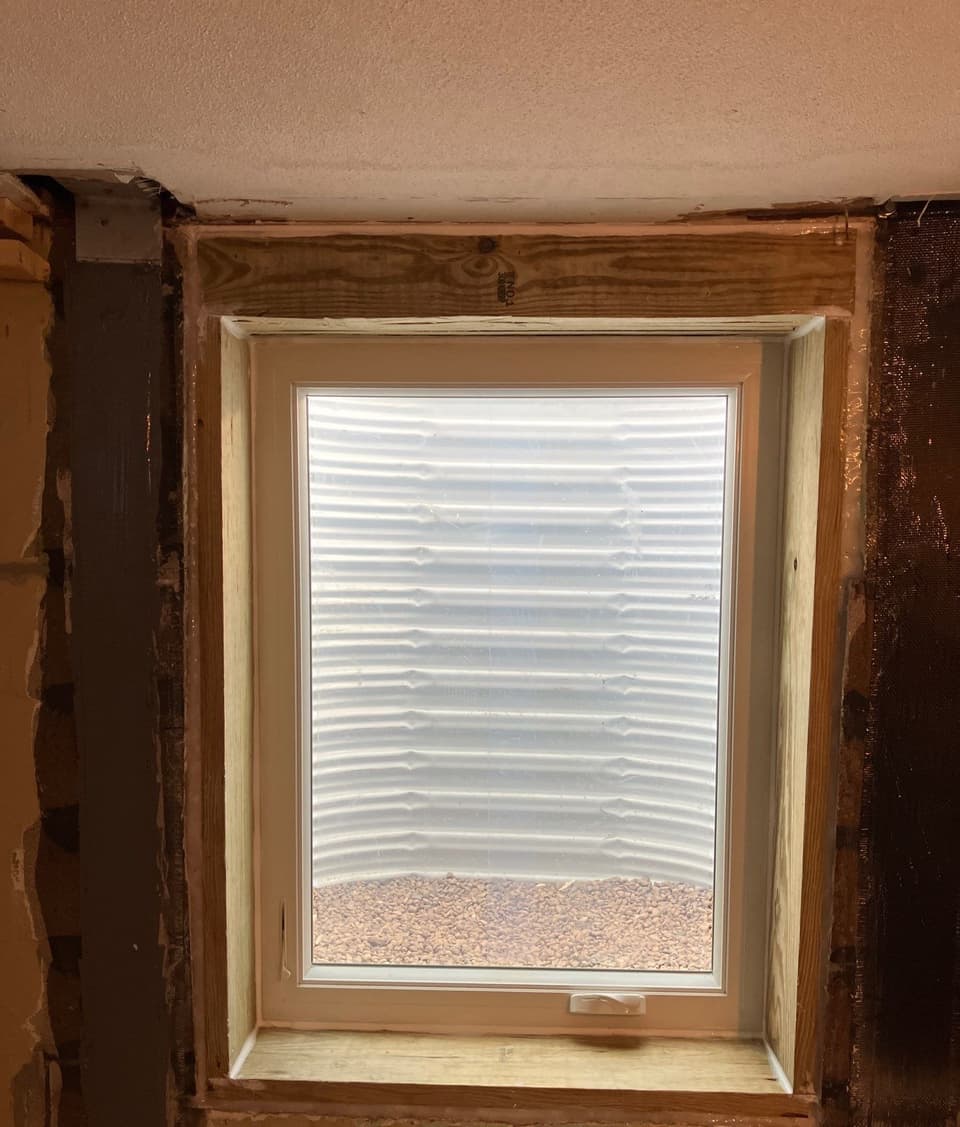
A newly installed egress window with light-colored wood frame and sill viewing out to a beach/sandy area with ocean waves in the background.
A newly installed egress window with light-colored wood frame and sill viewing out to a beach/sandy area with ocean waves in the background. View project in Lincoln, Nebraska
A newly installed egress window with light wood frame and sill looking out to a beach with water and sand visible through the glass.
A newly installed egress window with light wood frame and sill looking out to a beach with water and sand visible through the glass. View project in Lincoln, Nebraska
Why Choose Epp

Care and expertise from a team that's been doing this since 1994.

Epp Foundation Repair is locally owned and operated, with crews dedicated exclusively to foundation, basement, and concrete work across the Midwest.

Specialized expertise.

Foundation repair, waterproofing, and concrete leveling are our entire focus, not a sideline.

Locally owned since 1994.

Three decades of experience with Midwest soils, basements, and weather conditions.

BBB Integrity Award winner.

Recognized in 2011 and 2016 for ethical business practices and customer transparency.

Warrantied solutions.

Every repair comes with a written Epp warranty, from 1 year to the lifetime of the structure depending on the product.

Why hire Epp Foundation Repair.. Video preview.
Epp · Since 1994

Why hire Epp Foundation Repair.

MEET THE TEAM · 2 MIN
Frequently Asked Questions

Answers to common questions about Backup Sump Pump Installation.

Don't see your question here? Our team is happy to help. Reach out anytime.

Strongly recommended for any finished basement, any basement with valuable storage, and any home prone to power outages during severe weather. The regional argument is the entire case: spring storms across Nebraska, Iowa, Kansas, and Missouri routinely produce heavy rain and grid power outages in the same event, and a primary sump pump is no use during a power outage. The math works for almost any residential basement. The installed price above is a planning range. A free on-site inspection and Customized Repair Estimate confirm the exact number for your system.

Any figures shown above are general context only and are not project quotes. A precise figure is provided on the Customized Repair Estimate after on-site inspection.
Pricing & Scope

Honest Pricing and Honest Limits

Every home is different. What a repair costs depends on the cause, the scope, and access. A free on-site inspection produces a Customized Repair Estimate that reflects your home, not a typical range.

Estimate Only

Approximate pricing

Includes 100 Ah deep-cycle marine battery, vented battery box, inverter/charger, 1/4 to 1/2 hp DC secondary pump, discharge tie-in with independent check valve, and full system testing. Customized Repair Estimate after on-site inspection reflects your scope.

When this isn't the right fix

Don't install a backup before the primary is correctly sized. A 1/4 hp builder-grade plastic primary nearing end-of-life should be replaced with a proper 1/3 hp cast-iron primary first, then evaluate backup need. Don't install a backup in a basement where the water source hasn't been diagnosed. A backup on top of an uncorrected upstream issue (bad downspout, negative grading, yard drainage) is overkill, because the primary is overkill in that scenario too. And don't install a water-powered backup in a jurisdiction where the storm-sewer discharge tie-in is prohibited. Most NE, IA, KS, and MO municipalities prohibit it without specific approval, so battery-backup is the default unless local code says otherwise.

Why our estimates are honest

Epp Foundation Repair holds BBB A+ accreditation and is a two-time BBB Integrity Award winner (2011 and 2016). Every backup pump installation includes printed maintenance documentation telling the homeowner exactly what to test quarterly, when to replace the battery (every 4 to 7 years for regional cycling), and what manufacturer warranty terms apply. The documentation discipline that drives the Integrity Award designation.

Watch

Importance of a backup sump pump!!

Importance of a backup sump pump!!. Video preview.
Epp · Since 1994
EPP FOUNDATION REPAIR

Our team walks through this on camera.

More Basement Waterproofing Services

The full range of our basement waterproofing work.

Every basement waterproofing method we install. Sequenced so the soil profile and failure mode determine the fix.

Excavated trench beside stone entry steps showing black foundation waterproofing membrane and standing water with equipment nearby 01

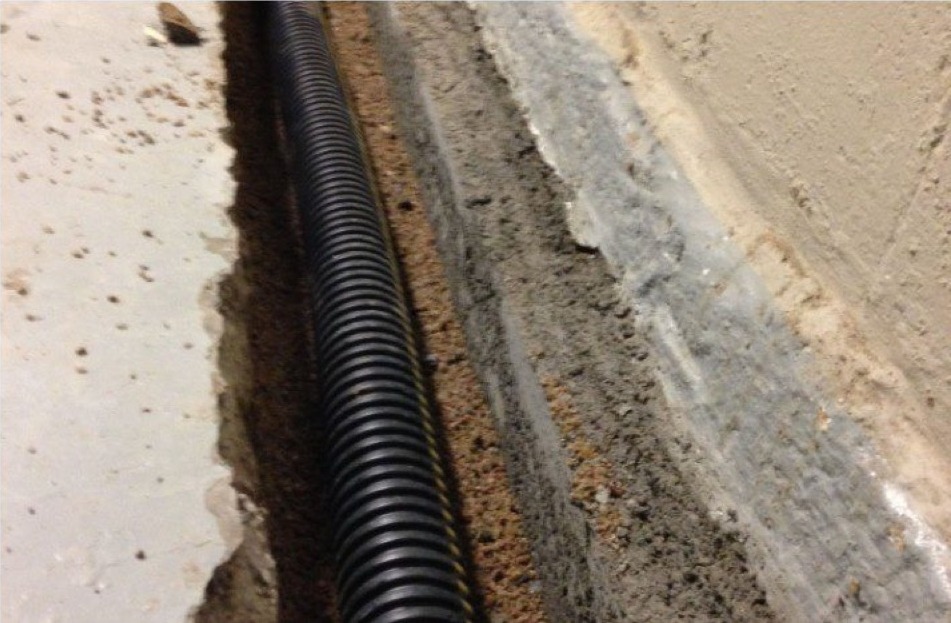
Interior Basement Waterproofing

Interior basement waterproofing manages water that has already reached your foundation. Perimeter drain tile, sump pump, and wall vapor barrier capture and discharge hydrostatic seepage rather than excavating outside. Epp Foundation Repair installs full-perimeter interior systems across NE, IA, KS, and MO when exterior excavation is impractical or unnecessary.

Learn more
Text panel beside photo of exterior block wall base with white weep hole flashing and drain trench 02

Exterior Basement Waterproofing

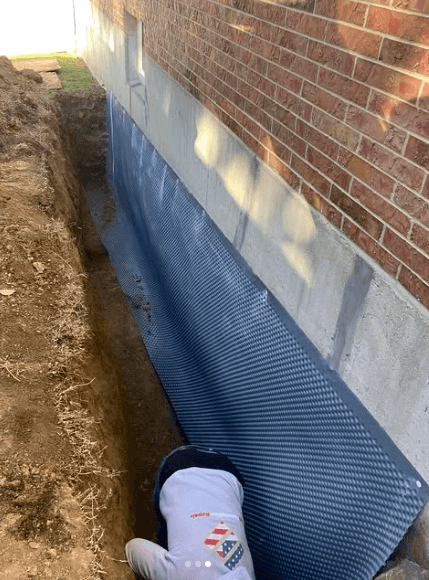
Exterior basement waterproofing excavates the affected section of the foundation, applies an elastomeric membrane to the wall face, and installs drain tile in proper drainage stone. The only method that prevents water from reaching the wall at all. Epp Foundation Repair targets exterior waterproofing to the specific wall sections that need it across NE, IA, KS, and MO, on severe seepage cases and basement-finish projects where dry walls are non-negotiable.

Learn more
Real job site photo of a drain pipe trench with sod removed leading to a catch basin 03

Exterior French Drain Installation

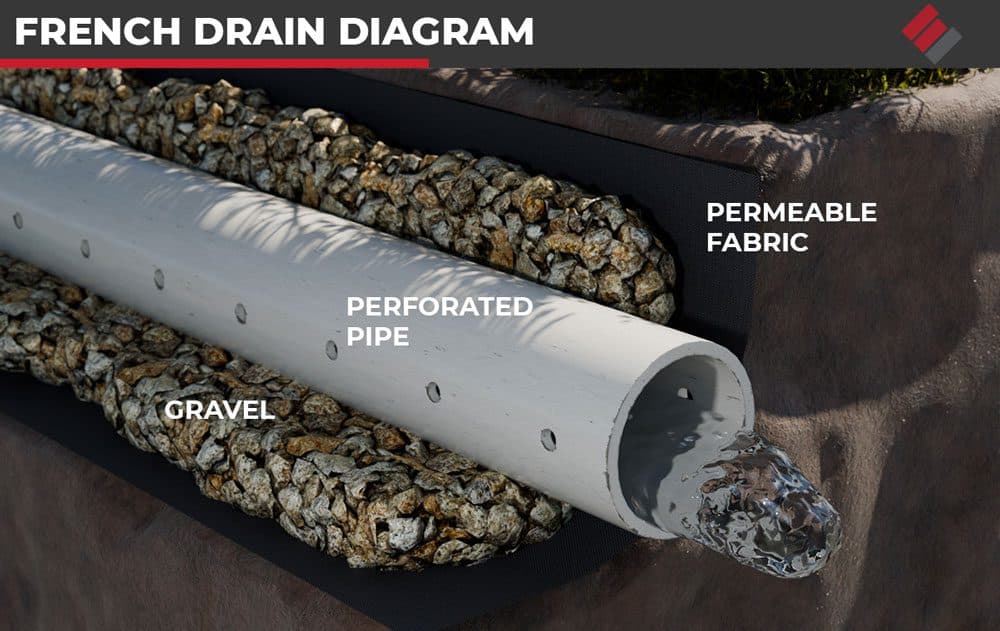
Exterior French drain installation intercepts groundwater and surface runoff in the yard before it reaches the foundation. 4-inch perforated pipe set in washed gravel, sloped to daylight or a discharge point, wrapped in filter fabric to prevent soil clogging. Epp Foundation Repair installs yard-level French drains across NE, IA, KS, and MO on lots where downspout runoff, neighbor-property drainage, or chronic wet zones are loading water against the foundation.

Learn more
Epp Foundation Repair inspecting a sump pump in a flooded basement pit, addressing basement flooding and water damage in Omah 04

Sump Pump Installation

Sump pump installation captures basement water in a sealed pit, lifts it through a check-valve discharge line, and moves it at least 10 feet from the foundation. The active end of every interior basement waterproofing system. Epp Foundation Repair installs new pits and pumps and replaces failed pumps in existing basins across NE, IA, KS, and MO, with 1/3 hp cast-iron submersible primaries and discharge configured to local code.

Learn more
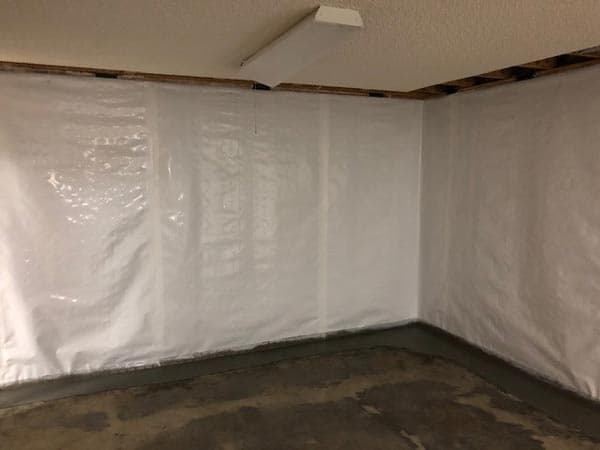
Text panel beside photo of a basement corner with white vapor barrier walls installed near the ceiling 05

Basement Wall Vapor Barrier Installation

Mechanically fastened 8-mil and 12-mil polyethylene wall vapor barriers from Epp Foundation Repair. Installed as the final component of an interior basement waterproofing system, directing minor wall seepage downward into the drain channel and out through the sump. Serving NE, IA, KS, and MO since 1994. Not installed in isolation when walls are actively wet. That's a mold trap.

Learn more
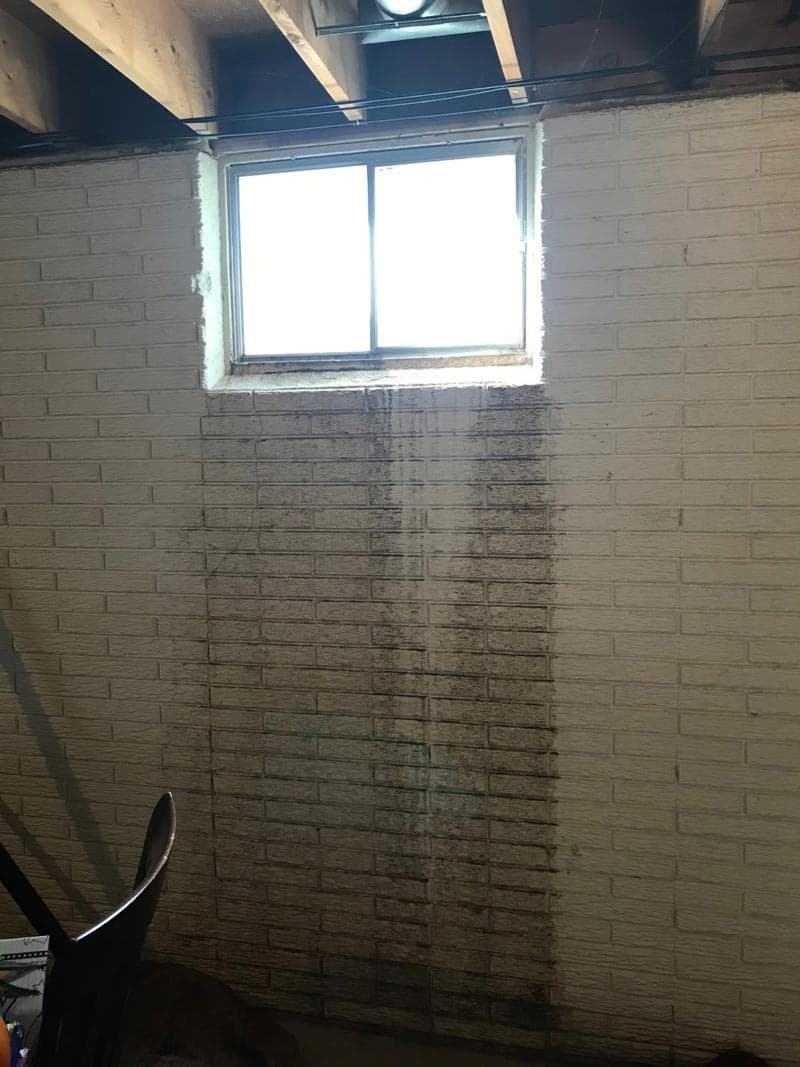
Close up photo of a white brick basement wall with dark water staining running down from a window 06

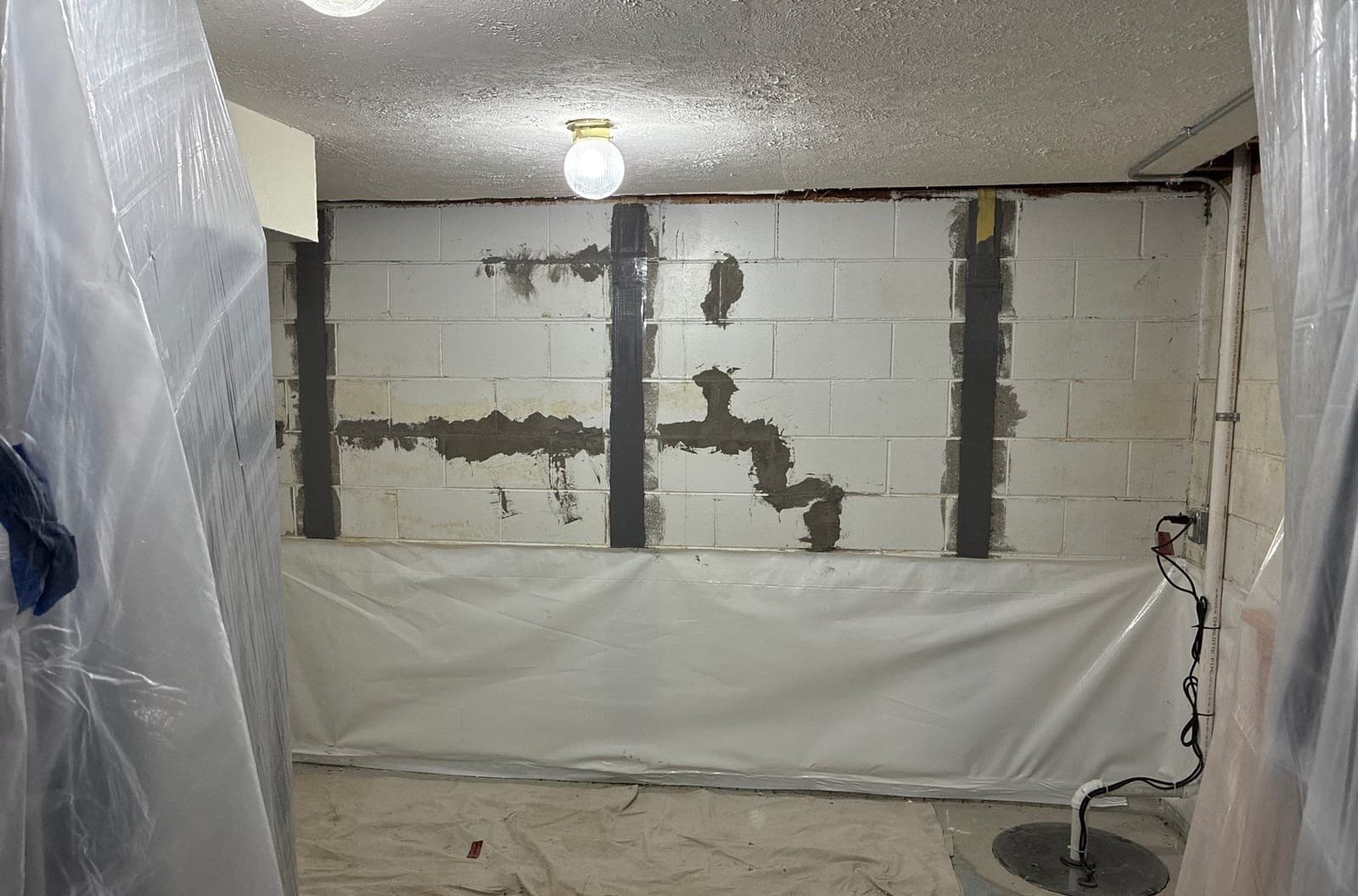
Basement Crack Repair

Targeted basement wall crack repair from Epp Foundation Repair. Diagnosis with a 30 to 90 day crack monitor, sequential polyurethane-then-epoxy injection on stable leaking cracks, and carbon fiber reinforcement on active block walls. Serving NE, IA, KS, and MO since 1994. The right repair when the leak is isolated to a crack or two; the wrong repair when the wall has systemic seepage.

Learn more
Service Areas

Serving Nebraska, Iowa, Kansas & Missouri.

Local crews based in five regional offices, dispatched daily across four states. If your town isn't listed, call us: we likely serve your area.

Top cities we serve
Check Your Service Area
The Process

How we approach Backup Sump Pump Installation

A straightforward path from initial inspection to completed repairs.

Step 01

Confirm the Primary Is Correctly Sized and Working

Backup installation starts with a primary pump inspection. A 1/4 hp builder-grade plastic primary nearing end-of-life is replaced with a proper 1/3 hp cast-iron unit before the backup decision is finalized. A backup is insurance against primary failure, not a workaround for an undersized or failing primary.

Step 02

Choose Battery-Backup or Water-Powered (Battery Default)

Battery-backup is the right tool for 90 to 95 percent of residential installations across NE, IA, KS, and MO. Independent of grid power, runs 6 to 12 hours on a 100 Ah deep-cycle marine battery, and works in all municipal code jurisdictions.

Step 03

Install Battery, Inverter/Charger, and Secondary Pump

100 Ah deep-cycle marine battery seats in a vented battery box near the basin. Combined inverter/charger mounts on a wall stud, plugged into the same dedicated circuit as the primary pump. Secondary DC pump (1/4 to 1/2 hp depending on basin volume) sets in the basin alongside the primary.

Customer Reviews

Over 1,700 homeowners have shared their experience.

A 4.9-star average across Google, with verified reviews from homeowners throughout Nebraska, Iowa, Kansas, and Missouri.

Free Estimate

Two ways to start: book instantly, or request an estimate.

Schedule your inspection in seconds with our Driive booking tool, or share a few details and a local specialist will follow up within one business day.

What to expect
  • A local foundation specialist on site
  • A complete walk-through of the findings
  • A Customized Repair Estimate within one business day
  • No cost, no obligation, no high-pressure sales
Prefer to call
402-423-9192
Nebraska · Iowa · Kansas · MissouriSince 1994
Epp Foundation Repair

Let's take the first step toward a healthy home.

A local specialist will inspect your foundation, walk you through the findings, and send a clear estimate, no cost, no pressure.

BBB Accredited
Fully Insured
"By Your Side" Guarantee
Our Locations

Five regional offices across the Midwest.

See all service areas
Lincoln, NE
Epp Foundation Repair
1133 Libra Dr
Lincoln, NE 68512
(402) 566-5265
Omaha, NE
Epp Foundation Repair
12305 Gold St, Ste 2
Omaha, NE 68144
(402) 521-5081
Grand Island, NE
Epp Foundation Repair
802 Bronze Rd
Grand Island, NE 68803
(308) 303-3944
Norfolk, NE
Epp Foundation Repair
1105 S 13th St, Ste 205
Norfolk, NE 68701
(402) 792-4092
St. Joseph, MO
Epp Foundation Repair
2400 Frederick Ave, Suite 315
St. Joseph, MO 64506
(816) 549-2672