
Estimate Only
Approximate pricing
Customized Repair Estimate after pre-bid site walk reflects your scope.
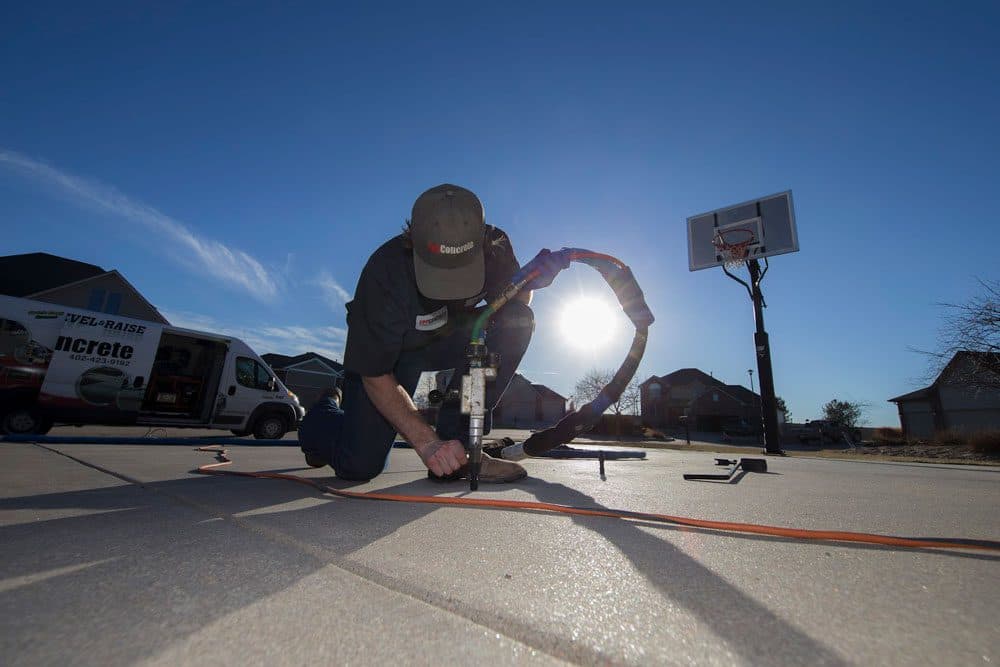
Epp Foundation Repair lifts commercial concrete across Nebraska, Iowa, Kansas, and Missouri with lift plans that work around forklift traffic, kitchen operations, and retail hours rather than against them.

A local specialist will inspect your foundation, walk you through the findings, and send a clear estimate, no cost, no pressure.
Diagnosis First
Commercial concrete leveling raises a settled warehouse floor, retail slab, restaurant kitchen pad, parking lot, or loading dock back toward grade with polyurethane foam injection, sequenced around the business's operating schedule. Epp Foundation Repair recommends it once a pre-bid site walk confirms the slab is sound and the settlement sits within foam's reach.
In Depth
Everything a Midwest homeowner should know about this repair, from the specialists who do it every day.
Commercial concrete settlement is a different problem from residential settlement, not because the soil mechanics are different, but because the operating context is. A warehouse floor that has dropped under a rack system cannot shut down for days. A restaurant kitchen with a settled equipment pad cannot stop service while the slab is lifted. A retail parking lot with a tripping hazard at the entrance cannot close the front door to customers during business hours. Epp Foundation Repair does concrete leveling on commercial slabs across Nebraska, Iowa, Kansas, and Missouri, and every commercial scope we write starts with the operations question first: what is running, when does it stop, and how do we sequence the lift to keep the business moving. Epp's commercial lift work in this region falls into five repeating categories: warehouse and distribution-center floors with forklift-traffic-induced settlement; retail strip-center slabs (storefronts, sidewalks, and entry pads); restaurant kitchen floors and equipment pads; commercial parking lots and drive lanes; and loading docks, dock pads, and dock approaches. Each category has its own settlement signature and its own lift constraints, but the underlying repair method is consistent: polyurethane foam injection, large-format pumps for higher injection volume, and engineered sequencing that respects the operating schedule.
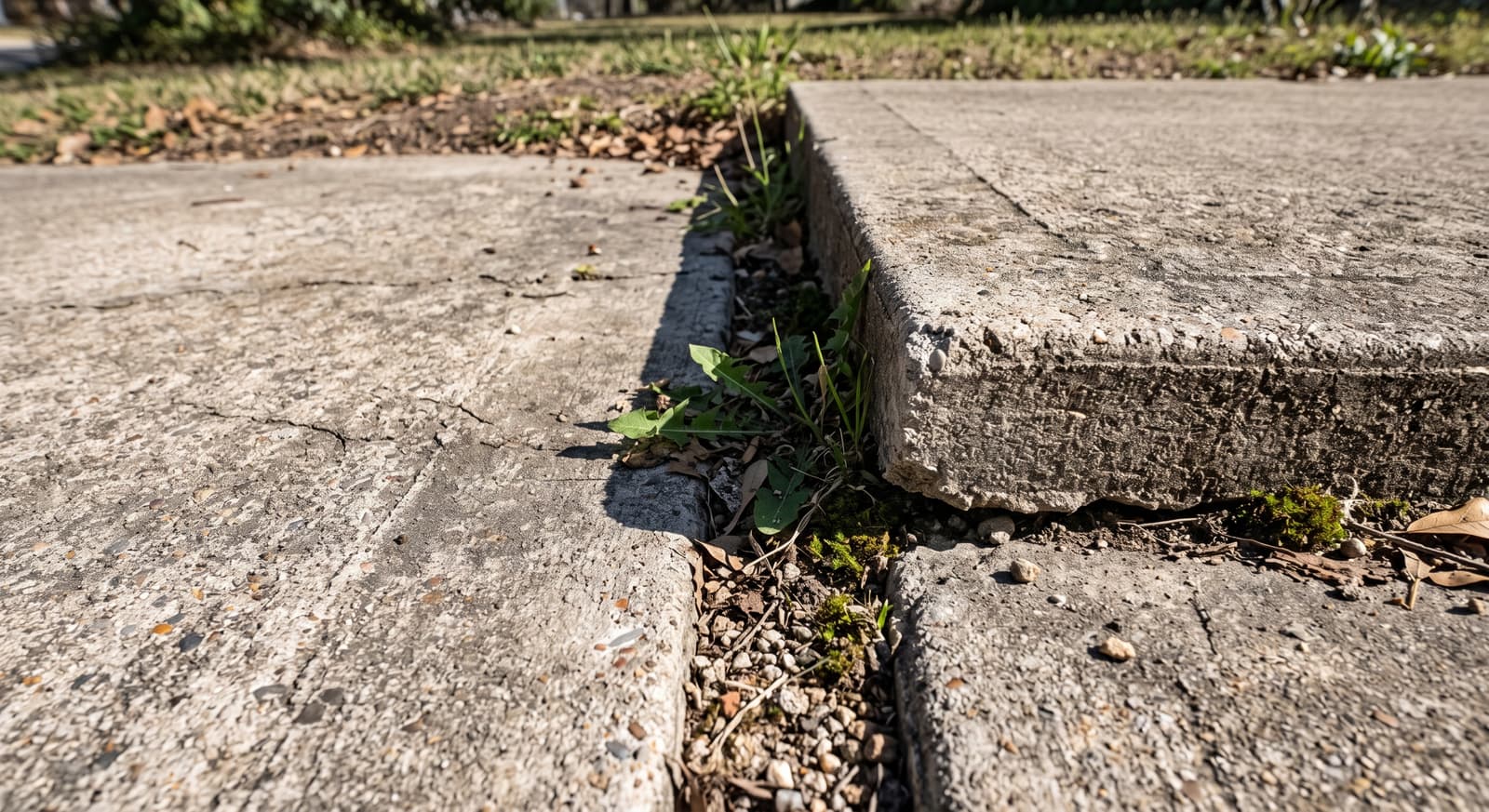
Three settlement mechanisms drive most commercial slab calls in NE, IA, KS, and MO. First, forklift-traffic-induced settlement. A loaded forklift wheel on a rack-system aisle puts a heavy point load on the floor. Repeated point loading over years can compact loosely placed sub-slab fill or migrate the fines out of granular base under the slab. The settlement signature is a band of low points along the primary forklift travel lanes, usually most pronounced at rack-system aisles and the dock approach. Second, sub-slab fill consolidation under retail and restaurant floors. Strip-center construction in this region from the 1970s through early 2000s often used locally available loess or fine sand as sub-slab fill, placed at compaction standards adequate for retail floor loads but vulnerable to consolidation when saturated. A plumbing leak in a restaurant kitchen, a water-line failure under a retail store, or chronic moisture from a sloped exterior grade can hydroconsolidate loess fill below the slab and produce settlement quickly. Third, expansive clay heave and shrinkage under exterior commercial slabs (parking lots, drive lanes, dock approaches). Highly plastic clays swell when wet and shrink when dry. Commercial parking lots in the Kansas-Missouri clay belt cycle through expansion and contraction faster than residential surfaces because they have less landscaping shading them and more impervious surface concentrating runoff at slab edges. Freeze-thaw cycles in NE and IA add a fourth stressor on exterior commercial slabs (dock pads, parking lots, drive lanes) by freezing sub-slab moisture and lifting localized sections that never fully settle back when they thaw.
Commercial polyurethane foam injection uses the same chemistry as residential (a two-part polyurethane resin), but with larger pump capacity, larger storage drums on the rig, and faster injection rates. Ports are patched flush with color-matched material after the lift. Sections are walkable and forklift-capable as soon as cure is verified. On a warehouse floor under a rack system, ports are typically drilled in the cross-aisle pattern that avoids rack legs. The rack stays loaded during the lift; we work the void below it without unloading the rack. On a restaurant kitchen floor, ports are drilled around equipment that cannot move, and the lift sequence runs section by section so the kitchen stays operational on the other sections. On a parking lot or dock pad, ports are placed in a grid pattern across the settled area, and the lift runs in passes that aim to restore the slab to design grade. Lift targets on commercial slabs are documented in writing before the lift starts. The target is usually design-grade restoration where the floor was originally specified flat, or a designed pitch where the slab was originally specified to slope (for example, toward a floor drain in a kitchen or wash bay).
Warehouse and distribution-center floors in Lincoln, Omaha, and Council Bluffs often run on loess fill that can hydroconsolidate under decades of forklift traffic. Retail strip-center entry pads and sidewalk approaches can settle when downspout outlets dump water against the slab edges and wash loess fines out of the sub-slab base. Restaurant kitchen floors can drop under equipment pads after a slow water-line leak wets the clay below the slab, and dock pads at agricultural operations can settle where freeze-thaw and concentrated heavy-truck loading combine. The soil mechanics are the same as residential work, but the operations constraints and load requirements drive how the lift is sequenced.
Epp Foundation Repair lifts commercial slabs and pours new concrete where a section is end-of-life. Epp does not do new commercial construction. Epp does not provide PE-stamped structural engineering drawings internally; when a lift design requires an engineer stamp, we coordinate with the building owner's engineer or refer one. Epp does not handle commercial floor finish restoration (epoxy coatings, polished concrete refinish, decorative finishes) after the lift. That is a specialty coating contractor scope. When a commercial slab is too structurally damaged to lift as a unit, Epp says so on the pre-bid site walk and recommends replacement instead of lifting. Epp's pre-bid site walk is provided at no charge for commercial inquiries. The output is a written scope, a sequenced lift plan, a Customized Repair Estimate, and an operations schedule. Epp Foundation Repair is BBB A+ rated and a BBB Integrity Award winner.
Pricing depends on total square footage lifted, lift height, foam volume required, operations sequencing constraints, and engineering coordination if a PE stamp is required. Customized Repair Estimate after pre-bid site walk reflects your scope. If a warehouse floor has dropped under rack loads, a retail entry pad has become a liability exposure for customer trips and falls, a restaurant kitchen floor has settled enough to interfere with equipment leveling, or a dock pad has dropped enough to misalign trailers, schedule a pre-bid site walk.
Which Solution Is Right?
| Method | Fits when | Not a fit when | Warranty |
|---|---|---|---|
| Polyurethane Foam Injection | Settlement is within foam's reach and the slab is structurally sound, whatever the load class: warehouse, retail, kitchen, parking lot, or dock. Large-format pumps and engineered sequencing fit the lift around the operating schedule. | Wide cracks run through the full thickness, an active sub-slab plumbing leak has not been repaired, or the consolidation runs deeper than foam can reach. | 5 years from substantial completion against failure of the installed polyurethane to perform its lifting or stabilization function due solely to defects in materials or workmanship. Requires full payment and compliance with the PolyLift Concrete Lifting Addendum and Expectations Sheet. |
| Slab Piers | Consolidation runs deeper than foam can reach, or settlement is widening and active from an underlying soil stability problem foam alone will not stabilize. | Standard settlement within foam's reach, which covers most commercial lifts. | 10 years from installation: slab piers stabilize the installed area. No lifting warranty is provided. Requires full payment. |
Warranty terms above are the headline coverage and its governing condition. Full terms, exclusions, and owner responsibilities for every method are on Epp's warranty terms page.
Each method is matched to a specific failure mode and soil profile. Browse the toolkit we draw from when diagnosing your home.
PolyLift is Epp Foundation Repair's polyurethane foam injection method for lifting sunken driveways, sidewalks, patios, and garage floors. Small ports, a two-part expanding foam, and a laser-monitored lift, with the slab walkable 15 minutes after the work is complete.
Slab jacking and polyjacking are names homeowners use for the same idea: lifting a sunken concrete slab by injecting material underneath it. Epp Foundation Repair's slab jacking work, across Nebraska, Iowa, Kansas, and Missouri, is done with polyurethane foam.
Epp Foundation Repair has installed small-diameter helical slab piers under ranch homes, slab additions, and light commercial slabs across Nebraska, Iowa, Kansas, and Missouri since 1994. Slab piers are engineered for slab-on-grade loads.
Concrete depends on the soil underneath it for support. Runoff along an edge or a downspout that empties beside a slab can wash out or soften that soil, and part of a driveway, sidewalk or patio can then settle or tilt. Water under a slab that freezes and thaws can also leave gaps beneath it.
Based on NOAA 1991 to 2020 climate normals for Lincoln Municipal Airport and Omaha Eppley Airfield.
Based on USDA soil survey data for Lancaster County (Lincoln) and Douglas County (Omaha), clay is the main soil type in both counties. The survey rates Lancaster County high and Douglas County moderate for shrink swell. Clay can swell when it gets wet and shrink as it dries, so a slab or foundation on clay can move up and down with the seasons. The soils that cover the most ground in Lancaster County are Wymore and Aksarben, and in Douglas County they are Contrary and Marshall.
Loess, the wind deposited silt common in eastern Nebraska and western Iowa, can lose strength and settle when it gets wet. Water can reach it from runoff, a plumbing leak or a downspout that empties next to the house.
In Lincoln and Omaha, soil near the surface can freeze and thaw many times between fall and spring. Each city's building code sets a frost line depth, which is the minimum depth below finished grade for a footing. It is 36 inches in Lincoln and 42 inches in Omaha. Supports that sit above that depth, such as some porches, stoops and chimney footings, can move as the ground freezes and thaws.
Horizontal cracks in a basement wall are more often linked to pressure from the soil outside the wall than to settlement. Wet soil pushes harder against a wall than dry soil, and soil that freezes against the wall can add to that pressure.
Climate: NOAA U.S. Climate Normals 1991 to 2020, LINCOLN MUNI AP (USW00014939) and OMAHA EPPLEY AIRFIELD (USW00014942), retrieved September 30, 2026. Soil: USDA NRCS Soil Data Access (SSURGO), county survey for Lancaster County and Douglas County. Frost line depth: Lincoln Municipal Code 20.12.140 and Omaha Municipal Code Sec. 43-127.
These are the concrete leveling problem signs Epp Foundation Repair diagnoses most often. Each one links to what causes it and how it is repaired.
Our specialists evaluate the underlying cause before recommending any work. Inspections are at no cost and there's no obligation to proceed.
"Commercial lifts are mostly planning and very little pump time. We walk the site with the operations manager, identify what stops the business, build a lift sequence that fits inside the operating window, and only then do we put a pump on the floor. The warehouse floor under the south-end rack at a Lincoln distribution center we lifted last year. We did the entire lift over three weeknight shifts, the racks stayed in place, and the floor was carrying forklift load again at 6 a.m. The next morning."

Completed work photographed on real job sites across Nebraska, Iowa, Kansas, and Missouri.
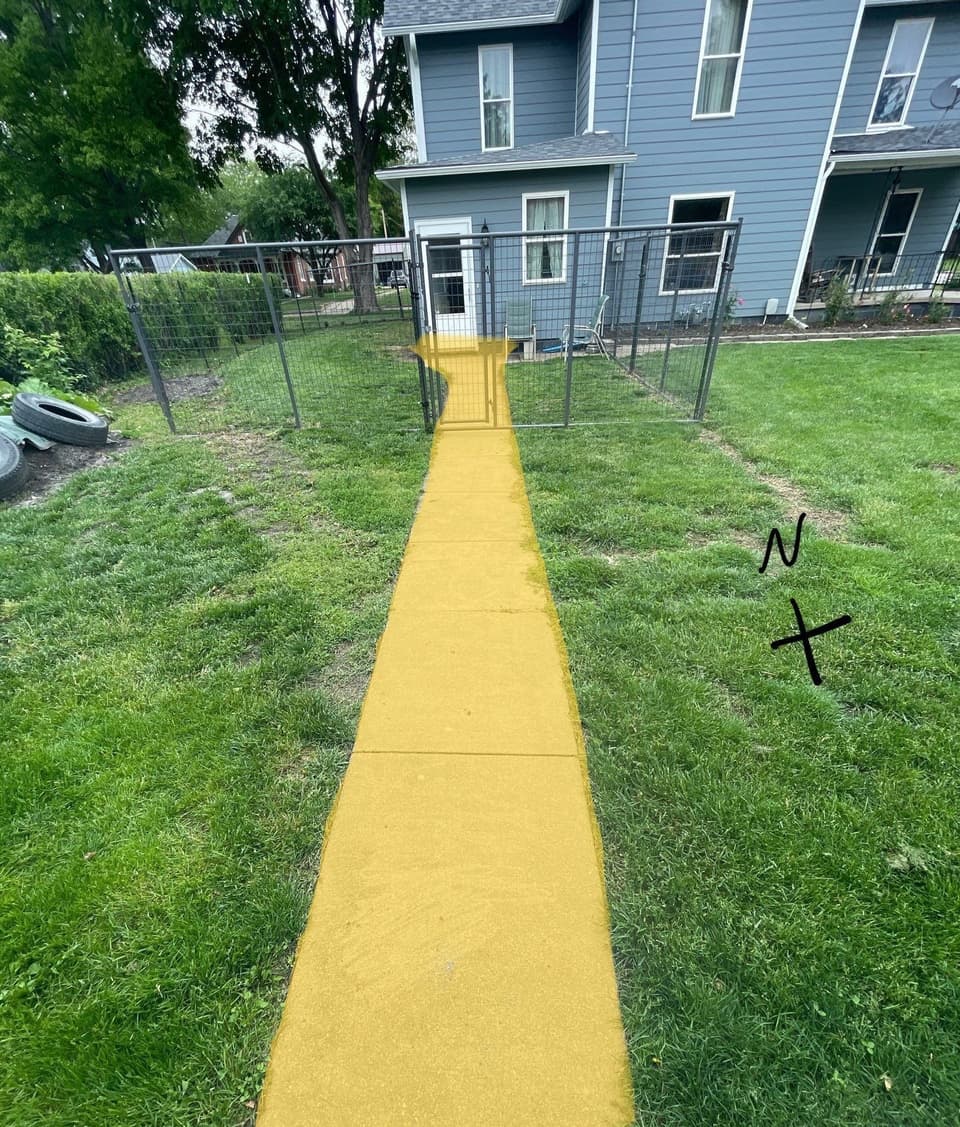
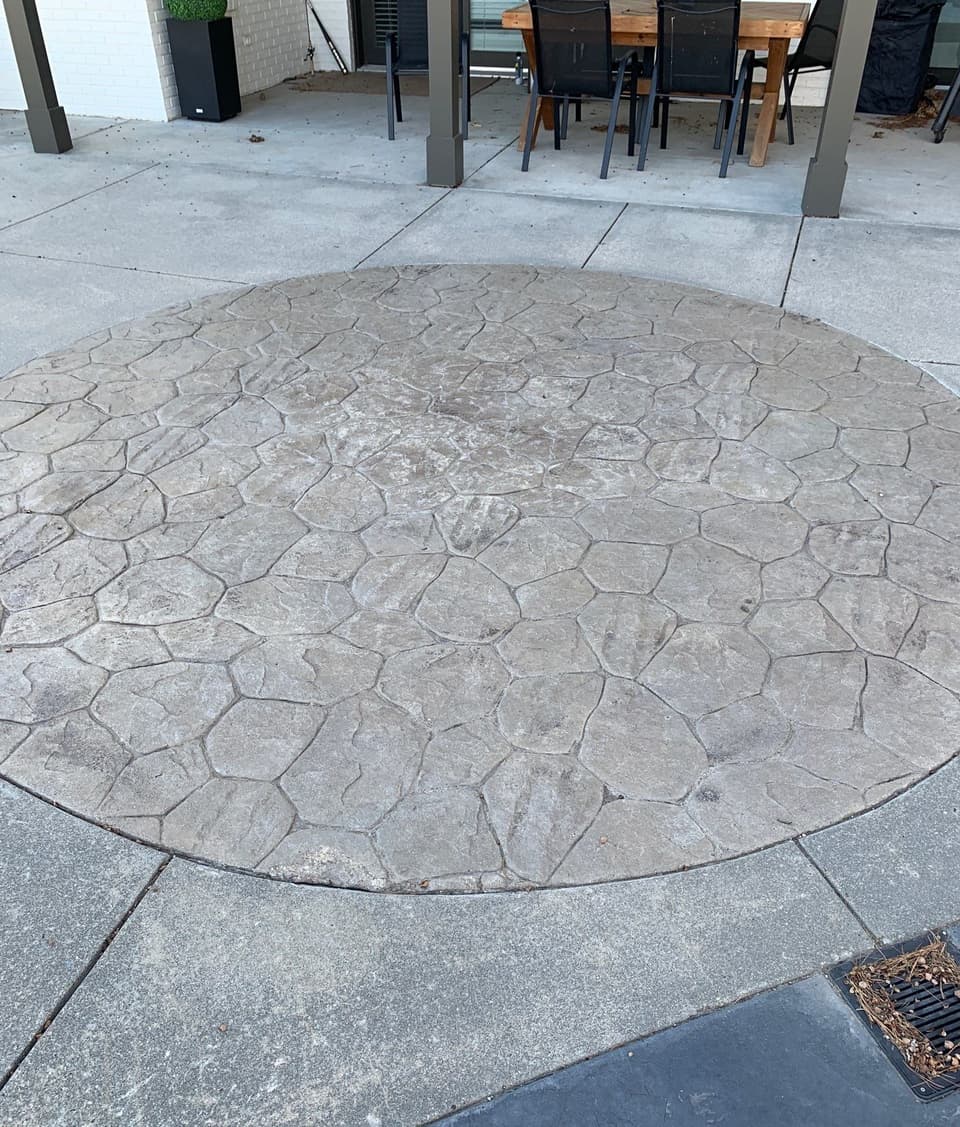
Epp Foundation Repair is locally owned and operated, with crews dedicated exclusively to foundation, basement, and concrete work across the Midwest.
Foundation repair, waterproofing, and concrete leveling are our entire focus, not a sideline.
Three decades of experience with Midwest soils, basements, and weather conditions.
Recognized by the Better Business Bureau for integrity and ethical business practices.
Many of our repairs carry a written Epp warranty. The warranty page lists every covered repair and its terms.
Don't see your question here? Our team is happy to help. Reach out anytime.
Every home is different. What a repair costs depends on the cause, the scope, and access. A free on-site inspection produces a Customized Repair Estimate that reflects your home, not a typical range.
Customized Repair Estimate after pre-bid site walk reflects your scope.
Commercial concrete leveling is not the right service when slabs have wide cracks through their full thickness (replacement is the call), when there is an active sub-slab plumbing leak that has not been repaired (the leak will recreate the void), when the cause is deep consolidation beyond foam's reach (slab piers or helical piers are the correct fix), or when settlement is widening and active because of an underlying soil stability problem that has not been resolved.
BBB A+ rated and BBB Integrity Award winner
Related to what you are reading. Our team covers the same ground on camera.
Every concrete leveling method we install. Sequenced so the soil profile and failure mode determine the fix.
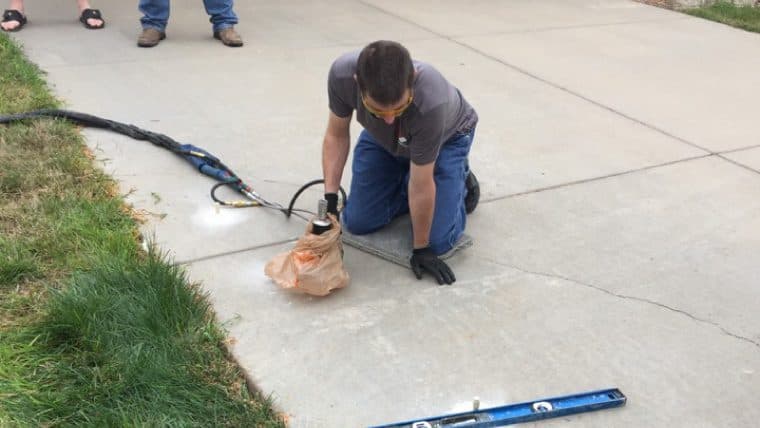 01
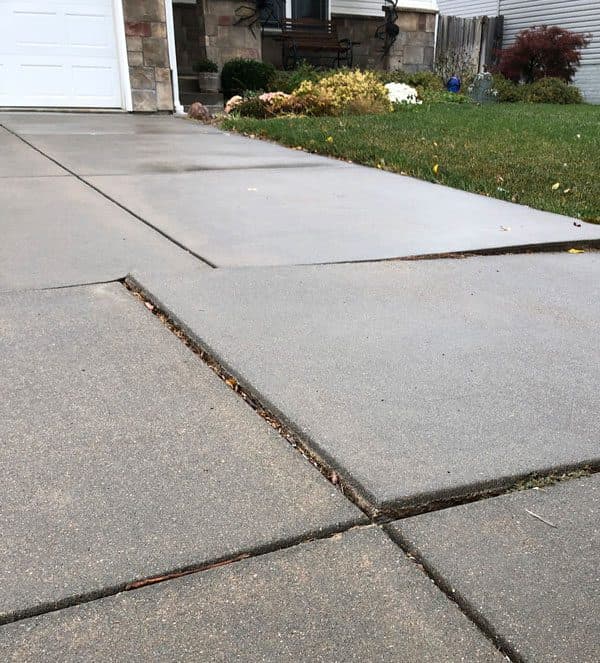
01 Polyurethane foam can lift settled driveway sections back to original grade. Epp Foundation Repair corrects settled drives across Nebraska, Iowa, Kansas, and Missouri.
Learn more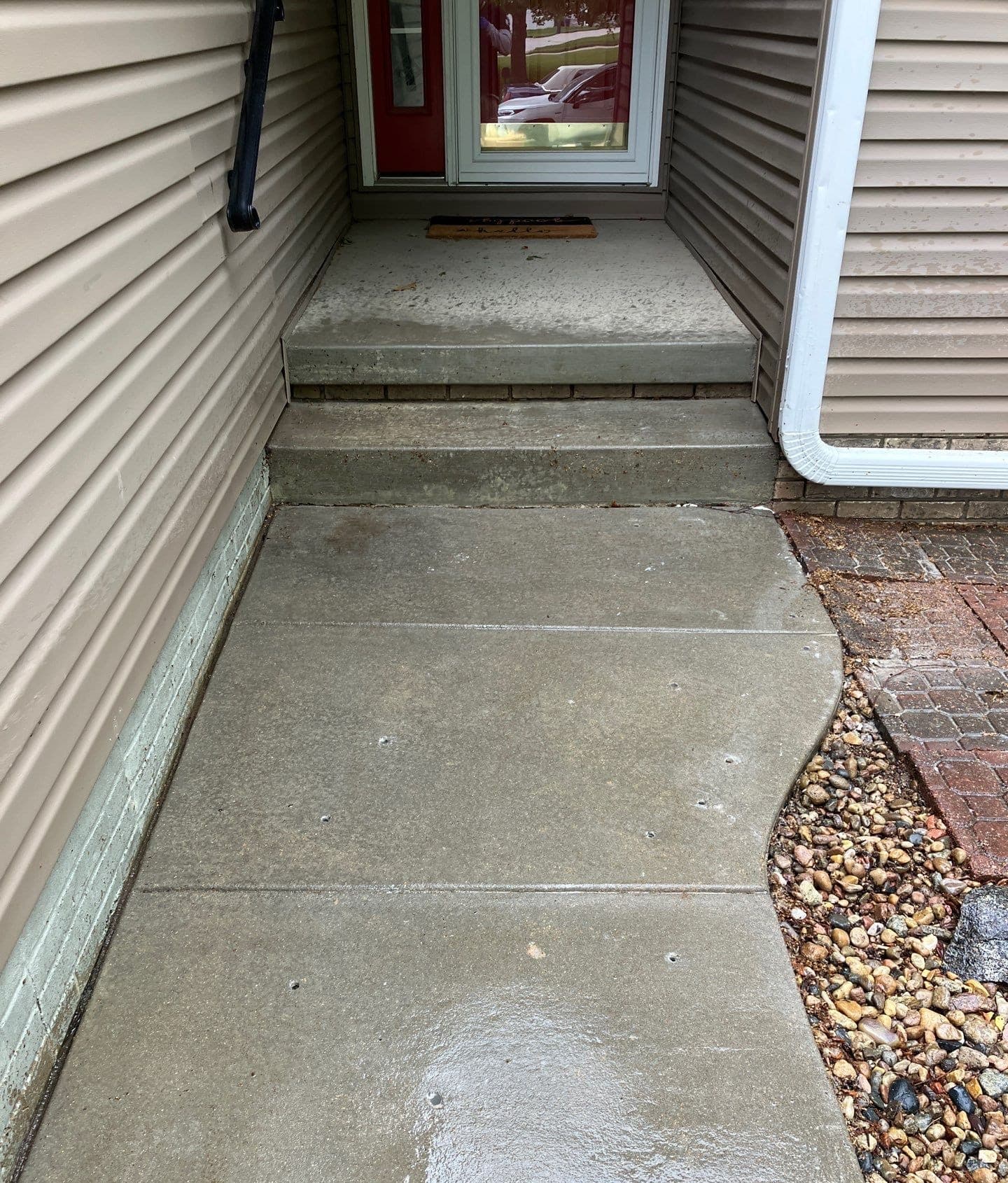 02
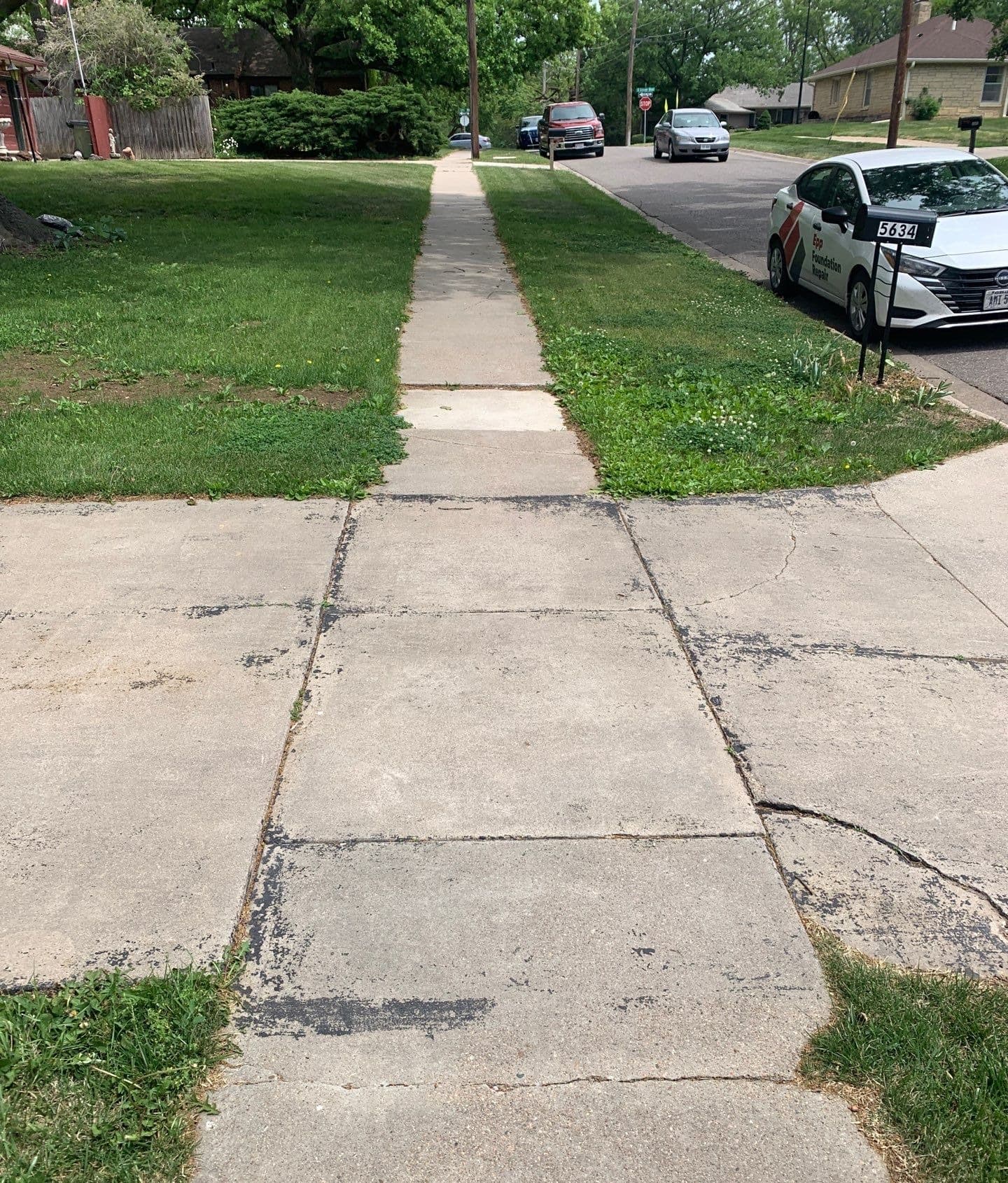
02 Polyurethane foam lifts settled sidewalk sections back to grade and eliminates trip hazards that put homeowners on the wrong side of liability law. Epp Foundation Repair corrects residential sidewalks across Nebraska, Iowa, Kansas, and Missouri.
Learn more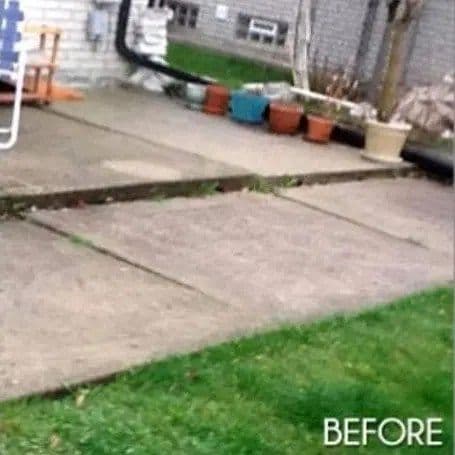 03
03 Polyurethane foam can lift settled patio and porch slabs back to original grade and restore positive drainage away from the house. Epp Foundation Repair corrects residential outdoor living spaces across Nebraska, Iowa, Kansas, and Missouri.
Learn more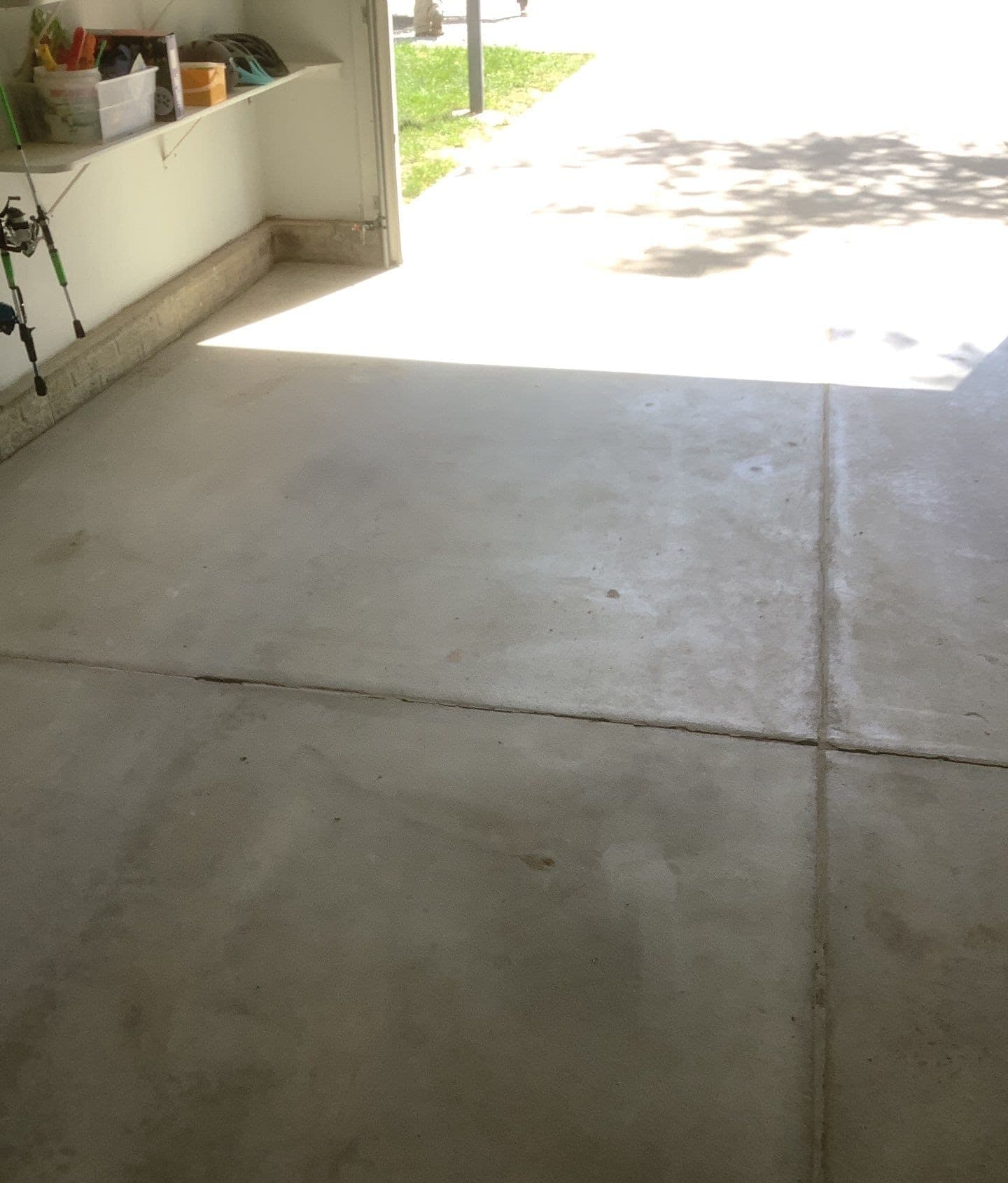 04
04 Polyurethane foam can lift settled garage slabs back toward original grade for vehicles, equipment, and future floor coating. Epp Foundation Repair corrects garage floors across Nebraska, Iowa, Kansas, and Missouri.
Learn more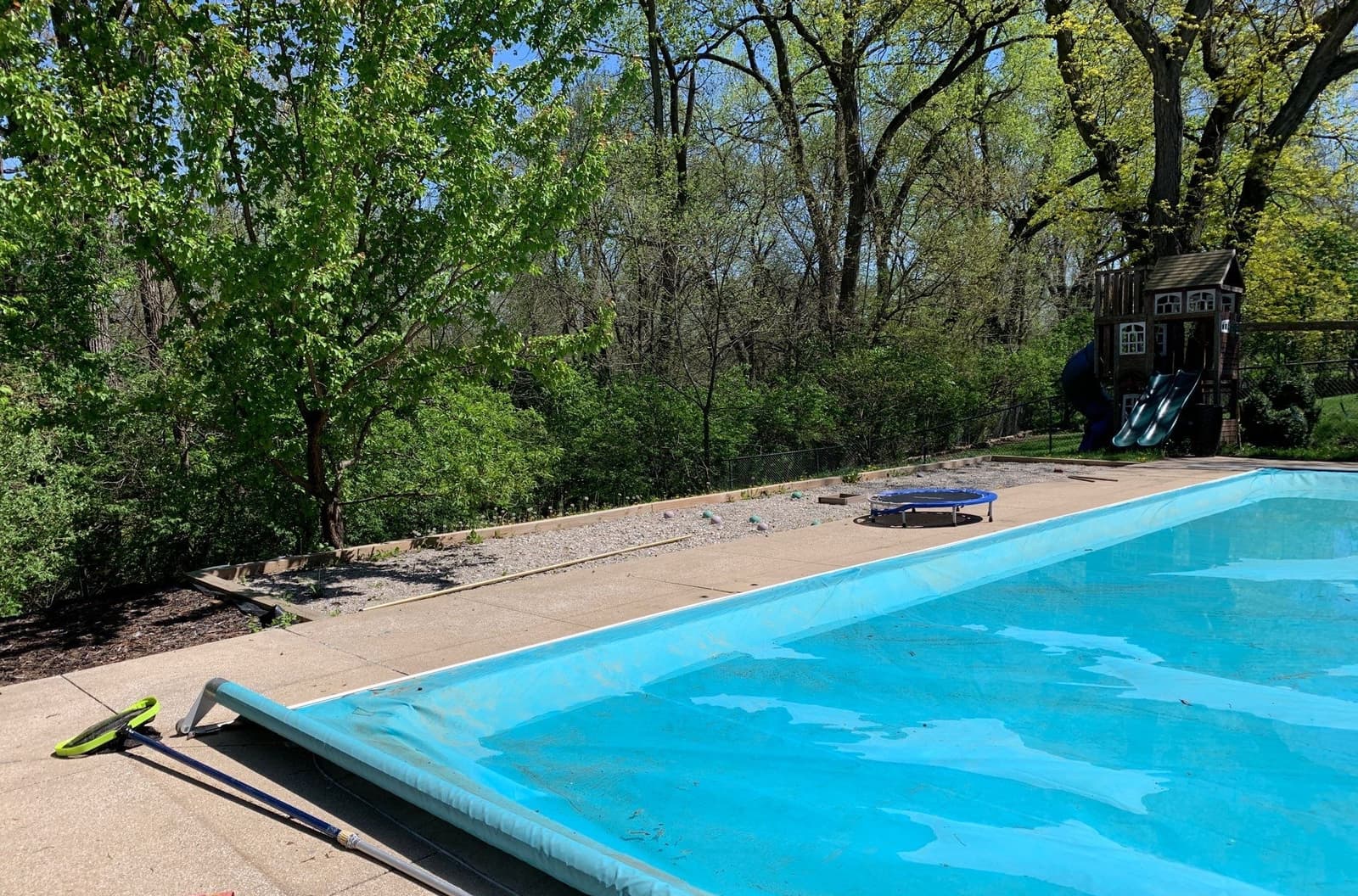 05
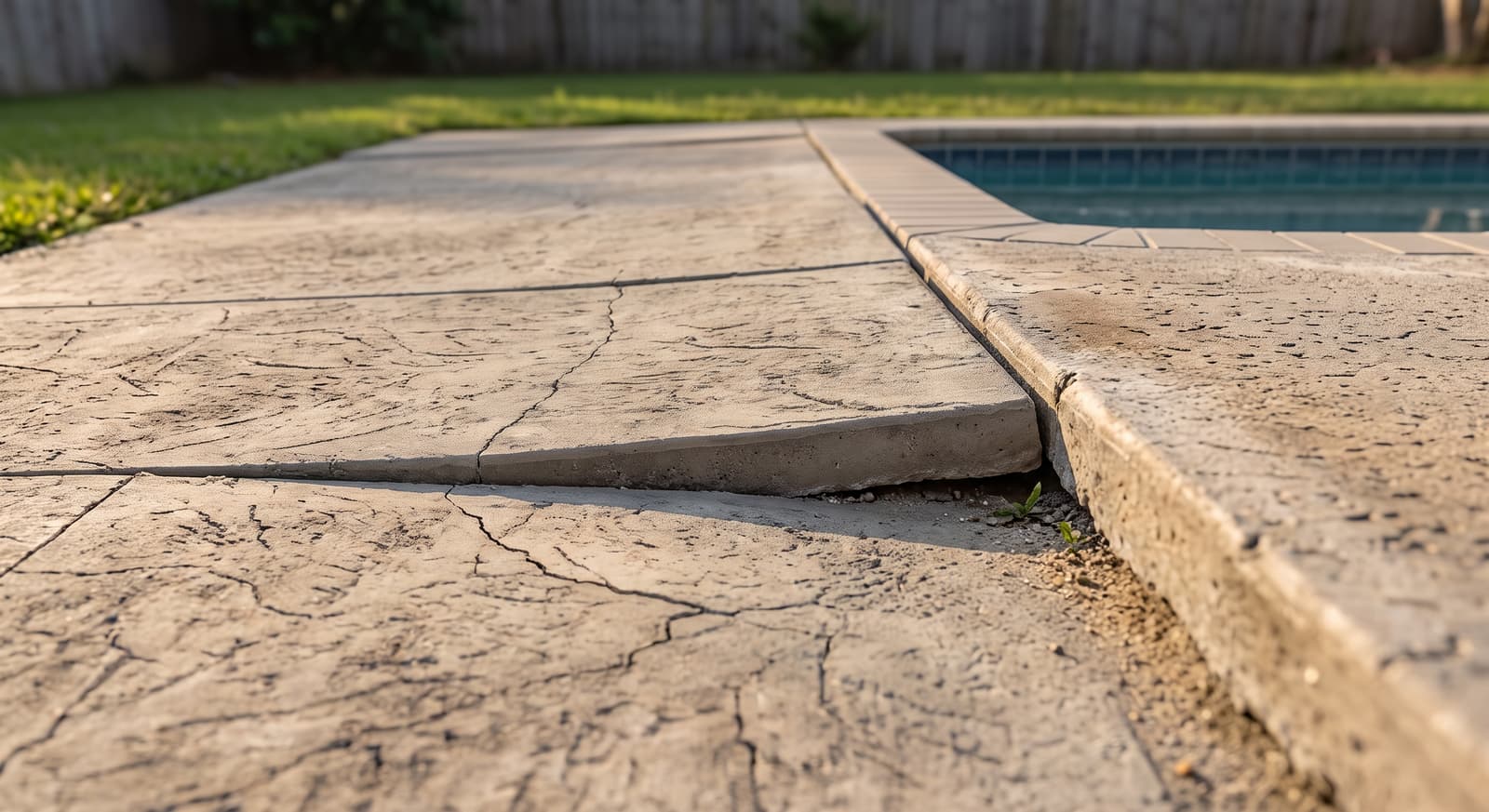
05 Epp Foundation Repair lifts settled pool deck sections with polyurethane foam, but only after confirming the pool shell and coping aren't the actual problem. A settling deck and a moving pool are two different jobs.
Learn more 06
06 Epp Foundation Repair lifts settled interior slabs (basement floors, slab-on-grade living areas, garage floors) with polyurethane foam injected through floor finishes, only after the sub-slab cause is identified.
Learn more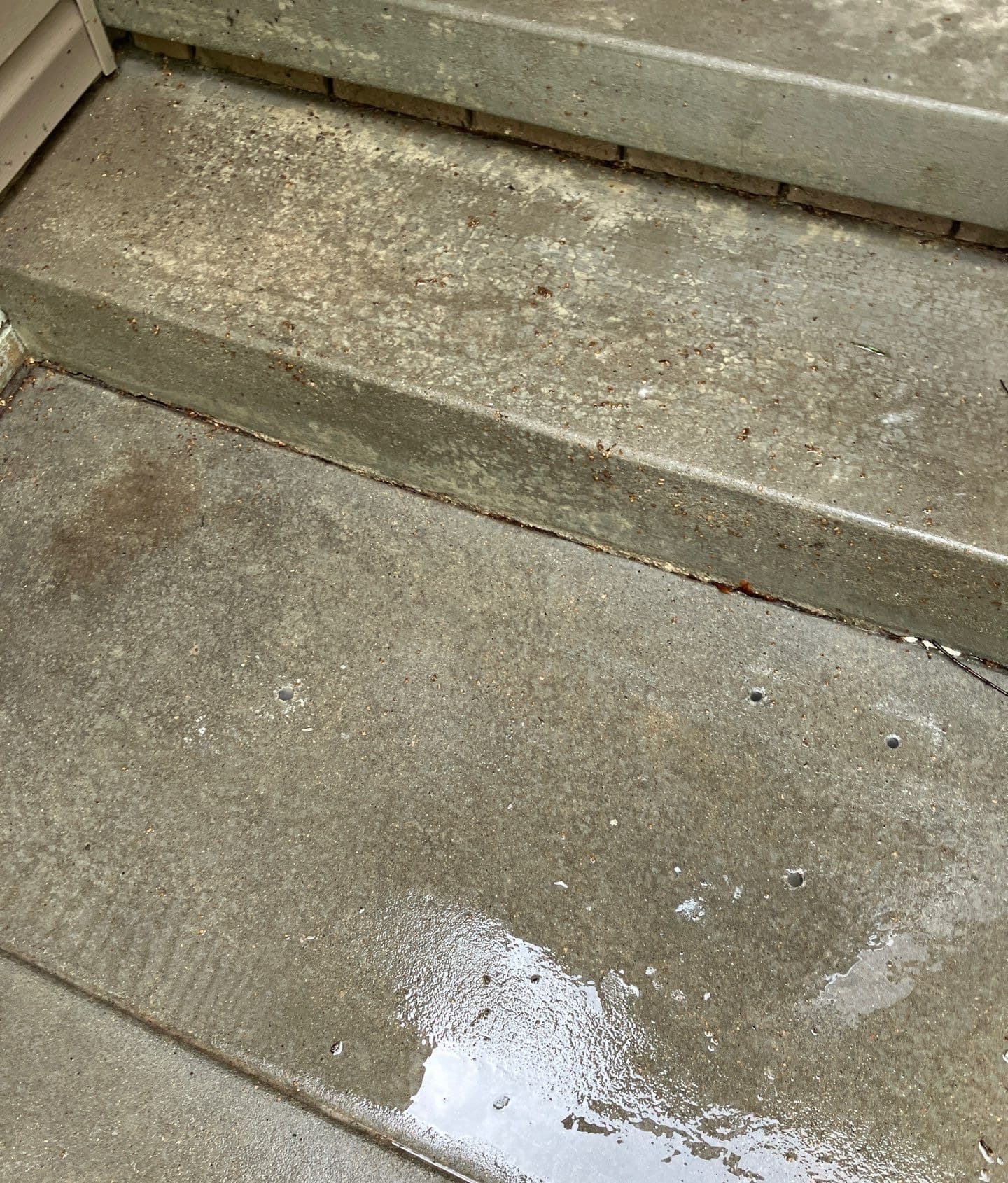 07
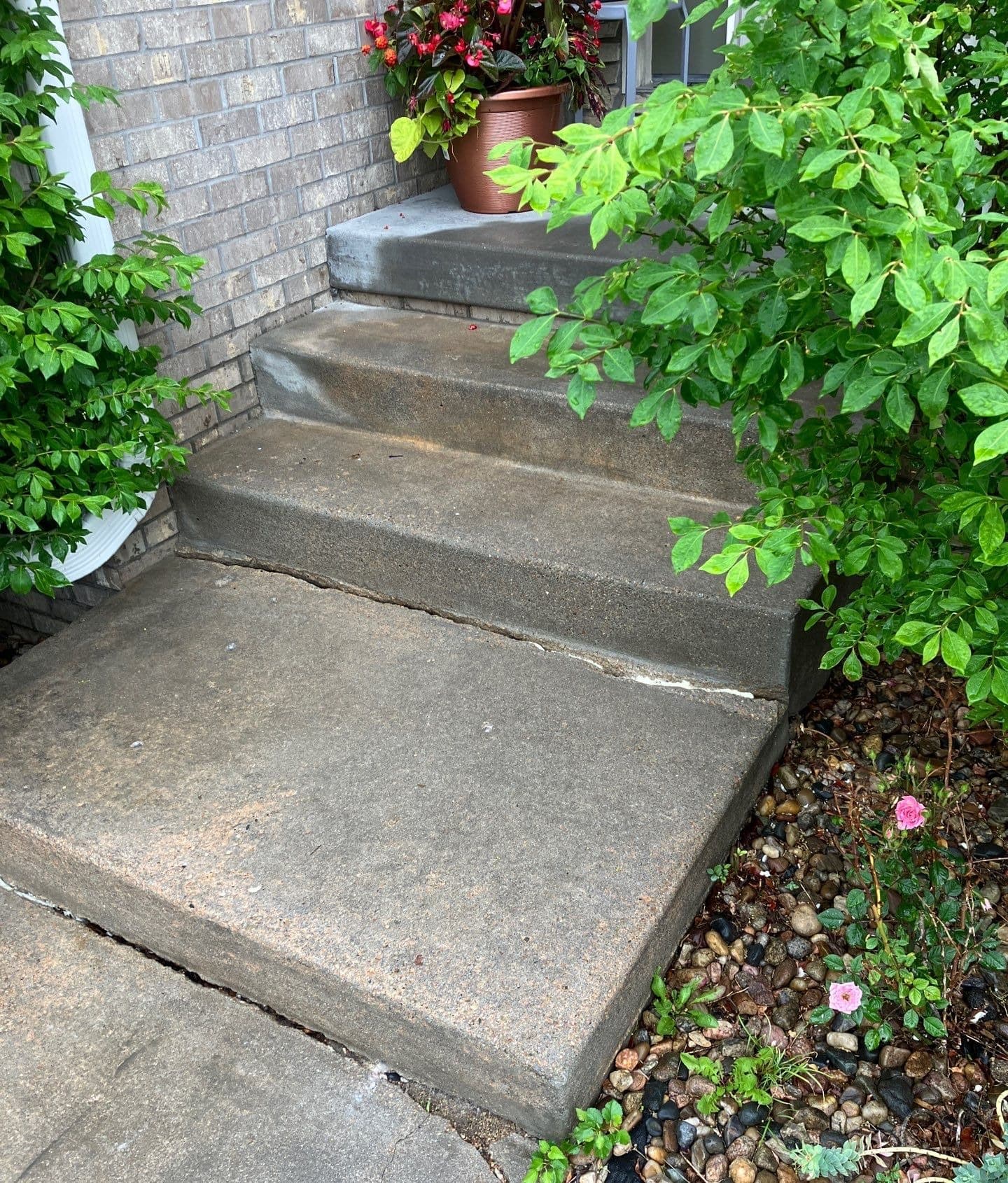
07 Epp Foundation Repair lifts settled concrete stair steps (front porch steps, basement entry stairs, garage steps) with polyurethane foam, when the steps themselves are intact and only the fill below has settled.
Learn moreLocal crews based in five regional offices, dispatched daily across four states. If your town isn't listed, call us: we likely serve your area.
A straightforward path from initial inspection to completed repairs.
An Epp commercial inspector walks the site with the operations manager, identifies the slab sections that have settled, maps elevation across the affected areas with a digital level or laser, checks for cracks and spalling that would affect liftability, locates sub-slab utilities and obstructions from existing as-builts or non-destructive scanning, documents load class and use of each section.
Epp produces a written scope identifying injection port locations, the target lift in fractions of an inch at each measurement point, the volume of polyurethane foam estimated, the sequence by which sections will be lifted, the operating windows for each phase, and a Customized Repair Estimate.
Crew mobilizes large-format polyurethane foam injection equipment to the site within the operating window. The crew drills injection ports on the engineered pattern, avoiding rack legs, equipment pads, expansion joints, and other obstructions.
A 4.9-star average across Google, with verified reviews from homeowners throughout Nebraska, Iowa, Kansas, and Missouri.
Schedule your inspection in seconds with our Driive booking tool, or share a few details and a local specialist will follow up within one business day.
Practical articles from the Epp team on foundation health, waterproofing, and home preservation.
 Concrete LevelingLatest
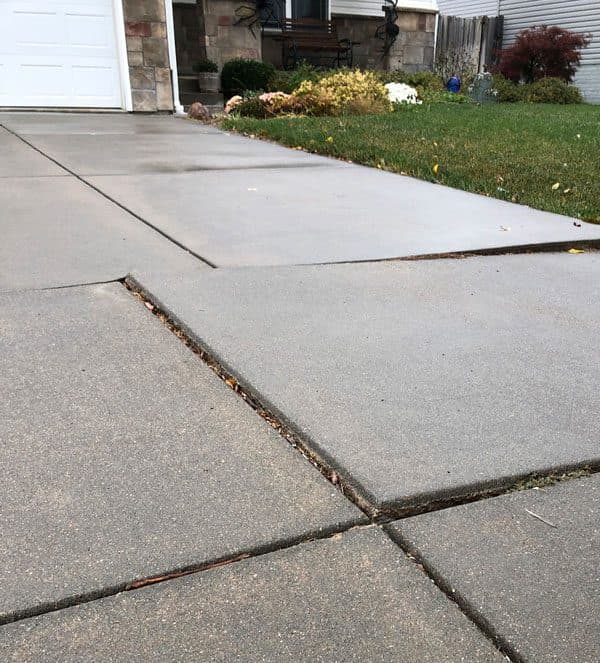
Sunken concrete can often be lifted instead of replaced. Learn why driveways and sidewalks sink, when lifting works, and when replacement makes more sense.
 Concrete Leveling
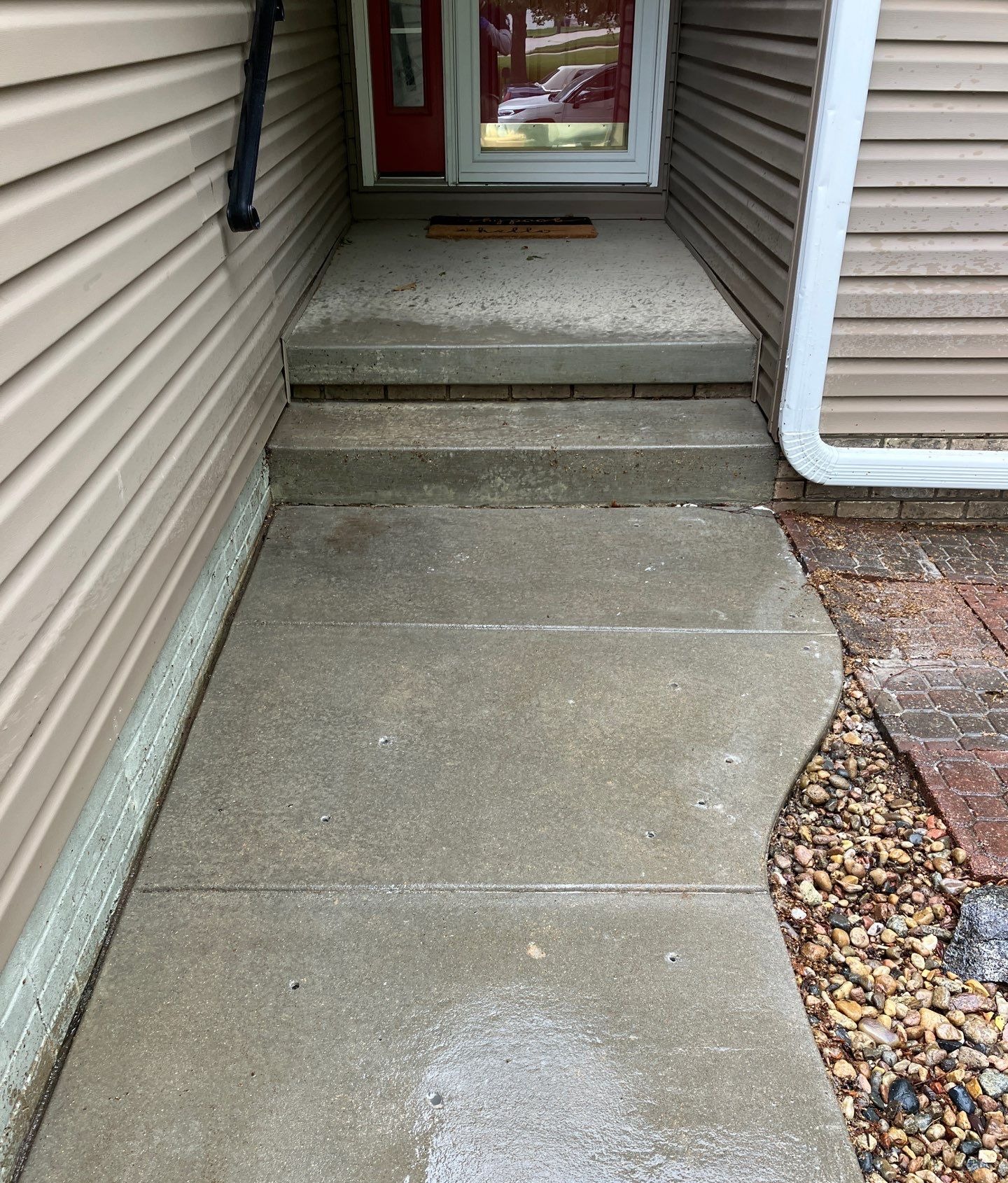
Front steps that sink and pull away from the house are often a soil problem. Learn why it happens and when Epp can lift them with polyurethane foam.
 concrete leveling
Both methods can lift sunken concrete, but only one is what Epp Foundation Repair installs. Here are the ten factors behind the price difference and why.
 Concrete Leveling
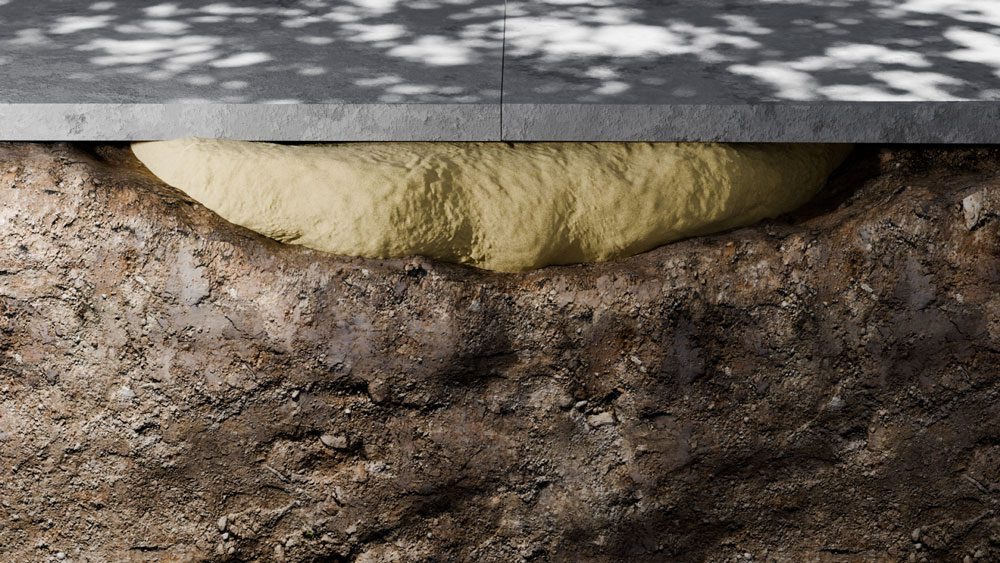
Expandable foam offers a fast, minimally invasive way to level uneven concrete surfaces. Learn how polyurethane foam injection works and what to avoid.
