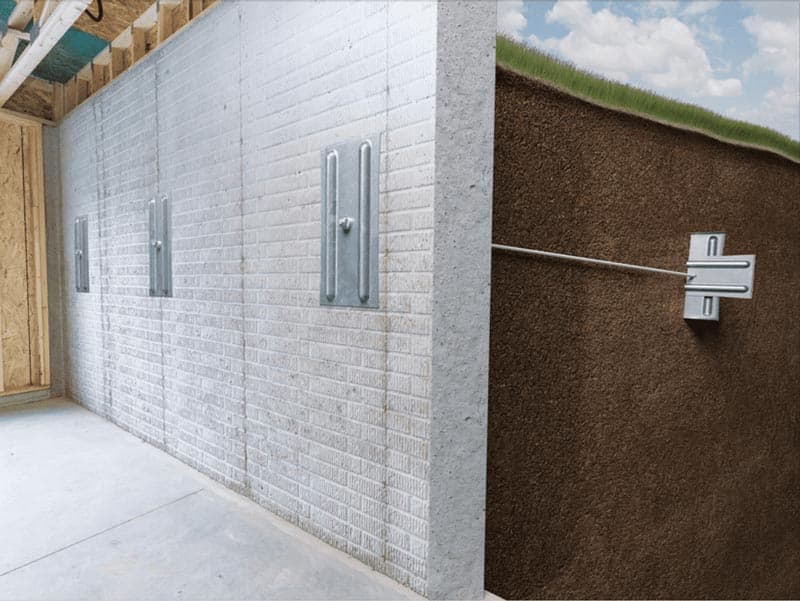
Stabilize Bowing Basement Walls With Mechanical Wall Anchors
Family owned since 1994, Epp Foundation Repair installs engineered wall anchor systems across Nebraska, Iowa, Kansas, and Missouri, with exterior earth-anchor plates tied to interior bearing plates.

Let's take the first step toward a healthy home.
A local specialist will inspect your foundation, walk you through the findings, and send a clear estimate, no cost, no pressure.
Wall Anchors: how it works and when it's the right call.
A wall anchor system applies tension across the basement wall by reacting against soil pressure on an exterior deadman plate. The exterior anchor itself is a steel plate buried away from the foundation wall, set perpendicular to the rod that will connect it to the interior. When the interior nut is torqued, the rod tries to pull the deadman toward the house; the soil mass in front of the deadman resists that pull (think of trying to drag a buried sheet of plywood sideways through compacted clay). The reaction force travels back along the rod into the interior bearing plate, which transfers the load to the wall face and holds the wall against the soil pressure pushing it inward. A wall anchor engages soil through passive earth pressure on a flat plate, which is why wall anchors work in soil types where helical tiebacks struggle, including loose loess, mixed fill, and softer alluvial soils common in river-valley counties across eastern Nebraska and western Iowa. The trade-off is the exterior pit. Yards with mature trees, tight neighbor setbacks, paved driveways across the install path, or buried utilities in the dig zone complicate or eliminate the option, which is when Epp Foundation Repair recommends helical tiebacks instead. Tensioning is staged across multiple passes.
How Wall Plate Anchors Stabilize Bowing Walls | Explained by Tyree


Our team walks through this on camera.
How we install wall anchors.
Step 01.Wall Assessment and Anchor Layout
Epp Foundation Repair measures wall deflection, documents the existing crack pattern with photos, verifies the wall is a candidate for anchors (moderate wall bowing, intact cove joint), and confirms the exterior yard has the room to support the exterior pits.
Step 02.Exterior Pit Excavation
The crew excavates a pit per anchor at the marked exterior location, dug to the design depth with the deadman set vertically against undisturbed native soil. Buried utilities are located before digging.
Step 03.Deadman Plate Set and Wall Penetration
A steel earth-anchor plate is set vertically in each pit against the undisturbed soil face, oriented perpendicular to the future rod path. Simultaneously, the crew core-drills the rod entry hole through the basement wall at the matched interior position.
"On a typical month in Omaha I'll diagnose 20 cracks in block walls, and about 14 of them are the same horizontal crack at the grade line from clay pressure. Customers think injection will fix it. It won't. That wall needs carbon fiber straps or wall anchors first, then sealing. Epoxy alone in a block crack under active pressure is throwing money away."

Care and expertise from a team that's been doing this since 1994.
Epp Foundation Repair is locally owned and operated, with crews dedicated exclusively to foundation, basement, and concrete work across the Midwest.
Foundation repair, waterproofing, and concrete leveling are our entire focus, not a sideline.
Three decades of experience with Midwest soils, basements, and weather conditions.
Recognized by the Better Business Bureau for integrity and ethical business practices.
Many of our repairs carry a written Epp warranty. The warranty page lists every covered repair and its terms.
Answers to common questions about Wall Anchors.
Don't see your question here? Our team is happy to help. Reach out anytime.
Foundation Repair warning signs this solution resolves.
Each problem sign below is a symptom this solution is engineered to fix. See how we diagnose it before we recommend this method.
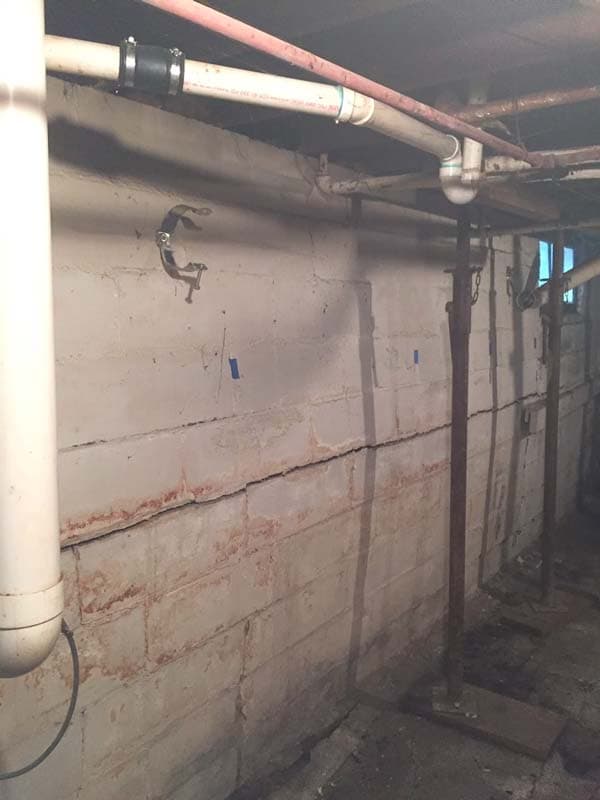
Bowing Walls
Inward deflection in a basement wall. Even a fraction of an inch. Indicates lateral soil pressure exceeding the wall's capacity. The pressure doesn't go away on its own.
Learn more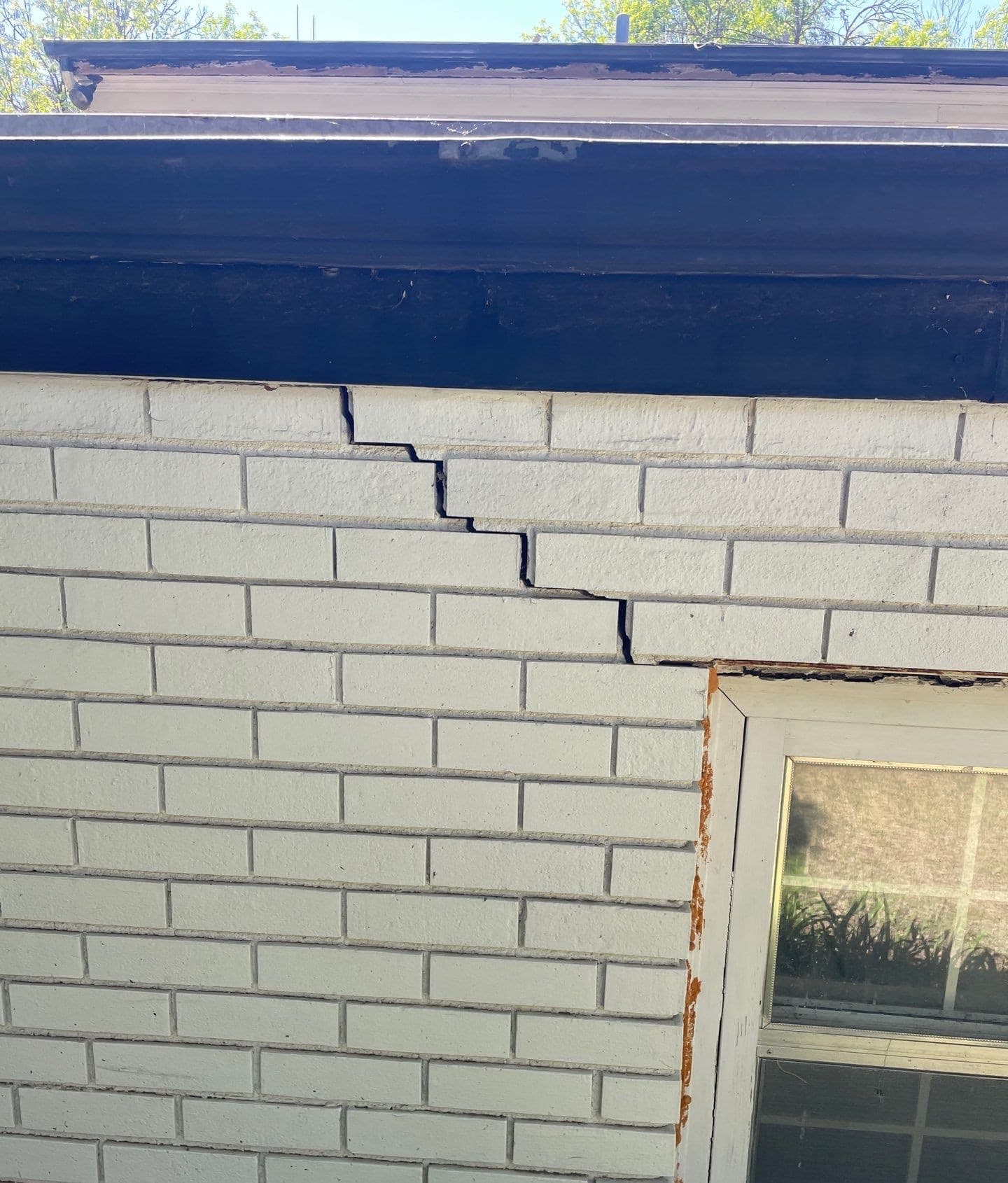
Stair-Step Cracks
Epp Foundation Repair has measured, monitored, and repaired stair-step cracks across Nebraska, Iowa, Kansas, and Missouri since 1994, separating the active ones that need underpinning from the stable ones that just need sealing.
Learn more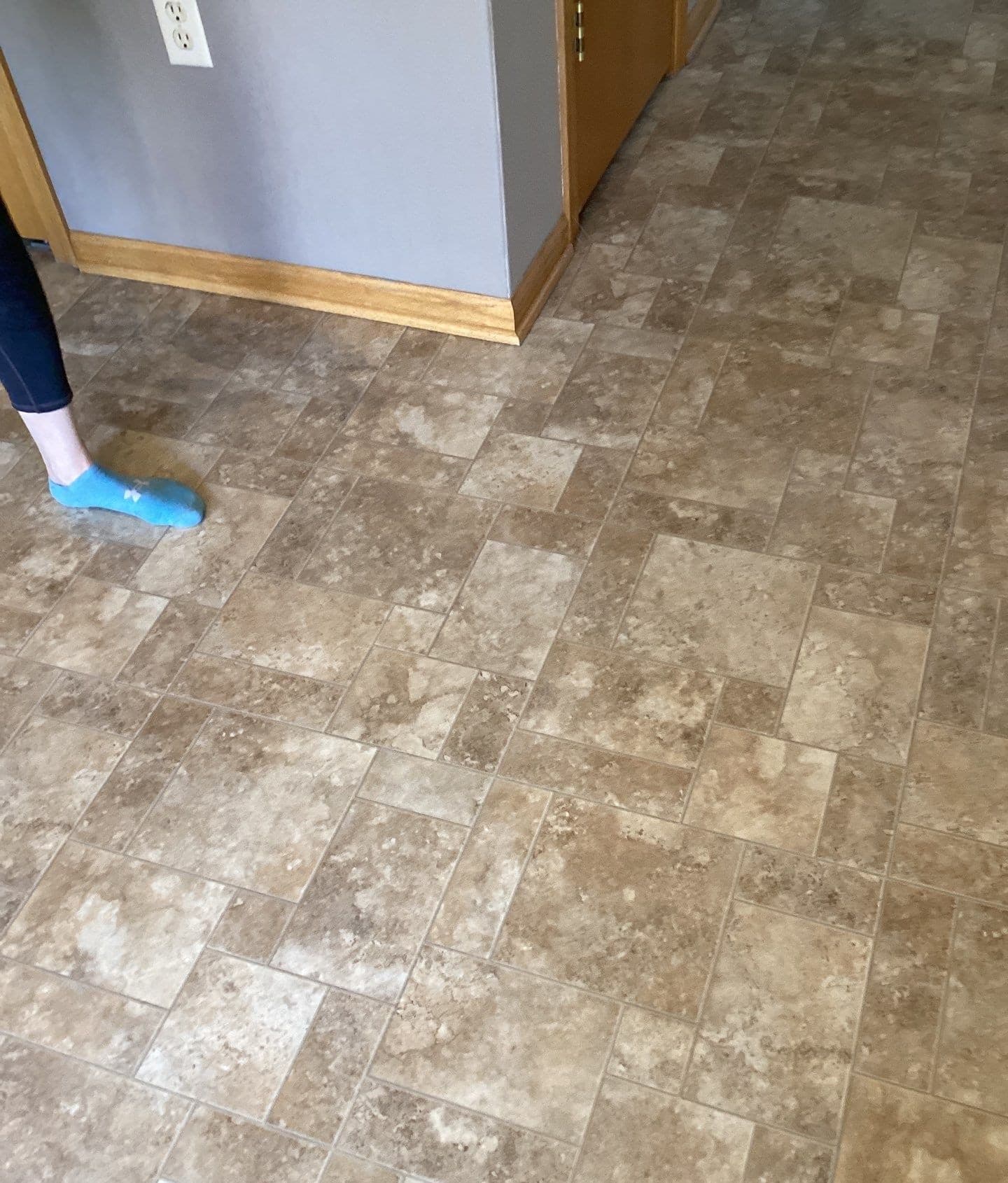
Bouncing Floors
A floor that flexes or bounces when you walk across it. This points to lost support underneath, often from foundation settlement or sagging structural members. The bounce gets worse as the support keeps shifting.
Learn more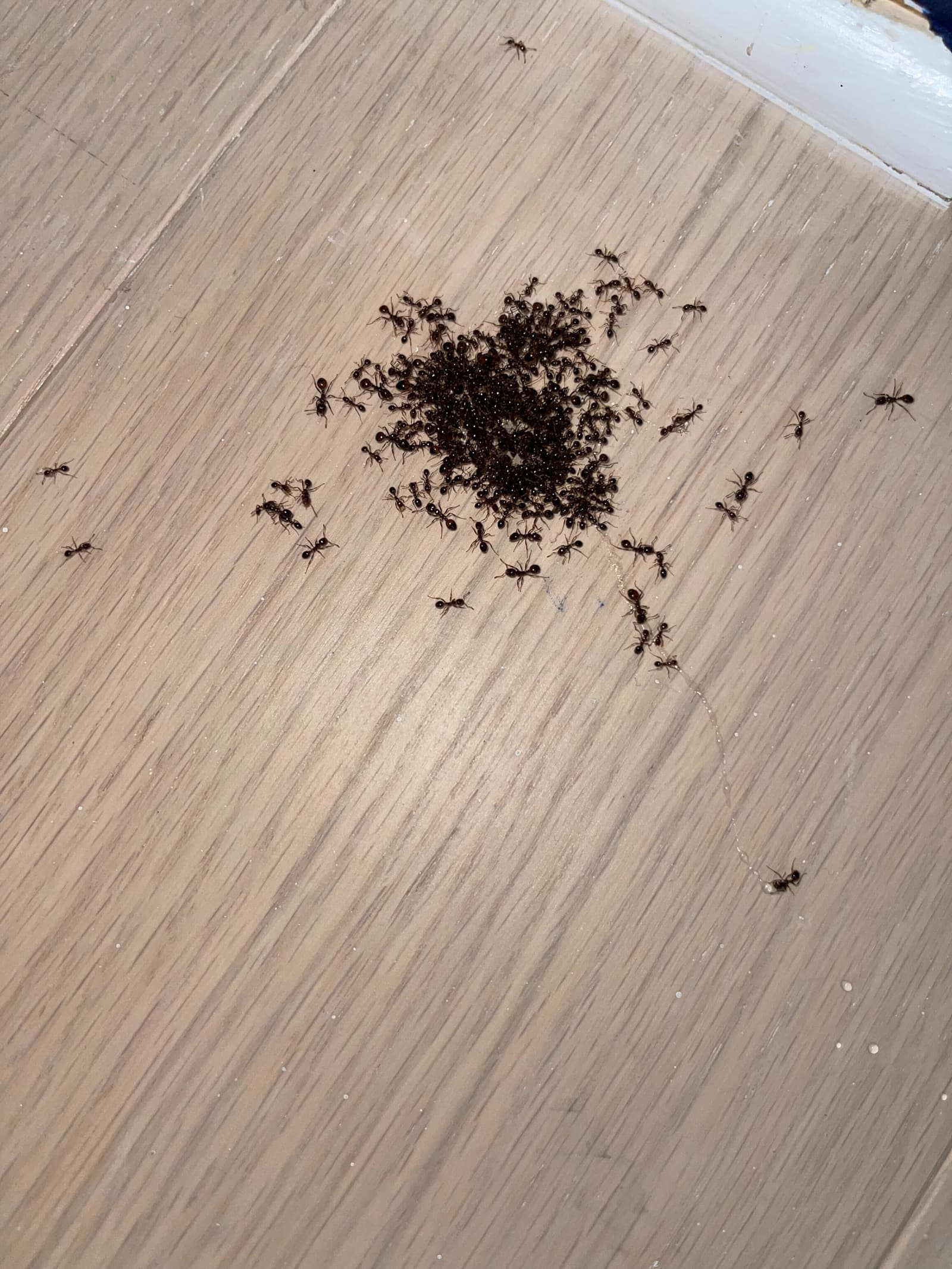
Carpenter Ant Infestation
Carpenter ants do not eat wood, they nest in it. They look for wood that is already damp or softened. Their presence is often a sign that a crawl space or foundation area is holding water it should not.
Learn more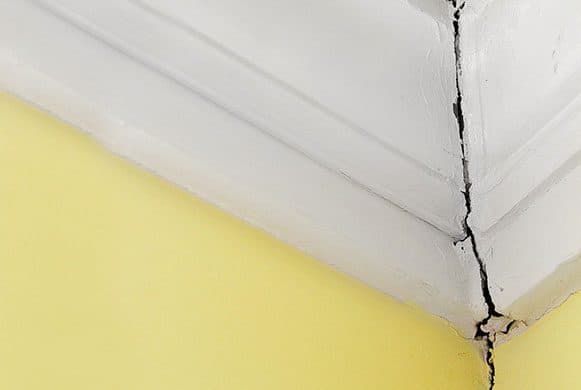
Ceiling Gaps
A crack or gap where the wall meets the ceiling. This means part of the structure is moving differently than the rest. The separation usually traces back to foundation movement below.
Learn more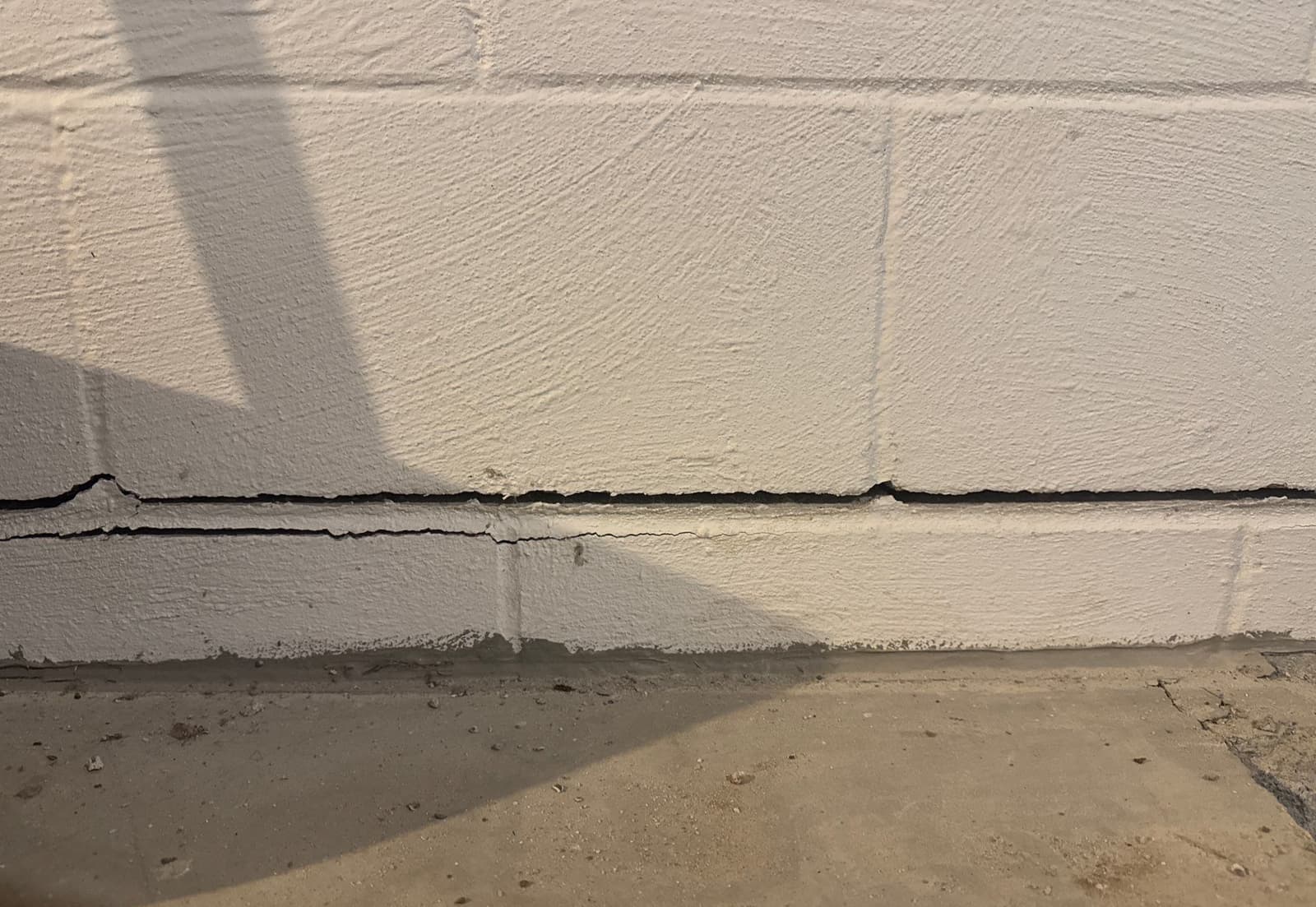
Cracked Block Foundation
A cracked block foundation is rarely random. The direction of the crack, whether stair-step, vertical, or horizontal, points to the force behind it. Reading that pattern guides the repair.
Learn moreServing Nebraska, Iowa, Kansas & Missouri.
Local crews based in five regional offices, dispatched daily across four states. If your town isn't listed, call us: we likely serve your area.
- Omaha, NE
- Lincoln, NE
- Topeka, KS
- Sioux City, IA
- Bellevue, NE
- St. Joseph, MO
- Council Bluffs, IA
- Grand Island, NE
- Papillion, NE
- Kearney, NE
Take the first step toward a healthy home.
A straightforward path from initial inspection to completed repairs.
Schedule your inspection.
A local specialist visits your home, evaluates the foundation, and answers your questions on site. No cost, no obligation.
Receive an estimate based on your needs.
We provide a clear, Customized Repair Estimate with a scope of work tailored to your home's specific issues. Typically within one business day.
Get your repairs.
Trained crews complete the work on schedule.
Get the free settlement guide
Most foundation problems announce themselves early. This guide shows you what to look for before you call anyone.
- ✓A room-by-room checklist you can walk the house with
- ✓Which cracks can wait, and which deserve a closer look
- ✓How pier repair actually works, in plain language
Over 1,700 homeowners have shared their experience.
A 4.9-star average across Google, with verified reviews from homeowners throughout Nebraska, Iowa, Kansas, and Missouri.
Two ways to start: book instantly, or request an estimate.
Schedule your inspection in seconds with our Driive booking tool, or share a few details and a local specialist will follow up within one business day.
- A local foundation specialist on site
- A complete walk-through of the findings
- A Customized Repair Estimate within one business day
- No cost, no obligation, no high-pressure sales
Expert guidance on protecting your home.
Practical articles from the Epp team on foundation health, waterproofing, and home preservation.
 foundation repairLatest
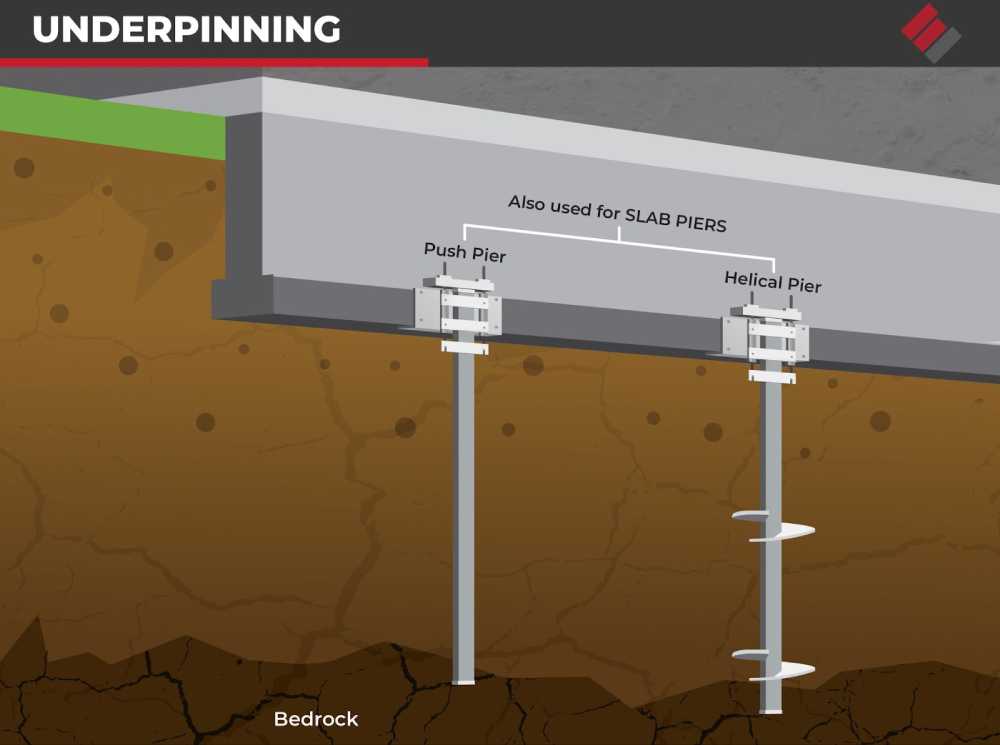
2026 Omaha commercial foundation repair guide for business owners.
A stable foundation protects your building, your people, and your bottom line. This guide covers warning signs, repair methods, and what to expect from a…
 Foundation Repair
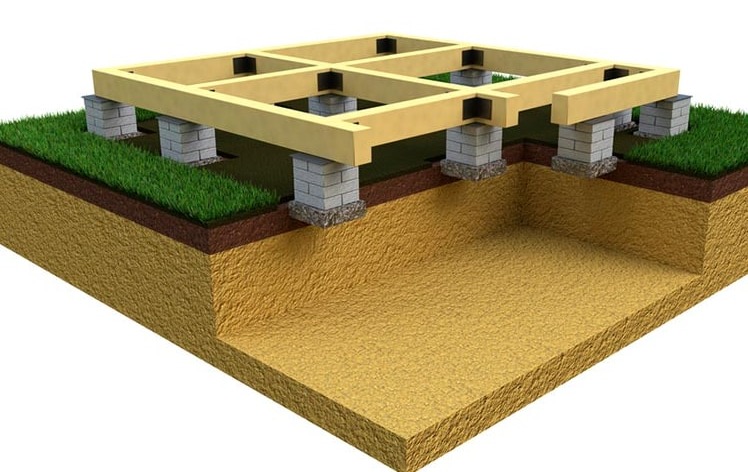
Pier And Beam Foundation Spacing: Best Practices For Stability
Learn the key to proper pier and beam foundation spacing for lasting home stability. Find out when to repair or add piers for support.
 Foundation Repair
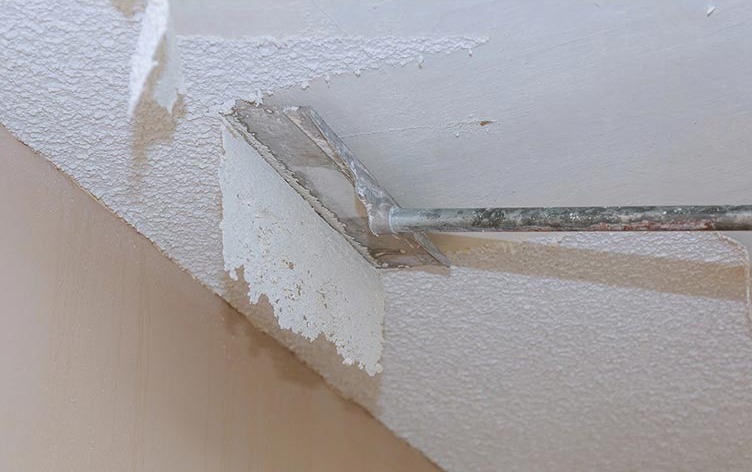
Can Cracks In Popcorn Ceiling Be Repaired?
Discover what causes cracks in a popcorn ceiling, the different crack types, and when foundation issues call for a professional repair.
 Foundation Repair
When Should I Be Worried About Cracks In Brick?
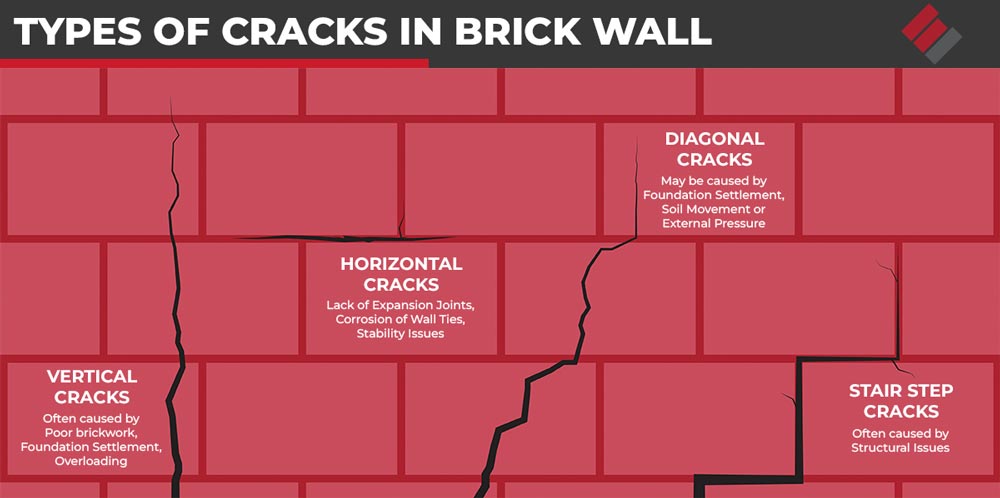
Not every crack in brick is a foundation problem. Learn the crack types, how to judge severity, the interior and exterior warning signs, and the repair options.
Five regional offices across the Midwest.
St. Joseph, MO 64506