
Estimate Only
Approximate pricing
Includes basin, cast-iron primary pump, check valve, PVC discharge, exterior daylight termination, and concrete restoration. Customized Repair Estimate after on-site inspection reflects your scope.

A sump pump is the active end of any interior waterproofing system. When it fails, the system fails. Serving Nebraska, Iowa, Kansas, and Missouri since 1994, Epp Foundation Repair installs new sump pits and pumps and replaces failed pumps in existing basins with cast-iron submersible primaries and discharge piping configured to local code.

A local specialist will inspect your foundation, walk you through the findings, and send a clear estimate, no cost, no pressure.
Diagnosis First
Sump pump installation puts a pit, pump, and check valve at the low point of a basement so water collected there is lifted and moved outside instead of standing on the floor. Epp Foundation Repair installs a new pit and pump with interior drain tile, or replaces a pump nearing the end of its life in an existing basin.
In Depth
Everything a Midwest homeowner should know about this repair, from the specialists who do it every day.
And every sump pump installed in Nebraska, Iowa, Kansas, or Missouri has a limited service life. So the question is not whether yours will fail but whether the failure happens during a March snowmelt or a quiet Tuesday afternoon. Epp Foundation Repair has installed and replaced sump pumps across the territory since 1994, and a common failure mode is a stuck float switch on a pump that nobody had tested. This page covers sump pump installation: both new pit-and-pump installation paired with interior waterproofing or basement flood mitigation, and pump-only replacement in an existing basin. Backup sump pumps (battery-backup and water-powered systems) are covered separately because the design considerations and pricing differ enough to warrant their own page.
A sump pump system has four working components. A sump pit (typically a polyethylene basin set into the basement floor) collects water from the interior drain tile around the perimeter or, in basements without drain tile, from direct floor seepage. A float switch rises as water fills the pit and activates the pump at a set threshold. A submersible pump motor (cast-iron is Epp's residential standard) draws water through an intake screen and pushes it out through PVC discharge. A check valve in the discharge line prevents pumped water from siphoning back into the pit when the pump shuts off. Without that check valve, the pump cycles constantly, chasing the same water back and forth. The pump discharges through PVC to an exterior daylight point 6 to 10 feet from the foundation, into a French drain inlet, or into a dry well sized to the contributing volume. The pump does not discharge into the sanitary sewer, and it discharges into the storm sewer only with municipal approval. Where the pump discharges and how that discharge is configured matters as much as the pump itself. A working pump dumping water right next to the foundation is just feeding the next basement flood.
Four patterns. Homes pairing sump installation with new interior drain tile waterproofing. The pit is the low point of the perimeter drain loop and the pump moves captured water out. Homes with chronic basement flooding from a high water table or cove-joint seepage but no existing pump. Installing a pit-and-pump alone (without full perimeter drain tile) is a partial solution but appropriate when the seepage concentrates at one or two specific points rather than around the full perimeter. Older homes without a sump pump where the basement is now being finished or used for valuable storage. Homes where the existing pit is undersized, deteriorated, or set at the wrong elevation, which calls for replacing the basin itself, not just the pump.
Three patterns. A primary pump that has failed (motor burned out, impeller broken, float stuck) and needs immediate swap. A pump approaching the end of its service life that the homeowner wants replaced proactively before the next high-water season. A pump-and-pit installed by a previous contractor with an undersized or builder-grade pump that needs an upgrade to a cast-iron unit capable of handling the actual seepage volume.
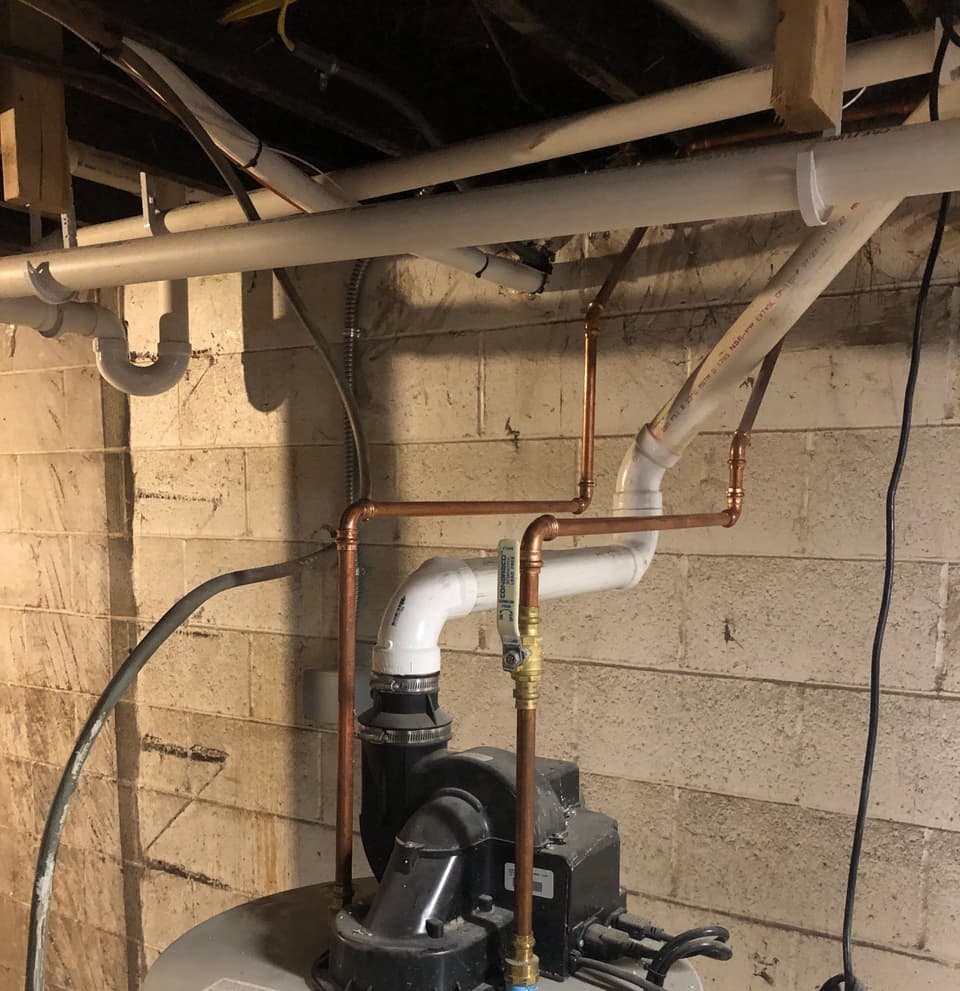
A new pit-and-pump installation includes six components in this sequence. Pit location and excavation. Pit location is set at the lowest point of the basement floor or at the planned terminus of new interior drain tile. Crews break an opening in the slab and excavate to the depth required for the basin to sit flush with floor level. Basin set and gravel backfill. A perforated polyethylene basin is set in the excavation. Gravel backfill around the outside of the basin allows water to enter through the perforations from surrounding soil. Primary pump installation. Epp's standard residential primary is a cast-iron submersible pump with vertical float switch. Epp uses cast-iron because it outlasts plastic-housing pumps in our freeze-thaw cycles and hard water. Float type is vertical (not tethered) because vertical floats don't snag on basin walls or discharge piping during high-cycle events. Discharge piping and check valve. PVC discharge runs vertically out of the basin, through a check valve at the pump head, through a rim joist or rim-block penetration to the exterior. Exterior discharge runs 6 to 10 feet from the foundation to a daylight discharge, French drain inlet, or dry well. Concrete restoration. New concrete is poured around the basin to slab level, with a removable lid or cover plate at the basin top for future pump service. Test and document. Crews fill the pit with water from a garden hose and run the pump through several cycles to confirm float operation, check-valve seal, and discharge flow. Installation date, pump model, and warranty terms are documented for the homeowner. ## Why Midwest Basements Cycle Pumps Harder
Eastern Nebraska and western Iowa loess soils over glacial till can hold a perched water table below grade in spring. During March snowmelt and April-May rain events, that perched water rises against basement foundations and any interior drain tile feeds steady flow to the sump pit. A typical Lincoln or Omaha basement sump pump cycles far more often during a wet week than in a dry summer month. Cycle count is the dominant lifespan factor. Cast-iron primaries reach end-of-life faster in NE and IA than in drier territories. Kansas and Missouri basements add expansive clay zones where the perched water sits higher and longer, and repeated freeze-thaw cycles each winter can heave shallow discharge lines and freeze unprotected exterior discharge points solid. Epp routes discharge lines below frost depth where they cross unheated ground, and uses freeze-resistant discharge accessories at daylight terminations.
Epp installs sump pumps, sump pits, discharge piping, and exterior discharge terminations. Three adjacent scopes Epp does not perform. Electrical panel work or new circuit installation. Any new circuit, panel upgrade, GFCI installation, or sub-panel work for a sump pump is licensed electrician scope. Epp will use an existing dedicated circuit at the pit location or identify what electrical work is needed in the Customized Repair Estimate. Extension of discharge line to street, storm sewer, or sanitary sewer. Epp will not pull a permit or install a discharge configuration that violates local code. Basement finishing or restoration around the sump pit cover. Building a flush trim or decorative cover for the pit lid in a finished basement is general contractor scope. Epp leaves a serviceable basin lid that can be accessed for future pump replacement.
Don't install a sump pump without diagnosing what's actually causing water in the basement. A pump is the active end of a water management system, not a water source diagnosis. Many basement-water inquiries Epp receives trace to an upstream fix, and Epp's Customized Repair Estimate says so before any pump quote. Don't replace just the pump in a pit that's deteriorated, undersized, or set at the wrong elevation. A new pump in a cracked, silted, or wrong-elevation basin wears out faster than it should. Don't oversize the pump. An oversized pump in a residential basement runs at a tiny fraction of its rated capacity per cycle, cycles short, overheats from short-cycling, and wears out faster than a properly sized unit. Pump sizing matches the inflow rate, not the homeowner's anxiety.
Customized Repair Estimate after on-site inspection reflects your scope. Epp Foundation Repair is BBB A+ rated and a BBB Integrity Award winner. The pump carries the manufacturer's warranty only, and every sump pump installation includes a documented service note in the file telling future owners exactly what was installed and when.
Which Solution Is Right?
| Method | Fits when | Not a fit when |
|---|---|---|
| New pit-and-pump installation | No existing sump pit, or the current pit is undersized, deteriorated, or set at the wrong elevation. | The existing pit is sound and only the pump itself has failed. |
| Pump-only replacement | The pit is sound, correctly sized, and set at the right elevation, and only the pump has failed or is nearing the end of its service life. | The pit is deteriorated, undersized, or set at the wrong elevation, since a new pump in a bad pit performs worse than it should. |
| Cast-iron primary upgrade from a builder-grade pump | An existing plastic-housing pump is underperforming in regional freeze-thaw and hard-water conditions. | The existing pump is already a cast-iron unit and functioning correctly. |
Each method is matched to a specific failure mode and soil profile. Browse the toolkit we draw from when diagnosing your home.
Cast-iron or plastic housing, pit size, and discharge setup all change how long a crawl space sump pump lasts. Epp Foundation Repair has installed and serviced them across Nebraska, Iowa, Kansas, and Missouri since 1994.
Epp Foundation Repair has installed sub-slab perimeter drains and sump systems across Nebraska, Iowa, Kansas, and Missouri since 1994, and it is the default basement waterproofing solution in this region.
Epp Foundation Repair installs basement vapor barriers as part of a complete waterproofing plan across Nebraska, Iowa, Kansas, and Missouri, paired with drainage rather than sold on its own.
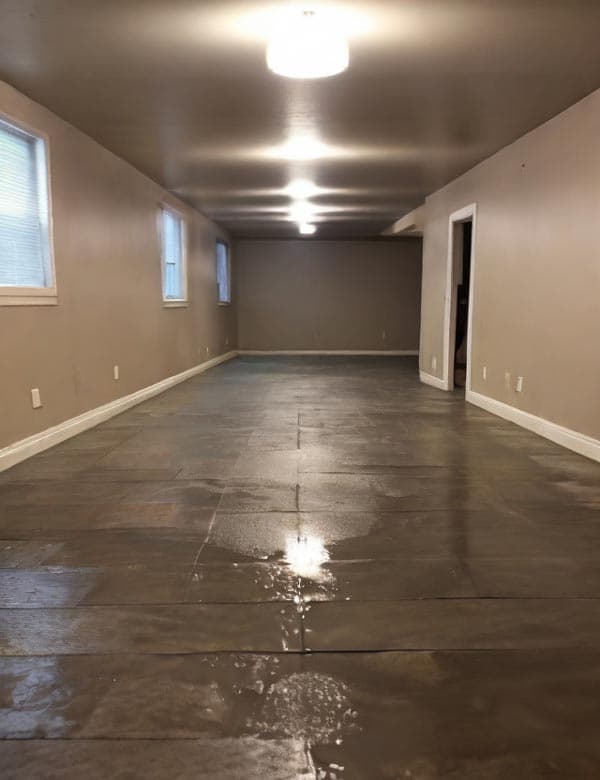
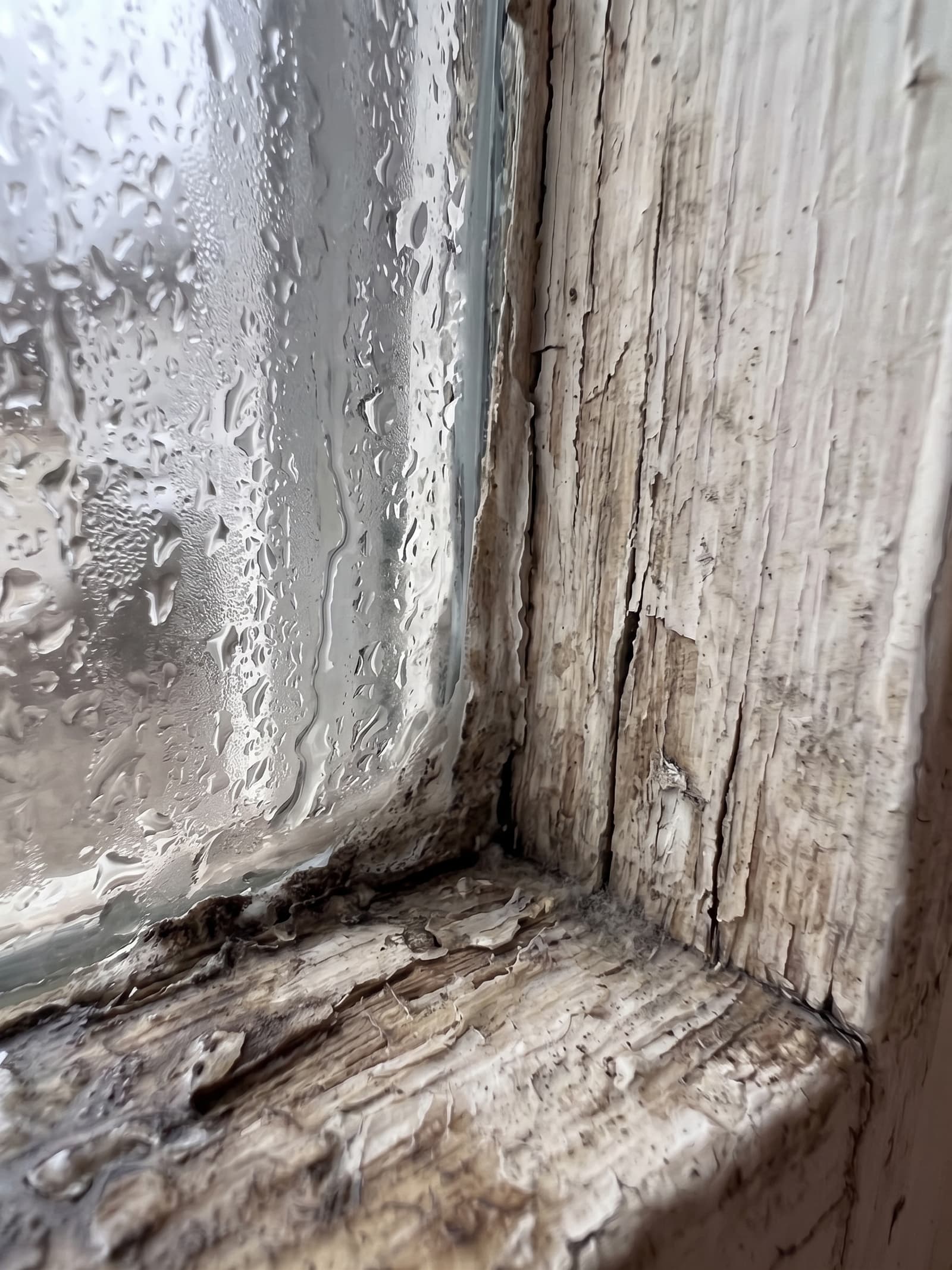
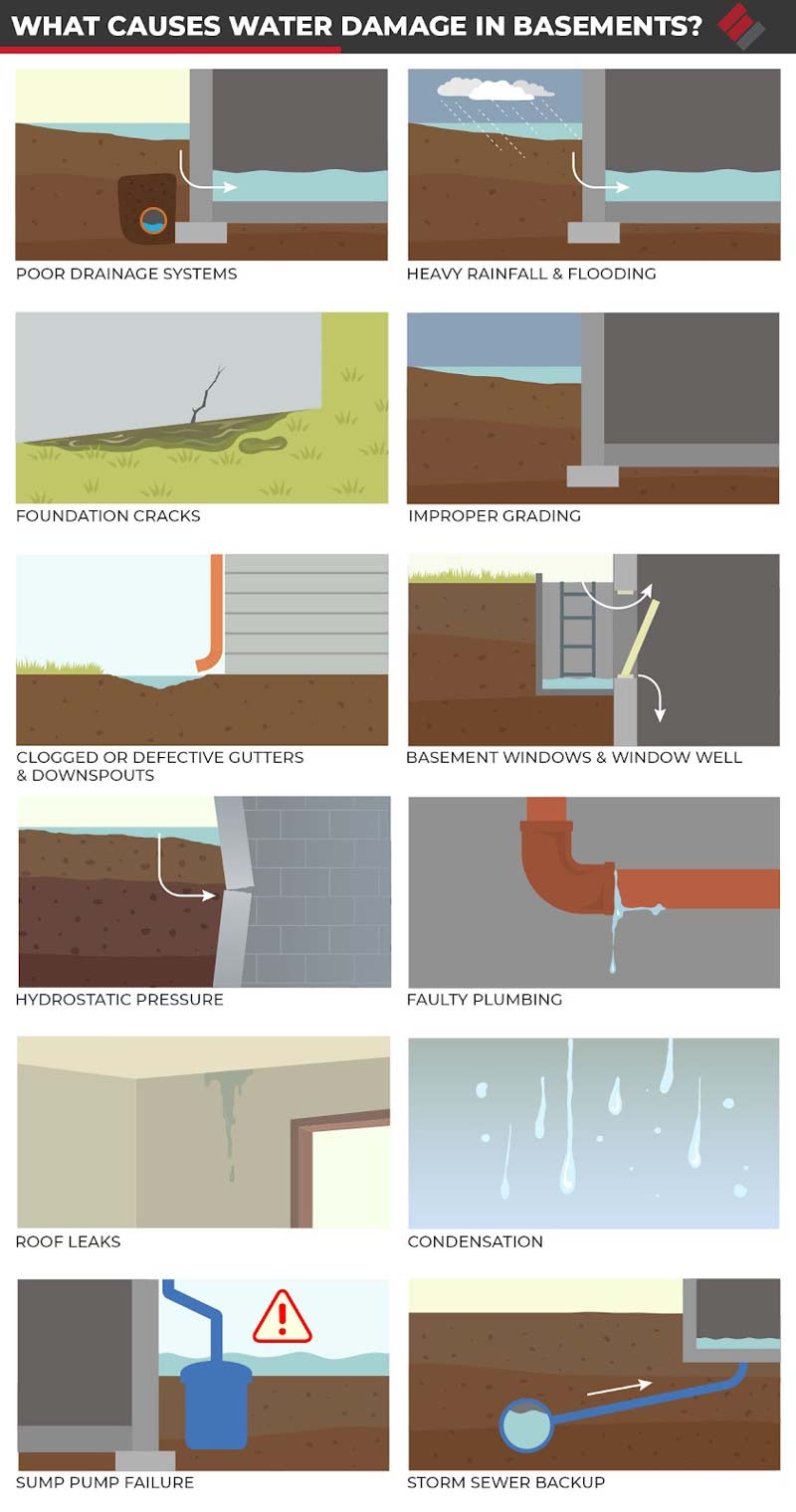
Rain and melting snow soak into the soil around a basement. When that water cannot drain away, it can press against the walls and floor and find a way in through cracks and joints.
Based on NOAA 1991 to 2020 climate normals for Lincoln Municipal Airport and Omaha Eppley Airfield.
Based on USDA soil survey data for Lancaster County (Lincoln) and Douglas County (Omaha), clay is the main soil type in both counties. The survey rates Lancaster County high and Douglas County moderate for shrink swell. Clay can swell when it gets wet and shrink as it dries, so a slab or foundation on clay can move up and down with the seasons. The soils that cover the most ground in Lancaster County are Wymore and Aksarben, and in Douglas County they are Contrary and Marshall.
Loess, the wind deposited silt common in eastern Nebraska and western Iowa, can lose strength and settle when it gets wet. Water can reach it from runoff, a plumbing leak or a downspout that empties next to the house.
In Lincoln and Omaha, soil near the surface can freeze and thaw many times between fall and spring. Each city's building code sets a frost line depth, which is the minimum depth below finished grade for a footing. It is 36 inches in Lincoln and 42 inches in Omaha. Supports that sit above that depth, such as some porches, stoops and chimney footings, can move as the ground freezes and thaws.
Horizontal cracks in a basement wall are more often linked to pressure from the soil outside the wall than to settlement. Wet soil pushes harder against a wall than dry soil, and soil that freezes against the wall can add to that pressure.
Climate: NOAA U.S. Climate Normals 1991 to 2020, LINCOLN MUNI AP (USW00014939) and OMAHA EPPLEY AIRFIELD (USW00014942), retrieved September 30, 2026. Soil: USDA NRCS Soil Data Access (SSURGO), county survey for Lancaster County and Douglas County. Frost line depth: Lincoln Municipal Code 20.12.140 and Omaha Municipal Code Sec. 43-127.
These are the basement waterproofing problem signs Epp Foundation Repair diagnoses most often. Each one links to what causes it and how it is repaired.
Our specialists evaluate the underlying cause before recommending any work. Inspections are at no cost and there's no obligation to proceed.
"The number one thing that kills sump pumps is age. Number two is a stuck float that nobody checked. We tell every homeowner the same thing on install day: pour a five-gallon bucket of water in the pit every three months and watch the pump cycle. Two minutes, four times a year, will catch a failing pump six months before it floods your basement."

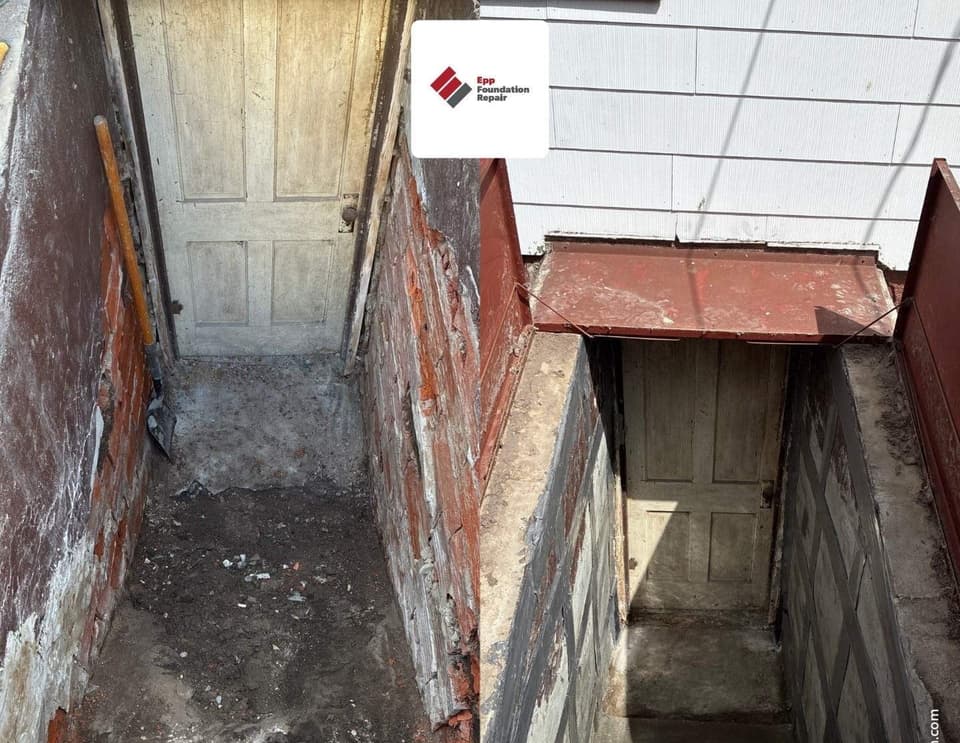
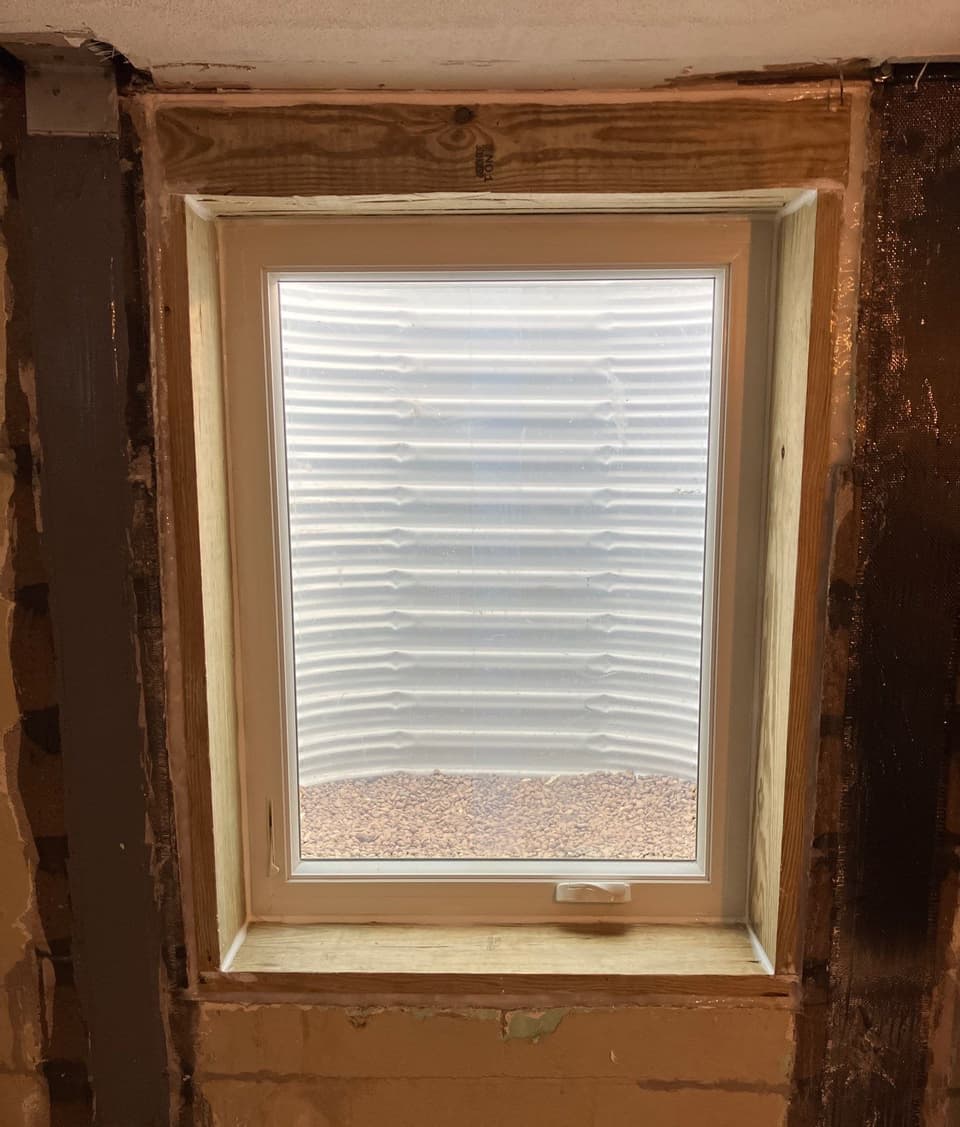
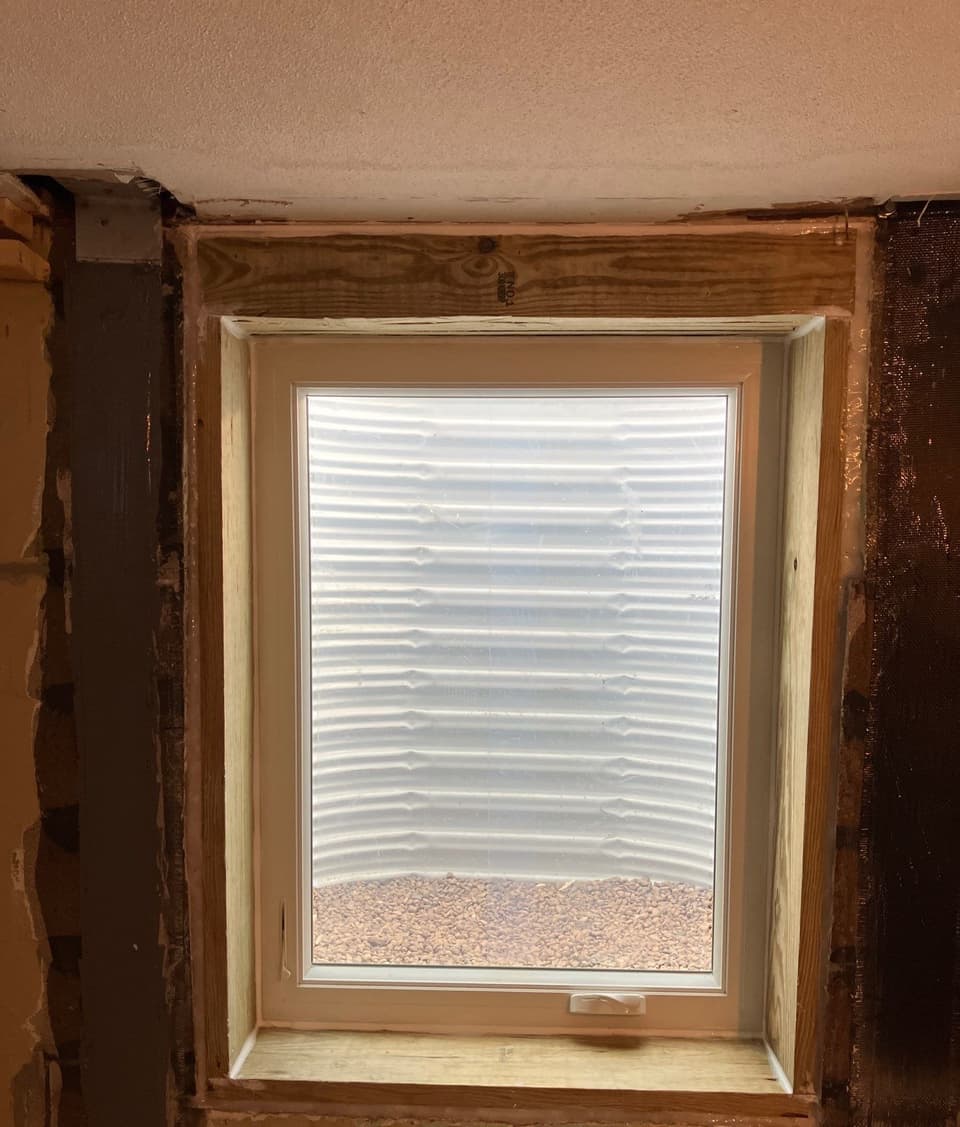
Completed work photographed on real job sites across Nebraska, Iowa, Kansas, and Missouri.
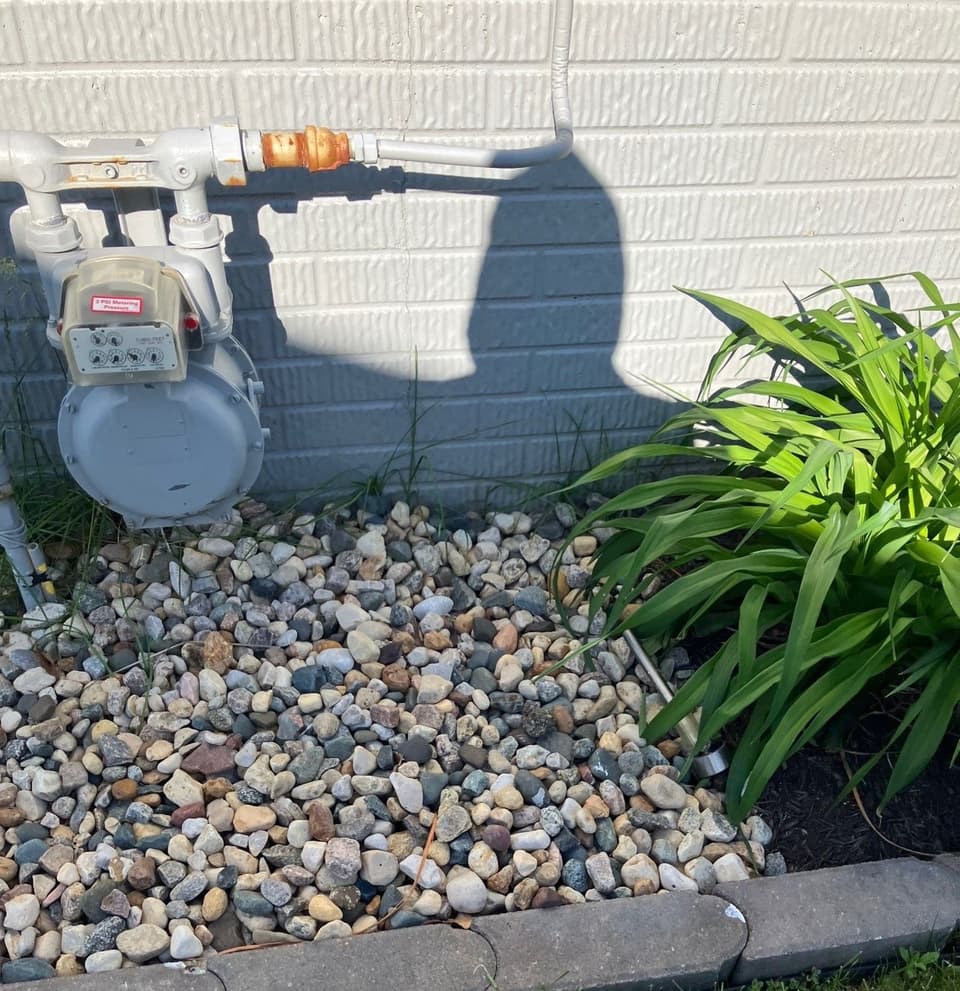
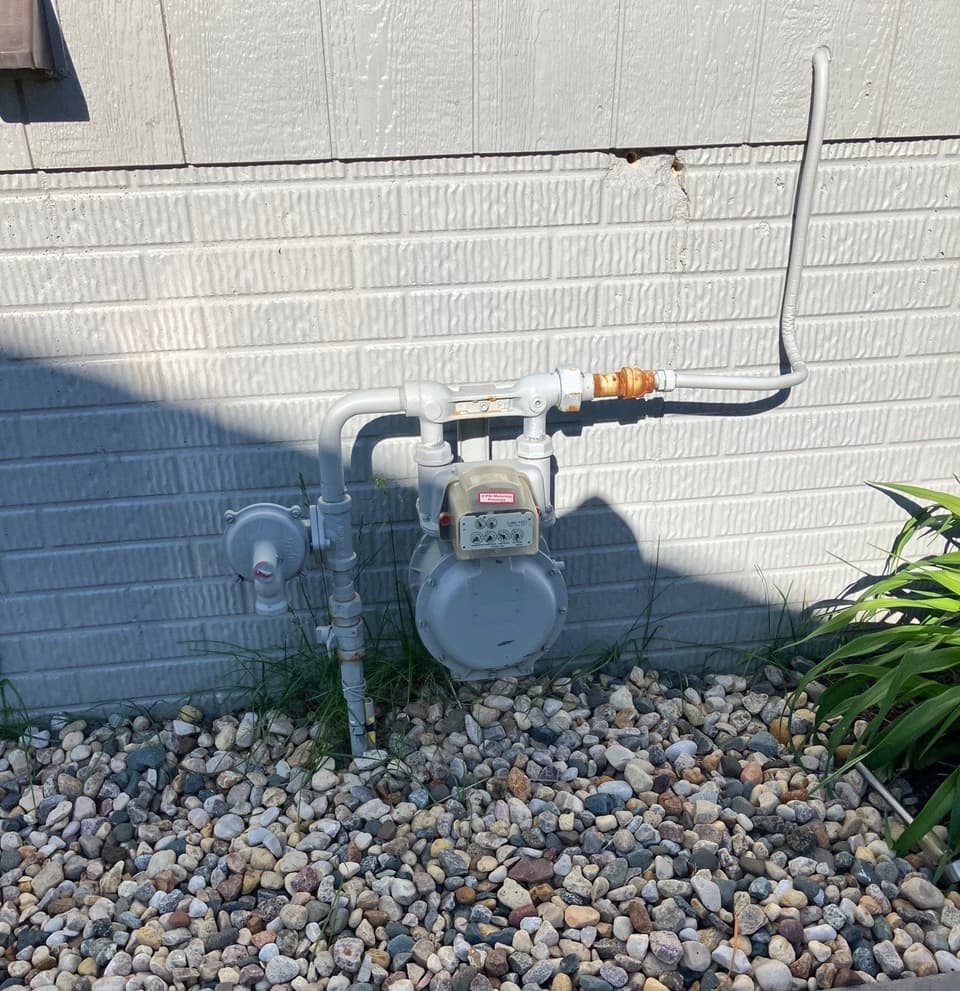
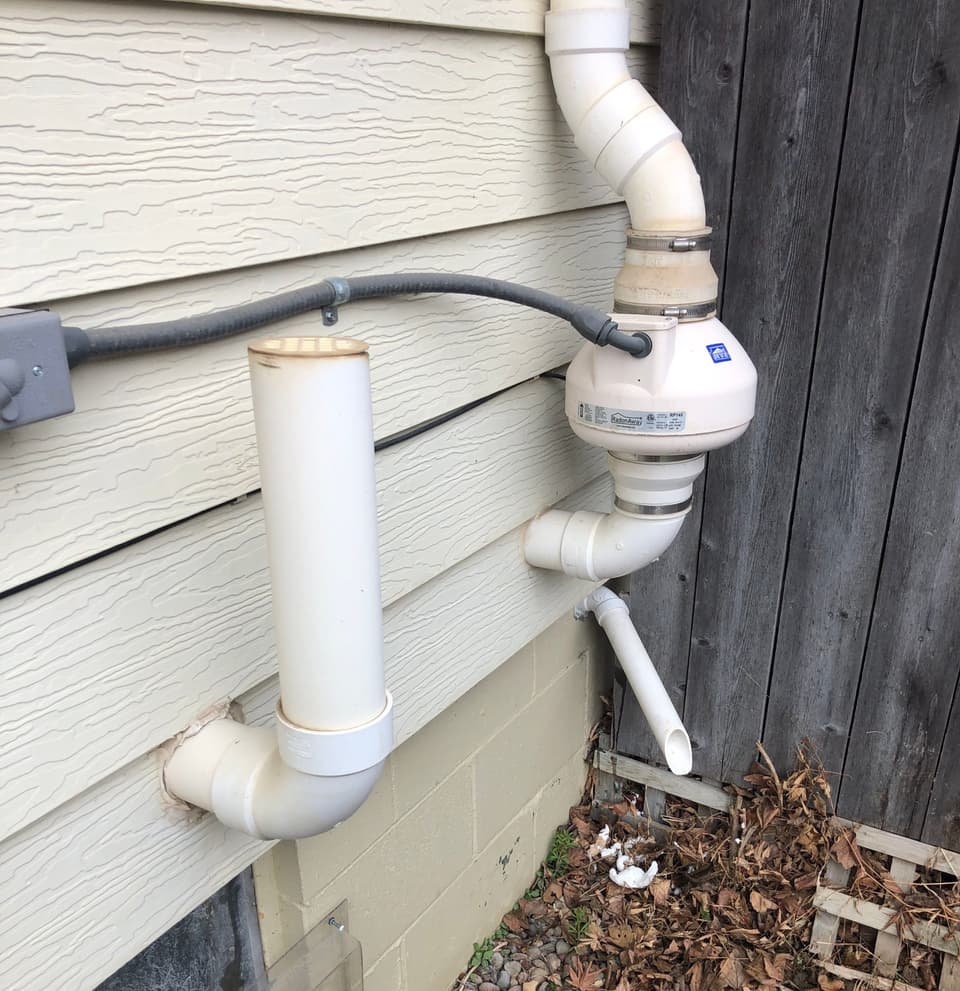
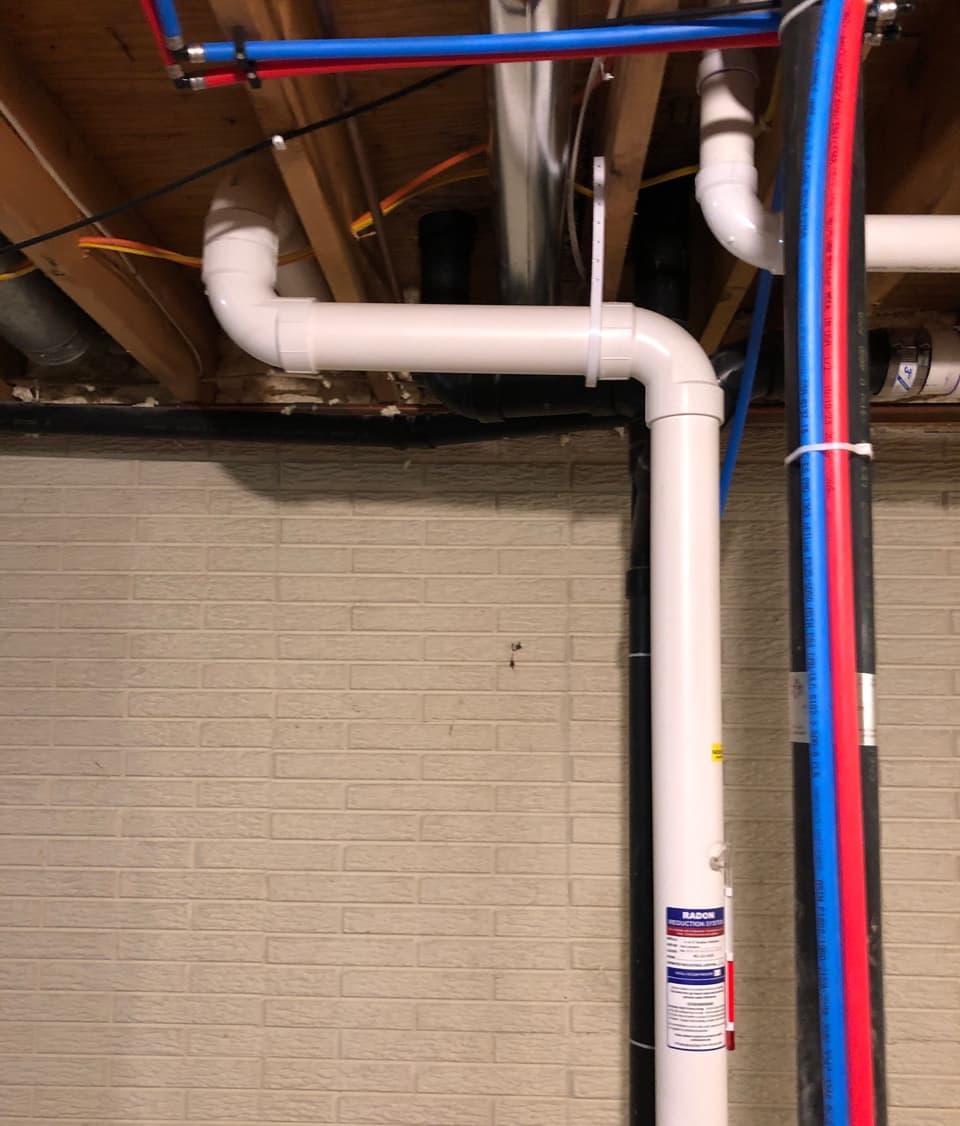
Epp Foundation Repair is locally owned and operated, with crews dedicated exclusively to foundation, basement, and concrete work across the Midwest.
Foundation repair, waterproofing, and concrete leveling are our entire focus, not a sideline.
Three decades of experience with Midwest soils, basements, and weather conditions.
Recognized by the Better Business Bureau for integrity and ethical business practices.
Many of our repairs carry a written Epp warranty. The warranty page lists every covered repair and its terms.
Don't see your question here? Our team is happy to help. Reach out anytime.
Every home is different. What a repair costs depends on the cause, the scope, and access. A free on-site inspection produces a Customized Repair Estimate that reflects your home, not a typical range.
Includes basin, cast-iron primary pump, check valve, PVC discharge, exterior daylight termination, and concrete restoration. Customized Repair Estimate after on-site inspection reflects your scope.
Don't install a sump pump without diagnosing the actual water source first. Don't replace just the pump in a pit that's deteriorated, silted, or set at the wrong elevation; the new pump wears out faster than it should. And don't oversize the pump. An oversized pump in a residential basement short-cycles, overheats, and wears out faster than a properly sized unit. Pump sizing matches inflow rate, not anxiety. Contact Epp Foundation Repair for a free, on-site Customized Repair Estimate.
Epp Foundation Repair holds BBB A+ accreditation and is a BBB Integrity Award winner.
Our team walks through this on camera.
Every basement waterproofing method we install. Sequenced so the soil profile and failure mode determine the fix.
 01
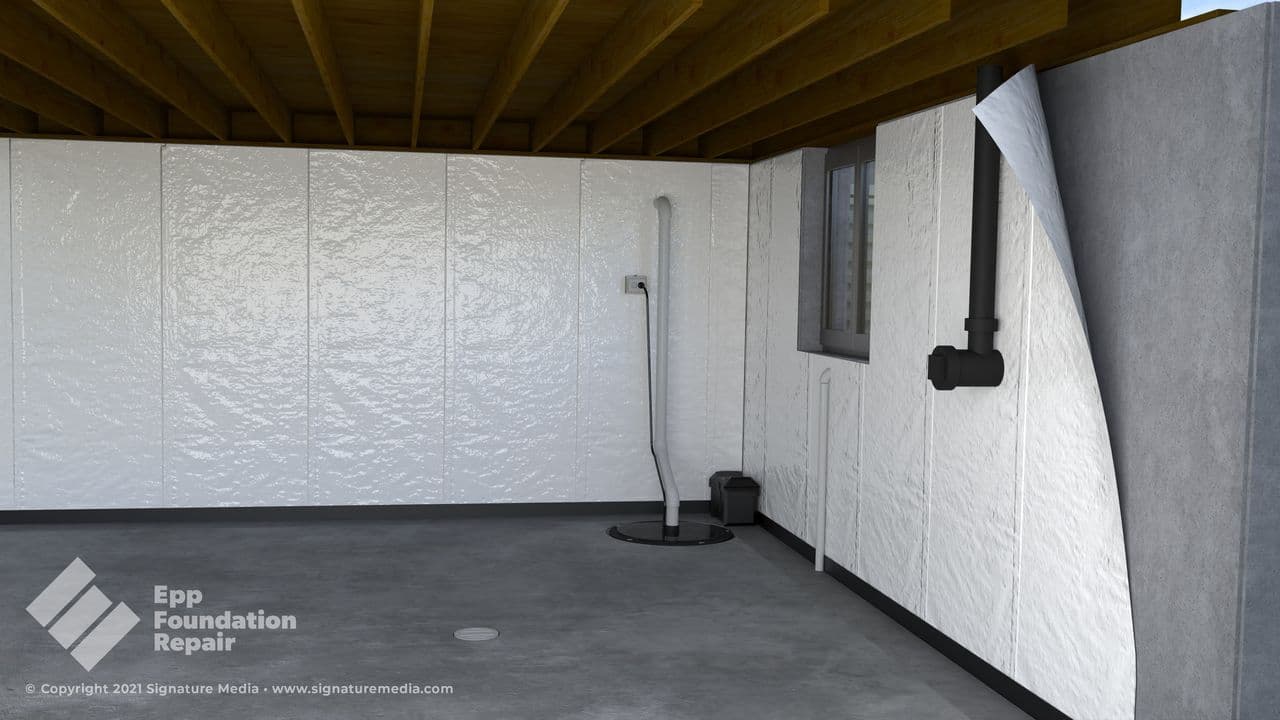
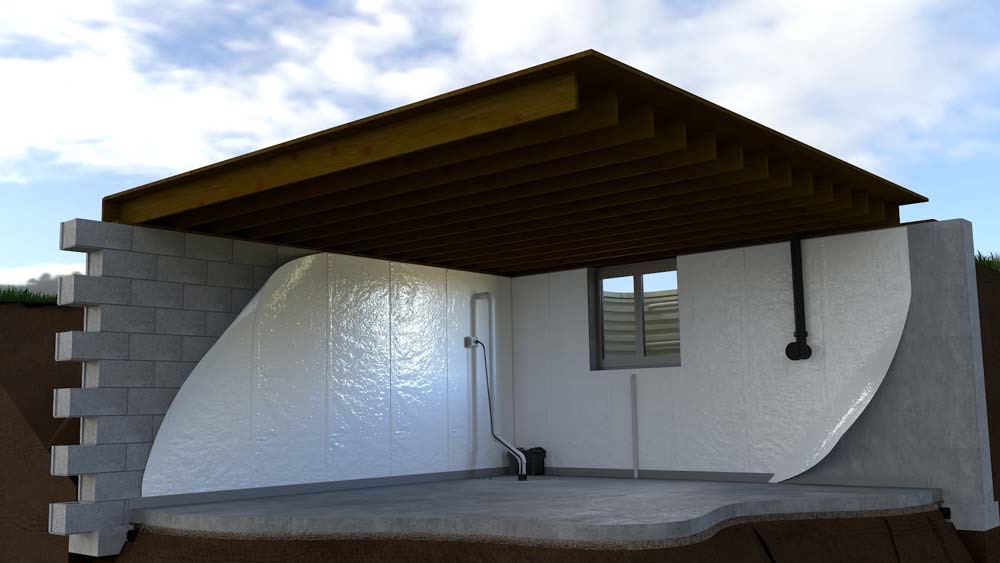
01 Interior basement waterproofing manages water that has already reached your foundation. Perimeter drain tile, sump pump, and wall vapor barrier capture and discharge hydrostatic seepage rather than excavating outside. Epp Foundation Repair installs full-perimeter interior systems across NE, IA, KS, and MO when exterior excavation is impractical or unnecessary.
Learn more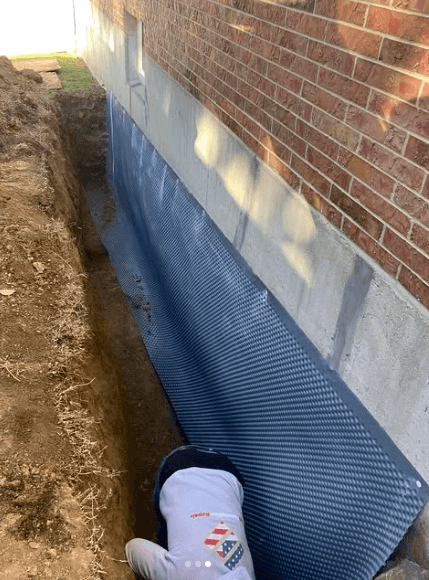 02
02 Exterior basement waterproofing excavates the affected section of the foundation, applies an elastomeric membrane to the wall face, and installs drain tile in proper drainage stone. It is the only method that prevents water from reaching the wall at all. Epp Foundation Repair targets exterior waterproofing to the specific wall sections that need it across NE, IA, KS, and MO, typically as a last resort where an interior system will not work.
Learn more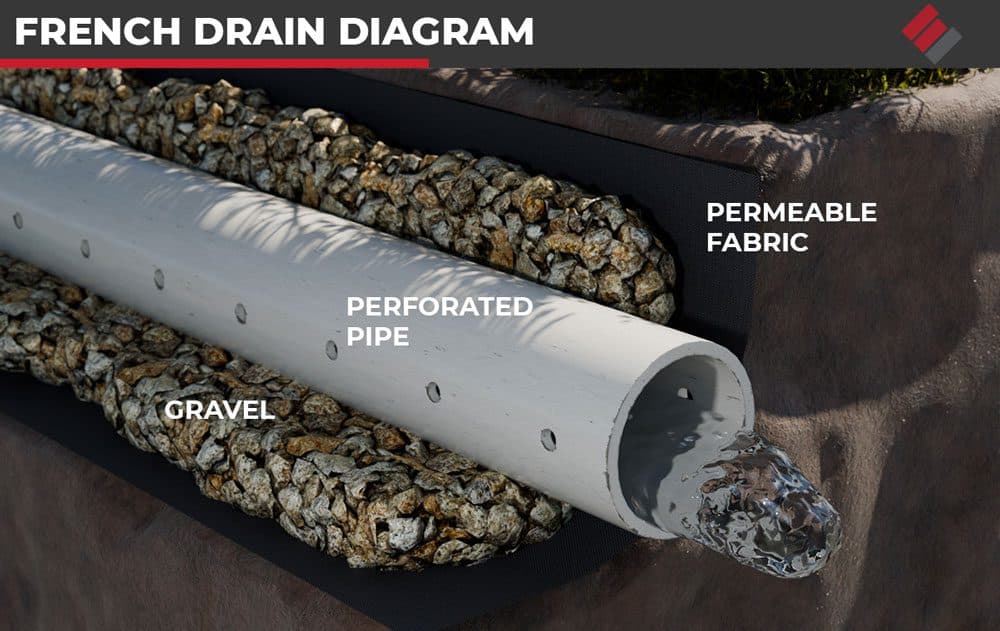 03
03 Exterior French drain installation intercepts groundwater and surface runoff in the yard before it reaches the foundation. It uses perforated pipe set in washed gravel, sloped to daylight or a discharge point, and wrapped in filter fabric to prevent soil clogging. Epp Foundation Repair installs yard-level French drains across NE, IA, KS, and MO on lots where downspout runoff, neighbor-property drainage, or chronic wet zones are loading water against the foundation.
Learn more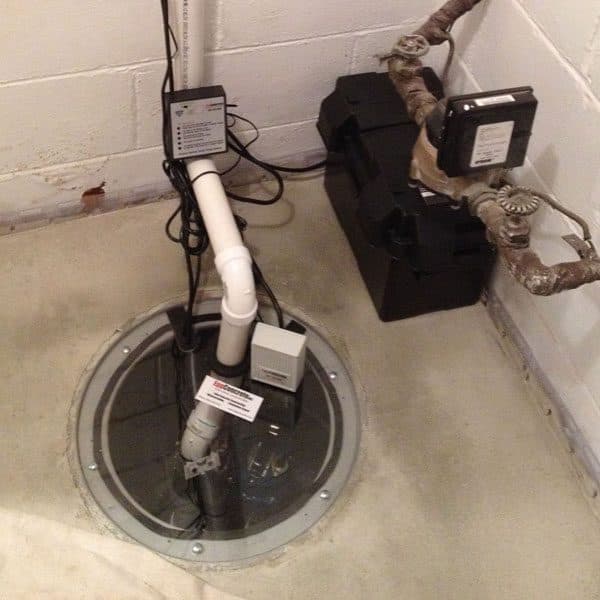 04
04 Backup sump pump installation puts a second pump in the basin that runs when the primary fails. Battery-backup is standard across the territory, water-powered is occasionally appropriate where municipal water pressure and code permit. Epp Foundation Repair installs and tests backup systems across NE, IA, KS, and MO because spring storms in this region routinely produce heavy rain and power outages in the same event, exactly when the primary pump is most needed.
Learn more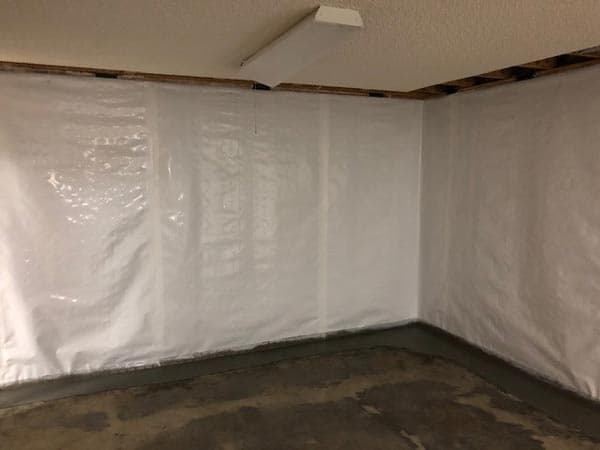 05
05 Epp Foundation Repair installs mechanically fastened polyethylene wall vapor barriers as the final component of an interior basement waterproofing system, directing minor wall seepage downward into the drain channel and out through the sump. Serving NE, IA, KS, and MO since 1994. Epp does not install a barrier in isolation when walls are actively wet, because that creates a mold trap.
Learn more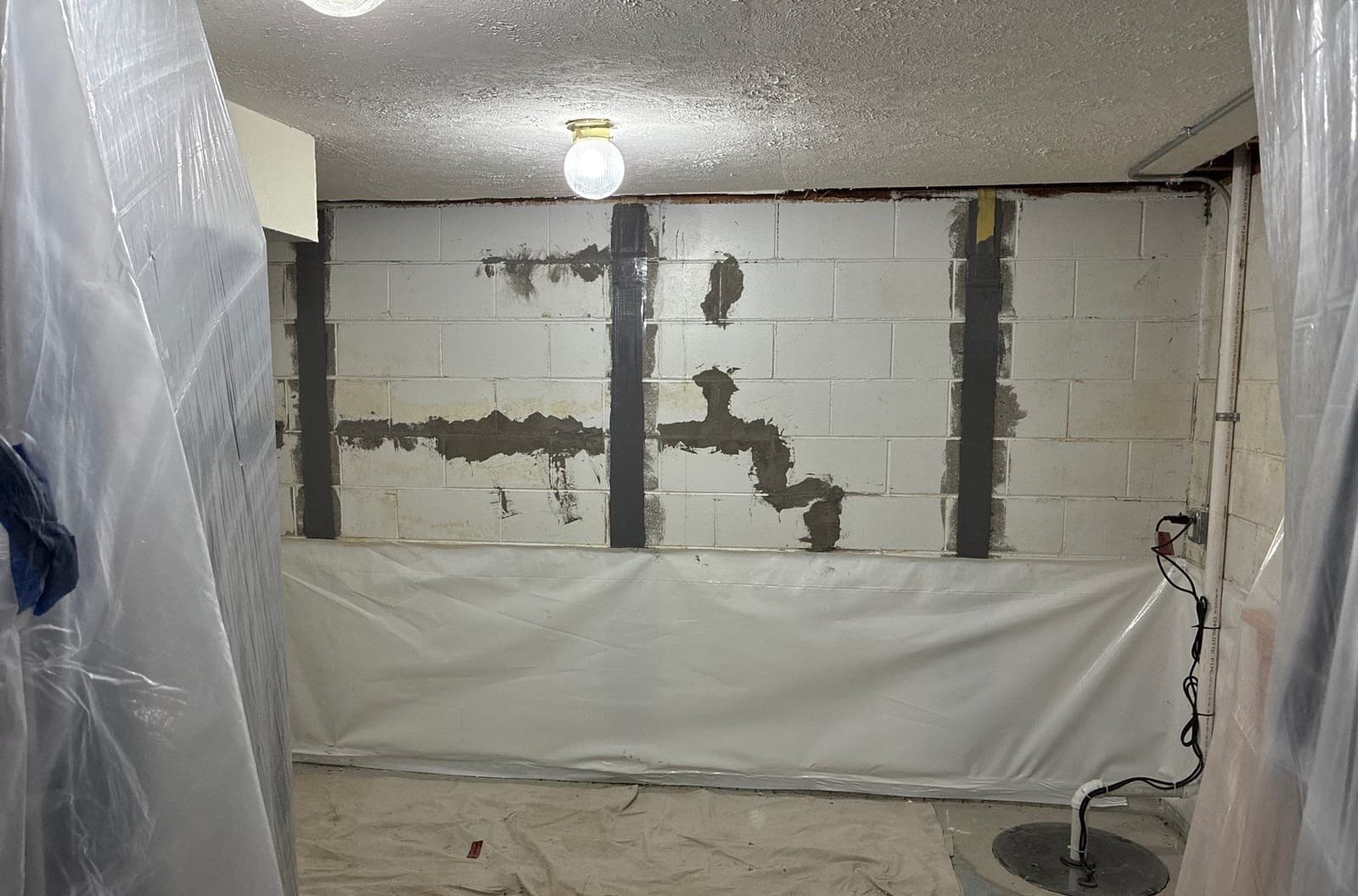 06
06 Targeted basement wall crack repair from Epp Foundation Repair. Diagnosis with a crack monitor, sequential polyurethane-then-epoxy injection on stable leaking cracks, and carbon fiber reinforcement on active block walls. Serving NE, IA, KS, and MO since 1994. The right repair when the leak is isolated to a crack or two; the wrong repair when the wall has systemic seepage.
Learn moreLocal crews based in five regional offices, dispatched daily across four states. If your town isn't listed, call us: we likely serve your area.
A straightforward path from initial inspection to completed repairs.
Epp's inspector walks the exterior, checks grading, downspouts, gutters, and adjacent hardscape, then inspects the basement interior for entry pattern and existing pump condition. Contact Epp Foundation Repair for a free, on-site Customized Repair Estimate.
Pit location is set at the lowest point of the basement floor or at the planned terminus of new interior drain tile. Crews break an opening in the slab and excavate to seat a perforated polyethylene basin flush with floor level. Discharge route is verified.
A cast-iron submersible primary with vertical float switch is set in the basin. Cast-iron is used because it outlasts plastic-housing pumps in regional freeze-thaw and hard-water conditions. A vertical float is used because vertical floats don't snag on basin walls during high-cycle events.
A 4.9-star average across Google, with verified reviews from homeowners throughout Nebraska, Iowa, Kansas, and Missouri.
Schedule your inspection in seconds with our Driive booking tool, or share a few details and a local specialist will follow up within one business day.
Practical articles from the Epp team on foundation health, waterproofing, and home preservation.
 Basement WaterproofingLatest
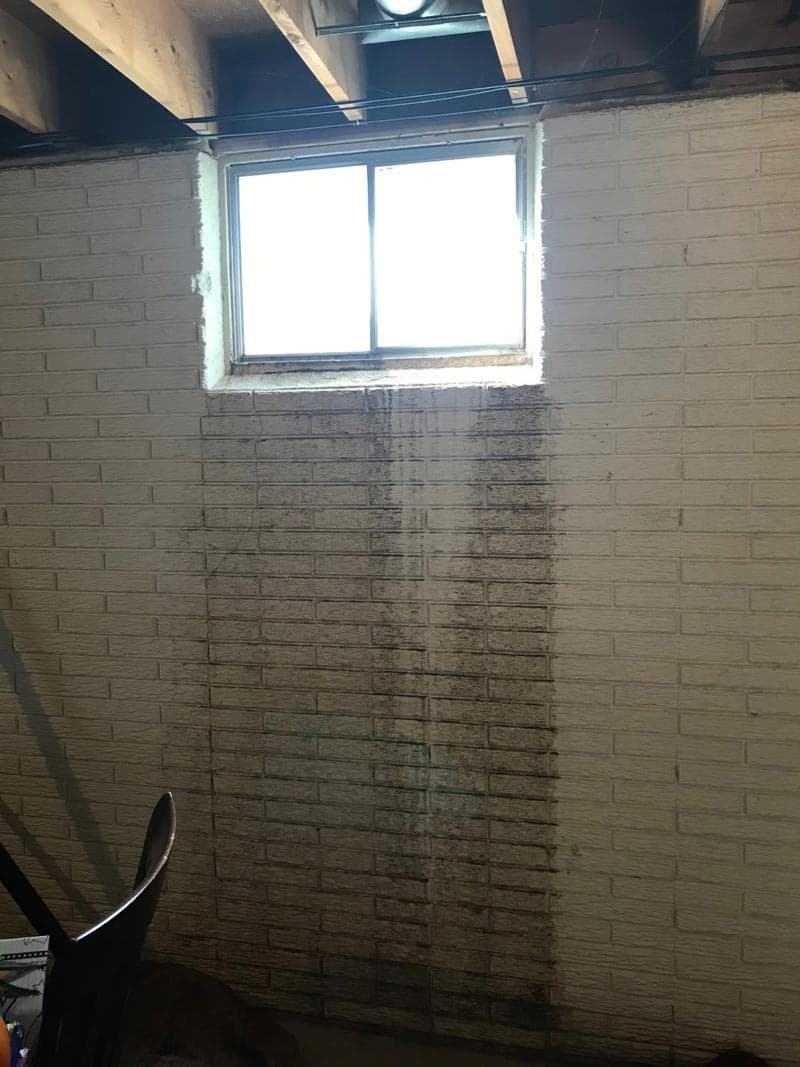
Waterproof paint and sealer can help with light dampness, but they usually cannot stop water pushed through a basement wall by wet soil outside.
 Basement Waterproofing
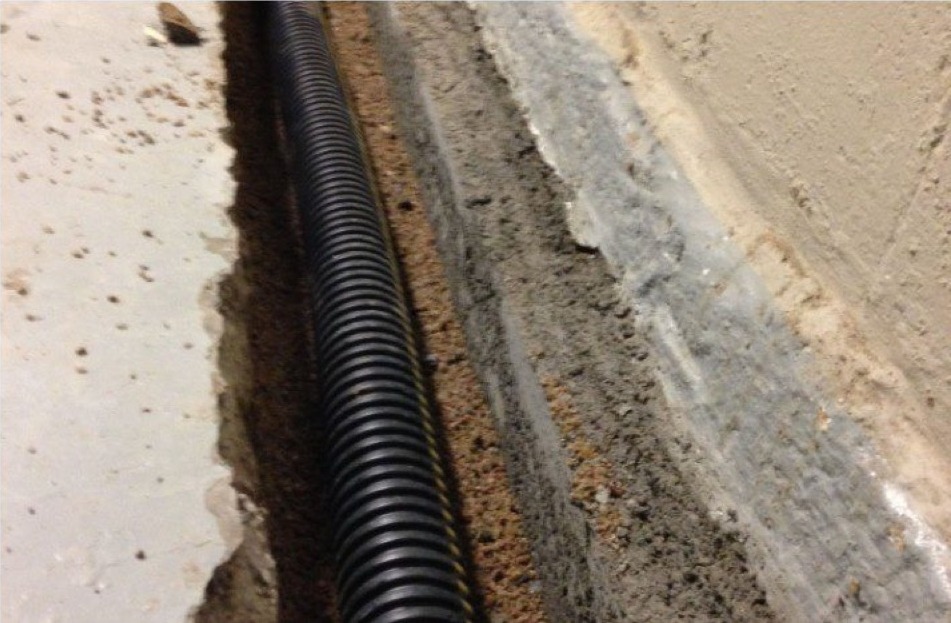
Drain tile channels water away from your foundation to keep the surrounding soil dry, which helps prevent many common foundation problems.
 Basement Waterproofing
Water seeping through a foundation slab escalates quickly. Learn what hydrostatic pressure is, why it happens, and how to stop it damaging your home.
 Basement Waterproofing
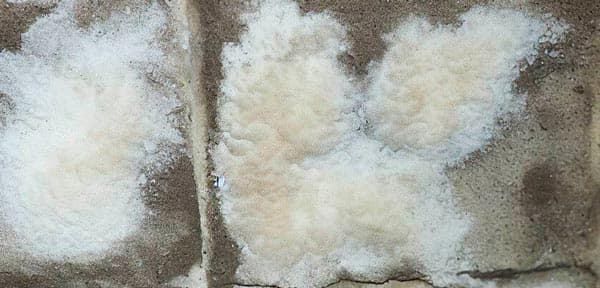
Efflorescence is a chalky white residue left by evaporating water. It signals moisture intrusion that can lead to bigger problems if ignored.
