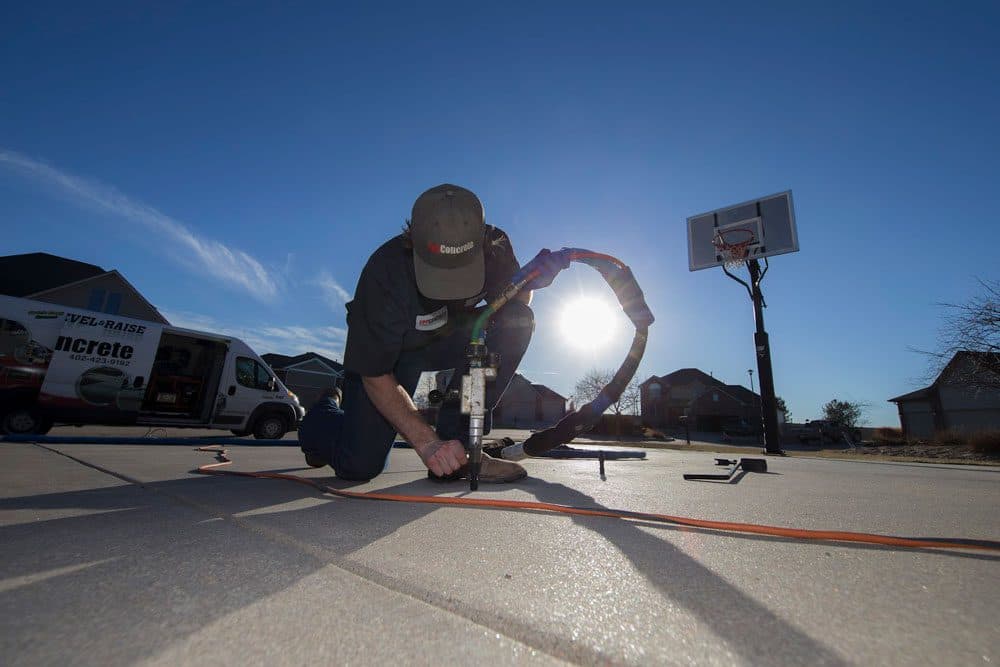
Exterior Concrete Cracks Diagnosed, Sealed, and Lifted
Epp Foundation Repair has read concrete cracks across Nebraska, Iowa, Kansas, and Missouri since 1994. Most exterior cracks signal a soil problem, not a concrete problem.
Let's take the first step toward a healthy home.
A local specialist will inspect your foundation, walk you through the findings, and send a clear estimate, no cost, no pressure.
Concrete Cracks Diagnosed and Repaired: diagnosed and explained.
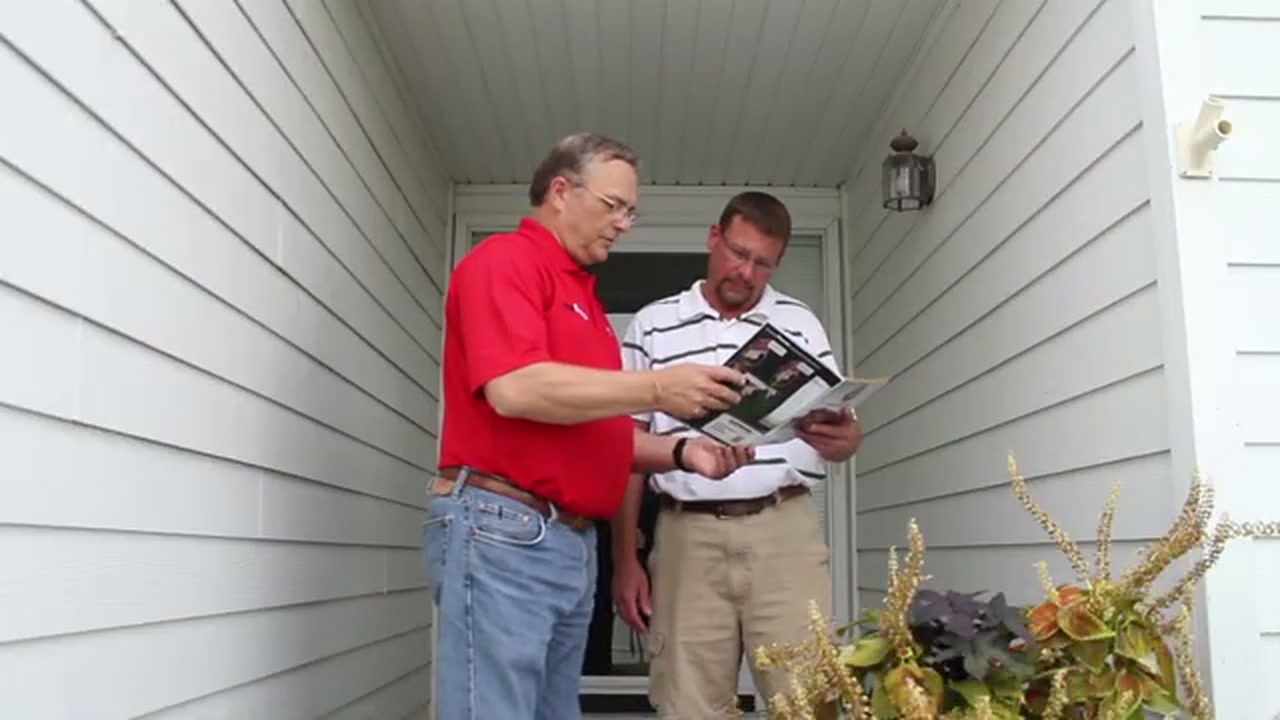
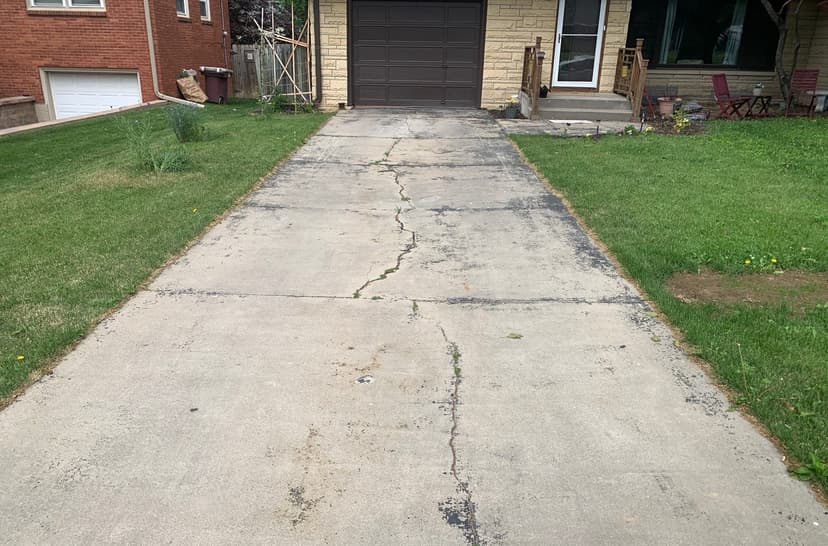
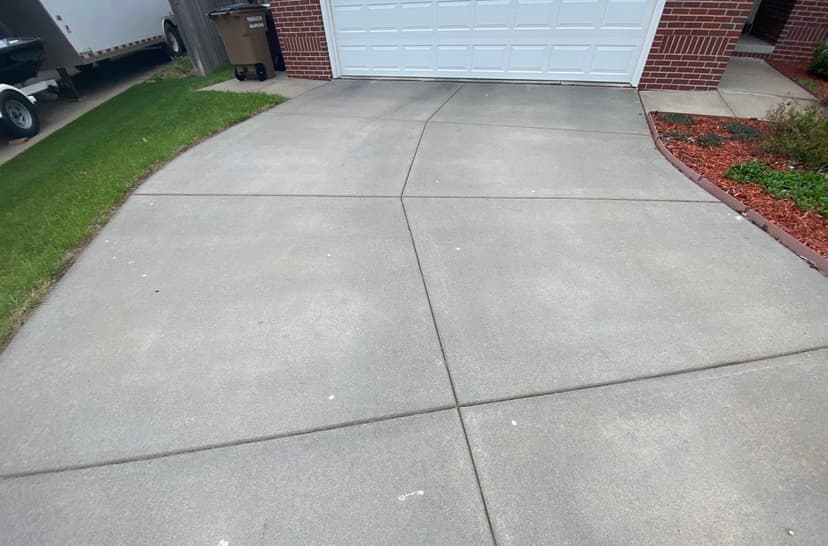
Epp Foundation Repair diagnoses exterior concrete cracks on driveways, sidewalks, patios, garage floors, and pool decks across a four-state territory. Phil Epp founded the company in 1994, and the field rule holds: most widening exterior cracks trace back to subgrade movement, not the concrete itself. A hairline crack that has not moved over time is almost always shrinkage from the original cure. A crack with one side dropped lower than the other is a settlement signal, and the slab is telling you the dirt under it is gone or going.


What to Watch for Before Cracks Get Worse
- 01
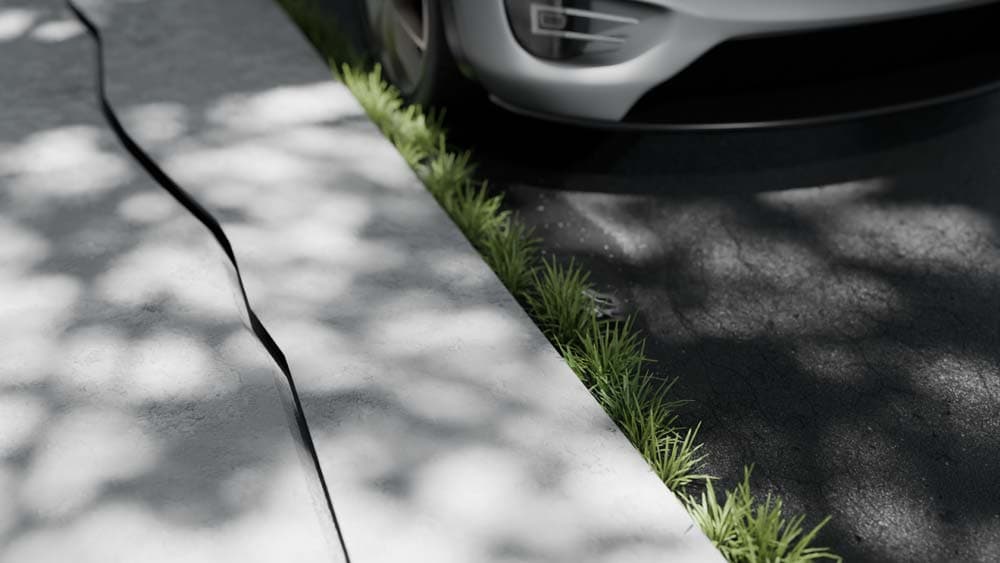
One side of the crack sits lower than the other
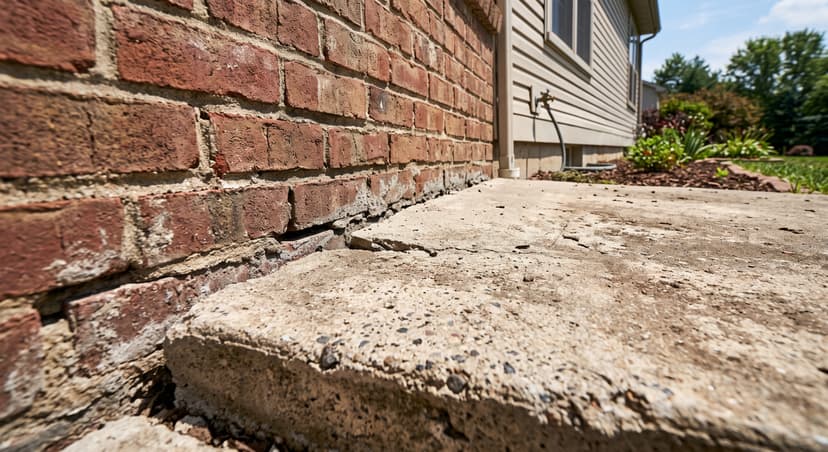
Any vertical offset means the slab has settled. The soil beneath one side is no longer carrying the load. Sealing this crack without lifting the slab traps the problem and the crack can widen again.
- 02
The crack is wider at one end than the other
A tapered crack means the slab is rotating, usually because a corner has lost support. Common locations are driveway aprons where downspouts discharge and patio corners next to settling backfill at the foundation wall.
- 03
The crack has widened in the last year
Mark the crack ends with a permanent marker and date them. If the crack lengthens or widens between checks, the underlying cause is active and a flexible sealant alone will fail.
- 04
Water pools at the crack after rain
A crack that holds water is feeding more water into the subgrade and accelerating the same settlement or freeze damage that caused it. This is a common reason Epp Foundation Repair sees cracks widen over time.
What causes concrete cracks diagnosed and repaired in Midwest homes.
- 01
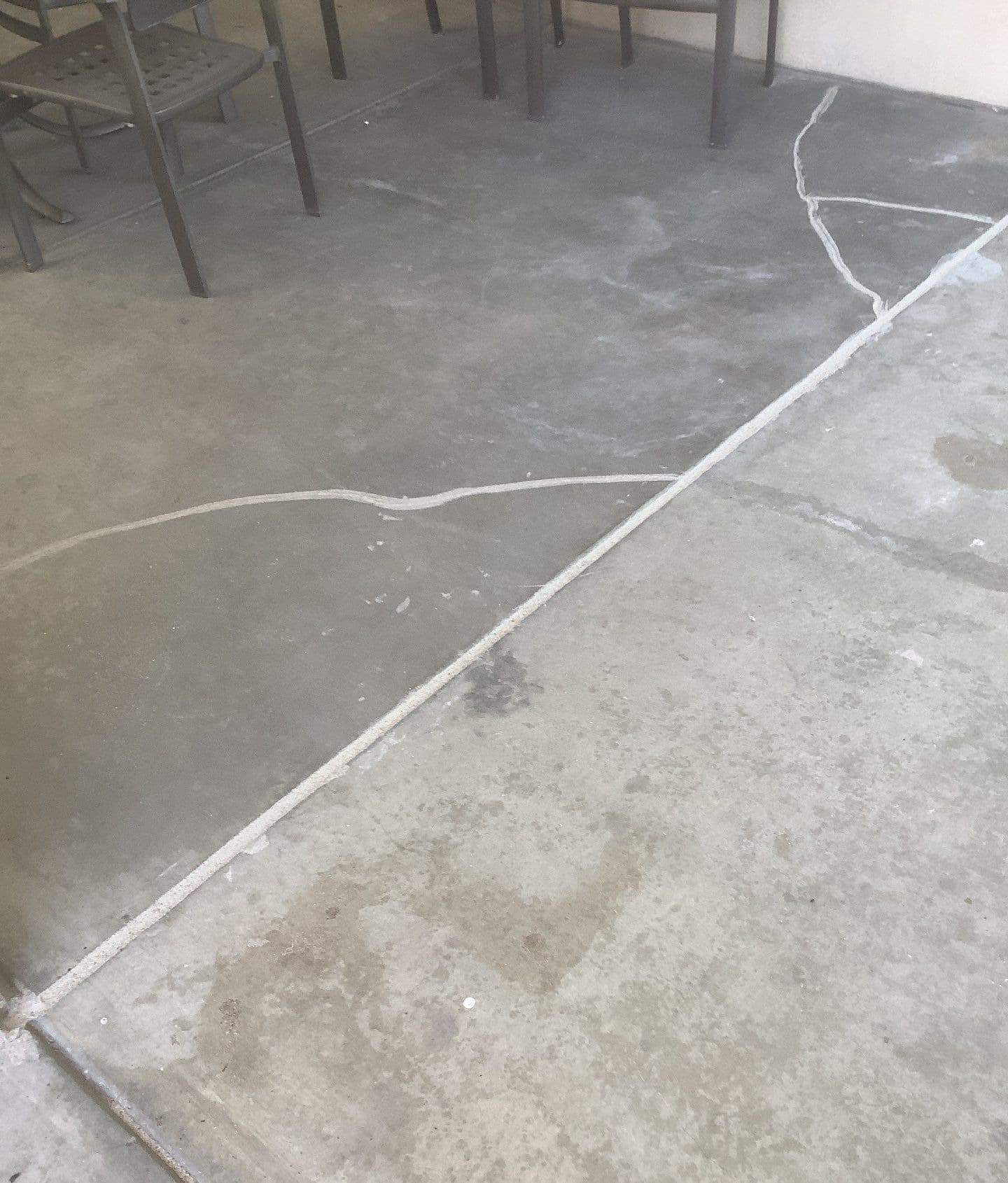
Shrinkage during the original cure
Concrete loses roughly 1/16 inch per 10 feet as it cures. Control joints are cut to direct that cracking, but when joints are spaced too far apart or cut too shallow, the slab cracks where it wants to. These hairline shrinkage cracks rarely widen, rarely require lifting, and only need a flexible sealant to keep water out. Epp Foundation Repair leaves stable shrinkage cracks alone unless they are letting water under the slab.
- 02
Subgrade settlement under the slab
Across eastern Nebraska and western Iowa, hydroconsolidated loess fill can collapse when water reaches it. In central Kansas and northern Missouri, expansive clay shrinks during dry summers, leaving voids beneath driveways and patios. The slab bridges the void until a vehicle wheel, a freeze cycle, or its own weight breaks it. Cracks that step or tilt are almost always settlement-driven.
- 03
Freeze-thaw heave
Nebraska, Iowa, and northern Missouri see many freeze-thaw cycles each winter. When water reaches subgrade fines and freezes, the soil expands and pushes slabs upward. The most common heave pattern Epp Foundation Repair sees is a sidewalk panel tilted higher than its neighbor after a wet fall, then the panel cracks across the middle when traffic loads it.
- 04
Tree root pressure
Silver maples, cottonwoods, and Bradford pears push surface roots that lift and crack driveways and sidewalks well away from the trunk. Once the root is established under a slab, removing the tree does not undo the damage. Epp Foundation Repair lifts the slab with polyurethane foam and seals the resulting crack. We do not remove trees.
- 05
Salt spalling and surface failure
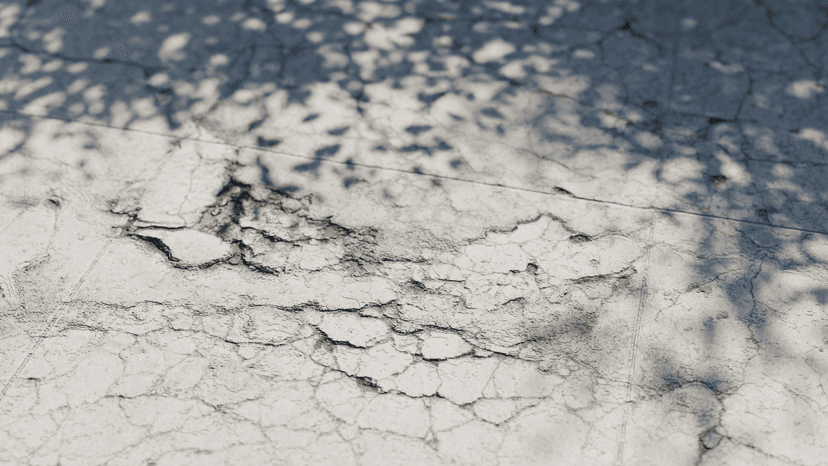
Winter road salt and homeowner ice melt drive chloride ions into the surface of the concrete. Repeated freeze cycles pop the surface off in flakes and pits, and the surface failure often migrates into full-depth cracks at slab edges. Salt damage is concentrated near garage doors, sidewalk edges, and apron joints where snowmelt pools.
- 06
Load failure on undersized slab
A standard residential driveway is 4 inches thick on compacted base. When a slab is poured too thin or without rebar at the apron-to-garage joint, vehicle loads can crack it. Epp Foundation Repair identifies whether the failure is the slab itself or the soil under it, lifts and seals the concrete that is still sound, and pours a new section where the old one is past saving.
How concrete repair specialists actually fix concrete cracks diagnosed and repaired.
Solving concrete cracks diagnosed and repaired means addressing the underlying soil, pressure, or settlement cause. Not just patching the visible damage. Below are the engineered solutions we install most often for this symptom in Nebraska, Iowa, Kansas, and Missouri homes.
Engineered concrete repair solutions for this problem.
Each method is matched to a specific failure mode and soil profile. Browse the toolkit we draw from when diagnosing your home.
How do soil and winter weather affect concrete in Nebraska, Iowa, Kansas, and Missouri?
Concrete slabs rest on the soil under them. When that soil washes out, softens or settles, part of a slab can sink, tilt or crack. Small cracks that form as new concrete dries and shrinks are common, and most of them do not affect the strength of the slab.
Based on NOAA 1991 to 2020 climate normals for Lincoln Municipal Airport and Omaha Eppley Airfield.
What kind of soil is around Lincoln and Omaha?
Based on USDA soil survey data for Lancaster County (Lincoln) and Douglas County (Omaha), clay is the main soil type in both counties. The survey rates Lancaster County high and Douglas County moderate for shrink swell. Clay can swell when it gets wet and shrink as it dries, so a slab or foundation on clay can move up and down with the seasons. The soils that cover the most ground in Lancaster County are Wymore and Aksarben, and in Douglas County they are Contrary and Marshall.
Loess, the wind deposited silt common in eastern Nebraska and western Iowa, can lose strength and settle when it gets wet. Water can reach it from runoff, a plumbing leak or a downspout that empties next to the house.
How does freezing weather affect footings and basement walls?
In Lincoln and Omaha, soil near the surface can freeze and thaw many times between fall and spring. Each city's building code sets a frost line depth, which is the minimum depth below finished grade for a footing. It is 36 inches in Lincoln and 42 inches in Omaha. Supports that sit above that depth, such as some porches, stoops and chimney footings, can move as the ground freezes and thaws.
Horizontal cracks in a basement wall are more often linked to pressure from the soil outside the wall than to settlement. Wet soil pushes harder against a wall than dry soil, and soil that freezes against the wall can add to that pressure.
Climate: NOAA U.S. Climate Normals 1991 to 2020, LINCOLN MUNI AP (USW00014939) and OMAHA EPPLEY AIRFIELD (USW00014942), retrieved September 30, 2026. Soil: USDA NRCS Soil Data Access (SSURGO), county survey for Lancaster County and Douglas County. Frost line depth: Lincoln Municipal Code 20.12.140 and Omaha Municipal Code Sec. 43-127.
"Most exterior concrete cracks aren't a concrete problem. They're a soil problem the concrete is announcing. After decades in this work I can usually tell in a few minutes whether you need a simple sealant or a full lift. The honest answer comes from looking at the slab and the water that gets to it, not from a phone call"

Care and expertise from a team that's been doing this since 1994.
Epp Foundation Repair is locally owned and operated, with crews dedicated exclusively to foundation, basement, and concrete work across the Midwest.
Foundation repair, waterproofing, and concrete leveling are our entire focus, not a sideline.
Three decades of experience with Midwest soils, basements, and weather conditions.
Recognized by the Better Business Bureau for integrity and ethical business practices.
Many of our repairs carry a written Epp warranty. The warranty page lists every covered repair and its terms.
Answers to common questions about Concrete Cracks Diagnosed and Repaired.
Don't see your question here? Our team is happy to help. Reach out anytime.
Other concrete repair warning signs to watch for.
If you see one, it's worth checking for the others. Most foundation problems show up as more than one symptom.
Serving Nebraska, Iowa, Kansas & Missouri.
Local crews based in five regional offices, dispatched daily across four states. If your town isn't listed, call us: we likely serve your area.
- Omaha, NE
- Lincoln, NE
- Topeka, KS
- Sioux City, IA
- Bellevue, NE
- St. Joseph, MO
- Council Bluffs, IA
- Grand Island, NE
- Papillion, NE
- Kearney, NE
Take the first step toward a healthy home.
A straightforward path from initial inspection to completed repairs.
Schedule your inspection.
A local specialist visits your home, evaluates the foundation, and answers your questions on site. No cost, no obligation.
Receive an estimate based on your needs.
We provide a clear, Customized Repair Estimate with a scope of work tailored to your home's specific issues. Typically within one business day.
Get your repairs.
Trained crews complete the work on schedule.
Over 1,700 homeowners have shared their experience.
A 4.9-star average across Google, with verified reviews from homeowners throughout Nebraska, Iowa, Kansas, and Missouri.
Two ways to start: book instantly, or request an estimate.
Schedule your inspection in seconds with our Driive booking tool, or share a few details and a local specialist will follow up within one business day.
- A local foundation specialist on site
- A complete walk-through of the findings
- A Customized Repair Estimate within one business day
- No cost, no obligation, no high-pressure sales
Expert guidance on protecting your home.
Practical articles from the Epp team on foundation health, waterproofing, and home preservation.
 Concrete RepairLatest
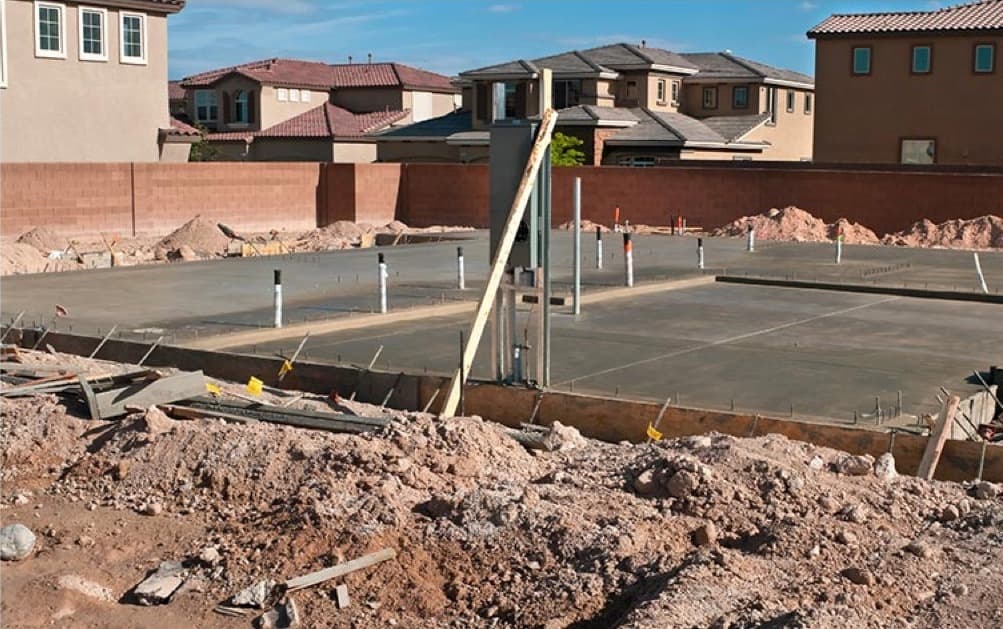
Difference Between Floating And Monolithic Slab Foundations
Monolithic and floating slab foundations are built differently and behave differently in the soil. Learn how each works and how they are repaired.
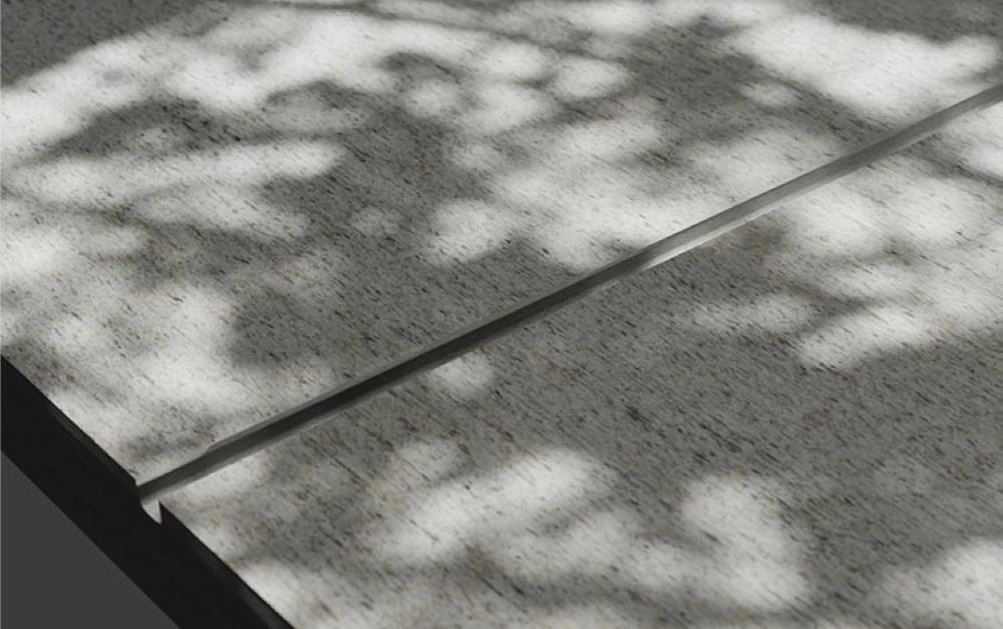 Concrete Repair
What Is The Difference Between Control And Expansion Joints In Concrete?
Control joints and expansion joints both protect concrete, but they work differently. Learn how each one functions and when to use them.
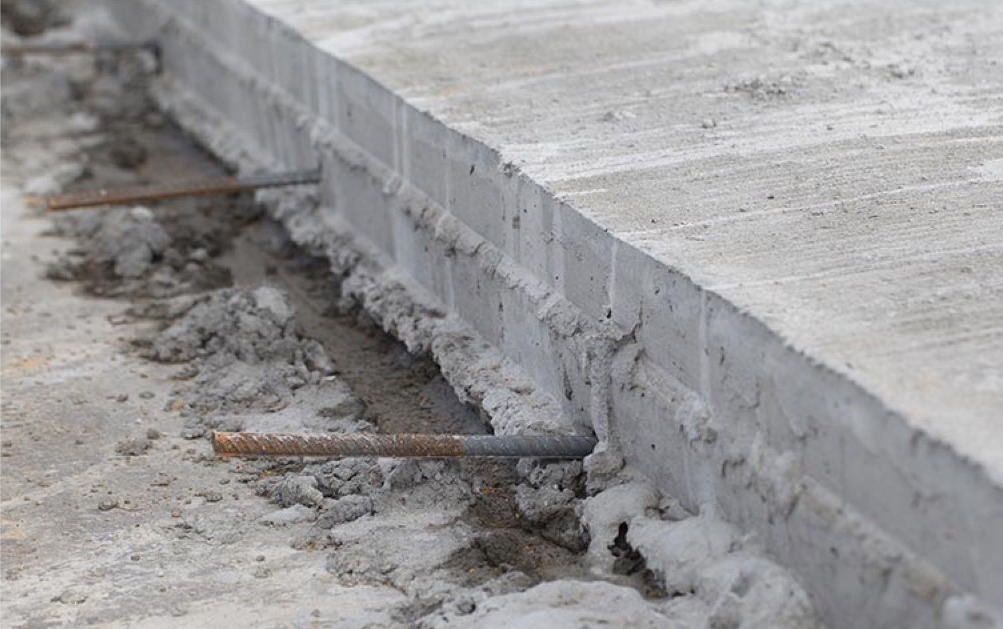 Concrete Repair
The Homeowner's Guide To Post-Tension Slab Foundations
Post-tension slab foundations use tensioned steel cables to resist cracking. Learn how they work, their pros and cons, and common repairs.
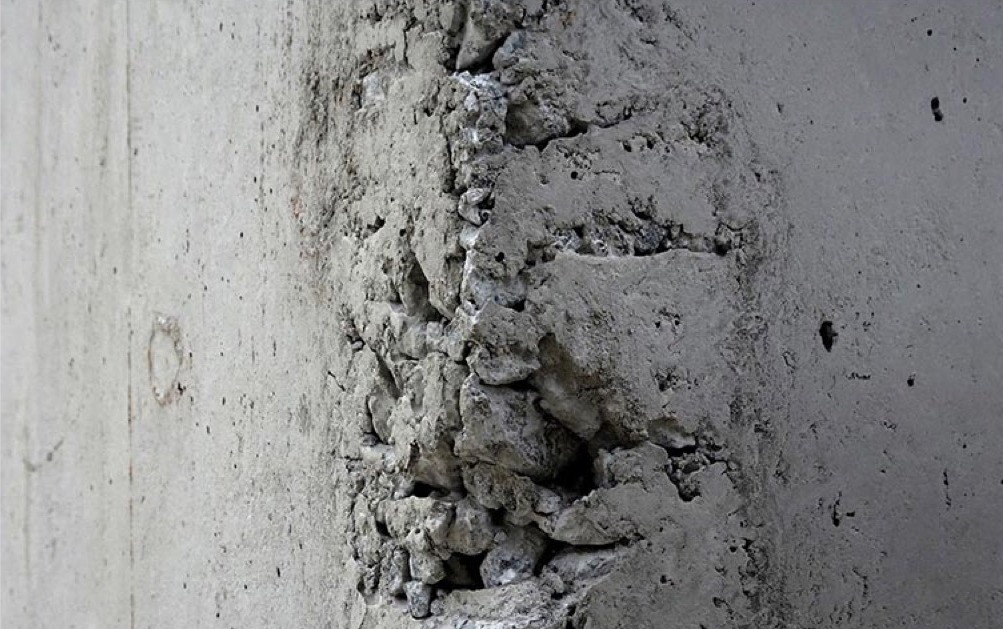 Concrete Repair
Common Causes Of Honeycomb In Concrete And How To Repair It
Honeycombing is a common concrete defect caused by poor mixing, compaction, or pouring. Learn what causes it, its risks, and how it gets repaired.
Five regional offices across the Midwest.
St. Joseph, MO 64506