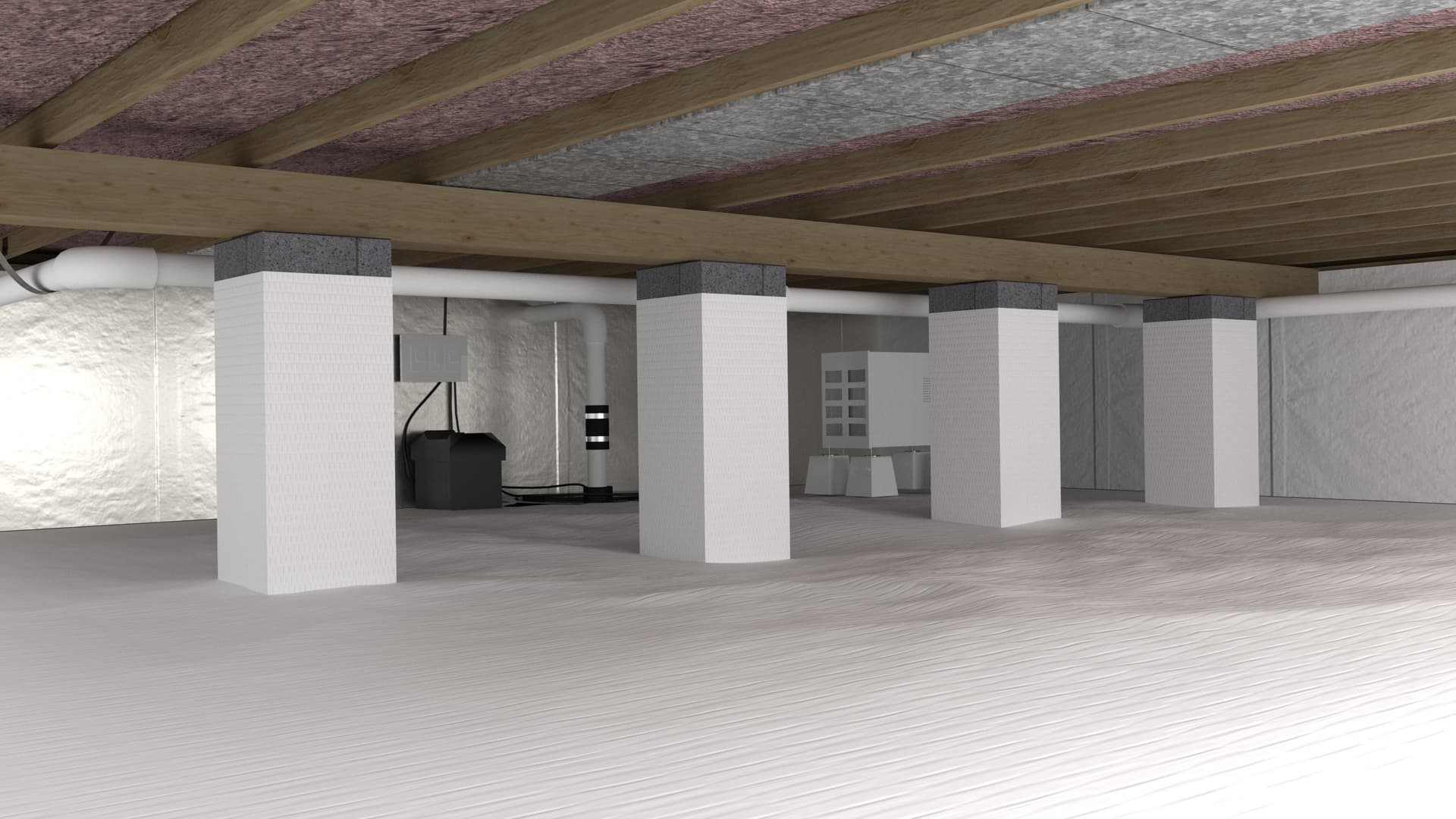
High Indoor Humidity Usually Has a Source Below the Floor
Epp Foundation Repair, family owned since 1994, diagnoses high-humidity calls across Nebraska, Iowa, Kansas, and Missouri by tracing the cause to the crawl space first. Epp holds a BBB A+ rating and the BBB Integrity Award.

Let's take the first step toward a healthy home.
A local specialist will inspect your foundation, walk you through the findings, and send a clear estimate, no cost, no pressure.
High Indoor Humidity: diagnosed and explained.
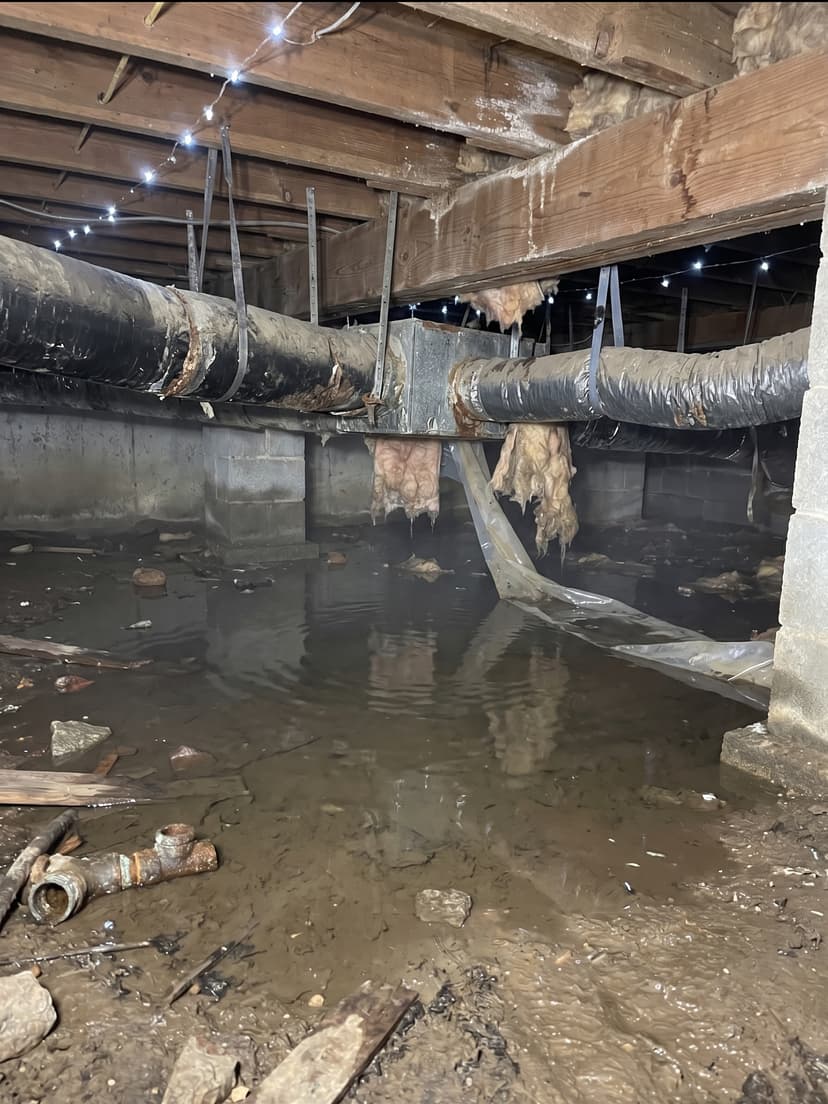
Epp Foundation Repair gets calls about high indoor humidity year-round, with more calls in summer across the Lincoln, Omaha, and St. Joseph corridors. Epp regularly finds the source in the crawl space: a vented crawl pulling humid summer air in, a dirt floor evaporating soil moisture, fiberglass batts sopping wet, and no vapor barrier. Other cases trace to plumbing leaks, inadequate exhaust ventilation, or occupancy load. Epp diagnoses which, fixes the crawl-space portion with a full crawl space seal system, and refers the rest to the correct trade. Contact Epp Foundation Repair for a free, on-site Customized Repair Estimate.


Five Signals That Indoor Humidity Has Crossed the Damage Threshold
- 01
Hygrometer consistently reading high
A hygrometer is a small gauge that measures the humidity in the air. Readings that stay high for more than a few days can mean something is adding moisture to the air faster than the house can get rid of it.
- 02
Musty smell in the home, particularly in lower levels
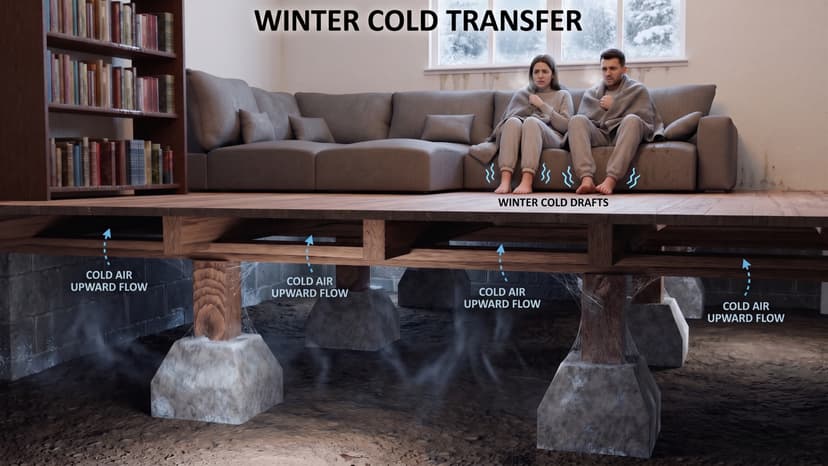
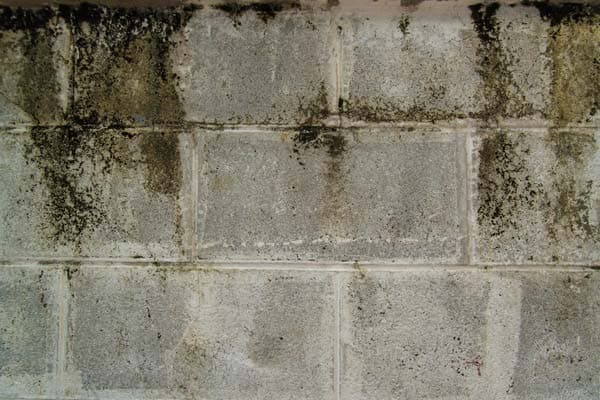
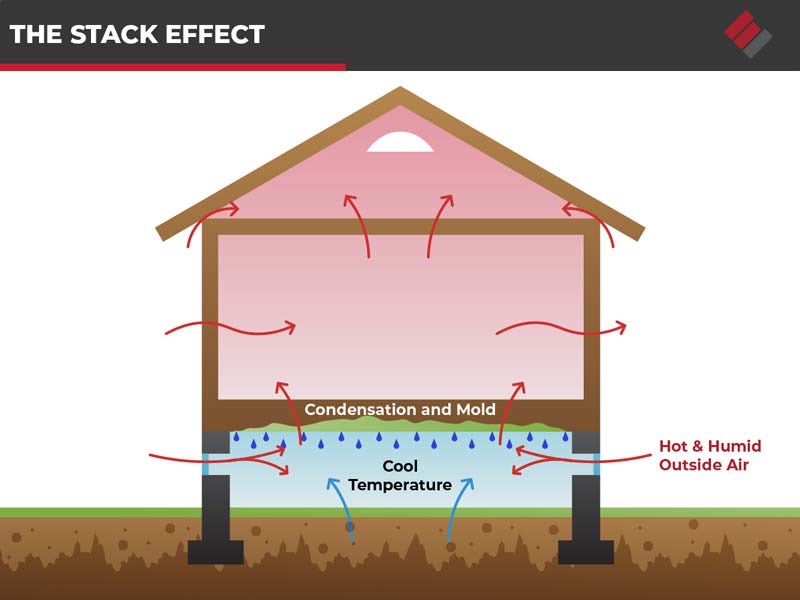
Epp Foundation Repair logs a musty smell from below as evidence of crawl-space or basement air migrating into the living space through stack effect. The smell itself comes from volatile organic compounds released by microbial growth in damp building materials.
- 03
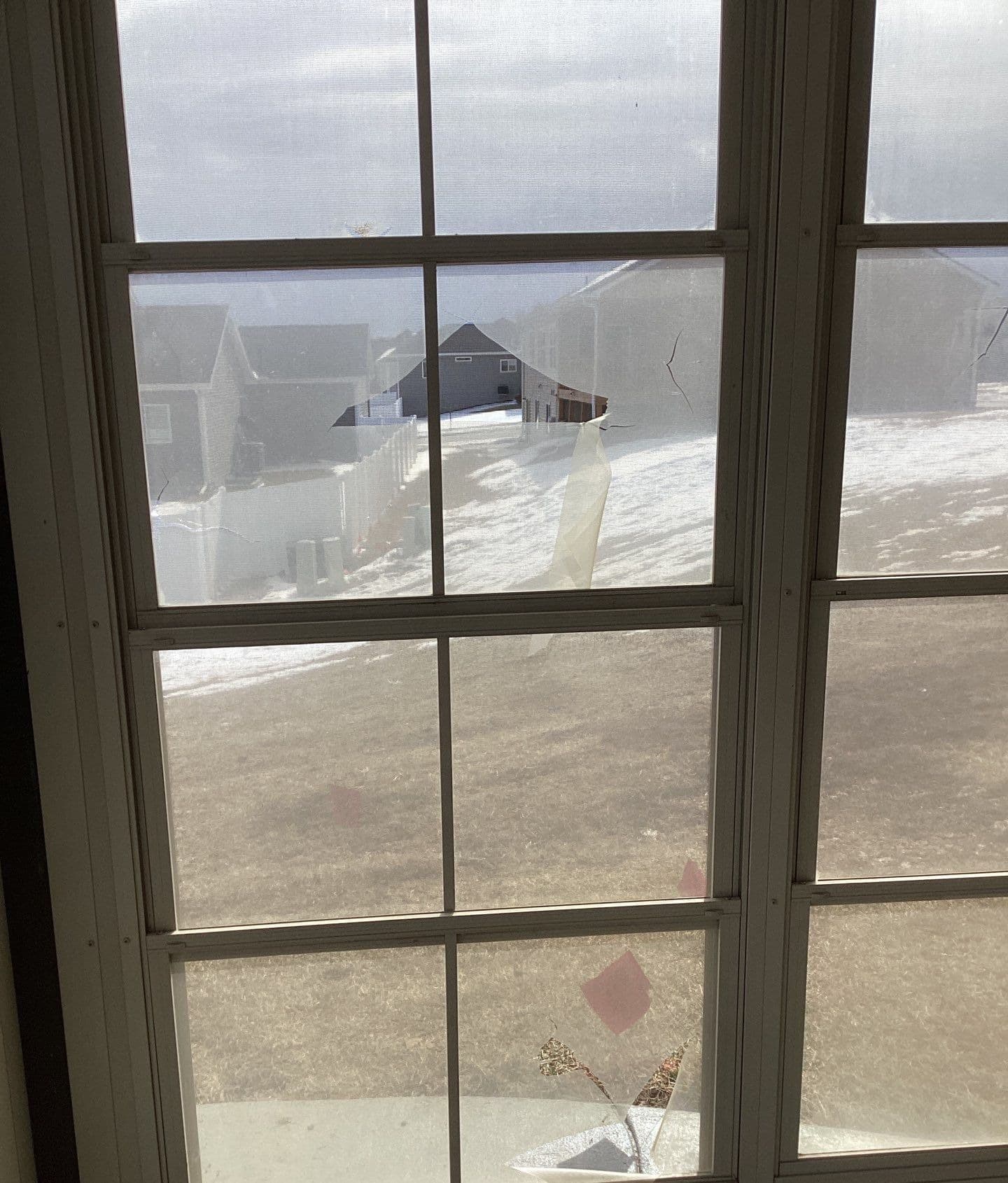
Condensation on windows in summer
Epp Foundation Repair flags summer window condensation. Particularly on the interior side. As a confirmed high-humidity indicator. In summer the cold surface is the air-conditioned glass, and a dew point above the window temperature condenses water.
- 04
HVAC system running constantly without cooling effectively
Epp Foundation Repair correlates constant AC runtime with high indoor humidity loads. The AC has to dehumidify the air before it can cool it efficiently, and when the humidity load is excessive the system runs continuously without ever satisfying the thermostat.
- 05
Dust mite or allergy symptoms worsening indoors
Dust mites tend to do better in humid air, so allergy symptoms may get worse indoors when the humidity stays high. Some homeowners with allergies notice their symptoms change along with the humidity.
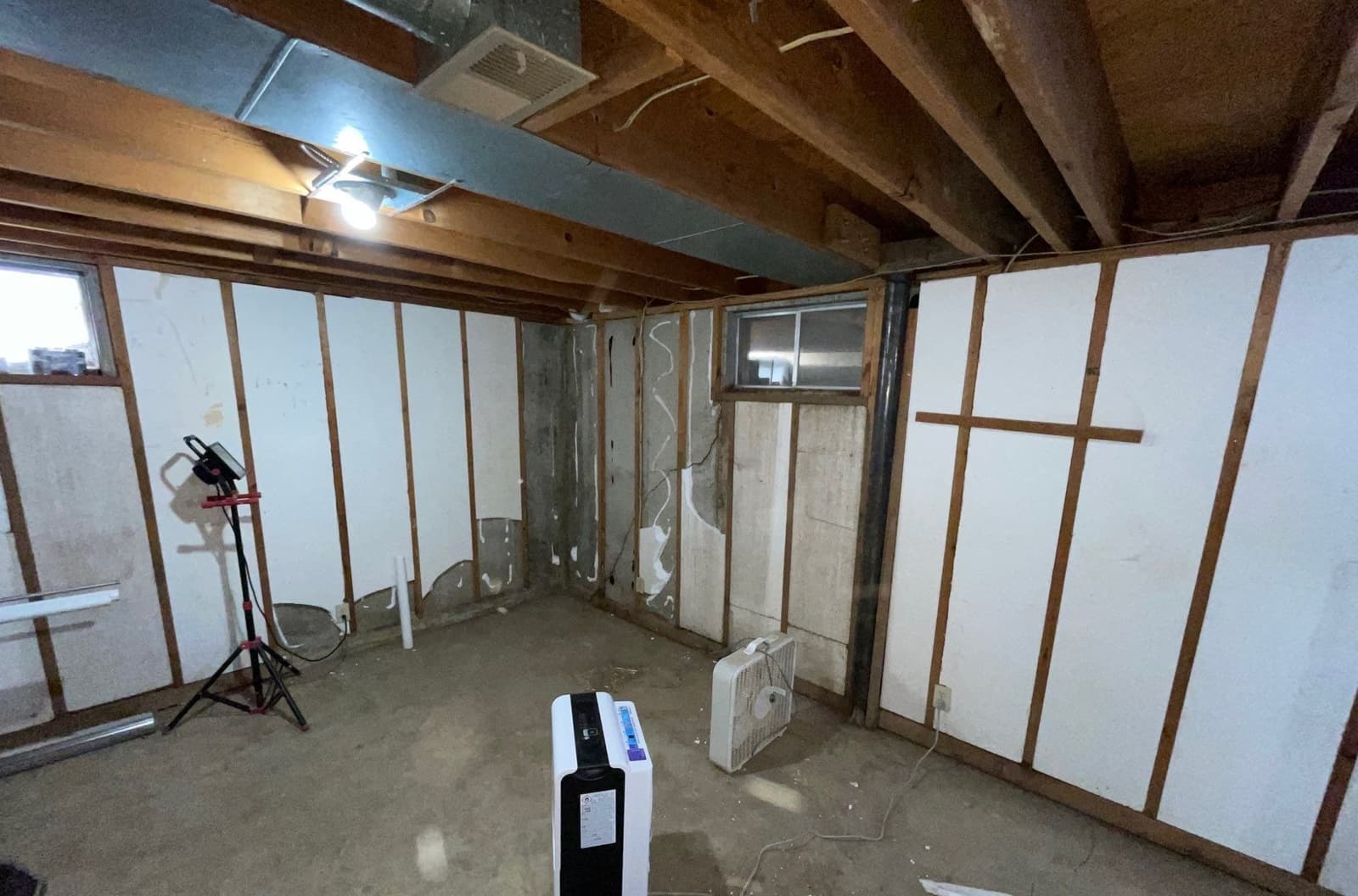
What causes high indoor humidity in Midwest homes.
- 01
Vented crawl space pulling humid summer outdoor air
Summer outdoor relative humidity runs high across the four-state territory. Every open crawl-space vent is a pathway for that humid air to enter, settle in the crawl cavity, and rise into the living space through stack effect and floor penetrations, which is why vent sealing comes first. A vented crawl directly under the home can add to indoor humidity in summer.
- 02
Dirt-floor crawl space evaporating soil moisture
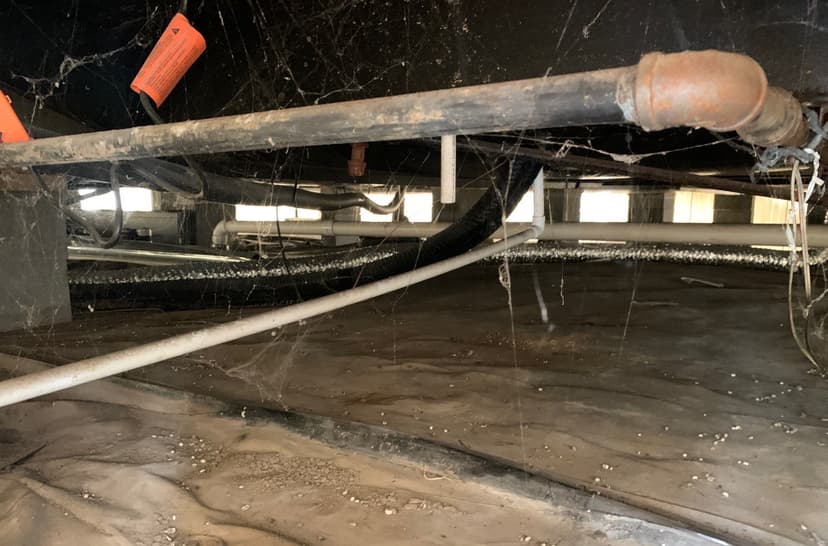
Epp Foundation Repair documents bare-dirt crawl-space floors as a major indoor humidity source in homes across Nebraska, Iowa, Kansas, and Missouri. A dirt crawl evaporates water from the soil every day, and that moisture loads the crawl-space air, then rises into the living space. A sealed barrier over the soil stops it at the source.
- 03
Plumbing leaks contributing to the moisture load
Epp Foundation Repair finds active plumbing leaks contributing to indoor humidity on a meaningful fraction of inspections. Slow leaks at toilet wax rings, leaking supply-line connections, drain pipe pinholes, water-heater drips. Epp does not repair plumbing. That scope belongs to a licensed plumber, but Epp documents leak evidence in the Customized Repair Estimate and tells the homeowner directly that the crawl-space work will not fully resolve the humidity if the plumbing source is still active. Plumber first, then encapsulation.
- 04
Inadequate exhaust ventilation (bath fans, dryer venting)
Epp Foundation Repair finds bath fans that exhaust into the attic instead of the exterior on inspections across the four-state territory. A bath fan exhausting into the attic dumps saturated air into the home's envelope every shower, and that moisture eventually finds its way back into the living space. Epp does not install bath fans or modify ductwork.
- 05
Occupancy load (cooking, showering, indoor laundry drying)
Epp Foundation Repair notes that a family generates moisture every day through respiration, cooking, showering, and indoor activities. In a tightly-sealed home with no source ventilation, that moisture builds up, but on its own it usually does not push humidity too high. When occupancy load combines with a vented crawl and a dirt floor, the total moisture exceeds the building envelope's ability to shed it.
How crawl space encapsulation specialists actually fix high indoor humidity.
Solving high indoor humidity means addressing the underlying soil, pressure, or settlement cause. Not just patching the visible damage. Below are the engineered solutions we install most often for this symptom in Nebraska, Iowa, Kansas, and Missouri homes.
Engineered crawl space encapsulation solutions for this problem.
Each method is matched to a specific failure mode and soil profile. Browse the toolkit we draw from when diagnosing your home.
Crawl Space Encapsulation
Epp Foundation Repair has installed encapsulation systems across Nebraska, Iowa, Kansas, and Missouri since 1994. Epp is BBB A+ accredited and a BBB Integrity Award winner.
How an Encapsulation Dehumidifier Works
Once a crawl space is sealed with a liner and closed vents, the dehumidifier is what holds the humidity down. Here is how Epp Foundation Repair sizes and sets it up across Nebraska, Iowa, Kansas, and Missouri.
Crawl Space Encapsulation Liner
Epp Foundation Repair installs the crawl space liner as the sealed floor of a full encapsulation across Nebraska, Iowa, Kansas, and Missouri, with sealed seams, wall runs, and closed piers, never a loose sheet of plastic.
How does summer humidity in Nebraska and Iowa affect a vented crawl space?
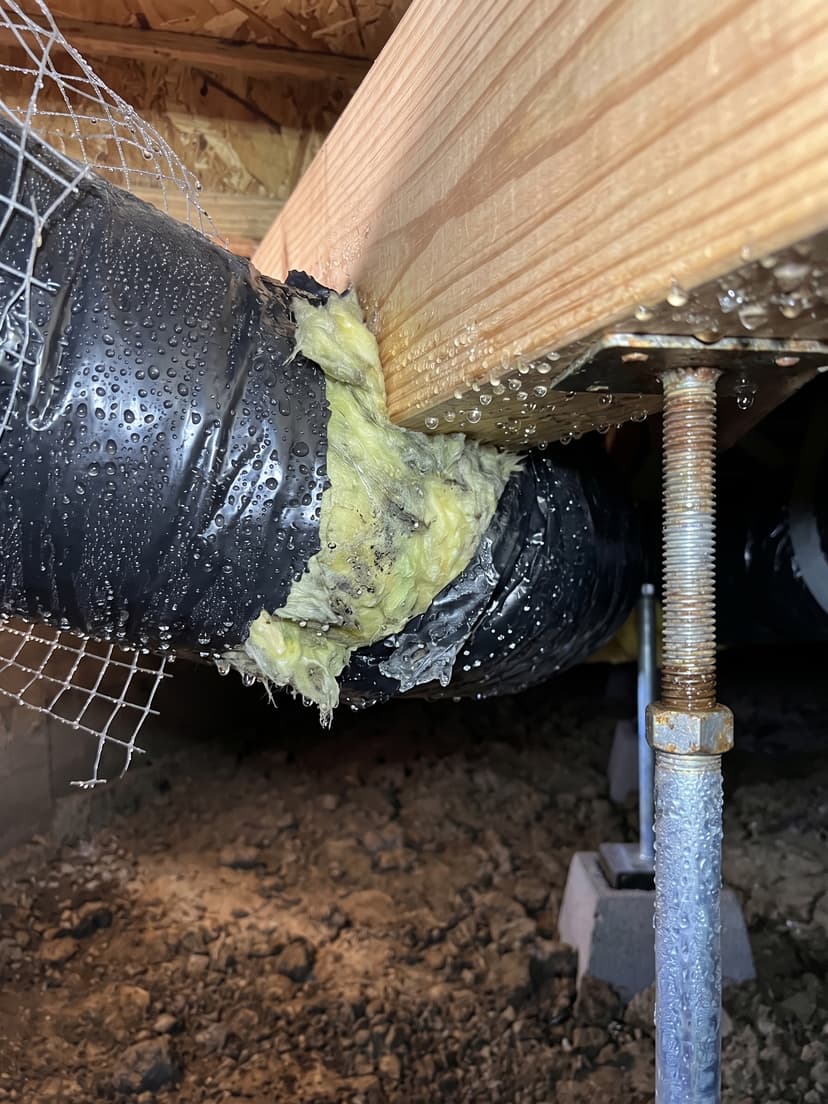
Based on NOAA 1991 to 2020 climate normals for Lincoln Municipal Airport and Omaha Eppley Airfield, the average July dew point is 65 degrees in Lincoln and 66 degrees in Omaha. Water can form on any surface that is cooler than the dew point of the air around it, so summer air that comes in through open crawl space vents can leave water on pipes, ducts and joists. Ground that stays wet after rain and snowmelt can also keep a bare soil crawl space floor damp.
Based on NOAA 1991 to 2020 climate normals for Lincoln Municipal Airport and Omaha Eppley Airfield.
What kind of soil is around Lincoln and Omaha?
Based on USDA soil survey data for Lancaster County (Lincoln) and Douglas County (Omaha), clay is the main soil type in both counties. The survey rates Lancaster County high and Douglas County moderate for shrink swell. Clay can swell when it gets wet and shrink as it dries, so a slab or foundation on clay can move up and down with the seasons. The soils that cover the most ground in Lancaster County are Wymore and Aksarben, and in Douglas County they are Contrary and Marshall.
Loess, the wind deposited silt common in eastern Nebraska and western Iowa, can lose strength and settle when it gets wet. Water can reach it from runoff, a plumbing leak or a downspout that empties next to the house.
How does freezing weather affect footings and basement walls?
In Lincoln and Omaha, soil near the surface can freeze and thaw many times between fall and spring. Each city's building code sets a frost line depth, which is the minimum depth below finished grade for a footing. It is 36 inches in Lincoln and 42 inches in Omaha. Supports that sit above that depth, such as some porches, stoops and chimney footings, can move as the ground freezes and thaws.
Horizontal cracks in a basement wall are more often linked to pressure from the soil outside the wall than to settlement. Wet soil pushes harder against a wall than dry soil, and soil that freezes against the wall can add to that pressure.
Climate: NOAA U.S. Climate Normals 1991 to 2020, LINCOLN MUNI AP (USW00014939) and OMAHA EPPLEY AIRFIELD (USW00014942); July dew point averaged from the hourly normals at LINCOLN MUNI AP (USW00014939) and OMAHA EPPLEY AIRFIELD (USW00014942), retrieved September 30, 2026. Soil: USDA NRCS Soil Data Access (SSURGO), county survey for Lancaster County and Douglas County. Frost line depth: Lincoln Municipal Code 20.12.140 and Omaha Municipal Code Sec. 43-127.
"A homeowner showed me her hygrometer reading far higher than it should have been in July and asked what was wrong with the air conditioner. Nothing was wrong with the air conditioner. There was a dirt-floor crawl space evaporating water into the house day after day. Cover the dirt, dry the crawl, the humidity drops."

Care and expertise from a team that's been doing this since 1994.
Epp Foundation Repair is locally owned and operated, with crews dedicated exclusively to foundation, basement, and concrete work across the Midwest.
Foundation repair, waterproofing, and concrete leveling are our entire focus, not a sideline.
Three decades of experience with Midwest soils, basements, and weather conditions.
Recognized by the Better Business Bureau for integrity and ethical business practices.
Many of our repairs carry a written Epp warranty. The warranty page lists every covered repair and its terms.
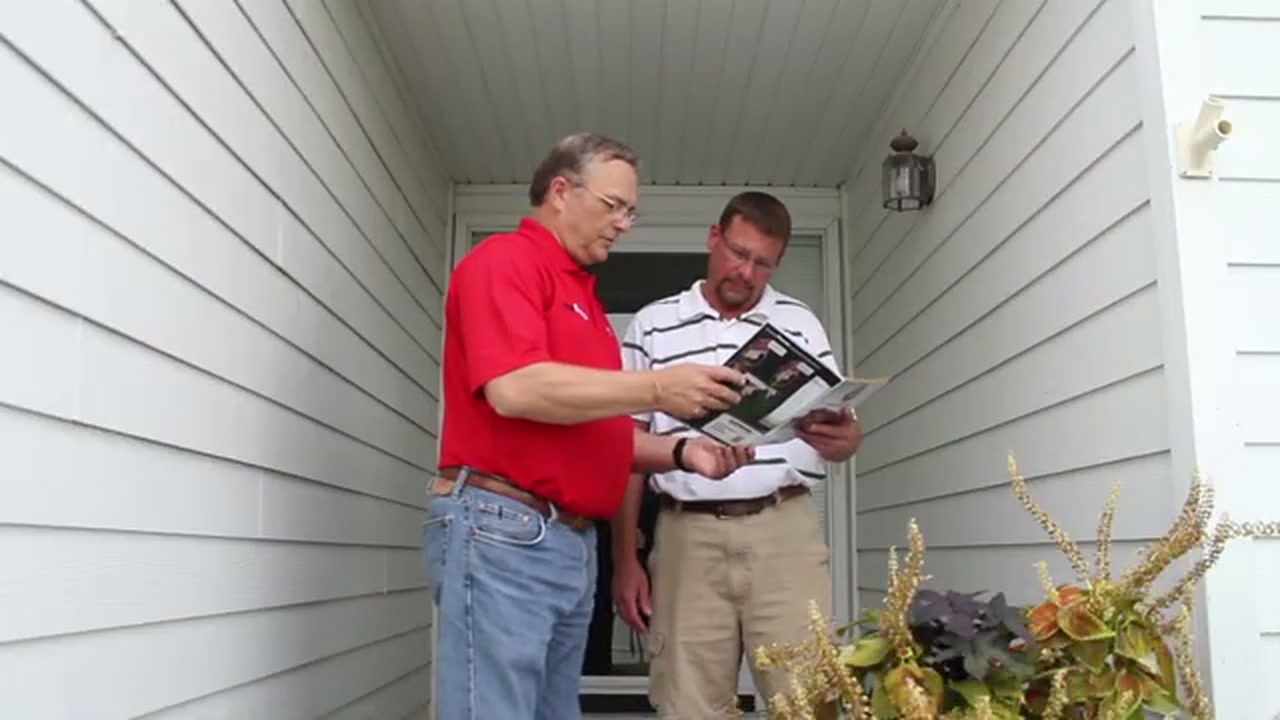
Answers to common questions about High Indoor Humidity.
Don't see your question here? Our team is happy to help. Reach out anytime.
Other crawl space encapsulation warning signs to watch for.
If you see one, it's worth checking for the others. Most foundation problems show up as more than one symptom.
Serving Nebraska, Iowa, Kansas & Missouri.
Local crews based in five regional offices, dispatched daily across four states. If your town isn't listed, call us: we likely serve your area.
- Omaha, NE
- Lincoln, NE
- Topeka, KS
- Sioux City, IA
- Bellevue, NE
- St. Joseph, MO
- Council Bluffs, IA
- Grand Island, NE
- Papillion, NE
- Kearney, NE
Take the first step toward a healthy home.
A straightforward path from initial inspection to completed repairs.
Schedule your inspection.
A local specialist visits your home, evaluates the foundation, and answers your questions on site. No cost, no obligation.
Receive an estimate based on your needs.
We provide a clear, Customized Repair Estimate with a scope of work tailored to your home's specific issues. Typically within one business day.
Get your repairs.
Trained crews complete the work on schedule.
Over 1,700 homeowners have shared their experience.
A 4.9-star average across Google, with verified reviews from homeowners throughout Nebraska, Iowa, Kansas, and Missouri.
Two ways to start: book instantly, or request an estimate.
Schedule your inspection in seconds with our Driive booking tool, or share a few details and a local specialist will follow up within one business day.
- A local foundation specialist on site
- A complete walk-through of the findings
- A Customized Repair Estimate within one business day
- No cost, no obligation, no high-pressure sales
Expert guidance on protecting your home.
Practical articles from the Epp team on foundation health, waterproofing, and home preservation.
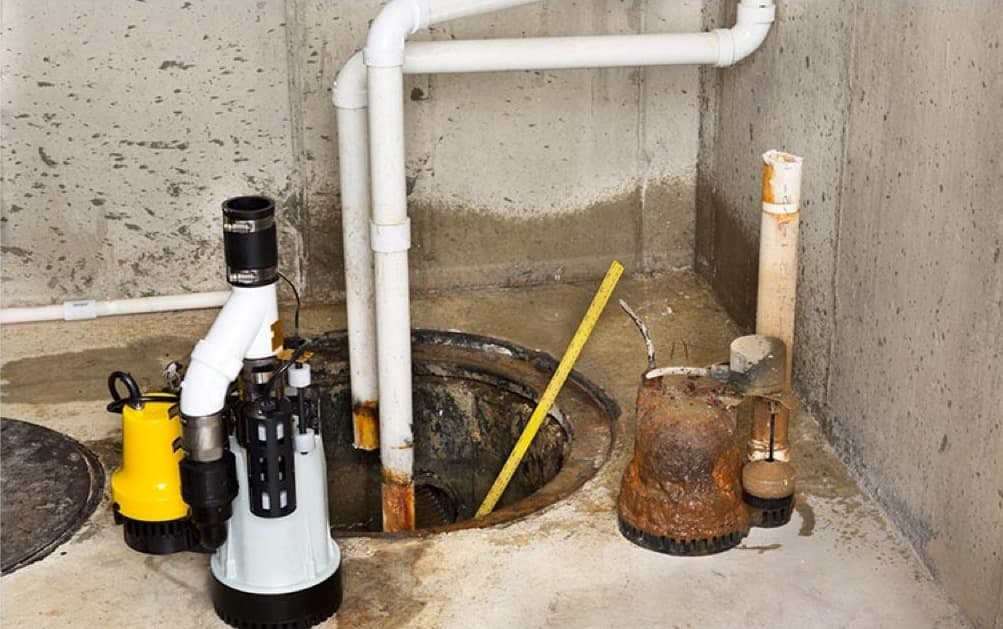 Crawl Space EncapsulationLatest
Ejector Pump vs. Sump Pump: What's the Difference?
Ejector pumps and sump pumps both move water, but they serve different purposes. Learn how each one works and which one your home needs.
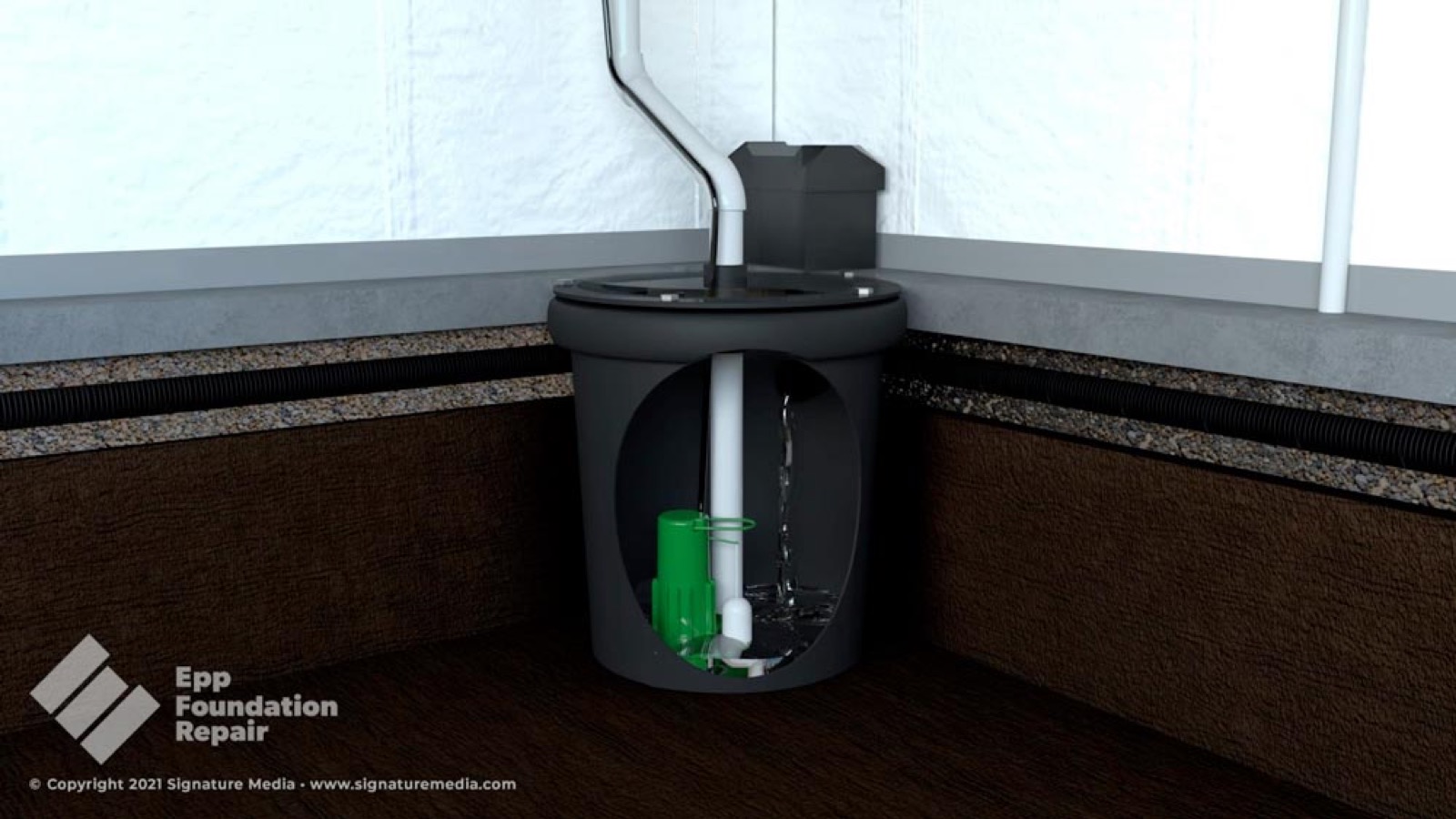 Crawl Space Encapsulation
Sump Pumps
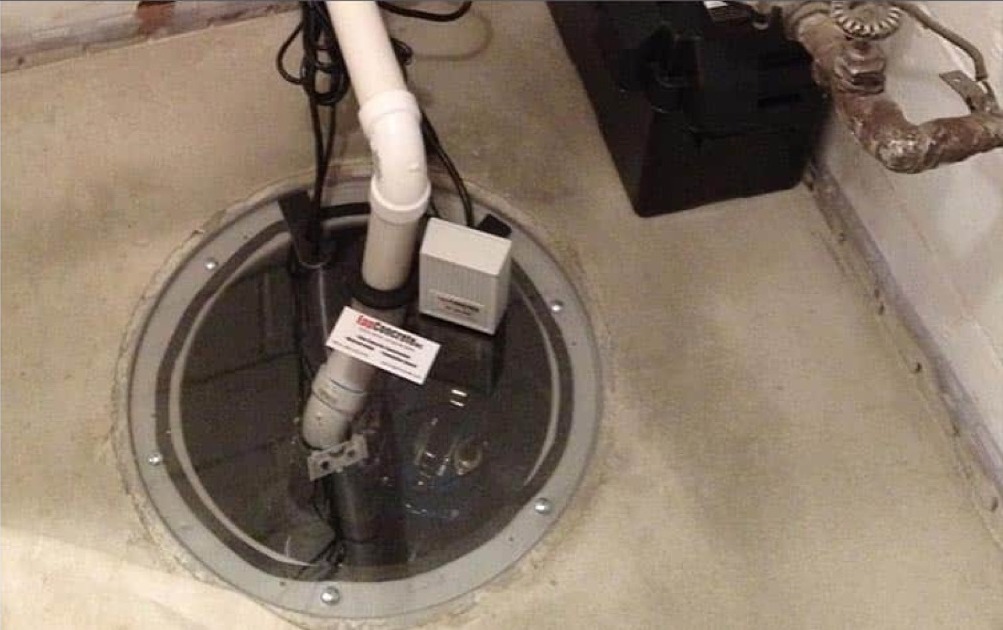
A sump pump removes accumulated water from a sump pit to protect your foundation. Learn how sump pumps work and the types available.
 Crawl Space Encapsulation
Is It A Good Idea To Have A Dehumidifier In A Crawl Space?
Learn why crawl space moisture is harmful, what causes it, and when a dehumidifier actually helps once your crawl space is encapsulated.
 Crawl Space Encapsulation
Sump Pumps, How They Work And Sump Pump Alternatives
Sump pumps collect and expel excess groundwater around your foundation. Learn how they work, when you might need one, and effective alternatives.
Five regional offices across the Midwest.
St. Joseph, MO 64506