
Estimate Only
Approximate pricing
Customized Repair Estimate after on-site inspection reflects your scope.

A wet basement is sometimes a yard problem first. Serving Nebraska, Iowa, Kansas, and Missouri since 1994, Epp Foundation Repair installs exterior yard-level French drains (perforated pipe in gravel, sloped to discharge) that intercept downspout runoff and groundwater migration before either reaches the foundation wall.

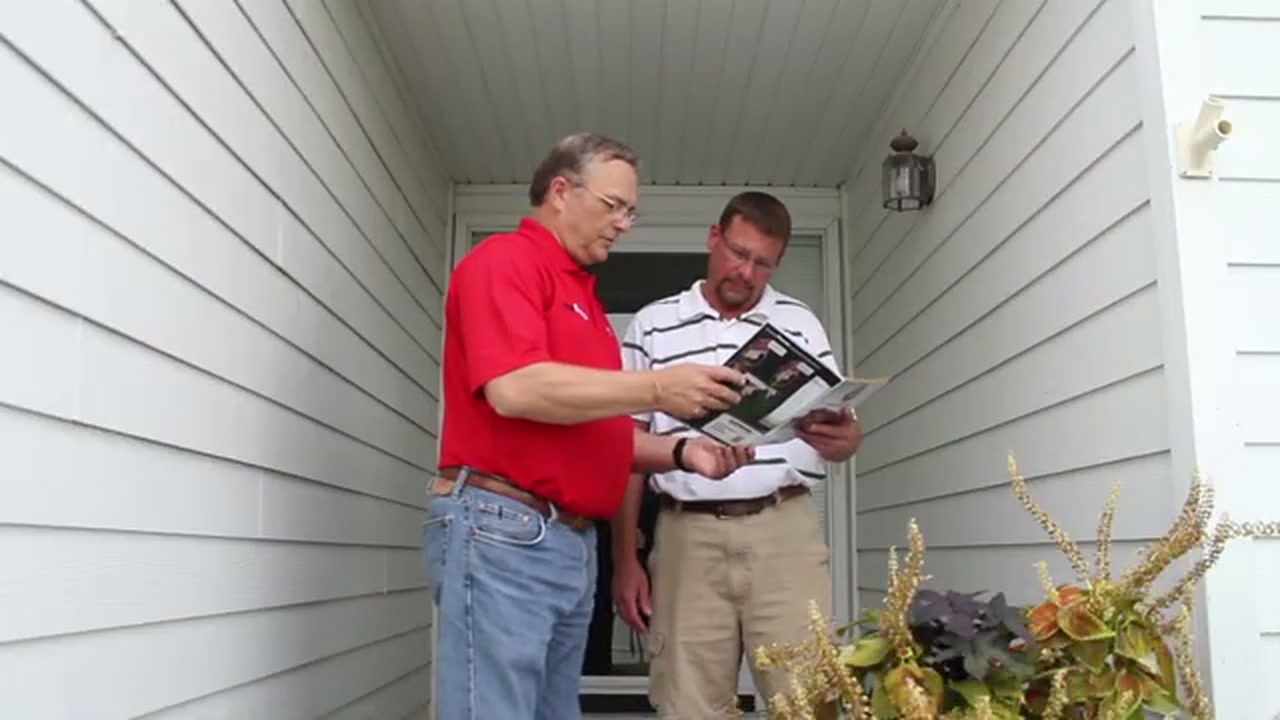
A local specialist will inspect your foundation, walk you through the findings, and send a clear estimate, no cost, no pressure.
Diagnosis First
An exterior French drain is a perforated pipe set in washed gravel and wrapped in filter fabric, laid along the actual path water takes across a yard, and pitched to a discharge point away from the foundation. Epp Foundation Repair installs one when surface or shallow groundwater is loading against the wall from outside, before it ever reaches the foundation.
In Depth
Everything a Midwest homeowner should know about this repair, from the specialists who do it every day.
And the trench goes where the water is, not where it's convenient. A French drain installed along the wrong line just moves dry soil from one place to another. Epp Foundation Repair walks the yard after a rain event before staking the line, because the gravity contour of a saturated lot is the only honest indicator of where to dig. Interior systems manage water that reaches the wall. An exterior French drain prevents water from reaching the wall in the first place. Two different tools, two different problems.
A French drain is a perforated PVC pipe laid in a trench filled with washed gravel and wrapped in non-woven filter fabric to keep silt out. The trench runs along the line where surface and sub-surface water naturally migrates toward the foundation. Water enters the pipe through perforations facing down (not up, a detail many DIY installs get backwards), flows by gravity along the pipe's pitch, and exits at a daylight discharge point away from the house, into a dry well, or into the sump pump pit. The gravel surrounding the pipe acts as a reservoir during heavy rain. The filter fabric wraps the entire gravel envelope so silt and clay particles do not migrate into the void space. Without that fabric, a French drain in eastern Nebraska loess can clog solid. This is not interior drain tile. Interior drain tile sits below the basement slab, captures hydrostatic seepage at the wall-floor joint, and drains to an interior sump. Exterior French drain sits in the yard away from the foundation, captures water before it reaches the foundation wall at all, and discharges away from the house. Epp does both. The diagnosis decides which.
Four patterns point to exterior French drain. A chronic wet zone near the foundation that stays soggy for days after rain. That wet zone is a perched water source applying pressure against the wall directly behind it. Downspout discharge that pools at a foundation corner because the lawn slope reverses within a few feet of the house. Extending the downspout further is the first fix, a French drain along the discharge line is the second. Neighbor-property runoff cutting across the lot toward your foundation is common in Sarpy County subdivisions, where Papillion basement waterproofing crews find original developer grading sent stormwater along property lines rather than to streets. Mature trees with root zones that have compacted the soil and reversed the original positive grade against the house. A French drain intercepts the runoff that the compacted soil zone no longer absorbs. Flat Sarpy and Lancaster County subdivisions can show this pattern. Original developer grading provides minimum slope (6 inches in 10 feet, per code) that can erode, settle, or get re-graded by homeowners over time. The result: flat to negative grade against the foundation, water that should be running to the street pooling at the house instead, and a basement that didn't leak years ago but leaks now. An exterior French drain restores the water management that the original grade was supposed to provide.
An exterior French drain installation from Epp Foundation Repair includes these components in this sequence. Line walk and stake. Epp's installer walks the yard during or immediately after a rain event to mark the actual flow lines, low spots, and saturated zones. Staked line follows water, not architecture. Trench excavation. Mini-excavator (or hand-trenching where access is restricted) opens a trench pitched toward the discharge point. Filter fabric and gravel base. Non-woven geotextile filter fabric lines the trench. Washed rock forms the base. Perforated pipe. Perforated PVC (rigid, not corrugated, because corrugated pipe flexes and traps silt in our freeze-thaw cycles) is set on the gravel base, perforations facing down. Pipe is checked for continuous pitch with a transit level before backfill. Gravel envelope and fabric wrap. Trench is backfilled with washed rock to just below grade. Filter fabric wraps over the top of the gravel envelope, sealing the pipe and rock from silt infiltration. Soil cap and turf restoration. Topsoil covers the fabric to grade, and the trench line is sodded to match surrounding turf. The trench line stays visible while sod establishes. Discharge termination. Pipe exits at a daylight point away from the foundation, into a riprap splash pad, dry well, or sump discharge tie-in. Discharge never enters storm sewer without municipal approval. ## Why Nebraska, Iowa, Kansas, and Missouri Yards Need This
Eastern Nebraska and western Iowa loess soil sits over glacial till that can hold water in a perched zone below grade. Spring snowmelt and heavy rain events saturate the upper soil column and push that perched water laterally toward any low point on the lot, and basement foundations are routinely the lowest point on the lot. A French drain intercepts that lateral flow before it reaches the foundation. Kansas and Missouri expansive clay swells when wet and shrinks when dry, opening clay-crack networks that channel water directly to foundation walls. A French drain in a clay yard must be cut wider and deeper, and the filter fabric specification matters more. Epp uses a heavier non-woven geotextile in clay soils than in loess. Across the territory, repeated freeze-thaw cycles each winter can heave shallow drains and disturb backfill, which is why Epp avoids shallow trenches even when the topography suggests them.
Epp installs the French drain, including the trench, pipe, gravel envelope, fabric wrap, and discharge termination. Three adjacent scopes Epp does not perform. Full yard re-grading. Moving substantial soil volume to reshape the lot's drainage contours is excavation contractor scope. Epp installs French drains as the alternative to re-grading on lots where re-grading is impractical (mature landscaping, hardscape, access constraints), but does not regrade. Gutter and downspout replacement. Upgrading roof drainage to feed the French drain inlet or extend discharge further from the foundation is gutter contractor or handyman scope. Epp identifies what's needed in the Customized Repair Estimate. Landscape restoration beyond sod over the trench line. Replanting garden beds, replacing decorative rock or mulch, restoring complex hardscape disturbed by the trench is landscape contractor scope. Epp restores the trench line itself to grade with topsoil and sod, but does not replant a perennial bed that was cut through.
Don't install an exterior French drain when the water source is a downspout that simply needs to be extended. Epp will tell you that on the inspection. Don't install an exterior French drain when the water source is hydrostatic pressure from a high water table that already exceeds the proposed drain depth. If the perched water table sits at the same depth as the drain bottom, the drain functions as a passive water table rather than an interceptor. In that scenario, interior drain tile and a sump pump are the correct tool. Epp diagnoses water table depth on saturated-soil inspection visits and won't trench an exterior drain that won't work. Don't install an exterior French drain through a mature tree's root zone unless the alternative is removing the tree. A drain that severs primary root structure can kill the tree. Epp routes around root zones where possible or recommends an interior solution when routing isn't feasible.
Customized Repair Estimate after on-site inspection reflects your scope. Epp Foundation Repair is BBB A+ rated and a BBB Integrity Award winner. Every French drain inspection ends with a Customized Repair Estimate based on the actual flow lines walked during rain.
Which Solution Is Right?
| Method | Fits when | Not a fit when |
|---|---|---|
| Standard filter fabric for loess soils | Eastern Nebraska and western Iowa loess soils, where a lighter fabric is enough to keep silt out of the gravel envelope. | Heavier expansive clay soils, where finer particles clog a lighter fabric faster. |
| Heavier filter fabric for expansive clay soils | Kansas and Missouri expansive clay soils, where finer clay particles need a heavier fabric to keep the gravel envelope from silting in. | Loess soils, where the lighter fabric already holds up. |
| Hand trenching where excavator access is restricted | Tight lots, close plantings, or other access limits a mini excavator cannot reach. | Open yard access, where a mini excavator can dig the trench directly. |
Each method is matched to a specific failure mode and soil profile. Browse the toolkit we draw from when diagnosing your home.
Family owned since 1994, Epp Foundation Repair installs perforated drain pipe and gravel collection systems across Nebraska, Iowa, Kansas, and Missouri.
Epp Foundation Repair has installed sub-slab perimeter drains and sump systems across Nebraska, Iowa, Kansas, and Missouri since 1994, and it is the default basement waterproofing solution in this region.
Cast-iron or plastic housing, pit size, and discharge setup all change how long a crawl space sump pump lasts. Epp Foundation Repair has installed and serviced them across Nebraska, Iowa, Kansas, and Missouri since 1994.
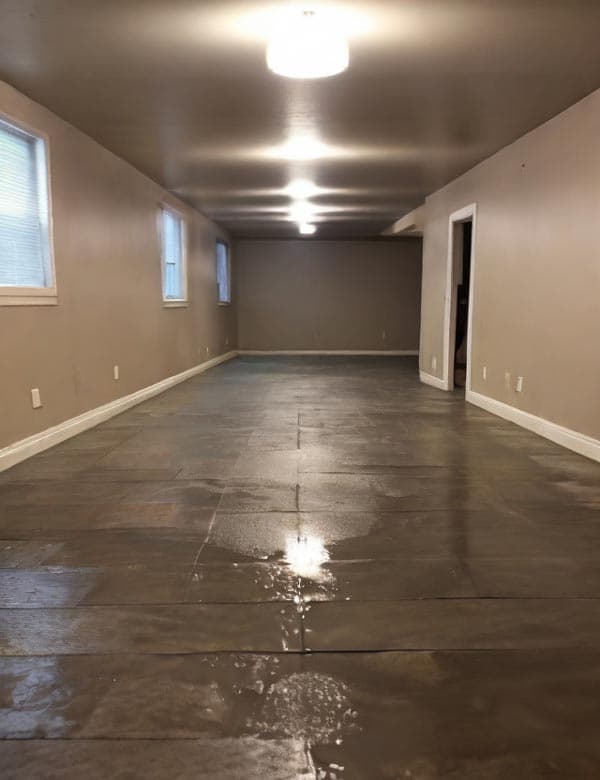
Rain and melting snow soak into the soil around a basement. When that water cannot drain away, it can press against the walls and floor and find a way in through cracks and joints.
Based on NOAA 1991 to 2020 climate normals for Lincoln Municipal Airport and Omaha Eppley Airfield.
Based on USDA soil survey data for Lancaster County (Lincoln) and Douglas County (Omaha), clay is the main soil type in both counties. The survey rates Lancaster County high and Douglas County moderate for shrink swell. Clay can swell when it gets wet and shrink as it dries, so a slab or foundation on clay can move up and down with the seasons. The soils that cover the most ground in Lancaster County are Wymore and Aksarben, and in Douglas County they are Contrary and Marshall.
Loess, the wind deposited silt common in eastern Nebraska and western Iowa, can lose strength and settle when it gets wet. Water can reach it from runoff, a plumbing leak or a downspout that empties next to the house.
In Lincoln and Omaha, soil near the surface can freeze and thaw many times between fall and spring. Each city's building code sets a frost line depth, which is the minimum depth below finished grade for a footing. It is 36 inches in Lincoln and 42 inches in Omaha. Supports that sit above that depth, such as some porches, stoops and chimney footings, can move as the ground freezes and thaws.
Horizontal cracks in a basement wall are more often linked to pressure from the soil outside the wall than to settlement. Wet soil pushes harder against a wall than dry soil, and soil that freezes against the wall can add to that pressure.
Climate: NOAA U.S. Climate Normals 1991 to 2020, LINCOLN MUNI AP (USW00014939) and OMAHA EPPLEY AIRFIELD (USW00014942), retrieved September 30, 2026. Soil: USDA NRCS Soil Data Access (SSURGO), county survey for Lancaster County and Douglas County. Frost line depth: Lincoln Municipal Code 20.12.140 and Omaha Municipal Code Sec. 43-127.
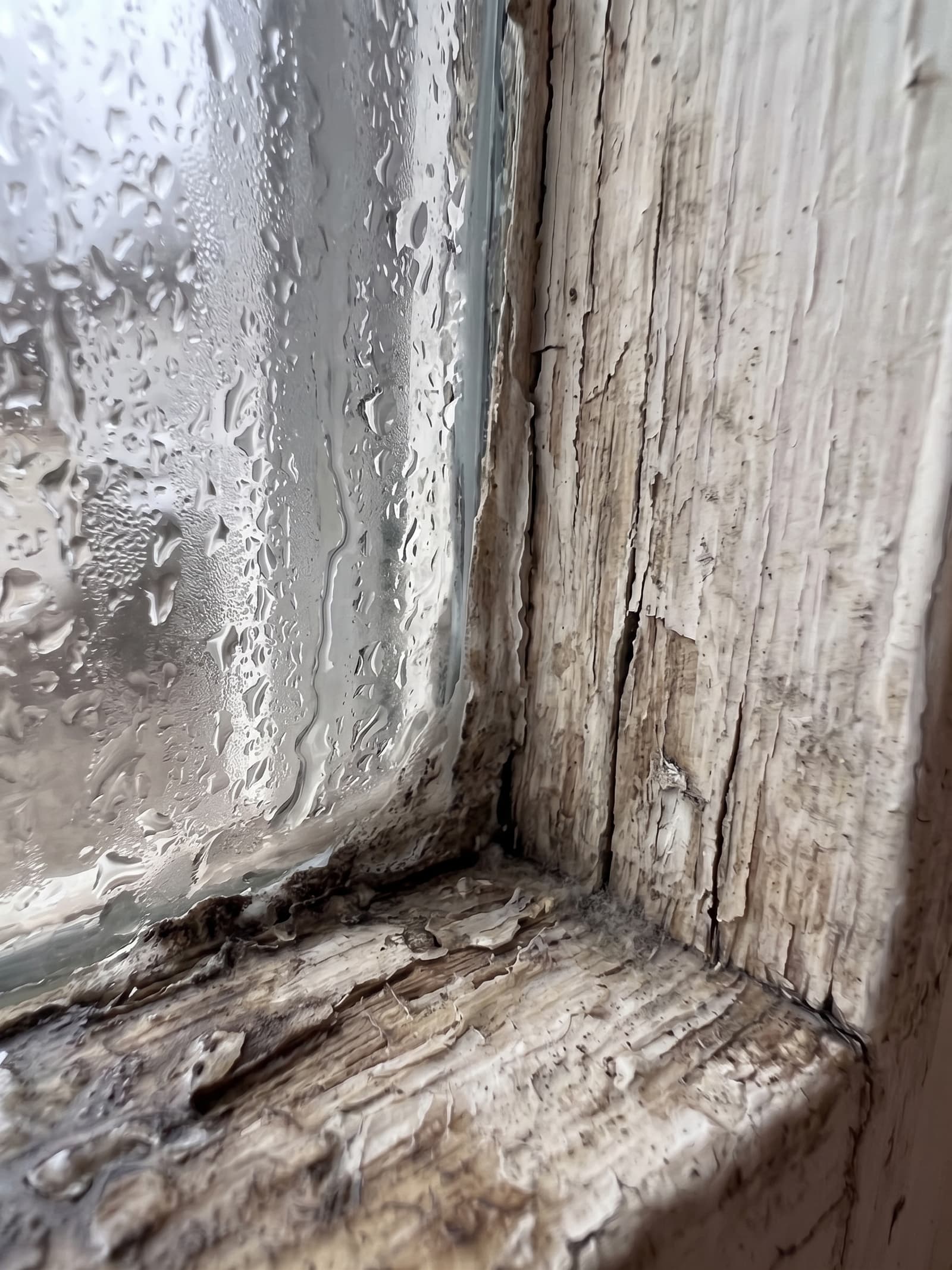
These are the basement waterproofing problem signs Epp Foundation Repair diagnoses most often. Each one links to what causes it and how it is repaired.
Our specialists evaluate the underlying cause before recommending any work. Inspections are at no cost and there's no obligation to proceed.
"A French drain is a thirty-year fix when you put it on the right line and a five-year fix when you put it where the homeowner wishes the water was going. We walk every yard during a rain before we quote, and that's why our drains still work in 2026 that we installed in 1996."

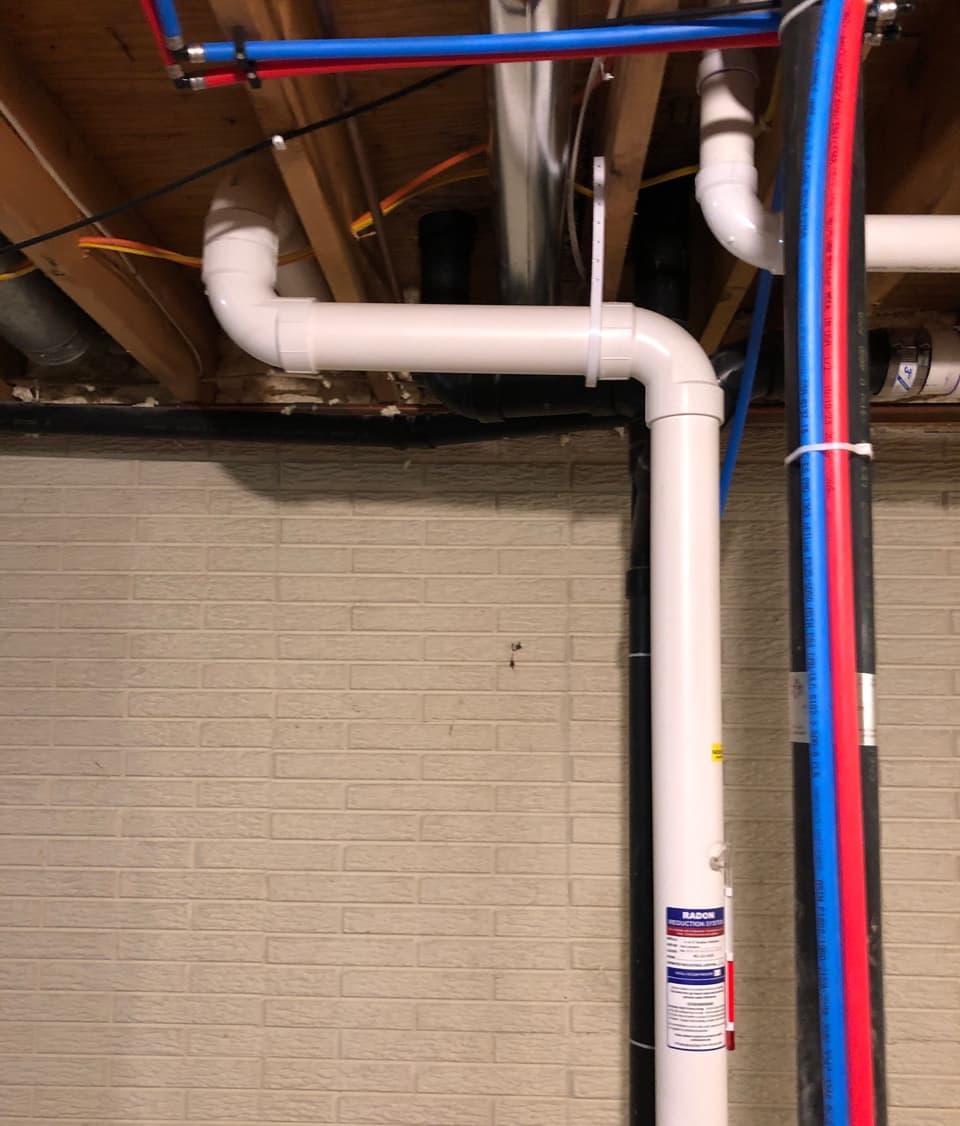
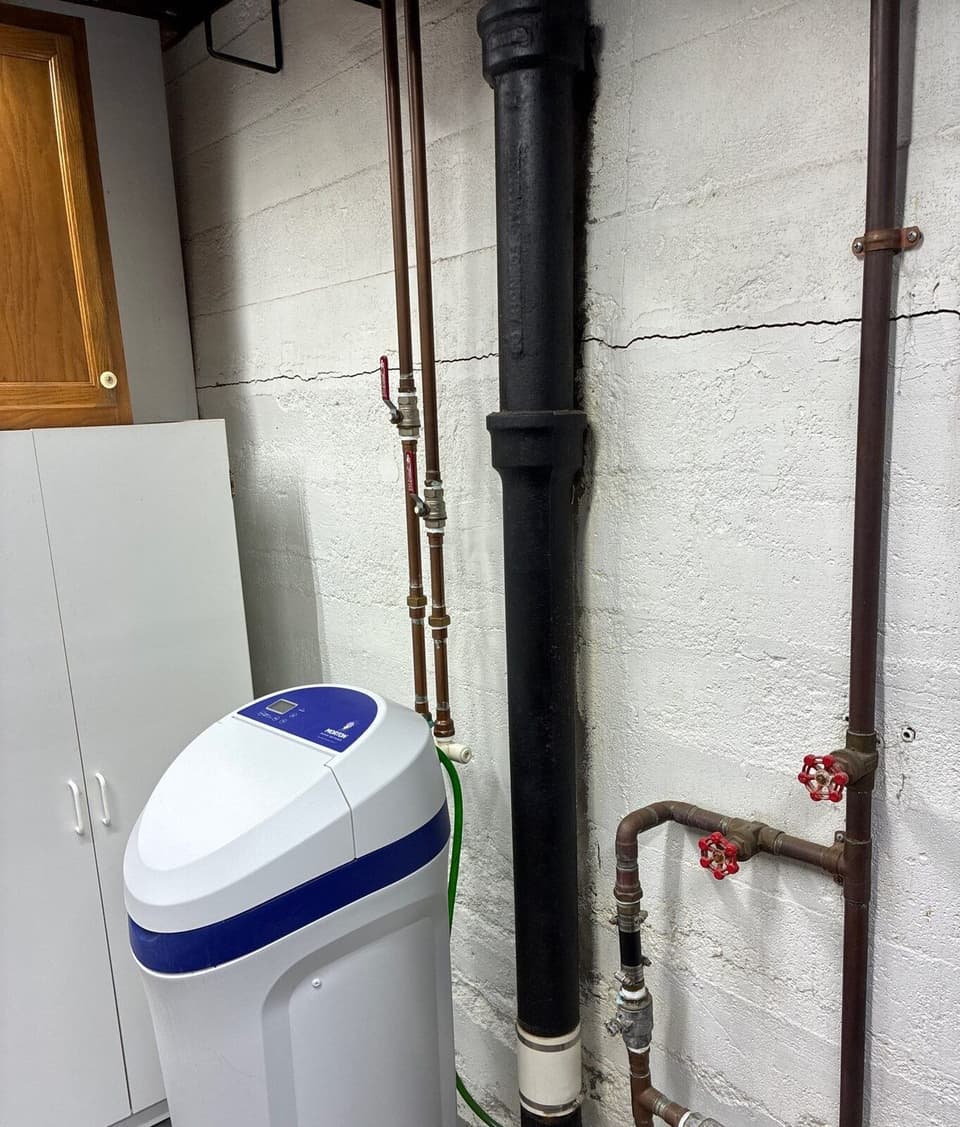
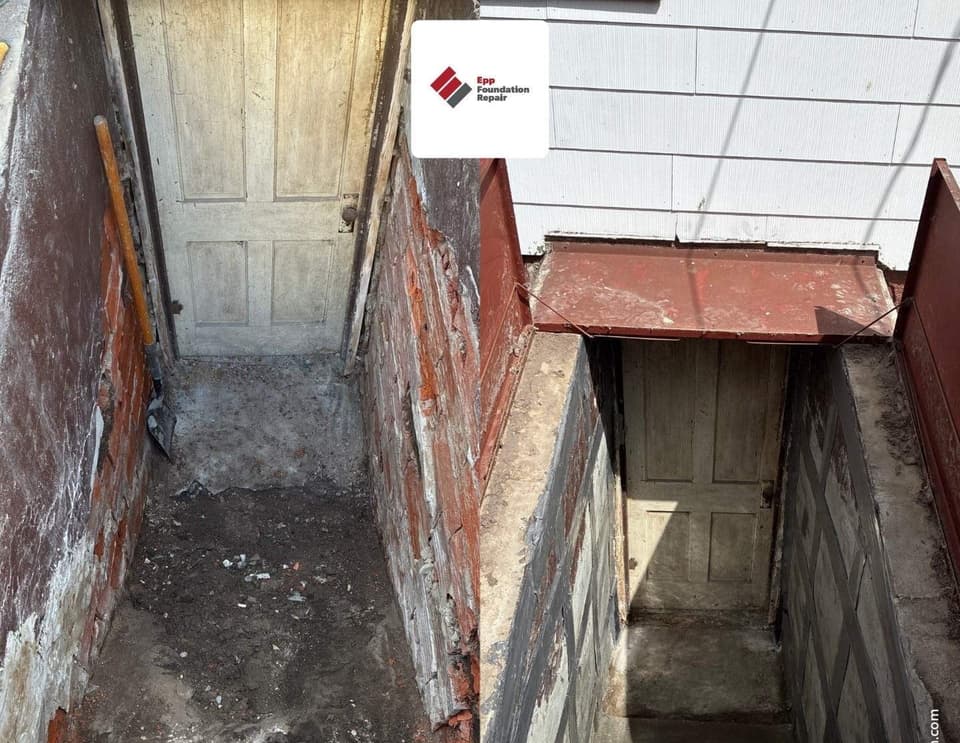
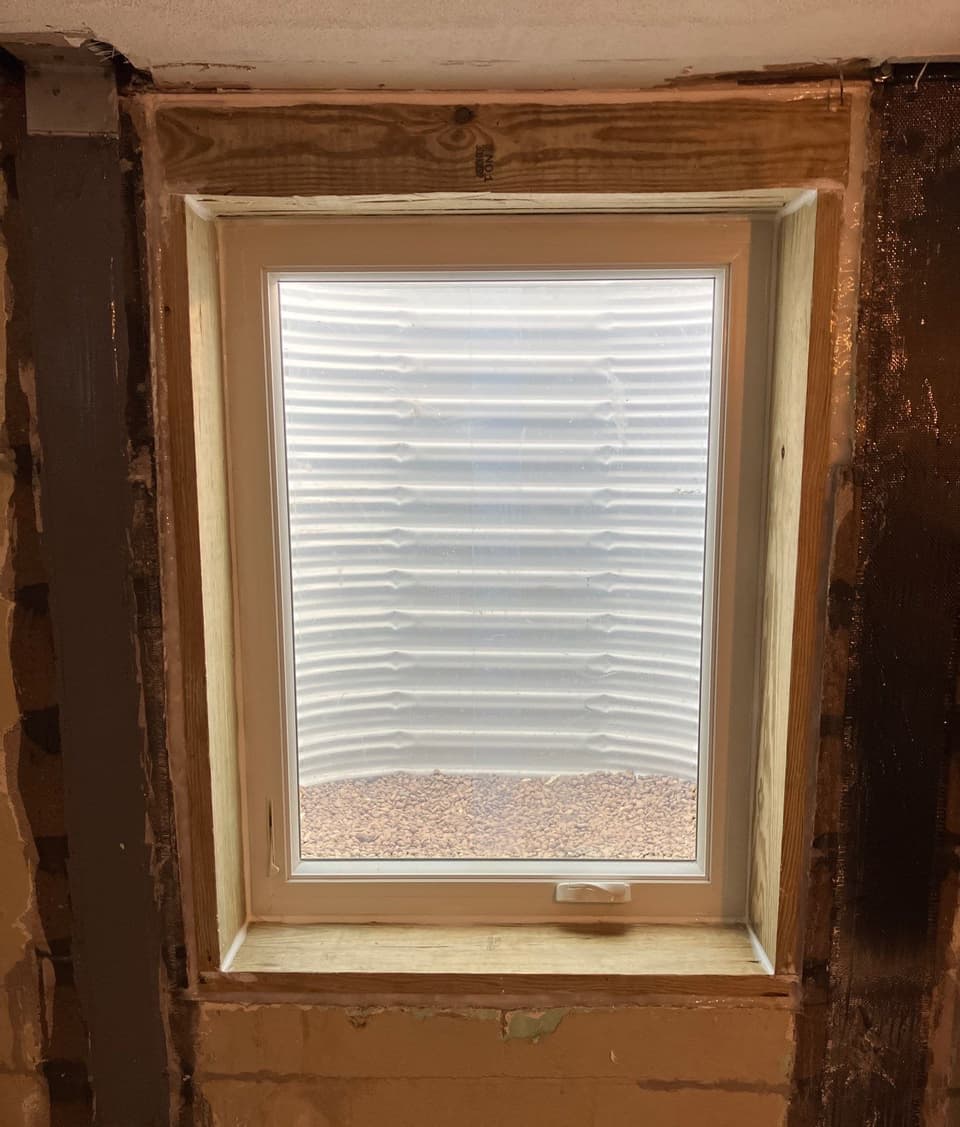
Completed work photographed on real job sites across Nebraska, Iowa, Kansas, and Missouri.
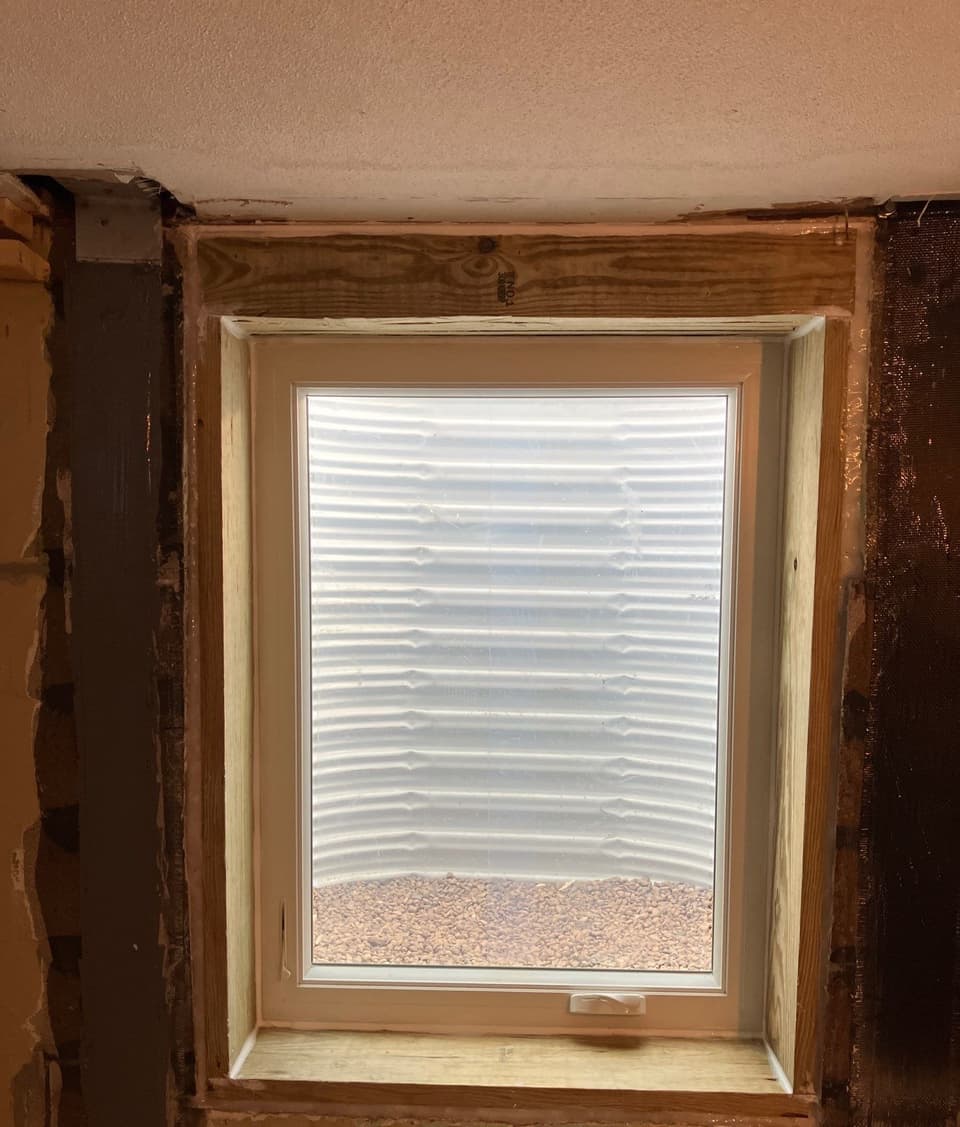
Epp Foundation Repair is locally owned and operated, with crews dedicated exclusively to foundation, basement, and concrete work across the Midwest.
Foundation repair, waterproofing, and concrete leveling are our entire focus, not a sideline.
Three decades of experience with Midwest soils, basements, and weather conditions.
Recognized by the Better Business Bureau for integrity and ethical business practices.
Many of our repairs carry a written Epp warranty. The warranty page lists every covered repair and its terms.
Don't see your question here? Our team is happy to help. Reach out anytime.
Every home is different. What a repair costs depends on the cause, the scope, and access. A free on-site inspection produces a Customized Repair Estimate that reflects your home, not a typical range.
Customized Repair Estimate after on-site inspection reflects your scope.
Don't install an exterior drain when the perched water table already sits at or above the proposed drain depth, because the drain becomes a passive water table rather than an interceptor; interior drain tile and a sump pump are the right tool in that scenario. And don't trench through a mature tree's primary root zone unless the tree is coming out. A drain that severs the root structure can kill the tree. Contact Epp Foundation Repair for a free, on-site Customized Repair Estimate.
Epp Foundation Repair holds BBB A+ accreditation and is a BBB Integrity Award winner.
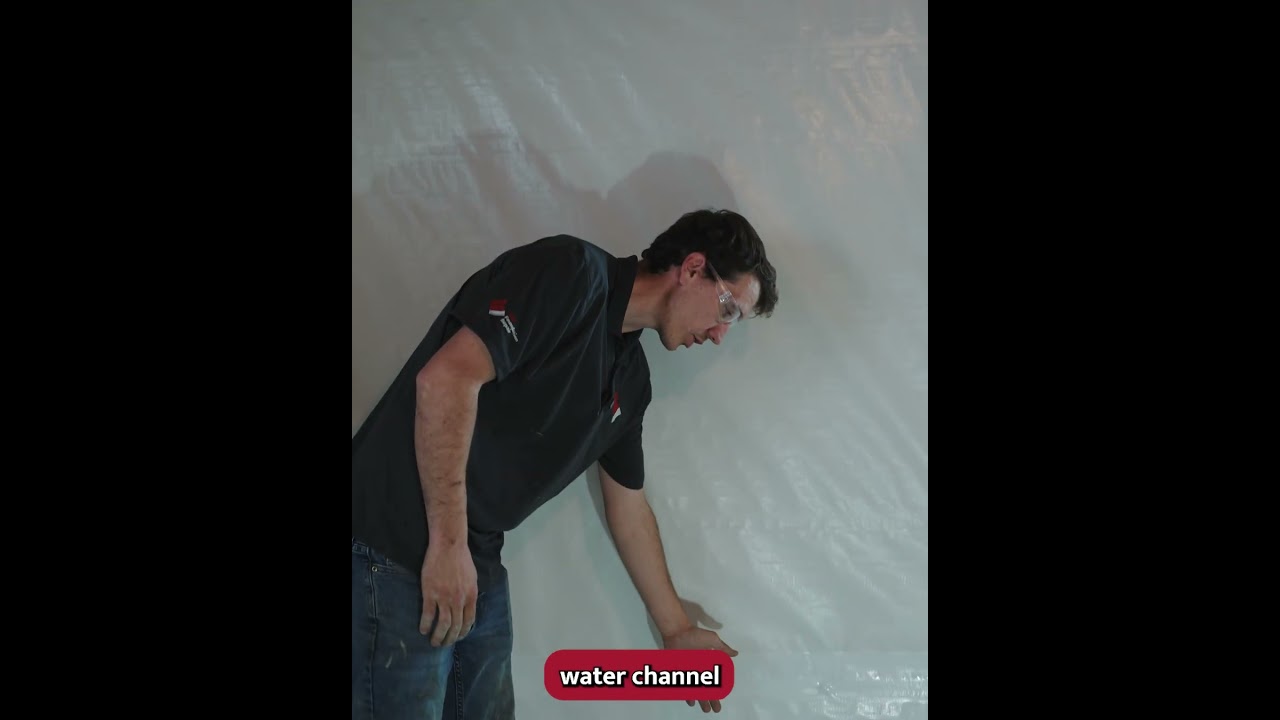
Our team walks through this on camera.
Every basement waterproofing method we install. Sequenced so the soil profile and failure mode determine the fix.
 01
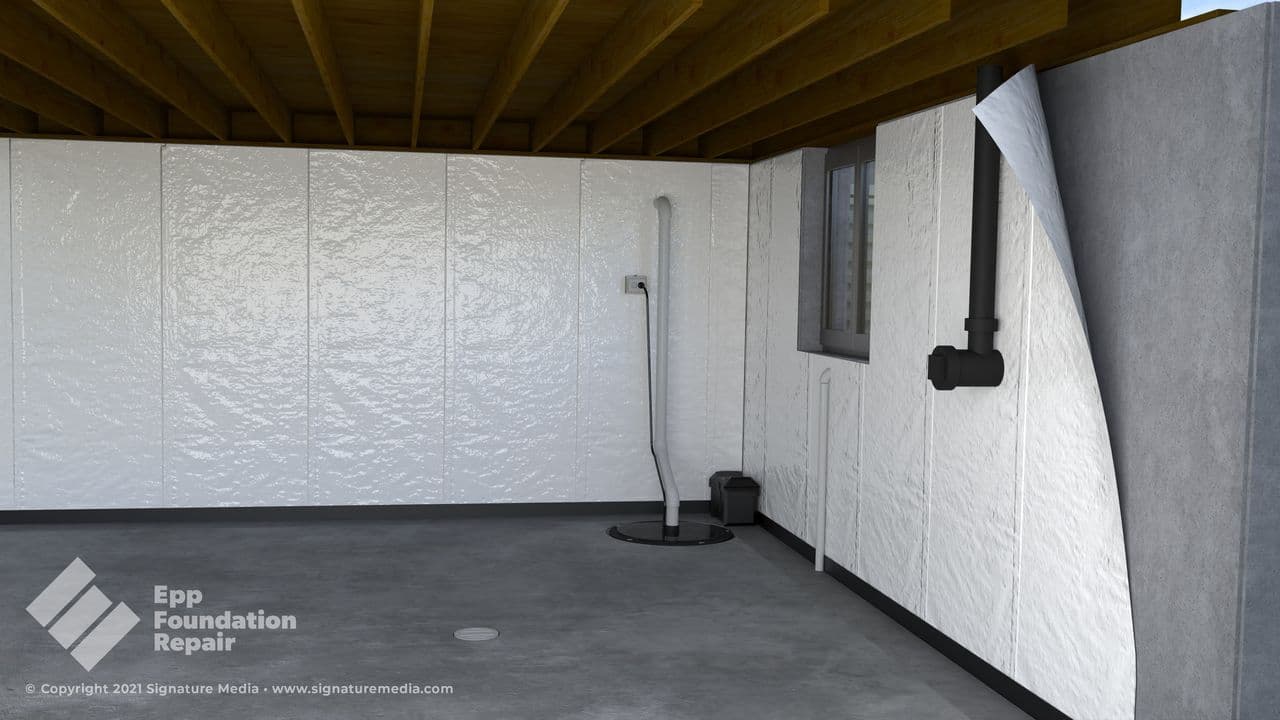
01 Interior basement waterproofing manages water that has already reached your foundation. Perimeter drain tile, sump pump, and wall vapor barrier capture and discharge hydrostatic seepage rather than excavating outside. Epp Foundation Repair installs full-perimeter interior systems across NE, IA, KS, and MO when exterior excavation is impractical or unnecessary.
Learn more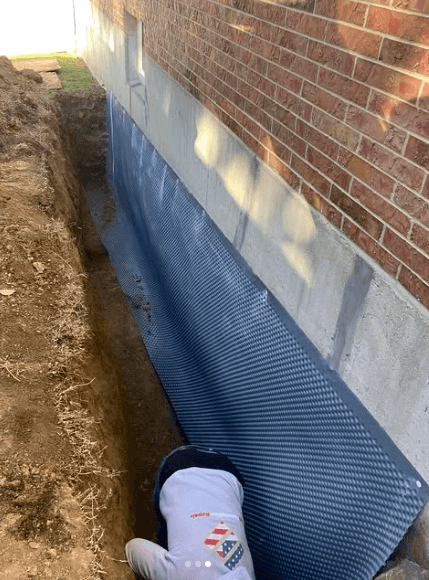 02
02 Exterior basement waterproofing excavates the affected section of the foundation, applies an elastomeric membrane to the wall face, and installs drain tile in proper drainage stone. It is the only method that prevents water from reaching the wall at all. Epp Foundation Repair targets exterior waterproofing to the specific wall sections that need it across NE, IA, KS, and MO, typically as a last resort where an interior system will not work.
Learn more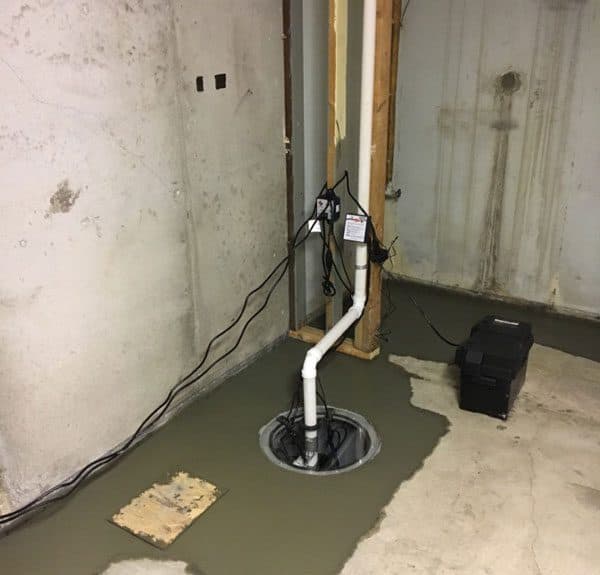 03
03 Sump pump installation captures basement water in a sealed pit, lifts it through a check-valve discharge line, and moves it 6 to 10 feet from the foundation. It is the active end of every interior basement waterproofing system. Epp Foundation Repair installs new pits and pumps and replaces failed pumps in existing basins across NE, IA, KS, and MO, with cast-iron submersible primaries and discharge configured to local code.
Learn more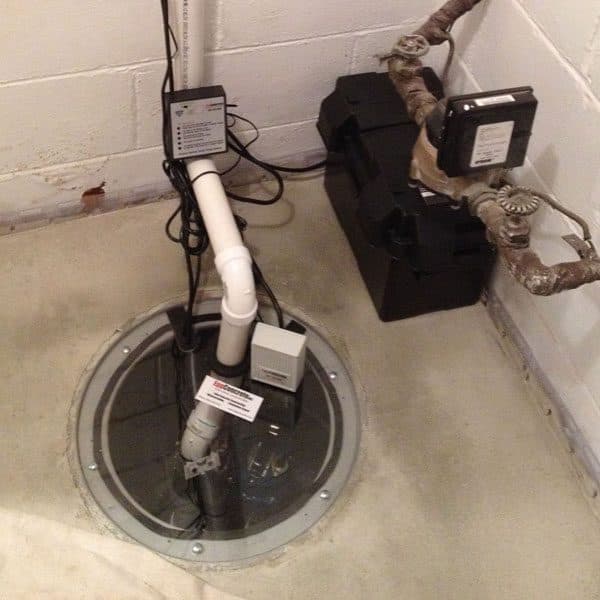 04
04 Backup sump pump installation puts a second pump in the basin that runs when the primary fails. Battery-backup is standard across the territory, water-powered is occasionally appropriate where municipal water pressure and code permit. Epp Foundation Repair installs and tests backup systems across NE, IA, KS, and MO because spring storms in this region routinely produce heavy rain and power outages in the same event, exactly when the primary pump is most needed.
Learn more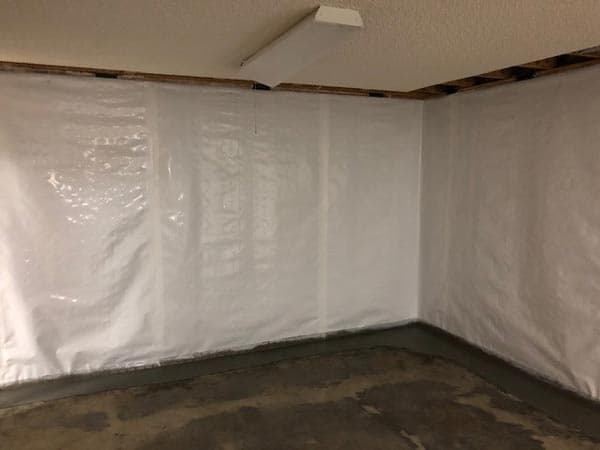 05
05 Epp Foundation Repair installs mechanically fastened polyethylene wall vapor barriers as the final component of an interior basement waterproofing system, directing minor wall seepage downward into the drain channel and out through the sump. Serving NE, IA, KS, and MO since 1994. Epp does not install a barrier in isolation when walls are actively wet, because that creates a mold trap.
Learn more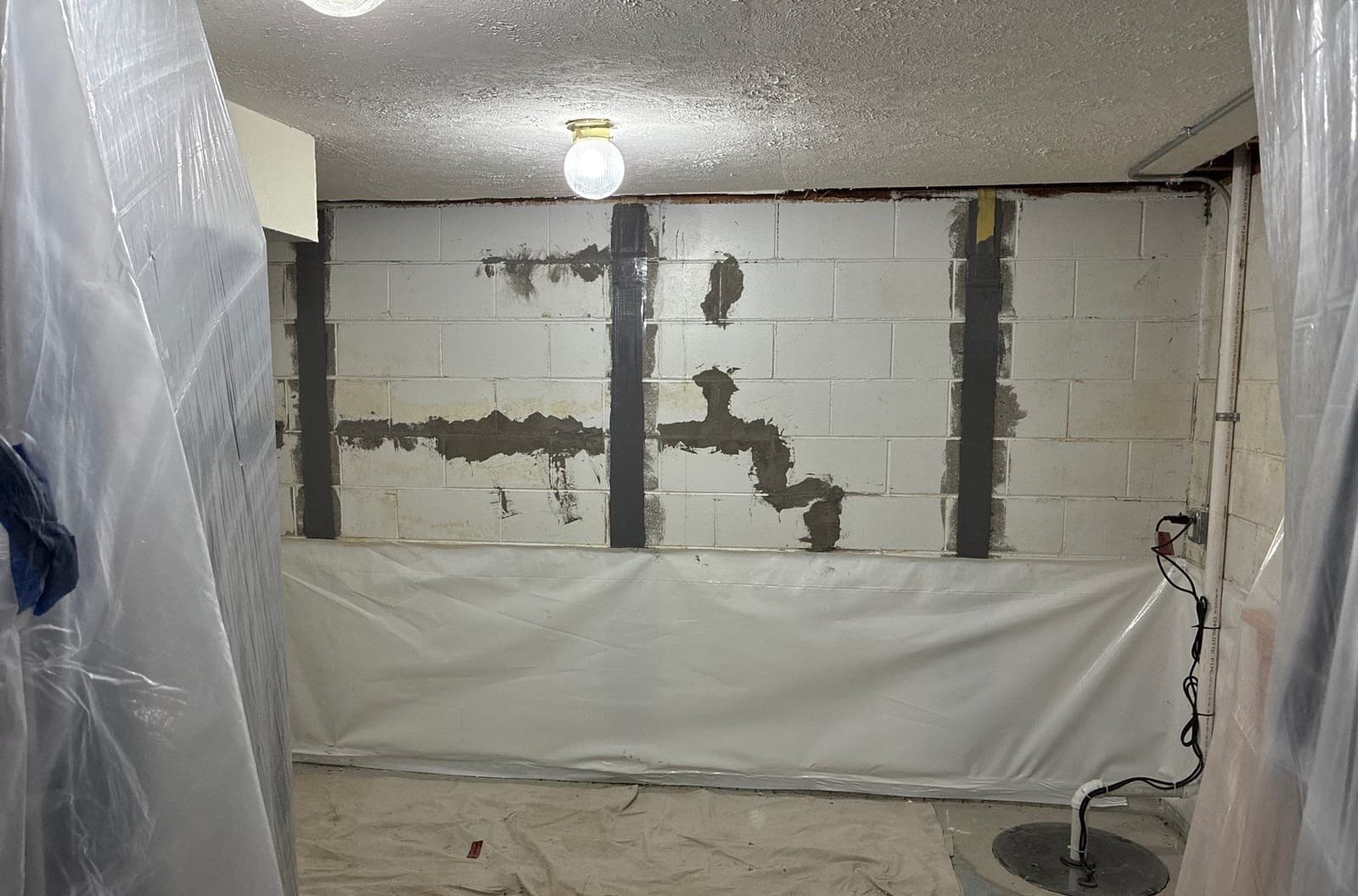 06
06 Targeted basement wall crack repair from Epp Foundation Repair. Diagnosis with a crack monitor, sequential polyurethane-then-epoxy injection on stable leaking cracks, and carbon fiber reinforcement on active block walls. Serving NE, IA, KS, and MO since 1994. The right repair when the leak is isolated to a crack or two; the wrong repair when the wall has systemic seepage.
Learn moreLocal crews based in five regional offices, dispatched daily across four states. If your town isn't listed, call us: we likely serve your area.
A straightforward path from initial inspection to completed repairs.
Epp's installer visits the property during or immediately after a rain to mark the actual flow lines, low spots, and saturated zones.
Drain line is staked along the rain-event flow paths and pitched toward a daylight discharge, dry well, or sump tie-in away from the foundation. Utility locates are called in before excavation. Discharge point is confirmed against local code.
Mini-excavator (or hand-trenching where access is restricted) opens the trench. Non-woven geotextile filter fabric (lighter for loess soils, heavier for expansive clay) lines the entire trench. Washed rock forms the base, leveled to maintain the pitch.
A 4.9-star average across Google, with verified reviews from homeowners throughout Nebraska, Iowa, Kansas, and Missouri.
Schedule your inspection in seconds with our Driive booking tool, or share a few details and a local specialist will follow up within one business day.
Practical articles from the Epp team on foundation health, waterproofing, and home preservation.
 Basement WaterproofingLatest
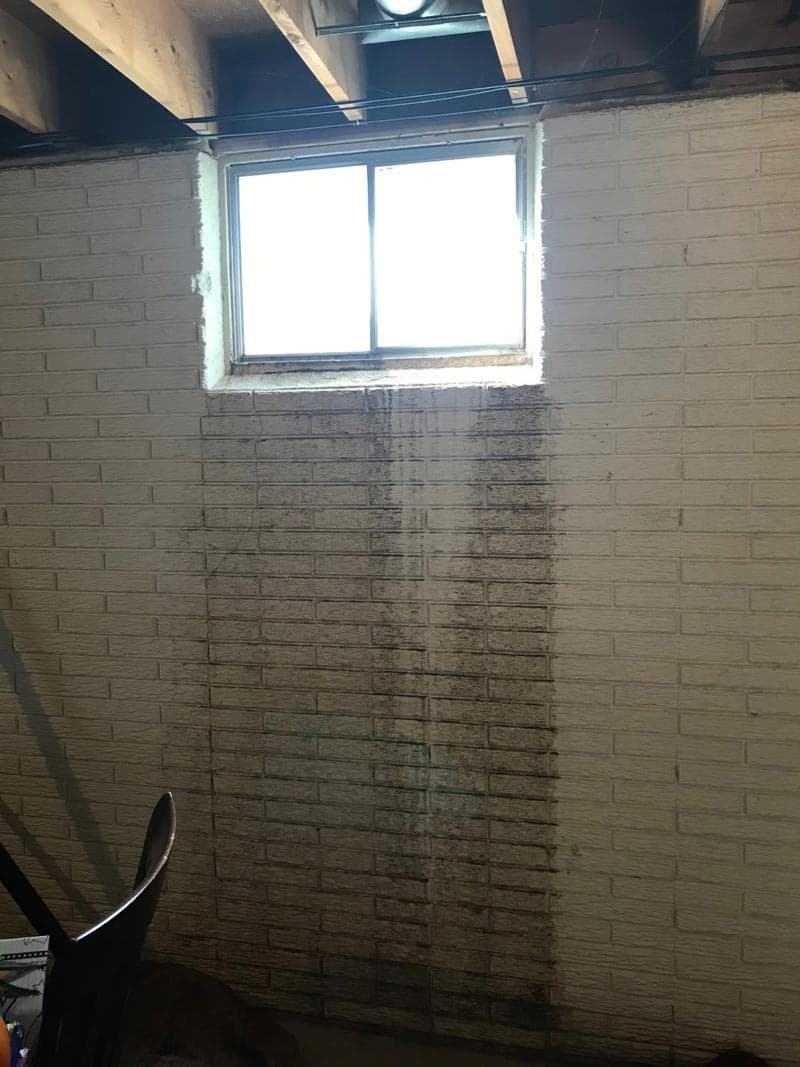
Waterproof paint and sealer can help with light dampness, but they usually cannot stop water pushed through a basement wall by wet soil outside.
 Basement Waterproofing
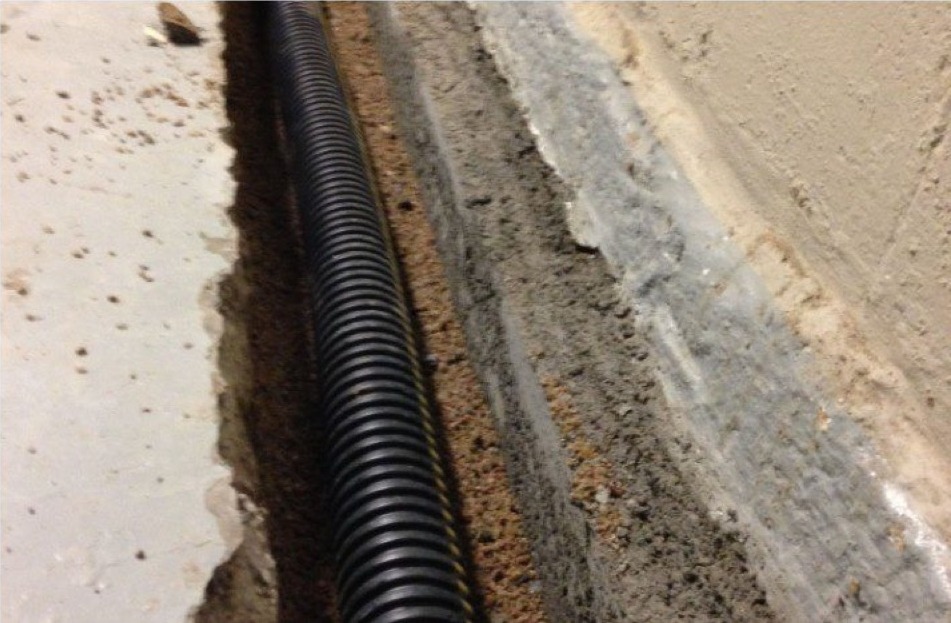
Drain tile channels water away from your foundation to keep the surrounding soil dry, which helps prevent many common foundation problems.
 Basement Waterproofing
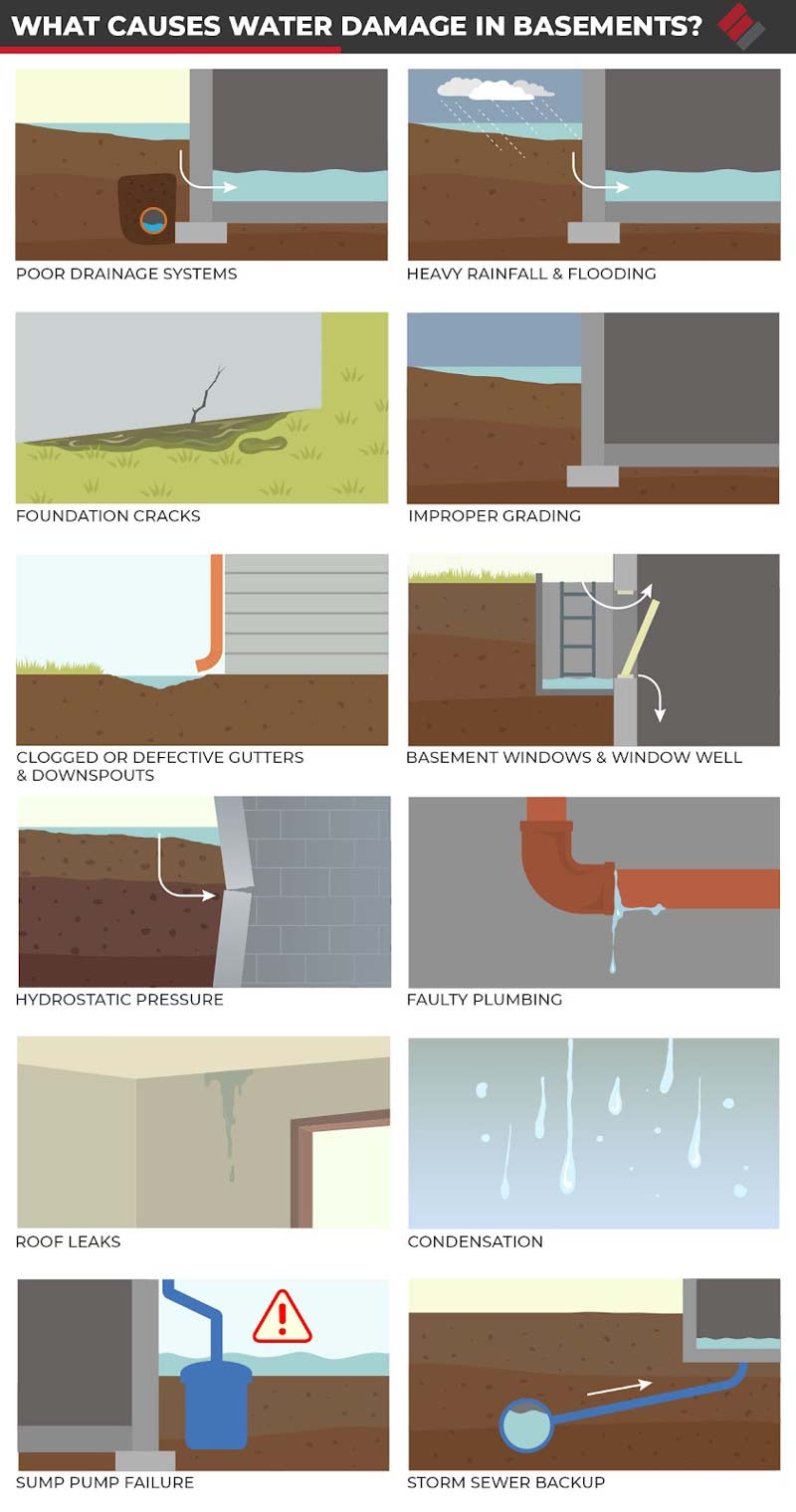
Water seeping through a foundation slab escalates quickly. Learn what hydrostatic pressure is, why it happens, and how to stop it damaging your home.
 Basement Waterproofing
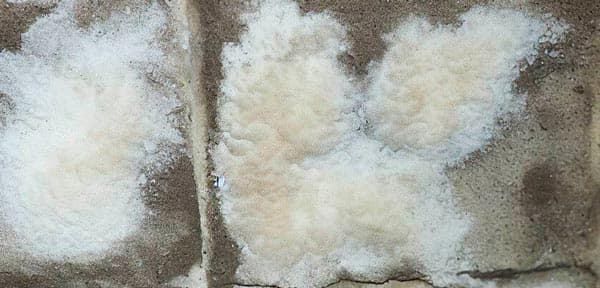
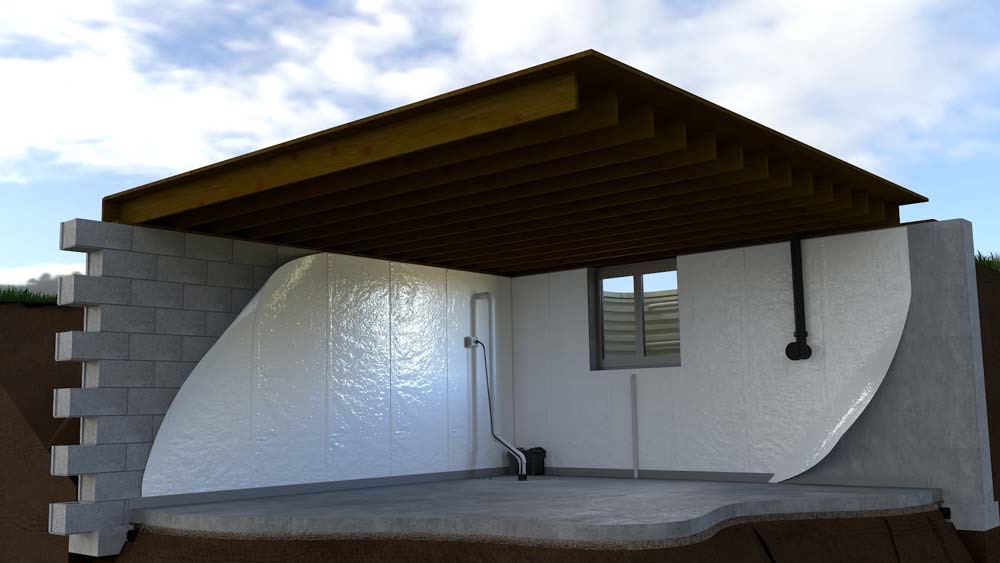
Efflorescence is a chalky white residue left by evaporating water. It signals moisture intrusion that can lead to bigger problems if ignored.