
Estimate Only
Approximate pricing
Inspection and Customized Repair Estimate: no-cost on-site visit. Customized Repair Estimate after on-site inspection reflects your scope.
Exterior cracks live in a harder environment than foundation cracks: UV, freeze-thaw, vehicle load, and road salt. Serving Nebraska, Iowa, Kansas, and Missouri since 1994, Epp Foundation Repair diagnoses the cause first, monitors movement when it's questionable, seals stable cosmetic cracks with flexible polyurethane, and lifts the adjacent slab back to grade before sealing when the crack came from settlement underneath.

A local specialist will inspect your foundation, walk you through the findings, and send a clear estimate, no cost, no pressure.
Diagnosis First
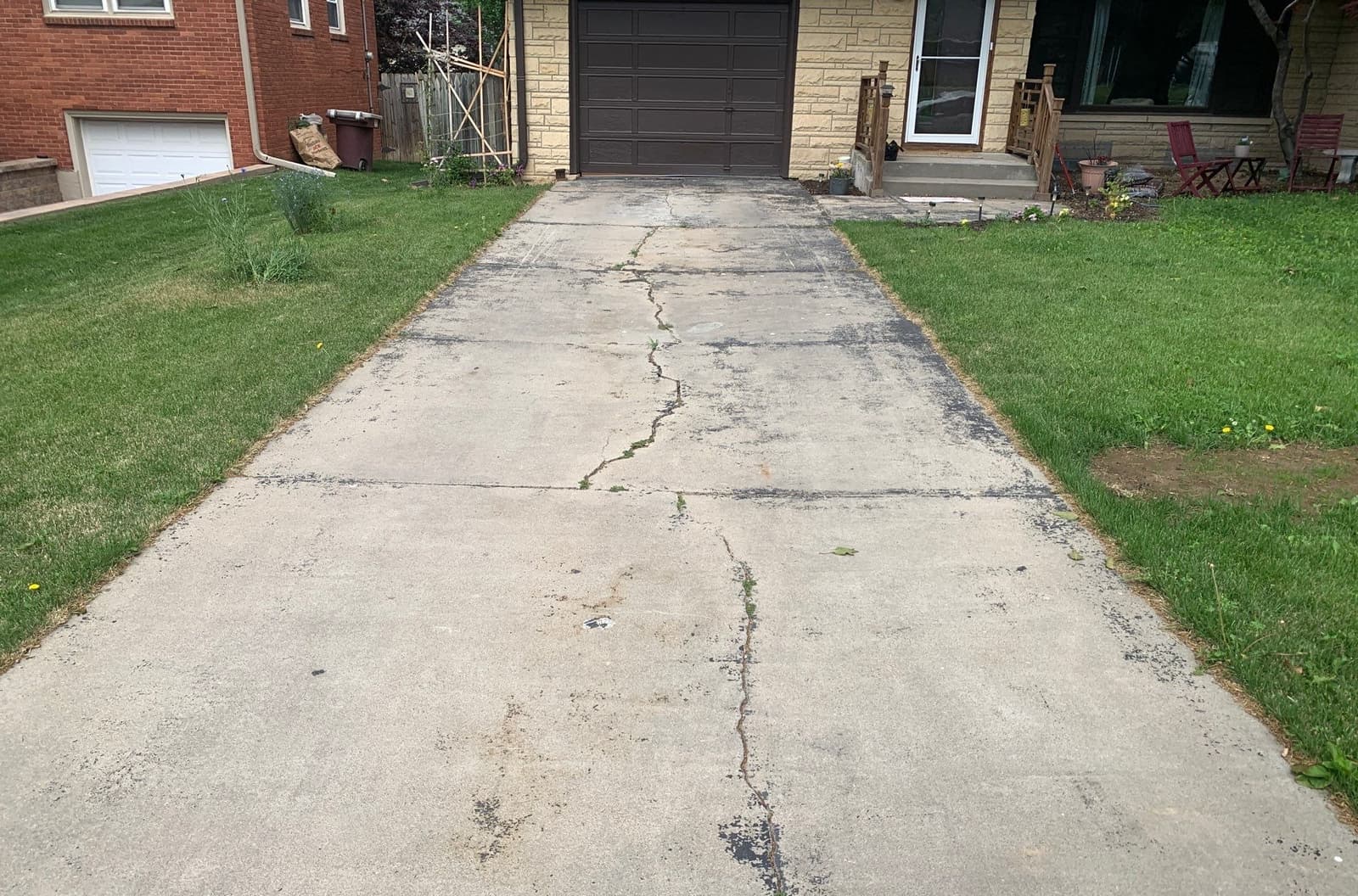
Exterior concrete crack repair diagnoses whether a crack in a driveway, sidewalk, patio, garage floor, or pool deck is a stable cosmetic crack or a sign that the slab underneath has settled. Stable cracks get sealed with flexible polyurethane. Cracks with offset get the slab lifted back to grade first, then sealed. It fits any exterior crack that is not part of end-of-life concrete.
In Depth
Everything a Midwest homeowner should know about this repair, from the specialists who do it every day.
Exterior concrete cracks aren't basement cracks. The driveway, sidewalk, patio, garage floor, and pool deck all live in a tougher environment: direct sun cycling the slab surface temperature each summer day, repeated freeze-thaw cycles each winter, vehicle and foot load that flexes the slab, and de-icing salt that attacks both the concrete and any rigid repair compound in it. The right repair on exterior concrete cracks is rarely the same product or sequence that works inside a basement, and the diagnosis comes before the price. Epp Foundation Repair's concrete repair team has repaired exterior cracks across the four-state territory since 1994, and the first thing the inspection answers is whether the crack is the problem or whether the crack is the symptom of soil movement below the slab. An exterior crack quote that prices only the crack is a product quote. That works on a stable, cosmetic, surface-tension crack. It doesn't work on a crack that's opening because the slab dropped on one side. The crack can reopen because the underlying movement hasn't been addressed. Epp's standard practice is to diagnose first, install a crack monitor if movement is questionable, and quote either a sealing scope, a foam-lift-plus-seal scope, or an honest new pour when the slab is end-of-life.
This is the single biggest mistake on exterior crack repair. Epoxy cures rigid, which works inside a basement where the wall is temperature-stable and movement-free. Outside on a driveway in the Midwest, the same epoxy can crack because freeze-thaw expansion and contraction move the slab, the epoxy can't flex with the movement, and the bond fails at the concrete face. Flexible polyurethane sealants cure soft enough to absorb the freeze-thaw cycling, elastic enough to recover after compression, and UV-stable in formulations rated for exterior exposure. Epp uses flexible polyurethane on stable cosmetic exterior cracks, period. Epoxy is the wrong product outside, and Epp will say so. ## Where This Page Fits, and Where the Foundation-Crack Page Fits
This page covers exterior cracks in driveways, sidewalks, patios, garage floors, pool decks, and other above-ground exterior slabs. The companion page on structural foundation crack repair covers cracks in foundation walls. The page on basement crack repair covers leaking basement wall cracks. If the crack is in a slab you can see from outside the house, this is the right page. If it's in a foundation wall, basement floor, or stem wall, one of the others is.
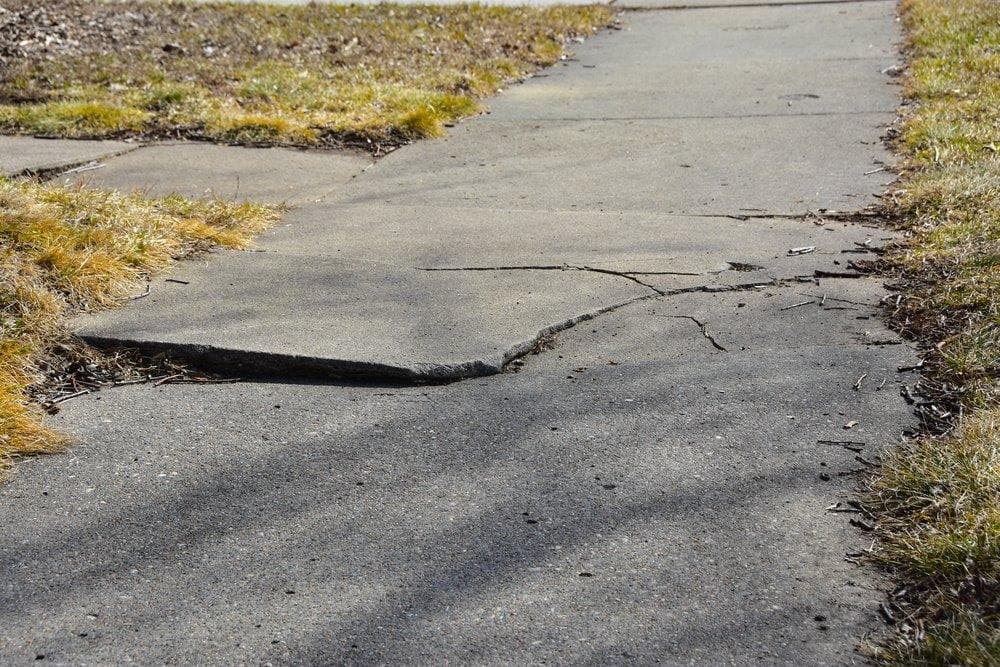
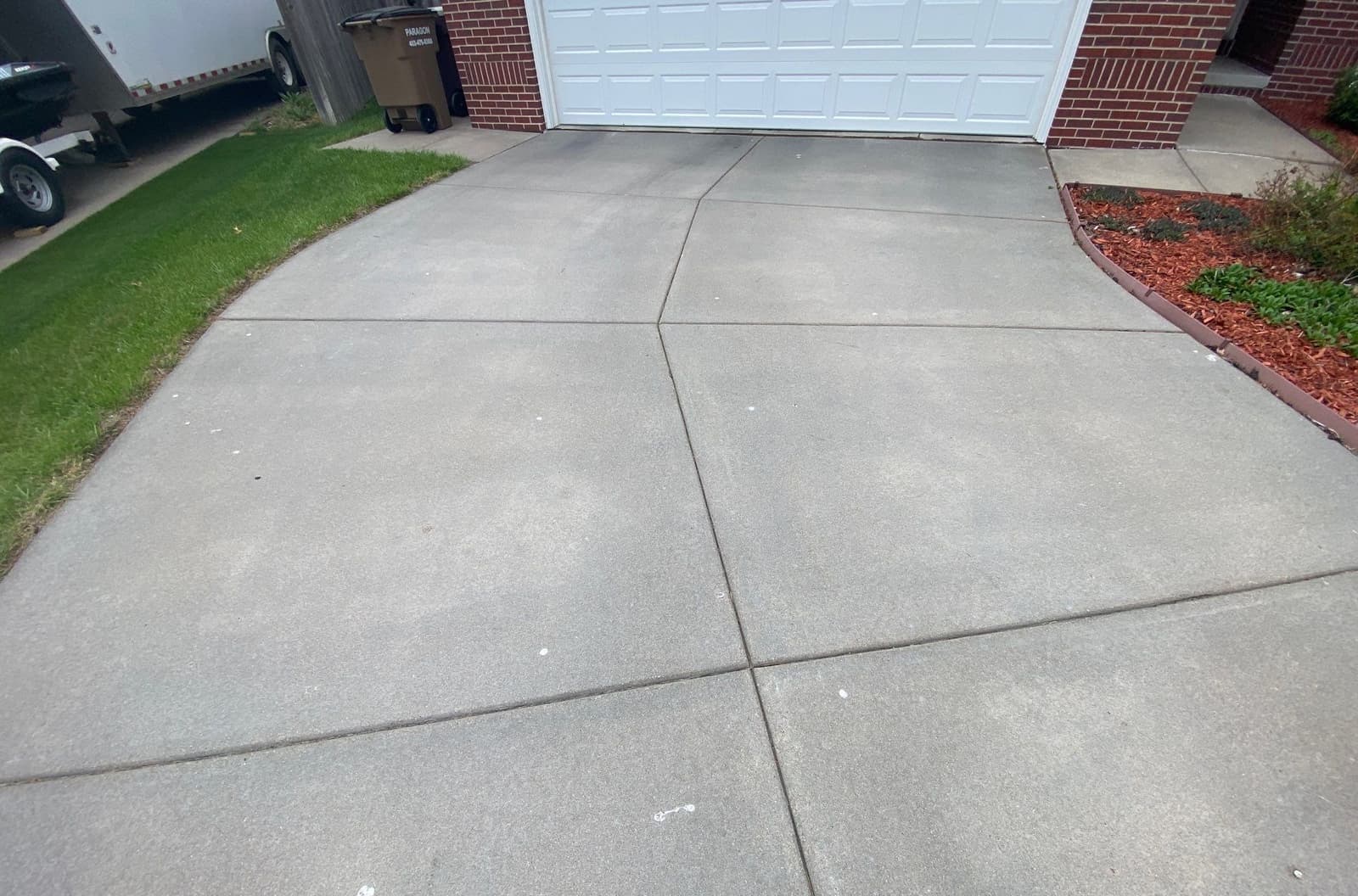
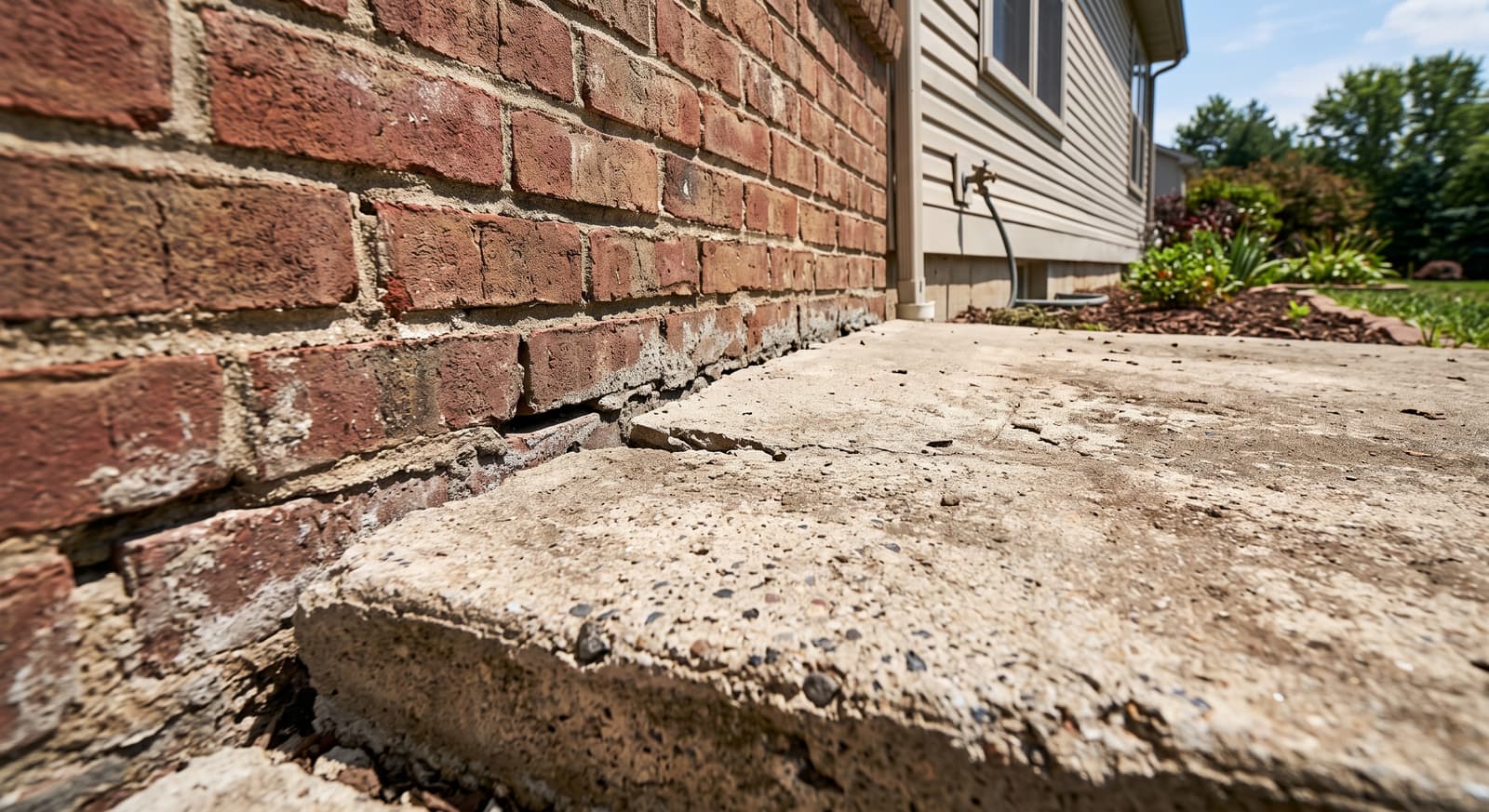
There are three categories after inspection. Cosmetic stable crack. Hairline to 1/10 inch wide, no offset across the crack face, no settlement of the slab on either side, no nearby cracks indicating a broader problem. Right scope is flexible polyurethane sealing. Clean the crack, install a backer rod if the crack is wide, gun in the sealant, tool the surface flush. Settlement-driven crack. Crack with offset. One side has dropped relative to the other, the crack is wider at the surface than at depth, the slab on the lower side is noticeably below grade. Sealing the crack alone fixes nothing because the soil is still moving. Right scope is foam-lift to restore the slab, then seal the crack with flexible polyurethane. End-of-life concrete. Multiple structural cracks on a single slab section, crumbling edges, widespread surface spalling, or structural cracks with active movement. Sealed or lifted end-of-life concrete can fail again. Right scope is full replacement. Epp removes the failed slab, corrects the base, and pours new concrete on prepared ground.
A crack monitor is a small glass or plastic gauge. It gets installed any time the on-site inspection can't definitively call a crack stable or moving. For example, the homeowner reports the crack getting wider over the last year, secondary cracking has appeared nearby, or the slab has visible offset that might be settling further. The monitor is bonded across the crack and re-measured over time before injection or sealing is committed. Sometimes a monitored crack reveals enough movement to shift the diagnosis from "seal" to "foam-lift first then seal," or from "foam-lift first then seal" to "replace." The wrong repair on a moving exterior crack can reopen.
Every exterior crack has a cause underneath it, such as frost heave at an expansion joint, hydroconsolidated loess under the slab where a downspout has been discharging, tree root pressure lifting the corner of a sidewalk panel, or apron-to-street settlement at the lowest point of a driveway. Sealing the crack without addressing the cause is putting a band-aid on a structural problem. Epp identifies the cause on the inspection and tells the homeowner what needs to change: extending the downspout, root-pruning the tree (arborist scope, not Epp), or re-grading a drainage swale (landscape scope, not Epp). Epp then quotes the lift-and-seal or seal-only scope contingent on the cause being addressed. Sealing lasts longer when the cause is corrected.
A crack gauge is a thin plastic strip with progressively wider lines printed on it. Held against the crack, it reads the width. A hairline crack is held closed by surface tension against most water entry. Sealant there is cosmetic, not waterproofing. A crack wide enough to admit water but narrow enough that flexible polyurethane fills it cleanly is the typical sealing target. Wider cracks need a backer rod (closed-cell foam pushed into the crack to limit the depth of sealant) before sealing. The widest cracks are usually settlement cracks or end-of-life concrete and get a different scope entirely. Crack length, depth, offset, and surrounding slab condition all factor into the diagnosis alongside width.
Inspection, monitor if needed, scope decision. Crack measured for width with a gauge, length tape-measured, offset noted with a straightedge across the crack face, surrounding slab inspected for nearby cracks or settlement indicators. Crack monitor installed if movement is questionable and re-measured over time. Scope decided as seal-only, lift-and-seal, or removal and a new pour. Surface prep. Crack cleaned with a wire brush, compressed air, and (on contaminated cracks) a chemical concrete cleaner to remove loose concrete, prior failed sealant, dirt, oil, and salt residue. A clean crack face is what the sealant bonds to. Contaminated faces fail at the bond regardless of product quality. Backer rod if needed. Wider cracks get a closed-cell foam backer rod sized to crack width and pushed in below the surface plane. The rod limits sealant depth (efficient material use), provides a bond-breaker so the sealant flexes properly, and ensures the sealant adheres only to the two crack faces rather than three. Sealant injection or gunning. Flexible polyurethane sealant applied via cartridge gun for narrow cracks or pump dispenser for longer runs. Sealant slightly overfills the crack to allow tooling. Tooling with a metal spoon or rubber spatula presses the sealant against both crack faces, removes air voids, and finishes the surface flush or slightly recessed. Cure and final inspection. The polyurethane sealant needs time to cure before the slab carries foot and vehicle traffic. Homeowner walks the work with the installer before sign-off. Foam-lift first if settlement-driven. When the diagnosis was lift-and-seal, the polyurethane foam injection happens first (separate scope, separate process), the slab is lifted, and then the crack is sealed with flexible polyurethane. Both scopes are done in the same site visit when access allows.
Epp seals stable cracks and lifts settled slabs. Here are three scenarios where crack repair is the wrong scope. End-of-life concrete. Multiple structural cracks, crumbling, and spalling mark an end-of-life slab; removing the slab and pouring new concrete is the right scope. Cosmetic complaints disguised as cracking. Paint failure on a painted driveway, salt-spalling on the surface, staining or discoloration. These aren't crack problems and aren't Epp's scope; they are mason or decorative concrete contractor scope. Surface resurfacing. Worn or rough concrete surface that the homeowner wants to look new is not a crack repair scope; it is decorative concrete overlay contractor scope. Epp says so on the inspection. Sealing a crack with rigid epoxy on exterior concrete in this climate is also the wrong scope. It gets done because the homeowner asked for epoxy. Epp explains the chemistry, declines to use epoxy where it will fail, and offers the flexible polyurethane scope instead. Same goes for sealing a hairline crack too narrow to admit water. Epp will tell them.
Nebraska, Iowa, and northern Kansas exterior slabs see repeated freeze-thaw cycles each winter, with surface temperatures swinging from below freezing overnight to above freezing by midafternoon. Each cycle works existing cracks open and admits the meltwater that becomes the next cycle's frost wedge. Flexible polyurethane sealant absorbs that cycling; rigid epoxy doesn't. Missouri and southeastern Kansas see fewer freeze cycles but more thermal cycling. Direct sun on a driveway can swing the surface temperature widely on a July day, expanding and contracting the slab. The same chemistry logic applies: flexible product survives, rigid product fails. De-icing salt across the territory attacks both the concrete (creating spalling and surface scaling) and any non-UV-rated polyurethane (degrading the sealant over time). Epp specifies UV-stable polyurethane formulations rated for direct sun and salt exposure on every exterior crack repair.
Epp seals stable exterior cracks, lifts settled slabs adjacent to cracks, and pours new concrete where a slab has reached end of life. There are three adjacent scopes Epp does not perform. Decorative resurfacing, stamped overlay, or staining. That is decorative concrete contractor scope. Tree root removal or pruning when roots caused the crack. That is arborist scope. Re-grading the surrounding landscape or installing a French drain to fix drainage causes. Landscape contractor and Epp's own drainage scope respectively. Drainage work is on Epp's basement-waterproofing pages, not exterior crack repair.
Inspection and quote:
no-cost on-site visit, with the scope decision (seal, lift-and-seal, or a new pour) included. Customized Repair Estimate after on-site inspection reflects your scope. Epp Foundation Repair is BBB A+ accredited and a BBB Integrity Award winner.
Which Solution Is Right?
| Method | Fits when | Not a fit when |
|---|---|---|
| Flexible Polyurethane Sealant | The crack is stable, cosmetic, and wide enough to admit water, with no offset and no settlement on either side. A backer rod is added first on wider cracks. | The crack is so narrow that surface tension already blocks water and sealing is purely cosmetic, or the crack has offset from settlement underneath. |
| Foam-Lift Plus Seal | The crack has offset because the slab on one side has dropped and the soil below it is still the active cause. | The crack is stable and cosmetic, where sealing alone is enough, or the slab is end-of-life, where sealing or lifting would only buy a few years before failure. |
Each method is matched to a specific failure mode and soil profile. Browse the toolkit we draw from when diagnosing your home.
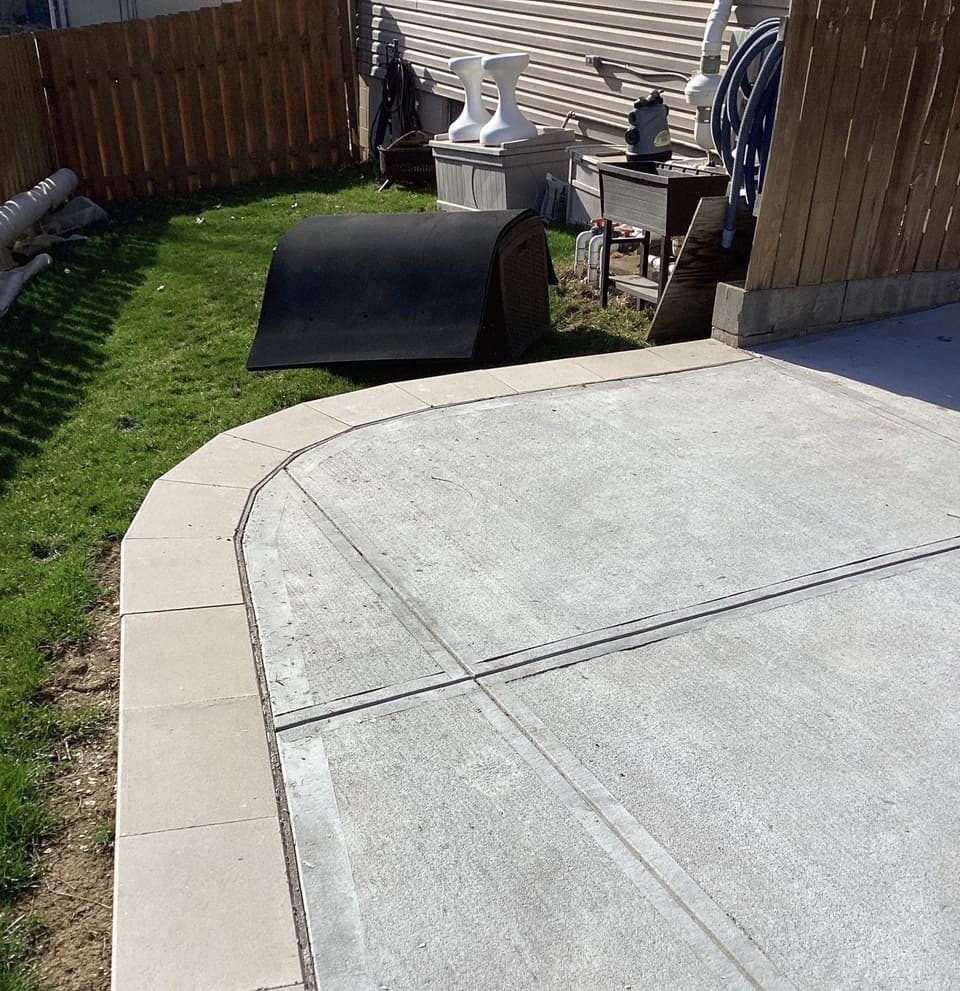
Epp Foundation Repair seals concrete expansion joints and stable cracks across Nebraska, Iowa, Kansas, and Missouri with self-leveling polyurethane, a flexible material that expands and contracts with the slab through freeze-thaw cycles.
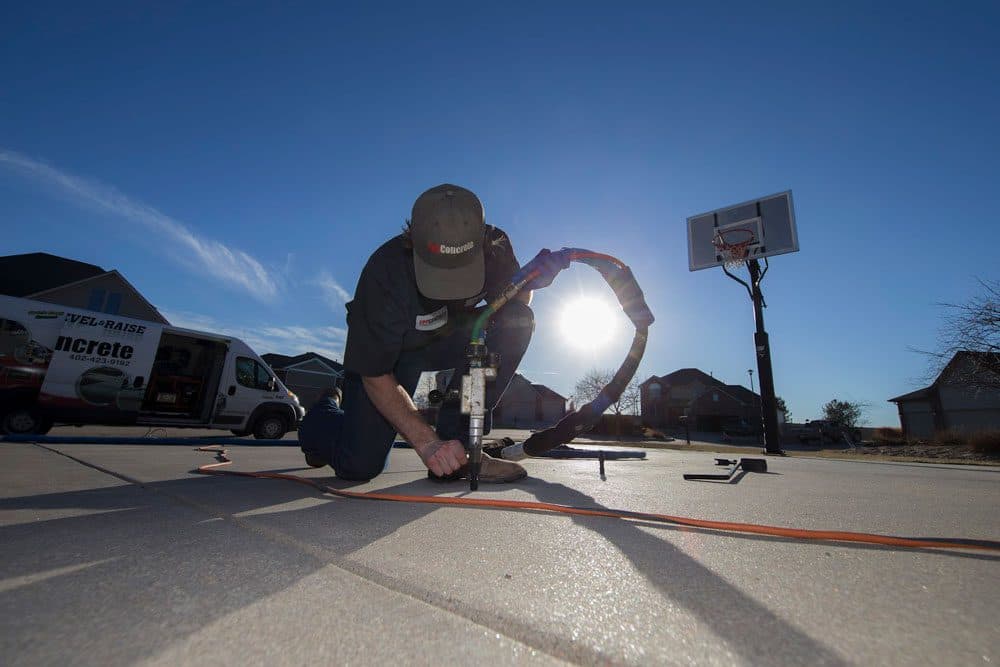
PolyLift is Epp Foundation Repair's polyurethane foam injection method for lifting sunken driveways, sidewalks, patios, and garage floors. Small ports, a two-part expanding foam, and a laser-monitored lift, with the slab walkable 15 minutes after the work is complete.
Slab jacking and polyjacking are names homeowners use for the same idea: lifting a sunken concrete slab by injecting material underneath it. Epp Foundation Repair's slab jacking work, across Nebraska, Iowa, Kansas, and Missouri, is done with polyurethane foam.
Concrete slabs rest on the soil under them. When that soil washes out, softens or settles, part of a slab can sink, tilt or crack. Small cracks that form as new concrete dries and shrinks are common, and most of them do not affect the strength of the slab.
Based on NOAA 1991 to 2020 climate normals for Lincoln Municipal Airport and Omaha Eppley Airfield.
Based on USDA soil survey data for Lancaster County (Lincoln) and Douglas County (Omaha), clay is the main soil type in both counties. The survey rates Lancaster County high and Douglas County moderate for shrink swell. Clay can swell when it gets wet and shrink as it dries, so a slab or foundation on clay can move up and down with the seasons. The soils that cover the most ground in Lancaster County are Wymore and Aksarben, and in Douglas County they are Contrary and Marshall.
Loess, the wind deposited silt common in eastern Nebraska and western Iowa, can lose strength and settle when it gets wet. Water can reach it from runoff, a plumbing leak or a downspout that empties next to the house.
In Lincoln and Omaha, soil near the surface can freeze and thaw many times between fall and spring. Each city's building code sets a frost line depth, which is the minimum depth below finished grade for a footing. It is 36 inches in Lincoln and 42 inches in Omaha. Supports that sit above that depth, such as some porches, stoops and chimney footings, can move as the ground freezes and thaws.
Horizontal cracks in a basement wall are more often linked to pressure from the soil outside the wall than to settlement. Wet soil pushes harder against a wall than dry soil, and soil that freezes against the wall can add to that pressure.
Climate: NOAA U.S. Climate Normals 1991 to 2020, LINCOLN MUNI AP (USW00014939) and OMAHA EPPLEY AIRFIELD (USW00014942), retrieved September 30, 2026. Soil: USDA NRCS Soil Data Access (SSURGO), county survey for Lancaster County and Douglas County. Frost line depth: Lincoln Municipal Code 20.12.140 and Omaha Municipal Code Sec. 43-127.
These are the concrete repair problem signs Epp Foundation Repair diagnoses most often. Each one links to what causes it and how it is repaired.
Our specialists evaluate the underlying cause before recommending any work. Inspections are at no cost and there's no obligation to proceed.
"Inside a basement, epoxy works because nothing moves. Outside on a driveway, the slab moves with every freeze-thaw cycle and moves again with every summer-to-winter temperature swing. Rigid bond in a moving environment fails on a predictable timeline. Flexible sealant in the same environment lasts for years. The chemistry is dictated by the exposure."

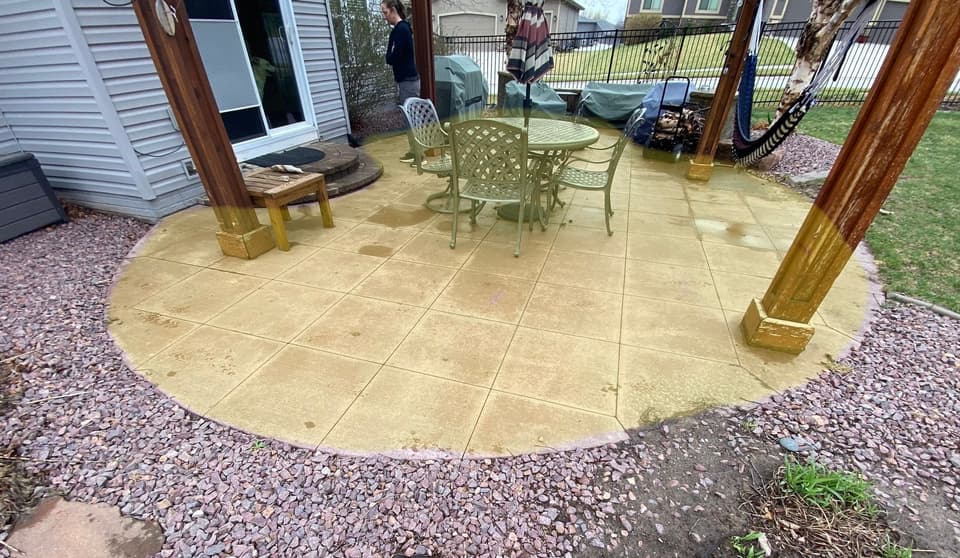
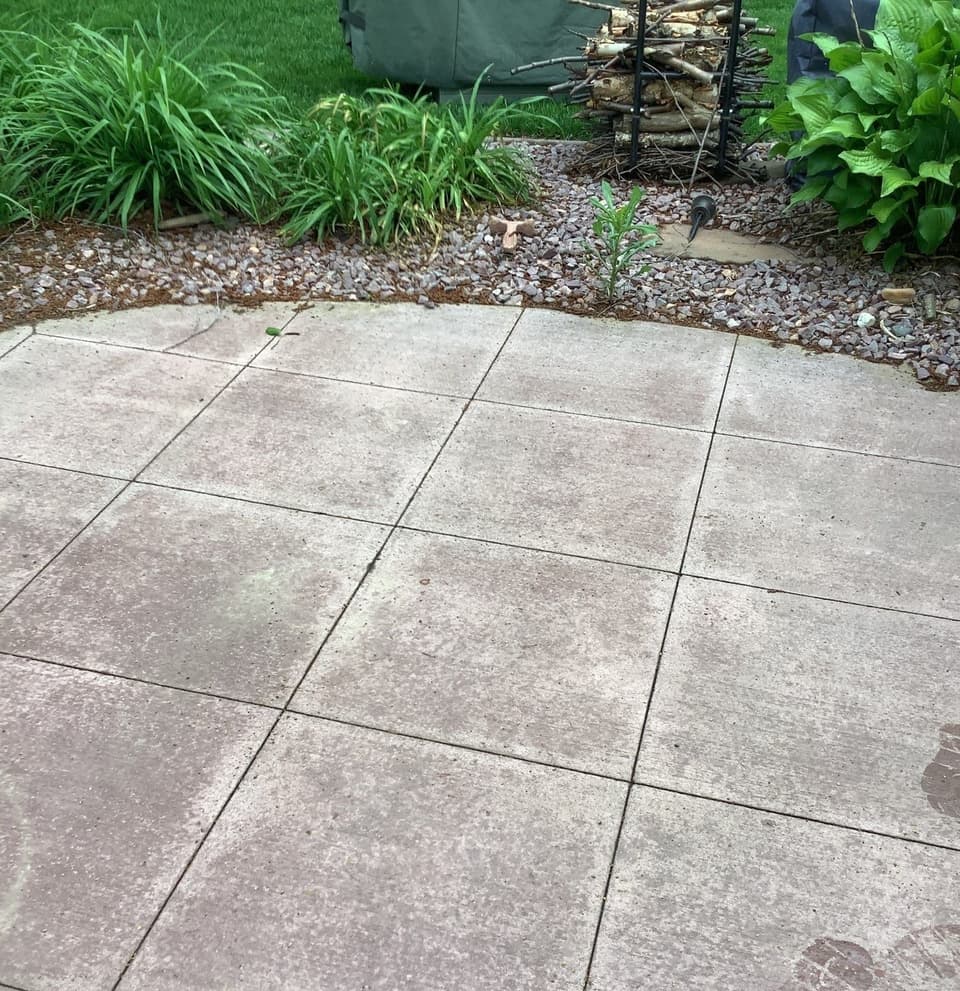
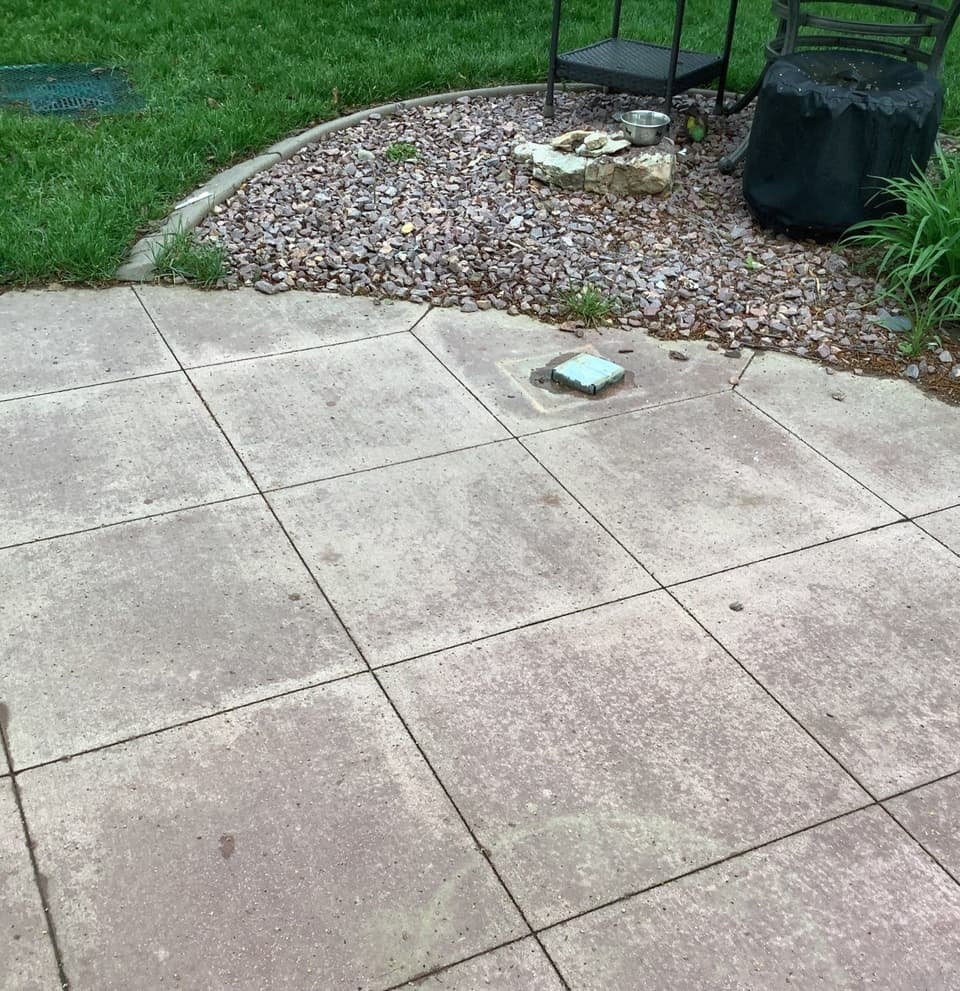
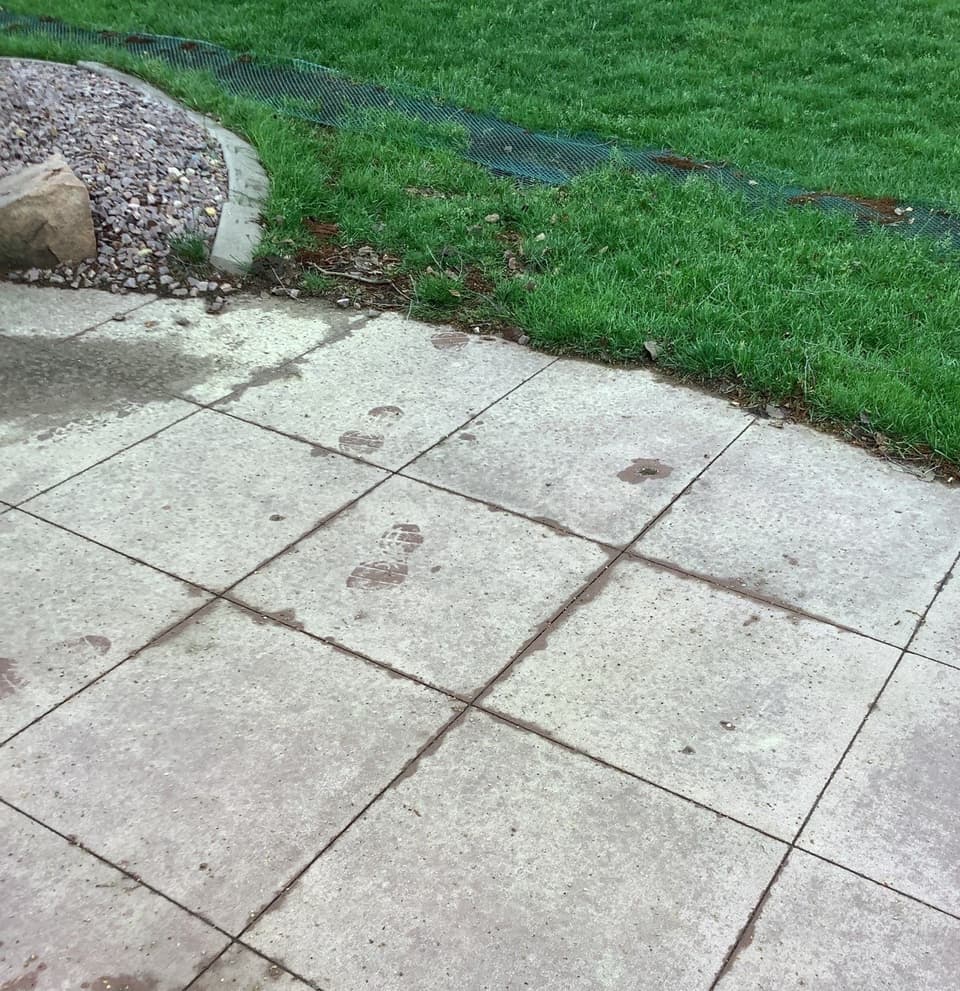
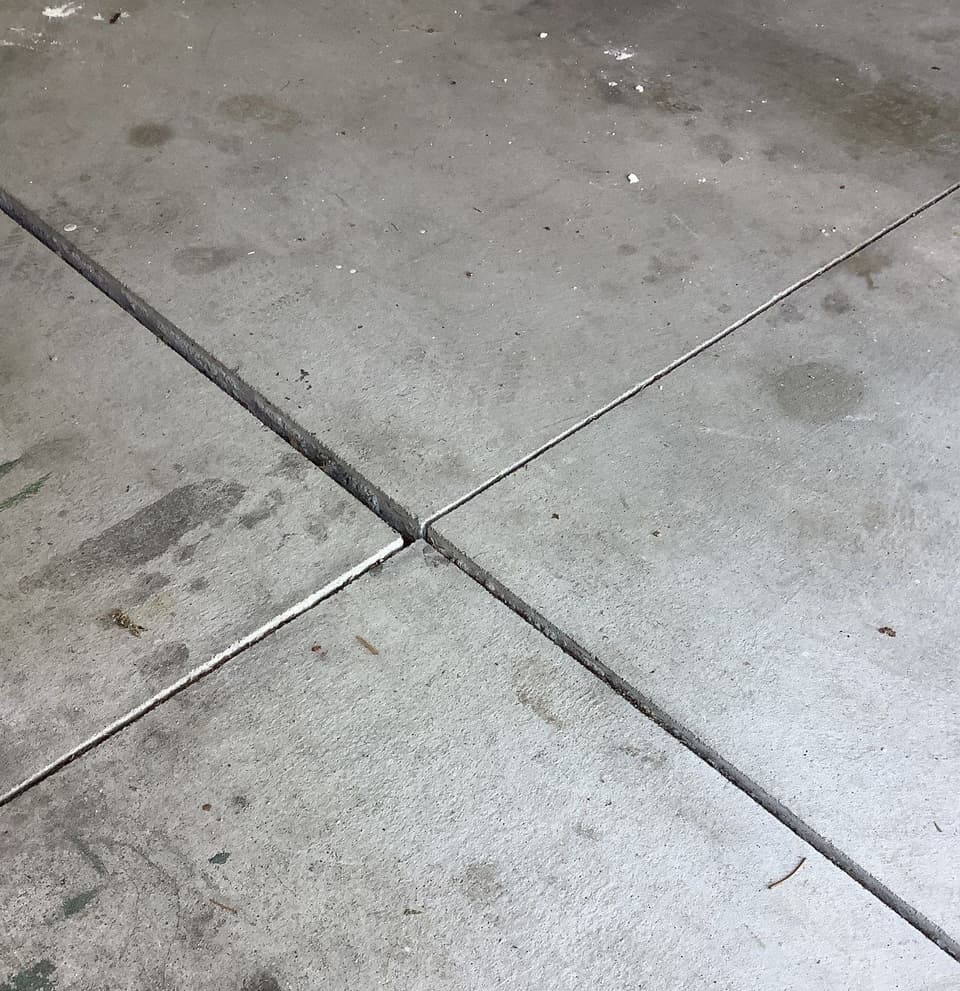
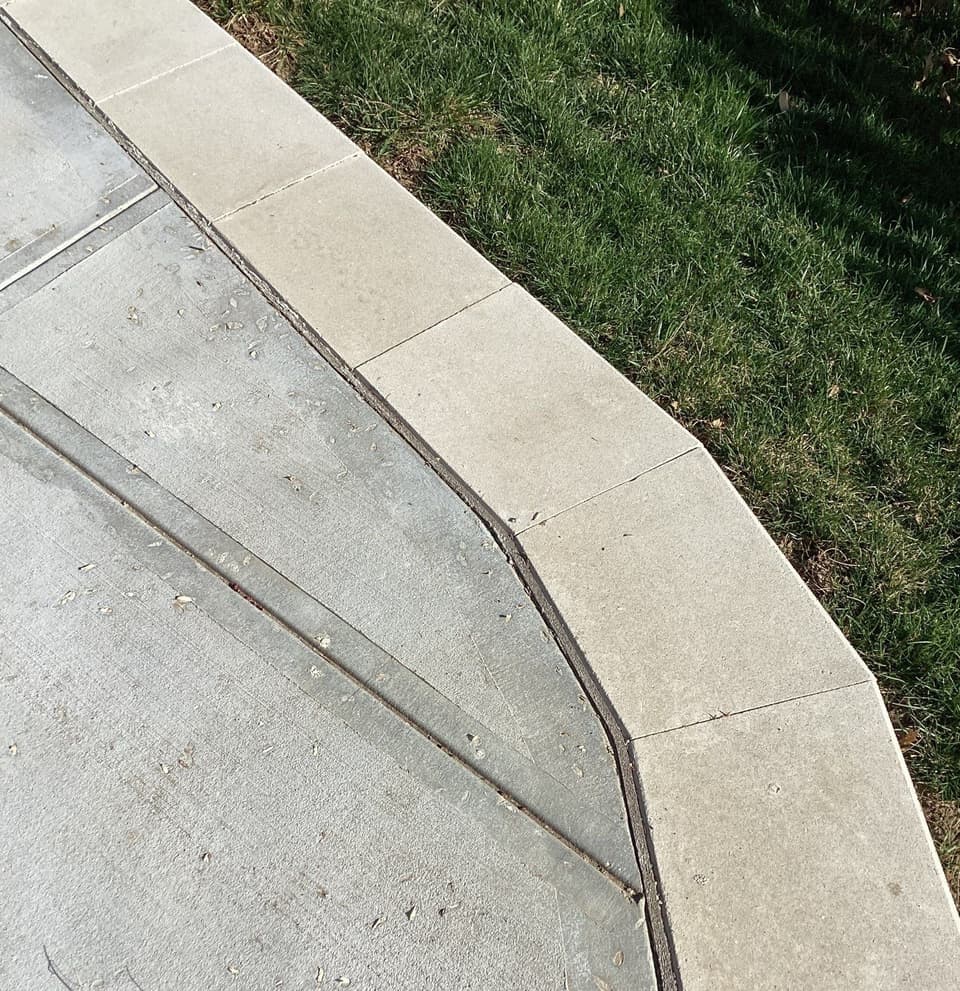
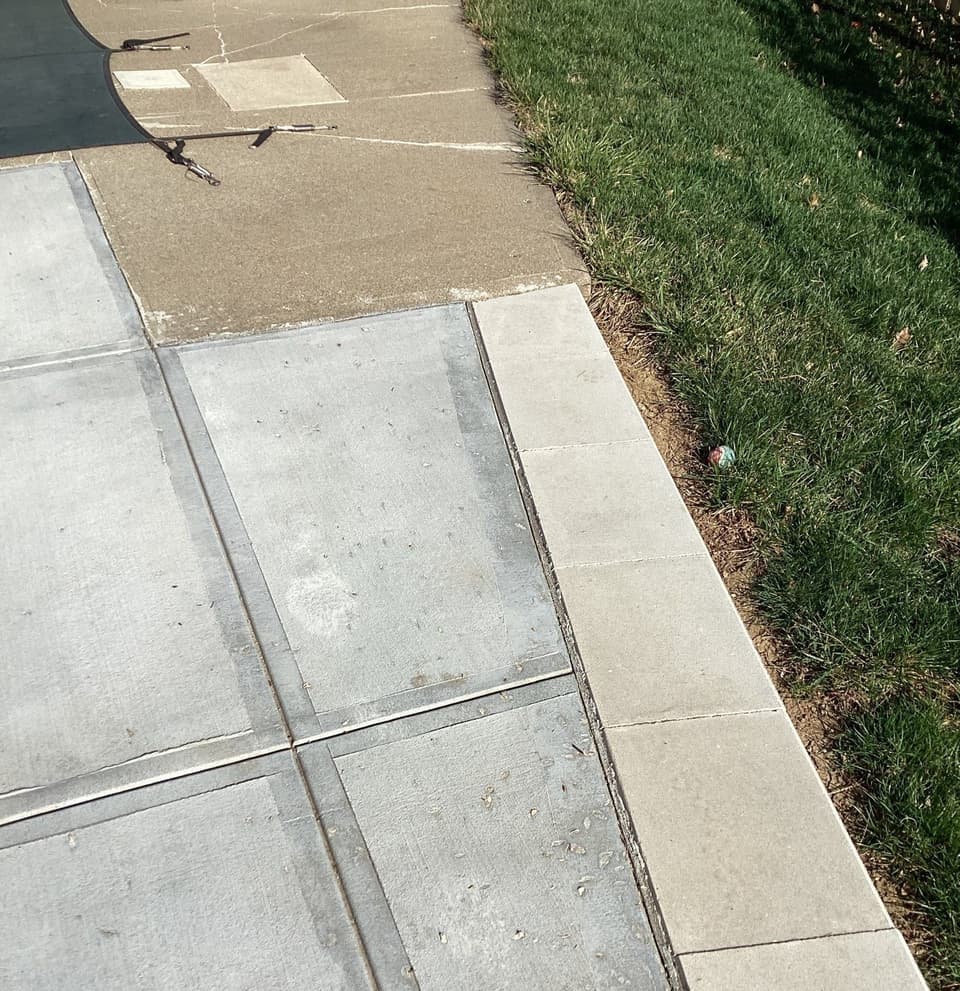
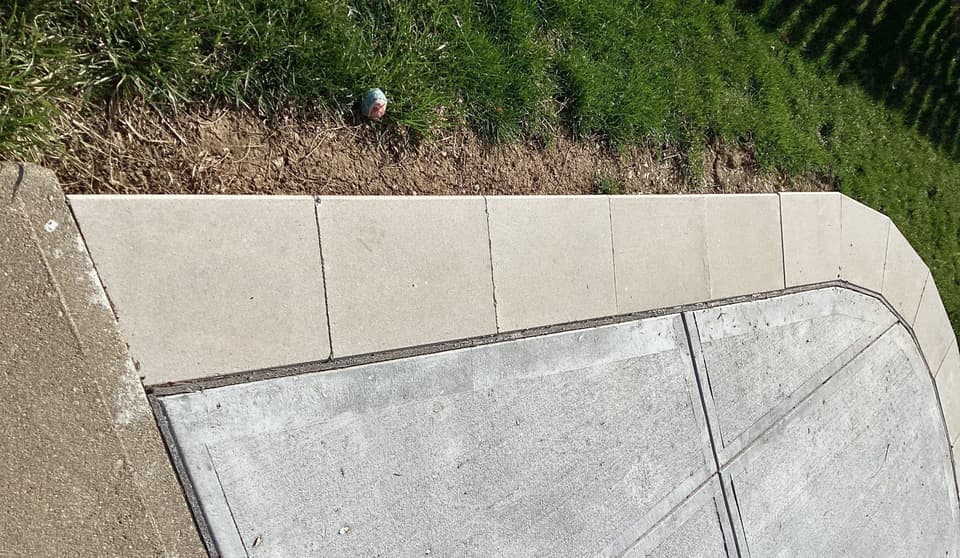
Completed work photographed on real job sites across Nebraska, Iowa, Kansas, and Missouri.
Epp Foundation Repair is locally owned and operated, with crews dedicated exclusively to foundation, basement, and concrete work across the Midwest.
Foundation repair, waterproofing, and concrete leveling are our entire focus, not a sideline.
Three decades of experience with Midwest soils, basements, and weather conditions.
Recognized by the Better Business Bureau for integrity and ethical business practices.
Many of our repairs carry a written Epp warranty. The warranty page lists every covered repair and its terms.
Don't see your question here? Our team is happy to help. Reach out anytime.
Every home is different. What a repair costs depends on the cause, the scope, and access. A free on-site inspection produces a Customized Repair Estimate that reflects your home, not a typical range.
Inspection and Customized Repair Estimate: no-cost on-site visit. Customized Repair Estimate after on-site inspection reflects your scope.
Don't seal end-of-life concrete. Multiple structural cracks on a single slab, crumbling edges, or widespread surface spalling means the slab is finished and sealing will not hold. Removing the slab and pouring new concrete is the right scope. Don't seal a crack without addressing what caused it. A downspout eroding the sub-slab fill will keep eroding it after the crack is sealed, and the sealing can fail. Don't use rigid epoxy on exterior concrete in this climate. Freeze-thaw and thermal cycling can crack the bond; flexible polyurethane is the correct chemistry. Don't pay to seal a hairline crack too narrow to admit water. Surface tension already keeps water out and the work is purely cosmetic. Don't call a foundation contractor for paint failure, salt spalling, or surface staining. That is mason or decorative concrete contractor scope, not crack repair scope.
Epp Foundation Repair holds BBB A+ accreditation and is a BBB Integrity Award winner.
Our team walks through this on camera.
Every concrete repair method we install. Sequenced so the soil profile and failure mode determine the fix.
 01
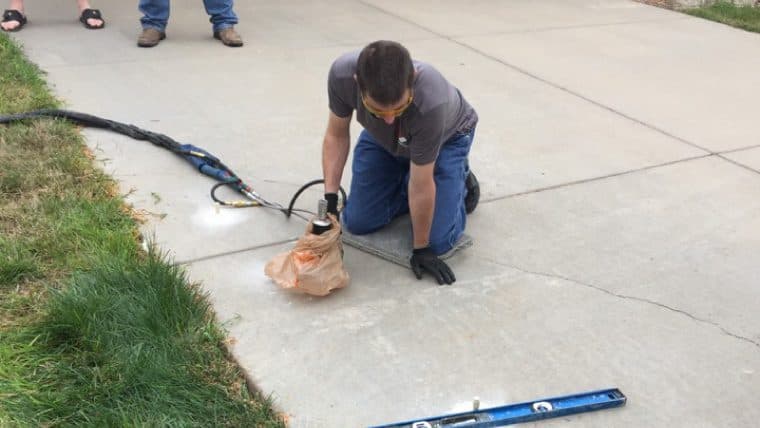
01 Concrete lifting and leveling from Epp Foundation Repair. Mid-soil polyurethane foam injection for clean residential lifts, and slab piers when the load justifies deep support; Epp does not perform mudjacking. Serving NE, IA, KS, and MO since 1994. The right scope when the slab is salvageable; when the concrete is cracked beyond repair, Epp removes the section and pours new concrete instead.
Learn more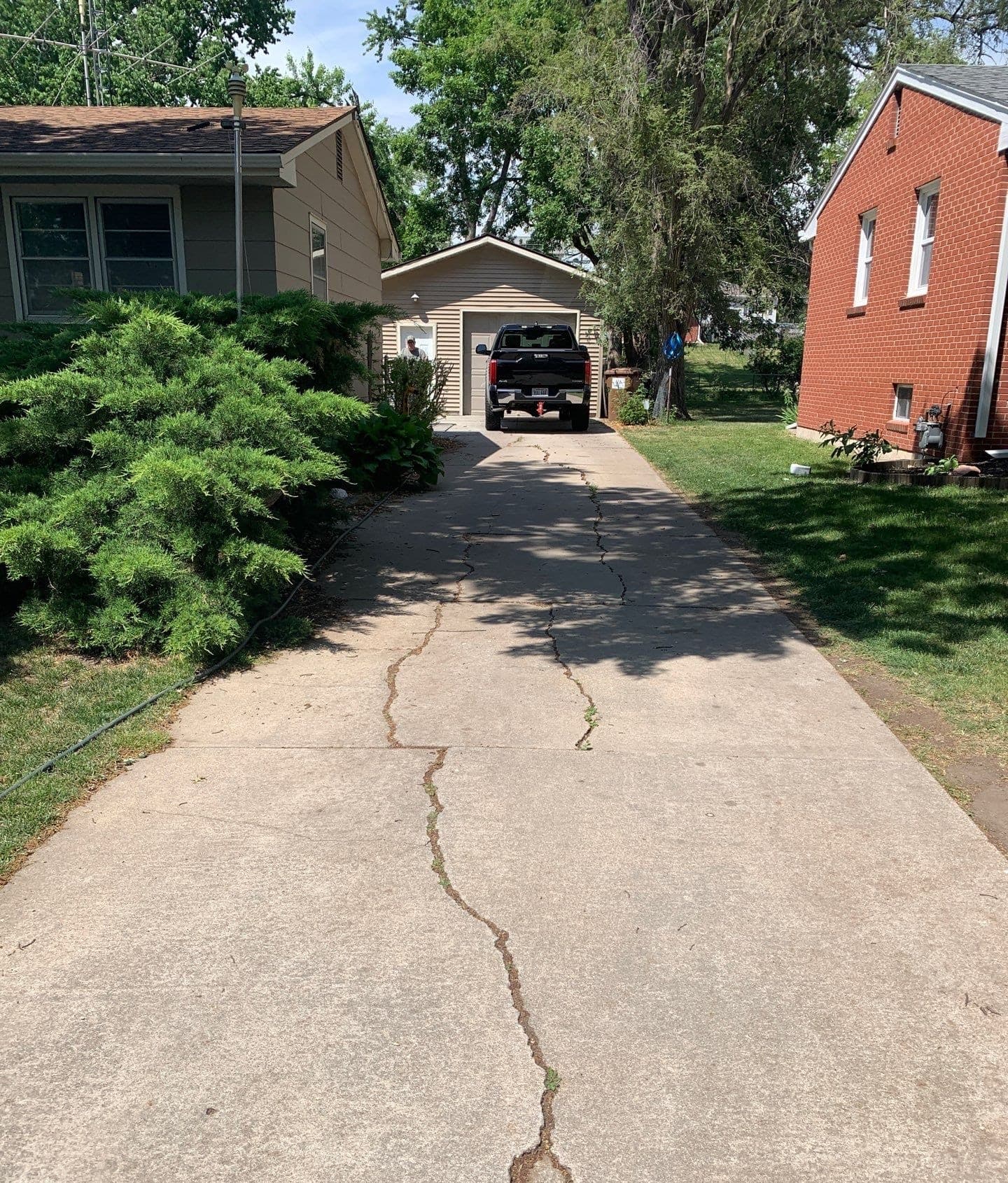 02
02 Driveway repair from Epp Foundation Repair. Settlement lift with mid-soil polyurethane foam, never mudjacking, flexible polyurethane sealing on stable cracks, honest replacement pour when sections are end-of-life. Apron-to-street settlement, edge drop, center heave, and base-failure cracking across NE, IA, KS, and MO since 1994. Combined scope: Epp lifts and seals what's salvageable, and pours new concrete on sections that need replacement.
Learn more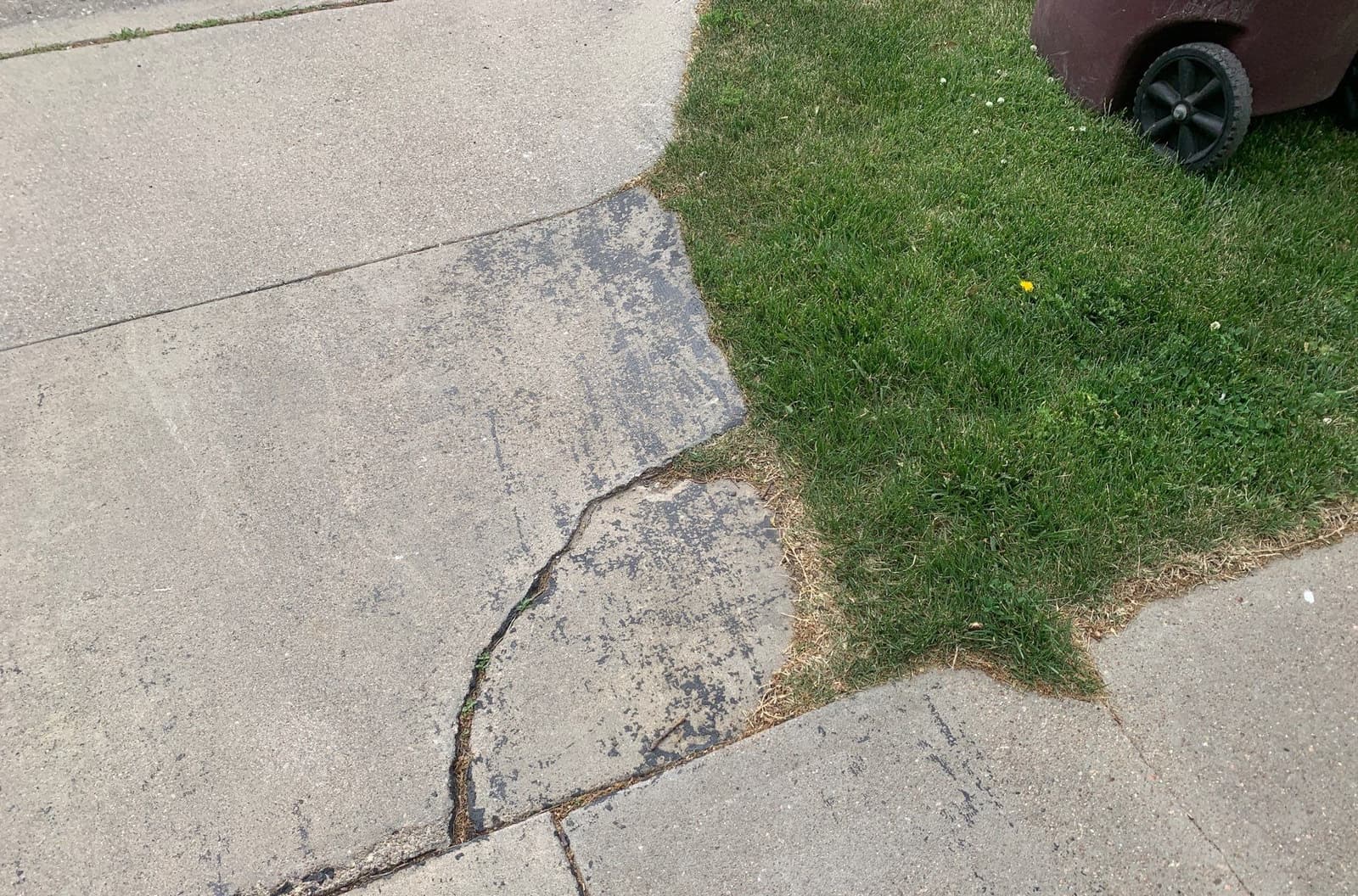 03
03 Sidewalk repair from Epp Foundation Repair. Section lift with mid-soil polyurethane foam to eliminate tripping hazards, concrete grinding on minor offsets, flexible polyurethane sealing on stable cracks, and an honest new pour when sections are end-of-life. Tree root settlement, walk-to-driveway joint drop, freeze-heave, and salt deterioration across NE, IA, KS, and MO since 1994. Liability matters. Settled public walks can be a homeowner liability under local codes.
Learn more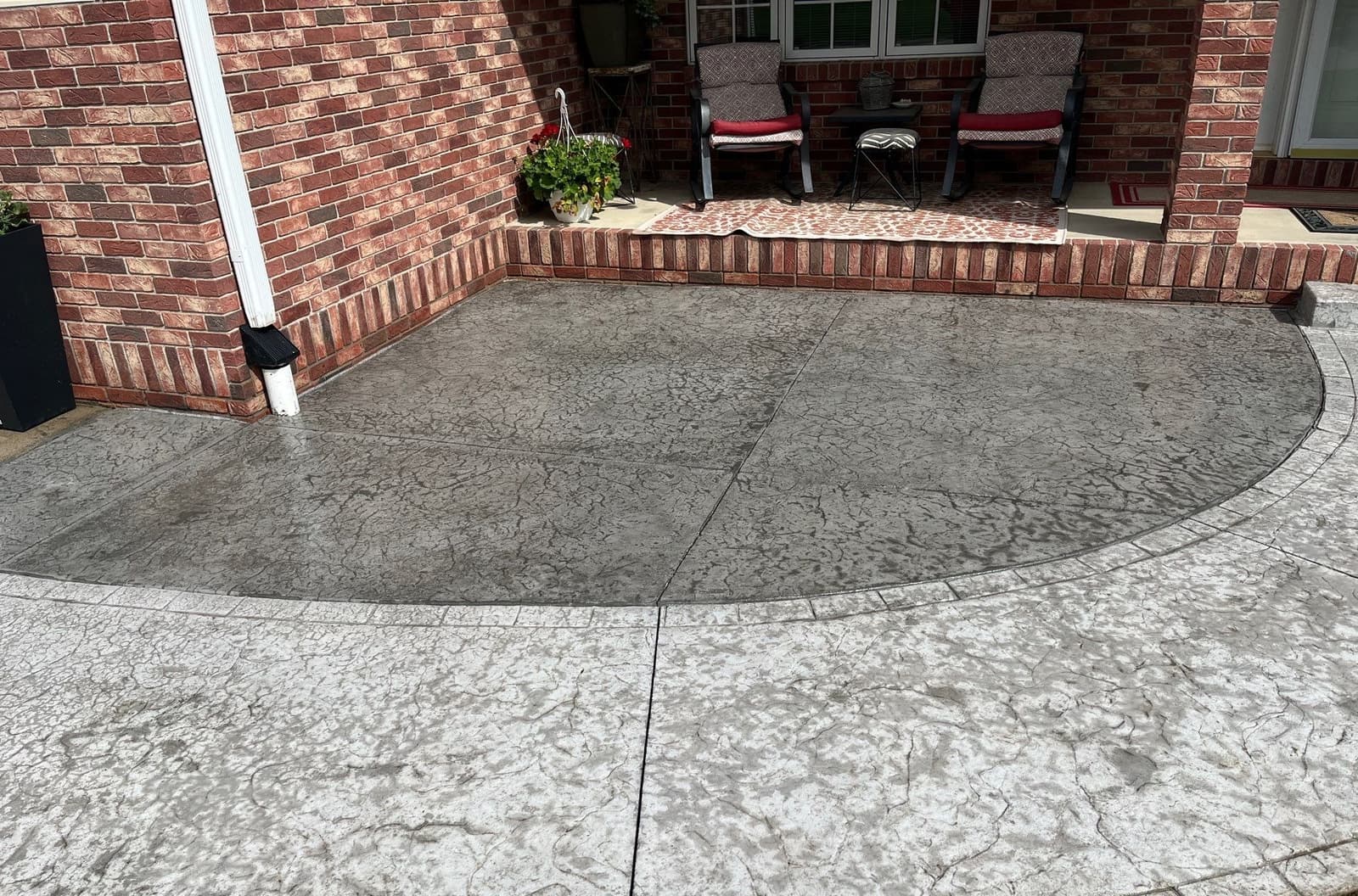 04
04 Epp Foundation Repair lifts settled patio slabs, seals working cracks, and stabilizes the soil beneath outdoor living spaces across Nebraska, Iowa, Kansas, and Missouri.
Learn more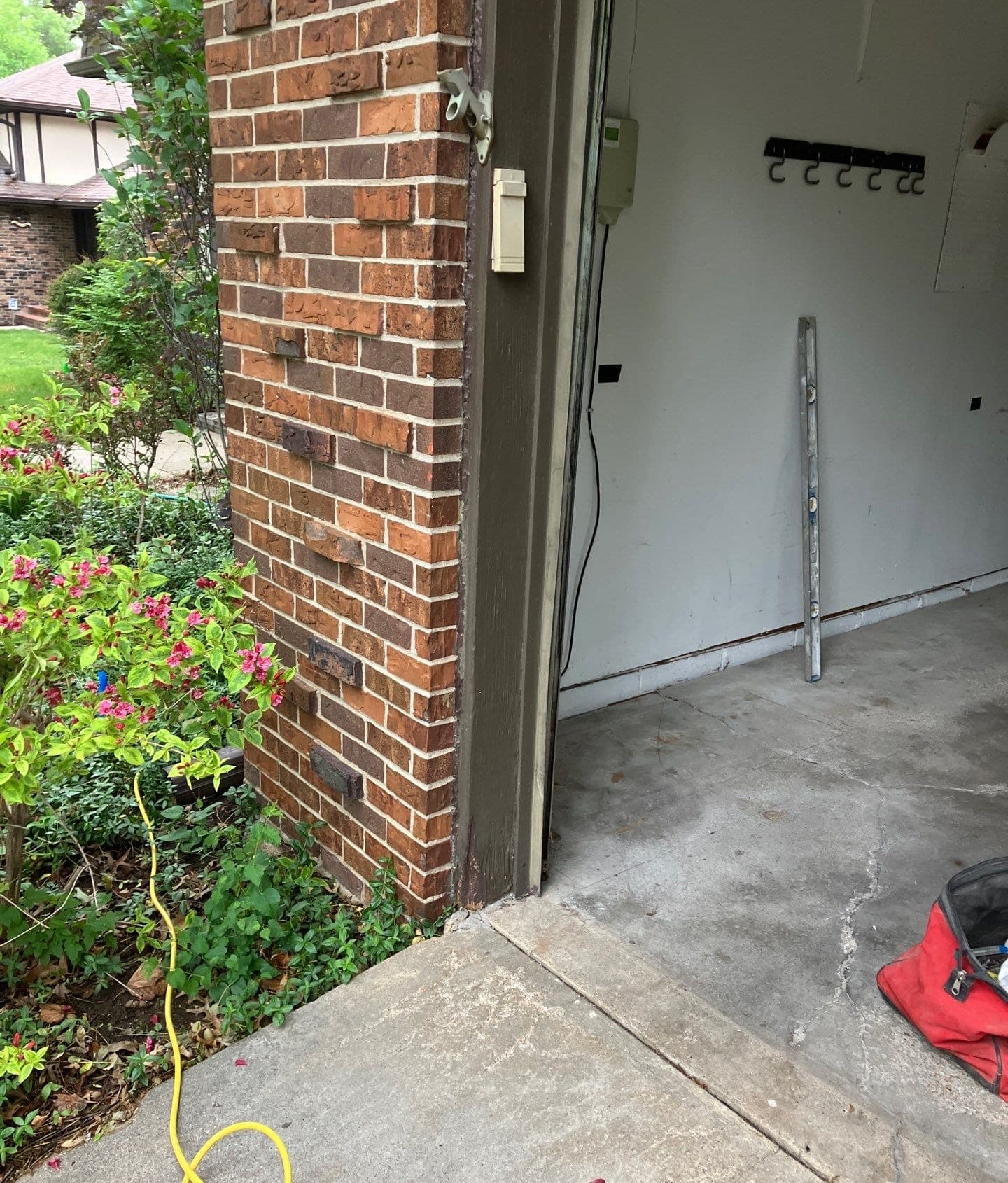 05
05 Epp Foundation Repair lifts settled garage slabs, fills voids under the concrete, and seals working cracks across Nebraska, Iowa, Kansas, and Missouri.
Learn more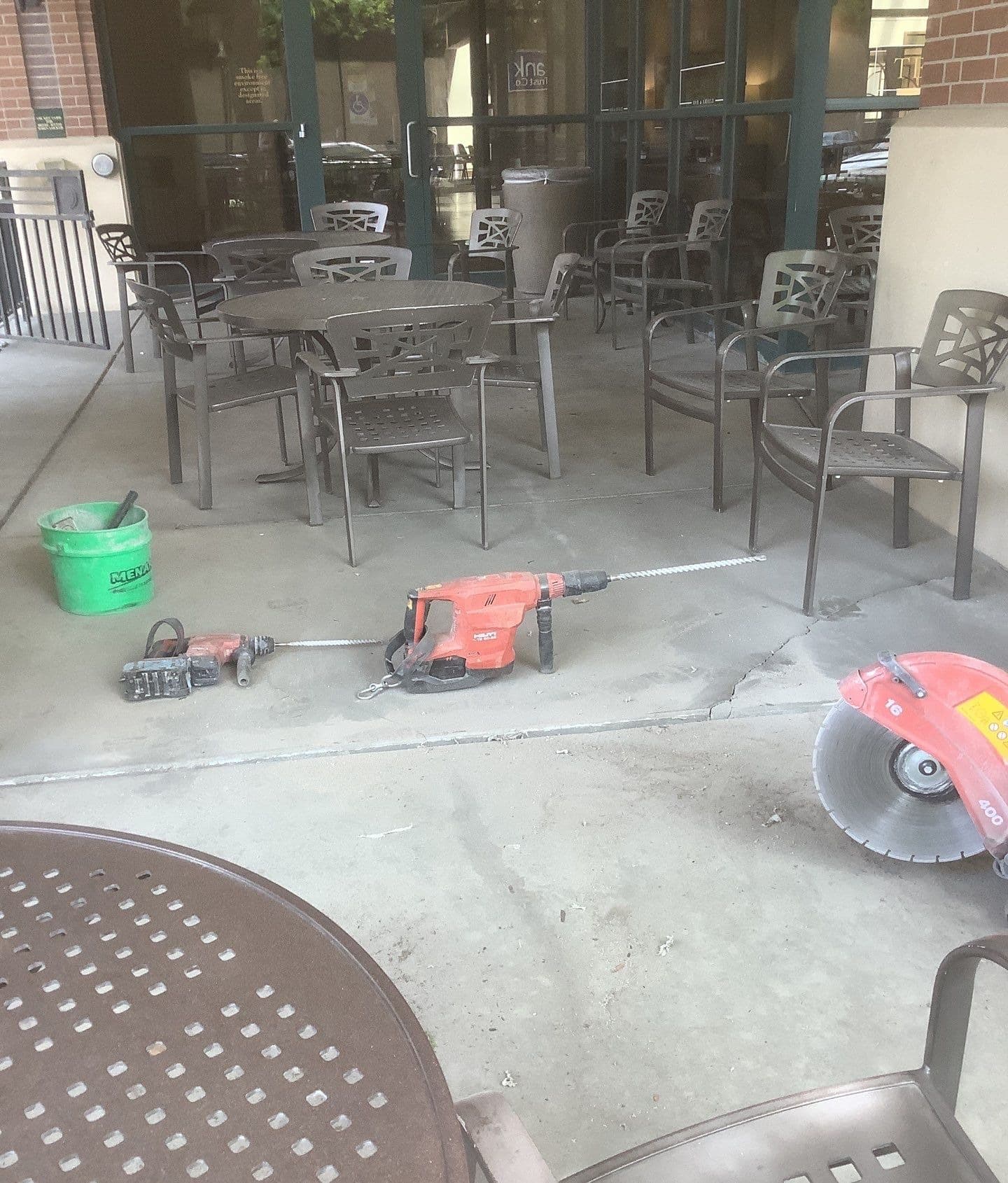 06
06 Epp Foundation Repair lifts, stabilizes, and crack-seals commercial concrete (warehouses, retail floors, parking lots, loading docks) across Nebraska, Iowa, Kansas, and Missouri.
Learn more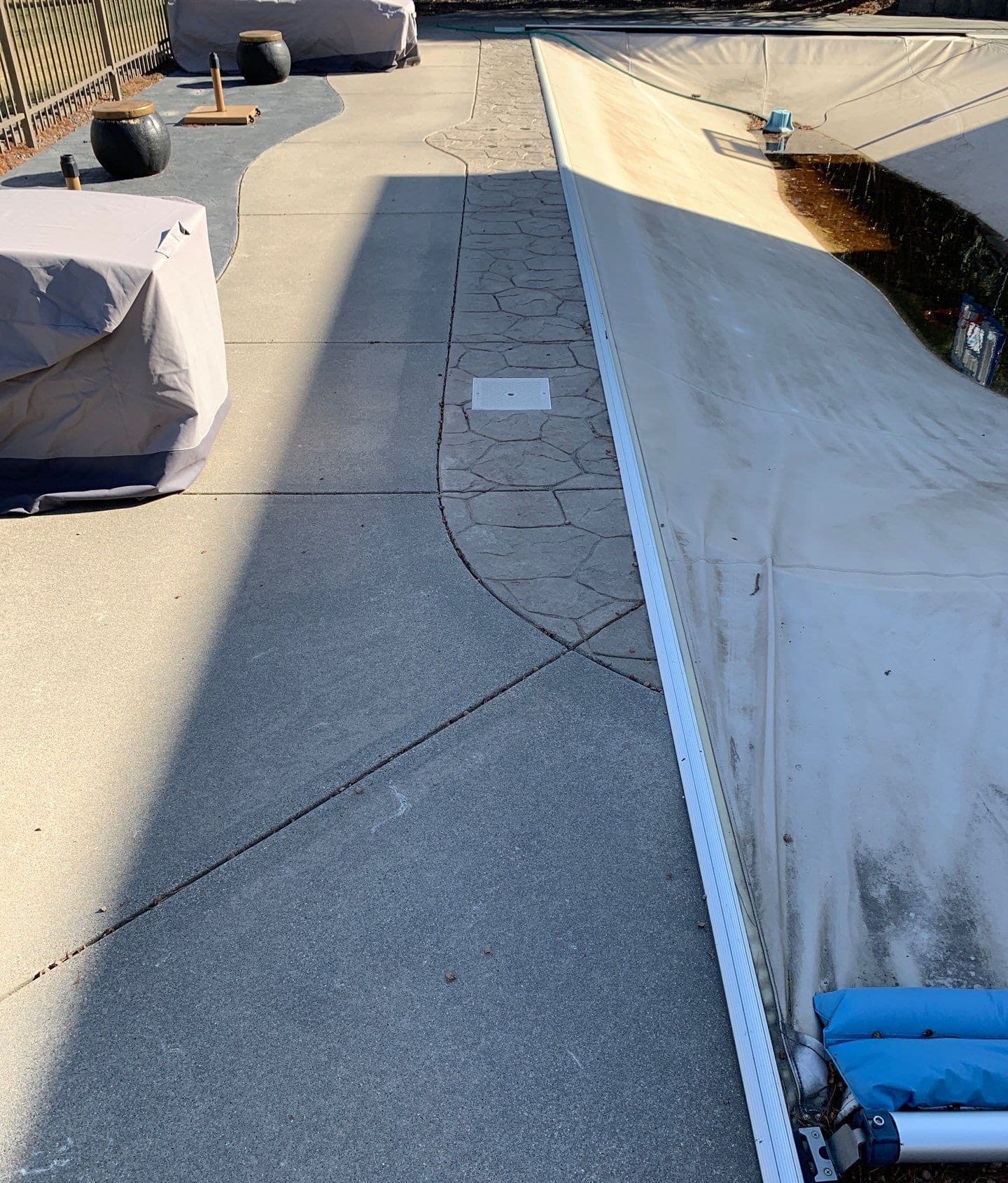 07
07 Lifting and stabilizing sunken pool deck slabs with mid-soil foam injection, plus crack and joint repair.
Learn more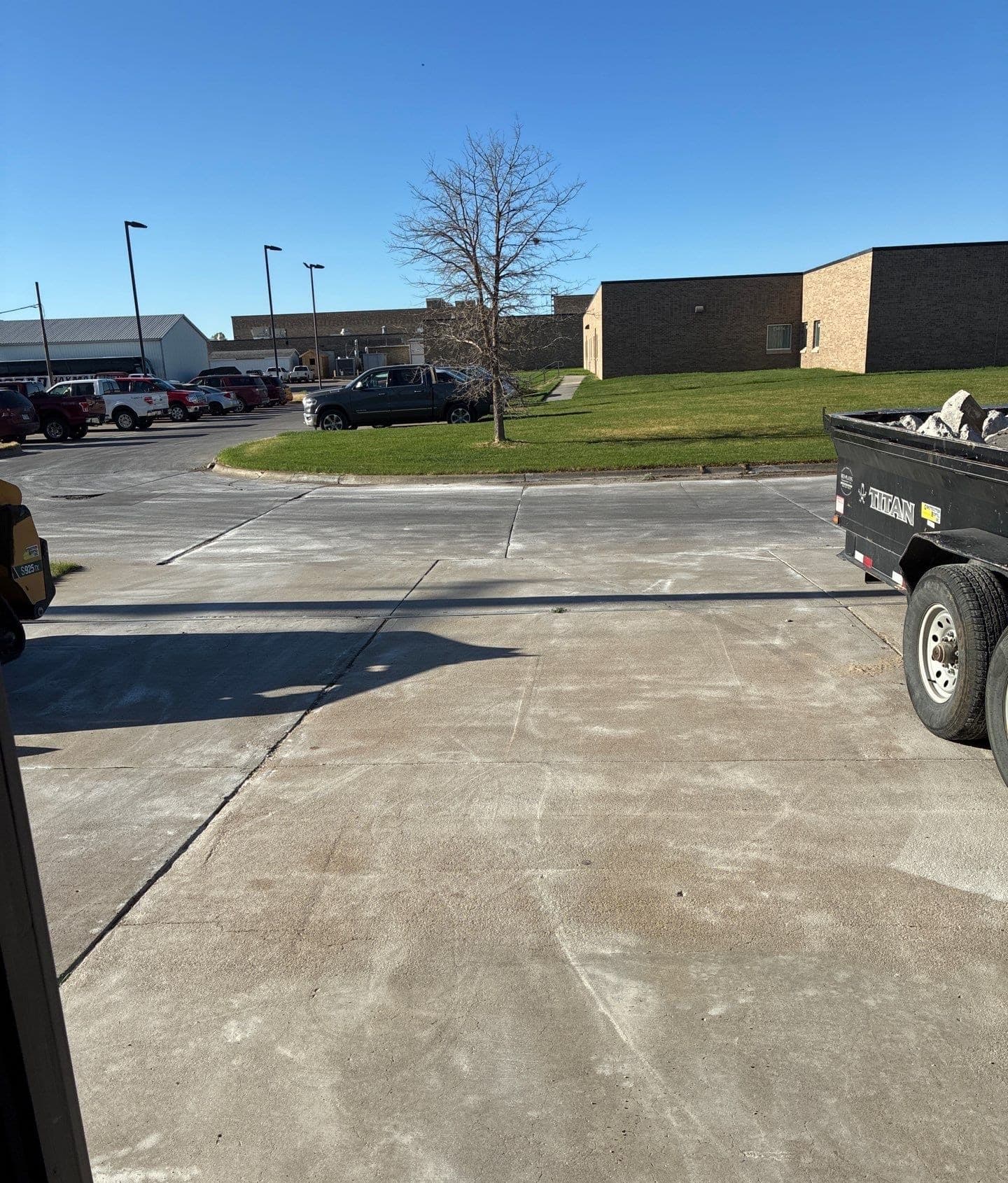 08
08 Epp Foundation Repair's free concrete inspection looks at the slab itself, probes for the void underneath it, checks the drainage and downspout placement nearby, and reads the soil context that put the slab where it is. The homeowner receives a Customized Repair Estimate, sorted into Must Do, Strongly Suggest, and Monitor, not a generic quote. Serving NE, IA, KS, and MO since 1994. Epp does not resurface concrete or install decorative overlays; those needs are referred to the right trade.
Learn moreLocal crews based in five regional offices, dispatched daily across four states. If your town isn't listed, call us: we likely serve your area.
A straightforward path from initial inspection to completed repairs.
Crack width measured with a gauge, length tape-measured, offset across the crack face noted with a straightedge, surrounding slab inspected for nearby cracks or settlement indicators. A glass or plastic crack monitor is bonded across the crack and re-measured over time when movement is questionable.
When the crack came from settlement (offset across the face, slab dropped on one side, void below), polyurethane foam injection lifts the affected slab section before sealing. This is done as a separate scope in the same site visit when access allows.
Crack cleaned with a wire brush and compressed air to remove loose concrete and prior failed sealant. Contaminated cracks (oil, salt residue, dirt) cleaned with a chemical concrete cleaner before sealing. Bond depends on a clean crack face; contaminated faces fail at the bond regardless of product quality.
A 4.9-star average across Google, with verified reviews from homeowners throughout Nebraska, Iowa, Kansas, and Missouri.
Schedule your inspection in seconds with our Driive booking tool, or share a few details and a local specialist will follow up within one business day.
Practical articles from the Epp team on foundation health, waterproofing, and home preservation.
 Concrete RepairLatest
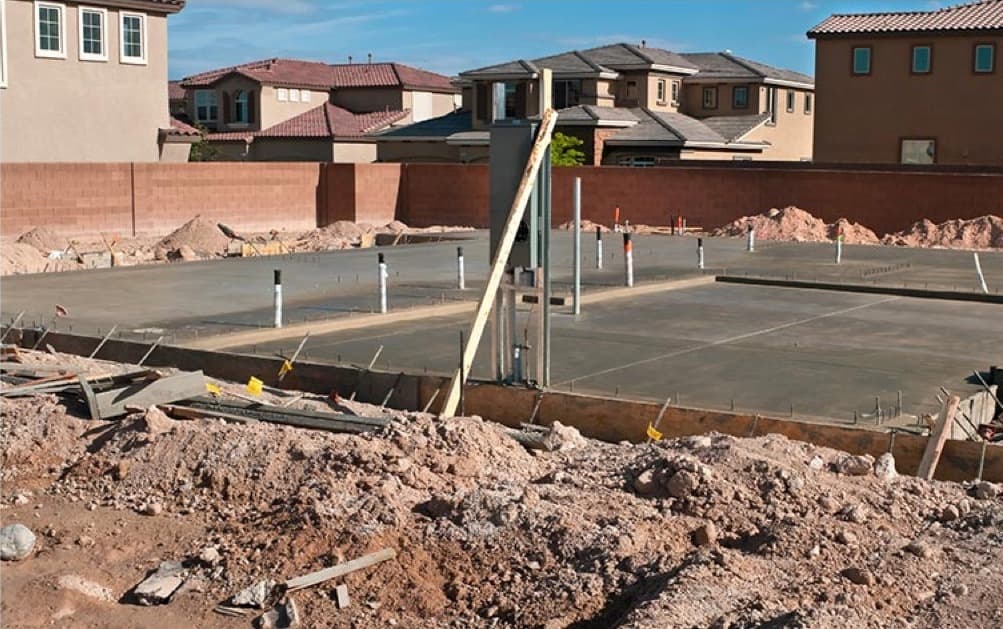
Monolithic and floating slab foundations are built differently and behave differently in the soil. Learn how each works and how they are repaired.
 Concrete Repair
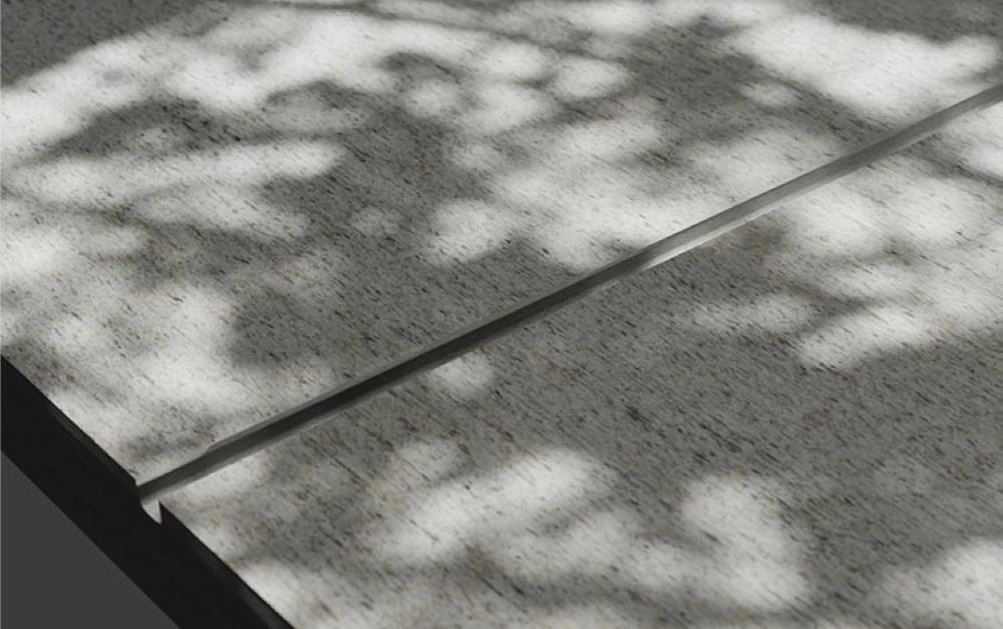
Control joints and expansion joints both protect concrete, but they work differently. Learn how each one functions and when to use them.
 Concrete Repair
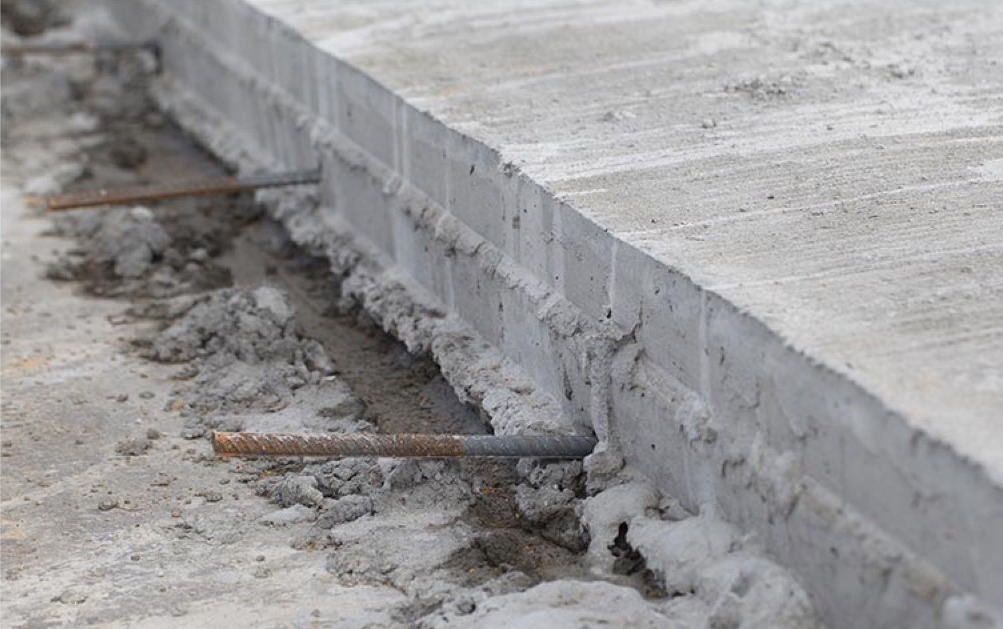
Post-tension slab foundations use tensioned steel cables to resist cracking. Learn how they work, their pros and cons, and common repairs.
 Concrete Repair
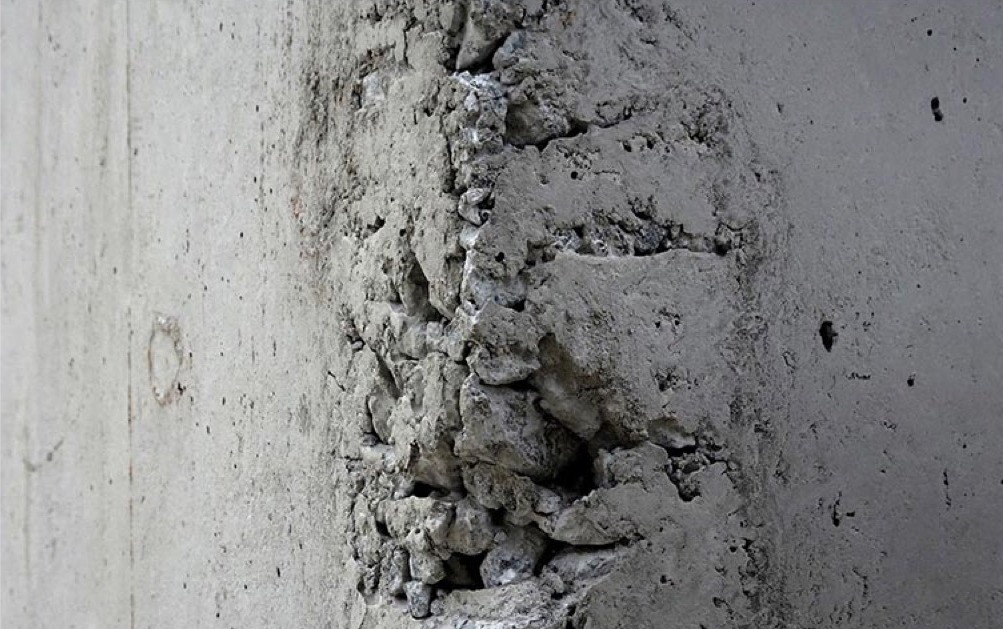
Honeycombing is a common concrete defect caused by poor mixing, compaction, or pouring. Learn what causes it, its risks, and how it gets repaired.
