
Estimate Only
Approximate pricing
Inspection and Customized Repair Estimate: no-cost on-site visit. Customized Repair Estimate after on-site inspection reflects your scope.
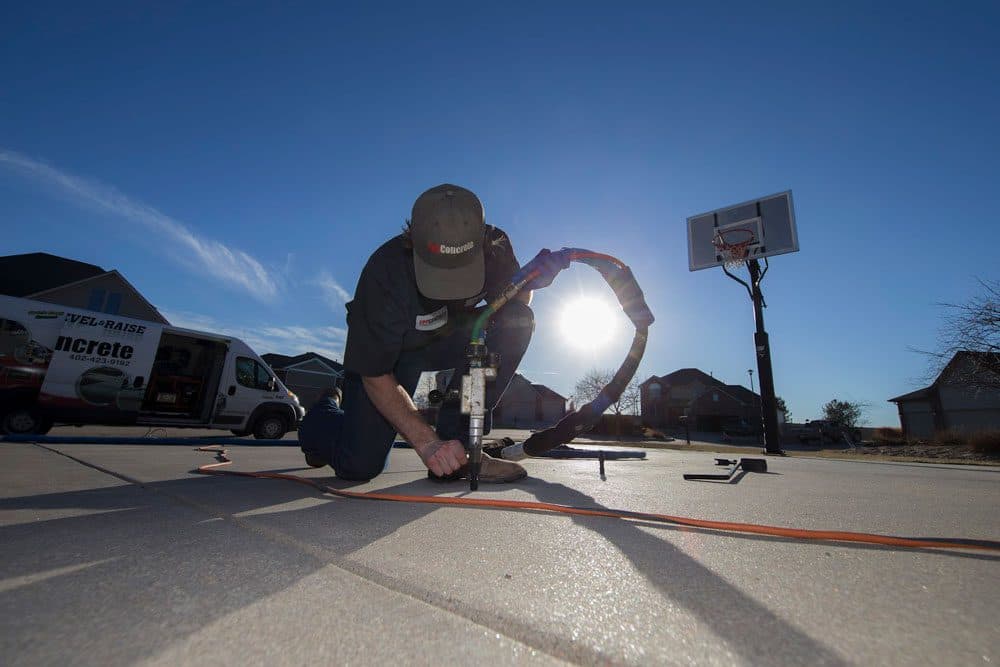
A settled sidewalk on the public walk can be a homeowner liability under local codes. Serving Nebraska, Iowa, Kansas, and Missouri since 1994, Epp Foundation Repair lifts settled sections with mid-soil polyurethane foam, grinds minor offsets when lift isn't justified, seals cracks with flexible polyurethane, and pours new panels when the concrete is end-of-life.

A local specialist will inspect your foundation, walk you through the findings, and send a clear estimate, no cost, no pressure.
Diagnosis First
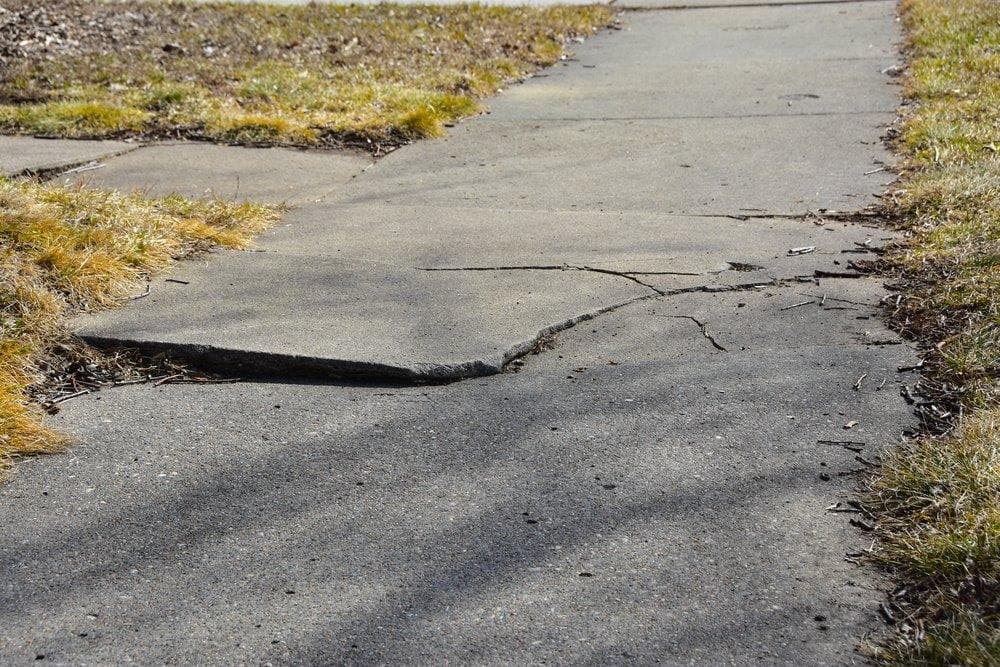
Sidewalk repair diagnoses each settled panel by measuring the vertical differential at every joint, since local codes can treat a panel drop as a tripping hazard. Panels that have settled get lifted with mid-soil polyurethane foam, minor offsets can be ground flush instead, and end-of-life panels are removed and poured new on corrected ground.
In Depth
Everything a Midwest homeowner should know about this repair, from the specialists who do it every day.
A settled sidewalk is not a cosmetic problem. In many local jurisdictions, the homeowner is responsible for the condition of the public walk in front of their property, and a tripping hazard injury can result in a personal injury claim against the homeowner. Epp Foundation Repair's concrete repair division has lifted and repaired sidewalks across the four-state territory since 1994, and the inspection always starts by measuring the differential at every panel joint with a straightedge. Most sidewalk repair scopes are smaller than driveway scopes. It might be one panel here, three panels there, or the corner where the silver maple root has lifted the slab. The repair method choice (foam-lift, grinding, or replacement) comes down to differential height, panel condition, and liability exposure.
Grinding is fast and cheap. The problem is what grinding leaves behind. The graded surface is rough, drains differently than the surrounding concrete, and the underlying soil that caused the original differential keeps settling. So the section that was ground flush can develop a new differential. The homeowner is back at the same problem and the ground surface is now visibly different from the rest of the walk. Lift addresses the void underneath, and the soil column is consolidated by the mid-soil foam injection. The liability conversation also looks different. A lifted section blends with the surrounding walk, while a ground section reads as a 'patched' repair. Epp recommends lift on any settled section where the lift scope is justified, and grinding only when the differential is minor, the void is shallow, and the homeowner has weighed the tradeoffs. ## How Sidewalks Fail in NE, IA, KS, MO: The Four Patterns
Tree root pressure, the biggest single cause in residential settings. Silver maples, cottonwoods, and hackberries (common shade trees across this territory) develop surface root systems that grow under sidewalk panels and physically lift the slab as they expand. Large differentials at the affected panel are common as the trees mature. Lift is the right scope when the root has stopped growing under the panel; root pruning by an arborist (separate trade, not Epp) may be needed first if the root is still active. Removal of the tree is rarely the right answer for an established shade tree. Settlement at the walk-to-driveway joint. Where the public sidewalk meets the residential driveway, the two slabs sit on different fill systems. The driveway fill was placed during basement excavation; the sidewalk fill was placed during the public-works pour. Over time, the joint between them develops differential settlement, usually with the sidewalk dropping relative to the driveway. Foam-lift raises the dropped panel. Freeze-heave at expansion joints. Saturated soil under an expansion joint freezes and expands, lifting one panel above the next each winter. Some panels settle back during spring thaw; some don't. Repeated freeze-heave damages the slab edges and admits more water into the sub-slab area. Drainage correction (re-grading, downspout extension) addresses the source; foam-lift restores the affected panels. Salt deterioration of the surface. De-icing salt across Nebraska, Iowa, Kansas, and Missouri winters attacks the concrete surface, producing scaling, pitting, and spalling. This is cosmetic and structural damage at the surface, not settlement. Lift doesn't fix it; sealing doesn't fix it. The right scope is a new pour when the surface damage is widespread, or a topical surface coating contractor when the damage is mild. Epp says so on the inspection.
Local municipal codes define a tripping hazard by a vertical differential between adjacent sidewalk panels at a joint, and the threshold varies by jurisdiction. In many municipalities the homeowner is responsible for maintaining the public walk in front of the property to the local standard, and the city or county can send a repair notice if a hazard is reported. Failure to repair after notice can result in the city repairing it and billing the homeowner. The inspection always measures every joint with a straightedge and identifies which differentials cross the local threshold. Repair priority is set by liability exposure as much as by cost.
Joint-by-joint inspection. Every panel joint measured with a straightedge for vertical differential. Crack pattern noted on each panel. Surface condition (scaling, spalling) noted. Adjacent root systems identified. Drainage source flagged. Inspection produces a panel-by-panel scope: which panels lift, which joints get ground if appropriate, which cracks seal, which panels need replacement. Tree root assessment, with arborist coordination if the root is still growing. When tree root pressure is the settlement cause, the question is whether the root is still actively expanding. If yes, root pruning by an arborist precedes any lift. Otherwise the root keeps growing and can re-lift the panel. This is arborist scope, not Epp. Epp identifies the situation and recommends the timing. Foam-lift settled panels. Ports drilled across each settled panel, with tighter spacing than driveway work because sidewalk panels are smaller and the lift target is more precise. Mid-soil polyurethane foam injected to consolidate the loose soil and lift the slab. Rotary laser monitors lift in real time. Concrete grinding when lift isn't justified. On minor differentials where the void is shallow and the homeowner has weighed the tradeoffs, concrete grinding takes the high side down to flush. It is used judiciously, not as the default. Grinding is right on light commercial walks where future settlement will be re-ground rather than relifted, and on residential cases where the cost gap matters and the liability exposure is judged minor. Crack sealing on stable cracks. After lift settles, cracks are inspected for residual width and offset. Stable cracks cleaned and sealed with flexible polyurethane. Cracks closed mechanically by the lift may not need sealing. Replacement panels removed and poured new. End-of-life panels have widespread surface spalling, multiple structural cracks, or crumbled edges. Epp breaks out the failed panel, corrects the ground that caused the failure, and pours a new panel on properly prepared base. Installed flatwork carries a 1 year limited warranty from substantial completion against material defects and workmanship errors that cause the flatwork to fail to perform as intended under normal use, with the exclusions and conditions set out in the flatwork warranty terms. Concrete flatwork is not warranted to remain crack free, nor is it warranted to provide improved drainage unless explicitly stated in writing. Final walk. Homeowner walks the sidewalk with the installer before sign-off.
Epp lifts and seals salvageable sidewalk panels, and pours new ones where the concrete is finished. Here are three scenarios where replacement is the right scope. End-of-life surface damage. Widespread salt scaling, spalling, or pitting across the panel means the concrete is finished. Lift restores geometry but not surface condition; the panel still looks bad and the surface continues to deteriorate. Removing that panel and pouring a new one is the right scope. Multiple end-of-life panels in sequence. When several adjacent panels have end-of-life surface damage, replacing the run as a single new pour produces a uniform finish. Stamped, stained, or decorative concrete. Lift risks damaging the finish; decorative concrete contractor replacement is the right scope. Calling Epp to remove or prune the tree root that's causing the settlement is also the wrong scope; that is arborist scope, not Epp. Epp will say so on the inspection.
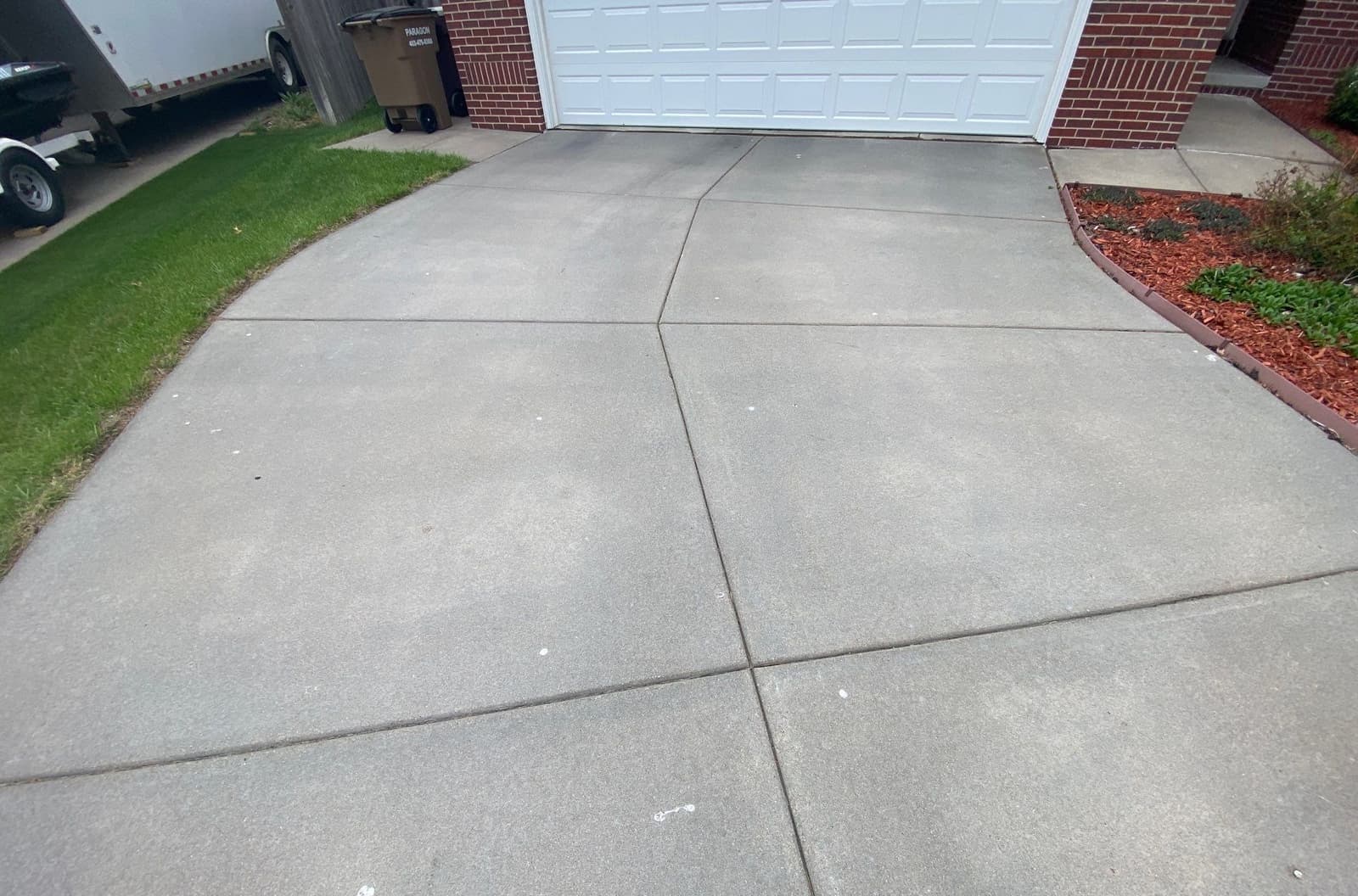
Residential sidewalks across the four-state territory were typically poured in panels separated by expansion joints, which is the right design for a region with repeated freeze-thaw cycles. Each panel can move independently of its neighbors without cracking the slab. The downside is that each panel can also settle independently. Tree root settlement dominates the failure mix in mature neighborhoods with established shade trees; walk-to-driveway joint settlement dominates in newer suburban developments where original-construction fill has compacted. Salt damage in surface scaling is heaviest near house entrances and at the curb, where homeowners and city plowing concentrate de-icing salt. Across the region, local tripping hazard thresholds and homeowner liability standards mean the inspection always considers liability exposure alongside repair cost.
Epp lifts settled sidewalk panels, grinds minor offsets, seals stable cracks, and pours new panels where the old ones are finished. There are four adjacent scopes Epp does not perform. Tree removal or root pruning. That is arborist scope; Epp identifies whether the root is still growing and recommends the timing. Decorative resurfacing, stamping, or topical surface coatings. Decorative concrete or coating contractor scope. Re-grading the landscape or installing drainage to fix the source of freeze-heave. Landscape contractor scope; Epp identifies the source. Negotiating with the city over sidewalk repair notices. Homeowner action; Epp provides documentation of the repair for the homeowner's records.
Inspection and quote:
no-cost on-site visit, with a panel-by-panel scope decision included. Customized Repair Estimate after on-site inspection reflects your scope. Epp Foundation Repair is BBB A+ accredited and a BBB Integrity Award winner.
Which Solution Is Right?
| Method | Fits when | Not a fit when | Warranty |
|---|---|---|---|
| Mid-Soil Polyurethane Foam Injection | The differential is a tripping hazard, or the homeowner wants a repair without a visible patch. | The panel's surface damage itself has reached the point of failure, such as heavy salt scaling, spalling, or pitting, where lift restores level but not condition. | 5 years from substantial completion, limited to defects in materials or workmanship |
| Concrete Grinding | The differential is minor, the void underneath is shallow, and the homeowner has weighed the tradeoffs against lift. | The differential is large, or the panel carries meaningful liability exposure, since a ground section can develop a new differential as the underlying soil keeps settling. | Ask about the warranty that applies to your project |
| Flexible Polyurethane Crack Sealing | Cracks on the panel are stable after lift or grinding, with no offset and no ongoing movement. | The crack is closed mechanically by the lift already, or the panel is end-of-life and flagged for replacement. | Ask about the warranty that applies to your project |
Warranty terms above are the headline coverage and its governing condition. Full terms, exclusions, and owner responsibilities for every method are on Epp's warranty terms page.
Each method is matched to a specific failure mode and soil profile. Browse the toolkit we draw from when diagnosing your home.
PolyLift is Epp Foundation Repair's polyurethane foam injection method for lifting sunken driveways, sidewalks, patios, and garage floors. Small ports, a two-part expanding foam, and a laser-monitored lift, with the slab walkable 15 minutes after the work is complete.
Slab jacking and polyjacking are names homeowners use for the same idea: lifting a sunken concrete slab by injecting material underneath it. Epp Foundation Repair's slab jacking work, across Nebraska, Iowa, Kansas, and Missouri, is done with polyurethane foam.
Epp Foundation Repair grinds tripping edges off sidewalks, driveways, and garage entries across Nebraska, Iowa, Kansas, and Missouri. It is a fast fix when the differential is small and the slab underneath is stable.
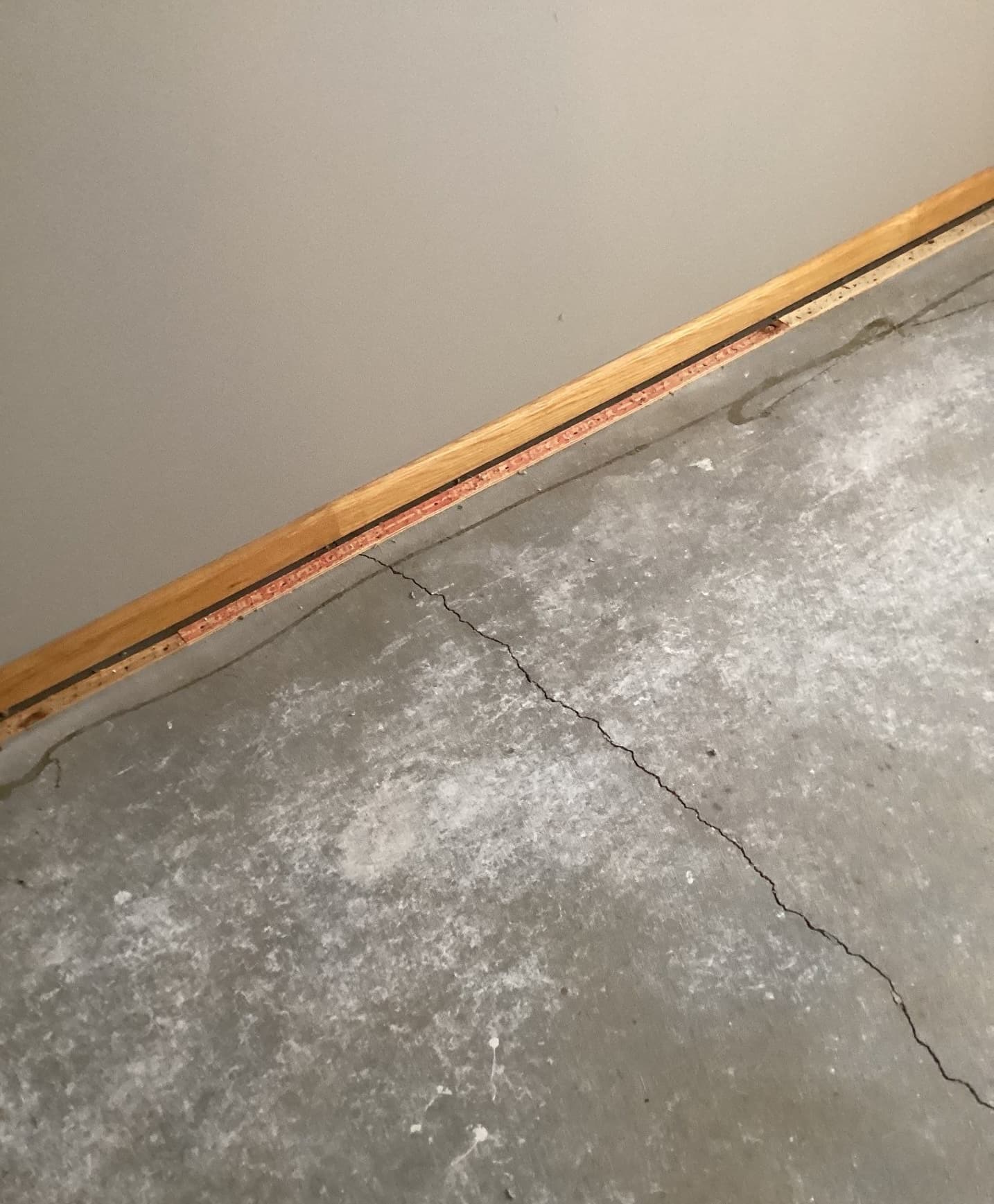
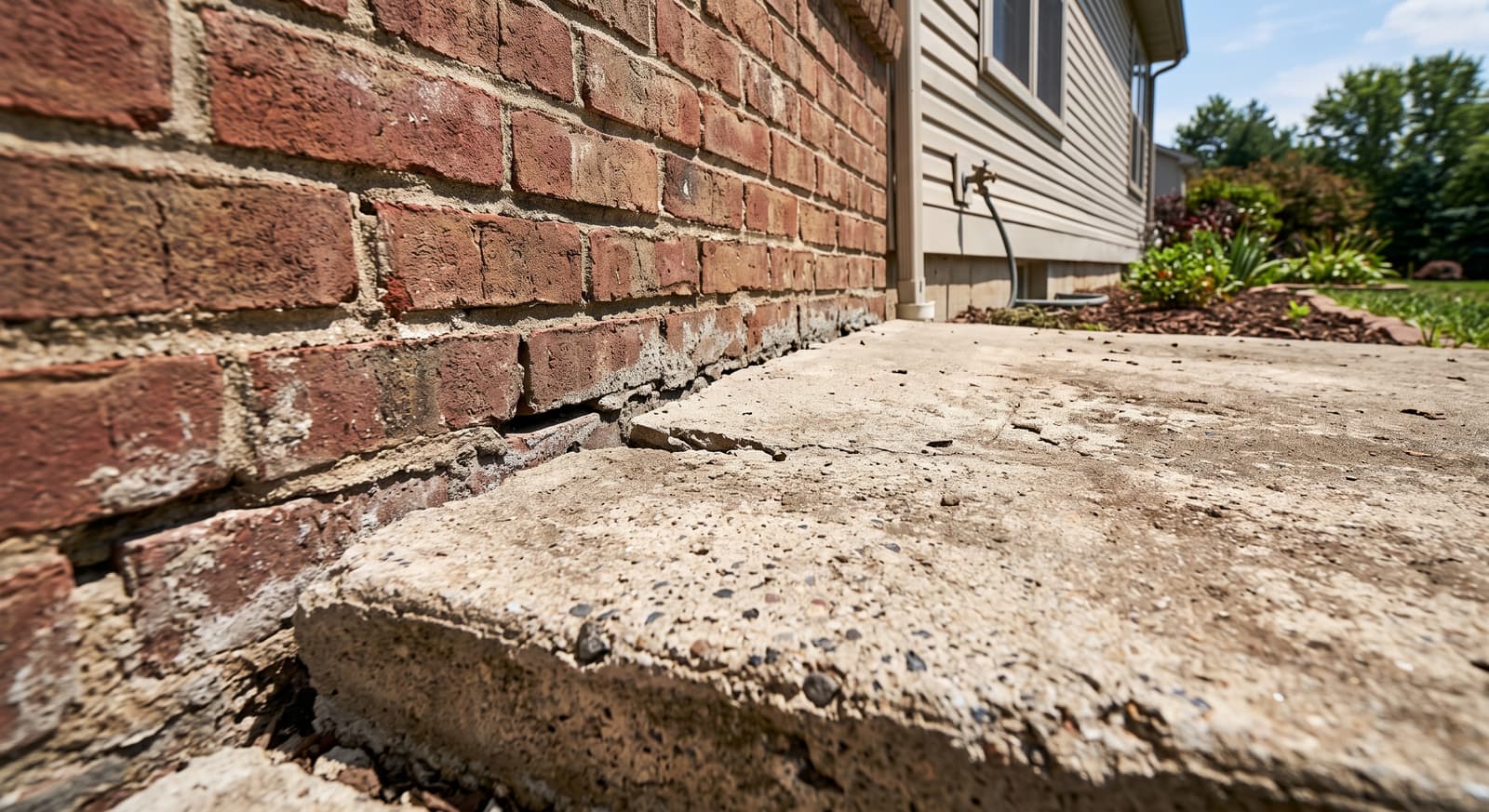
Concrete slabs rest on the soil under them. When that soil washes out, softens or settles, part of a slab can sink, tilt or crack. Small cracks that form as new concrete dries and shrinks are common, and most of them do not affect the strength of the slab.
Based on NOAA 1991 to 2020 climate normals for Lincoln Municipal Airport and Omaha Eppley Airfield.
Based on USDA soil survey data for Lancaster County (Lincoln) and Douglas County (Omaha), clay is the main soil type in both counties. The survey rates Lancaster County high and Douglas County moderate for shrink swell. Clay can swell when it gets wet and shrink as it dries, so a slab or foundation on clay can move up and down with the seasons. The soils that cover the most ground in Lancaster County are Wymore and Aksarben, and in Douglas County they are Contrary and Marshall.
Loess, the wind deposited silt common in eastern Nebraska and western Iowa, can lose strength and settle when it gets wet. Water can reach it from runoff, a plumbing leak or a downspout that empties next to the house.
In Lincoln and Omaha, soil near the surface can freeze and thaw many times between fall and spring. Each city's building code sets a frost line depth, which is the minimum depth below finished grade for a footing. It is 36 inches in Lincoln and 42 inches in Omaha. Supports that sit above that depth, such as some porches, stoops and chimney footings, can move as the ground freezes and thaws.
Horizontal cracks in a basement wall are more often linked to pressure from the soil outside the wall than to settlement. Wet soil pushes harder against a wall than dry soil, and soil that freezes against the wall can add to that pressure.
Climate: NOAA U.S. Climate Normals 1991 to 2020, LINCOLN MUNI AP (USW00014939) and OMAHA EPPLEY AIRFIELD (USW00014942), retrieved September 30, 2026. Soil: USDA NRCS Soil Data Access (SSURGO), county survey for Lancaster County and Douglas County. Frost line depth: Lincoln Municipal Code 20.12.140 and Omaha Municipal Code Sec. 43-127.
These are the concrete repair problem signs Epp Foundation Repair diagnoses most often. Each one links to what causes it and how it is repaired.
Our specialists evaluate the underlying cause before recommending any work. Inspections are at no cost and there's no obligation to proceed.
"Most homeowners don't realize the sidewalk in front of their house is their liability. They learn that the year someone trips on a 3/4-inch heave and sues. By then the lawyer's already involved and the repair is no longer just a lift. It's a lift plus deposition prep. I tell every homeowner with a measurable differential to fix it before the season turns, not after. Lifting the section is the cheapest part of that whole story."

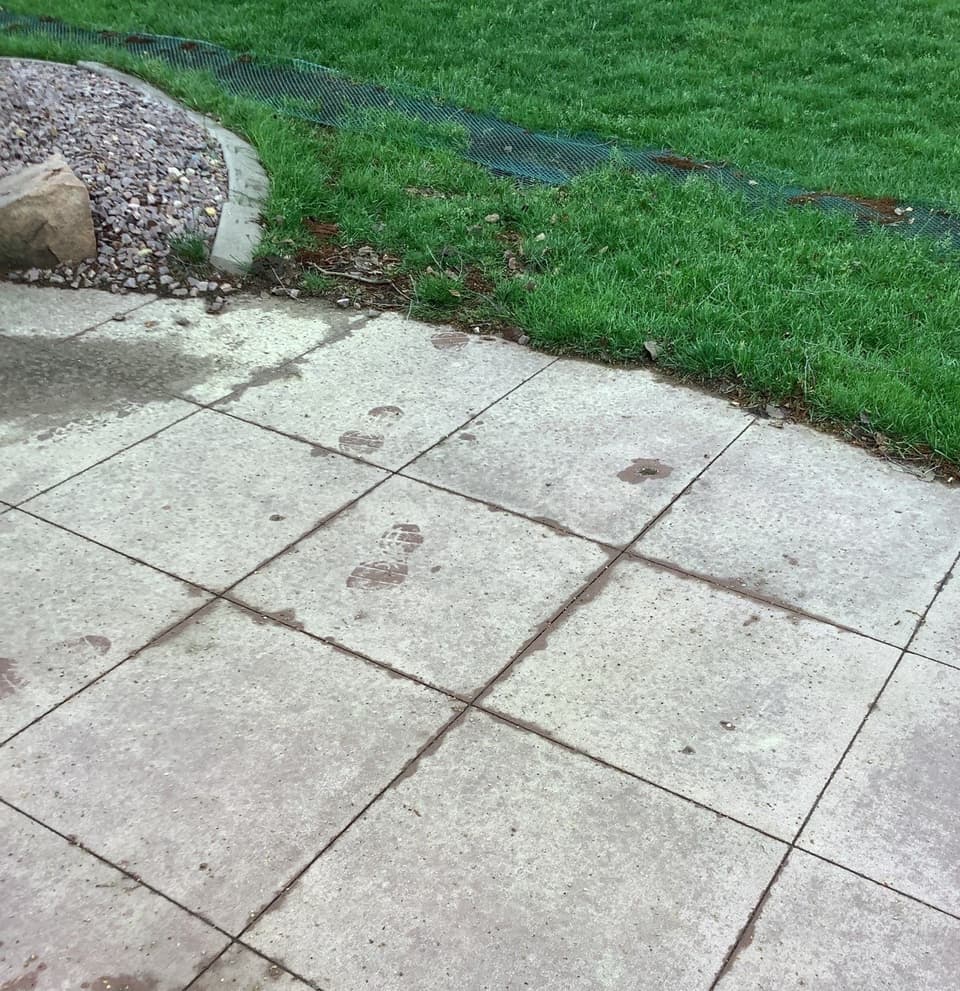
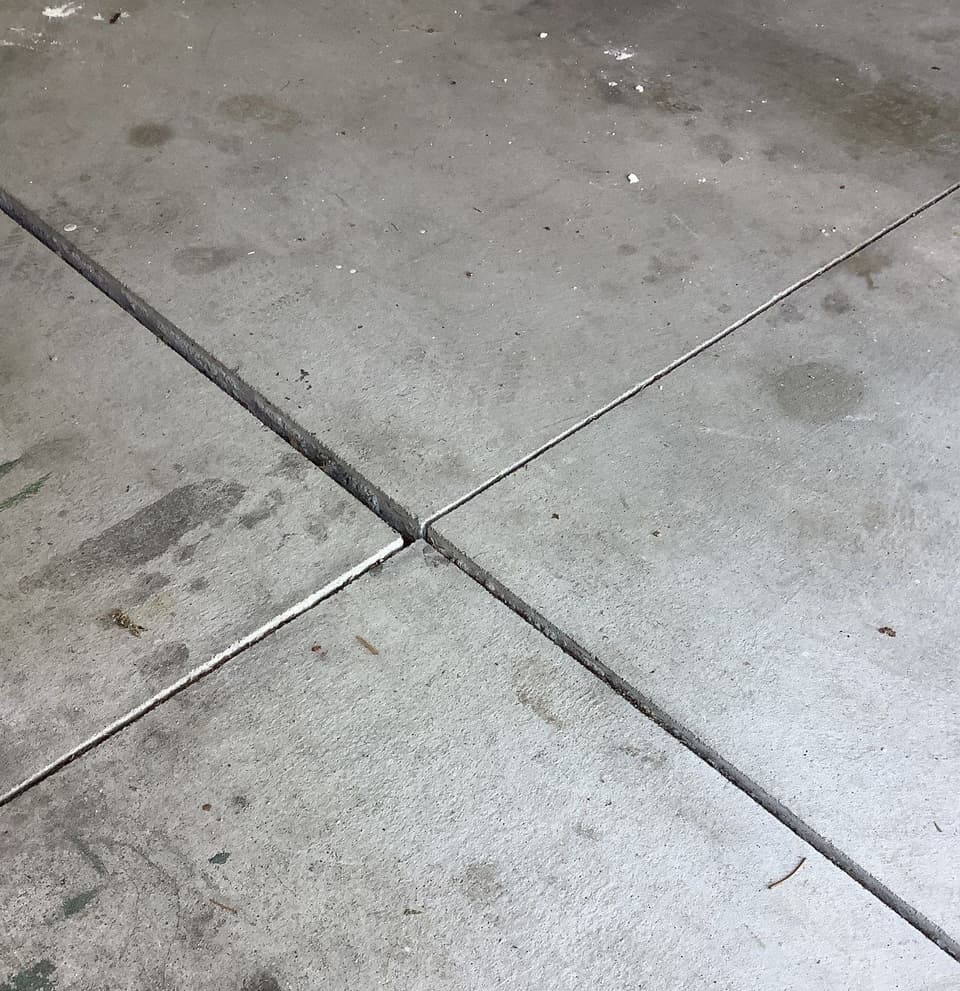
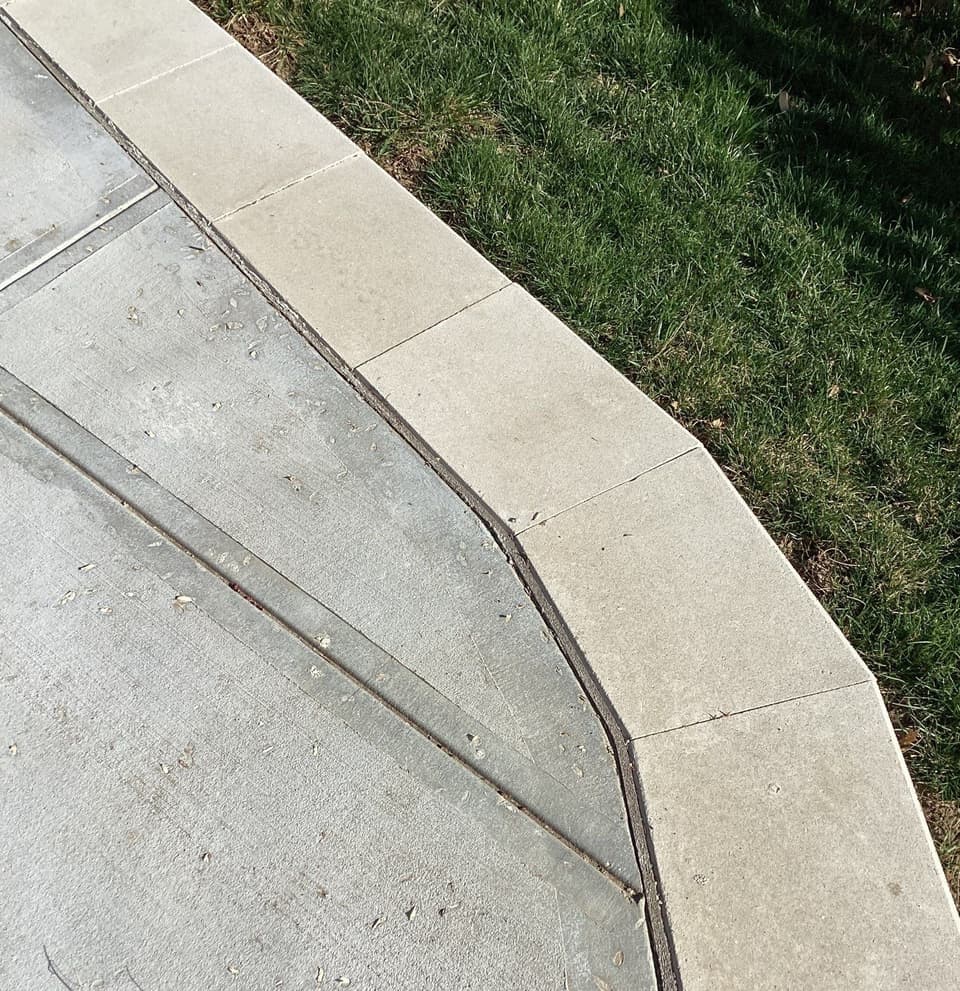
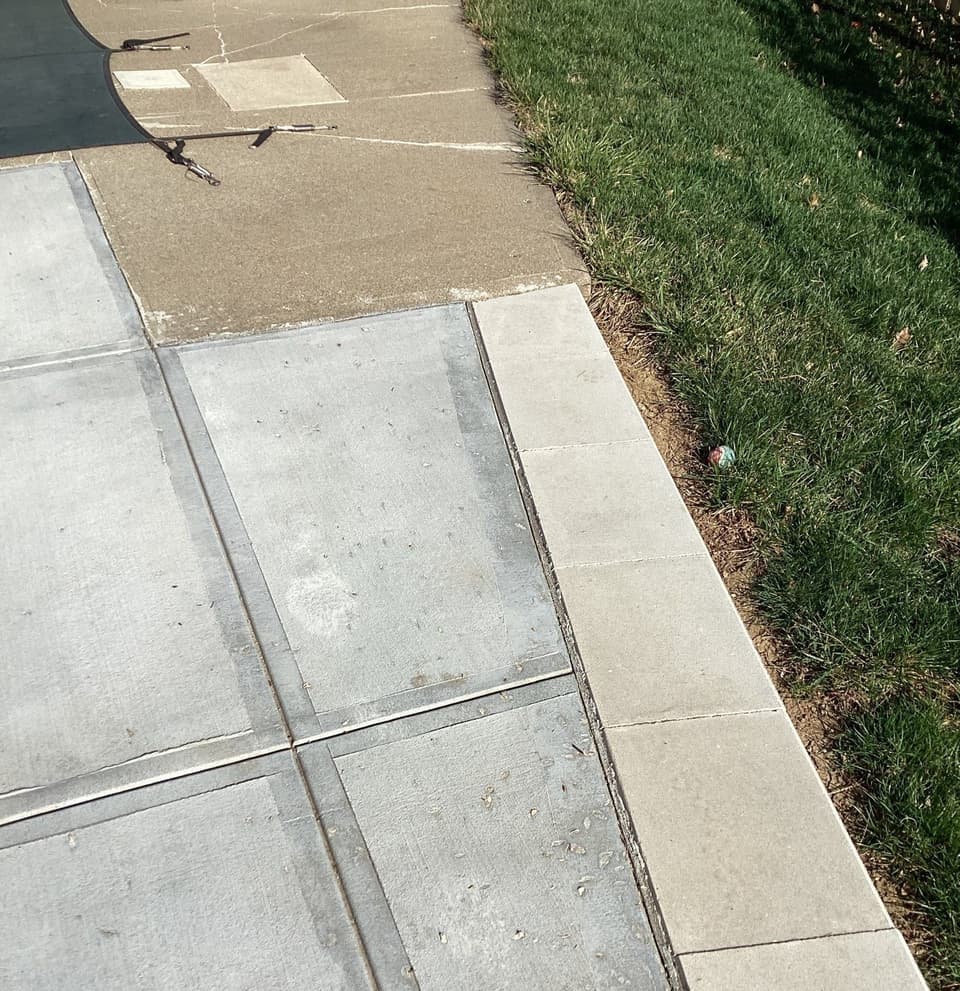
Completed work photographed on real job sites across Nebraska, Iowa, Kansas, and Missouri.
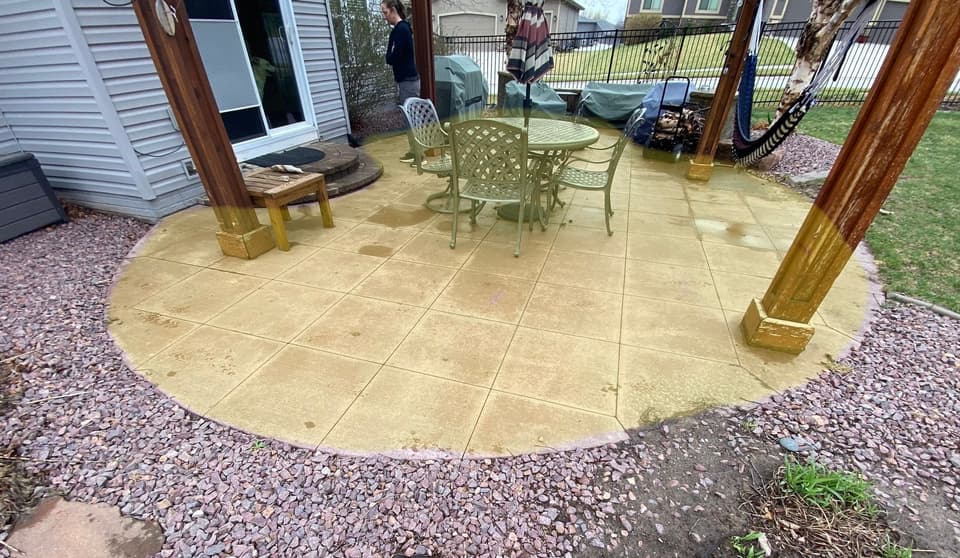
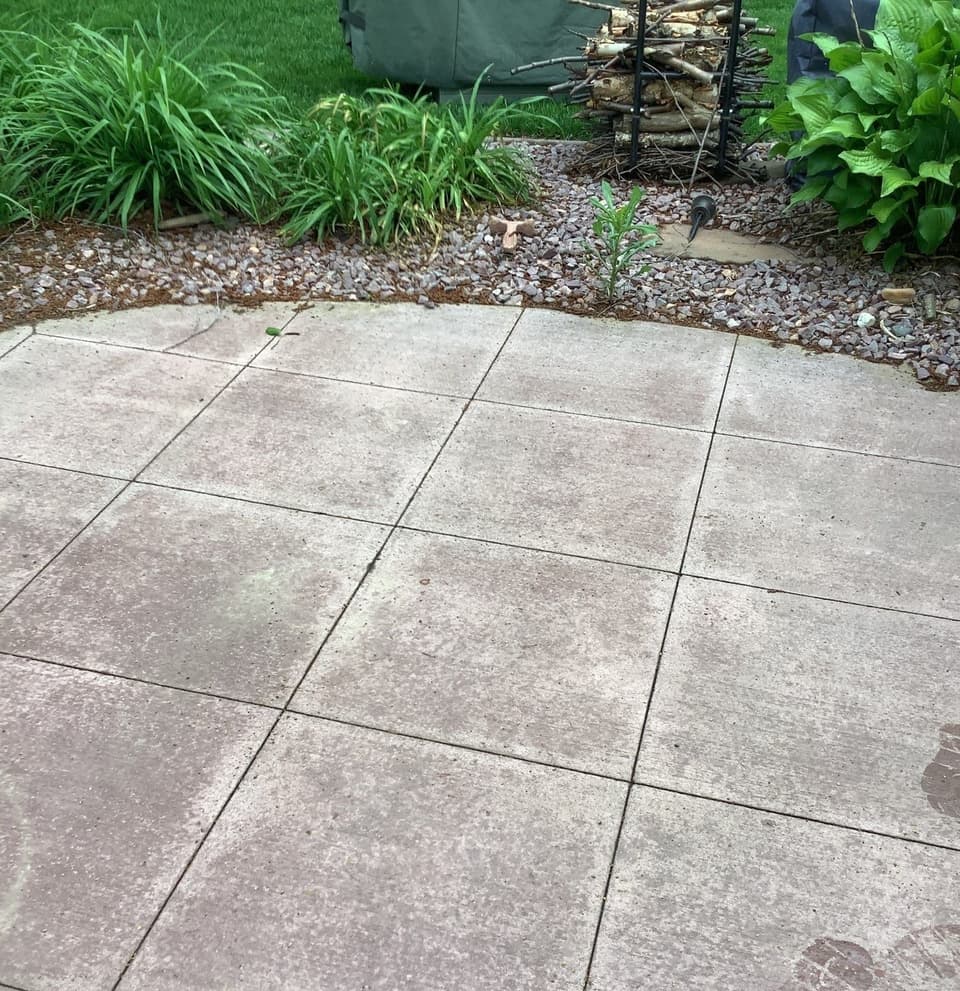
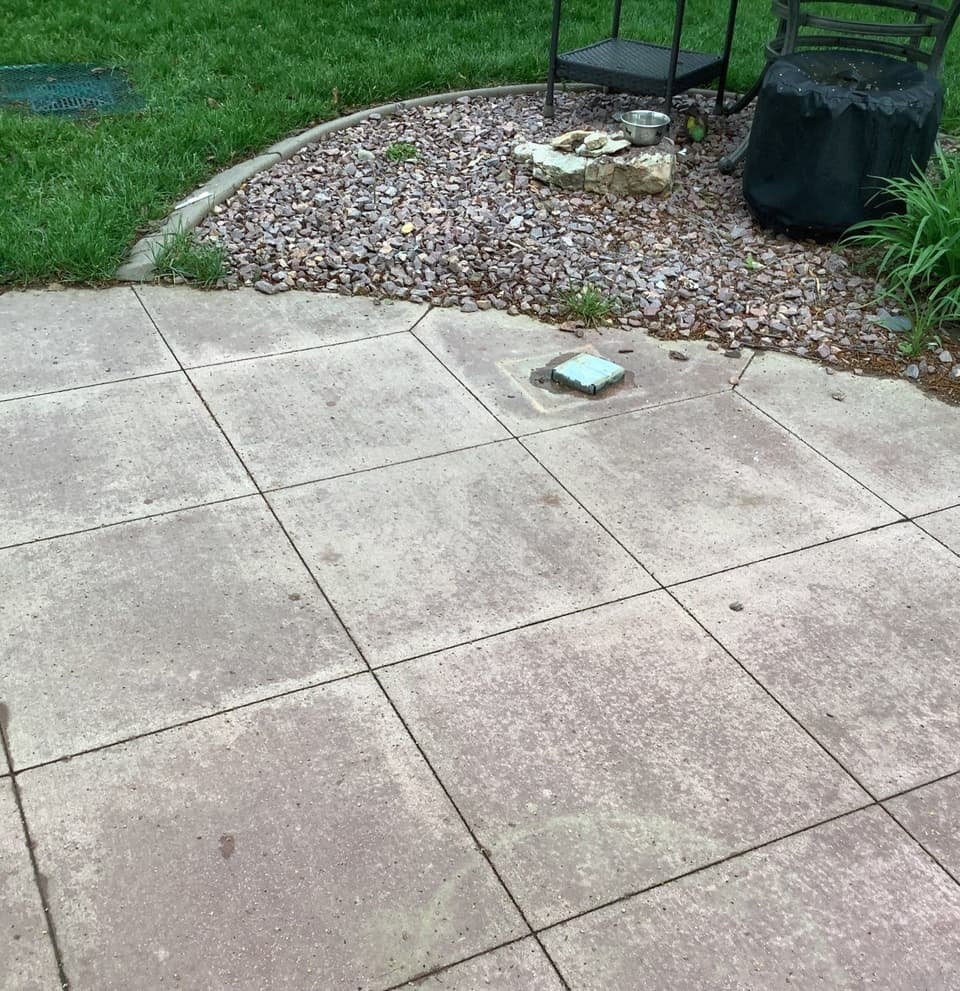
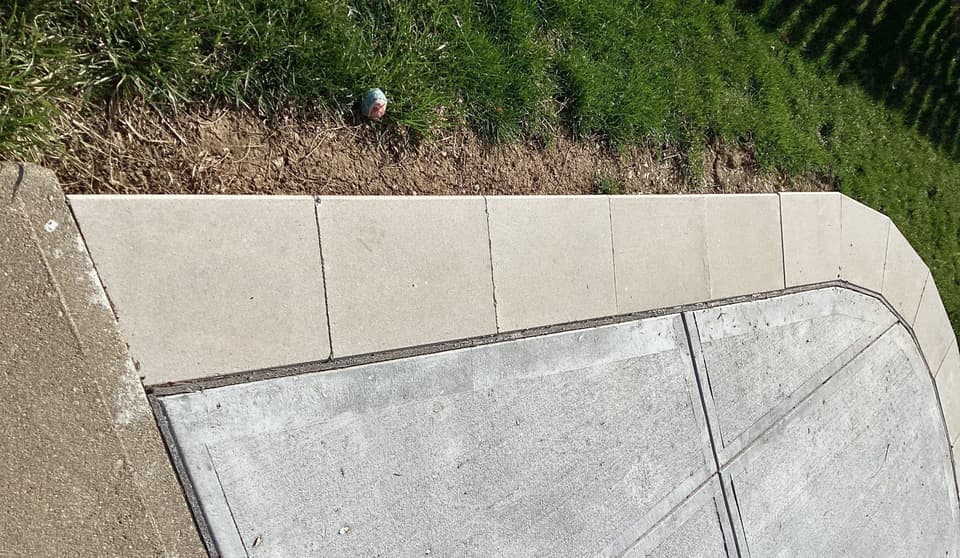
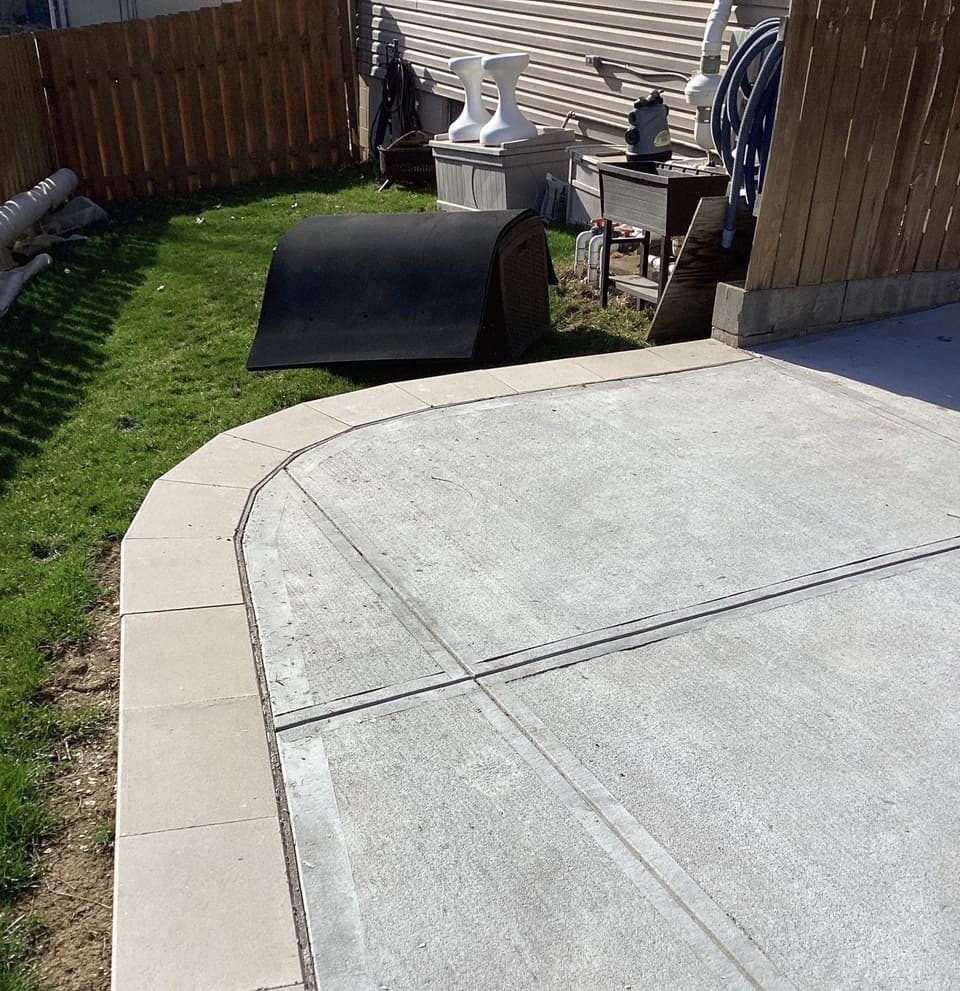
Epp Foundation Repair is locally owned and operated, with crews dedicated exclusively to foundation, basement, and concrete work across the Midwest.
Foundation repair, waterproofing, and concrete leveling are our entire focus, not a sideline.
Three decades of experience with Midwest soils, basements, and weather conditions.
Recognized by the Better Business Bureau for integrity and ethical business practices.
Many of our repairs carry a written Epp warranty. The warranty page lists every covered repair and its terms.
Don't see your question here? Our team is happy to help. Reach out anytime.
Every home is different. What a repair costs depends on the cause, the scope, and access. A free on-site inspection produces a Customized Repair Estimate that reflects your home, not a typical range.
Inspection and Customized Repair Estimate: no-cost on-site visit. Customized Repair Estimate after on-site inspection reflects your scope.
Lifting is not the answer when a panel's surface has reached the end of its life. Widespread salt scaling, spalling, or pitting across a panel means the concrete itself is finished. Lifting fixes the level but not the surface, so removing that panel and pouring a new one is the right scope. If a tree root is still growing under the panel, root pruning by an arborist comes first, or the root can lift the panel again. A large differential calls for lifting rather than grinding. One settled panel is a reason to lift that panel, not to replace the whole run.
Epp Foundation Repair holds BBB A+ accreditation and is a BBB Integrity Award winner.
Our team walks through this on camera.
Every concrete repair method we install. Sequenced so the soil profile and failure mode determine the fix.
 01
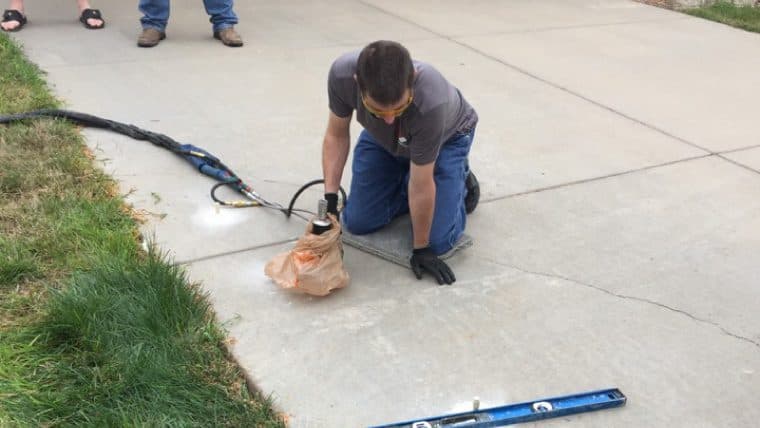
01 Concrete lifting and leveling from Epp Foundation Repair. Mid-soil polyurethane foam injection for clean residential lifts, and slab piers when the load justifies deep support; Epp does not perform mudjacking. Serving NE, IA, KS, and MO since 1994. The right scope when the slab is salvageable; when the concrete is cracked beyond repair, Epp removes the section and pours new concrete instead.
Learn more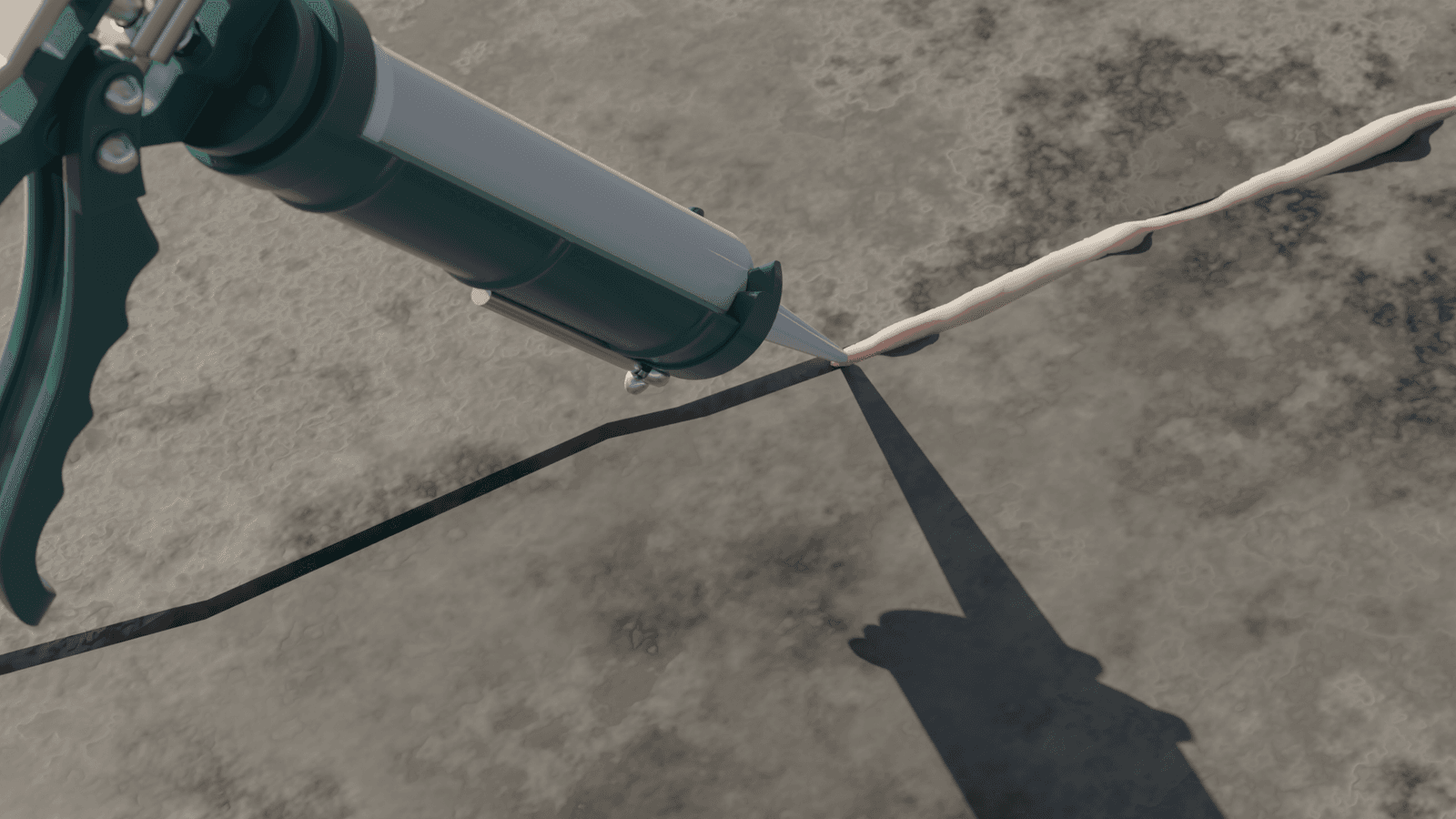 02
02 Exterior concrete crack repair from Epp Foundation Repair. Flexible polyurethane sealant on stable cosmetic cracks, foam-lift plus seal when the slab below the crack has settled, and an honest new pour when the slab is end-of-life. Driveways, sidewalks, patios, garage floors, and pool decks across NE, IA, KS, and MO since 1994. Different exposure than foundation cracks, different repair method, different scope.
Learn more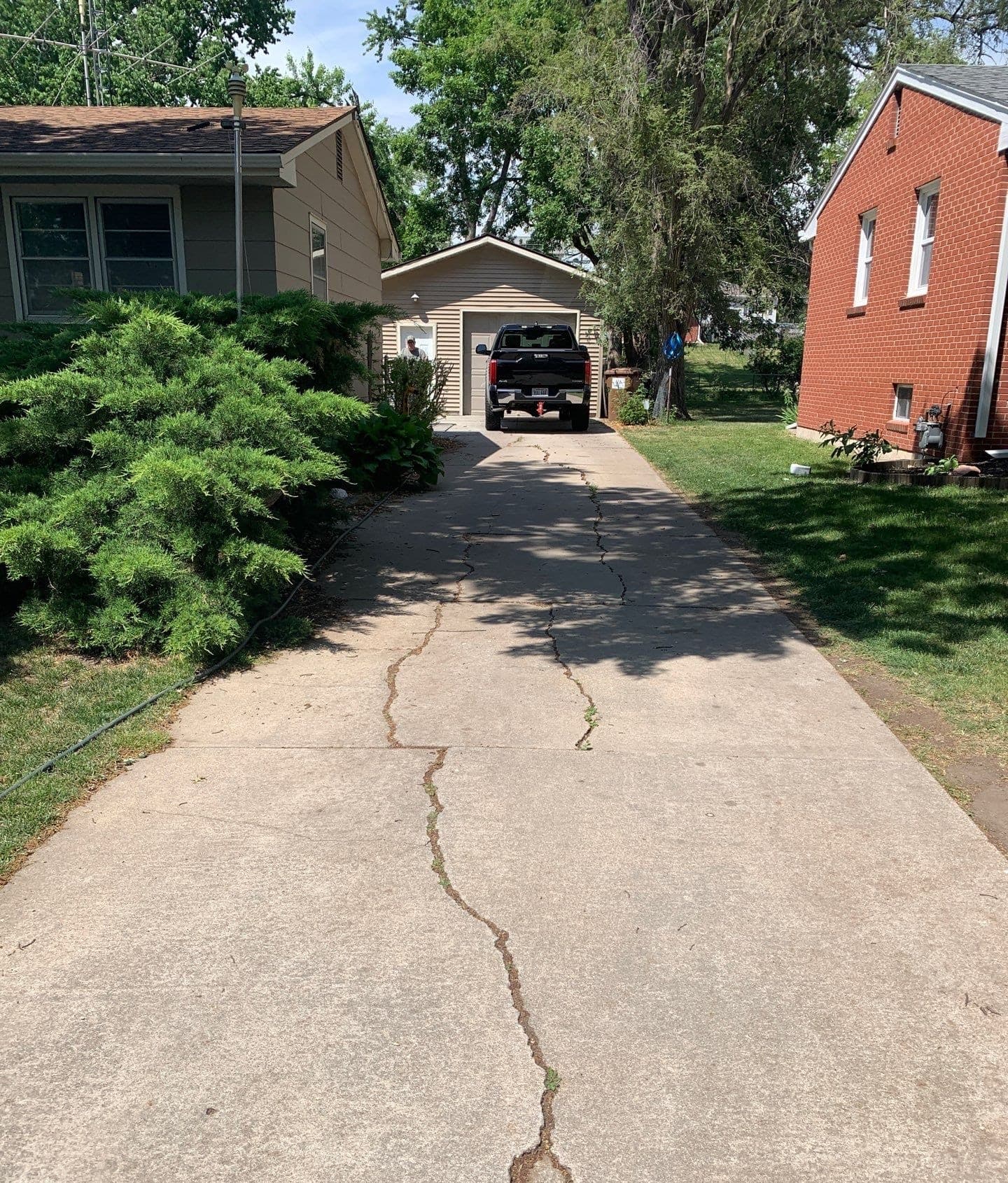 03
03 Driveway repair from Epp Foundation Repair. Settlement lift with mid-soil polyurethane foam, never mudjacking, flexible polyurethane sealing on stable cracks, honest replacement pour when sections are end-of-life. Apron-to-street settlement, edge drop, center heave, and base-failure cracking across NE, IA, KS, and MO since 1994. Combined scope: Epp lifts and seals what's salvageable, and pours new concrete on sections that need replacement.
Learn more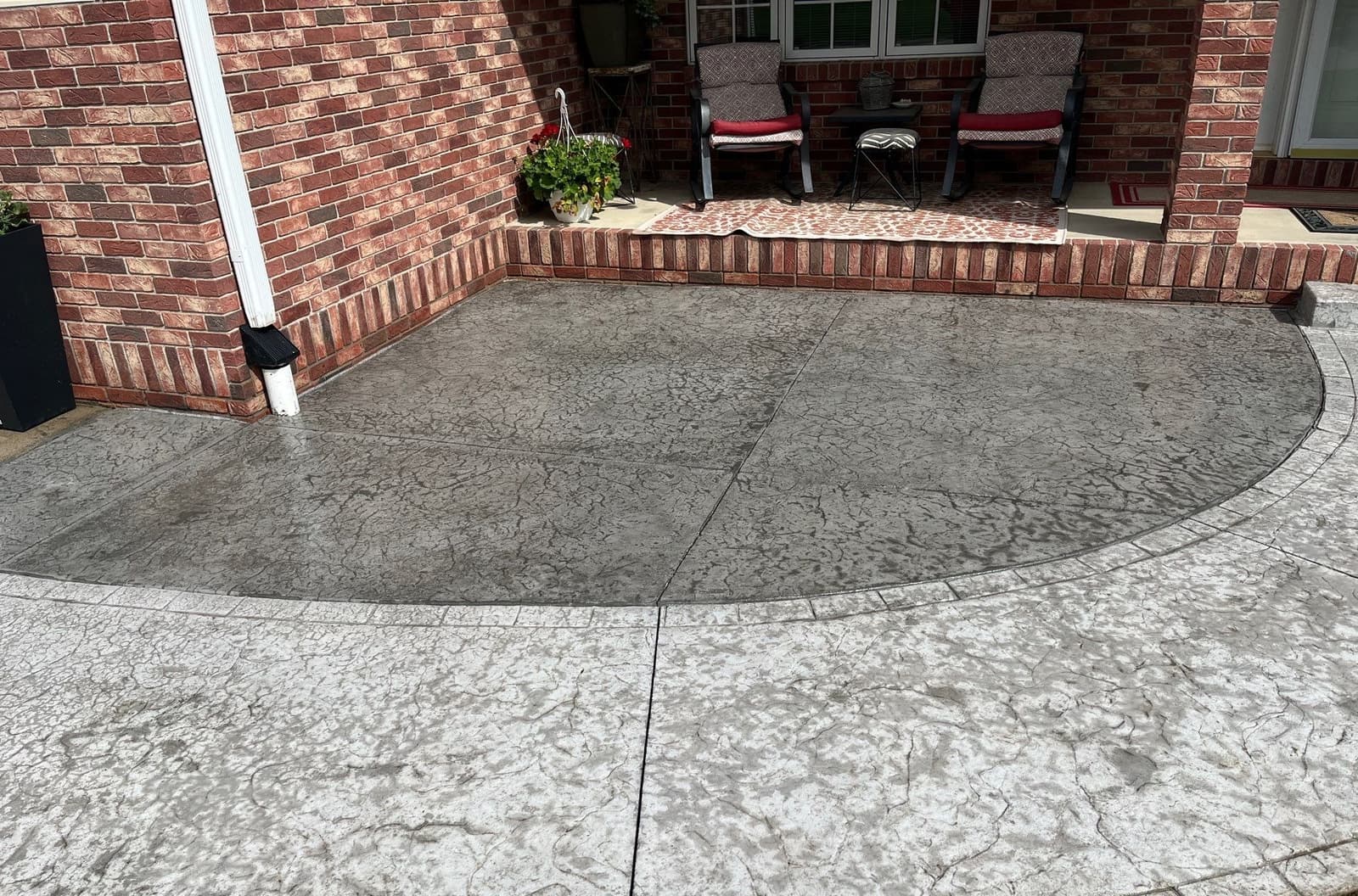 04
04 Epp Foundation Repair lifts settled patio slabs, seals working cracks, and stabilizes the soil beneath outdoor living spaces across Nebraska, Iowa, Kansas, and Missouri.
Learn more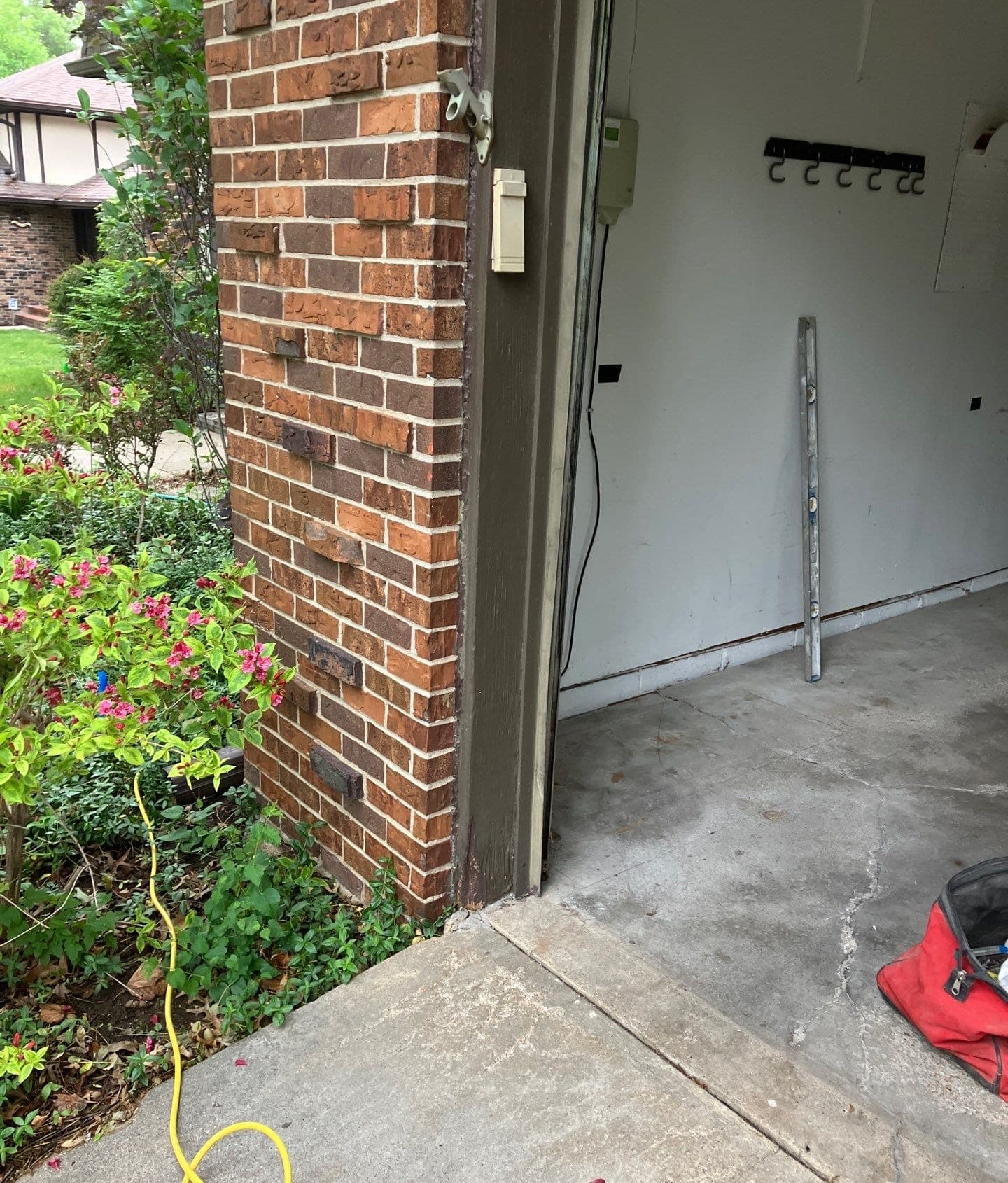 05
05 Epp Foundation Repair lifts settled garage slabs, fills voids under the concrete, and seals working cracks across Nebraska, Iowa, Kansas, and Missouri.
Learn more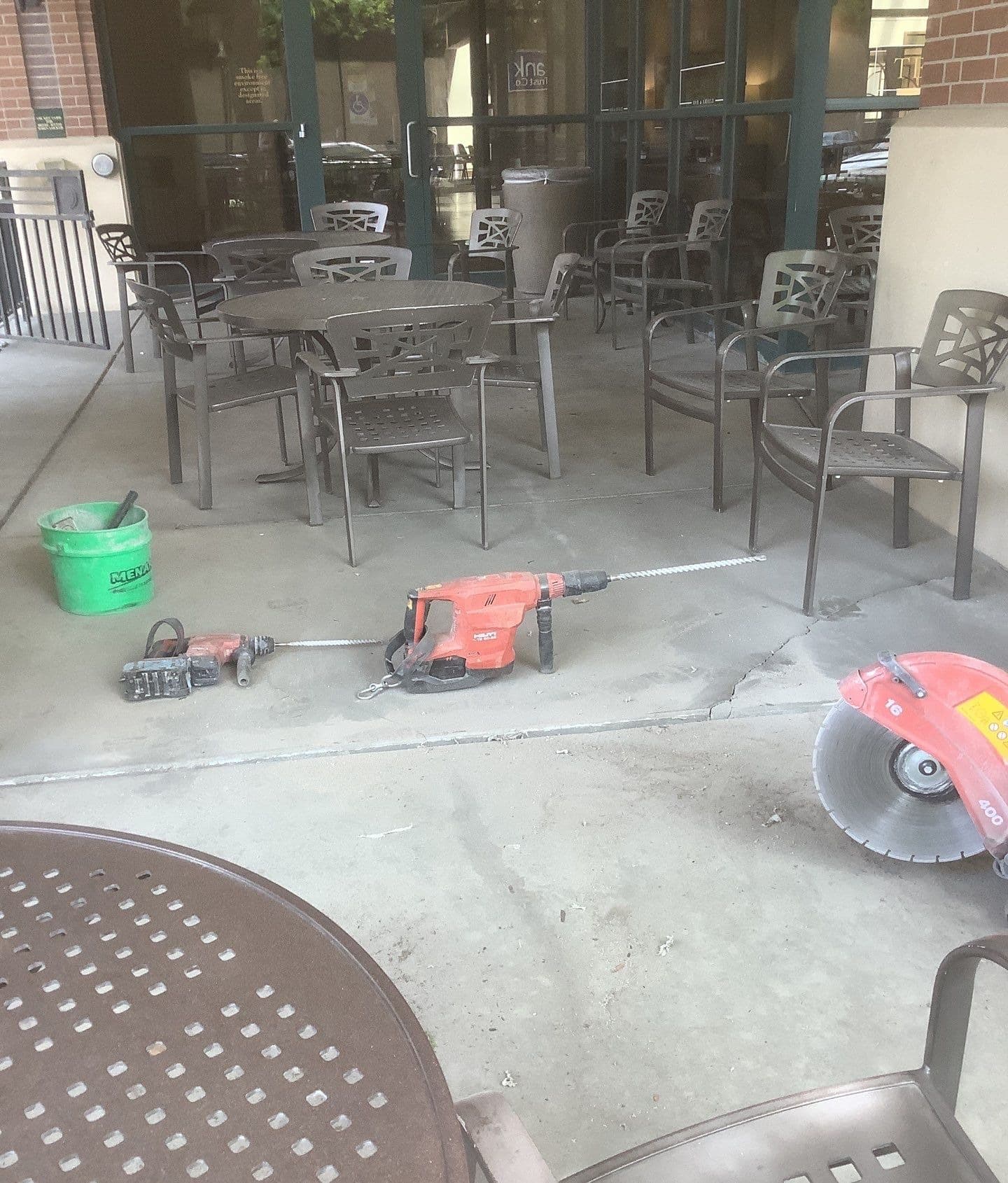 06
06 Epp Foundation Repair lifts, stabilizes, and crack-seals commercial concrete (warehouses, retail floors, parking lots, loading docks) across Nebraska, Iowa, Kansas, and Missouri.
Learn more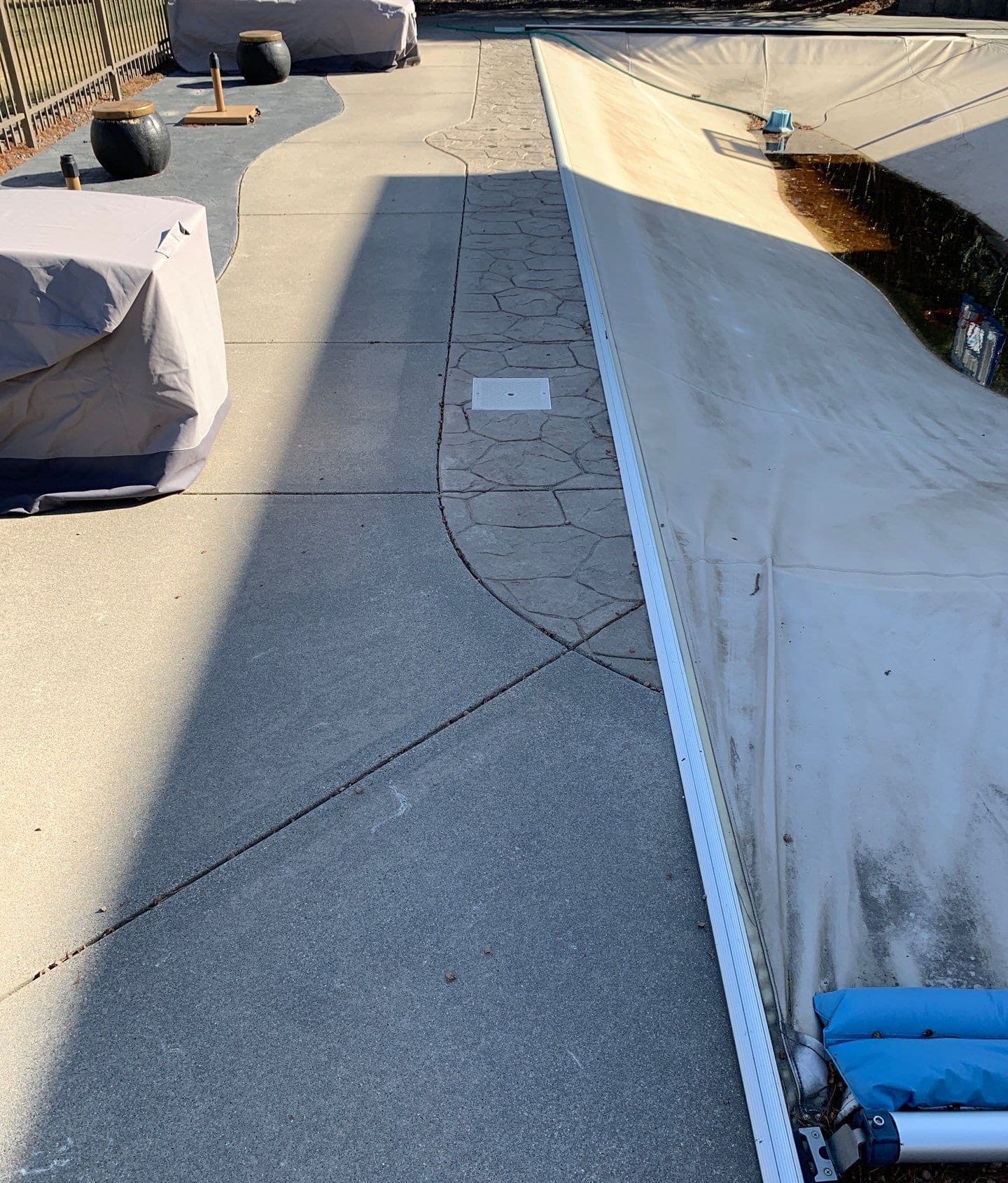 07
07 Lifting and stabilizing sunken pool deck slabs with mid-soil foam injection, plus crack and joint repair.
Learn more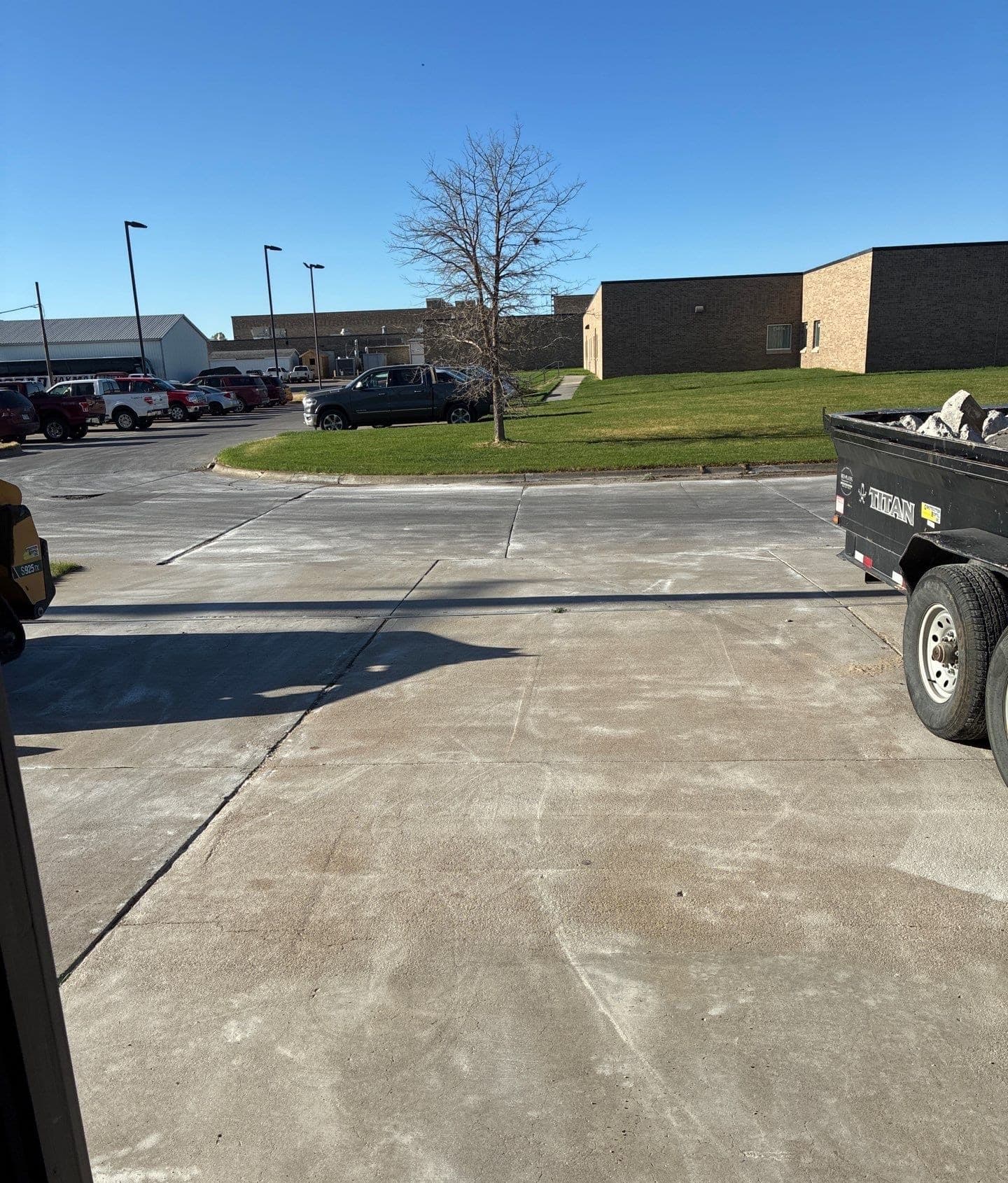 08
08 Epp Foundation Repair's free concrete inspection looks at the slab itself, probes for the void underneath it, checks the drainage and downspout placement nearby, and reads the soil context that put the slab where it is. The homeowner receives a Customized Repair Estimate, sorted into Must Do, Strongly Suggest, and Monitor, not a generic quote. Serving NE, IA, KS, and MO since 1994. Epp does not resurface concrete or install decorative overlays; those needs are referred to the right trade.
Learn moreLocal crews based in five regional offices, dispatched daily across four states. If your town isn't listed, call us: we likely serve your area.
A straightforward path from initial inspection to completed repairs.
Every panel joint measured with a straightedge for vertical differential. Crack pattern noted on each panel. Surface condition (scaling, spalling) noted. Adjacent tree root systems identified. Drainage source flagged. Panel-by-panel scope decided: which panels lift, which joints grind, which cracks seal, which panels need replacement.
When tree root pressure is the settlement cause, the question is whether the root is still actively expanding. Active root growth means root pruning by an arborist precedes any lift. Otherwise the root can re-lift the panel. This is arborist scope, not Epp. Epp identifies the situation on the inspection and recommends timing.
Ports drilled across each settled panel, with tighter spacing than driveway work because sidewalk panels are smaller and the lift target is more precise. Mid-soil polyurethane foam injected to consolidate the loose soil column and lift the slab. Rotary laser monitors lift in real time.
A 4.9-star average across Google, with verified reviews from homeowners throughout Nebraska, Iowa, Kansas, and Missouri.
Schedule your inspection in seconds with our Driive booking tool, or share a few details and a local specialist will follow up within one business day.
Practical articles from the Epp team on foundation health, waterproofing, and home preservation.
 Concrete RepairLatest
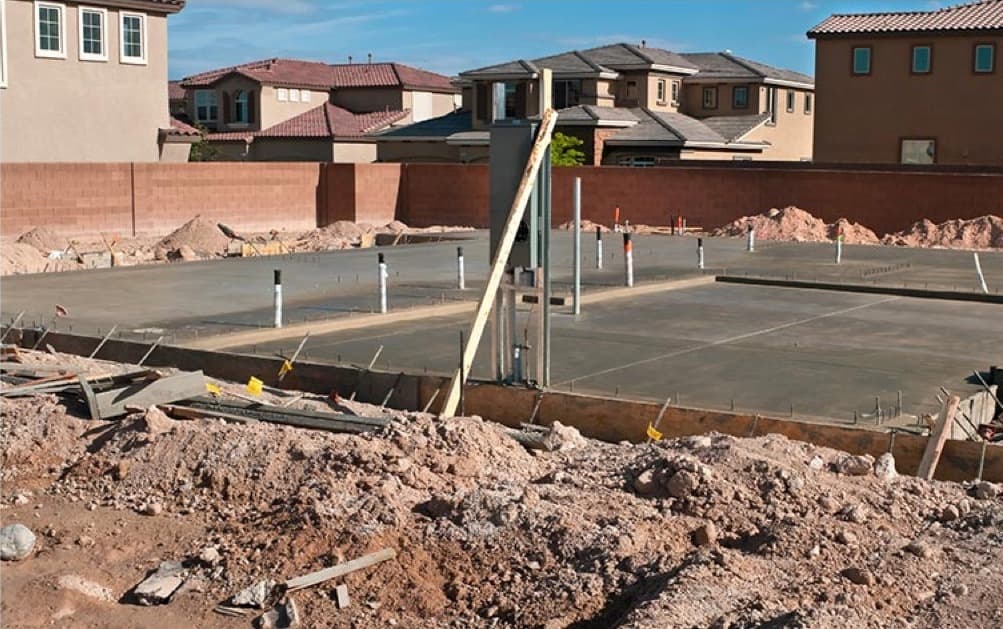
Monolithic and floating slab foundations are built differently and behave differently in the soil. Learn how each works and how they are repaired.
 Concrete Repair
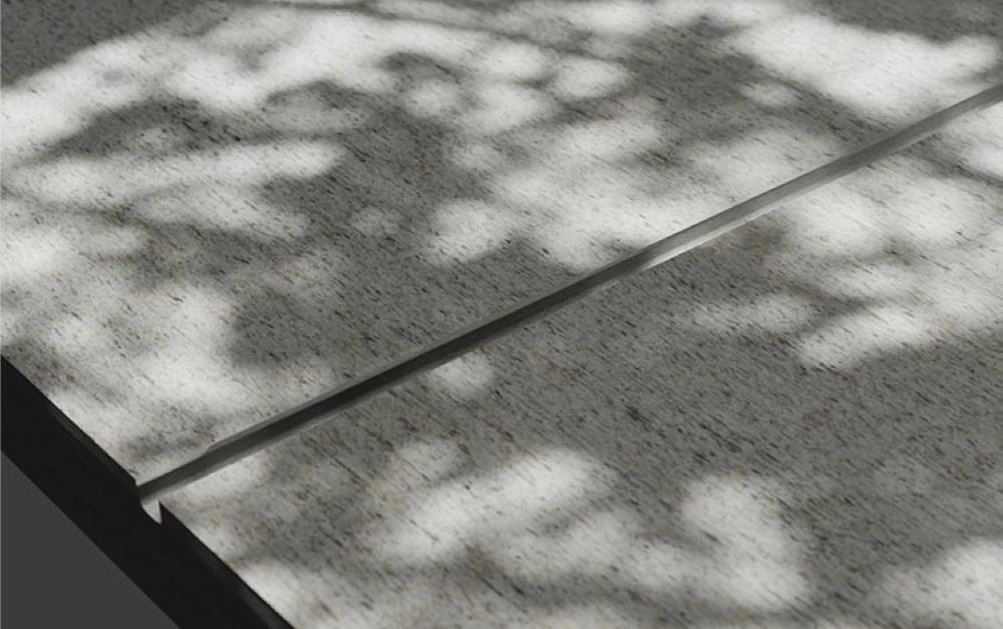
Control joints and expansion joints both protect concrete, but they work differently. Learn how each one functions and when to use them.
 Concrete Repair
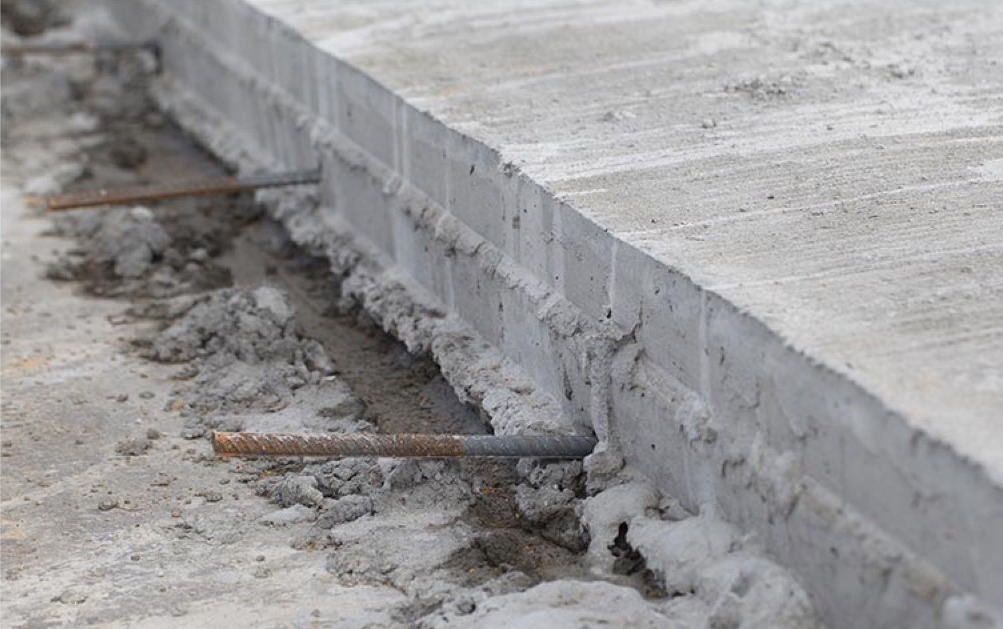
Post-tension slab foundations use tensioned steel cables to resist cracking. Learn how they work, their pros and cons, and common repairs.
 Concrete Repair
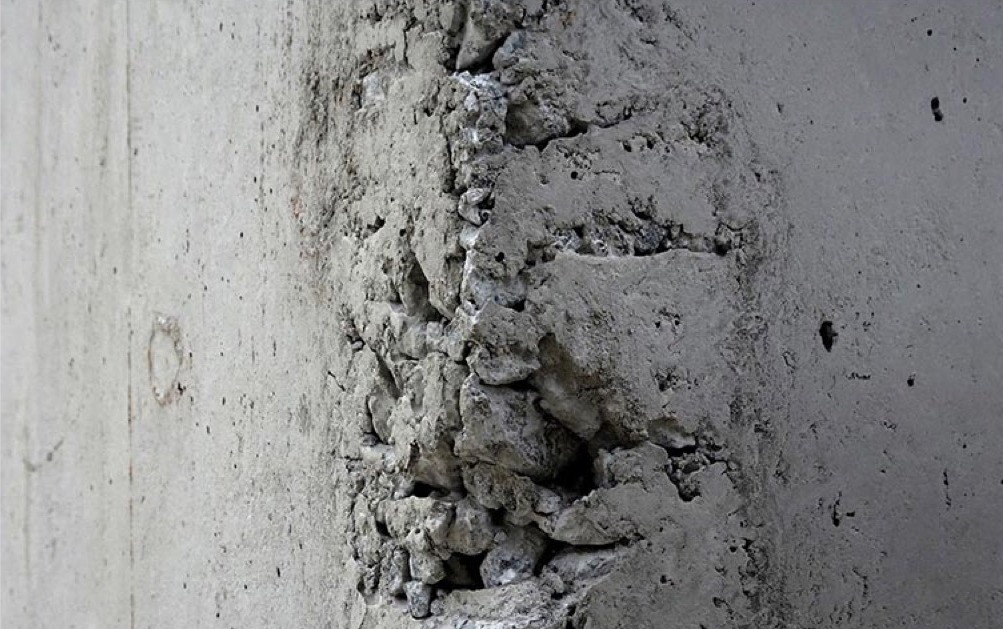
Honeycombing is a common concrete defect caused by poor mixing, compaction, or pouring. Learn what causes it, its risks, and how it gets repaired.