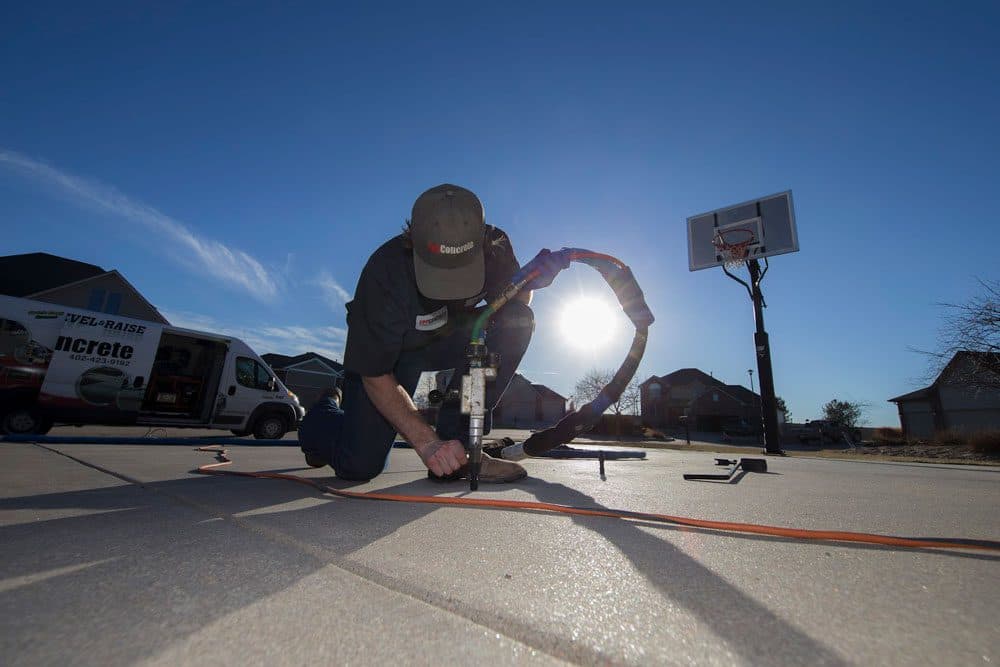
Tree Roots and Concrete: When the Yard Pushes Back.
Roots grow toward the moisture and air that collects under concrete, and as they thicken they lift and crack the slab above. The cracked, uneven concrete is the visible problem. The root that caused it keeps growing underneath.

Let's take the first step toward a healthy home.
A local specialist will inspect your foundation, walk you through the findings, and send a clear estimate, no cost, no pressure.
Tree Roots Causing Concrete Damage: diagnosed and explained.
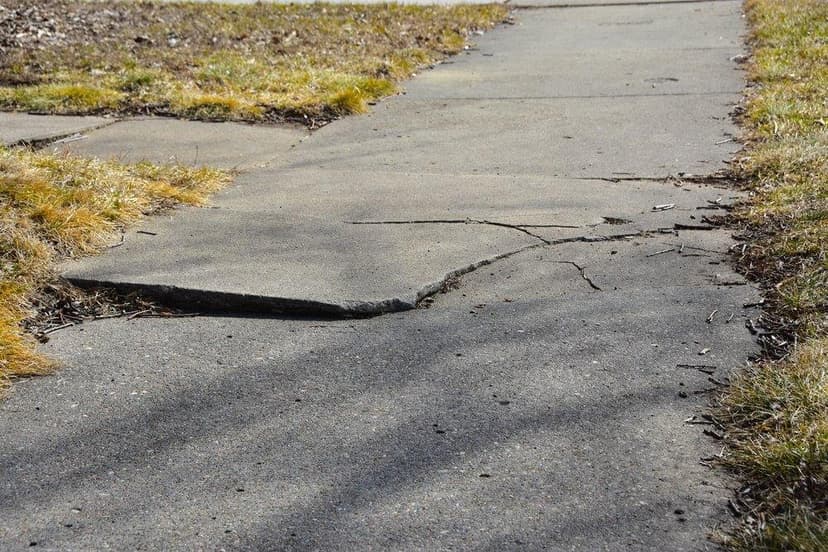
Tree roots damage concrete because they follow water. Under a driveway, patio, or sidewalk the soil stays cooler and holds moisture longer than open ground, so roots from nearby trees spread straight toward it. As a root thickens year after year, it acts like a slow wedge, pushing the slab up from below until the concrete cracks or one section heaves above the next. Across Nebraska, Iowa, Kansas, and Missouri this is common where mature trees sit close to driveways and walkways. The damage often shows up first as a single raised section or a crack that runs toward the trunk. The slab does not settle back down on its own. Once a root has lifted concrete, the gap stays open, water collects in it, and the freeze-thaw cycles that hit this region widen the crack each winter. The fix is usually leveling or replacing the affected slab section. The root itself is a landscaping question, and the goal is to stabilize the concrete and keep future growth from reaching back under it.


Watch for these warning signs alongside tree root damage.

- 01
A slab section raised or tilted near a tree
One panel sits higher than its neighbors, usually angled away from the trunk.
- 02
Cracks that point toward a nearby tree
The crack pattern traces back along the path of a growing root.
- 03
Surface roots visible at the slab edge
Roots breaking the surface near the concrete are likely already underneath it.
- 04
A trip hazard where two sections meet
A sudden lip between panels shows one side has been pushed up.
- 05
Concrete cracking again soon after a tree was removed
Decaying roots leave voids, and the soil settling into them drops the slab.
- 06
Doors or gates on a slab no longer closing right
A slab that has tilted throws off anything mounted or resting on it.
What causes tree roots causing concrete damage in Midwest homes.
- 01
Roots Seeking Moisture Under the Slab
Soil beneath concrete stays cooler and damper than open yard, so roots from nearby trees grow directly toward it. Once under the slab they have a steady moisture source and keep expanding.
- 02
Root Thickening Over Years
A young root may slip under a slab harmlessly, but as it adds diameter each season it becomes a wedge. The slow upward pressure eventually exceeds the concrete's strength and the slab cracks or lifts.
- 03
Shallow, Spreading Root Systems
Species like silver maple, willow, and elm common in this region send roots wide and shallow rather than deep. Those surface roots are exactly the ones that reach driveway slabs, patios, and public walkways.
- 04
Voids Left as Roots Decay
When a tree is removed and its roots rot away, the soil that filled around them can collapse into the void. That leaves the slab unsupported in spots, which then settles or cracks.
How concrete repair specialists actually fix tree roots causing concrete damage.
Solving tree roots causing concrete damage means addressing the underlying soil, pressure, or settlement cause. Not just patching the visible damage. Below are the engineered solutions we install most often for this symptom in Nebraska, Iowa, Kansas, and Missouri homes.
Engineered concrete repair solutions for this problem.
Each method is matched to a specific failure mode and soil profile. Browse the toolkit we draw from when diagnosing your home.
Polyurethane Foam Injection
PolyLift is Epp Foundation Repair's polyurethane foam injection method for lifting sunken driveways, sidewalks, patios, and garage floors. Small ports, a two-part expanding foam, and a laser-monitored lift, with the slab walkable 15 minutes after the work is complete.
Concrete Void Filling
Voids under a concrete slab leave it with nothing to rest on. Epp Foundation Repair has filled those pockets with structural foam across Nebraska, Iowa, Kansas, and Missouri since 1994. No demolition, no waiting for a new pour to cure.
Concrete Grinding
Epp Foundation Repair grinds tripping edges off sidewalks, driveways, and garage entries across Nebraska, Iowa, Kansas, and Missouri. It is a fast fix when the differential is small and the slab underneath is stable.
Polyjacking
Slab jacking and polyjacking are names homeowners use for the same idea: lifting a sunken concrete slab by injecting material underneath it. Epp Foundation Repair's slab jacking work, across Nebraska, Iowa, Kansas, and Missouri, is done with polyurethane foam.
Concrete Pouring
Some slabs cannot be saved by leveling. Epp Foundation Repair pours new flatwork on properly prepared ground across Nebraska, Iowa, Kansas, and Missouri. We tell you honestly when a fresh pour is the smarter spend.
How do soil and winter weather affect concrete in Nebraska, Iowa, Kansas, and Missouri?
Concrete slabs rest on the soil under them. When that soil washes out, softens or settles, part of a slab can sink, tilt or crack. Small cracks that form as new concrete dries and shrinks are common, and most of them do not affect the strength of the slab.
Based on NOAA 1991 to 2020 climate normals for Lincoln Municipal Airport and Omaha Eppley Airfield.
What kind of soil is around Lincoln and Omaha?
Based on USDA soil survey data for Lancaster County (Lincoln) and Douglas County (Omaha), clay is the main soil type in both counties. The survey rates Lancaster County high and Douglas County moderate for shrink swell. Clay can swell when it gets wet and shrink as it dries, so a slab or foundation on clay can move up and down with the seasons. The soils that cover the most ground in Lancaster County are Wymore and Aksarben, and in Douglas County they are Contrary and Marshall.
Loess, the wind deposited silt common in eastern Nebraska and western Iowa, can lose strength and settle when it gets wet. Water can reach it from runoff, a plumbing leak or a downspout that empties next to the house.
How does freezing weather affect footings and basement walls?
In Lincoln and Omaha, soil near the surface can freeze and thaw many times between fall and spring. Each city's building code sets a frost line depth, which is the minimum depth below finished grade for a footing. It is 36 inches in Lincoln and 42 inches in Omaha. Supports that sit above that depth, such as some porches, stoops and chimney footings, can move as the ground freezes and thaws.
Horizontal cracks in a basement wall are more often linked to pressure from the soil outside the wall than to settlement. Wet soil pushes harder against a wall than dry soil, and soil that freezes against the wall can add to that pressure.
Climate: NOAA U.S. Climate Normals 1991 to 2020, LINCOLN MUNI AP (USW00014939) and OMAHA EPPLEY AIRFIELD (USW00014942), retrieved September 30, 2026. Soil: USDA NRCS Soil Data Access (SSURGO), county survey for Lancaster County and Douglas County. Frost line depth: Lincoln Municipal Code 20.12.140 and Omaha Municipal Code Sec. 43-127.
Care and expertise from a team that's been doing this since 1994.
Epp Foundation Repair is locally owned and operated, with crews dedicated exclusively to foundation, basement, and concrete work across the Midwest.
Foundation repair, waterproofing, and concrete leveling are our entire focus, not a sideline.
Three decades of experience with Midwest soils, basements, and weather conditions.
Recognized by the Better Business Bureau for integrity and ethical business practices.
Many of our repairs carry a written Epp warranty. The warranty page lists every covered repair and its terms.
Answers to common questions about Tree Roots Causing Concrete Damage.
Don't see your question here? Our team is happy to help. Reach out anytime.
Other concrete repair warning signs to watch for.
If you see one, it's worth checking for the others. Most foundation problems show up as more than one symptom.
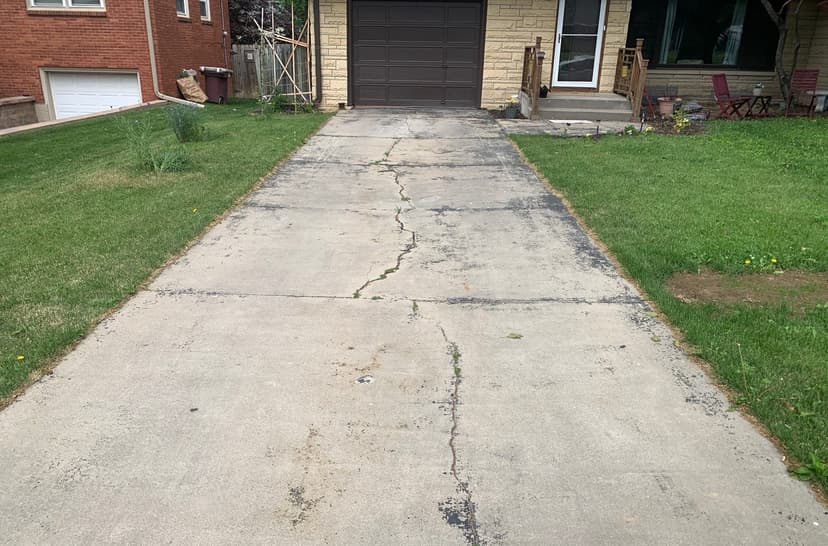
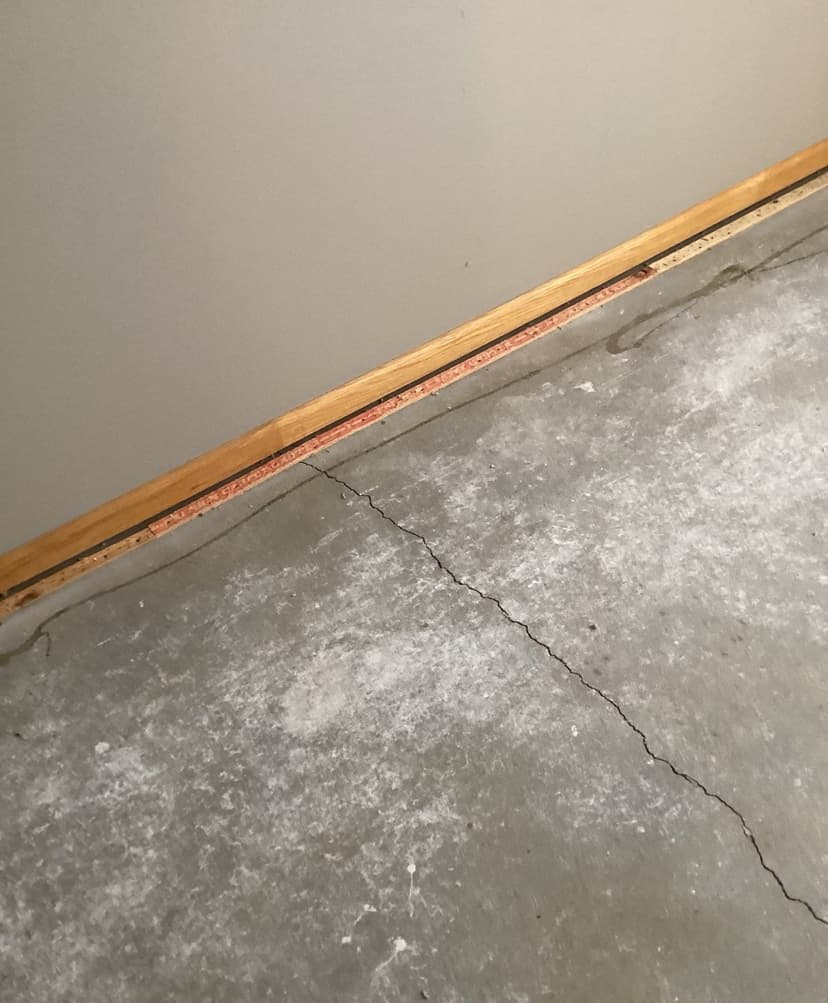
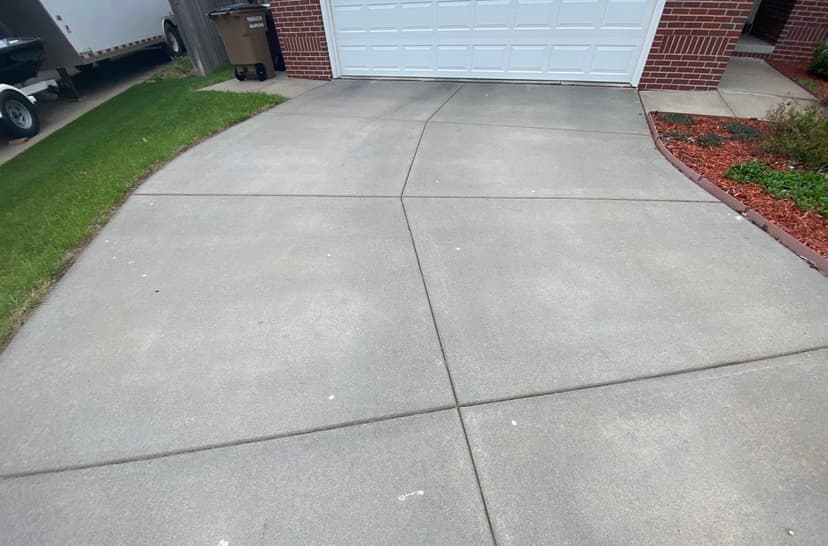
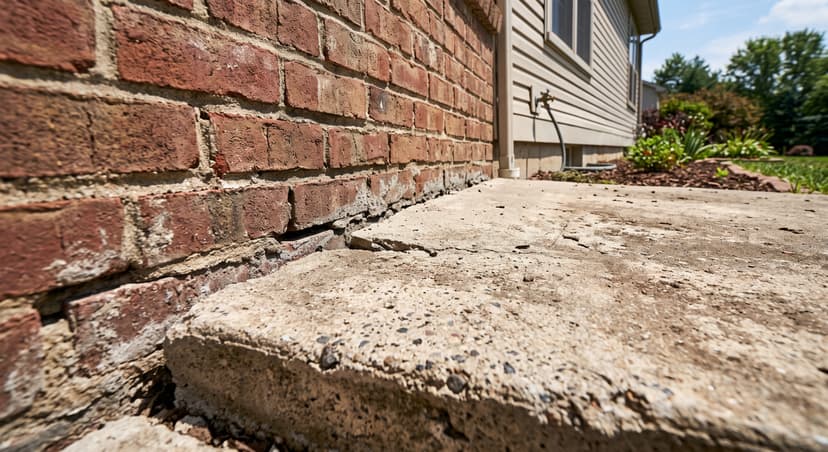
Serving Nebraska, Iowa, Kansas & Missouri.
Local crews based in five regional offices, dispatched daily across four states. If your town isn't listed, call us: we likely serve your area.
- Omaha, NE
- Lincoln, NE
- Topeka, KS
- Sioux City, IA
- Bellevue, NE
- St. Joseph, MO
- Council Bluffs, IA
- Grand Island, NE
- Papillion, NE
- Kearney, NE
Take the first step toward a healthy home.
A straightforward path from initial inspection to completed repairs.
Schedule your inspection.
A local specialist visits your home, evaluates the foundation, and answers your questions on site. No cost, no obligation.
Receive an estimate based on your needs.
We provide a clear, Customized Repair Estimate with a scope of work tailored to your home's specific issues. Typically within one business day.
Get your repairs.
Trained crews complete the work on schedule.
Over 1,700 homeowners have shared their experience.
A 4.9-star average across Google, with verified reviews from homeowners throughout Nebraska, Iowa, Kansas, and Missouri.
Two ways to start: book instantly, or request an estimate.
Schedule your inspection in seconds with our Driive booking tool, or share a few details and a local specialist will follow up within one business day.
- A local foundation specialist on site
- A complete walk-through of the findings
- A Customized Repair Estimate within one business day
- No cost, no obligation, no high-pressure sales
Expert guidance on protecting your home.
Practical articles from the Epp team on foundation health, waterproofing, and home preservation.
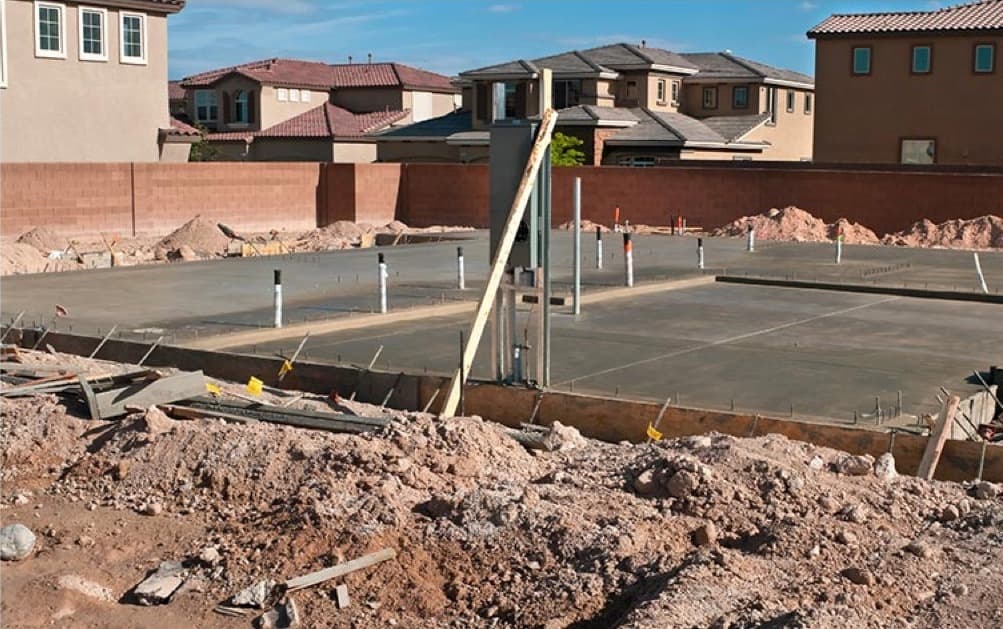 Concrete RepairLatest
Difference Between Floating And Monolithic Slab Foundations
Monolithic and floating slab foundations are built differently and behave differently in the soil. Learn how each works and how they are repaired.
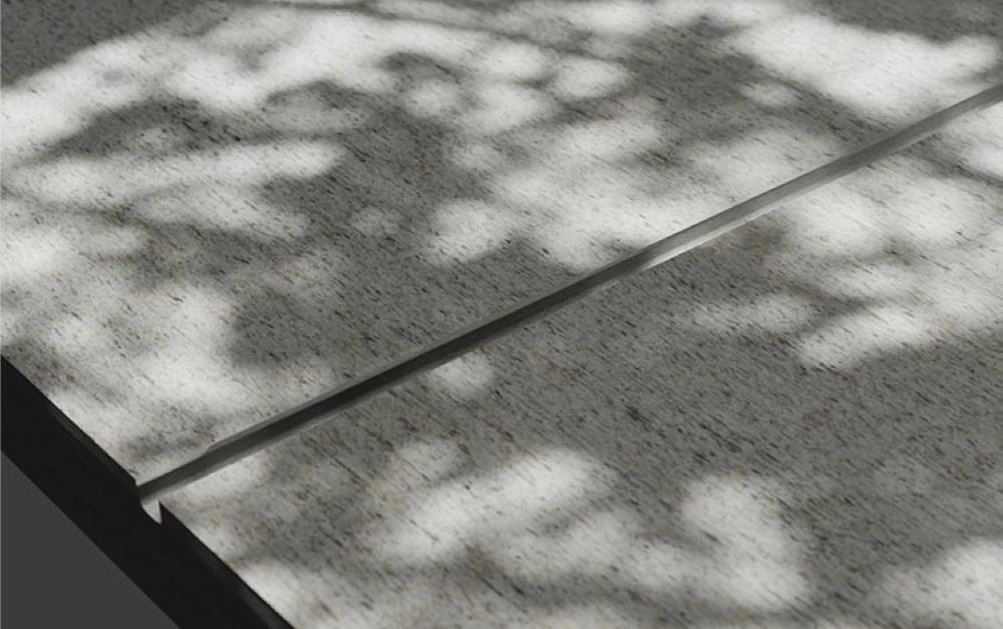 Concrete Repair
What Is The Difference Between Control And Expansion Joints In Concrete?
Control joints and expansion joints both protect concrete, but they work differently. Learn how each one functions and when to use them.
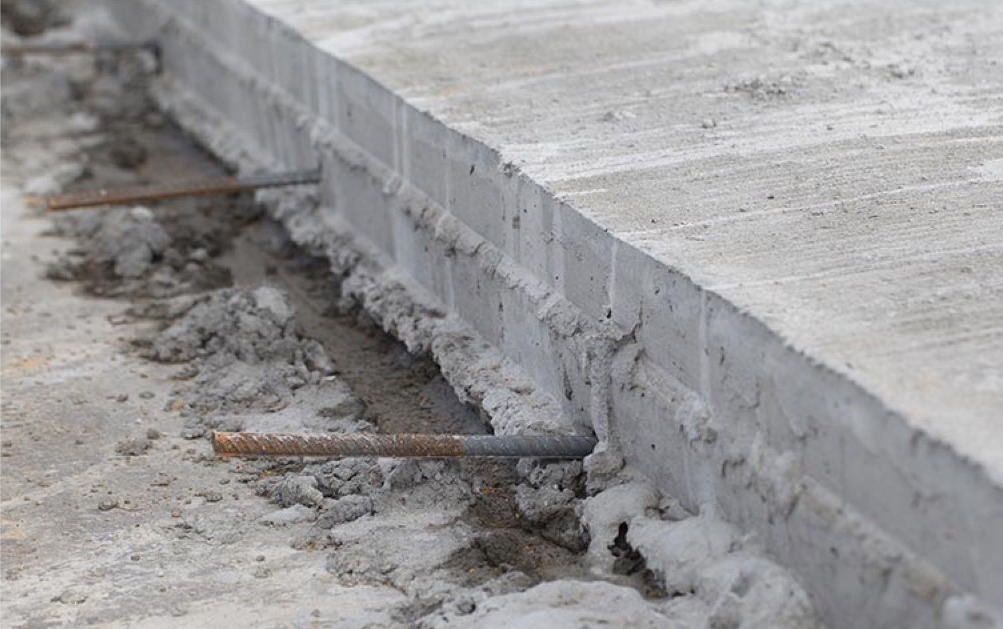 Concrete Repair
The Homeowner's Guide To Post-Tension Slab Foundations
Post-tension slab foundations use tensioned steel cables to resist cracking. Learn how they work, their pros and cons, and common repairs.
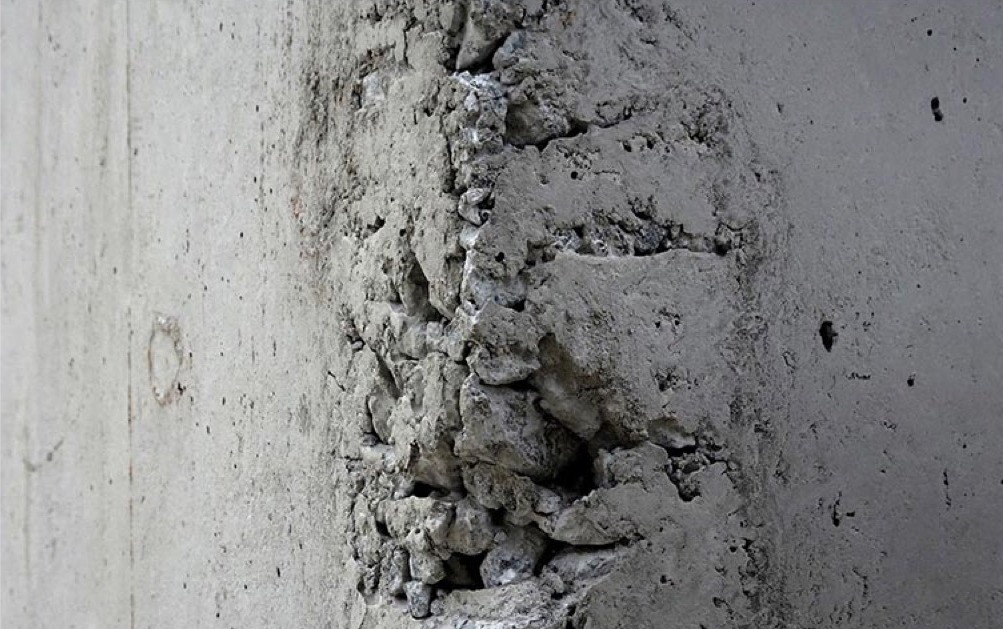 Concrete Repair
Common Causes Of Honeycomb In Concrete And How To Repair It
Honeycombing is a common concrete defect caused by poor mixing, compaction, or pouring. Learn what causes it, its risks, and how it gets repaired.
Five regional offices across the Midwest.
St. Joseph, MO 64506