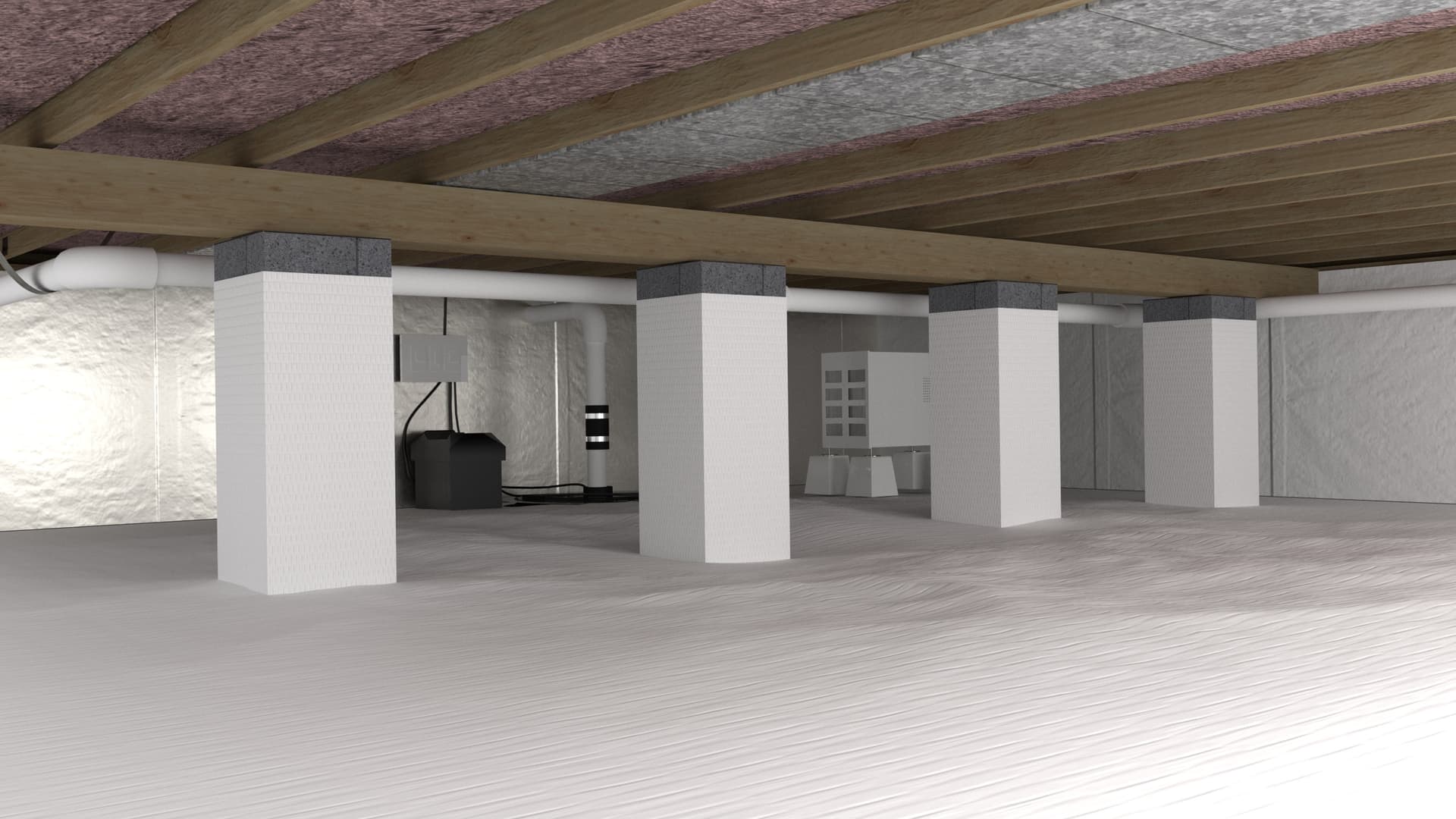
Climbing Energy Bills Often Start in the Crawl Space.
Heating and cooling costs creeping up while your thermostat stays the same. A damp, vented crawl space pulls in outside air and lets conditioned air leak out through the floor. Your system runs longer to make up the difference.

Let's take the first step toward a healthy home.
A local specialist will inspect your foundation, walk you through the findings, and send a clear estimate, no cost, no pressure.
High Energy Bills: diagnosed and explained.
Energy bills climb when conditioned air escapes faster than your furnace or air conditioner can replace it, and a leaky crawl space is one of the quietest culprits. Air in a home moves upward through a stack effect. As warm air rises and exits near the roof, it pulls replacement air in from the lowest point, which is the crawl space. If that space is vented to the outside and full of humid, cold, or hot air, your system is conditioning outdoor air all day. Across the Midwest the problem swings with the seasons. Deep winter frost keeps crawl space air bitterly cold, while humid Missouri River basin summers push damp heat up through the floor. Wet, sagging insulation makes it worse because it has little R-value left. The point worth acting on is a bill that keeps rising with no change in habits, especially paired with cold floors or a musty smell. Sealing and insulating the crawl space cuts the air leak at its source. Ignoring it means paying to condition the ground under your house, season after season.


Watch for these warning signs alongside high energy bills.
- 01
Cold floors over the crawl space in winter
Floors that stay cold underfoot show heat is escaping downward through failed insulation.
- 02
Rooms above the crawl space harder to heat or cool
Spaces over the crawl space lag the rest of the house because they sit closest to the air leak.
- 03
A heating or cooling system that runs almost constantly
Equipment that rarely cycles off is fighting a steady loss of conditioned air it cannot keep up with.
- 04
A musty or damp smell when the system kicks on
Odors carried up from the crawl space confirm the home is pulling air from below.
- 05
Sticky, humid indoor air in summer
Excess humidity drawn up from bare soil makes the home feel warmer and forces the air conditioner to work harder.
- 06
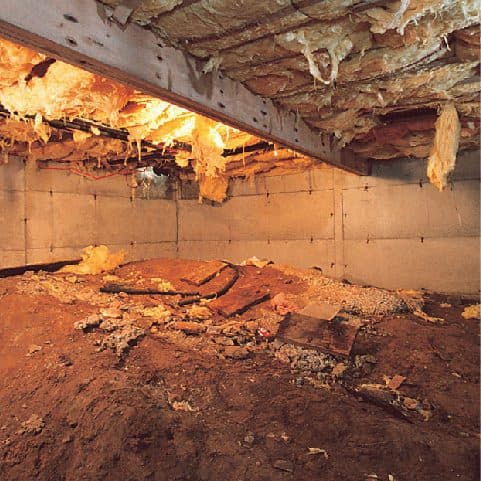
Insulation sagging or fallen in the crawl space
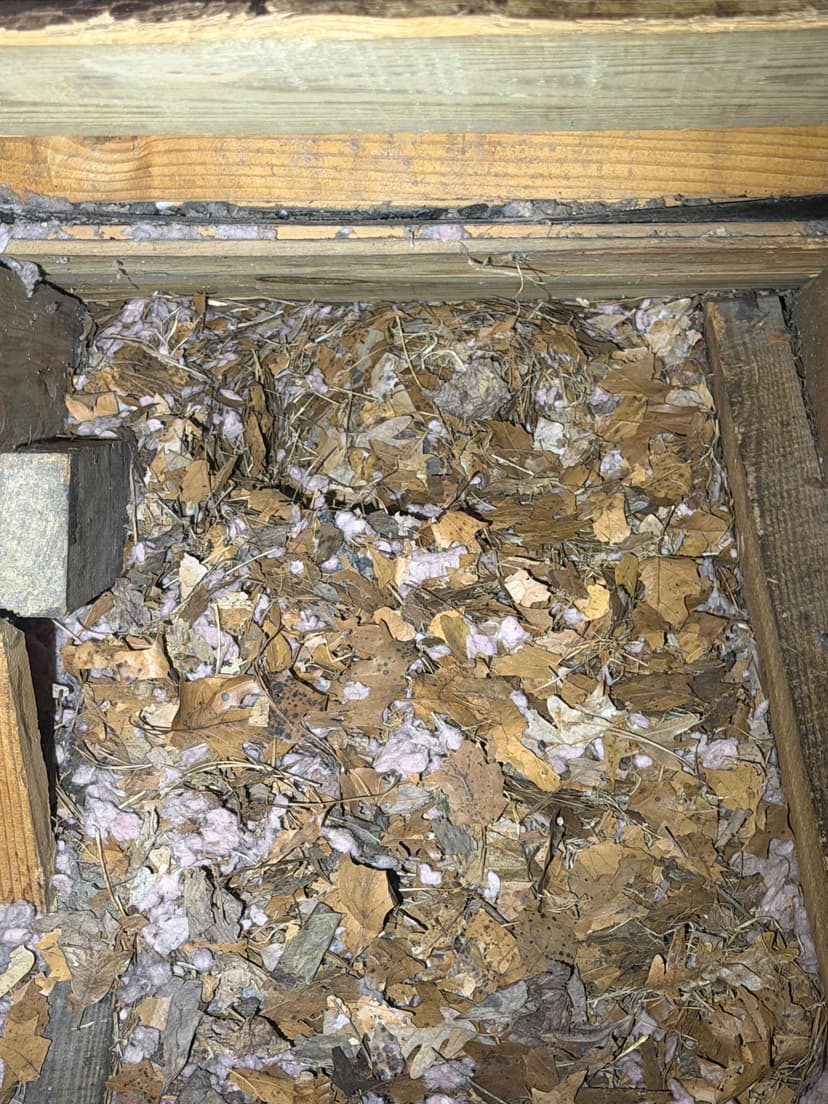
Drooping batts mean the floor has lost most of its thermal barrier between the living space and the ground.
What causes high energy bills in Midwest homes.
- 01
Open Foundation Vents
Vents were once required to air out crawl spaces, but in this climate they let frigid winter air and humid summer air pour in. Your heating and cooling system ends up fighting outdoor conditions coming straight through the floor.
- 02
Wet, Failed Insulation
Fiberglass that has soaked up crawl space moisture loses most of its R-value and sags out of the joist bays. With little insulation left, heat escapes through the floor in winter and pours in during summer, so the system runs longer.
- 03
The Stack Effect Pulling in Crawl Space Air
Warm air rising and leaving the upper home draws replacement air up from the crawl space. If that air is cold, hot, or damp, every room above pays for it, because the home is essentially breathing through the dirt below.
- 04
Ground Moisture and Humidity
A bare soil floor gives off water vapor that raises humidity throughout the house. Humid air is harder and more expensive to cool, so the air conditioner works overtime in summer to pull moisture the crawl space keeps adding.
How crawl space repair specialists actually fix high energy bills.
Solving high energy bills means addressing the underlying soil, pressure, or settlement cause. Not just patching the visible damage. Below are the engineered solutions we install most often for this symptom in Nebraska, Iowa, Kansas, and Missouri homes.
Engineered crawl space repair solutions for this problem.
Each method is matched to a specific failure mode and soil profile. Browse the toolkit we draw from when diagnosing your home.
Crawl Space Vent Covers
Open foundation vents were meant to dry the crawl space, but in our humid Midwest summers they pump moisture in instead. Epp Foundation Repair seals those vents with insulated, gasketed covers so the crawl space can stay dry and conditioned.
Crawl Space Ventilation
Open foundation vents were supposed to dry out crawl spaces. In our humid Midwest summers they often do the opposite. Epp Foundation Repair sets up the right moisture control for your crawl space, which usually means sealing and conditioning the air rather than venting it.
Crawl Space Encapsulation
Epp Foundation Repair has installed encapsulation systems across Nebraska, Iowa, Kansas, and Missouri since 1994. Epp is BBB A+ accredited and a BBB Integrity Award winner.
Crawl Space Vapor Barrier Replacement
Epp Foundation Repair has replaced failed crawl space vapor barriers across Nebraska, Iowa, Kansas, and Missouri since 1994. If the old sheet is torn, thinner than the job needs, buried under debris, or was never there, replacing it is the repair.
Rim Joist Air Sealing
Epp Foundation Repair seals the rim joist and sill area, the band of framing where the floor system meets the foundation wall, so outside air stops moving into the floor above, the rim stops sweating in winter, and the water lines that run near it are no longer sitting in a stream of outdoor air.
Crawl Space Doors
An encapsulated crawl space is only as tight as its access point. Epp Foundation Repair installs sealed, insulated access doors that close off the entry where moisture, pests, and cold air sneak back in.
How does summer humidity in Nebraska and Iowa affect crawl space framing?
Based on NOAA 1991 to 2020 climate normals for Lincoln Municipal Airport and Omaha Eppley Airfield, the average July dew point is 65 degrees in Lincoln and 66 degrees in Omaha. Water can form on any surface that is cooler than the dew point of the air around it, so damp summer air in a vented crawl space can leave water on posts, beams and joists. Water that reaches a crawl space floor can also keep that wood wet.
Based on NOAA 1991 to 2020 climate normals for Lincoln Municipal Airport and Omaha Eppley Airfield.
What kind of soil is around Lincoln and Omaha?
Based on USDA soil survey data for Lancaster County (Lincoln) and Douglas County (Omaha), clay is the main soil type in both counties. The survey rates Lancaster County high and Douglas County moderate for shrink swell. Clay can swell when it gets wet and shrink as it dries, so a slab or foundation on clay can move up and down with the seasons. The soils that cover the most ground in Lancaster County are Wymore and Aksarben, and in Douglas County they are Contrary and Marshall.
Loess, the wind deposited silt common in eastern Nebraska and western Iowa, can lose strength and settle when it gets wet. Water can reach it from runoff, a plumbing leak or a downspout that empties next to the house.
How does freezing weather affect footings and basement walls?
In Lincoln and Omaha, soil near the surface can freeze and thaw many times between fall and spring. Each city's building code sets a frost line depth, which is the minimum depth below finished grade for a footing. It is 36 inches in Lincoln and 42 inches in Omaha. Supports that sit above that depth, such as some porches, stoops and chimney footings, can move as the ground freezes and thaws.
Horizontal cracks in a basement wall are more often linked to pressure from the soil outside the wall than to settlement. Wet soil pushes harder against a wall than dry soil, and soil that freezes against the wall can add to that pressure.
Climate: NOAA U.S. Climate Normals 1991 to 2020, LINCOLN MUNI AP (USW00014939) and OMAHA EPPLEY AIRFIELD (USW00014942); July dew point averaged from the hourly normals at LINCOLN MUNI AP (USW00014939) and OMAHA EPPLEY AIRFIELD (USW00014942), retrieved September 30, 2026. Soil: USDA NRCS Soil Data Access (SSURGO), county survey for Lancaster County and Douglas County. Frost line depth: Lincoln Municipal Code 20.12.140 and Omaha Municipal Code Sec. 43-127.
"Homeowners tell me their furnace can't keep up. I climb into the crawl space and find the answer in 10 minutes. There's a 25-degree wind blowing under the house every January. Fix that and the furnace catches up just fine."

Care and expertise from a team that's been doing this since 1994.
Epp Foundation Repair is locally owned and operated, with crews dedicated exclusively to foundation, basement, and concrete work across the Midwest.
Foundation repair, waterproofing, and concrete leveling are our entire focus, not a sideline.
Three decades of experience with Midwest soils, basements, and weather conditions.
Recognized by the Better Business Bureau for integrity and ethical business practices.
Many of our repairs carry a written Epp warranty. The warranty page lists every covered repair and its terms.
Answers to common questions about High Energy Bills.
Don't see your question here? Our team is happy to help. Reach out anytime.
Other crawl space repair warning signs to watch for.
If you see one, it's worth checking for the others. Most foundation problems show up as more than one symptom.
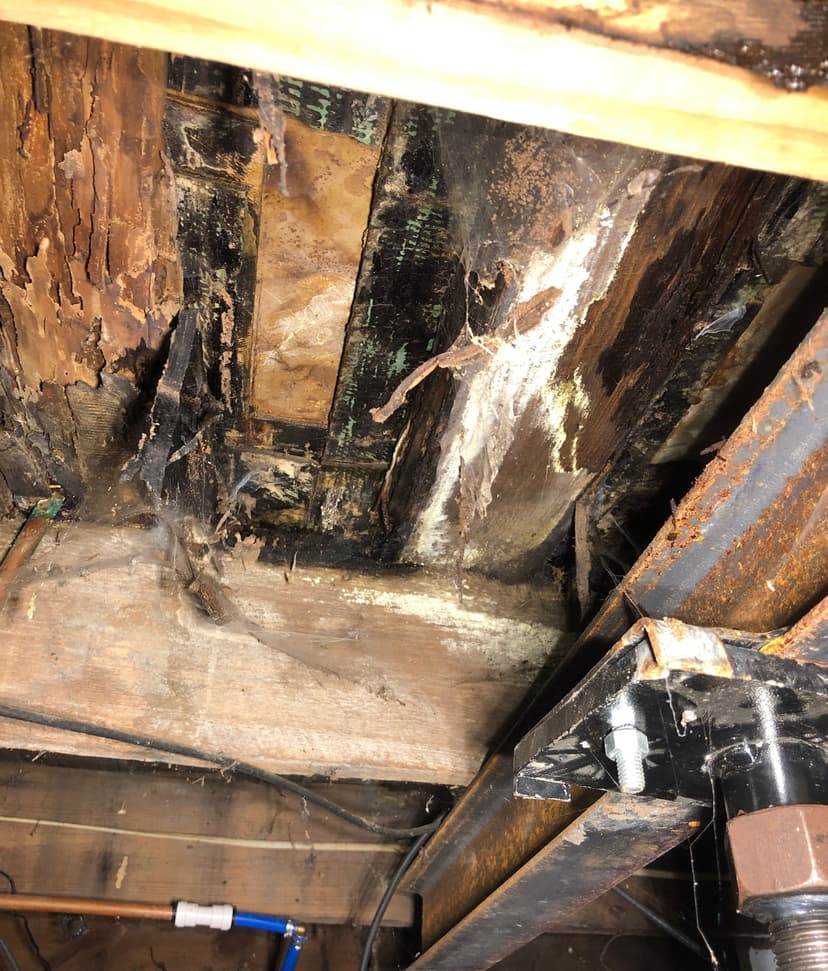
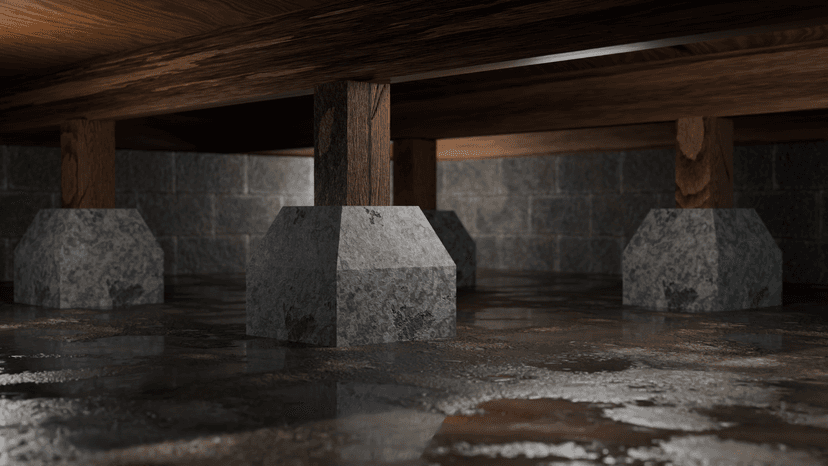
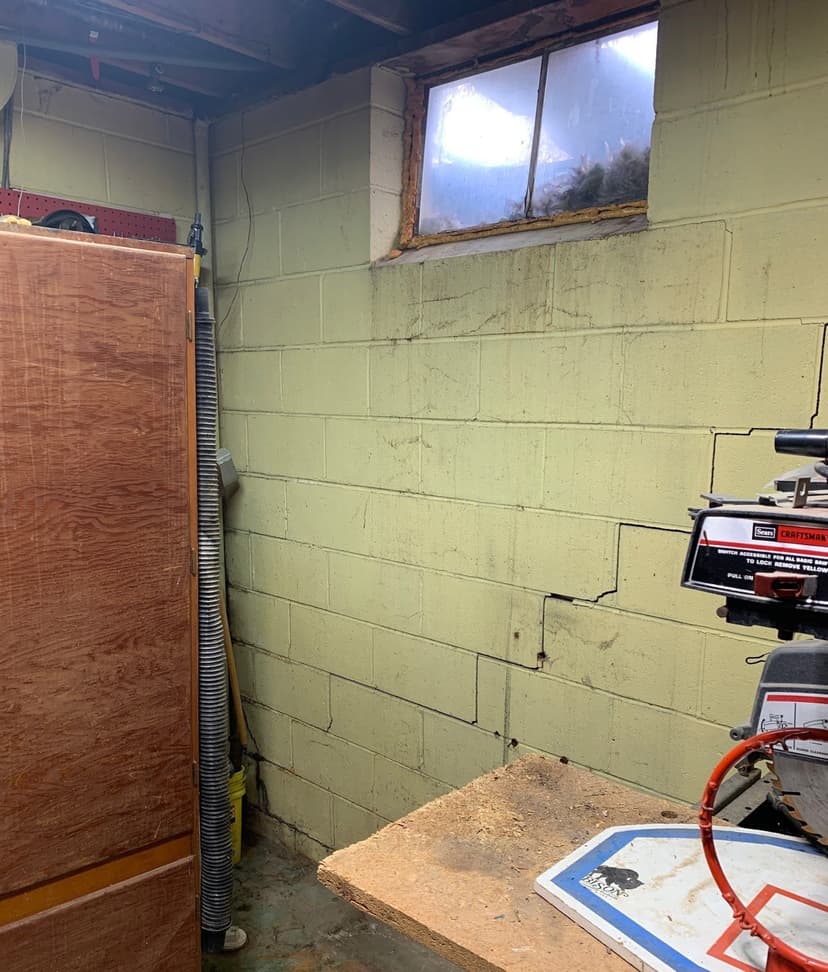
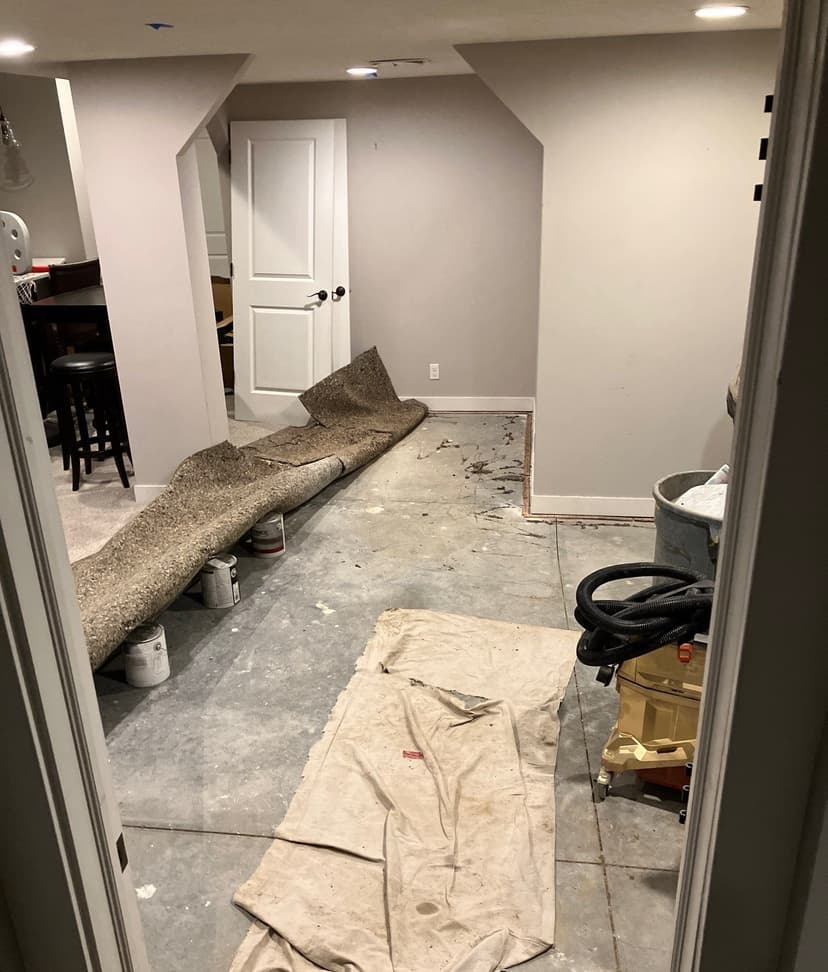
Serving Nebraska, Iowa, Kansas & Missouri.
Local crews based in five regional offices, dispatched daily across four states. If your town isn't listed, call us: we likely serve your area.
- Omaha, NE
- Lincoln, NE
- Topeka, KS
- Sioux City, IA
- Bellevue, NE
- St. Joseph, MO
- Council Bluffs, IA
- Grand Island, NE
- Papillion, NE
- Kearney, NE
Take the first step toward a healthy home.
A straightforward path from initial inspection to completed repairs.
Schedule your inspection.
A local specialist visits your home, evaluates the foundation, and answers your questions on site. No cost, no obligation.
Receive an estimate based on your needs.
We provide a clear, Customized Repair Estimate with a scope of work tailored to your home's specific issues. Typically within one business day.
Get your repairs.
Trained crews complete the work on schedule.
Over 1,700 homeowners have shared their experience.
A 4.9-star average across Google, with verified reviews from homeowners throughout Nebraska, Iowa, Kansas, and Missouri.
Two ways to start: book instantly, or request an estimate.
Schedule your inspection in seconds with our Driive booking tool, or share a few details and a local specialist will follow up within one business day.
- A local foundation specialist on site
- A complete walk-through of the findings
- A Customized Repair Estimate within one business day
- No cost, no obligation, no high-pressure sales
Expert guidance on protecting your home.
Practical articles from the Epp team on foundation health, waterproofing, and home preservation.
 Crawl Space RepairLatest
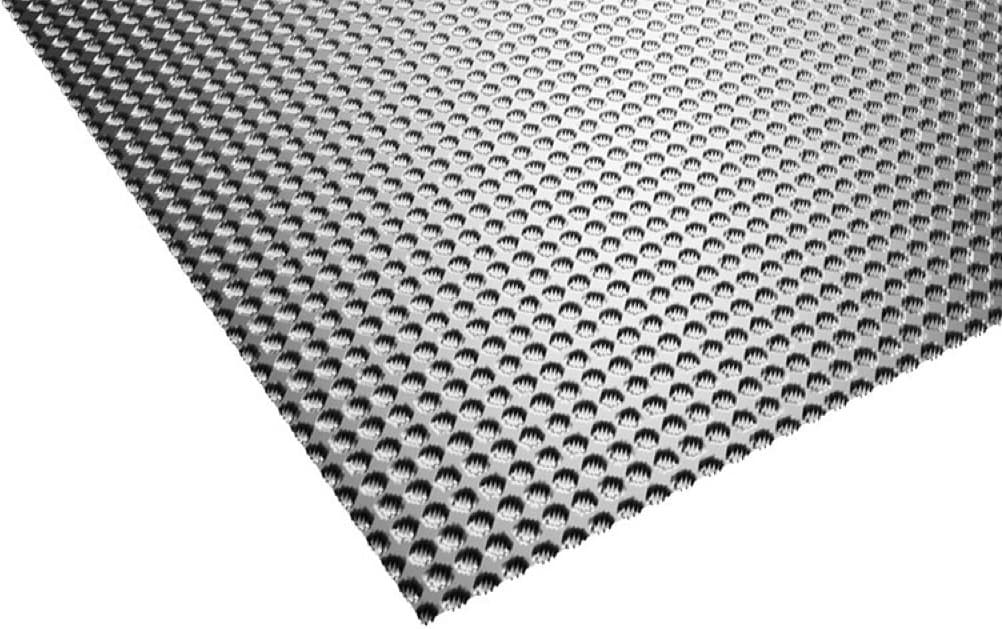
Protect Your Crawl Space With Drainage Matting
Learn what crawl space drainage matting is, the signs you need it, how it works with a vapor barrier, and how it is installed in your home.
 Crawl Space Repair
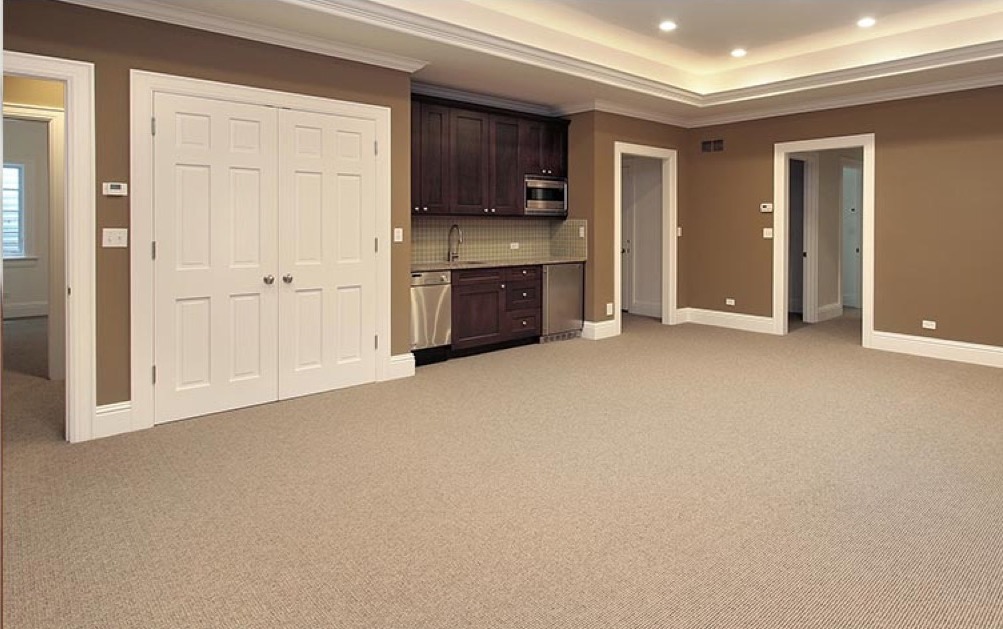
Can You Turn A Crawl Space Into A Basement?
Converting a crawl space into a basement is possible but involves major work. Learn the process, the pros and cons, and what to expect before starting.
 Crawl Space Repair
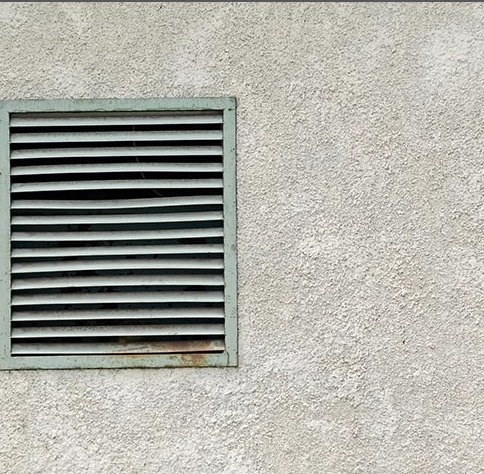
What Can I Use For DIY Crawl Space Vent Covers?
Protect your home with DIY crawl space vent covers. Discover the best materials, methods, and tips for moisture, pest, and draft control.
 Crawl Space Repair
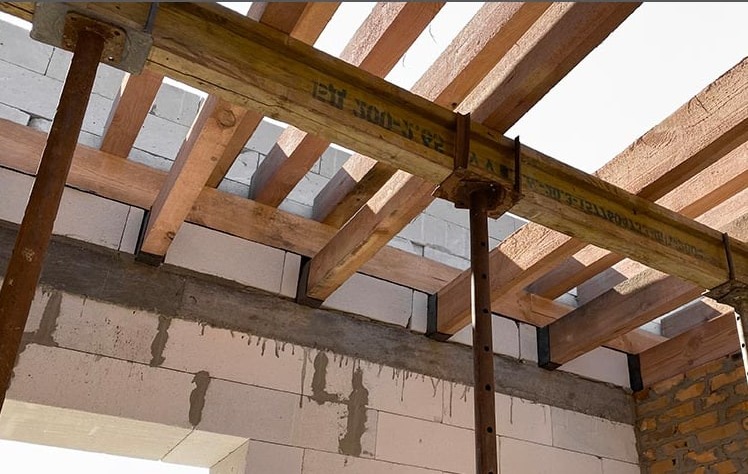
What Is A Rim Joist?
Discover what a rim joist is and its crucial role in building structures. Learn where rim joists are used and their importance in your home.
Five regional offices across the Midwest.
St. Joseph, MO 64506