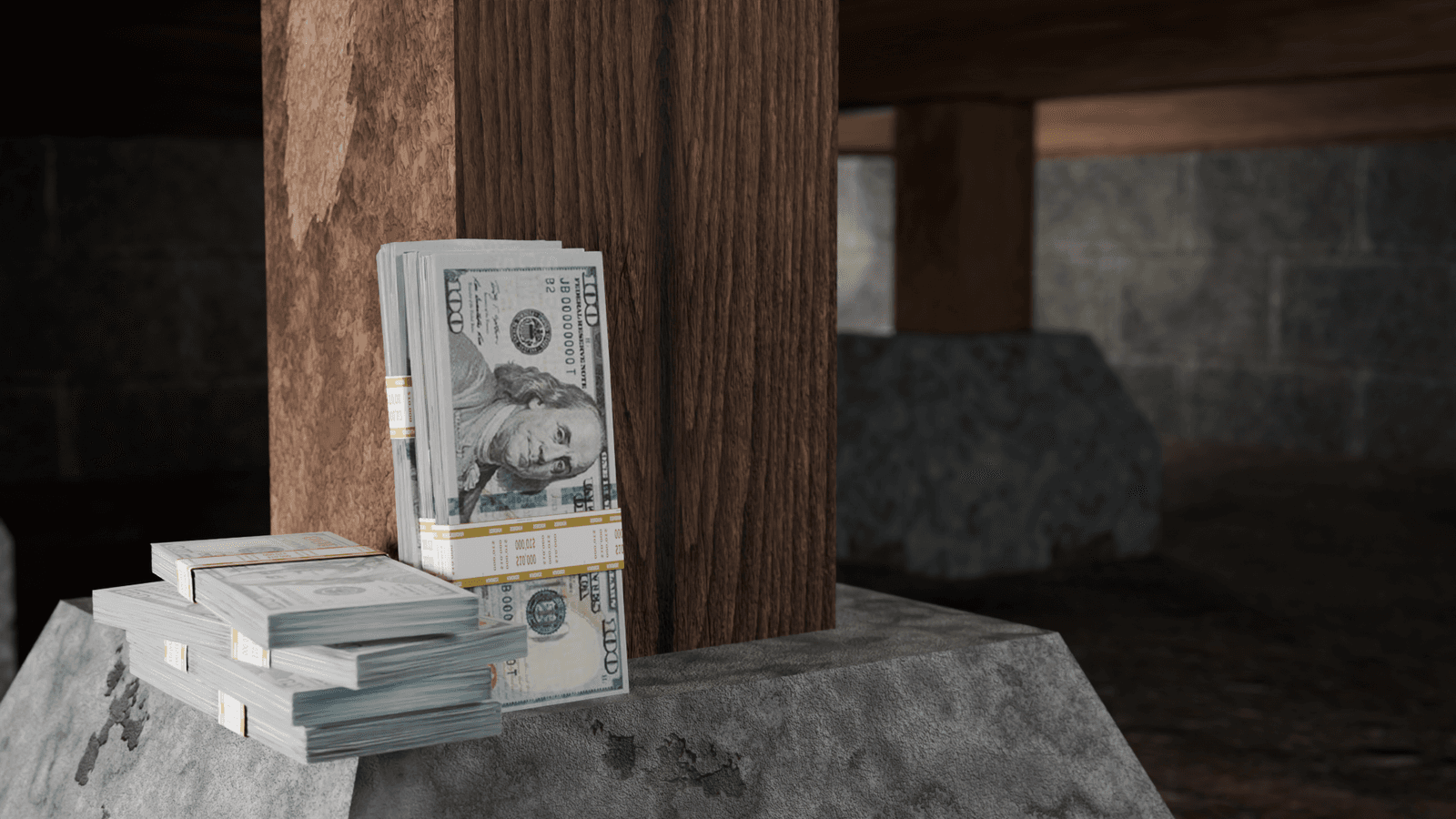
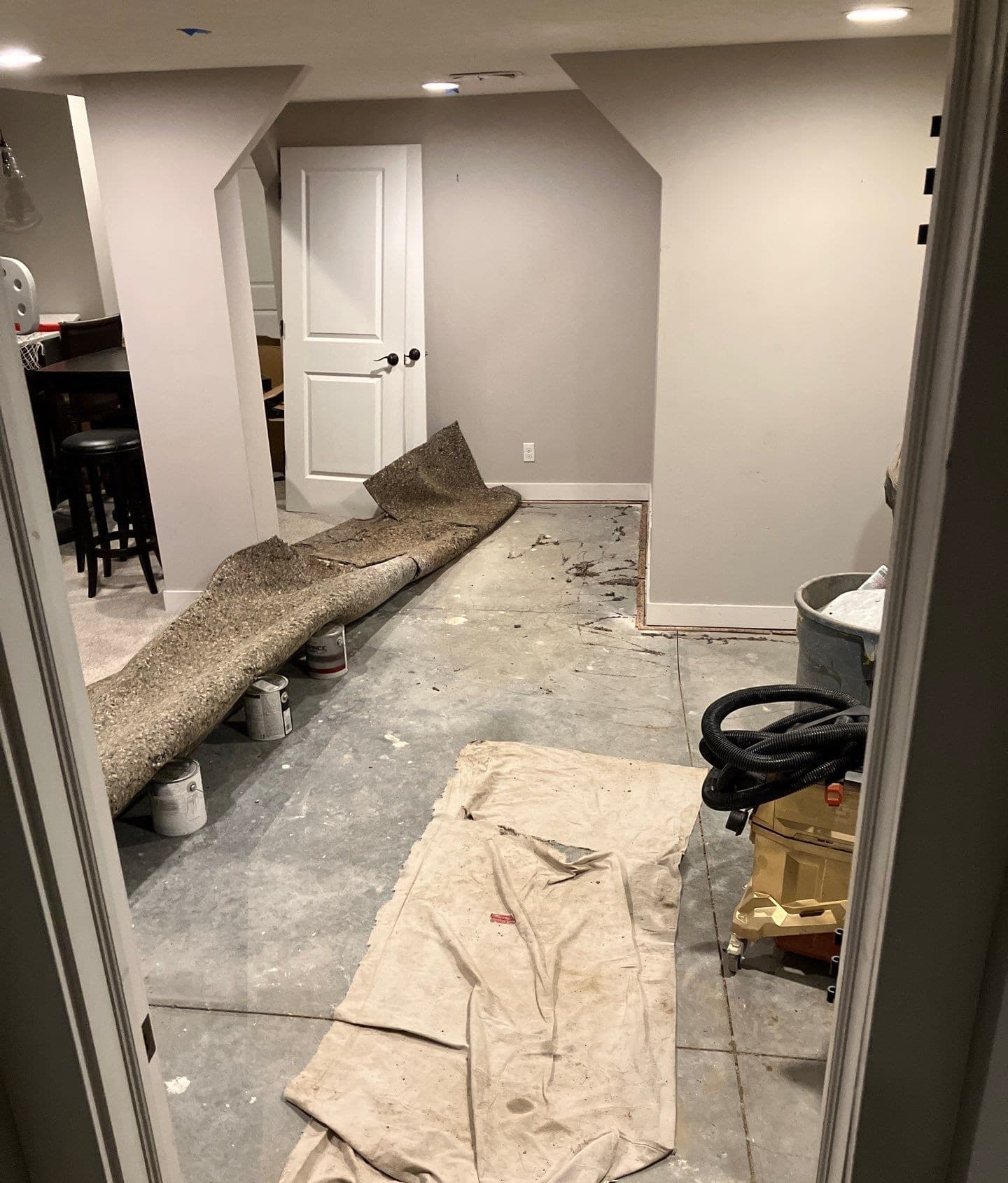

Estimate Only
Approximate pricing
Moisture control work to keep it clean, vapor barrier, vent sealing, dehumidifier, or sump, is priced separately. A Customized Repair Estimate after an on-site inspection reflects your scope.
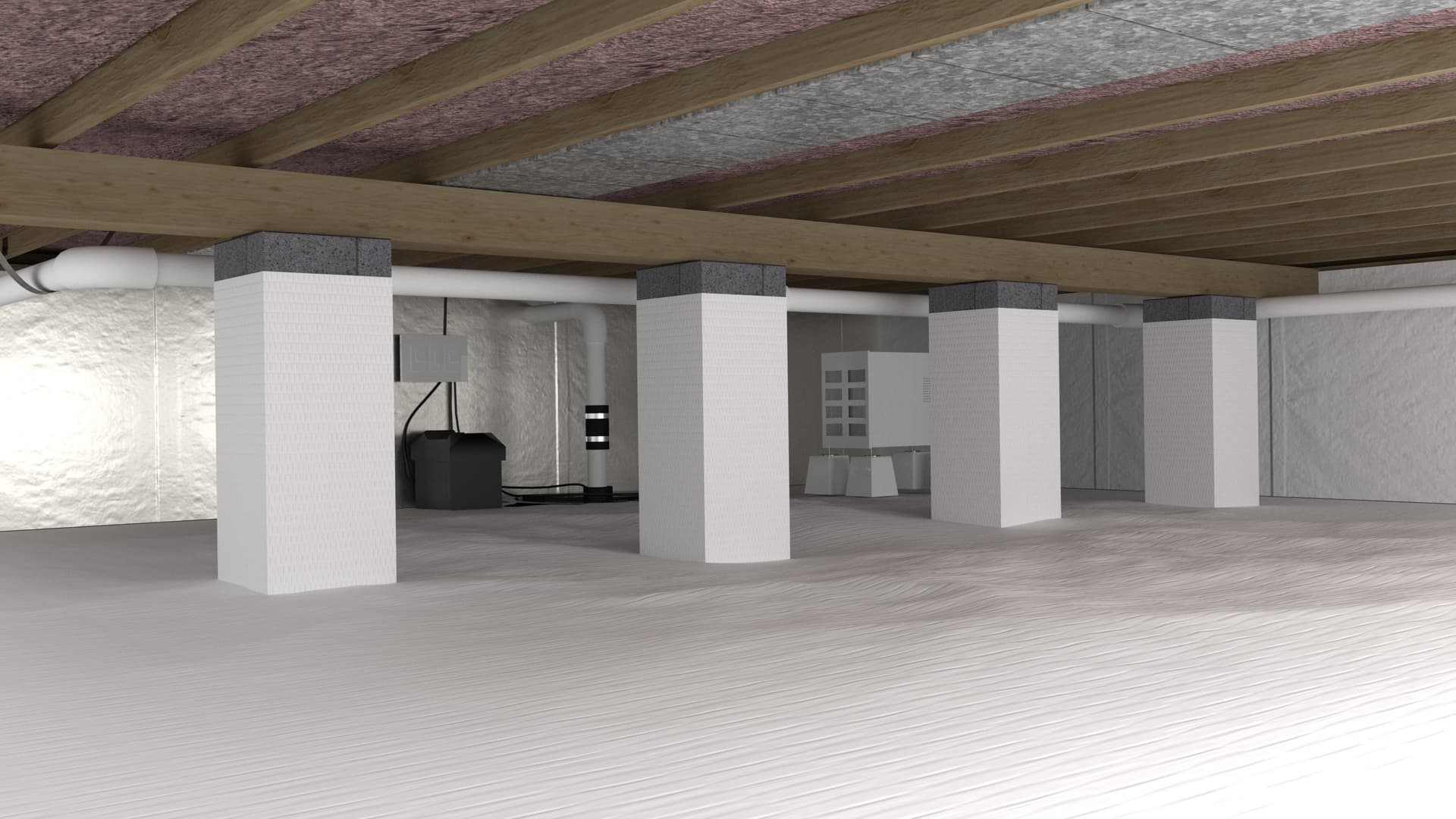
A dirty crawl space is usually a wet crawl space, and cleaning it without fixing the moisture means the mold and odor come right back. Epp clears the debris and addresses the water source so the work holds, and refers any mold removal to a certified remediator.

A local specialist will inspect your foundation, walk you through the findings, and send a clear estimate, no cost, no pressure.
Diagnosis First
Crawl space cleaning removes the debris and wet material, but it only holds if the water causing the mess is fixed at the same visit. Mold already on the framing is a certified remediator's scope, not Epp's. A dirty crawl with controlled moisture is a straightforward cleanout; an unresolved water source needs the moisture addressed alongside the cleaning.
In Depth
Everything a Midwest homeowner should know about this repair, from the specialists who do it every day.
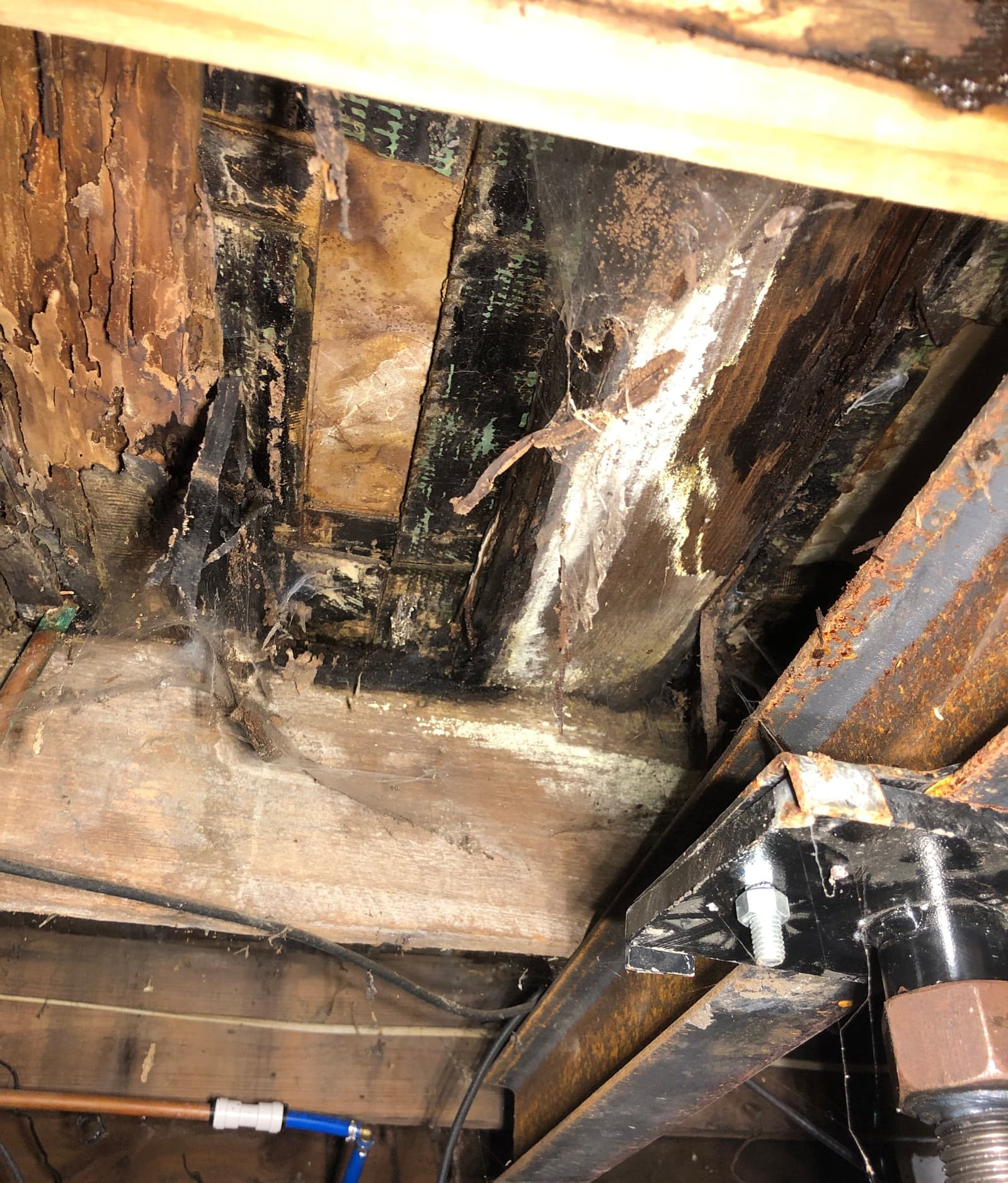
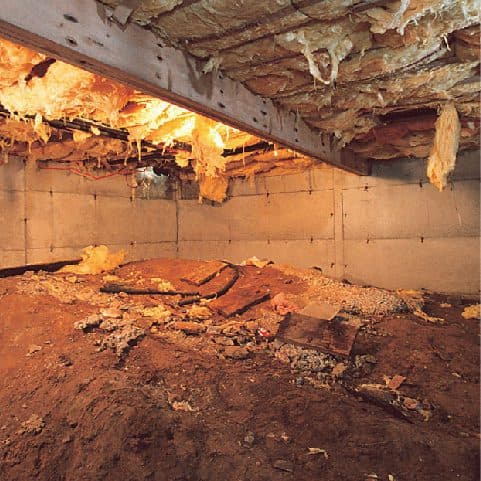
Crawl space cleaning is rarely just about dirt. Epp Foundation Repair has crawled under Midwest homes since 1994, and almost every truly dirty crawl space we find tells the same story: water got in, the space stayed damp, and the moisture invited everything else. Mold on the joists, a musty smell that drifts up into the living room, old insulation soaked and fallen to the ground, rodent and insect activity in the debris, and sometimes standing water over bare soil. Cleaning all of that out feels like the fix. But if the moisture that caused it is still there, the same mess can return. That is why Epp treats cleaning and moisture control as one job, not two.
The reasons a crawl space gets dirty in this region trace back to the ground and the weather. Eastern Nebraska, western Iowa, and the clay belt into Kansas and Missouri sit on expansive clay and loess soils that hold water and release it through every wet and dry cycle. With repeated freeze-thaw cycles and deep winter frost, the ground around a crawl space is constantly moving moisture. Add humid summer air pulled in through open foundation vents, and a crawl space spends much of the year above the humidity level where mold grows and wood starts to soak up water. Bare soil with no vapor barrier makes it worse, because the ground releases water vapor straight into the air all year.
So the signs that a crawl space needs cleaning are usually signs of a moisture problem too. A musty or earthy smell in the rooms above. Visible mold or dark staining on the joists and subfloor. Sagging or fallen insulation. Pest droppings, nests, or chewed material in the debris. Higher allergy or asthma symptoms in the home, since some of the air upstairs can come from the crawl space below. When that air is moldy and damp, it does not stay in the crawl space. It rises.
Epp's cleaning process starts with an inspection by a foundation specialist who reads the humidity and the wood moisture, identifies the water source, and documents the condition with photos. The actual cleaning then moves in order. First, debris removal: old wet insulation, construction leftovers, fallen material, and anything organic that feeds mold and pests comes out. Second, any mold growing on the framing is documented and handed to a certified IICRC remediator, because removing or treating mold takes containment and certification Epp does not carry. Third, the space is dried out, since the musty smell is damp organic material and it fades once the material is gone and the humidity comes down. None of that is the end of the job, though. The last and most important step is controlling the moisture so the space stays clean: a vapor barrier across the soil, sealing of failed vents, and a dehumidifier or a sump system if liquid water is getting in. You never seal water inside a space, so any active water is handled before the space is closed up.
The health and safety payoff is real. A clean, dry crawl space stops feeding mold spores and musty air into the rooms above, removes the food and shelter that drew pests, and protects the wood joists and girders that hold your floor up from rot and long-term moisture damage. It also makes the space safe to enter for future work like plumbing or wiring.
One foundation specialist stays with your project from the first inspection through the final walkthrough. At inspection we sort recommendations into Must Do, Strongly Suggest, and Monitor, so if a space is dirty but the moisture is already under control, we can clean it without selling you a system you do not need. Epp is family-owned and locally operated, has held a BBB A+ rating, and has won the BBB Integrity Award. That reputation comes from fixing the cause, not just the symptom, so the crawl space you pay to clean stays clean. To get started, schedule your crawl space inspection today.
Which Solution Is Right?
| Method | Fits when | Not a fit when |
|---|---|---|
| Debris Removal and Dry-Out | The crawl has old wet insulation, fallen material, pest debris, or odor to clear out. | The moisture source feeding that mess is still unresolved; cleaning alone will not hold in that case. |
| Vapor Barrier and Vent Sealing | Cleaning is paired with a chronic moisture source so the space stays clean afterward. | The crawl's moisture is already controlled and the visit is a straightforward cleanout. |
| Dehumidifier or Sump System | Liquid water is entering the crawl, or humidity stays elevated after debris removal. | No active water is present and drying the space does not require added equipment. |
Each method is matched to a specific failure mode and soil profile. Browse the toolkit we draw from when diagnosing your home.
Epp Foundation Repair has diagnosed and corrected crawl space moisture across Nebraska, Iowa, Kansas, and Missouri since 1994.
Epp Foundation Repair has installed encapsulation systems across Nebraska, Iowa, Kansas, and Missouri since 1994. Epp is BBB A+ accredited and a BBB Integrity Award winner.
Epp Foundation Repair has replaced failed crawl space vapor barriers across Nebraska, Iowa, Kansas, and Missouri since 1994. If the old sheet is torn, thinner than the job needs, buried under debris, or was never there, replacing it is the repair.
Family owned since 1994, Epp Foundation Repair builds crawl space drainage systems across Nebraska, Iowa, Kansas, and Missouri.
Based on NOAA 1991 to 2020 climate normals for Lincoln Municipal Airport and Omaha Eppley Airfield, the average July dew point is 65 degrees in Lincoln and 66 degrees in Omaha. Water can form on any surface that is cooler than the dew point of the air around it, so damp summer air in a vented crawl space can leave water on posts, beams and joists. Water that reaches a crawl space floor can also keep that wood wet.
Based on NOAA 1991 to 2020 climate normals for Lincoln Municipal Airport and Omaha Eppley Airfield.
Based on USDA soil survey data for Lancaster County (Lincoln) and Douglas County (Omaha), clay is the main soil type in both counties. The survey rates Lancaster County high and Douglas County moderate for shrink swell. Clay can swell when it gets wet and shrink as it dries, so a slab or foundation on clay can move up and down with the seasons. The soils that cover the most ground in Lancaster County are Wymore and Aksarben, and in Douglas County they are Contrary and Marshall.
Loess, the wind deposited silt common in eastern Nebraska and western Iowa, can lose strength and settle when it gets wet. Water can reach it from runoff, a plumbing leak or a downspout that empties next to the house.
In Lincoln and Omaha, soil near the surface can freeze and thaw many times between fall and spring. Each city's building code sets a frost line depth, which is the minimum depth below finished grade for a footing. It is 36 inches in Lincoln and 42 inches in Omaha. Supports that sit above that depth, such as some porches, stoops and chimney footings, can move as the ground freezes and thaws.
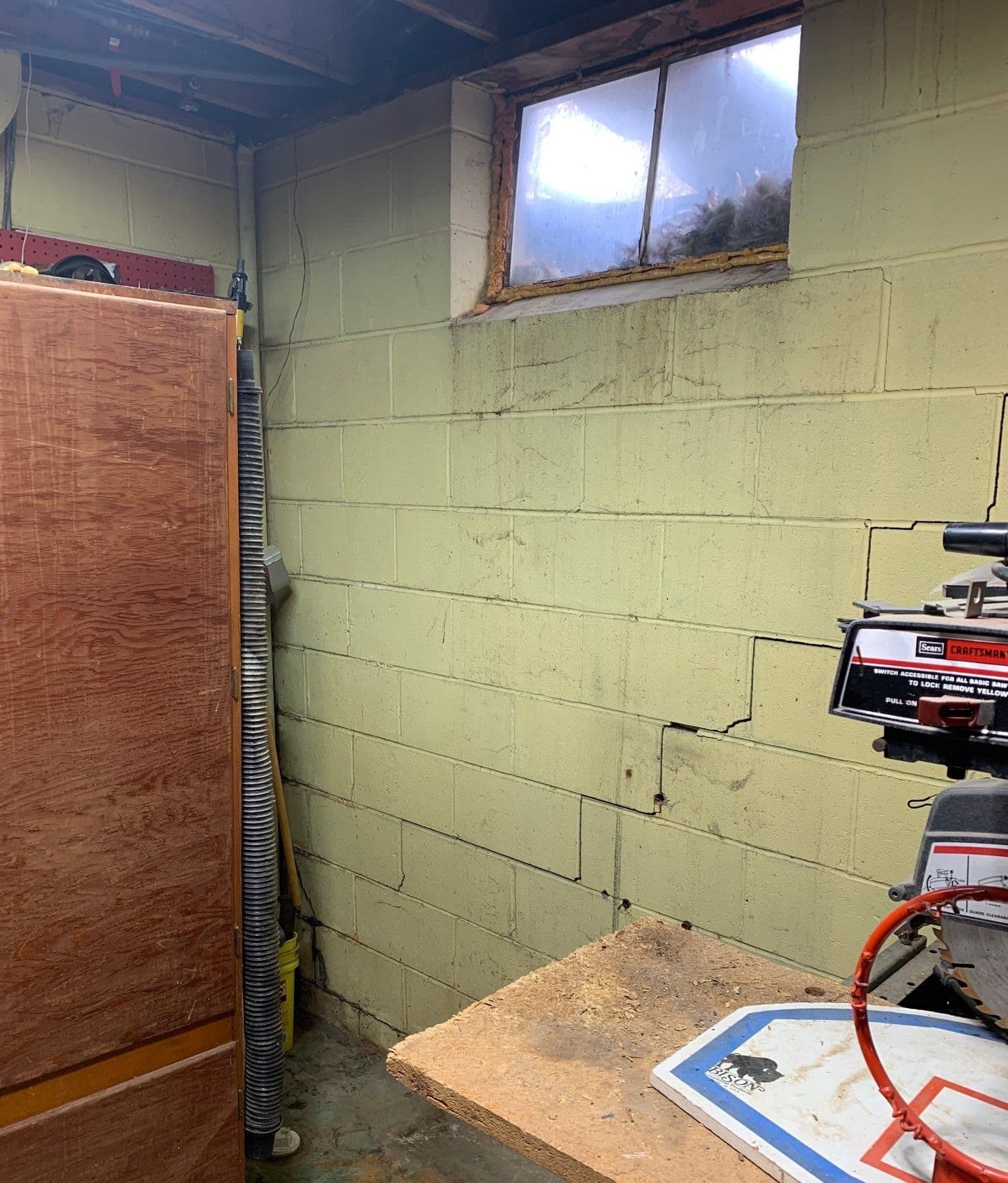
Horizontal cracks in a basement wall are more often linked to pressure from the soil outside the wall than to settlement. Wet soil pushes harder against a wall than dry soil, and soil that freezes against the wall can add to that pressure.
Climate: NOAA U.S. Climate Normals 1991 to 2020, LINCOLN MUNI AP (USW00014939) and OMAHA EPPLEY AIRFIELD (USW00014942); July dew point averaged from the hourly normals at LINCOLN MUNI AP (USW00014939) and OMAHA EPPLEY AIRFIELD (USW00014942), retrieved September 30, 2026. Soil: USDA NRCS Soil Data Access (SSURGO), county survey for Lancaster County and Douglas County. Frost line depth: Lincoln Municipal Code 20.12.140 and Omaha Municipal Code Sec. 43-127.
These are the crawl space repair problem signs Epp Foundation Repair diagnoses most often. Each one links to what causes it and how it is repaired.
Our specialists evaluate the underlying cause before recommending any work. Inspections are at no cost and there's no obligation to proceed.
"People call us to clean out a nasty crawl space, and we will, but if I just haul out the mess and leave the water that caused it, you will be calling me again next spring. The dirt is the symptom. The moisture is the cause, and we treat both on the same visit."

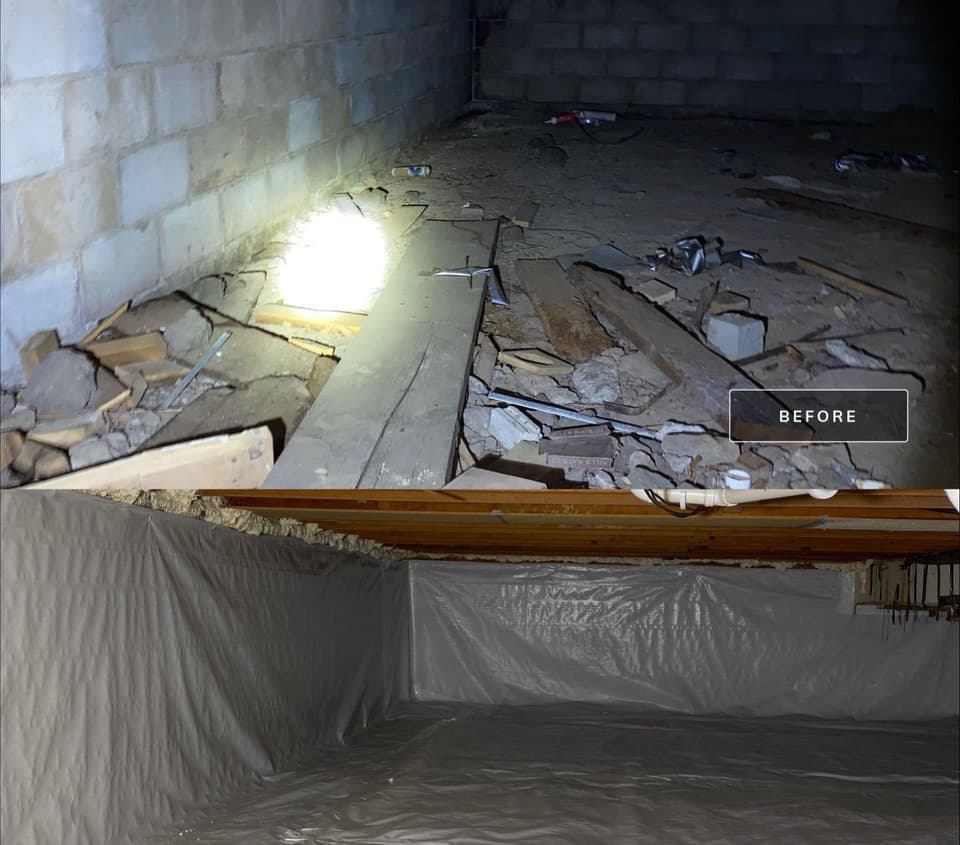
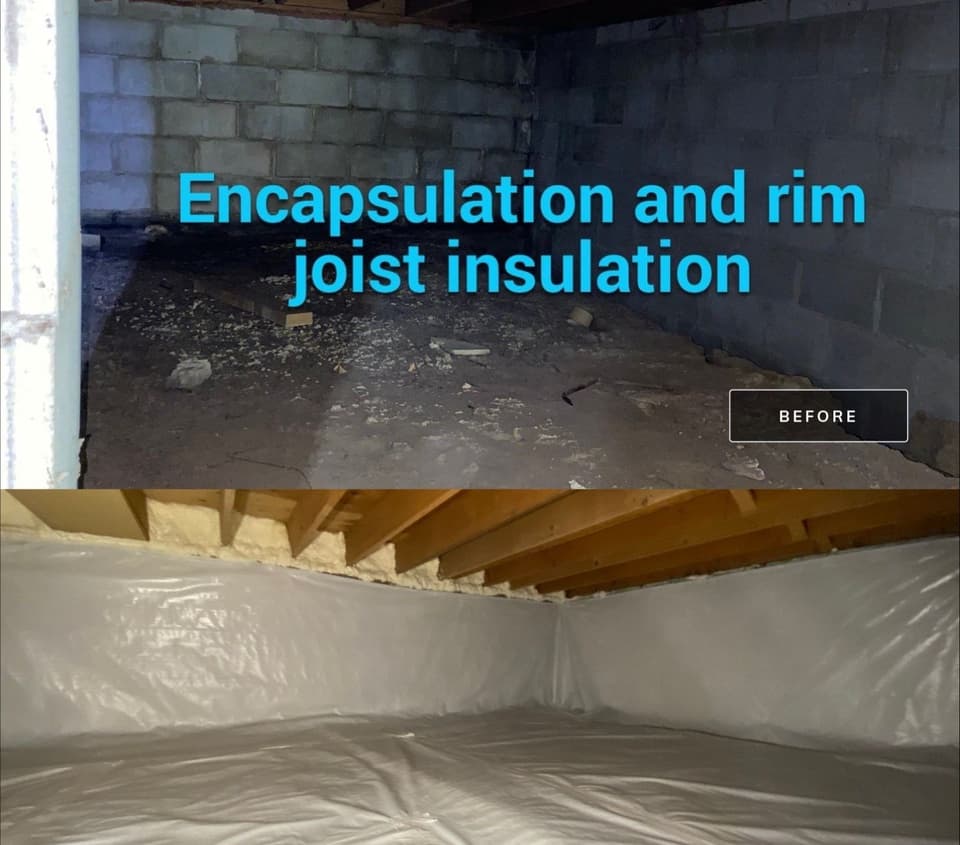
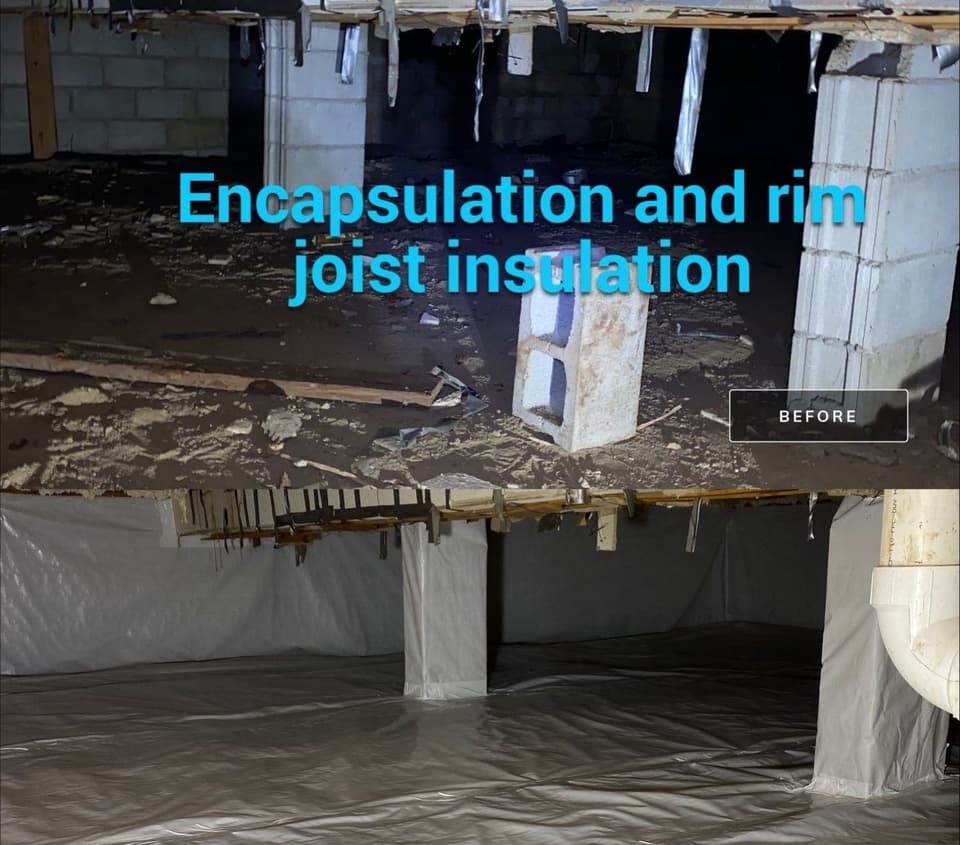
Completed work photographed on real job sites across Nebraska, Iowa, Kansas, and Missouri.
Epp Foundation Repair is locally owned and operated, with crews dedicated exclusively to foundation, basement, and concrete work across the Midwest.
Foundation repair, waterproofing, and concrete leveling are our entire focus, not a sideline.
Three decades of experience with Midwest soils, basements, and weather conditions.
Recognized by the Better Business Bureau for integrity and ethical business practices.
Many of our repairs carry a written Epp warranty. The warranty page lists every covered repair and its terms.
Don't see your question here? Our team is happy to help. Reach out anytime.
Every home is different. What a repair costs depends on the cause, the scope, and access. A free on-site inspection produces a Customized Repair Estimate that reflects your home, not a typical range.
Moisture control work to keep it clean, vapor barrier, vent sealing, dehumidifier, or sump, is priced separately. A Customized Repair Estimate after an on-site inspection reflects your scope.
A cleaning alone is the wrong scope when the crawl space has an unresolved water source, because clearing the debris without controlling the moisture only resets the clock until it all returns. In that case the durable fix pairs the cleanout with a vapor barrier, vent sealing, and a dehumidifier or sump system. Epp will tell you on inspection whether cleaning by itself is enough or whether the moisture has to be addressed at the same time.
BBB A+ rated · BBB Integrity Award winner
Related to what you are reading. Our team covers the same ground on camera.
Every crawl space repair method we install. Sequenced so the soil profile and failure mode determine the fix.
 01
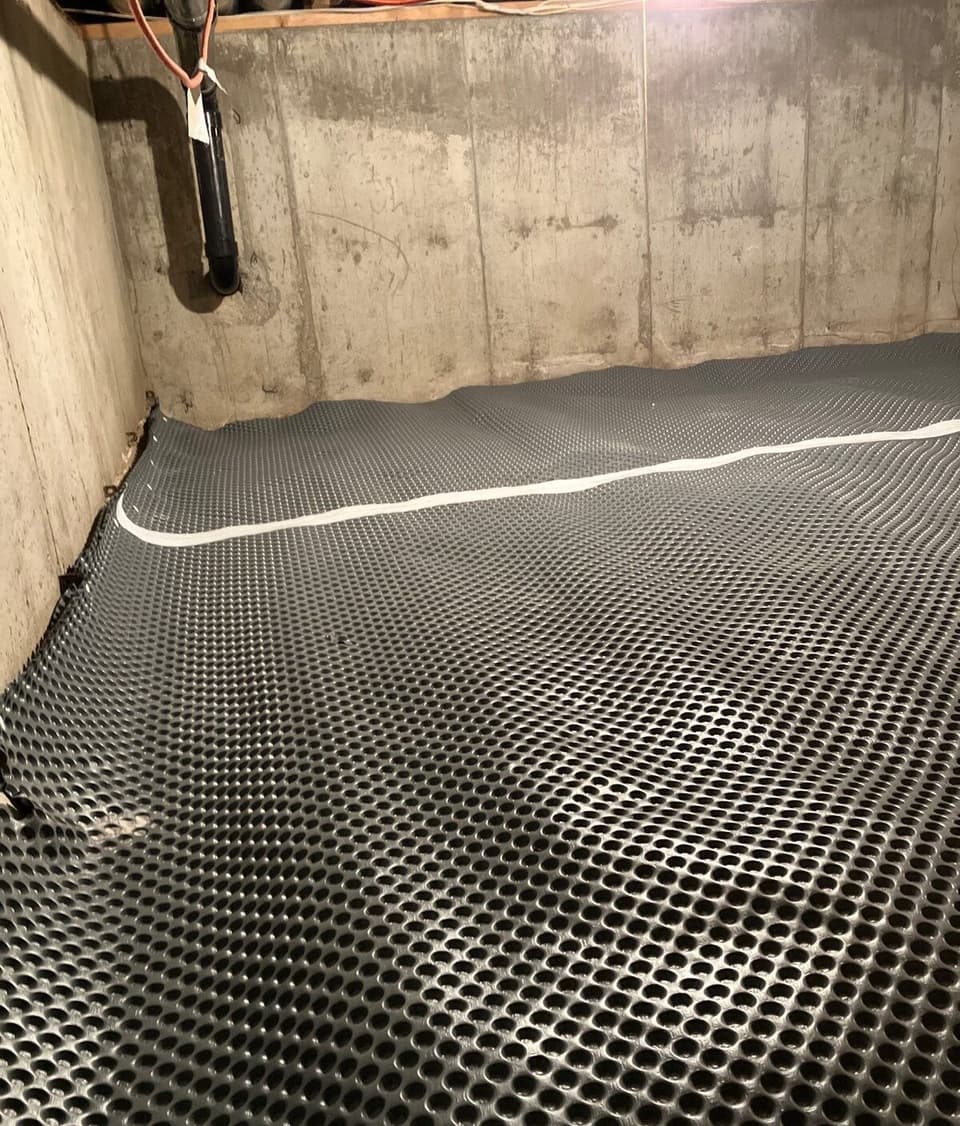
01 Crawl space waterproofing addresses active water reaching a dirt-floor or short-clearance crawl. Interior drainage matting at the perimeter, a sump pit with pump, and a polyethylene vapor barrier capture seepage and discharge it outside. Epp Foundation Repair has designed crawl-space drainage and encapsulation systems across NE, IA, KS, and MO since 1994.
Learn more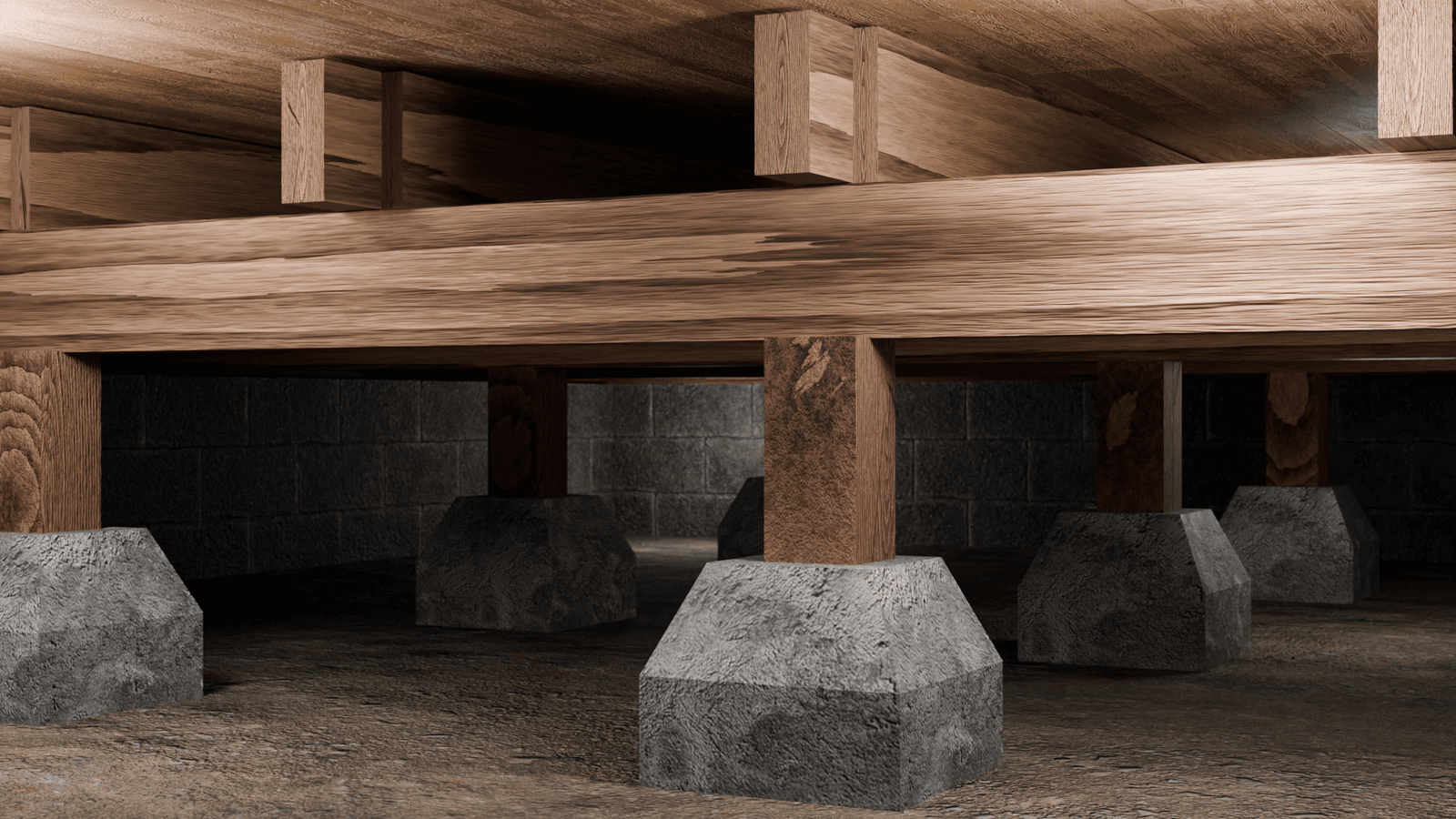 02
02 Crawl space structural repair supports the floor from below when a post has settled or a beam has lost support. Epp Foundation Repair sets adjustable steel post beam jacks on new footings and can place helical piers under posts across NE, IA, KS, and MO. Joist and beam carpentry is referred to a framing contractor.
Learn more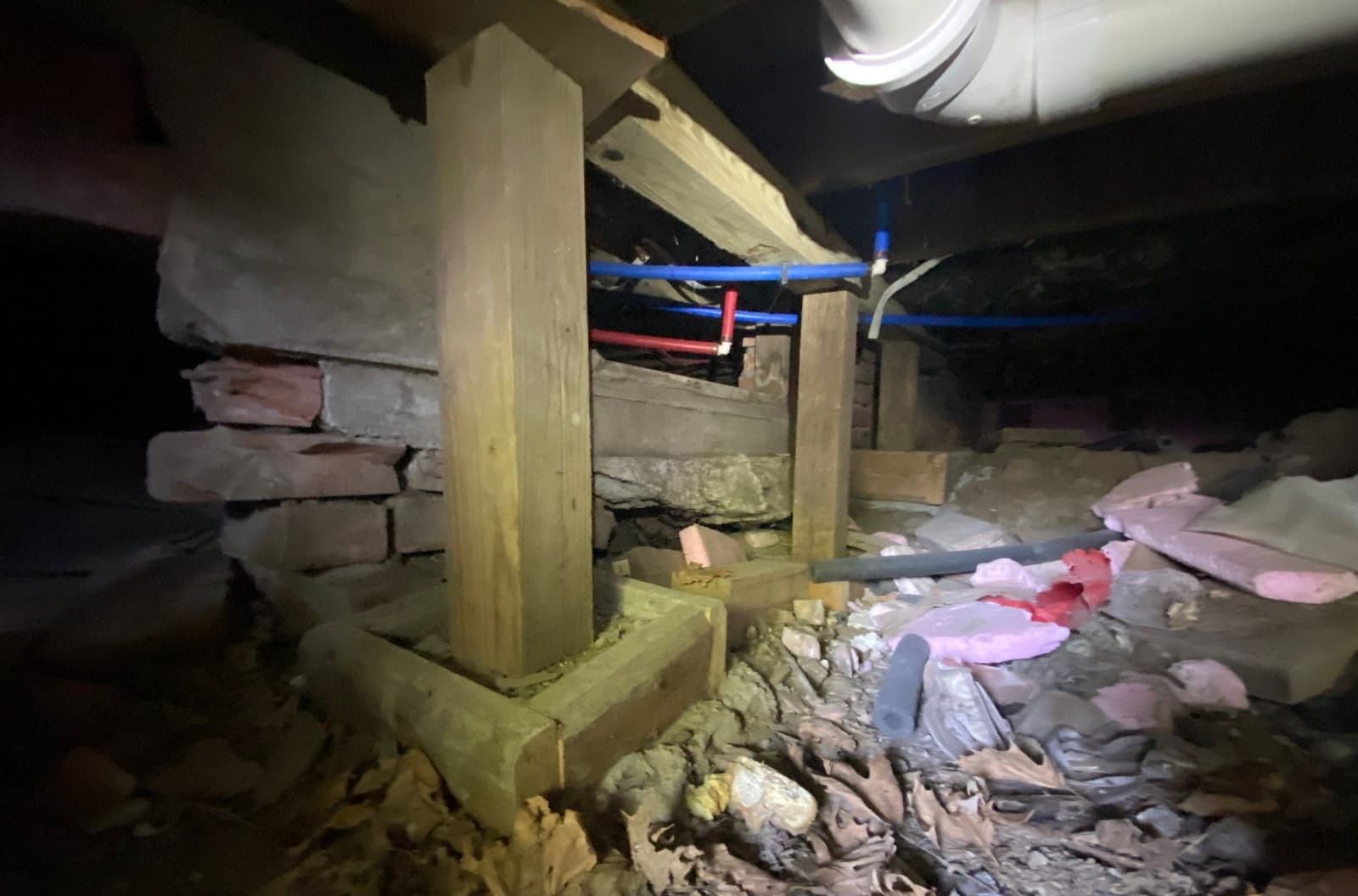 03
03 Pier and beam homes sit on individual piers that carry beams, which carry the joists, and they usually fail at the piers first. Epp Foundation Repair replaces settled or rotted masonry, concrete, and wood piers with helical piers driven to bearing strata across NE, IA, KS, and MO, and has since 1994. Rotted beam or joist carpentry is referred to a framing contractor.
Learn more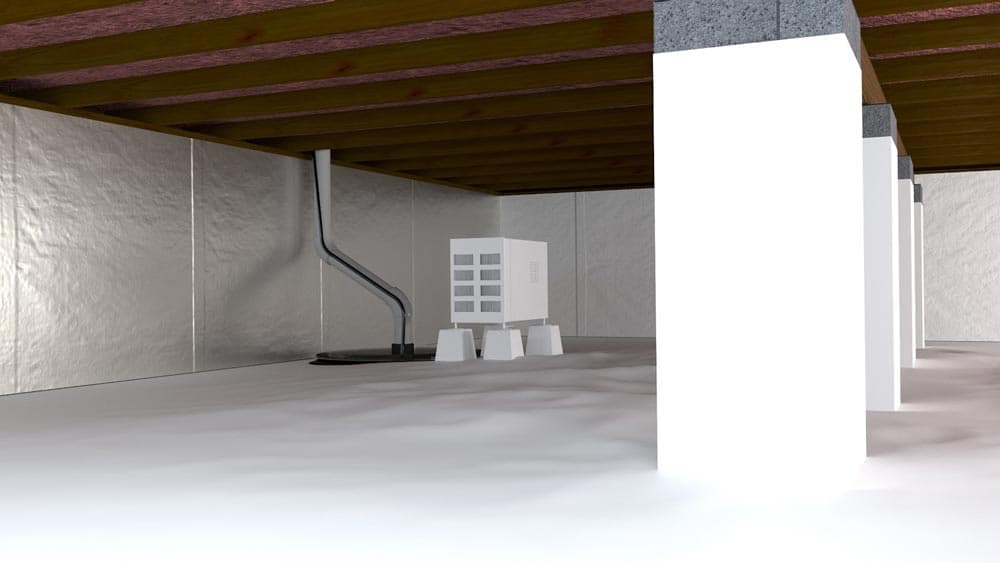 04
04 Crawl space sump pump installation captures groundwater inside a sealed basin set into the dirt floor, lifts it through a check-valve discharge line, and moves it 6 to 10 feet from the foundation. Epp Foundation Repair installs crawl-space sumps in dirt-floor crawls with limited clearance across NE, IA, KS, and MO, typically as a pre-encapsulation step or paired with interior crawl-space drainage matting.
Learn more 05
05 Crawl space drainage systems intercept wall seepage and groundwater at the perimeter, channel it through low-profile drainage matting and perforated pipe under the dirt floor, and feed it to a sump pit that pumps it 6 to 10 feet from the foundation. Epp Foundation Repair installs full crawl-space drainage systems across NE, IA, KS, and MO, designed for limited clearance and regional soil conditions.
Learn more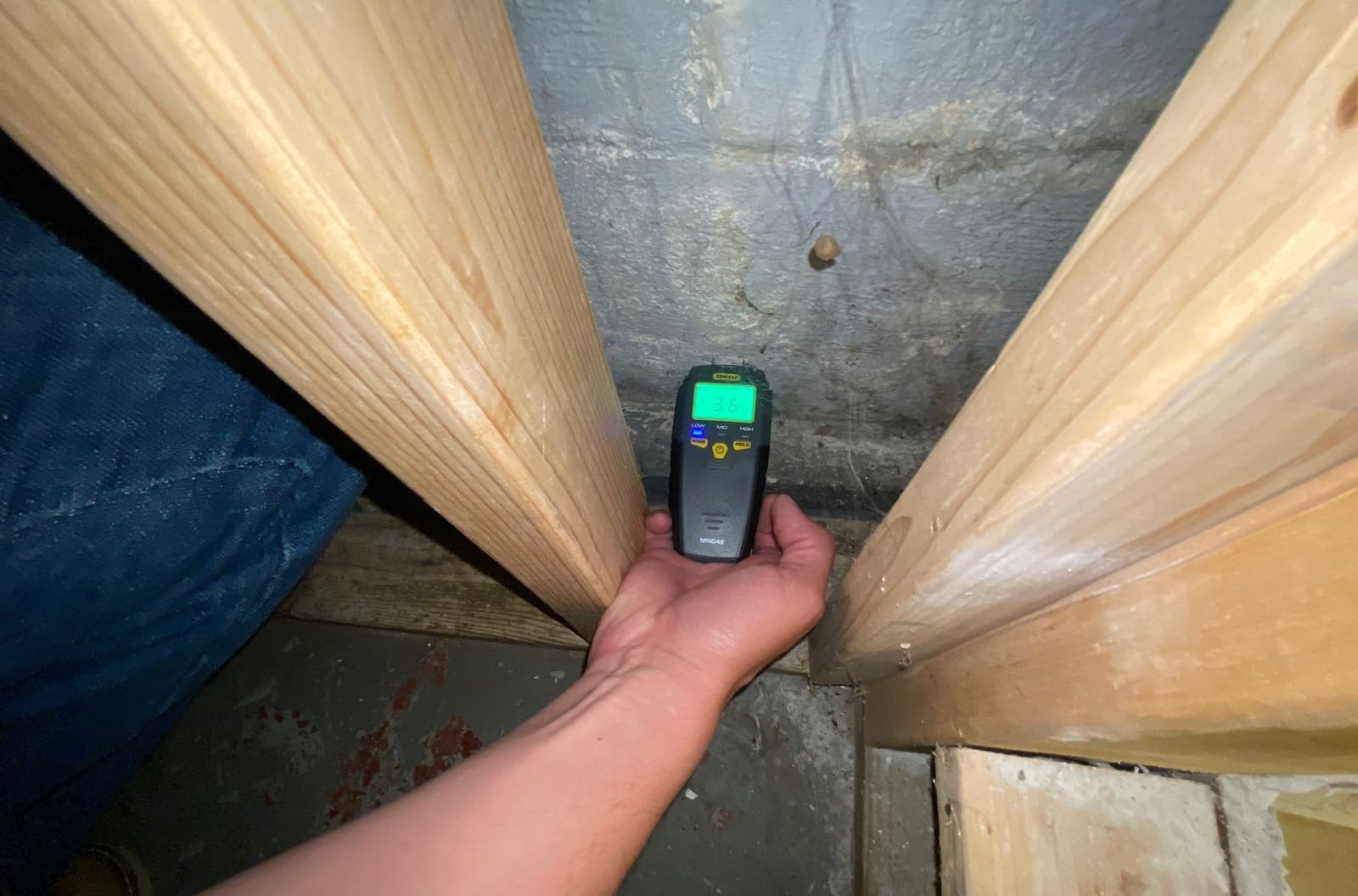 06
06 Free on-site crawl space inspection from a foundation-and-structural perspective. Epp Foundation Repair inspects joists, sill plate, posts, beams, dirt-floor grade, moisture, vapor barrier, and HVAC duct condition, then provides a Customized Repair Estimate with findings and recommended action. It is not a real-estate transactional inspection.
Learn more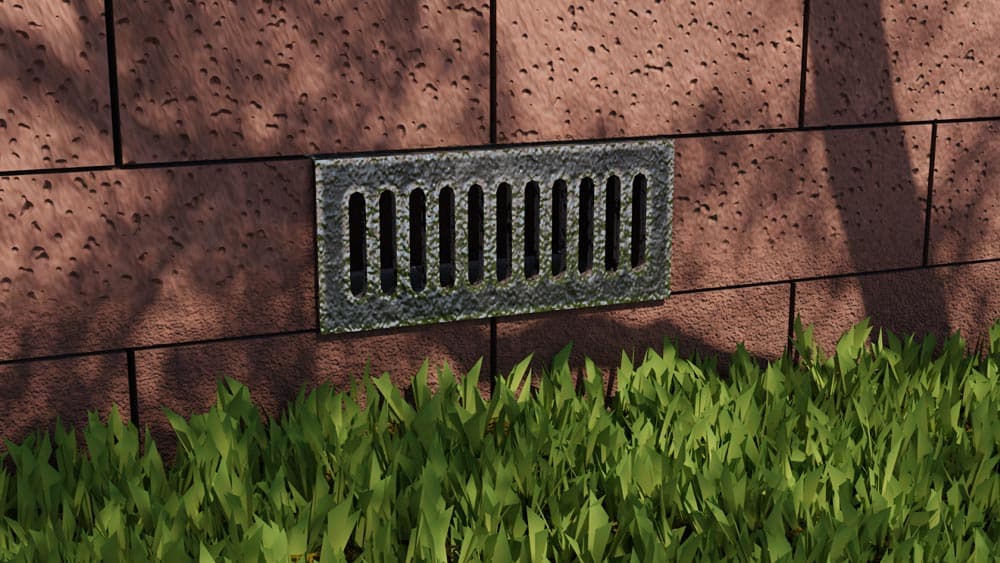 07
07 Airflow and humidity control for crawl spaces, from corrected venting to sealed encapsulation when open vents make moisture worse.
Learn more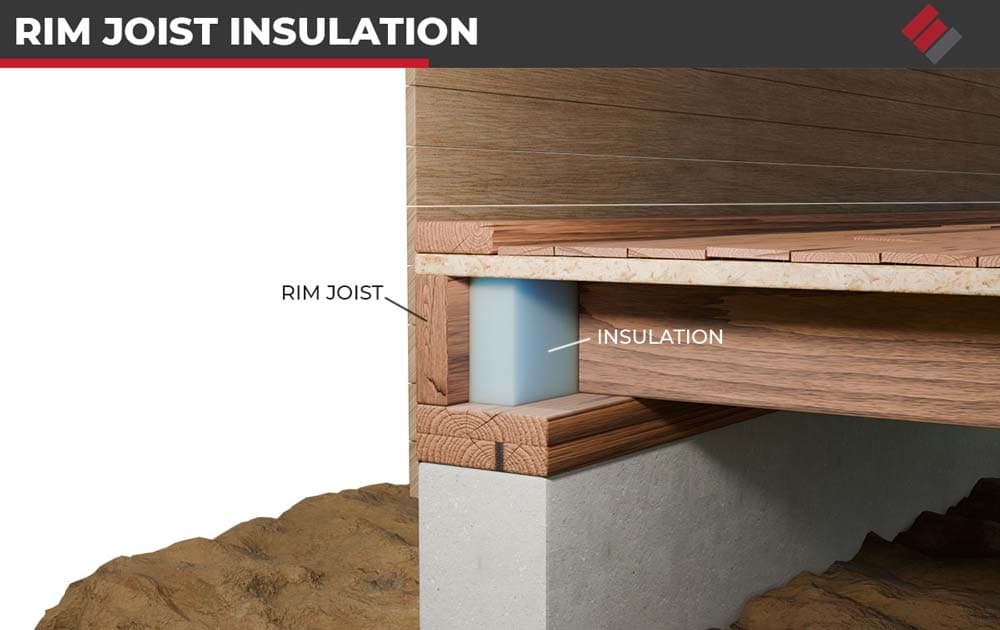 08
08 Sealing and insulating the rim joist is the insulation work Epp does most. It closes the biggest air leak in a Nebraska or Iowa crawl space, warms the floor above, and goes in after the moisture is under control.
Learn more 09
09 Structural repair of the short foundation wall under a crawl space, addressing cracks, spalling, and rusted rebar at the source.
Learn more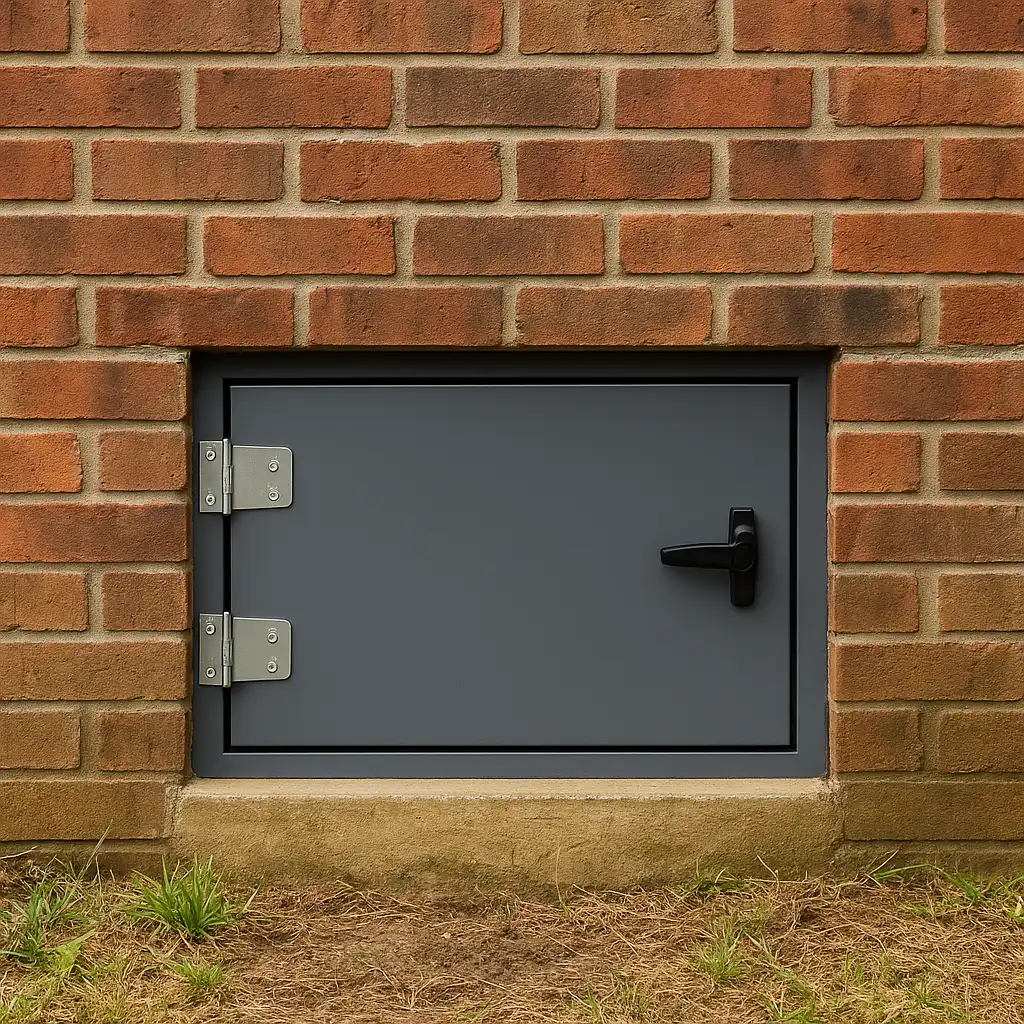 10
10 A sealed, durable crawl space door that closes the last gap in your moisture and pest control without trapping water inside.
Learn moreLocal crews based in five regional offices, dispatched daily across four states. If your town isn't listed, call us: we likely serve your area.
A straightforward path from initial inspection to completed repairs.
An Epp foundation specialist enters the crawl space, reads humidity and wood moisture, photographs the mold, debris, and any standing water, and identifies where the moisture is coming from. The cleaning plan and the moisture plan are built together so the space does not get dirty again.
The crew removes old wet insulation, fallen material, and organic debris, which is what feeds the musty odor, and documents any mold on the framing for a certified remediator to remove. Epp does not treat or remove mold. Active water is handled before anything gets sealed, because you never trap water inside a closed crawl space.
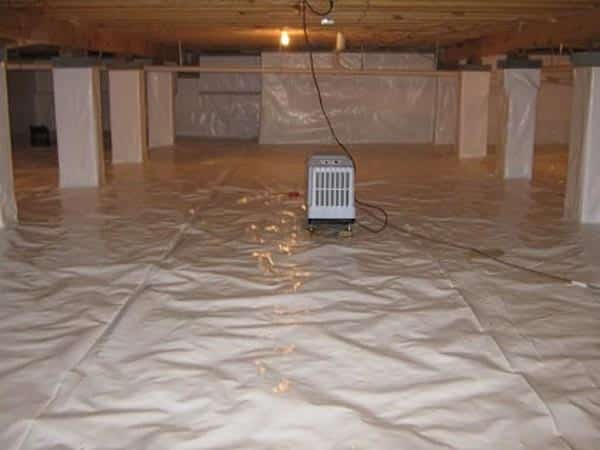
Epp installs the moisture controls the space needs, vapor barrier across the soil, sealing of failed vents, and a dehumidifier or sump system, to help keep the crawl space dry. One foundation specialist oversees the job from inspection through the final walkthrough, and the Customized Repair Estimate reflects the exact scope.
A 4.9-star average across Google, with verified reviews from homeowners throughout Nebraska, Iowa, Kansas, and Missouri.
Schedule your inspection in seconds with our Driive booking tool, or share a few details and a local specialist will follow up within one business day.
Practical articles from the Epp team on foundation health, waterproofing, and home preservation.
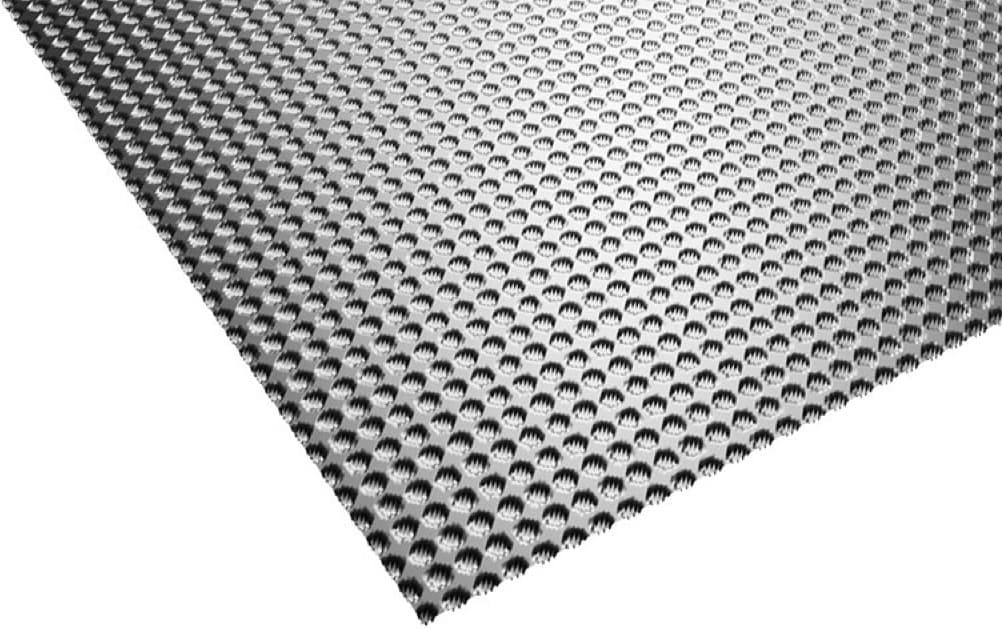 Crawl Space RepairLatest
Learn what crawl space drainage matting is, the signs you need it, how it works with a vapor barrier, and how it is installed in your home.
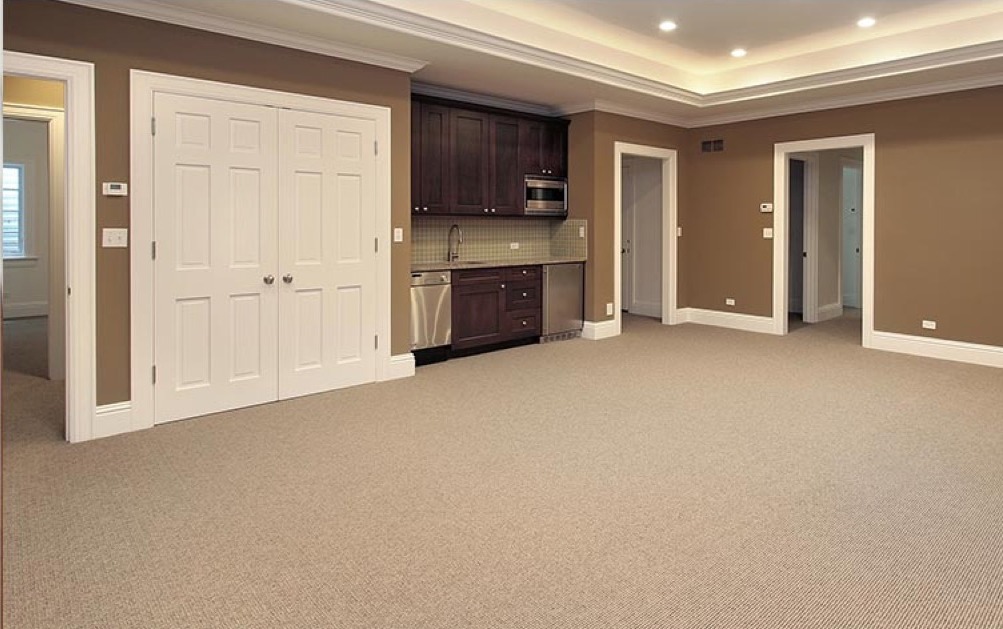 Crawl Space Repair
Converting a crawl space into a basement is possible but involves major work. Learn the process, the pros and cons, and what to expect before starting.
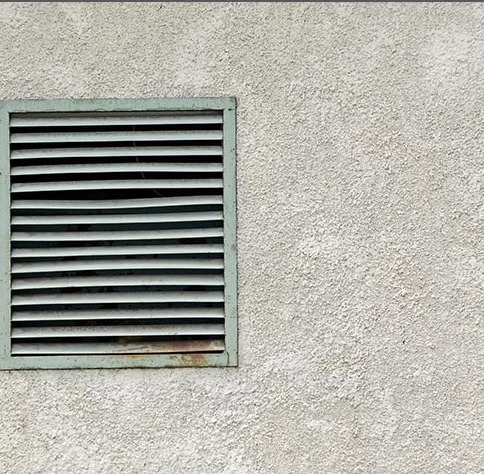 Crawl Space Repair
Protect your home with DIY crawl space vent covers. Discover the best materials, methods, and tips for moisture, pest, and draft control.
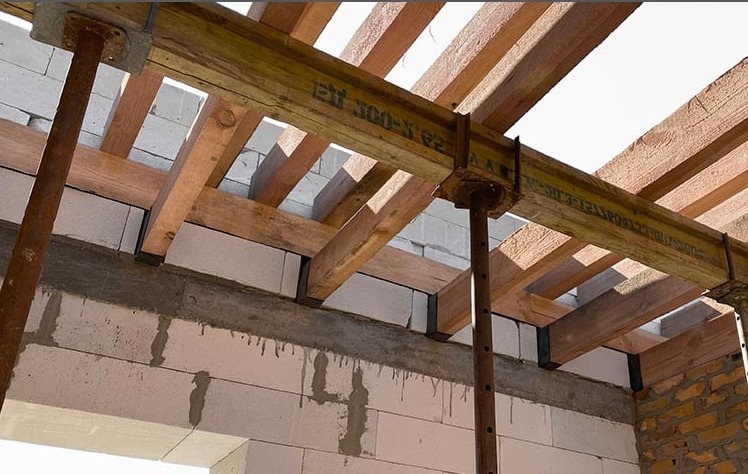 Crawl Space Repair
Discover what a rim joist is and its crucial role in building structures. Learn where rim joists are used and their importance in your home.