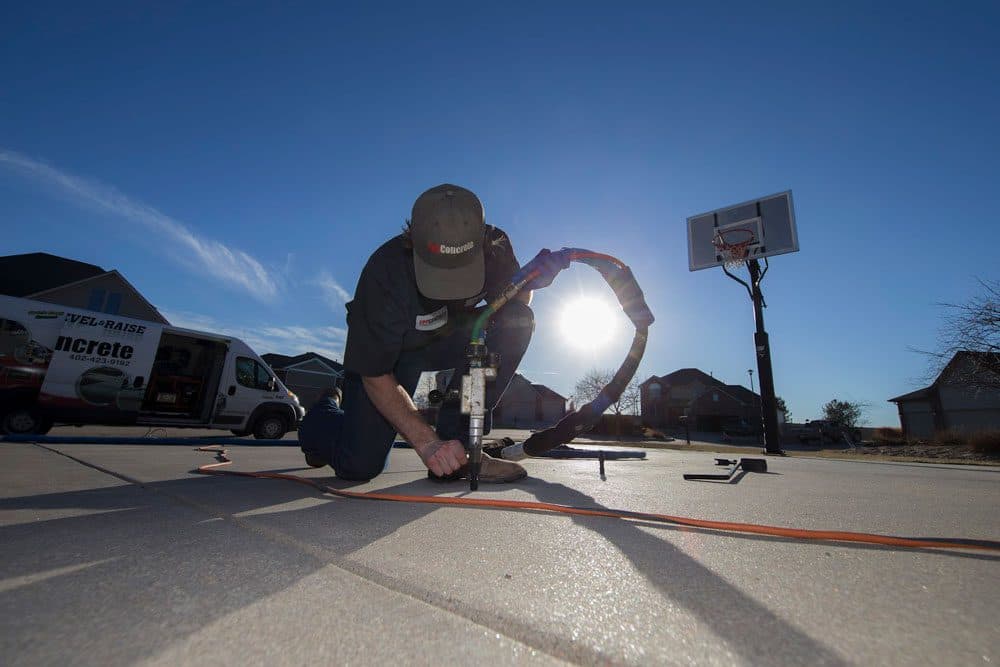
Lift Your Sinking Garage Floor
Epp Foundation Repair has stabilized sinking garage slabs across Nebraska, Iowa, Kansas, and Missouri since 1994 using polyurethane foam injection.

Let's take the first step toward a healthy home.
A local specialist will inspect your foundation, walk you through the findings, and send a clear estimate, no cost, no pressure.
Sinking Garage Floors: diagnosed and explained.
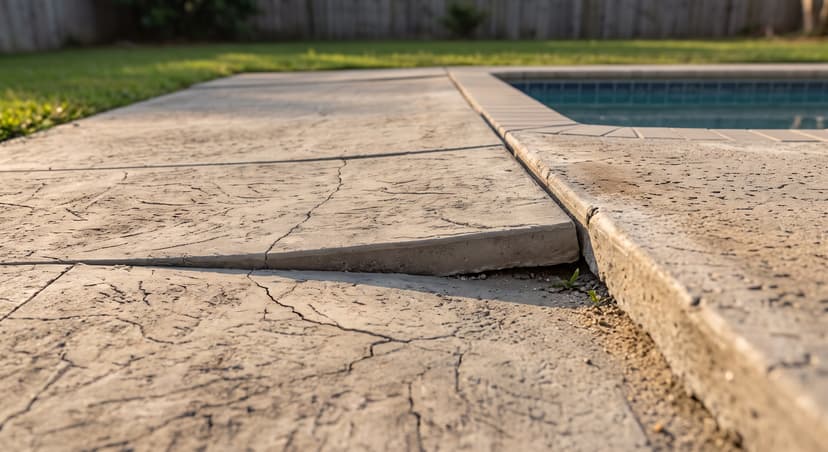
Epp Foundation Repair inspects sinking garage slabs across the Lincoln, Omaha, and St. Joseph markets. A garage floor settles when the engineered fill placed beneath it during construction loses volume, and on many older Nebraska and Iowa builds that fill was often sand, native loess, or pit-run gravel placed in thick lifts without proper compaction testing. Settlement often shows at the apron joint, with corner settlement concentrated where the slab meets the stem wall. The slab itself is usually intact, which is why foam lifting is viable on most garage floors Epp diagnoses.

Warning Signs of a Sinking Garage Floor
- 01
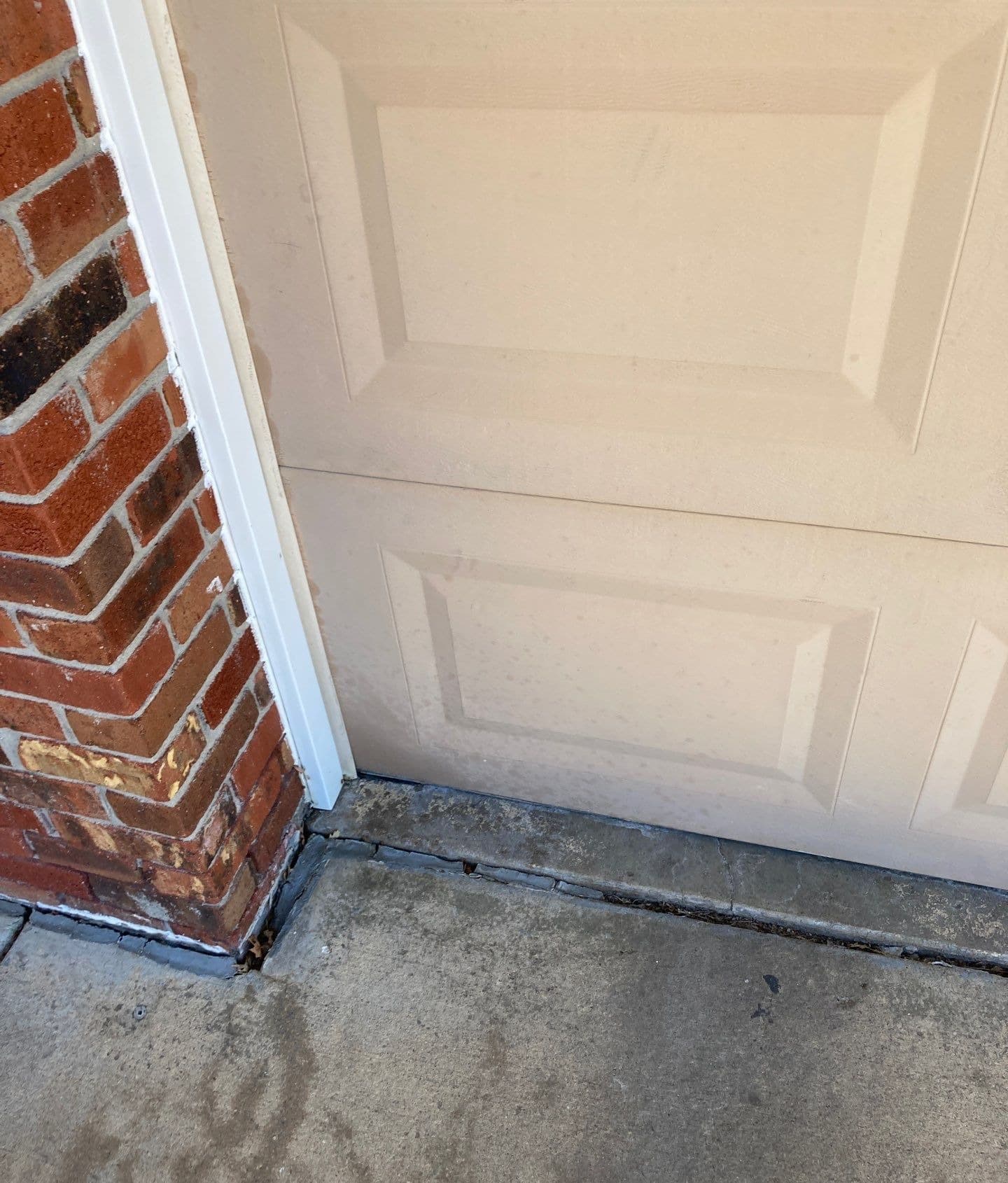
Visible Gap Between Slab and Stem Wall
When you can see daylight or insert a tape measure between the garage floor and the foundation wall, the slab has dropped enough to compromise the door threshold seal. Mice, snakes, and water enter through open gaps at the slab.
- 02
Garage Door Won't Close Flush
A garage door that gaps at one corner of the threshold can indicate differential settlement across the slab. The opener can keep cycling normally while the seal fails, and then the bottom panel can rust at the gap.
- 03
Water Pooling Inside the Garage
A flat or back-pitched garage floor pools snowmelt against the stem wall and the drywall above. Pooled water can lead to stem wall efflorescence, sole plate rot, and mold colonization.
- 04
Cracks Radiating From the Apron Corner
Stair-step cracks that radiate from the front corners of the slab toward the rear wall mean the slab is bending under its own weight as the corner support fails. Once a slab crack widens, foam lifting alone cannot restore structural continuity and the homeowner may need sectional replacement.
What causes sinking garage floors in Midwest homes.
- 01
Inadequate Original Fill Compaction
Builders constructing older homes across Nebraska, Iowa, Kansas, and Missouri often placed sub-slab fill in thick lifts without the compaction modern practice calls for. That uncompacted fill consolidates over time as moisture cycles through the soil column, dropping the garage slab away from the stem wall.
- 02
Plumbing Leak Voids
Washing machine drain lines, water softener discharge, and freeze-burst supply lines beneath the garage slab erode fill and create voids that the slab eventually falls into. Epp Foundation Repair locates the leak source first, requires the homeowner to repair the plumbing through a licensed plumber, and then injects polyurethane foam to fill the void and re-level the slab.
- 03
Loess And Expansive Clay Soil Behavior
Loess soils across the Platte, Missouri, and Nishnabotna river valleys can collapse on first saturation, a behavior called hydroconsolidation that drops the fill beneath the slab. Expansive clays in central and southeastern Nebraska swing in volume between summer drought and spring saturation, and that seasonal movement fatigues the slab-soil bond until the slab settles.
- 04
Vehicle Weight Cycling On A Thin Slab
Many residential garage slabs in this region were poured thin over uncompacted subgrade. A heavy vehicle cycling daily across the same wheel path for years pumps fines out of the subgrade through any micro-crack, hollowing the support beneath the slab until visible settlement appears at the wheel track.
- 05
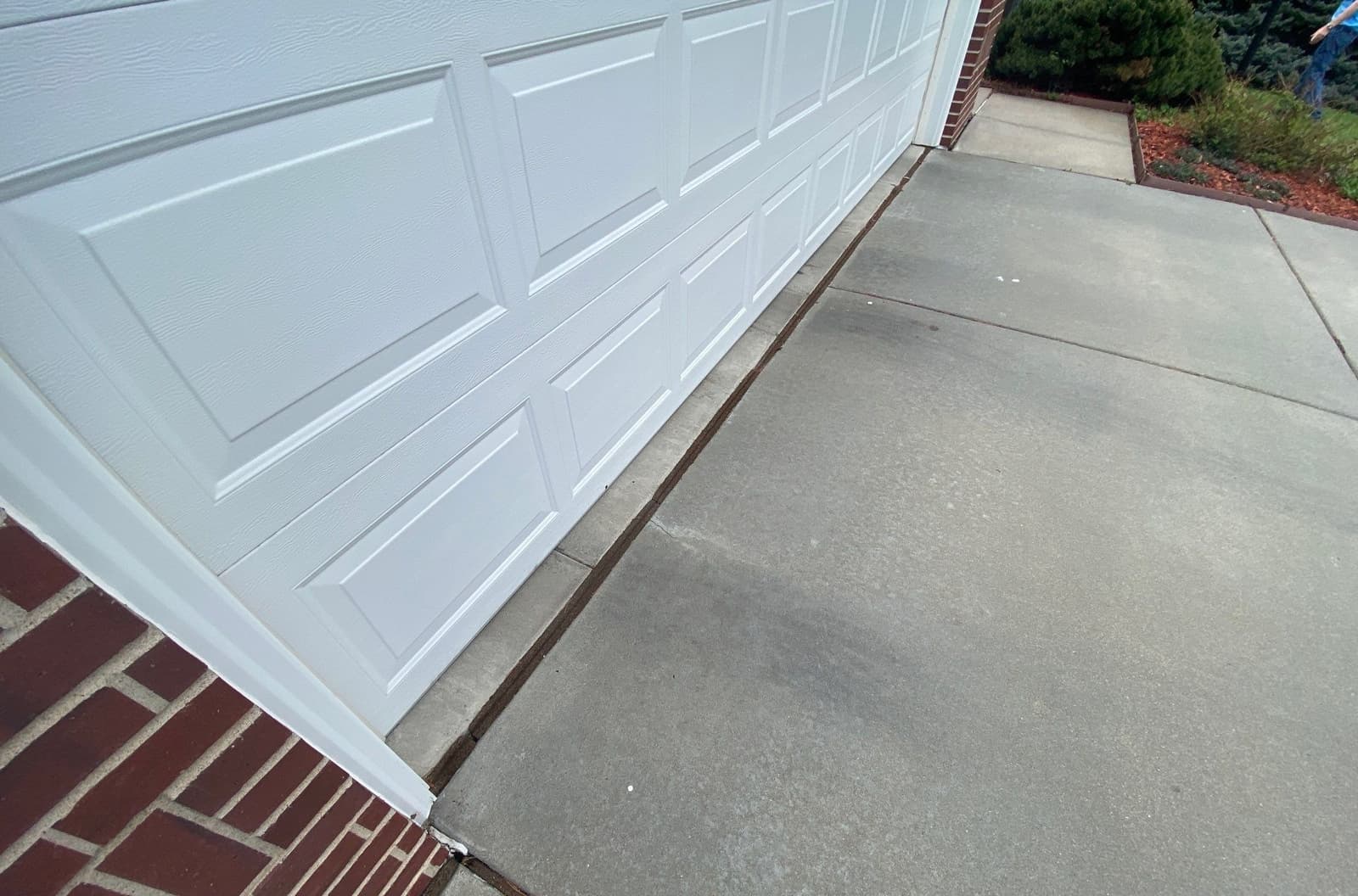
Apron-To-Driveway Joint Failure
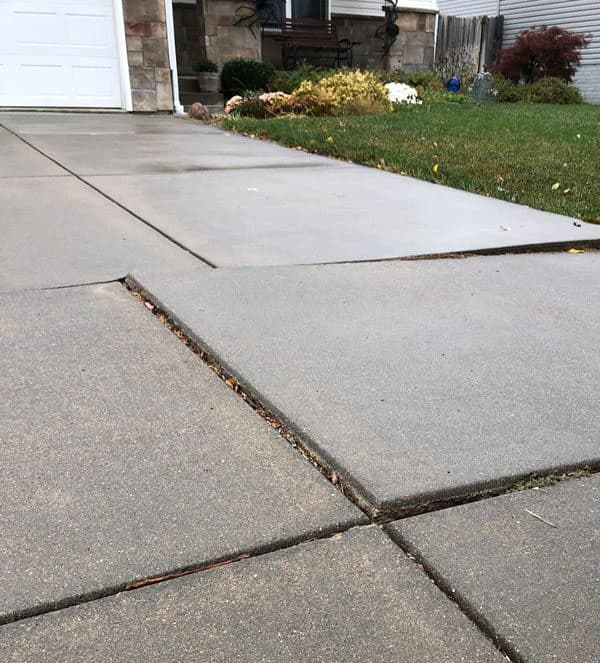
The expansion joint between the garage apron and the driveway is the most common settlement initiation point. Water enters the joint, erodes the fill beneath the apron, and the corner of the garage slab drops first.
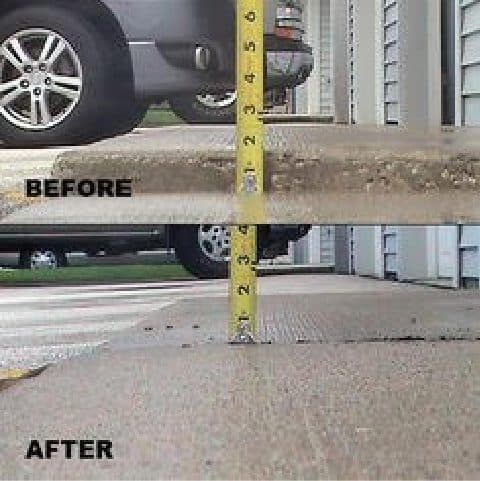
How sinking garage floors looks after a permanent fix.
A real Epp Foundation Repair project. The visible symptom resolves once the underlying cause is corrected.
How concrete leveling specialists actually fix sinking garage floors.
Solving sinking garage floors means addressing the underlying soil, pressure, or settlement cause. Not just patching the visible damage. Below are the engineered solutions we install most often for this symptom in Nebraska, Iowa, Kansas, and Missouri homes.
Engineered concrete leveling solutions for this problem.
Each method is matched to a specific failure mode and soil profile. Browse the toolkit we draw from when diagnosing your home.
Polyurethane Foam Injection
PolyLift is Epp Foundation Repair's polyurethane foam injection method for lifting sunken driveways, sidewalks, patios, and garage floors. Small ports, a two-part expanding foam, and a laser-monitored lift, with the slab walkable 15 minutes after the work is complete.
Polyjacking
Slab jacking and polyjacking are names homeowners use for the same idea: lifting a sunken concrete slab by injecting material underneath it. Epp Foundation Repair's slab jacking work, across Nebraska, Iowa, Kansas, and Missouri, is done with polyurethane foam.
Slab Piers
Epp Foundation Repair has installed small-diameter helical slab piers under ranch homes, slab additions, and light commercial slabs across Nebraska, Iowa, Kansas, and Missouri since 1994. Slab piers are engineered for slab-on-grade loads.
Why do driveways, sidewalks and patios settle in Nebraska and Iowa?
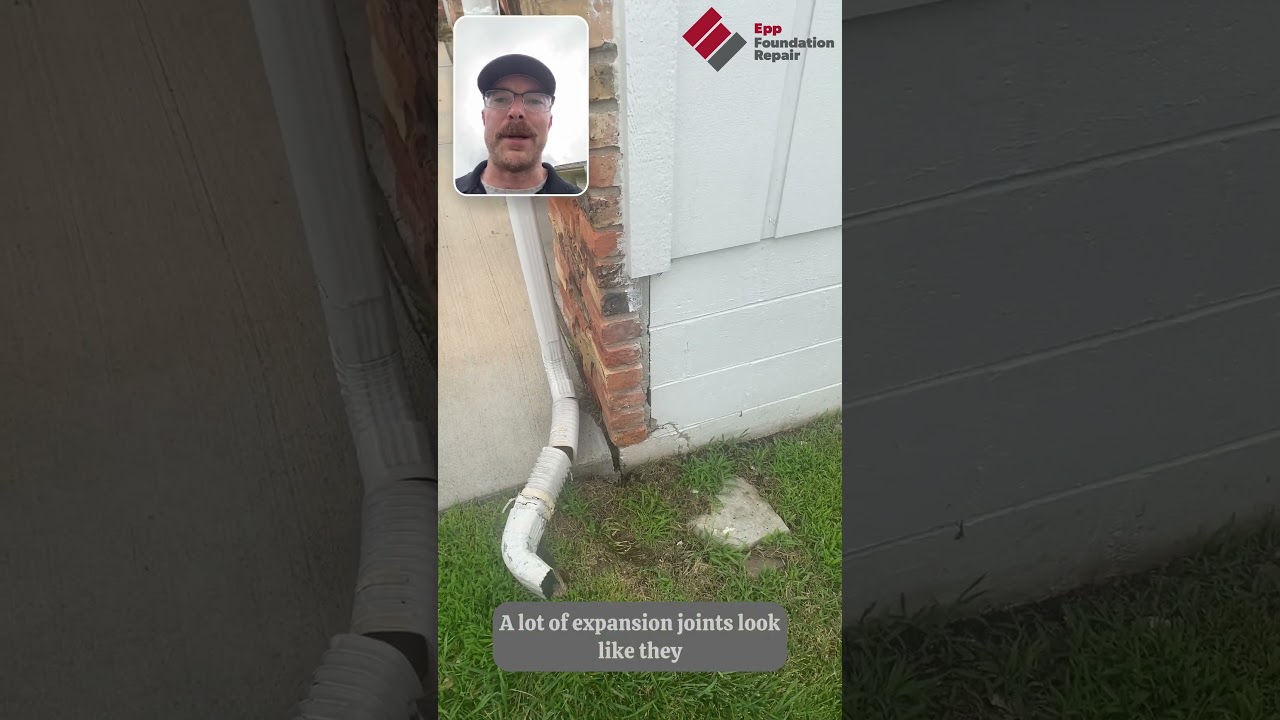
Concrete depends on the soil underneath it for support. Runoff along an edge or a downspout that empties beside a slab can wash out or soften that soil, and part of a driveway, sidewalk or patio can then settle or tilt. Water under a slab that freezes and thaws can also leave gaps beneath it.
Based on NOAA 1991 to 2020 climate normals for Lincoln Municipal Airport and Omaha Eppley Airfield.
What kind of soil is around Lincoln and Omaha?
Based on USDA soil survey data for Lancaster County (Lincoln) and Douglas County (Omaha), clay is the main soil type in both counties. The survey rates Lancaster County high and Douglas County moderate for shrink swell. Clay can swell when it gets wet and shrink as it dries, so a slab or foundation on clay can move up and down with the seasons. The soils that cover the most ground in Lancaster County are Wymore and Aksarben, and in Douglas County they are Contrary and Marshall.
Loess, the wind deposited silt common in eastern Nebraska and western Iowa, can lose strength and settle when it gets wet. Water can reach it from runoff, a plumbing leak or a downspout that empties next to the house.
How does freezing weather affect footings and basement walls?
In Lincoln and Omaha, soil near the surface can freeze and thaw many times between fall and spring. Each city's building code sets a frost line depth, which is the minimum depth below finished grade for a footing. It is 36 inches in Lincoln and 42 inches in Omaha. Supports that sit above that depth, such as some porches, stoops and chimney footings, can move as the ground freezes and thaws.
Horizontal cracks in a basement wall are more often linked to pressure from the soil outside the wall than to settlement. Wet soil pushes harder against a wall than dry soil, and soil that freezes against the wall can add to that pressure.
Climate: NOAA U.S. Climate Normals 1991 to 2020, LINCOLN MUNI AP (USW00014939) and OMAHA EPPLEY AIRFIELD (USW00014942), retrieved September 30, 2026. Soil: USDA NRCS Soil Data Access (SSURGO), county survey for Lancaster County and Douglas County. Frost line depth: Lincoln Municipal Code 20.12.140 and Omaha Municipal Code Sec. 43-127.
"If your garage floor settled because the original 1970s builder skipped compaction testing, the floor isn't broken. The fill is. Lifting the slab with foam takes a morning and lasts decades. Pouring a new slab over the same fill costs four times more and settles again in 20 years."

Care and expertise from a team that's been doing this since 1994.
Epp Foundation Repair is locally owned and operated, with crews dedicated exclusively to foundation, basement, and concrete work across the Midwest.
Foundation repair, waterproofing, and concrete leveling are our entire focus, not a sideline.
Three decades of experience with Midwest soils, basements, and weather conditions.
Recognized by the Better Business Bureau for integrity and ethical business practices.
Many of our repairs carry a written Epp warranty. The warranty page lists every covered repair and its terms.
Answers to common questions about Sinking Garage Floors.
Don't see your question here? Our team is happy to help. Reach out anytime.
Other concrete leveling warning signs to watch for.
If you see one, it's worth checking for the others. Most foundation problems show up as more than one symptom.
Serving Nebraska, Iowa, Kansas & Missouri.
Local crews based in five regional offices, dispatched daily across four states. If your town isn't listed, call us: we likely serve your area.
- Omaha, NE
- Lincoln, NE
- Topeka, KS
- Sioux City, IA
- Bellevue, NE
- St. Joseph, MO
- Council Bluffs, IA
- Grand Island, NE
- Papillion, NE
- Kearney, NE
Take the first step toward a healthy home.
A straightforward path from initial inspection to completed repairs.
Schedule your inspection.
A local specialist visits your home, evaluates the foundation, and answers your questions on site. No cost, no obligation.
Receive an estimate based on your needs.
We provide a clear, Customized Repair Estimate with a scope of work tailored to your home's specific issues. Typically within one business day.
Get your repairs.
Trained crews complete the work on schedule.
Over 1,700 homeowners have shared their experience.
A 4.9-star average across Google, with verified reviews from homeowners throughout Nebraska, Iowa, Kansas, and Missouri.
Two ways to start: book instantly, or request an estimate.
Schedule your inspection in seconds with our Driive booking tool, or share a few details and a local specialist will follow up within one business day.
- A local foundation specialist on site
- A complete walk-through of the findings
- A Customized Repair Estimate within one business day
- No cost, no obligation, no high-pressure sales
Expert guidance on protecting your home.
Practical articles from the Epp team on foundation health, waterproofing, and home preservation.
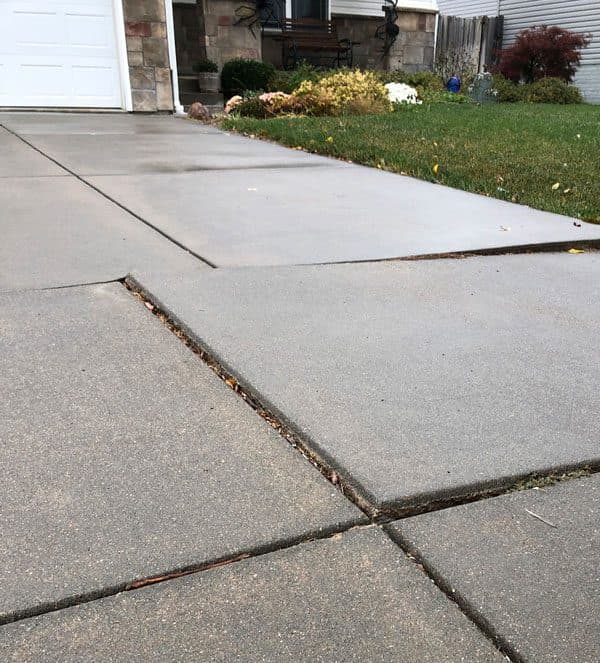 Concrete LevelingLatest
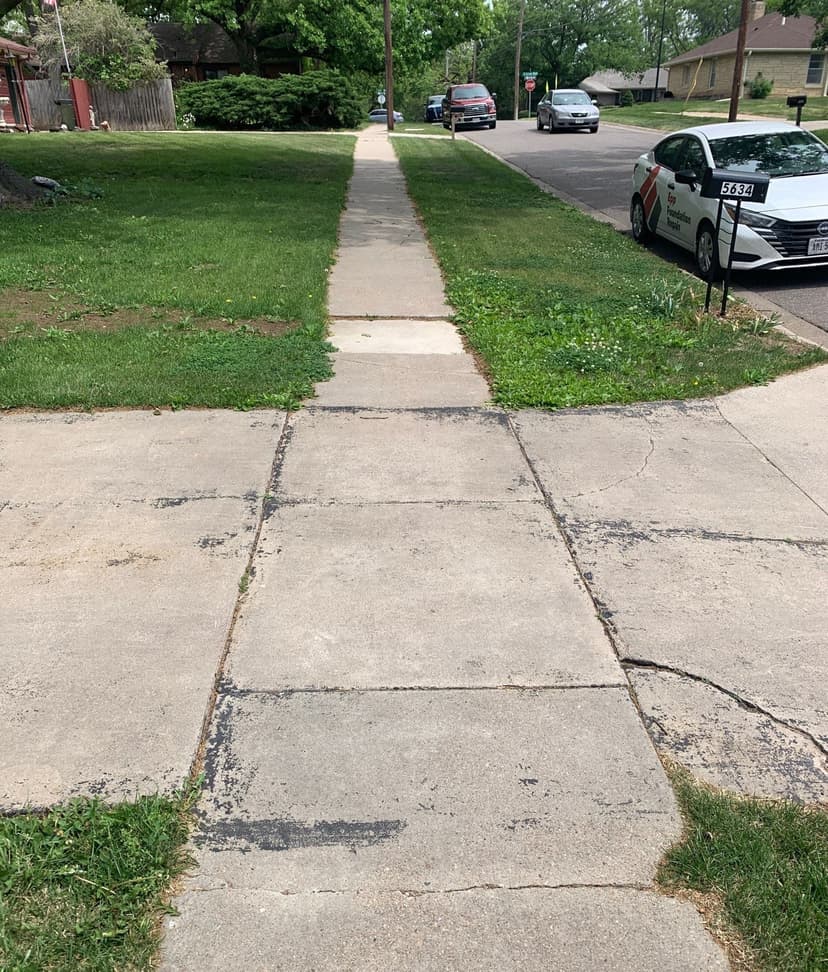
Sunken Driveway or Sidewalk: Should You Lift It or Replace It?
Sunken concrete can often be lifted instead of replaced. Learn why driveways and sidewalks sink, when lifting works, and when replacement makes more sense.
 Concrete Leveling
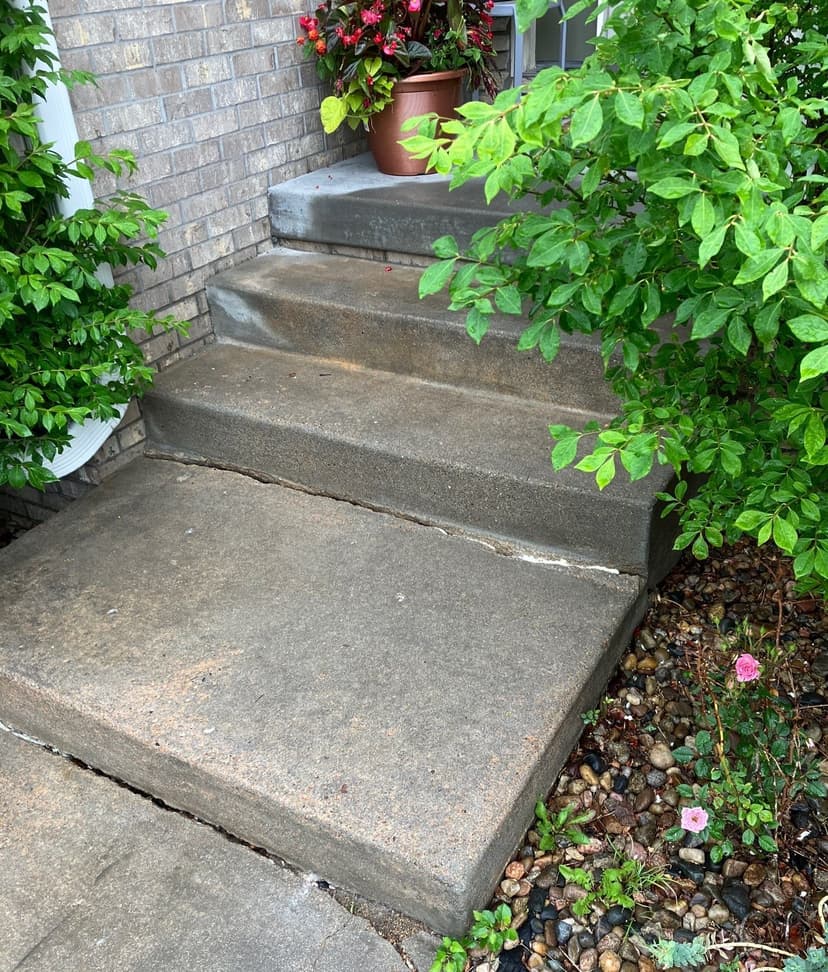
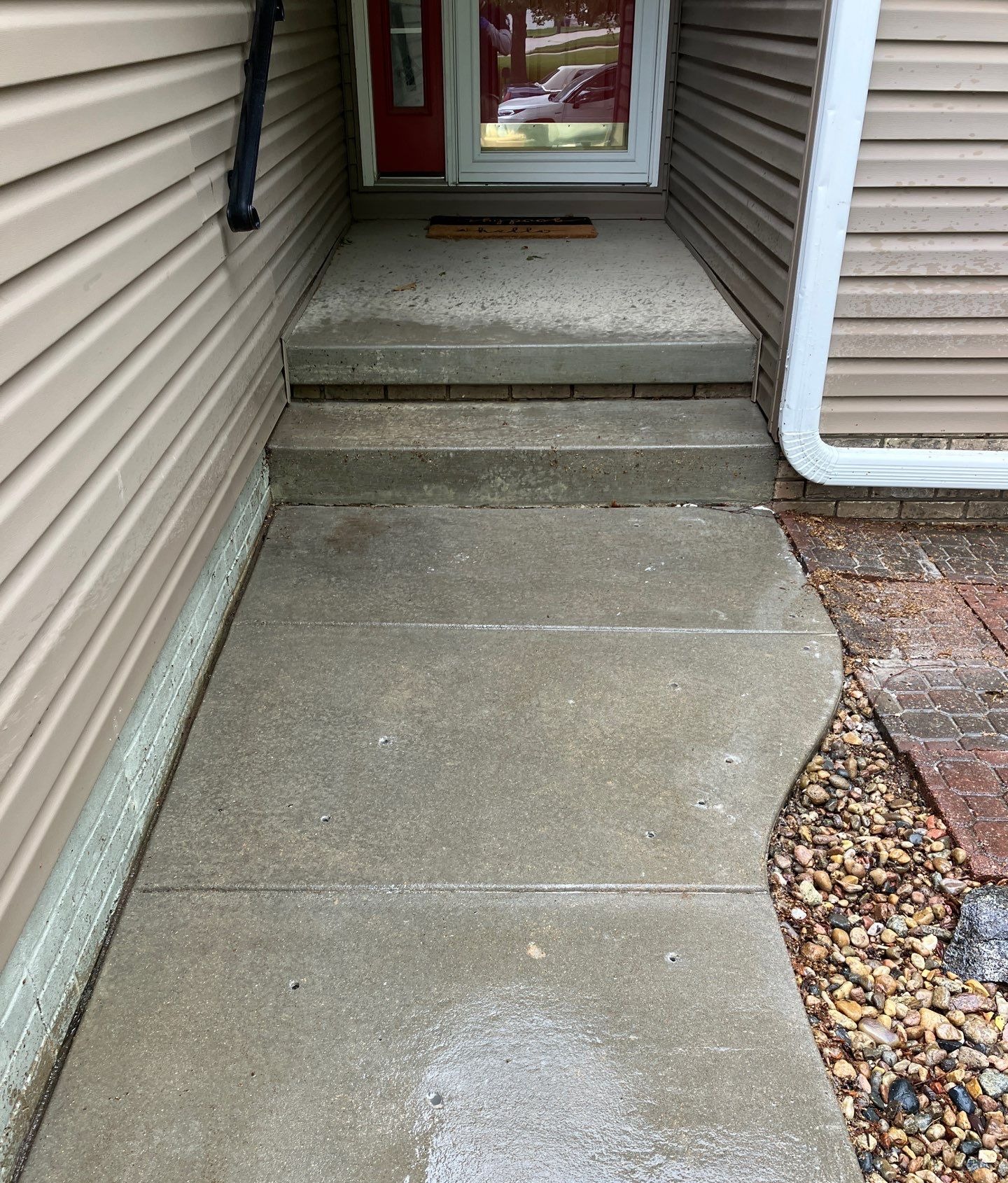
Why Are My Front Steps Pulling Away From the House?
Front steps that sink and pull away from the house are often a soil problem. Learn why it happens and when Epp can lift them with polyurethane foam.
 concrete leveling
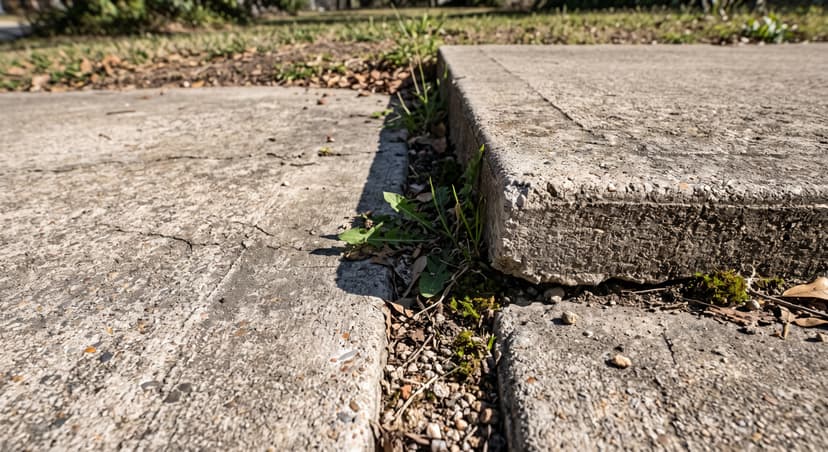
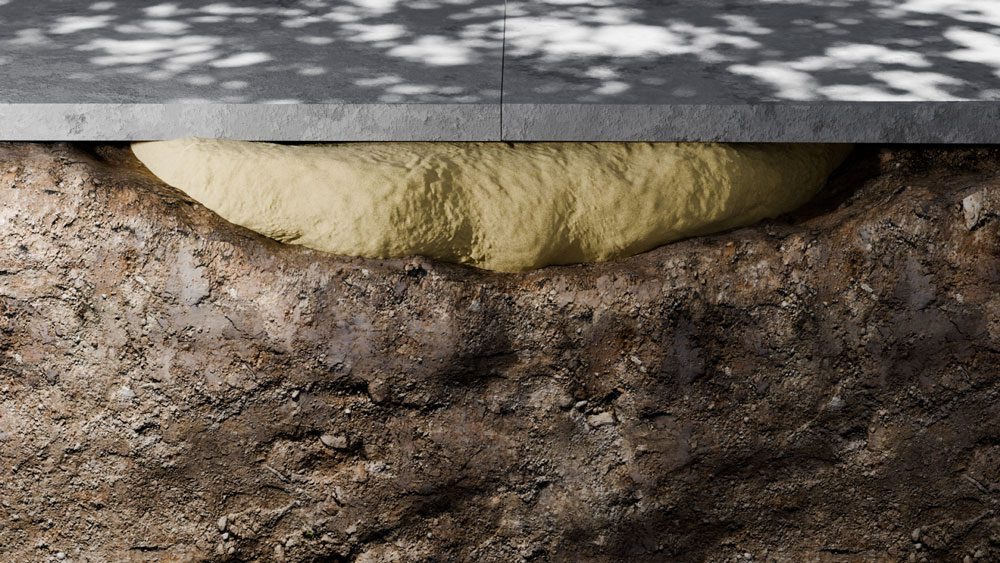
Mudjacking vs. Foam injection: ten factors that affect pricing.
Both methods can lift sunken concrete, but only one is what Epp Foundation Repair installs. Here are the ten factors behind the price difference and why.
 Concrete Leveling
Expandable Foam For Concrete Leveling: Homeowners Guide
Expandable foam offers a fast, minimally invasive way to level uneven concrete surfaces. Learn how polyurethane foam injection works and what to avoid.
Five regional offices across the Midwest.
St. Joseph, MO 64506