
Estimate Only
Approximate pricing
A Customized Repair Estimate after an on-site inspection reflects your scope.
Open foundation vents were supposed to dry out a crawl space, but in the humid Midwest summer they often pull damp air in and make moisture worse. Epp diagnoses where the water is coming from first, then recommends the airflow or sealing approach that fits your home.

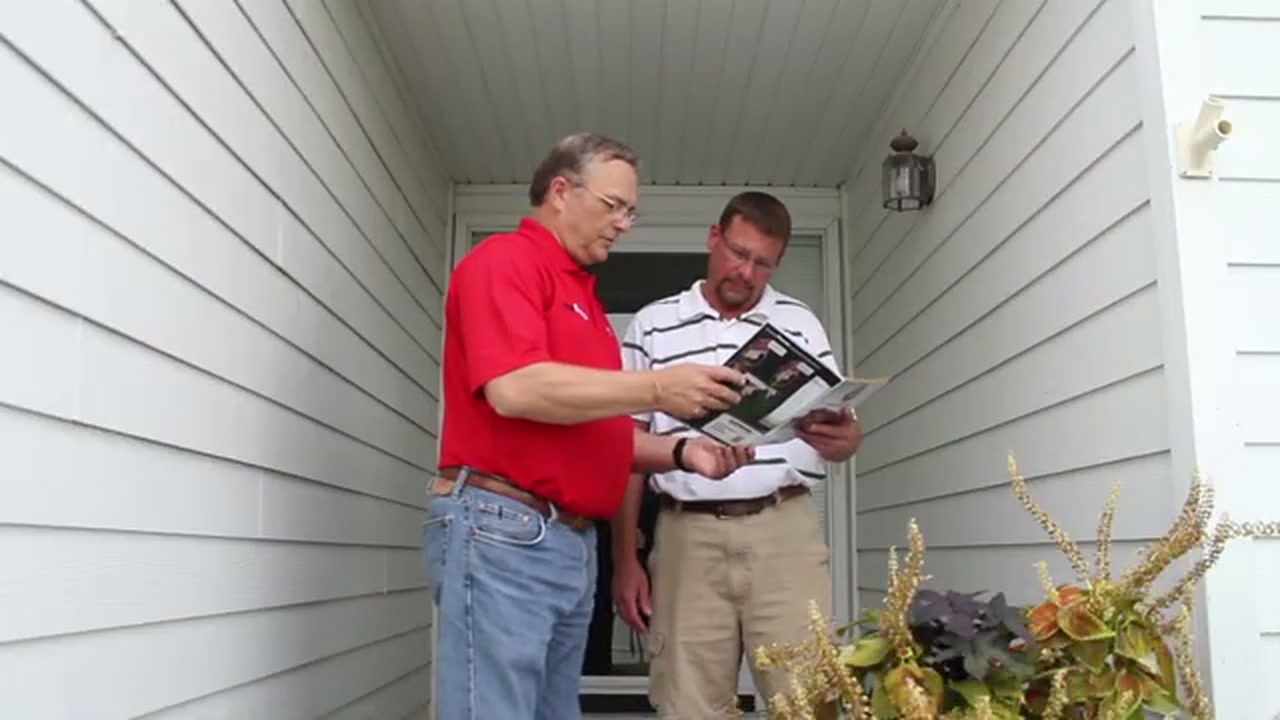
A local specialist will inspect your foundation, walk you through the findings, and send a clear estimate, no cost, no pressure.
Diagnosis First
Crawl space ventilation decides whether outside air should move through open vents or be sealed out entirely, and in this region's humid summers, sealing is usually right because open vents pull in damp air that condenses on cold framing. Corrected airflow only fits a crawl that moisture readings confirm is already dry; ground or liquid water calls for sealing instead.
In Depth
Everything a Midwest homeowner should know about this repair, from the specialists who do it every day.
Crawl space ventilation is one of the most misunderstood parts of any older home, and getting it wrong costs more than getting it right. Epp Foundation Repair has inspected crawl spaces across Nebraska, Iowa, Kansas, and Missouri since 1994, and the single most common mistake we find is an open-vent crawl space in a climate that punishes open vents. The old building-code idea was simple. Cut vents into the foundation walls, let outside air move through, and the crawl space stays dry. That logic works in a dry desert climate. It does not work here.
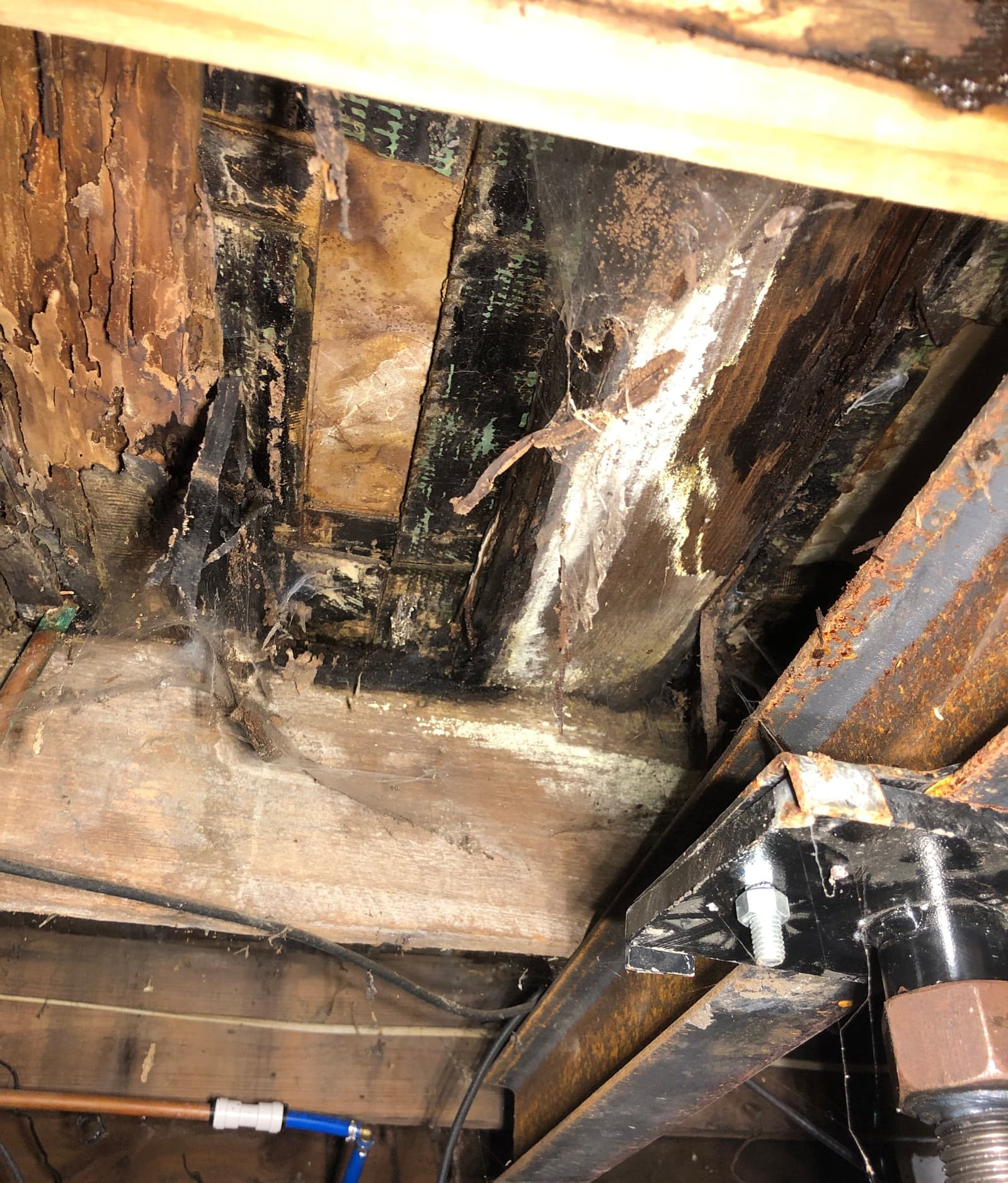
Here is why. In summer across Epp's four-state service area, the outside air is warm and loaded with humidity. That warm, damp air flows through the open vents and hits the cooler surfaces under your floor, the masonry walls, the ductwork, the framing. Warm air holds more moisture than cool air, so when it cools down it drops that moisture as condensation on every cold surface it touches. The vents that were supposed to dry the space are now the delivery system feeding it water all summer. By August a vented crawl space in Omaha or Council Bluffs can sit in a high humidity range for weeks, which is the range where mold spores wake up and wood starts to soak up water.
The Midwest makes this worse in winter too. With deep winter frost and repeated freeze-thaw cycles, open vents let frigid air chill your floors, your pipes, and your heating bill while doing nothing useful. So the first question Epp asks is not which fan to install. It is where is the moisture actually coming from. A crawl space gets wet from three main sources: humid outside air through vents, water vapor rising up out of bare soil, and liquid water seeping in after spring rain or snowmelt. Each source needs a different answer, and a fan does not fix the bottom two.
When Epp inspects a crawl space, a foundation specialist measures the relative humidity, checks the soil for a vapor barrier, looks for standing water and water staining on the framing, and reads the moisture content of the wood joists and girders. From those numbers we build a Customized Repair Estimate that matches the real problem. Sometimes the right answer is corrected airflow, sealing failed vents and adding a properly sized dehumidifier or an air mover in a space that is otherwise dry. Far more often in this region the right answer is to close the vents, seal the crawl space, and control the air inside it instead of trying to flush it with outdoor air.
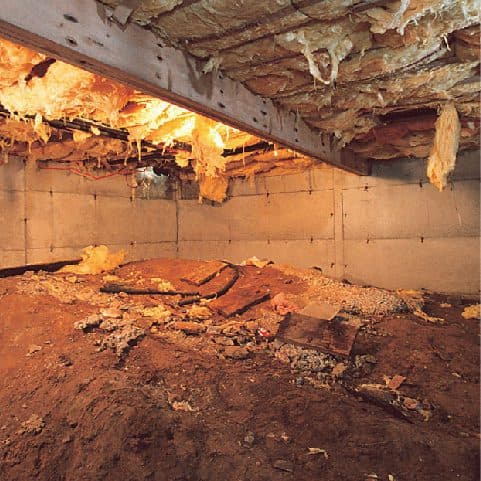
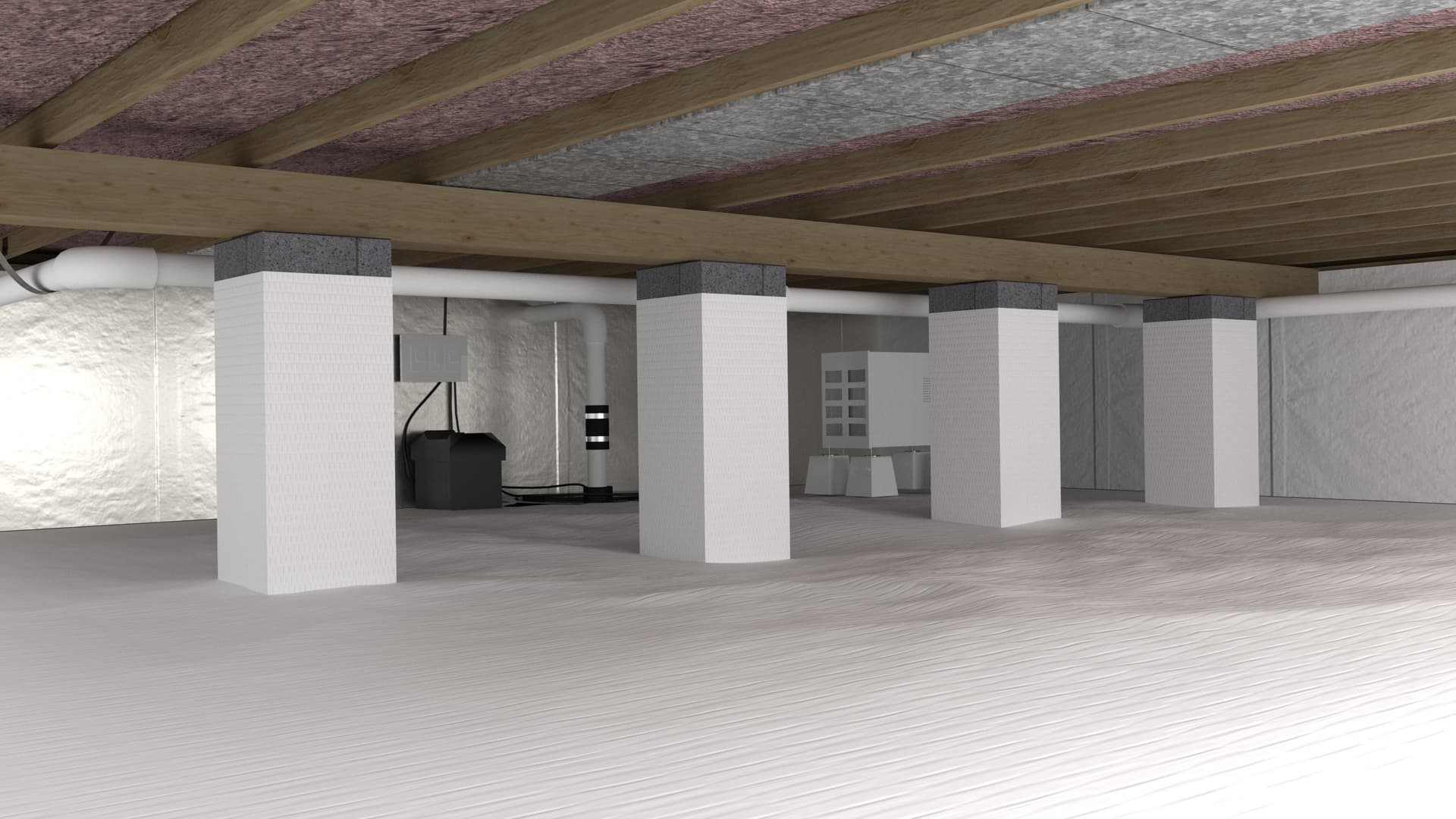
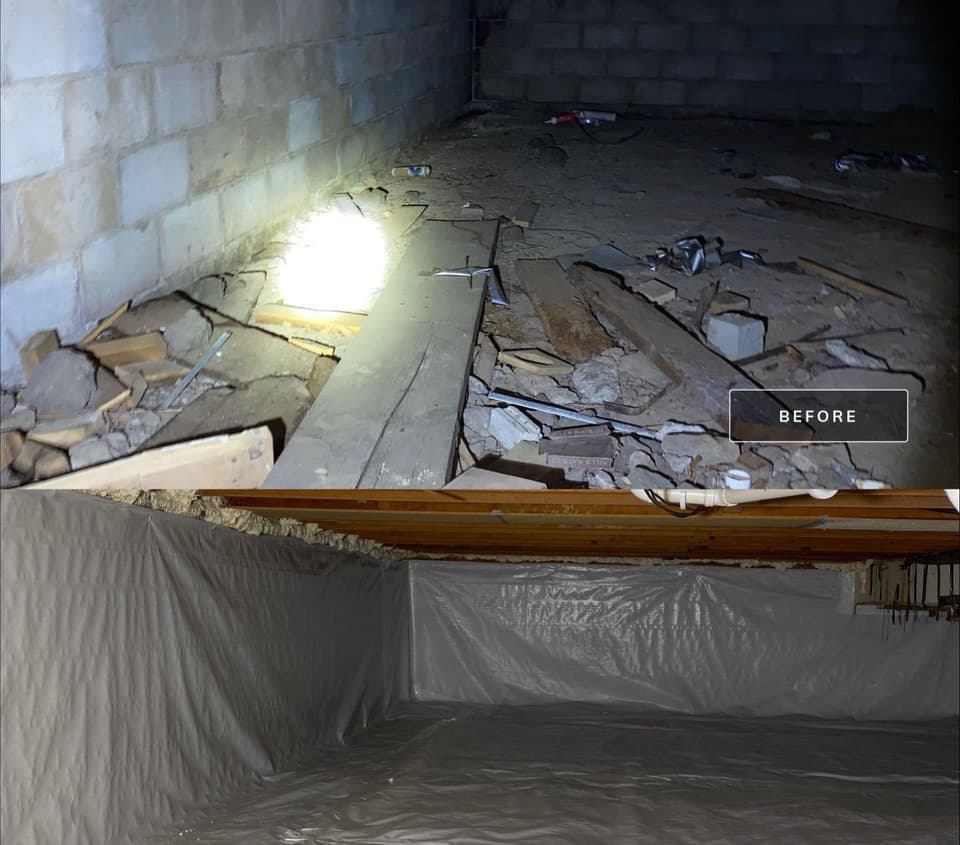
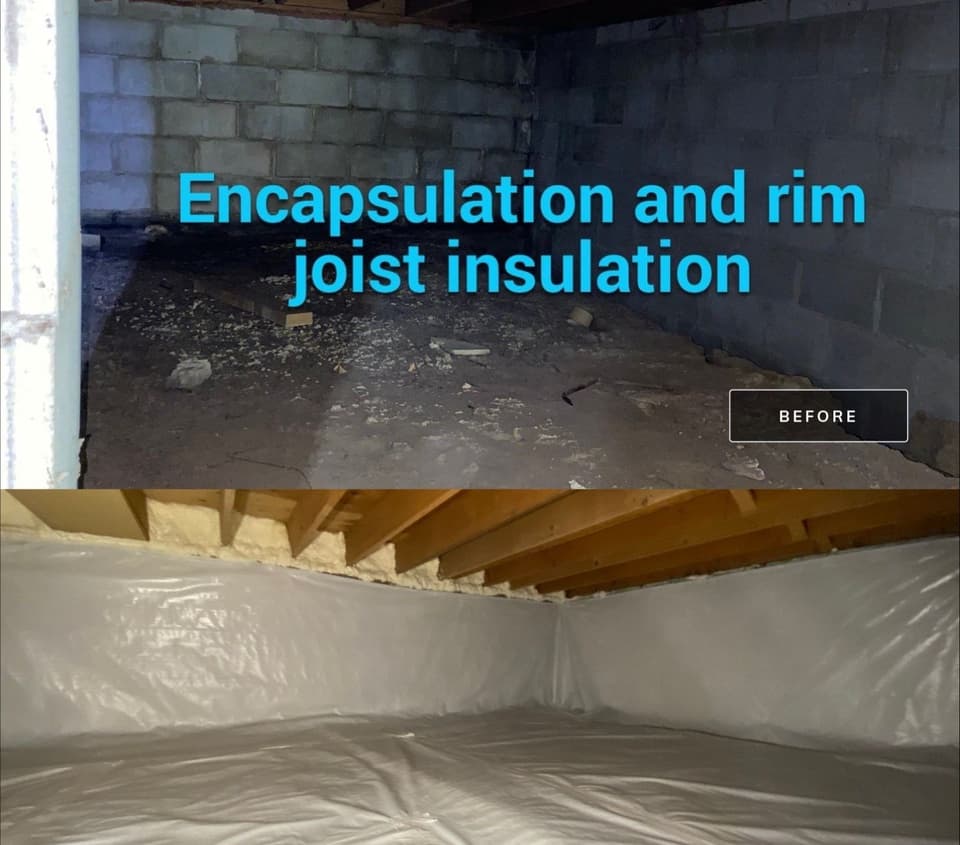
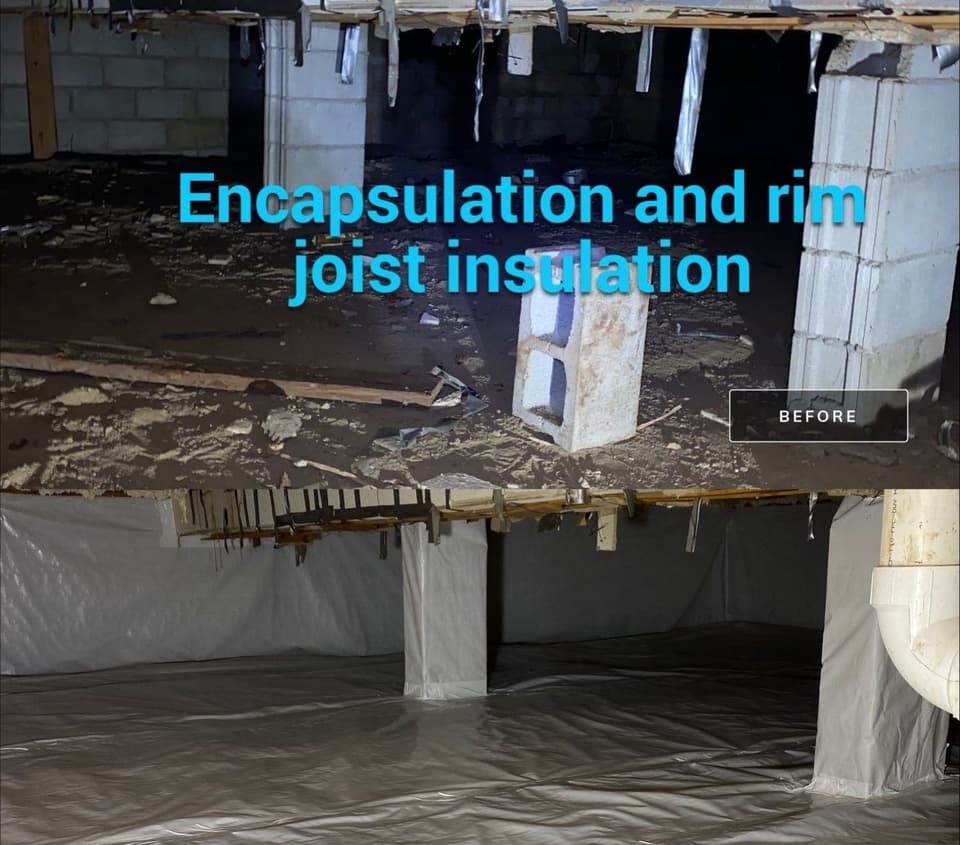
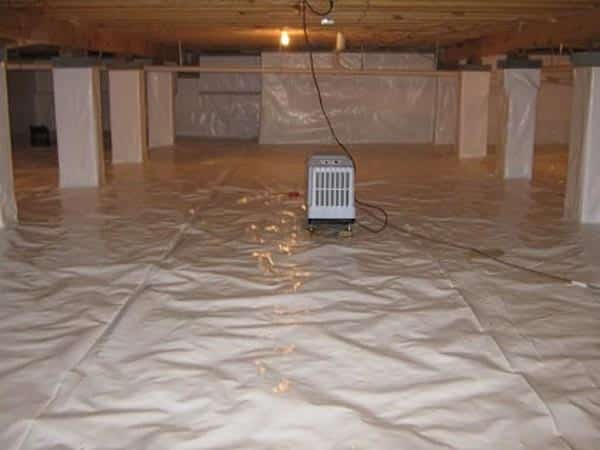
That sealed approach is sealing and encapsulating the crawl space, and it is the method most building science now favors for our climate. Epp lays a heavy vapor barrier across the soil and up the foundation walls to stop ground moisture from ever entering the air, seals the old foundation vents, and adds a dedicated crawl space dehumidifier that holds the humidity in a stable range year round. If liquid water is getting in, a sump system handles that before any sealing happens, because you never seal water inside a space. The goal is a crawl space that stays dry, keeps your floors warmer, and stops feeding the kind of moisture that rots framing and grows mold.
One foundation specialist stays with your project from the first inspection to the final walkthrough. At the crawl space inspection we sort every recommendation into three plain tiers: Must Do, Strongly Suggest, and Monitor. If your crawl space is genuinely dry and the venting is fine, we will tell you that and put most of the list under Monitor rather than sell you a system you do not need. We are family-owned and locally operated, we have held a BBB A+ rating, and we have won the BBB Integrity Award, and that reputation comes from telling homeowners the truth about what their crawl space actually needs.
Which Solution Is Right?
| Method | Fits when | Not a fit when |
|---|---|---|
| Vent Sealing and Encapsulation | Readings show humid outside air condensing on cool surfaces, or ground moisture is present. | The crawl is confirmed dry with functioning vents; sealing is not needed and most items stay under Monitor. |
| Corrected Airflow | The crawl is otherwise dry and only specific vents are blocked or failing. | The space is taking on liquid water or vapor from bare soil, where added airflow only pulls in more humid air. |
| Sump System Before Sealing | Liquid water is entering the crawl. | No liquid water is present; a vapor barrier and dehumidifier without a sump may be enough. |
Each method is matched to a specific failure mode and soil profile. Browse the toolkit we draw from when diagnosing your home.
Open foundation vents were supposed to dry out crawl spaces. In our humid Midwest summers they often do the opposite. Epp Foundation Repair sets up the right moisture control for your crawl space, which usually means sealing and conditioning the air rather than venting it.
Open foundation vents were meant to dry the crawl space, but in our humid Midwest summers they pump moisture in instead. Epp Foundation Repair seals those vents with insulated, gasketed covers so the crawl space can stay dry and conditioned.
Epp Foundation Repair has installed encapsulation systems across Nebraska, Iowa, Kansas, and Missouri since 1994. Epp is BBB A+ accredited and a BBB Integrity Award winner.
Epp Foundation Repair sizes and installs commercial-grade crawl space dehumidifiers across Nebraska, Iowa, Kansas, and Missouri, and tells homeowners when a dehumidifier is not what their crawl space needs first.
Based on NOAA 1991 to 2020 climate normals for Lincoln Municipal Airport and Omaha Eppley Airfield, the average July dew point is 65 degrees in Lincoln and 66 degrees in Omaha. Water can form on any surface that is cooler than the dew point of the air around it, so damp summer air in a vented crawl space can leave water on posts, beams and joists. Water that reaches a crawl space floor can also keep that wood wet.
Based on NOAA 1991 to 2020 climate normals for Lincoln Municipal Airport and Omaha Eppley Airfield.
Based on USDA soil survey data for Lancaster County (Lincoln) and Douglas County (Omaha), clay is the main soil type in both counties. The survey rates Lancaster County high and Douglas County moderate for shrink swell. Clay can swell when it gets wet and shrink as it dries, so a slab or foundation on clay can move up and down with the seasons. The soils that cover the most ground in Lancaster County are Wymore and Aksarben, and in Douglas County they are Contrary and Marshall.
Loess, the wind deposited silt common in eastern Nebraska and western Iowa, can lose strength and settle when it gets wet. Water can reach it from runoff, a plumbing leak or a downspout that empties next to the house.
In Lincoln and Omaha, soil near the surface can freeze and thaw many times between fall and spring. Each city's building code sets a frost line depth, which is the minimum depth below finished grade for a footing. It is 36 inches in Lincoln and 42 inches in Omaha. Supports that sit above that depth, such as some porches, stoops and chimney footings, can move as the ground freezes and thaws.
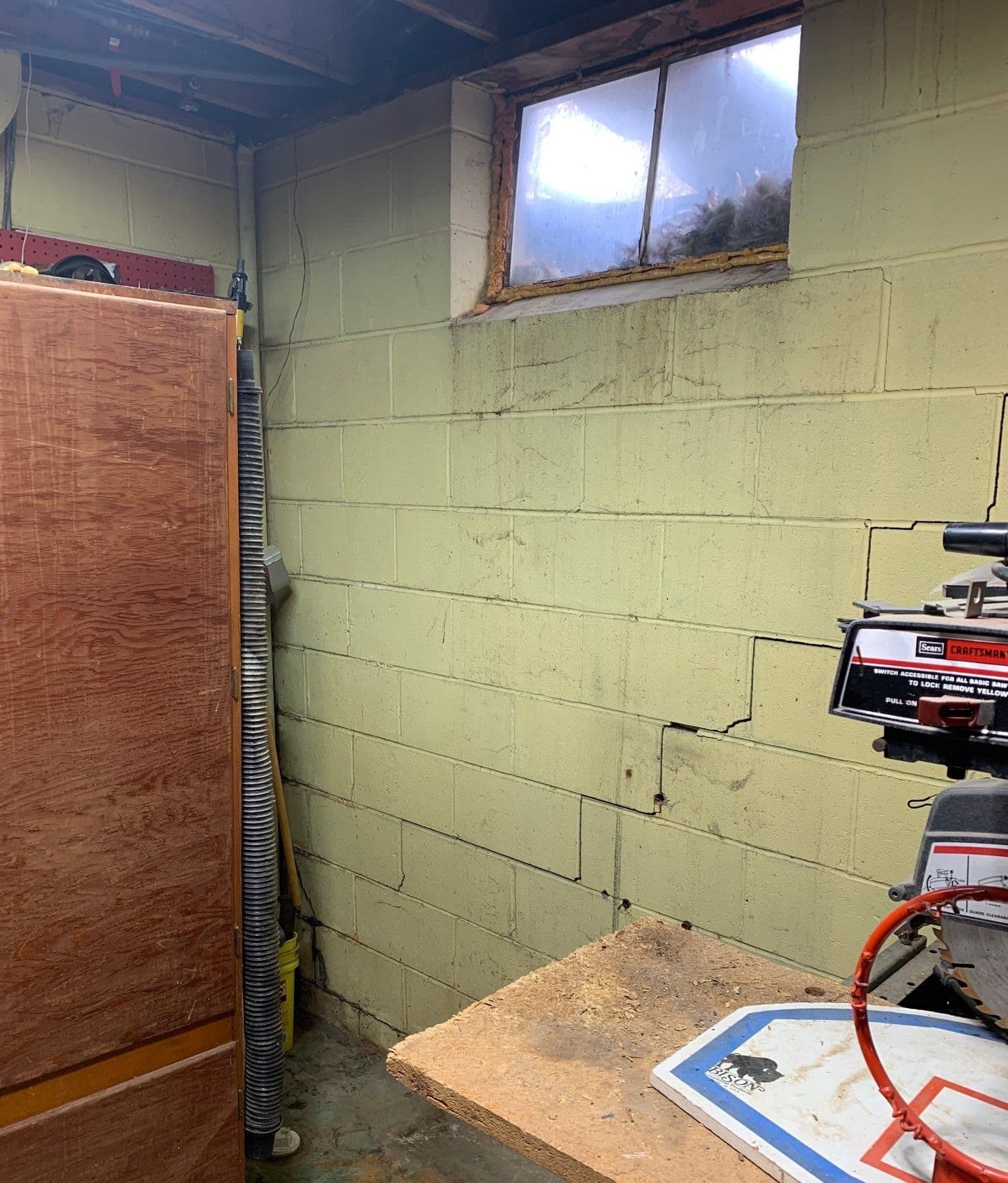
Horizontal cracks in a basement wall are more often linked to pressure from the soil outside the wall than to settlement. Wet soil pushes harder against a wall than dry soil, and soil that freezes against the wall can add to that pressure.
Climate: NOAA U.S. Climate Normals 1991 to 2020, LINCOLN MUNI AP (USW00014939) and OMAHA EPPLEY AIRFIELD (USW00014942); July dew point averaged from the hourly normals at LINCOLN MUNI AP (USW00014939) and OMAHA EPPLEY AIRFIELD (USW00014942), retrieved September 30, 2026. Soil: USDA NRCS Soil Data Access (SSURGO), county survey for Lancaster County and Douglas County. Frost line depth: Lincoln Municipal Code 20.12.140 and Omaha Municipal Code Sec. 43-127.
These are the crawl space repair problem signs Epp Foundation Repair diagnoses most often. Each one links to what causes it and how it is repaired.
Our specialists evaluate the underlying cause before recommending any work. Inspections are at no cost and there's no obligation to proceed.
"I get called out for ventilation all the time, and most of those crawl spaces do not need more air, they need less. In our summers an open vent is just an invitation for humid air to come in and rain down on the cold framing. The fix is usually to seal it up and control the air inside, not to add another fan."

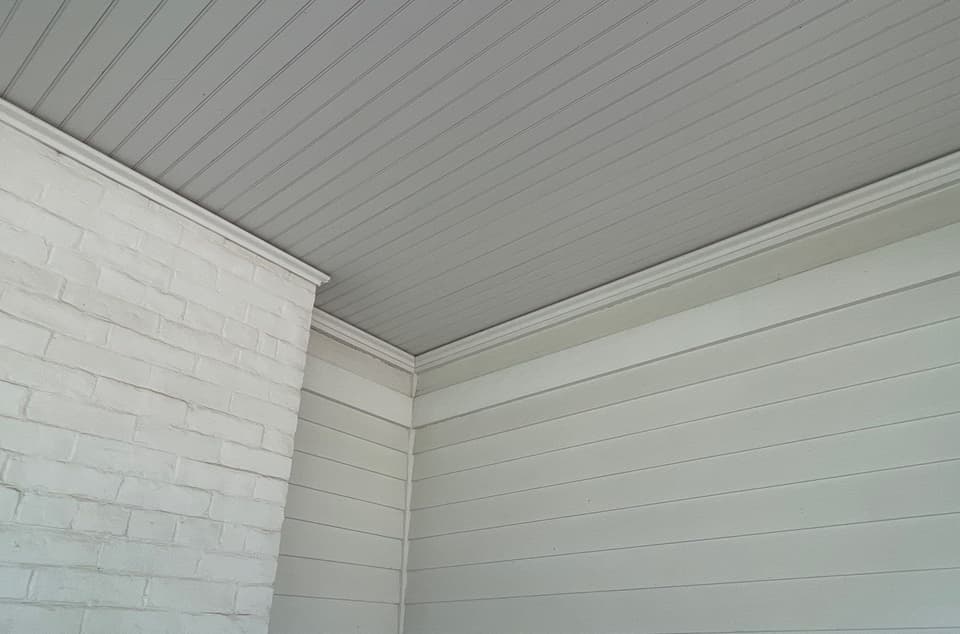
Completed work photographed on real job sites across Nebraska, Iowa, Kansas, and Missouri.
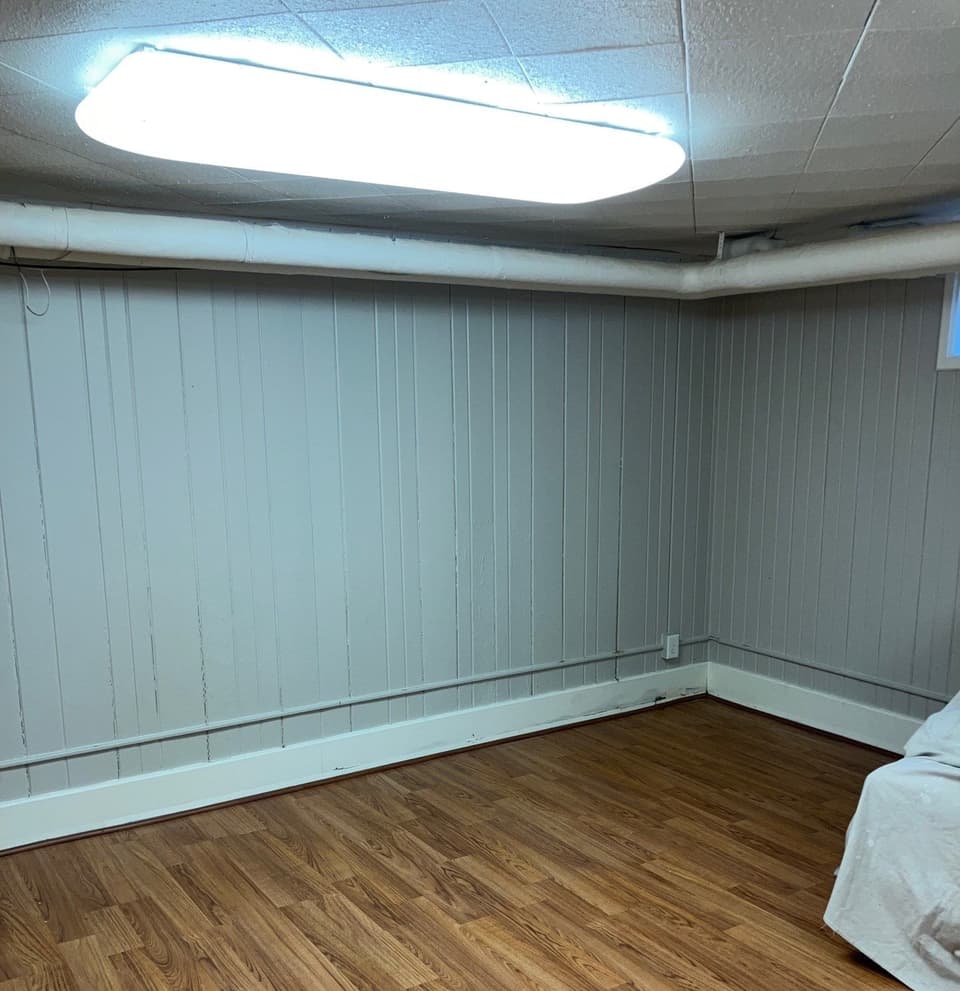
Epp Foundation Repair is locally owned and operated, with crews dedicated exclusively to foundation, basement, and concrete work across the Midwest.
Foundation repair, waterproofing, and concrete leveling are our entire focus, not a sideline.
Three decades of experience with Midwest soils, basements, and weather conditions.
Recognized by the Better Business Bureau for integrity and ethical business practices.
Many of our repairs carry a written Epp warranty. The warranty page lists every covered repair and its terms.
Don't see your question here? Our team is happy to help. Reach out anytime.
Every home is different. What a repair costs depends on the cause, the scope, and access. A free on-site inspection produces a Customized Repair Estimate that reflects your home, not a typical range.
A Customized Repair Estimate after an on-site inspection reflects your scope.
Adding ventilation is the wrong fix when the crawl space is taking on liquid water or sitting on bare soil, because outside air cannot dry a space that is being fed moisture from the ground or from seepage. In those cases a vapor barrier, a sump system, and a sealed dehumidified crawl space do the job, and forcing more humid outdoor air through open vents only makes the moisture worse. Epp will tell you on inspection which problem you actually have.
BBB A+ rated · BBB Integrity Award winner
Related to what you are reading. Our team covers the same ground on camera.
Every crawl space repair method we install. Sequenced so the soil profile and failure mode determine the fix.
 01
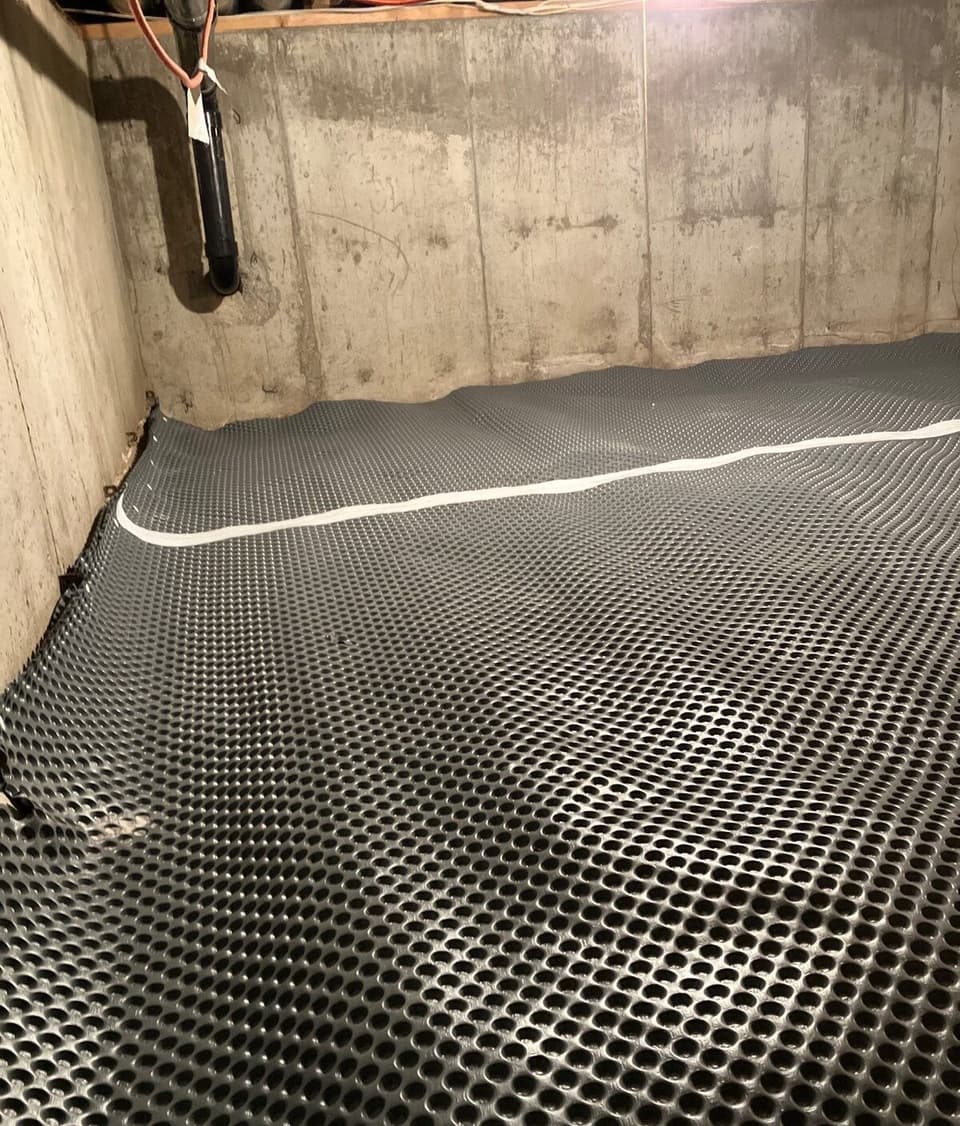
01 Crawl space waterproofing addresses active water reaching a dirt-floor or short-clearance crawl. Interior drainage matting at the perimeter, a sump pit with pump, and a polyethylene vapor barrier capture seepage and discharge it outside. Epp Foundation Repair has designed crawl-space drainage and encapsulation systems across NE, IA, KS, and MO since 1994.
Learn more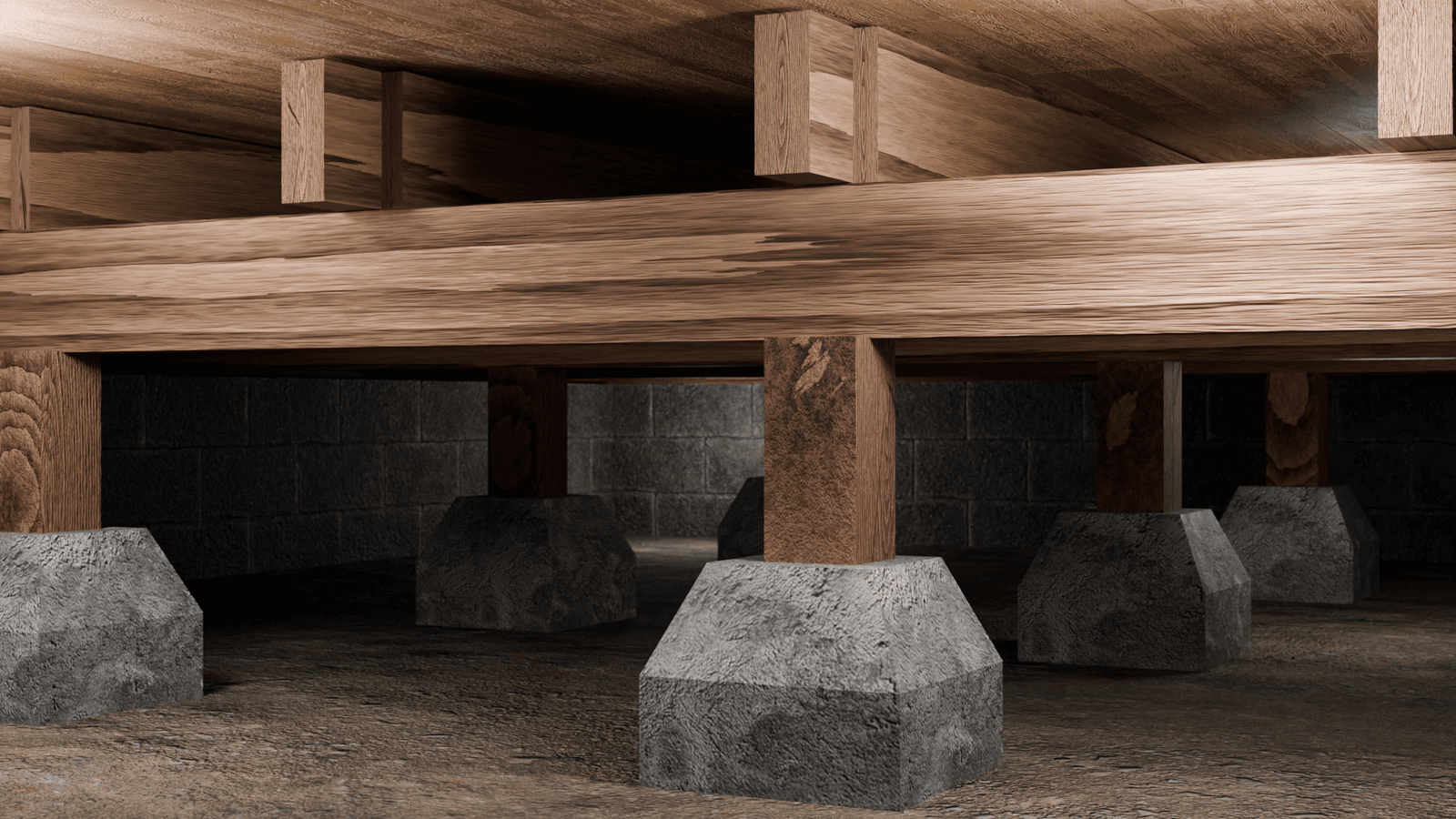 02
02 Crawl space structural repair supports the floor from below when a post has settled or a beam has lost support. Epp Foundation Repair sets adjustable steel post beam jacks on new footings and can place helical piers under posts across NE, IA, KS, and MO. Joist and beam carpentry is referred to a framing contractor.
Learn more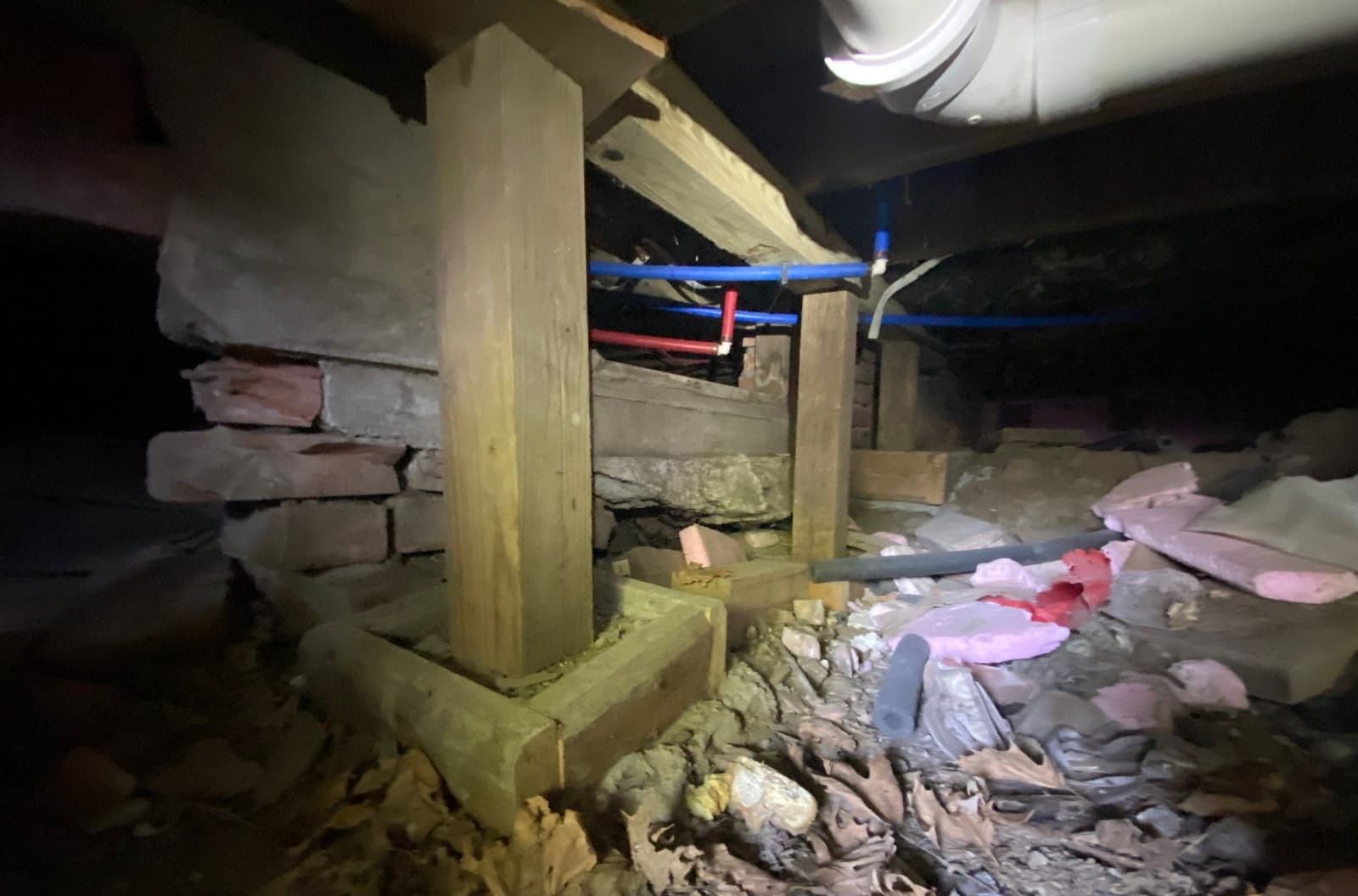 03
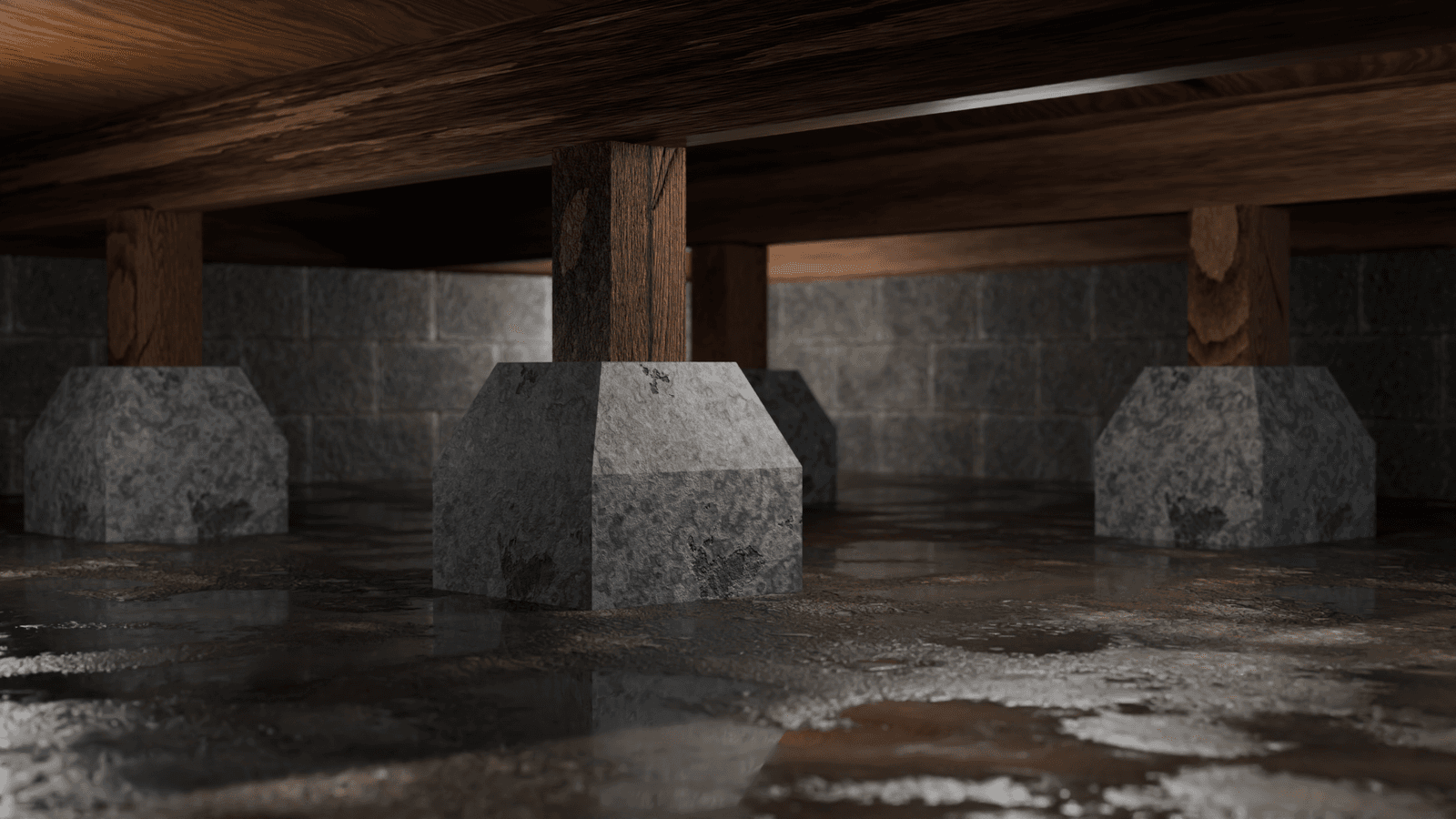
03 Pier and beam homes sit on individual piers that carry beams, which carry the joists, and they usually fail at the piers first. Epp Foundation Repair replaces settled or rotted masonry, concrete, and wood piers with helical piers driven to bearing strata across NE, IA, KS, and MO, and has since 1994. Rotted beam or joist carpentry is referred to a framing contractor.
Learn more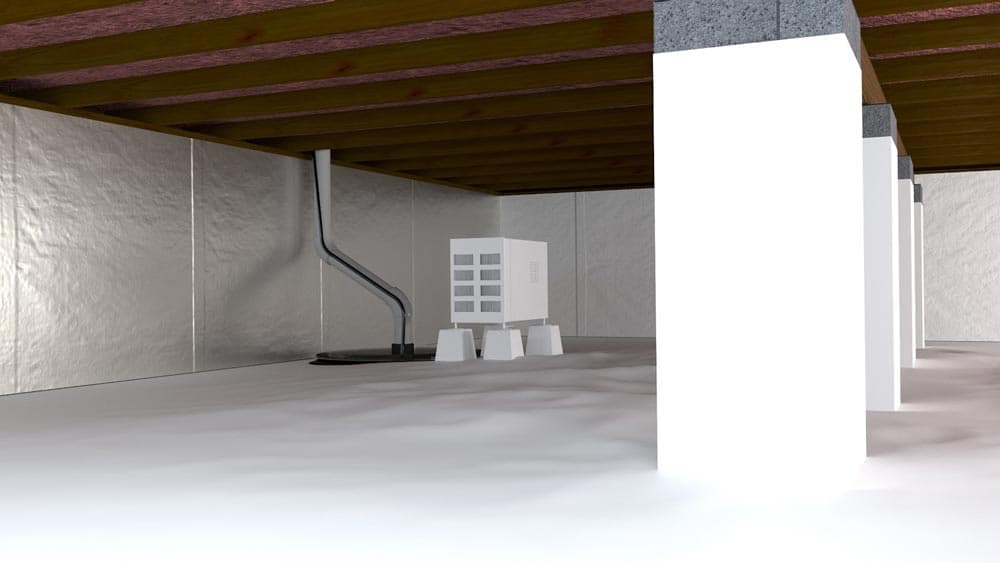 04
04 Crawl space sump pump installation captures groundwater inside a sealed basin set into the dirt floor, lifts it through a check-valve discharge line, and moves it 6 to 10 feet from the foundation. Epp Foundation Repair installs crawl-space sumps in dirt-floor crawls with limited clearance across NE, IA, KS, and MO, typically as a pre-encapsulation step or paired with interior crawl-space drainage matting.
Learn more 05
05 Crawl space drainage systems intercept wall seepage and groundwater at the perimeter, channel it through low-profile drainage matting and perforated pipe under the dirt floor, and feed it to a sump pit that pumps it 6 to 10 feet from the foundation. Epp Foundation Repair installs full crawl-space drainage systems across NE, IA, KS, and MO, designed for limited clearance and regional soil conditions.
Learn more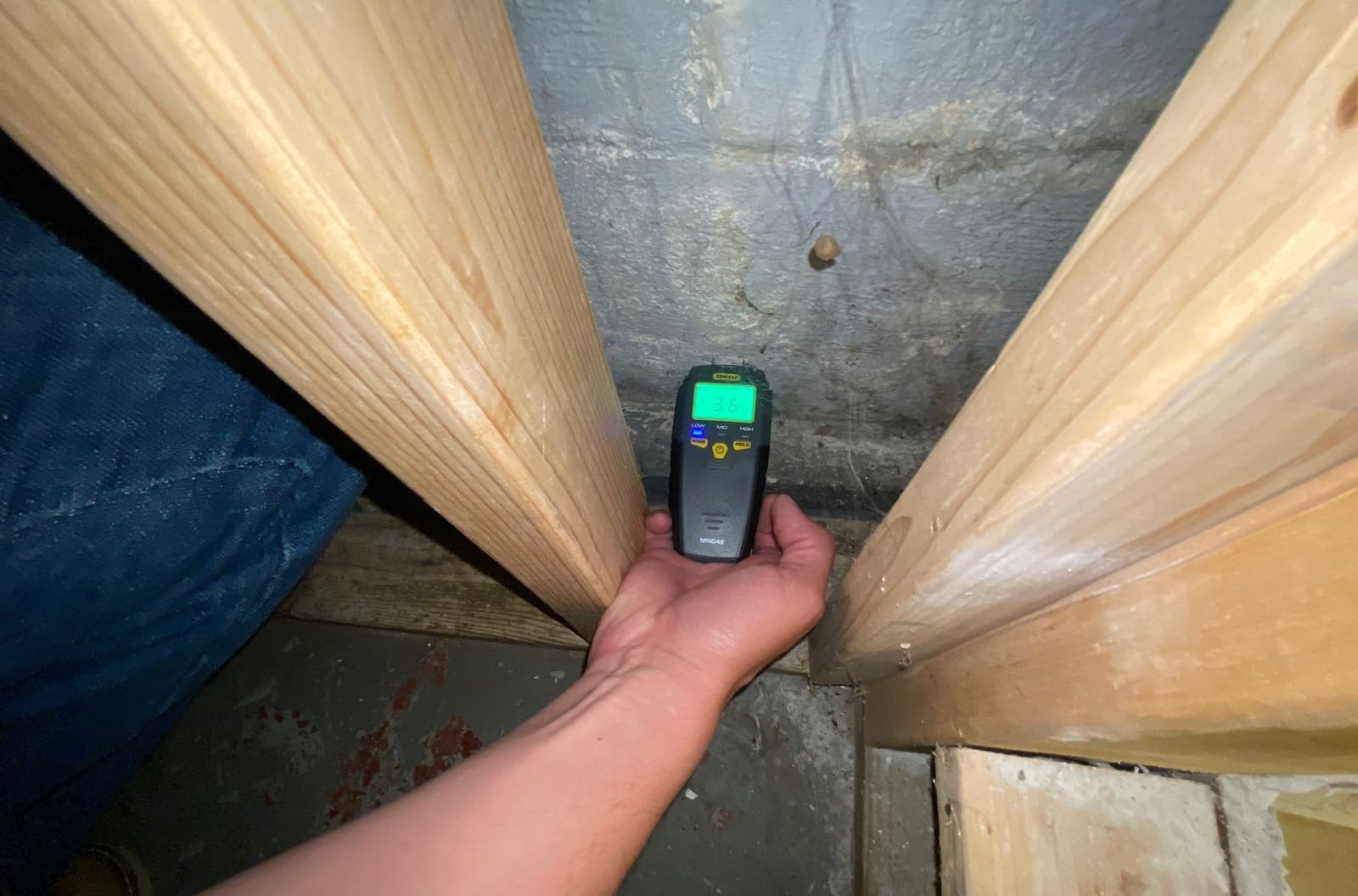 06
06 Free on-site crawl space inspection from a foundation-and-structural perspective. Epp Foundation Repair inspects joists, sill plate, posts, beams, dirt-floor grade, moisture, vapor barrier, and HVAC duct condition, then provides a Customized Repair Estimate with findings and recommended action. It is not a real-estate transactional inspection.
Learn more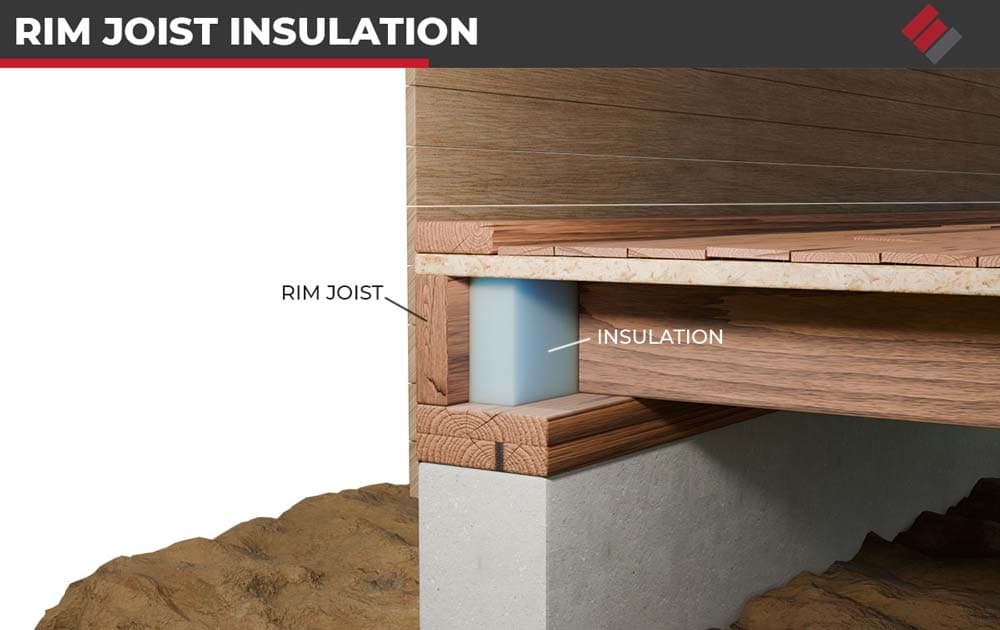 07
07 Sealing and insulating the rim joist is the insulation work Epp does most. It closes the biggest air leak in a Nebraska or Iowa crawl space, warms the floor above, and goes in after the moisture is under control.
Learn more 08
08 Debris removal and dry-out that clears a crawl space, paired with fixing the moisture so it stays clean. Removing or treating mold is certified remediator work, and Epp refers it out.
Learn more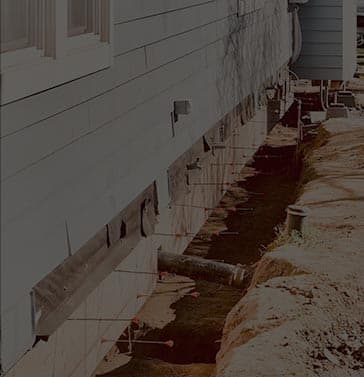 09
09 Structural repair of the short foundation wall under a crawl space, addressing cracks, spalling, and rusted rebar at the source.
Learn more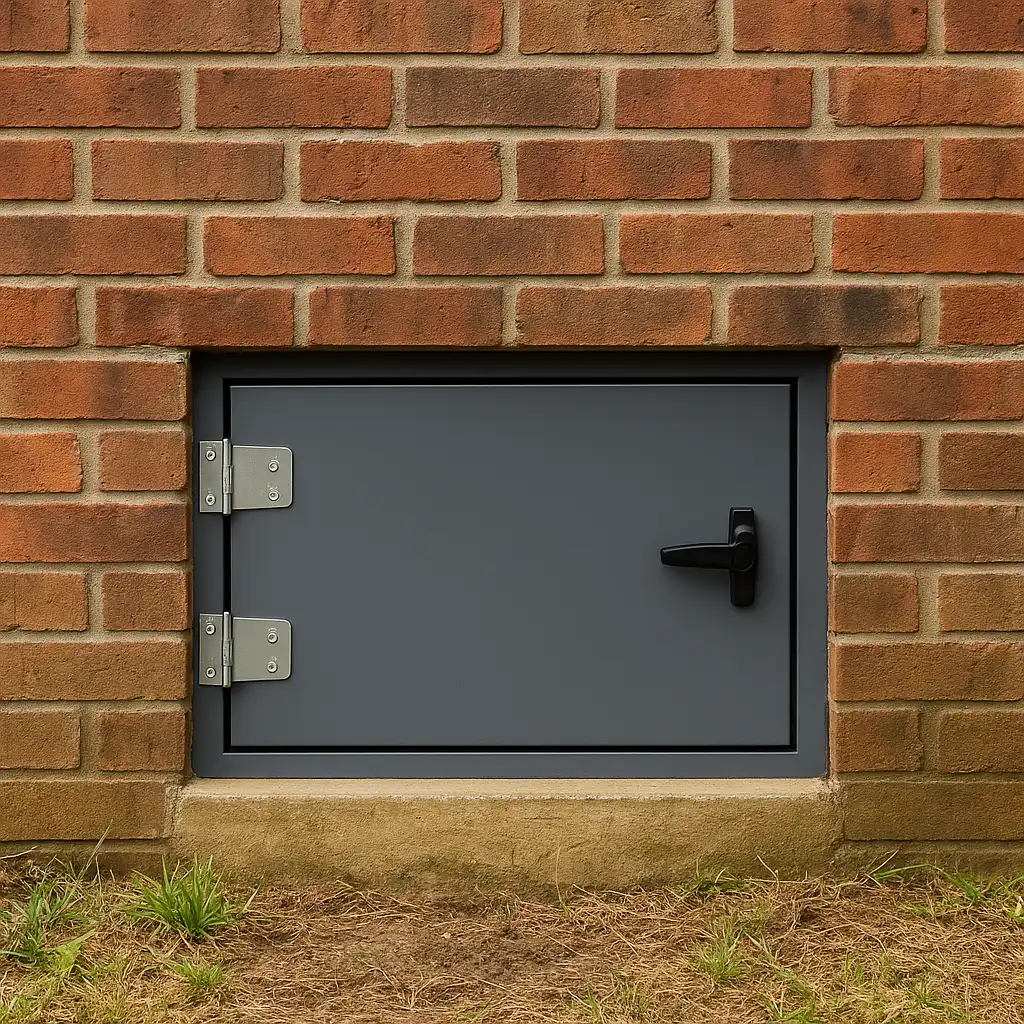 10
10 A sealed, durable crawl space door that closes the last gap in your moisture and pest control without trapping water inside.
Learn moreLocal crews based in five regional offices, dispatched daily across four states. If your town isn't listed, call us: we likely serve your area.
A straightforward path from initial inspection to completed repairs.
An Epp foundation specialist enters the crawl space and reads relative humidity, checks for a soil vapor barrier, looks for standing water and seepage staining, and measures the moisture content of the joists and girders. These numbers tell us whether the space needs more airflow or needs to be sealed off from outside air and ground moisture.
Epp produces a Customized Repair Estimate that names the approach for your space: corrected airflow and vent repair for a genuinely dry space, or vent sealing, vapor barrier, and a dedicated dehumidifier for a damp one. Every line is sorted into Must Do, Strongly Suggest, or Monitor so you know what is urgent and what can wait.
If liquid water is entering, Epp installs a crawl space sump system before any sealing, because you never trap water inside a sealed space. Once the space is dry, the crew seals the old foundation vents, lays the vapor barrier across soil and up the walls, and sets the dehumidifier to hold humidity in a stable range year round.
A 4.9-star average across Google, with verified reviews from homeowners throughout Nebraska, Iowa, Kansas, and Missouri.
Schedule your inspection in seconds with our Driive booking tool, or share a few details and a local specialist will follow up within one business day.
Practical articles from the Epp team on foundation health, waterproofing, and home preservation.
 Crawl Space RepairLatest
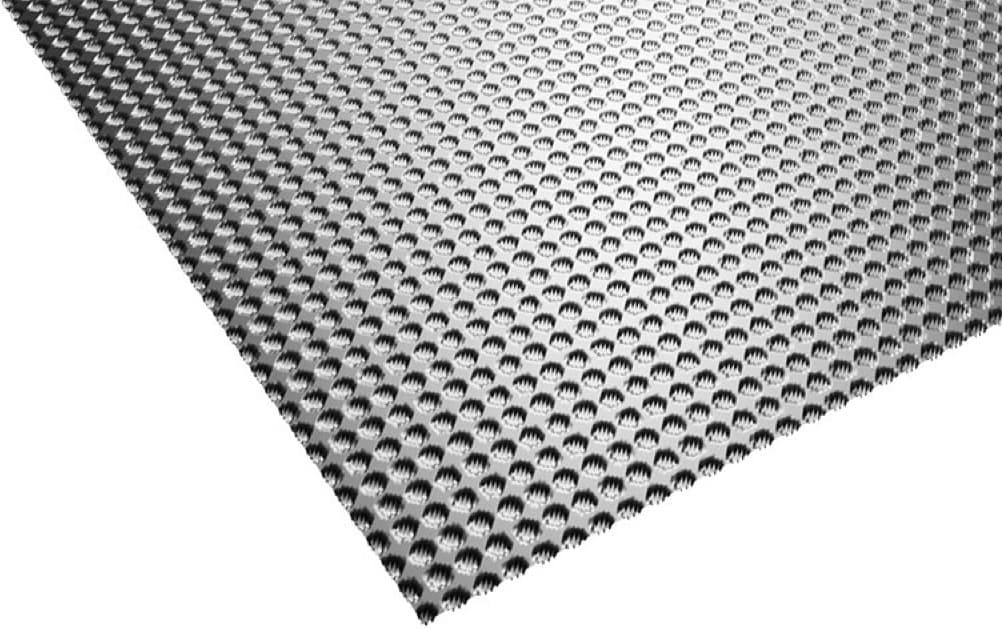
Learn what crawl space drainage matting is, the signs you need it, how it works with a vapor barrier, and how it is installed in your home.
 Crawl Space Repair
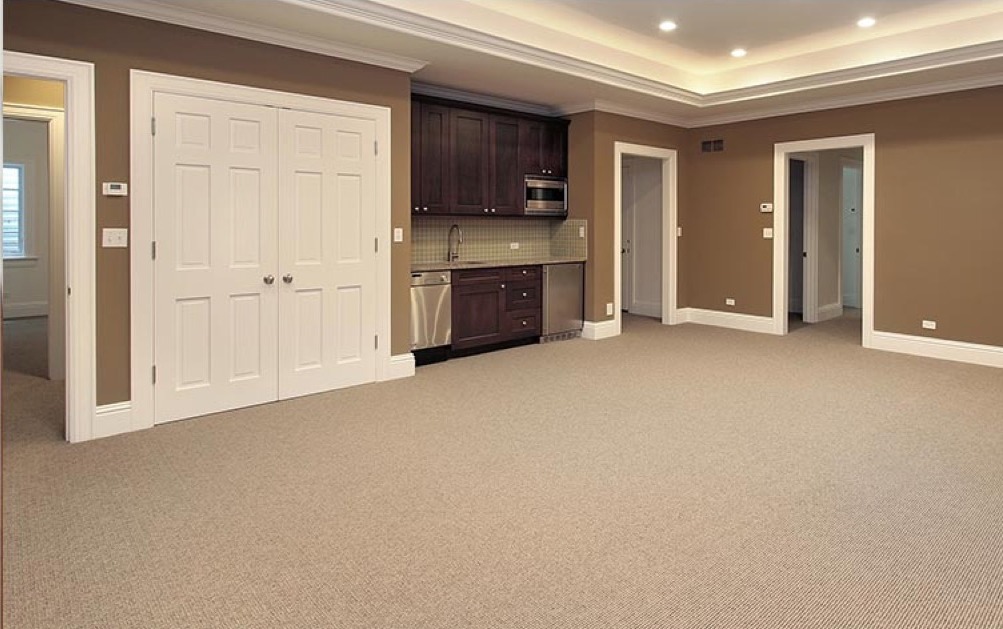
Converting a crawl space into a basement is possible but involves major work. Learn the process, the pros and cons, and what to expect before starting.
 Crawl Space Repair
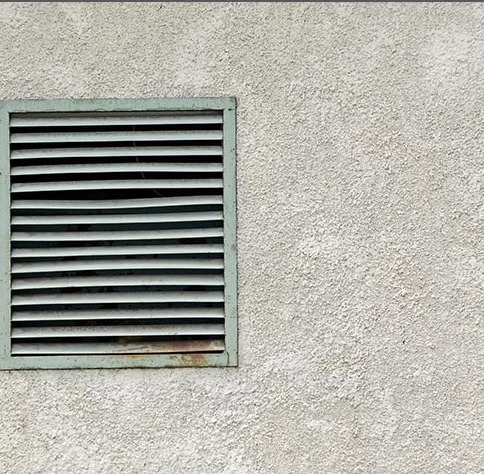
Protect your home with DIY crawl space vent covers. Discover the best materials, methods, and tips for moisture, pest, and draft control.
 Crawl Space Repair
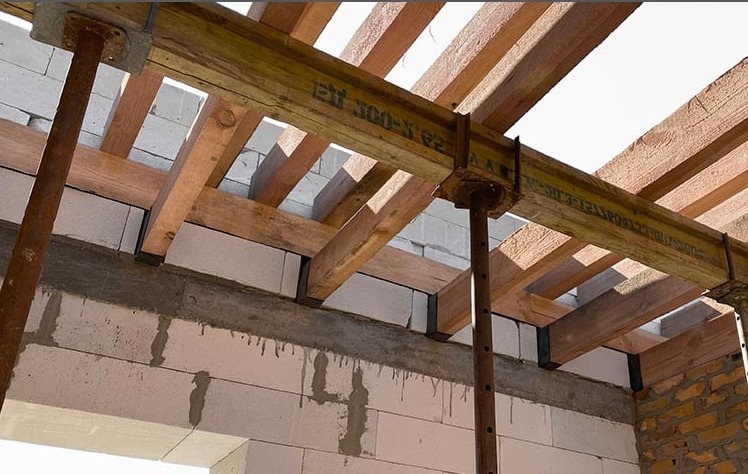
Discover what a rim joist is and its crucial role in building structures. Learn where rim joists are used and their importance in your home.
