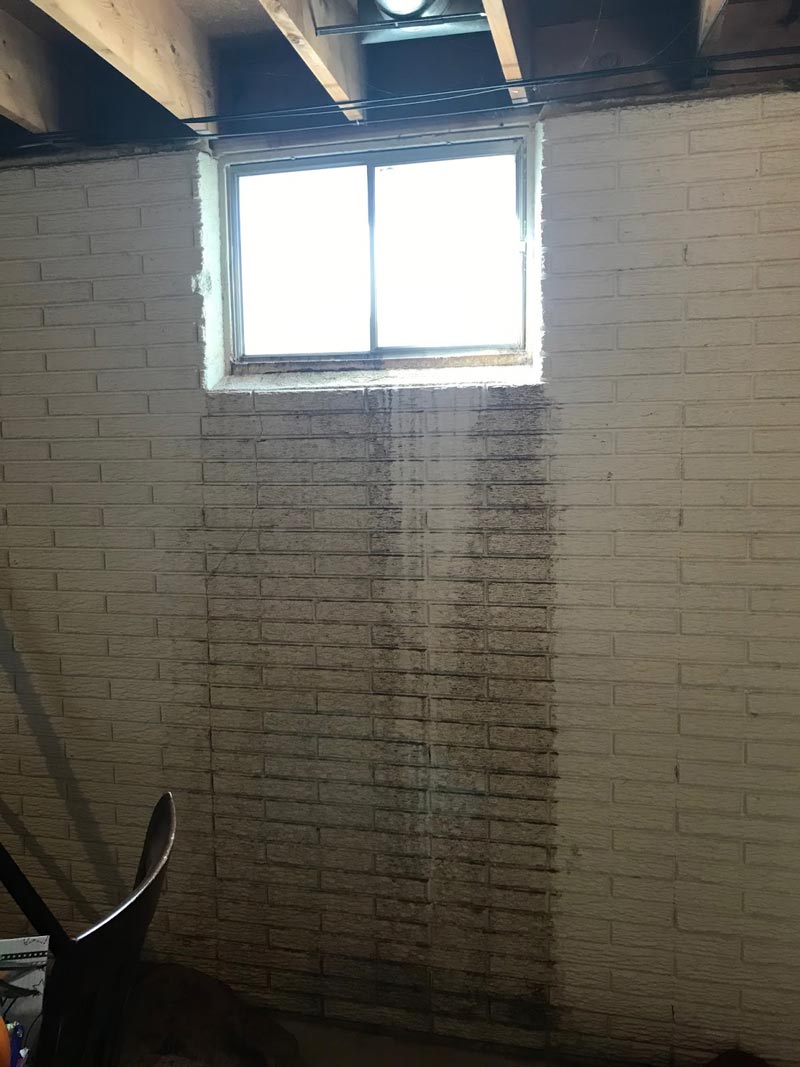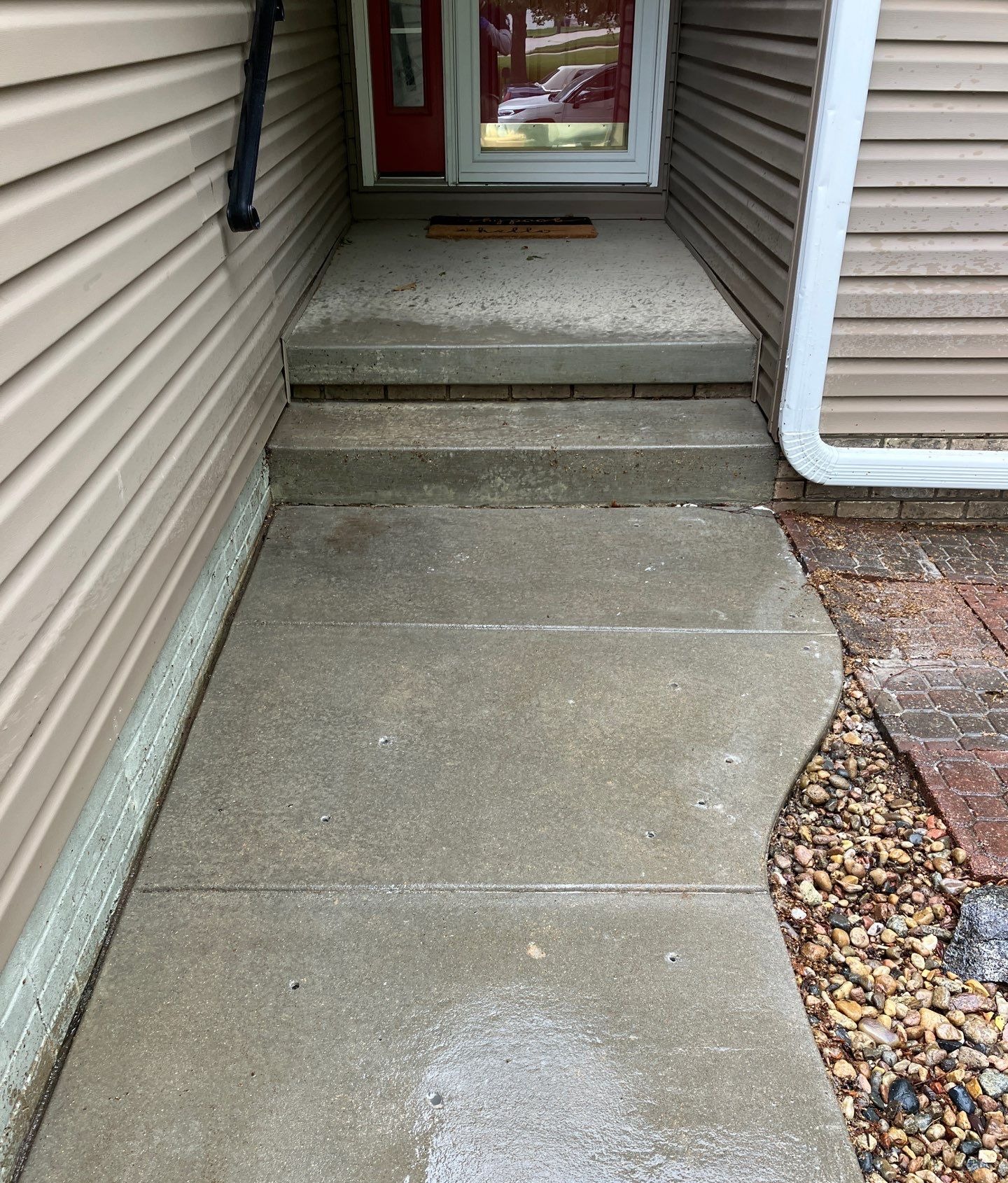
What is Concrete Heave (Causes & How to Repair)
Concrete heave happens when soil beneath a slab freezes and expands, pushing it upward. Learn the causes, how it differs from settling, and repairs.
Concrete is one of the most common building materials used around the world. It is also among the heaviest, and in some cases, is prone to various problems.
The strength of concrete makes it very usable, but its inflexibility can sometimes make it problematic. This can lead to a condition sometimes referred to as “concrete heaving.” It’s a challenge, as it can cause serious repercussions for the builders and the building alike.
Concrete heaving (also known as “frost heave”) occurs in many cases due to freezing and expanding as the water in the soil under the concrete freezes and thaws. This freeze/thaw cycle leads to expansion and contraction, eventually causing the concrete to heave.
For example, if you were to pour ice into a glass and then fill it to the top with water, you could leave the glass outside overnight and observe what happens when the ice melts. When it melts, it contracts, so you have a lower volume in the glass than when the ice was frozen.
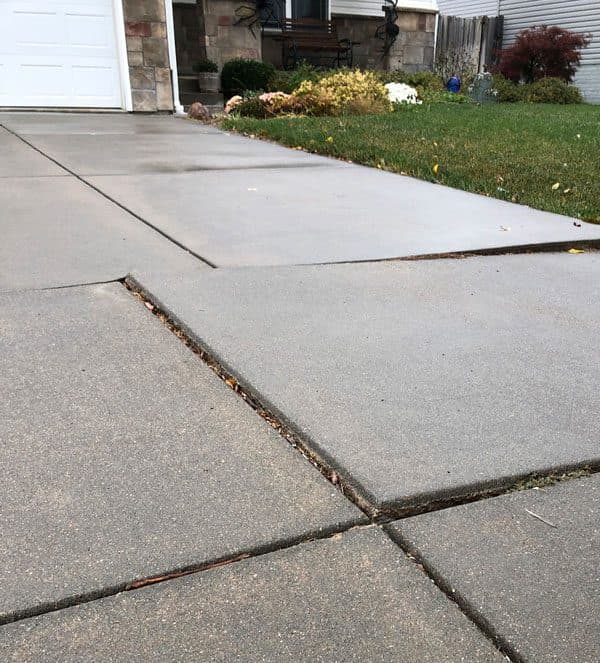
When soil under a slab has excessive moisture, it can expand considerably as it freezes. That puts tremendous pressure on the slab, forcing it upward and resulting in the damage associated with concrete heaving.
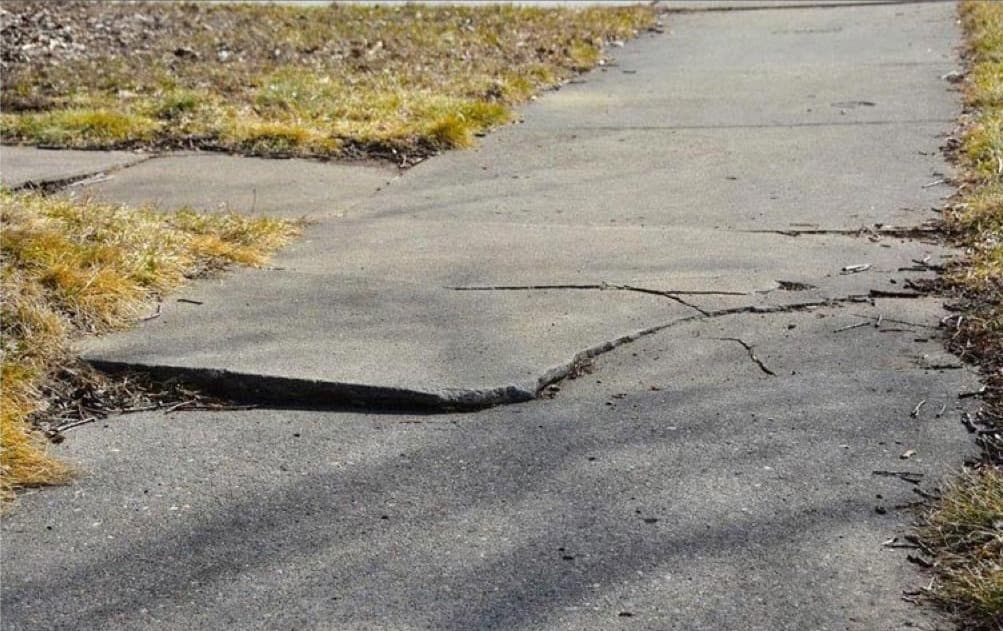
As you can imagine, concrete heaving will cause physical damage because concrete does not offer any flexibility. Typically, it is first recognized once those physical signs of cracking have occurred, and at that point, the issue may have already advanced.
In this article, we will consider this problem, including how it is caused and how it is repaired. Identifying these issues early on can assist in having the problem fixed or adjusted so that additional issues do not occur.
Concrete Heaving Vs. Settling: What’s the Difference?
Many people confuse concrete heaving with concrete settling. Even though the signs of the problem may be similar, there is a significant difference in what is happening behind the scenes.

Concrete settling is typically one-directional. It likely happens when the soil is washed away from under the concrete or somehow settles below it, allowing the slab to move downward.
On the other hand, heaving concrete tends to move in both directions. As the water freezes in the soil under the slab, it forces the slab upward and causes it to crack. When the water in the soil thaws, it contracts, allowing the broken concrete to fall into place.
Identifying which of these issues you are dealing with will give you the best opportunity to have the problem fixed.
What Can Cause Concrete Heaving?
The first step in fixing any problem that leads to concrete heaving is identifying the real issue that’s occurring behind the scenes. In most cases, it is due to expanding soil under the slab, either from freezing or excess water, but there may be other issues behind it as well. These can include the following:
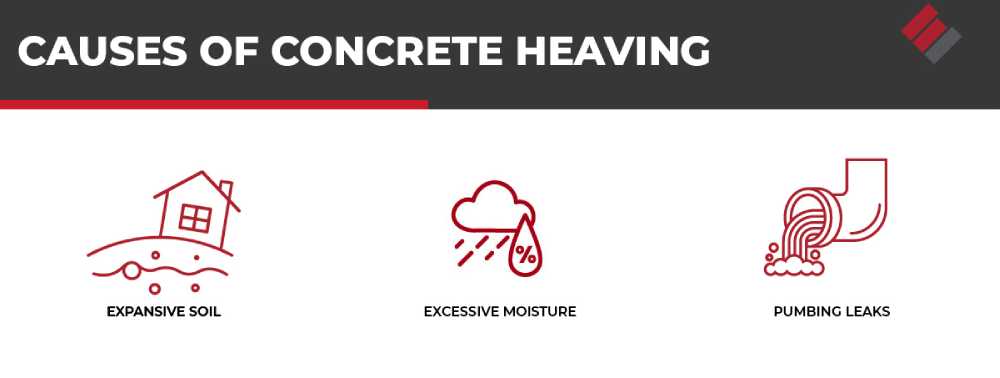
Expansive soil. In many parts of the world, expansive soil is a problem. This is a type of soil that tends to soak in water and expand as it does so, causing the concrete to heave. When the soil dries, it can contract, leaving voids under the slab.
Excessive moisture. When heavy rainfall or a snow melt causes a large influx in soil moisture, it can force the soil to expand against the slab and exert extreme pressure on it.
Plumbing leaks. Leaking pipes are also a common issue that can lead to excessive water in the soil. This can happen without anyone noticing, and may occur over an extended amount of time.
How Is Concrete Heaving Repaired?
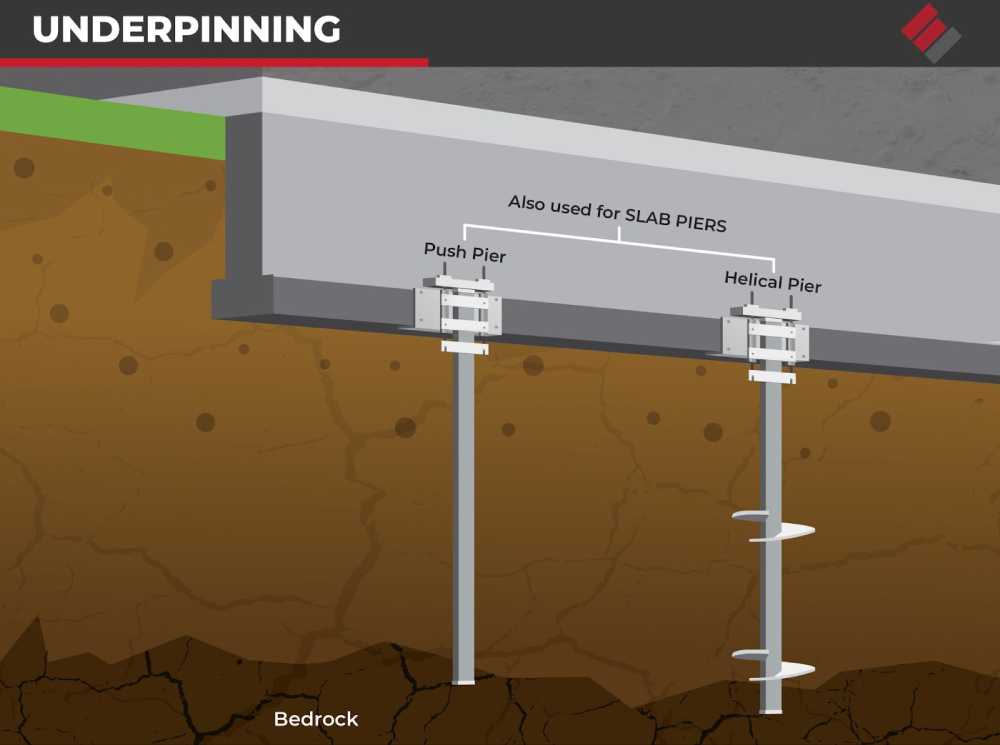
If you are experiencing a problem with foundation heaving, it can be repaired through some type of underpinning system. This could include push piers, helical piers, or slab piers.
With this process, the piers are inserted into the ground until they reach stable soil. They can then be attached to the slab or foundation to help stabilize it. Underpinning is primarily designed to stop further movement, and in some cases it can also help provide some lift.
Other options may be available for repairing concrete heaving, depending on the extent of the damage and specifics of the area.
If the damage is only to a piece of sidewalk (or perhaps a patio) and the heave is less than approximately 2 inches high, it may be possible to grind down the concrete and fix the issue.
Grinding tends to be an inexpensive solution, but it also does not address the underlying issue, so the problem could occur again.
If the concrete is damaged to the extent that it is shattered or there is a significant difference in height between slabs, then removing and replacing the slab may be necessary.
Replacing a slab tends to be the last option considered, but it still may be the best choice, depending on the circumstances.
Regardless of the solution you’ll ultimately use, the first step in repairing concrete heave is to contact a professional. You can call us for a free inspection and estimate, and one of our professionals will be happy to get back to you and start the process.

Written by
Owner and President, Epp Foundation Repair
Dave joined the family business in 2004 after growing up watching his father Phil build it from the ground up. Today he runs daily operations across Epp's service region in Nebraska, Iowa, Kansas, and Missouri, and is trained and experienced across every repair method Epp installs.
More about Dave