Cart Path and Walkway Settlement: Causes and Concrete Lifting
Epp Foundation Repair lifts settled concrete cart paths on golf courses and settled walks on commercial and managed properties across Nebraska, Iowa, Kansas, and Missouri with PolyLift polyurethane foam.

Let's take the first step toward a healthy home.
A local specialist will inspect your foundation, walk you through the findings, and send a clear estimate, no cost, no pressure.
Cart Path Slab Settlement: diagnosed and explained.
Cart path slab settlement is a section of a concrete golf cart path, sidewalk, or walkway that has dropped below the sections next to it. Paths are thin slabs laid over soil, and they carry carts, maintenance equipment, and foot traffic every day. When the soil underneath washes out, softens, or compresses, a section can sink or tip. The result is a raised edge at a joint, a dip that holds water, or a section that rocks when weight crosses it. On a golf course or a managed property, those edges can become trip hazards and can jolt carts as they cross.
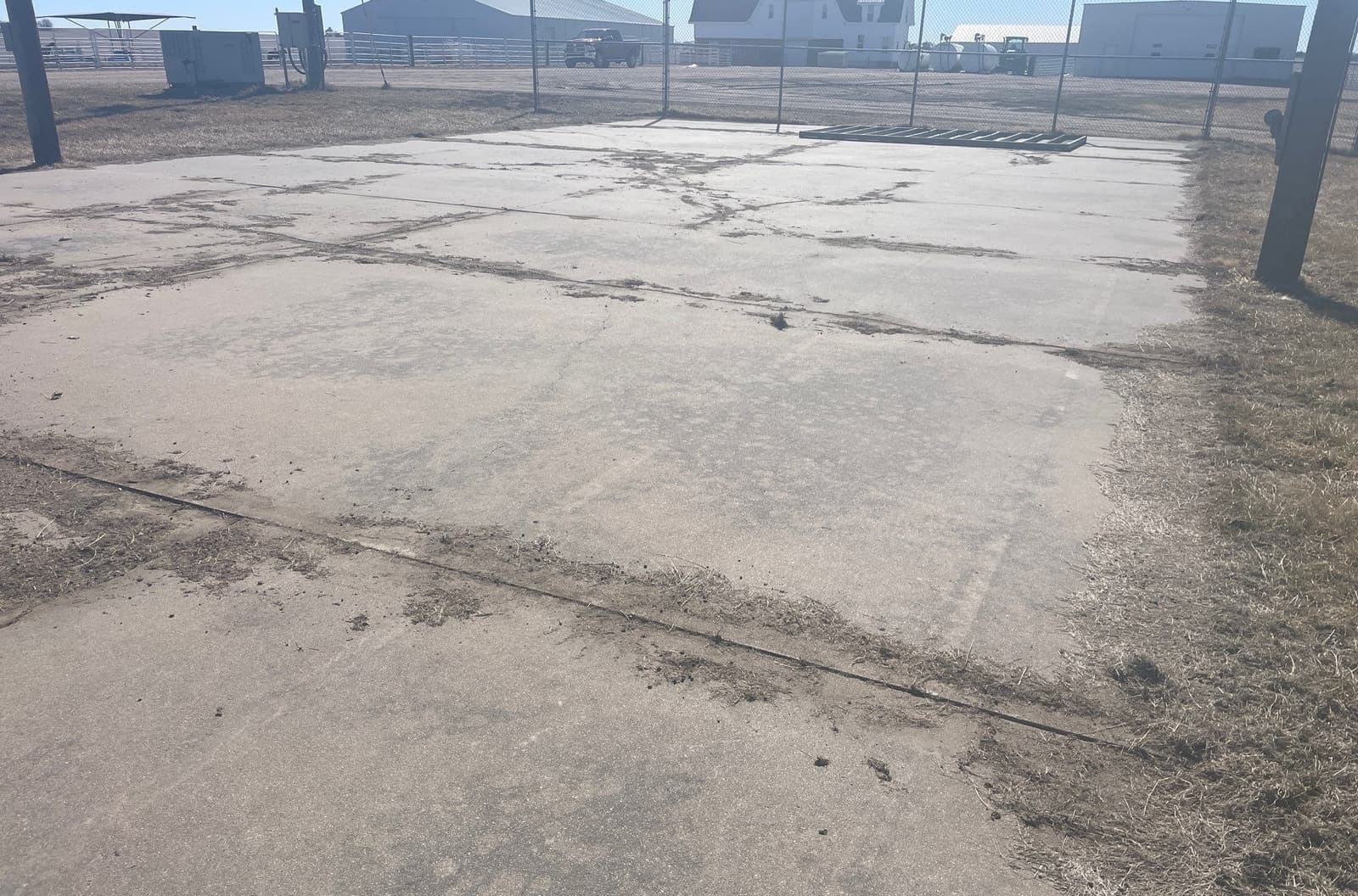
Watch for these along a path or walkway.
- 01
Raised edges at joints
One section sitting higher than the next leaves an edge that can catch a foot or jolt a cart.
- 02
Low spots that hold water
A dip that holds water after rain or irrigation usually marks a section that settled.
- 03
Sections that rock
A section that moves when someone steps on it may have a void underneath.
- 04
Soil washed out along the edge
A gap between the side of the path and the soil next to it can mean water is carrying soil away.
- 05
Cracks across a section
Cracks that run across a section can form when part of it loses support.
What causes cart path slab settlement in Midwest homes.
- 01
Washout From Irrigation and Runoff
Golf courses and landscaped properties are watered often. Water that runs along the edge of a path can carry soil out from under it.
- 02
A Soft or Poorly Compacted Base
Paths are often built on a thin base over native soil. If that base was not compacted well, it can settle under repeated cart and equipment traffic.
- 03
Freeze and Thaw
Water that collects under a path can freeze and expand in winter, then leave a void when it thaws.
- 04
Roots and Slopes
Tree roots can lift one side of a section, and paths on slopes can lose soil along the downhill edge.
How commercial specialists actually fix cart path slab settlement.
Solving cart path slab settlement means addressing the underlying soil, pressure, or settlement cause. Not just patching the visible damage. Below are the engineered solutions we install most often for this symptom in Nebraska, Iowa, Kansas, and Missouri homes.
Engineered commercial solutions for this problem.
Each method is matched to a specific failure mode and soil profile. Browse the toolkit we draw from when diagnosing your home.
How do soil and climate in Nebraska and Iowa affect buildings and slabs?
Buildings and slabs rest on the soil under them, so when that soil gets wetter, drier or colder, they can move.
Based on NOAA 1991 to 2020 climate normals for Lincoln Municipal Airport and Omaha Eppley Airfield.
What kind of soil is around Lincoln and Omaha?
Based on USDA soil survey data for Lancaster County (Lincoln) and Douglas County (Omaha), clay is the main soil type in both counties. The survey rates Lancaster County high and Douglas County moderate for shrink swell. Clay can swell when it gets wet and shrink as it dries, so a slab or foundation on clay can move up and down with the seasons. The soils that cover the most ground in Lancaster County are Wymore and Aksarben, and in Douglas County they are Contrary and Marshall.
Loess, the wind deposited silt common in eastern Nebraska and western Iowa, can lose strength and settle when it gets wet. Water can reach it from runoff, a plumbing leak or a downspout that empties next to the house.
How does freezing weather affect footings and basement walls?
In Lincoln and Omaha, soil near the surface can freeze and thaw many times between fall and spring. Each city's building code sets a frost line depth, which is the minimum depth below finished grade for a footing. It is 36 inches in Lincoln and 42 inches in Omaha. Supports that sit above that depth, such as some porches, stoops and chimney footings, can move as the ground freezes and thaws.
Horizontal cracks in a basement wall are more often linked to pressure from the soil outside the wall than to settlement. Wet soil pushes harder against a wall than dry soil, and soil that freezes against the wall can add to that pressure.
Climate: NOAA U.S. Climate Normals 1991 to 2020, LINCOLN MUNI AP (USW00014939) and OMAHA EPPLEY AIRFIELD (USW00014942), retrieved September 30, 2026. Soil: USDA NRCS Soil Data Access (SSURGO), county survey for Lancaster County and Douglas County. Frost line depth: Lincoln Municipal Code 20.12.140 and Omaha Municipal Code Sec. 43-127.
"The single biggest mistake I see homeowners make is calling for a quote on lifting before anyone has looked at what's under the slab. The void tells the method. A 4-inch void is one job. A 24-inch column of hydroconsolidated loess is a completely different job with the same name. Pricing without the inspection is guessing, and the guess is wrong about a third of the time."

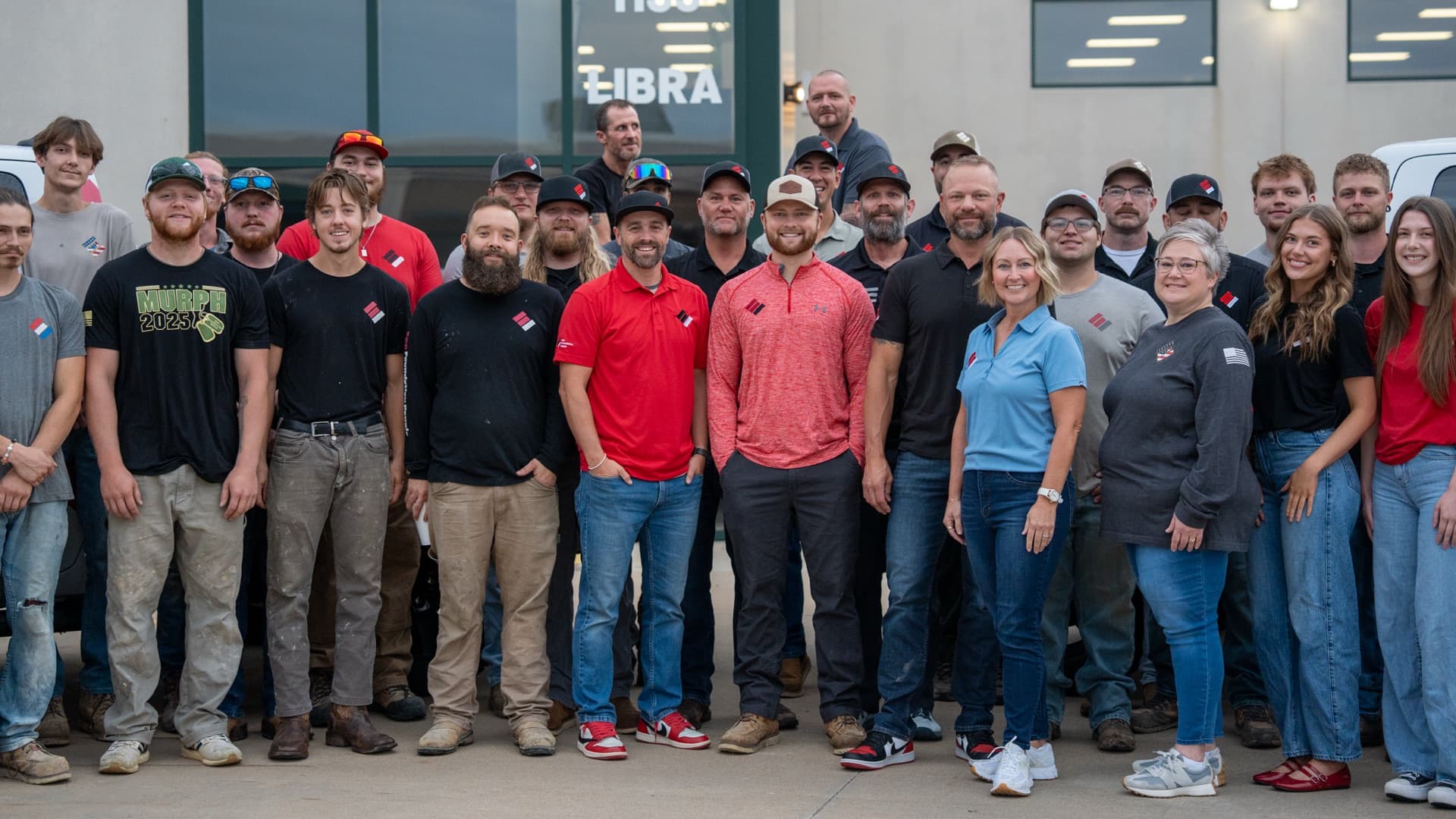
Care and expertise from a team that's been doing this since 1994.
Epp Foundation Repair is locally owned and operated, with crews dedicated exclusively to foundation, basement, and concrete work across the Midwest.
Foundation repair, waterproofing, and concrete leveling are our entire focus, not a sideline.
Three decades of experience with Midwest soils, basements, and weather conditions.
Recognized by the Better Business Bureau for integrity and ethical business practices.
Many of our repairs carry a written Epp warranty. The warranty page lists every covered repair and its terms.

Answers to common questions about Cart Path Slab Settlement.
Don't see your question here? Our team is happy to help. Reach out anytime.
Other commercial warning signs to watch for.
If you see one, it's worth checking for the others. Most foundation problems show up as more than one symptom.
Serving Nebraska, Iowa, Kansas & Missouri.
Local crews based in five regional offices, dispatched daily across four states. If your town isn't listed, call us: we likely serve your area.
- Omaha, NE
- Lincoln, NE
- Topeka, KS
- Sioux City, IA
- Bellevue, NE
- St. Joseph, MO
- Council Bluffs, IA
- Grand Island, NE
- Papillion, NE
- Kearney, NE
Take the first step toward a healthy home.
A straightforward path from initial inspection to completed repairs.
Schedule your inspection.
A local specialist visits your home, evaluates the foundation, and answers your questions on site. No cost, no obligation.
Receive an estimate based on your needs.
We provide a clear, Customized Repair Estimate with a scope of work tailored to your home's specific issues. Typically within one business day.
Get your repairs.
Trained crews complete the work on schedule.
Over 1,700 homeowners have shared their experience.
A 4.9-star average across Google, with verified reviews from homeowners throughout Nebraska, Iowa, Kansas, and Missouri.
Two ways to start: book instantly, or request an estimate.
Schedule your inspection in seconds with our Driive booking tool, or share a few details and a local specialist will follow up within one business day.
- A local foundation specialist on site
- A complete walk-through of the findings
- A Customized Repair Estimate within one business day
- No cost, no obligation, no high-pressure sales
Expert guidance on protecting your home.
Practical articles from the Epp team on foundation health, waterproofing, and home preservation.
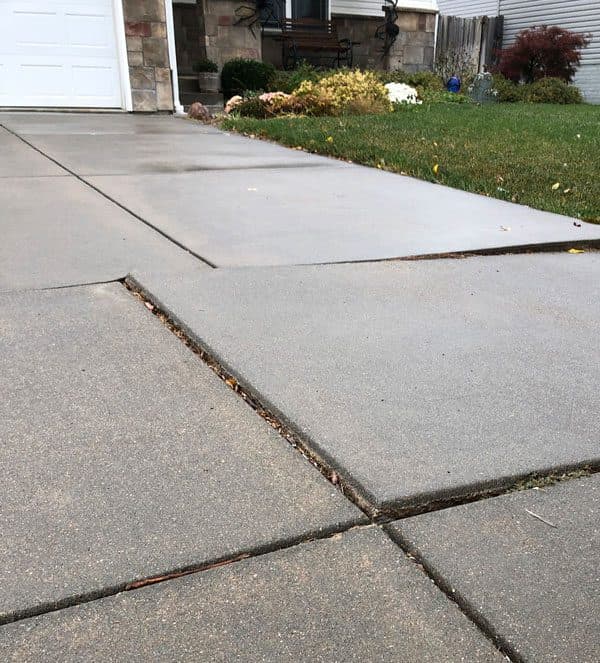 Concrete LevelingLatest
Sunken Driveway or Sidewalk: Should You Lift It or Replace It?
Sunken concrete can often be lifted instead of replaced. Learn why driveways and sidewalks sink, when lifting works, and when replacement makes more sense.
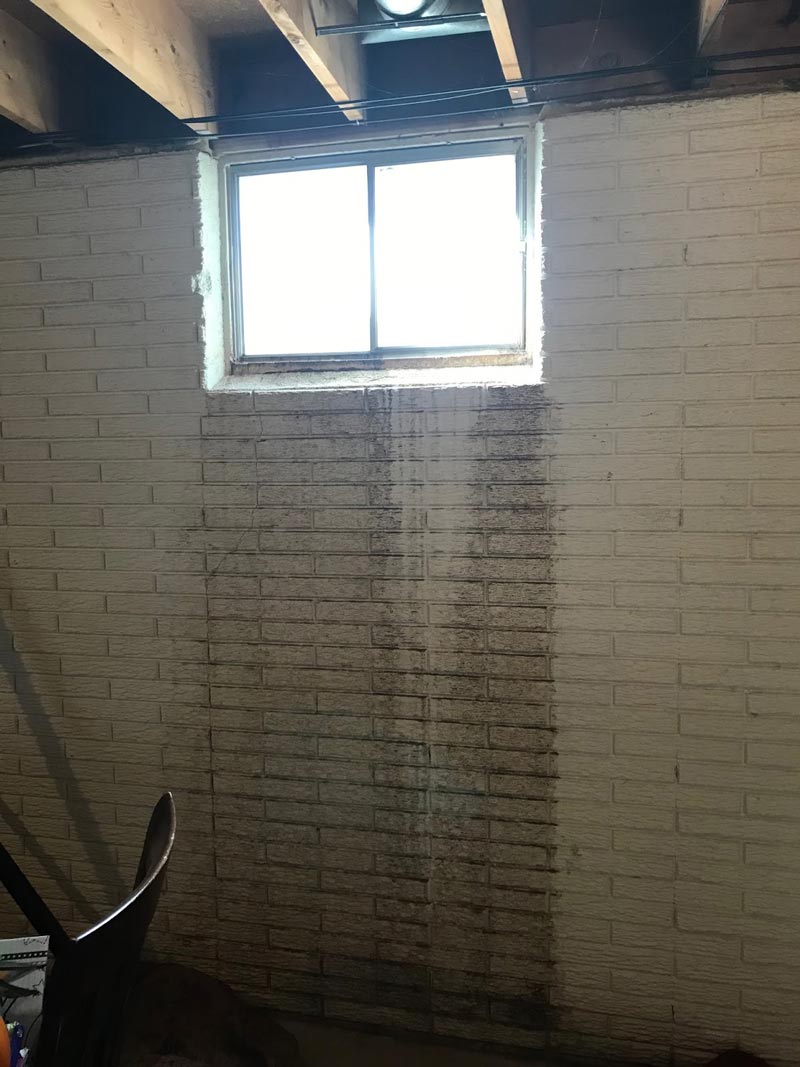 Basement Waterproofing
Can You Waterproof Basement Walls From the Inside With Paint?
Waterproof paint and sealer can help with light dampness, but they usually cannot stop water pushed through a basement wall by wet soil outside.
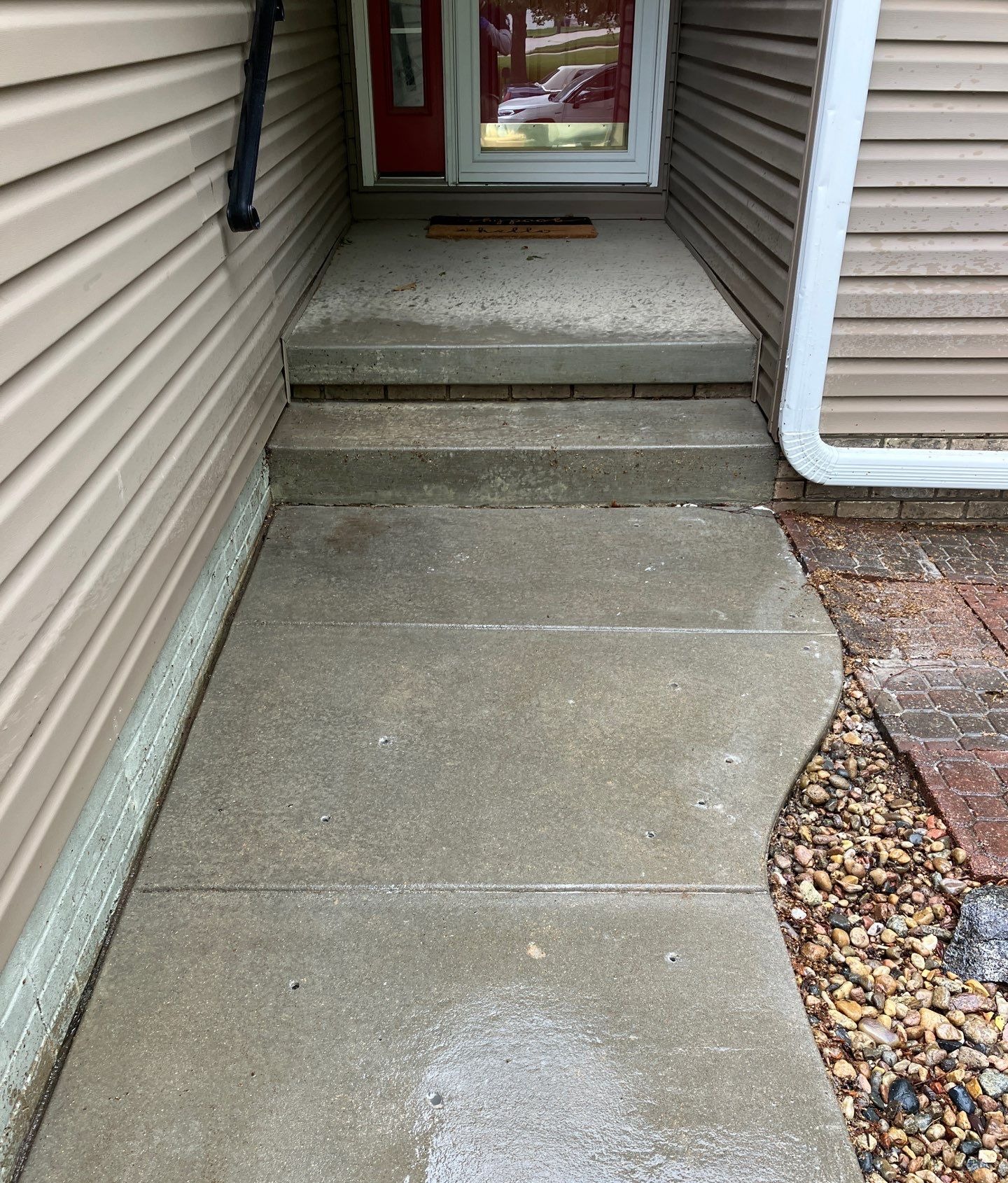 Concrete Leveling
Why Are My Front Steps Pulling Away From the House?
Front steps that sink and pull away from the house are often a soil problem. Learn why it happens and when Epp can lift them with polyurethane foam.
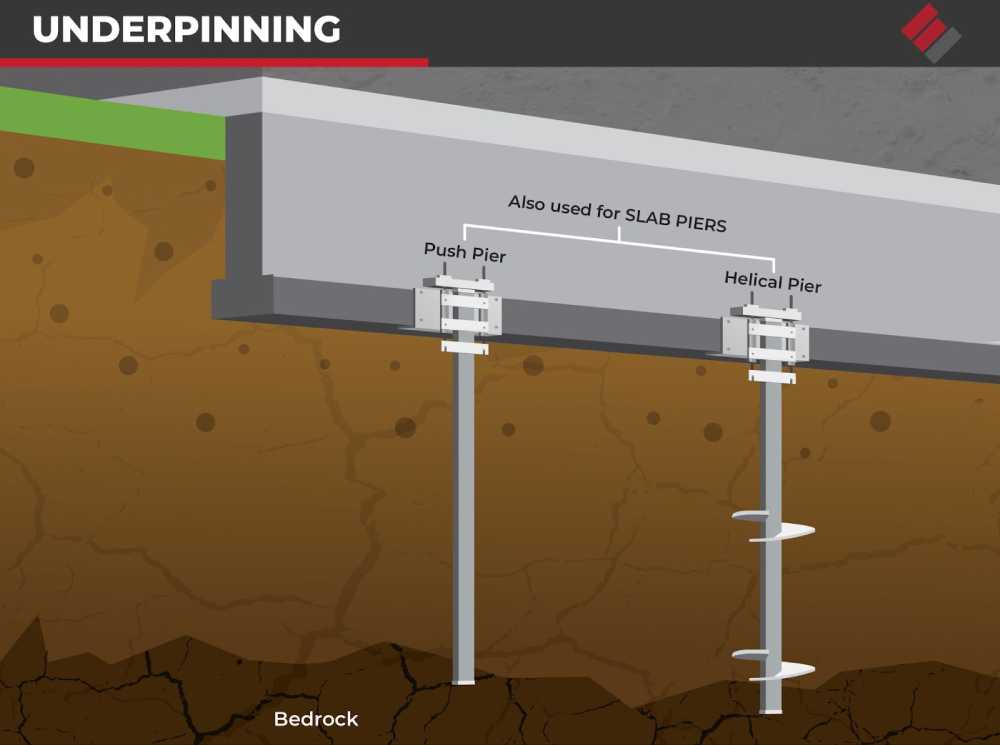 foundation repair
2026 Omaha commercial foundation repair guide for business owners.
A stable foundation protects your building, your people, and your bottom line. This guide covers warning signs, repair methods, and what to expect from a…
Five regional offices across the Midwest.
St. Joseph, MO 64506