Not every crawl space needs to be encapsulated. Encapsulation can help when moisture from the ground or outside air keeps the space damp and leads to musty odors, wet wood, or uncomfortable floors above.
Encapsulation is not always the first step. If water is getting in, drainage may need to be addressed first. If the structure is sagging or damaged, structural repairs should come before encapsulation. And if the crawl space is already dry, it may not need encapsulation at all.
What Crawl Space Encapsulation Is
Crawl space encapsulation seals the crawl space off from the ground and from outside air so the space can stay drier. Epp plans it as one system with four parts:
- A reinforced plastic liner over the dirt floor that runs up the foundation walls, with the seams sealed. Epp’s post on whether a vapor barrier is enough compares a floor sheet with a sealed system in more detail.
- Closing the openings that let outside air in, which usually means sealing the crawl space vents and the gaps along the rim joist.
- A dehumidifier that dries the air inside the closed space.
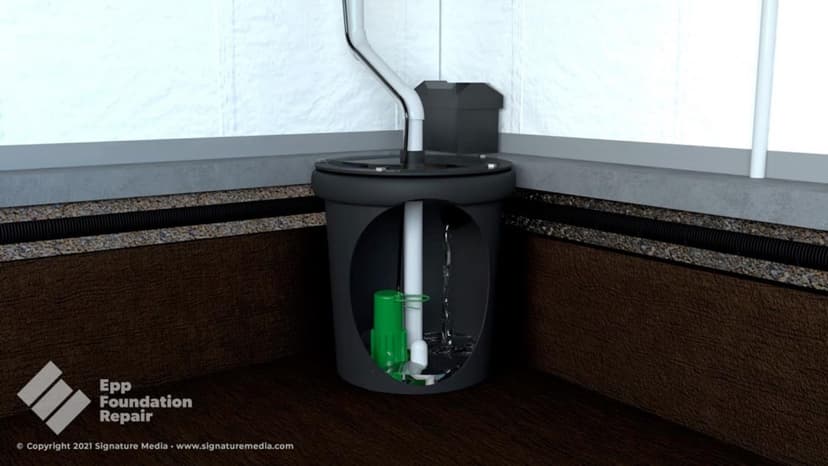
- Where water gets in, drainage under the liner, which goes in first so the water has a path out.
Where Crawl Space Moisture Comes From
Crawl space moisture usually comes from one of three places.
- Bare soil can release water vapor into the air above it, even when the ground does not look wet.
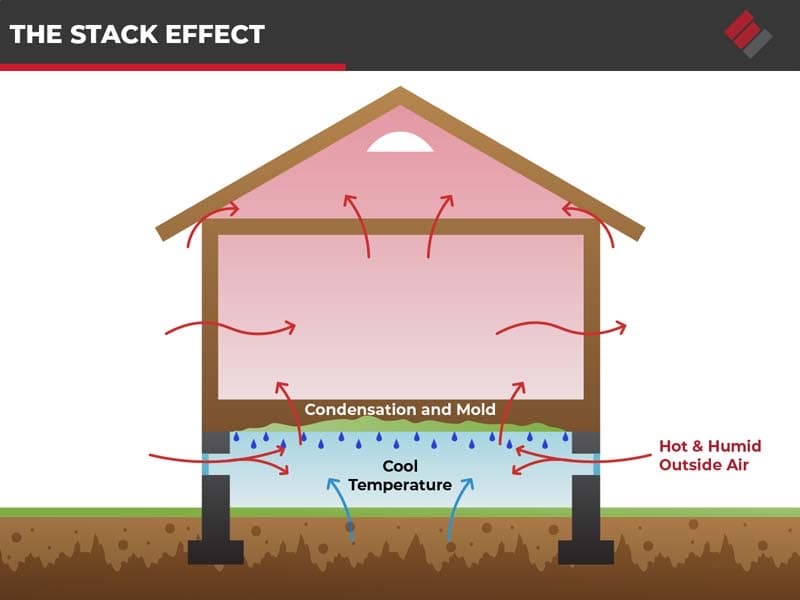
- Open vents can let in warm, humid outdoor air in the summer, and that moisture may condense on cooler surfaces such as ducts, pipes, and wood framing.
- In some homes, liquid water also seeps through the walls or collects on the floor after heavy rain.
The U.S. Environmental Protection Agency notes that crawl spaces with high humidity, particularly those with bare earth floors, are common sites of hidden mold growth, and that condensation can form when warm, humid air meets a cold surface.
A liner, sealing, and a dehumidifier deal with the first two sources. Where water comes in, drainage under the liner usually goes in first as part of the system. Some water problems need more than that, and Epp’s guide to removing moisture under a house covers those sources in more detail.
Signs Encapsulation Could Help
Some signs suggest encapsulation could help with a damp crawl space:
- A musty smell that will not clear in the rooms above the crawl space, even after cleaning.
- High humidity in the crawl space, or condensation on crawl space ducts and pipes.
- Insulation that is damp, sagging, or has fallen from between the floor joists.
- Floors above the crawl space that often feel cold underfoot in winter.
- Mold or mildew on wood or insulation, which is a sign of a moisture problem. Epp finds and fixes the water source and refers mold removal to a certified remediator.
Each of these crawl space warning signs can have more than one cause, so none of them proves that a crawl space needs encapsulation. An inspection is how Epp tells what is causing them in your home.
What Encapsulation Can Change in Your Home
Air from a crawl space can move up into the rooms above it, so encapsulation can change more than the crawl space itself. When it is a good fit, a musty smell in the rooms above may fade, and floors may feel less cold in winter once outside air is closed off. Wood framing, floor joists, and insulation are also more likely to stay dry, which can help them last longer.
How much changes depends on how damp the crawl space was to begin with and what else is going on in the house. Results can vary from one home to the next.
Downsides of Encapsulation
The downsides of encapsulation are mostly about power, upkeep, and the other work it can involve:
- A dehumidifier needs electricity to run, and any dedicated circuit it needs is wired by a licensed electrician, separate from Epp’s work.
- Encapsulation might require changes to the heating and cooling ducts.
- A liner can tear, and a torn liner or an open seam can let ground moisture back in.
When Encapsulation May Not Be the First Step
Crawl space encapsulation may not be needed when the space is already dry, and in some homes another repair needs to come first.
- When water is coming in, as standing water or seepage through the walls, drainage under the liner usually goes in first, and some water problems need a separate repair before any liner goes down.
- When the floor is sagging or the supports are failing, a structural problem needs a structural repair. Encapsulation may still make sense afterward, once the structure is sound.
- When mold is growing on the joists, Epp holds off on the liner until a certified remediator has removed it.
- When a plumbing line is leaking into the crawl space, a plumber fixes the leak before the space is sealed.
Structural problems, and water problems that need more than drainage under the liner, are handled through Epp’s crawl space repair services. A crawl space can have more than one of these going on at once.
When Encapsulation Is Worth It
Crawl space encapsulation can be worth it when moisture from the ground or humid outside air is keeping the space damp. By controlling those moisture sources, encapsulation may help protect the wood framing, reduce musty odors, and make the floors above more comfortable.
Common Questions
Does Epp Remove Mold When It Encapsulates a Crawl Space?
No, Epp does not remove mold when it encapsulates a crawl space. Mold is a sign of a moisture problem, and Epp finds and fixes the water source and refers mold removal to a certified remediator.
Does Drainage Go in Before a Crawl Space Liner?
Where water gets into a crawl space, drainage under the liner is part of the encapsulation system, and it goes in first so the water has a path out.
Schedule a Free Crawl Space Inspection
If you are unsure whether your crawl space needs encapsulation, you can request a free crawl space inspection from Epp. The inspection leads to a Customized Repair Estimate with photos and measurements, so you can judge the recommendation for yourself.
Epp Foundation Repair has been family owned since 1994. Epp will explain what it finds, show you photos and drawings, and walk through your options, so you can decide calmly and without pressure.
Next Step
Let's take the first step toward a healthy home.
A local specialist will inspect your foundation, walk you through the findings, and send a clear estimate, no cost, no pressure.
Learn more about our crawl space encapsulation services.
Found this useful? Share it with someone working on their home.
Written by
Dave Epp
Owner and President, Epp Foundation Repair
Dave joined the family business in 2004 after growing up watching his father Phil build it from the ground up. Today he runs daily operations across Epp's service region in Nebraska, Iowa, Kansas, and Missouri, and is trained and experienced across every repair method Epp installs.
More about Dave
Let's take the first step toward a healthy home.
A local specialist will inspect your foundation, walk you through the findings, and send a clear estimate, no cost, no pressure.