
A Musty Basement Smell Means Moisture Is Getting In Somewhere
Epp Foundation Repair, family owned since 1994, diagnoses musty basement odors across Nebraska, Iowa, Kansas, and Missouri. The smell is a sign of moisture, not a smell problem on its own.

Let's take the first step toward a healthy home.
A local specialist will inspect your foundation, walk you through the findings, and send a clear estimate, no cost, no pressure.
Musty Odors: diagnosed and explained.
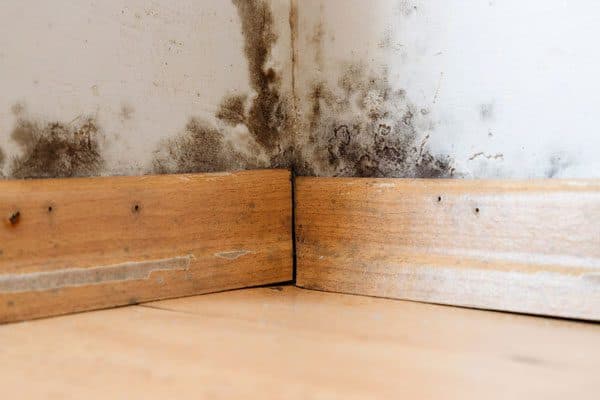
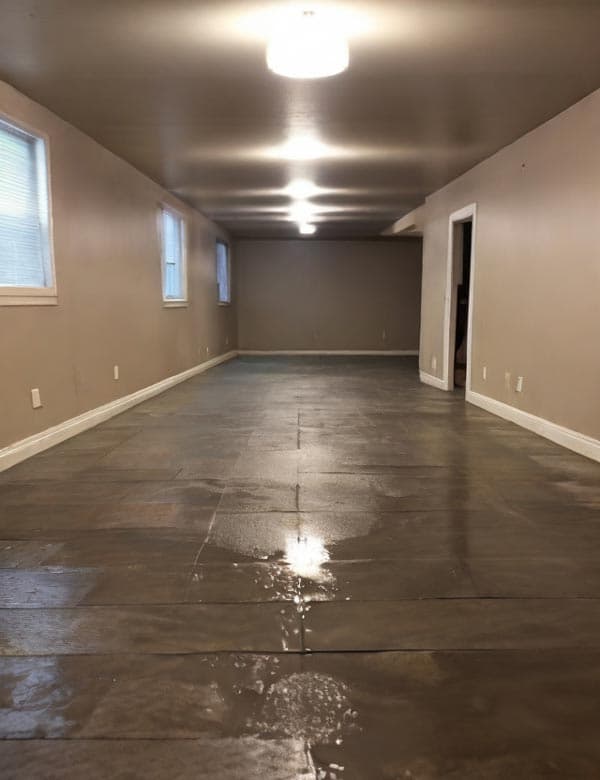
A musty basement smell means moisture is present and mold or mildew already has what it needs to grow. Epp Foundation Repair treats the odor as a diagnostic clue, not the actual problem. The basement is below grade, surrounded by soil that holds water after rain and snowmelt, and that water is under pressure to find a way in. Even a basement with no visible puddle can be feeding a musty smell through a leaking cove joint, a block wall wicking moisture from the outside, or air that sits too humid because there is no drainage system or dehumidification to control it. Epp Foundation Repair's approach is to find where the moisture is actually entering before recommending a fix, rather than treating the smell with paint or air fresheners that leave the cause untouched.

Where the Smell Shows Up First
- 01
Closets and Storage Along Basement Walls
Closets and storage areas built against an exterior basement wall trap air that does not move much, so musty odor concentrates there first. Boxes and fabric stored against the wall absorb the smell and hold onto it even after the room is aired out.
- 02
The Smell Is Worse in Summer
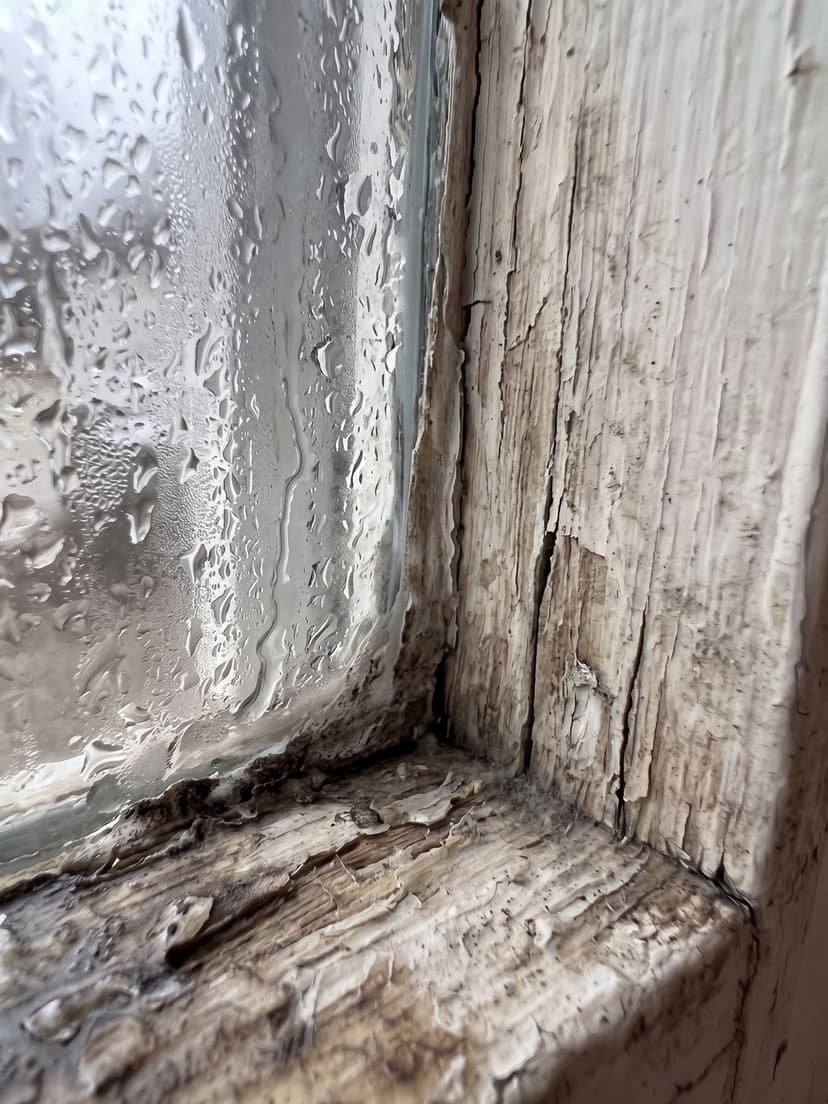
If the odor gets stronger in warm, humid weather and fades in the winter, the basement is likely dealing with condensation on cool walls rather than an active leak. That still needs to be addressed, since the moisture is real even without standing water.
- 03
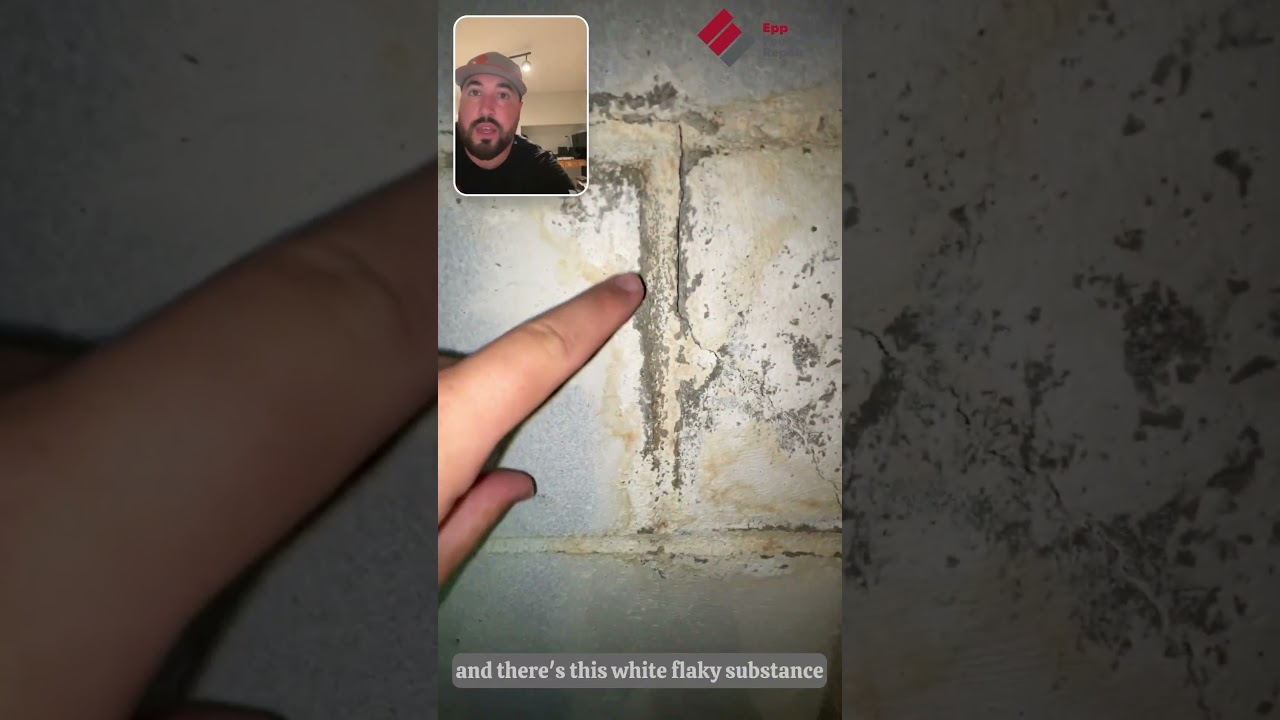
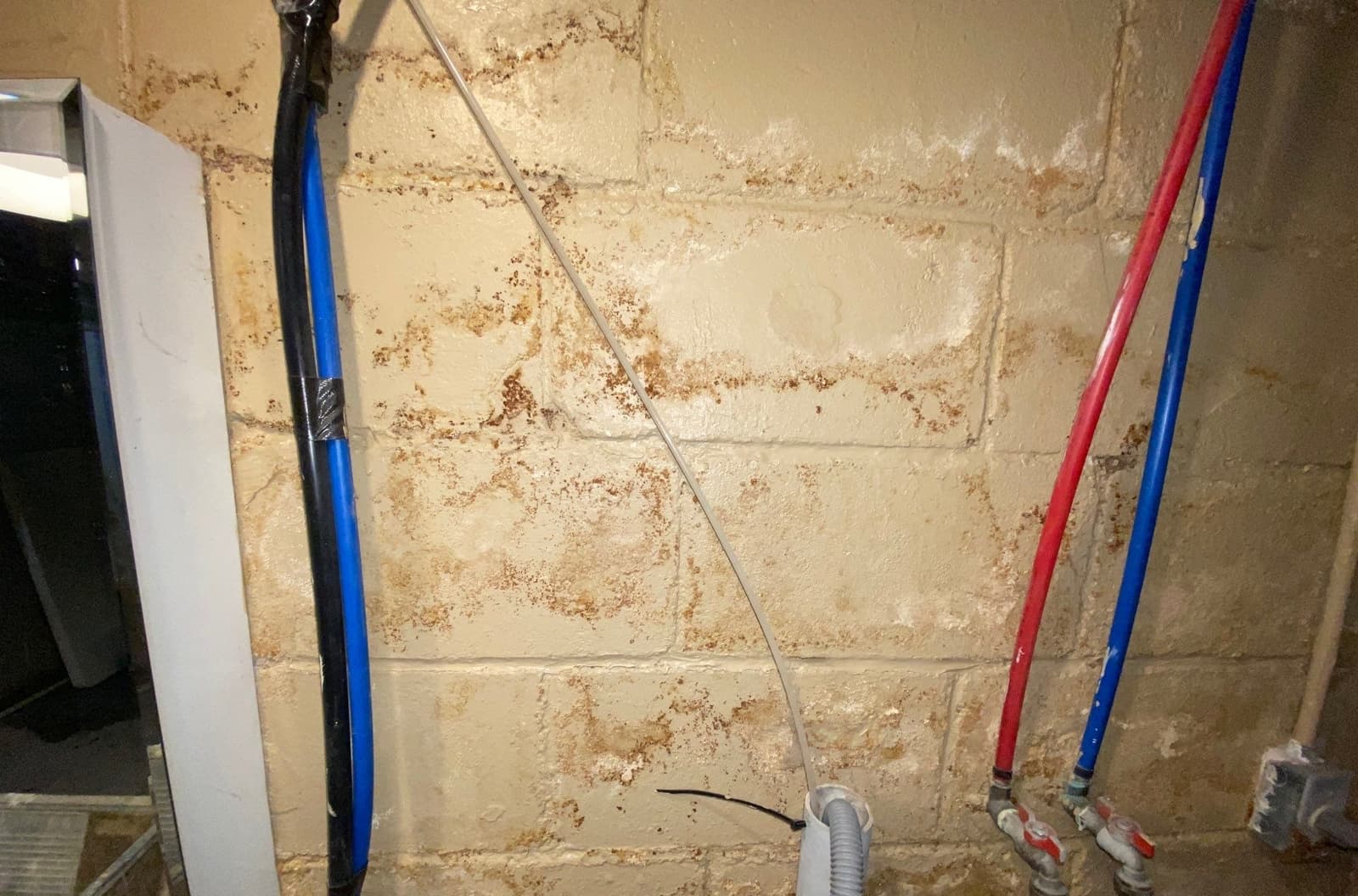
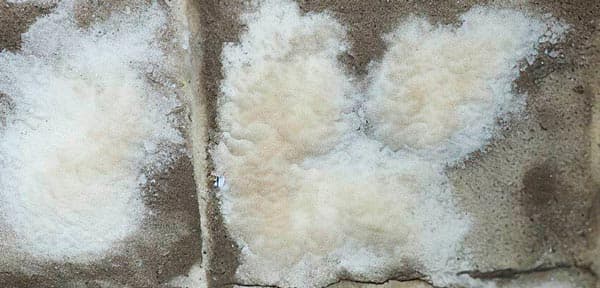
Staining or a Chalky White Residue Near the Floor
A white, chalky residue on the wall near the floor is efflorescence, the mineral left behind after water moves through concrete and evaporates. Its presence at the cove joint or along a wall points directly at the moisture source behind the musty smell.
- 04
The Smell Returns After Rain
A musty smell that becomes noticeably stronger for a day or two after a heavy rain is one of the clearest signs that groundwater is reaching the basement through the wall or the cove joint rather than from general humidity alone.
What causes musty odors in Midwest homes.
- 01
Cove Joint Seepage
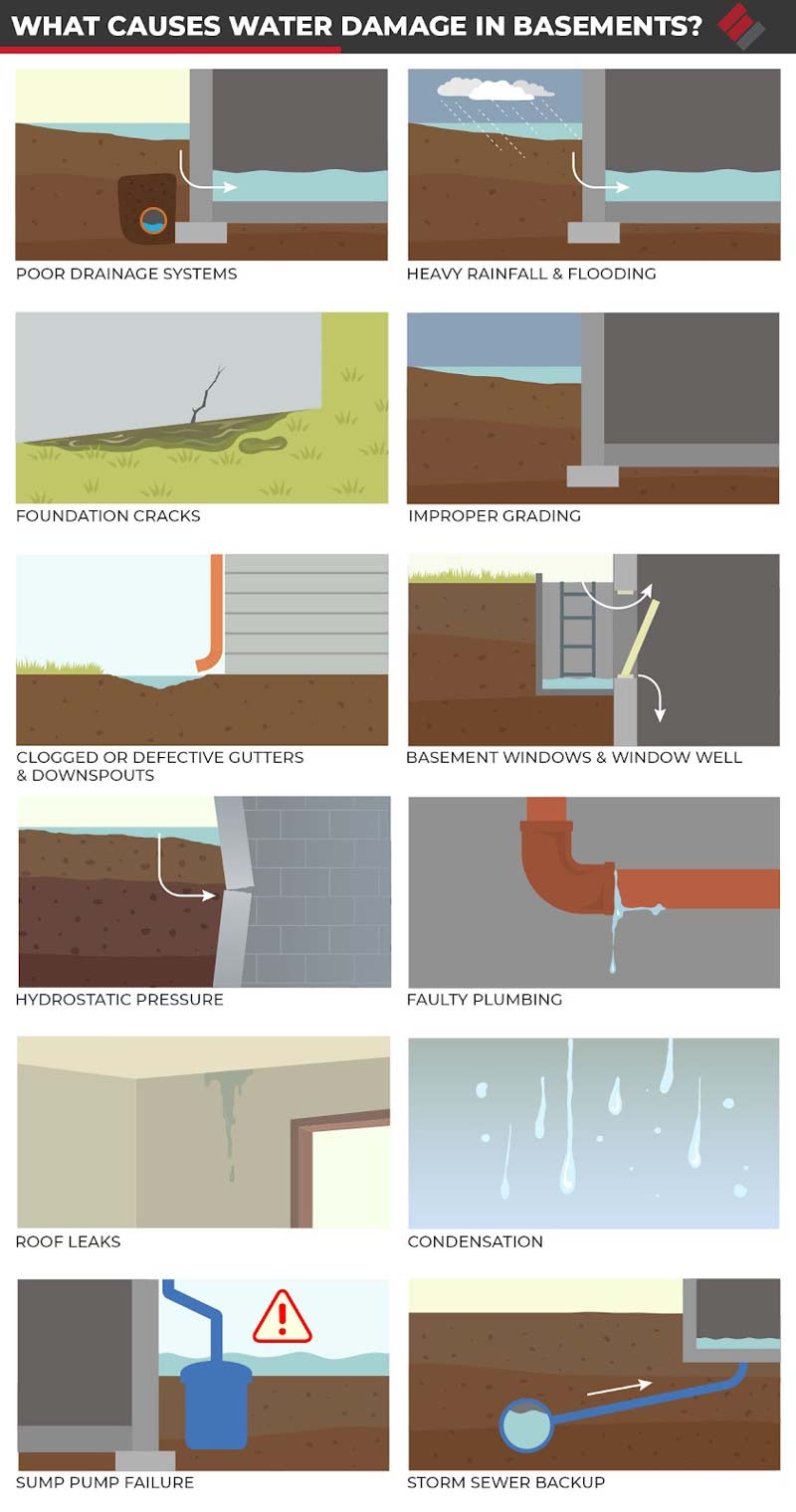
The cove joint is the seam where the basement wall meets the floor slab. It is one of the most common entry points for water because the joint was never fully sealed during construction. When soil around the foundation holds water, hydrostatic pressure pushes moisture through that seam, and the seepage feeds mildew growth along the base of the wall long before a homeowner ever sees standing water.
- 02
Block Wall Wicking
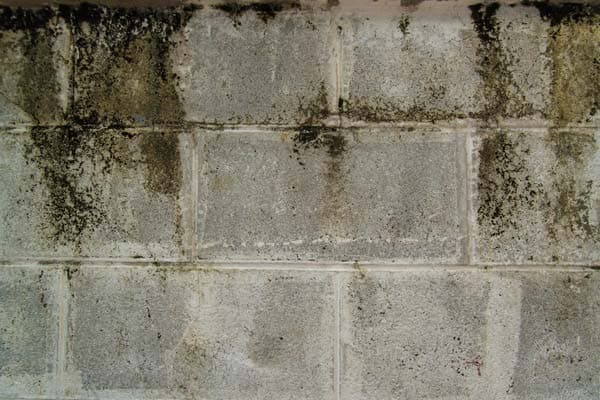
Concrete block foundation walls are porous, and many were built with hollow cores that run vertically through the block. Ground moisture soaks into the concrete and travels through those cores, releasing moisture into the basement air even when the wall surface looks dry. A poured concrete wall can wick moisture the same way through hairline cracks and the pour joint.
- 03
Missing or Undersized Drain Tile and Sump System
A basement without an interior or exterior drain tile system has no planned path for groundwater to follow. Water finds its own way in instead, usually through the cove joint or a wall crack, and keeps returning after every heavy rain. A sump pit and pump collect that water and move it away from the home before it can seep into the basement in the first place.
- 04
Basement Humidity Without Dehumidification
A basement can smell musty even without an active leak. Concrete floors and walls stay several degrees cooler than the rest of the home, and warm, humid air condenses on those cool surfaces in the summer. Without a dehumidifier sized to the space, that condensation keeps the humidity level high enough for mold and mildew to keep producing odor.
- 05
Poor Exterior Drainage Feeding the Wall
Clogged gutters, short downspouts, and yards that slope toward the house all send extra water into the soil right next to the foundation wall. That water increases the pressure pushing against the wall and the cove joint, which is why Epp Foundation Repair checks the exterior drainage picture before recommending any interior work.
How basement waterproofing specialists actually fix musty odors.
Solving musty odors means addressing the underlying soil, pressure, or settlement cause. Not just patching the visible damage. Below are the engineered solutions we install most often for this symptom in Nebraska, Iowa, Kansas, and Missouri homes.
Engineered basement waterproofing solutions for this problem.
Each method is matched to a specific failure mode and soil profile. Browse the toolkit we draw from when diagnosing your home.
Interior Drainage Systems
Epp Foundation Repair has installed sub-slab perimeter drains and sump systems across Nebraska, Iowa, Kansas, and Missouri since 1994, and it is the default basement waterproofing solution in this region.
Downspout Extensions
Family owned since 1994, Epp Foundation Repair installs buried discharge pipe and pop-up emitters across Nebraska, Iowa, Kansas, and Missouri.
Basement Vapor Barriers
Epp Foundation Repair installs basement vapor barriers as part of a complete waterproofing plan across Nebraska, Iowa, Kansas, and Missouri, paired with drainage rather than sold on its own.
What puts water against basement walls in Nebraska and Iowa?
Rain and melting snow soak into the soil around a basement. When that water cannot drain away, it can press against the walls and floor and find a way in through cracks and joints.
Based on NOAA 1991 to 2020 climate normals for Lincoln Municipal Airport and Omaha Eppley Airfield.
What kind of soil is around Lincoln and Omaha?
Based on USDA soil survey data for Lancaster County (Lincoln) and Douglas County (Omaha), clay is the main soil type in both counties. The survey rates Lancaster County high and Douglas County moderate for shrink swell. Clay can swell when it gets wet and shrink as it dries, so a slab or foundation on clay can move up and down with the seasons. The soils that cover the most ground in Lancaster County are Wymore and Aksarben, and in Douglas County they are Contrary and Marshall.
Loess, the wind deposited silt common in eastern Nebraska and western Iowa, can lose strength and settle when it gets wet. Water can reach it from runoff, a plumbing leak or a downspout that empties next to the house.
How does freezing weather affect footings and basement walls?
In Lincoln and Omaha, soil near the surface can freeze and thaw many times between fall and spring. Each city's building code sets a frost line depth, which is the minimum depth below finished grade for a footing. It is 36 inches in Lincoln and 42 inches in Omaha. Supports that sit above that depth, such as some porches, stoops and chimney footings, can move as the ground freezes and thaws.
Horizontal cracks in a basement wall are more often linked to pressure from the soil outside the wall than to settlement. Wet soil pushes harder against a wall than dry soil, and soil that freezes against the wall can add to that pressure.
Climate: NOAA U.S. Climate Normals 1991 to 2020, LINCOLN MUNI AP (USW00014939) and OMAHA EPPLEY AIRFIELD (USW00014942), retrieved September 30, 2026. Soil: USDA NRCS Soil Data Access (SSURGO), county survey for Lancaster County and Douglas County. Frost line depth: Lincoln Municipal Code 20.12.140 and Omaha Municipal Code Sec. 43-127.
"A vapor barrier without drainage on a wet wall is the most expensive mold lab you'll ever pay for. I've cut into walls fifteen months after bare poly went up on weeping block, and what you find behind that poly is a science experiment. We don't do it. If the wall needs drainage first, we install drainage first."

Care and expertise from a team that's been doing this since 1994.
Epp Foundation Repair is locally owned and operated, with crews dedicated exclusively to foundation, basement, and concrete work across the Midwest.
Foundation repair, waterproofing, and concrete leveling are our entire focus, not a sideline.
Three decades of experience with Midwest soils, basements, and weather conditions.
Recognized by the Better Business Bureau for integrity and ethical business practices.
Many of our repairs carry a written Epp warranty. The warranty page lists every covered repair and its terms.
Answers to common questions about Musty Odors.
Don't see your question here? Our team is happy to help. Reach out anytime.
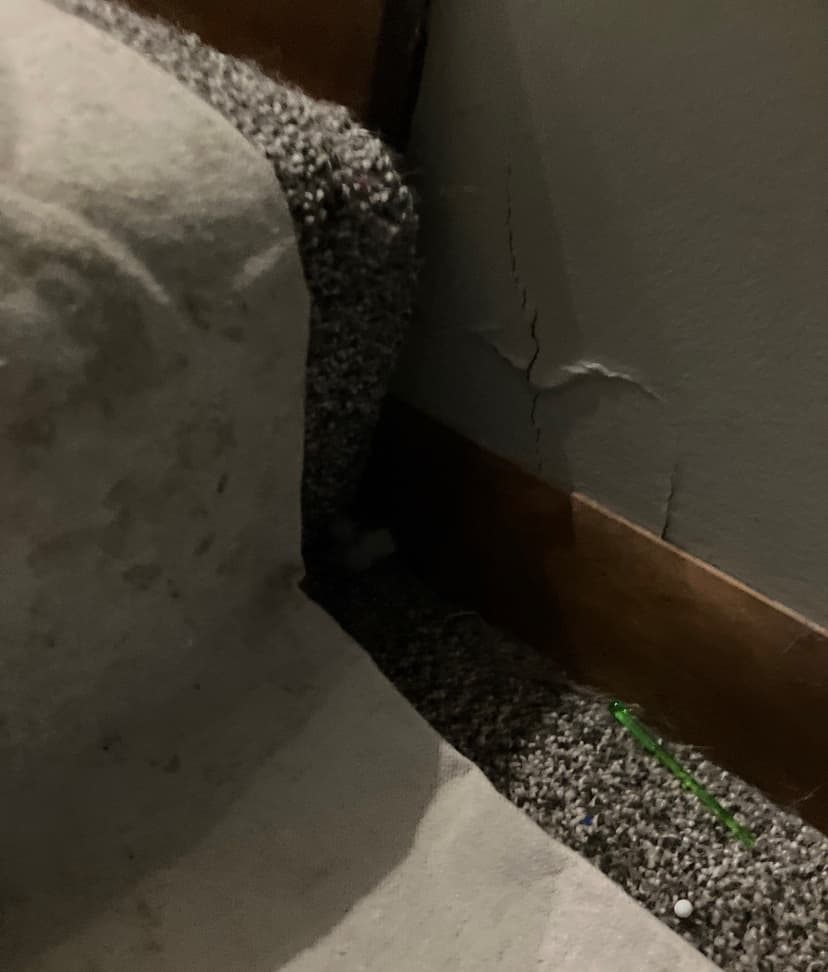
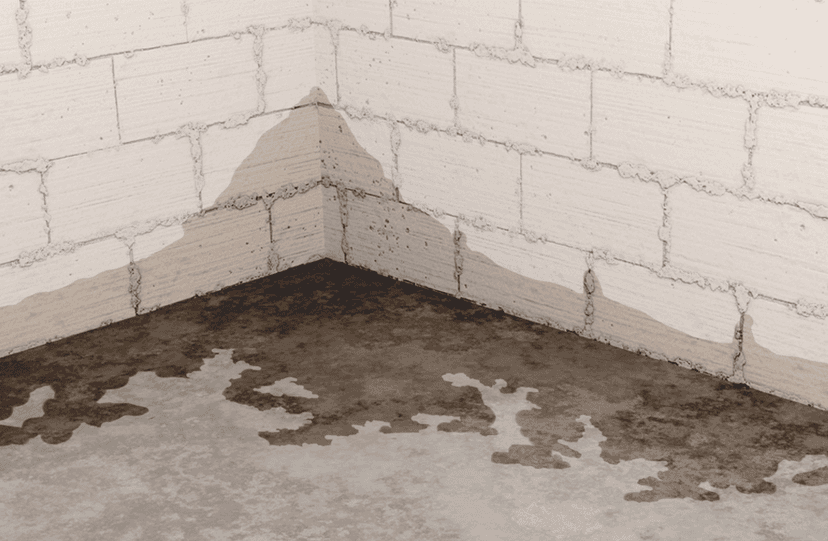
Other basement waterproofing warning signs to watch for.
If you see one, it's worth checking for the others. Most foundation problems show up as more than one symptom.
Serving Nebraska, Iowa, Kansas & Missouri.
Local crews based in five regional offices, dispatched daily across four states. If your town isn't listed, call us: we likely serve your area.
- Omaha, NE
- Lincoln, NE
- Topeka, KS
- Sioux City, IA
- Bellevue, NE
- St. Joseph, MO
- Council Bluffs, IA
- Grand Island, NE
- Papillion, NE
- Kearney, NE
Take the first step toward a healthy home.
A straightforward path from initial inspection to completed repairs.
Schedule your inspection.
A local specialist visits your home, evaluates the foundation, and answers your questions on site. No cost, no obligation.
Receive an estimate based on your needs.
We provide a clear, Customized Repair Estimate with a scope of work tailored to your home's specific issues. Typically within one business day.
Get your repairs.
Trained crews complete the work on schedule.
Over 1,700 homeowners have shared their experience.
A 4.9-star average across Google, with verified reviews from homeowners throughout Nebraska, Iowa, Kansas, and Missouri.
Two ways to start: book instantly, or request an estimate.
Schedule your inspection in seconds with our Driive booking tool, or share a few details and a local specialist will follow up within one business day.
- A local foundation specialist on site
- A complete walk-through of the findings
- A Customized Repair Estimate within one business day
- No cost, no obligation, no high-pressure sales
Expert guidance on protecting your home.
Practical articles from the Epp team on foundation health, waterproofing, and home preservation.
 Basement WaterproofingLatest
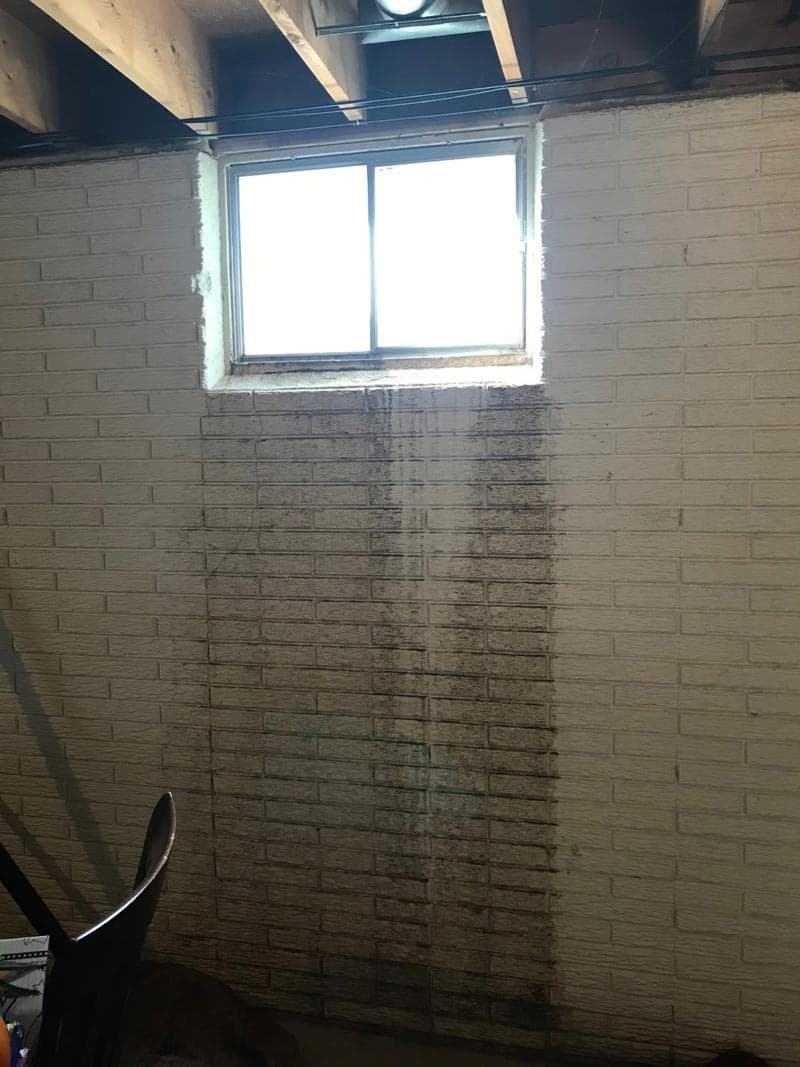
Can You Waterproof Basement Walls From the Inside With Paint?
Waterproof paint and sealer can help with light dampness, but they usually cannot stop water pushed through a basement wall by wet soil outside.
 Basement Waterproofing
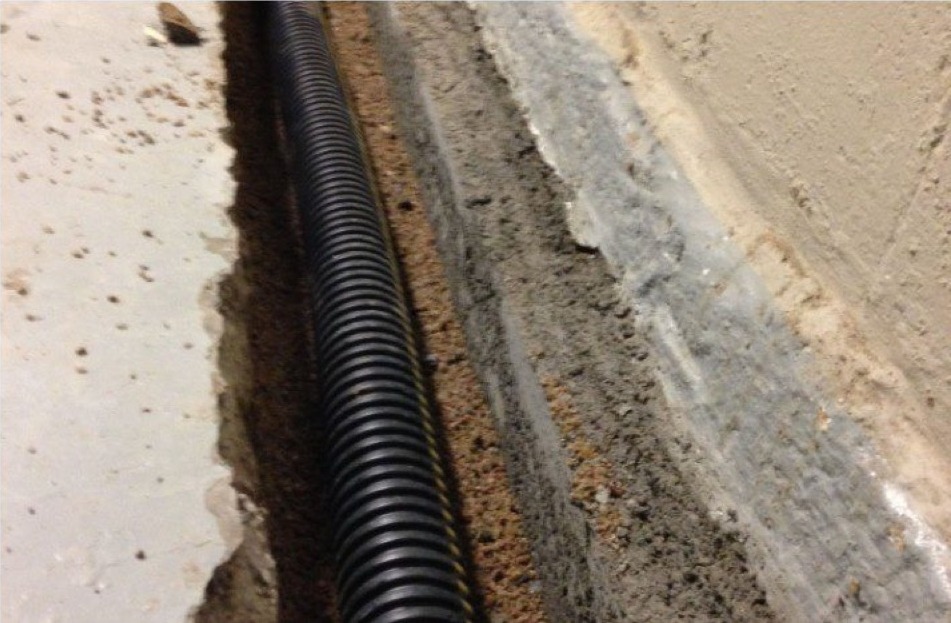
What Is Drain Tile?
Drain tile channels water away from your foundation to keep the surrounding soil dry, which helps prevent many common foundation problems.
 Basement Waterproofing
Water Seeping Through Foundation Slab: Hydrostatic Pressure
Water seeping through a foundation slab escalates quickly. Learn what hydrostatic pressure is, why it happens, and how to stop it damaging your home.
 Basement Waterproofing
Is Efflorescence Harmful? Causes And Removal Options
Efflorescence is a chalky white residue left by evaporating water. It signals moisture intrusion that can lead to bigger problems if ignored.
Five regional offices across the Midwest.
St. Joseph, MO 64506