
Wet Basement Drywall Is a Symptom, Not the Problem.
Soft, stained, or bubbling drywall in a finished basement. It means water is reaching the wall from somewhere behind or below it. The drywall is the messenger. The real issue is the water path you cannot see, and patching the panel without stopping the water just buys you a few months.

Let's take the first step toward a healthy home.
A local specialist will inspect your foundation, walk you through the findings, and send a clear estimate, no cost, no pressure.
Wet Drywall in Finished Basements: diagnosed and explained.
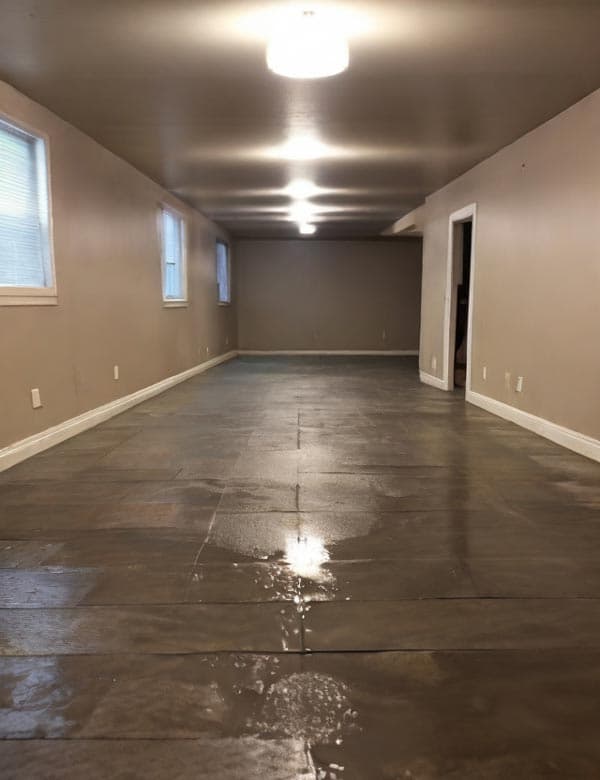
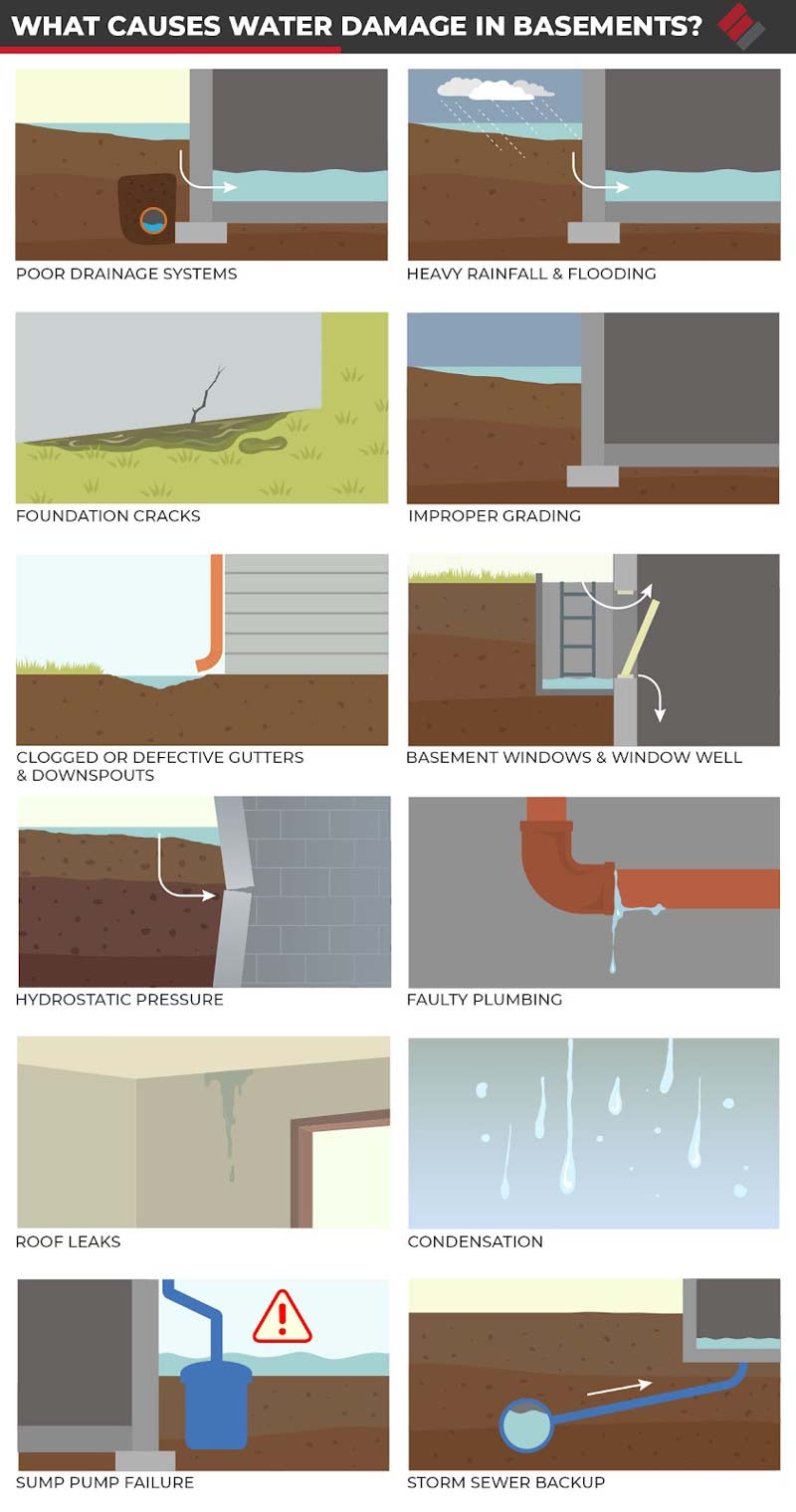
Basement drywall turns wet when moisture reaches it faster than the room can dry it out. Epp Foundation Repair sees three common paths in Nebraska, Iowa, Kansas, and Missouri homes: liquid water seeping through a foundation crack or the wall-floor joint behind the framing, vapor wicking up through a porous concrete wall, and condensation forming when humid summer air meets a cool below-grade surface. After spring rain or snowmelt, saturated clay and loess soils press groundwater against the foundation, and hydrostatic pressure finds the smallest opening. Once paper-faced drywall absorbs that moisture, it loses strength and can become a food source for mold within 24 to 48 hours. The threshold that matters: surface dampness on the paint may dry out, but if the gypsum core or the back paper is wet, the panel is compromised and will keep feeding mold behind the finish.
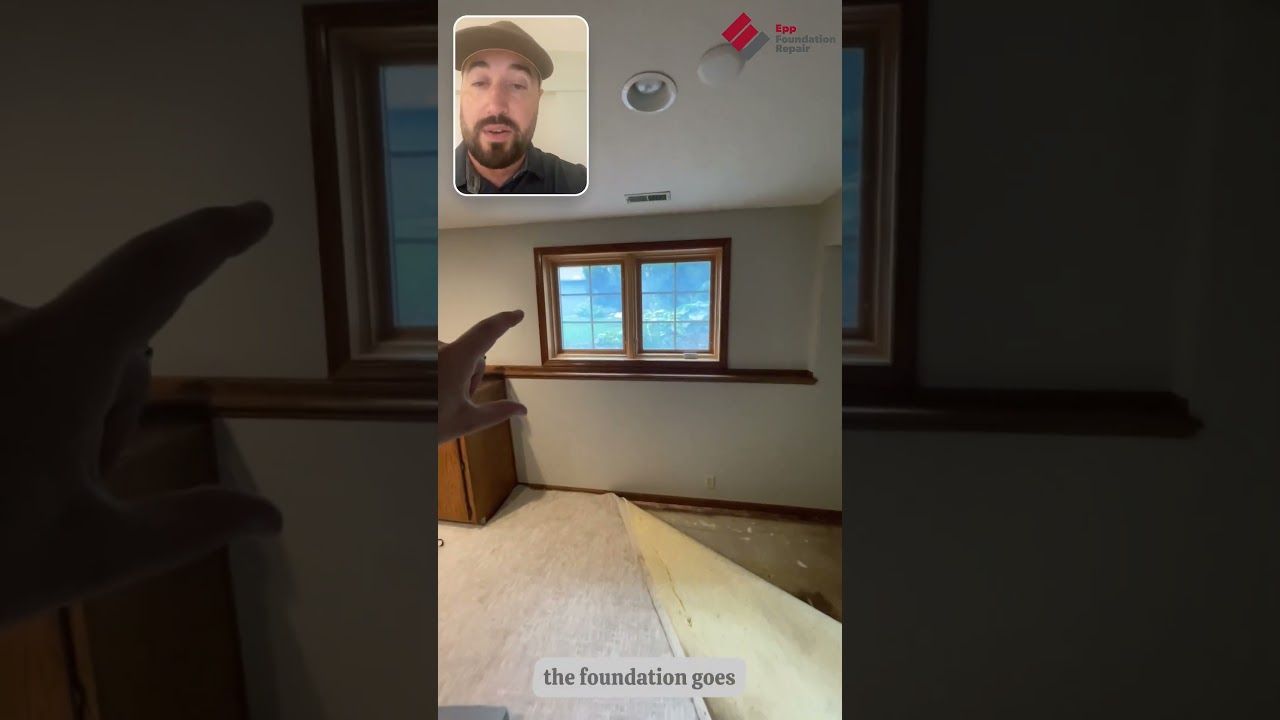

Watch for these warning signs alongside wet drywall.
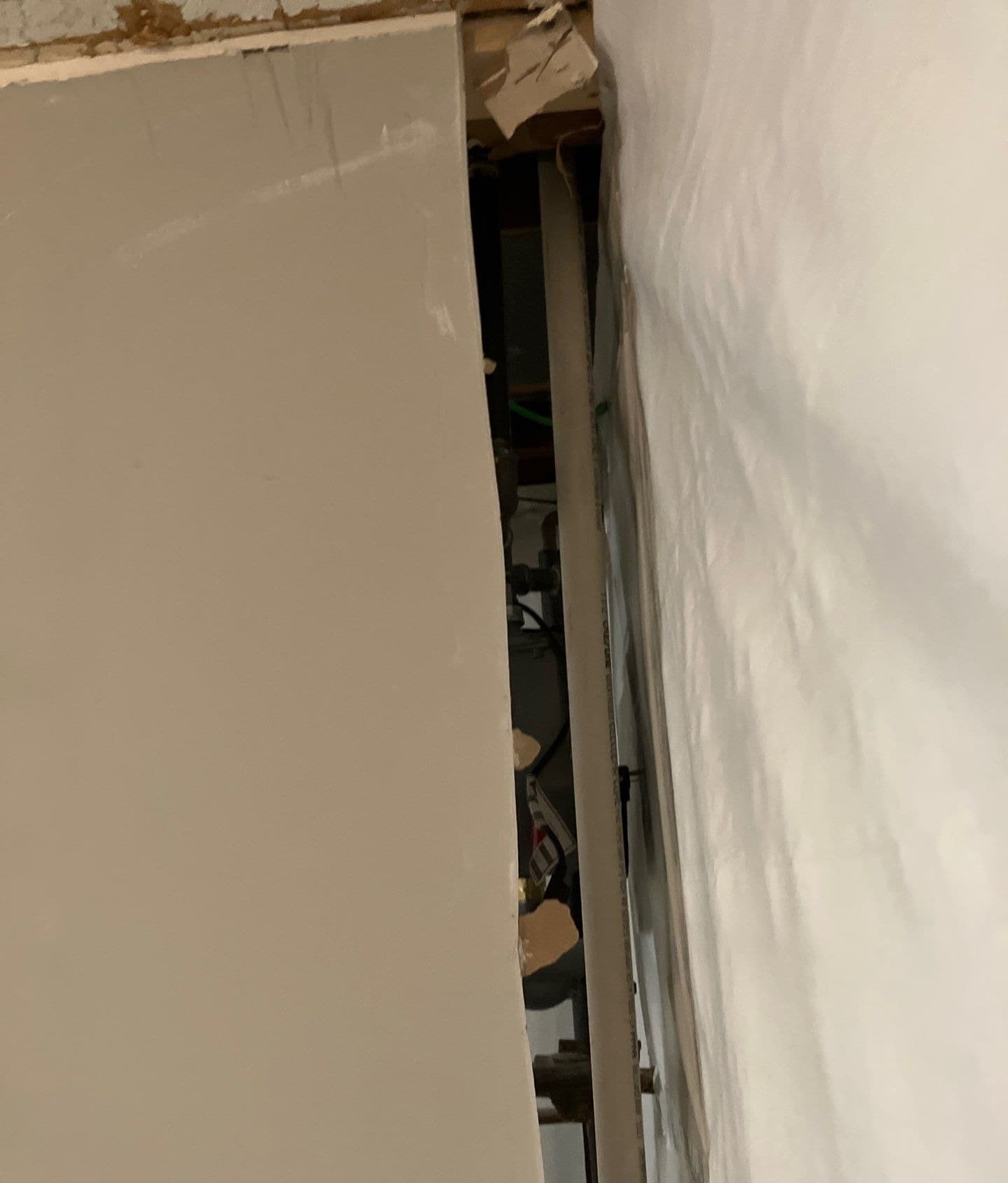
- 01
Bubbling or peeling paint
Moisture behind the panel lifts the paint film away from the gypsum surface.
- 02
Brown or yellow water stains
Tide-line marks low on the wall trace how high the water rose before it dried.
- 03
A musty or earthy smell
A persistent damp odor usually means mold is already growing on the back of the board.
- 04
Soft or crumbling drywall
Press the wall low to the floor; saturated gypsum gives way and feels spongy under your hand.
- 05
Warped or bulging panels
Drywall that has swelled and pulled away from the studs has absorbed water deep into its core.
- 06
Visible mold along the baseboard
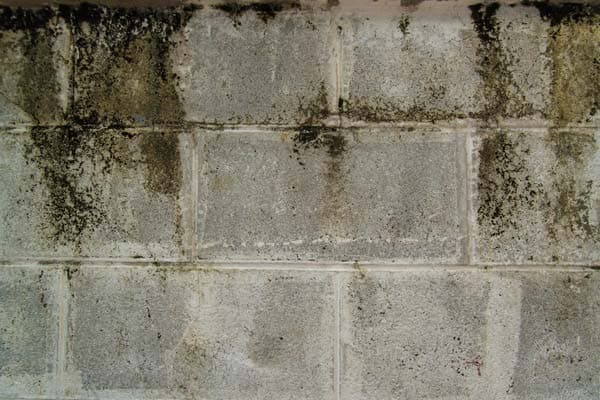
Black, green, or fuzzy growth at the floor line signals moisture that has been present for days.
What causes wet drywall in finished basements in Midwest homes.
- 01
Foundation Wall Seepage
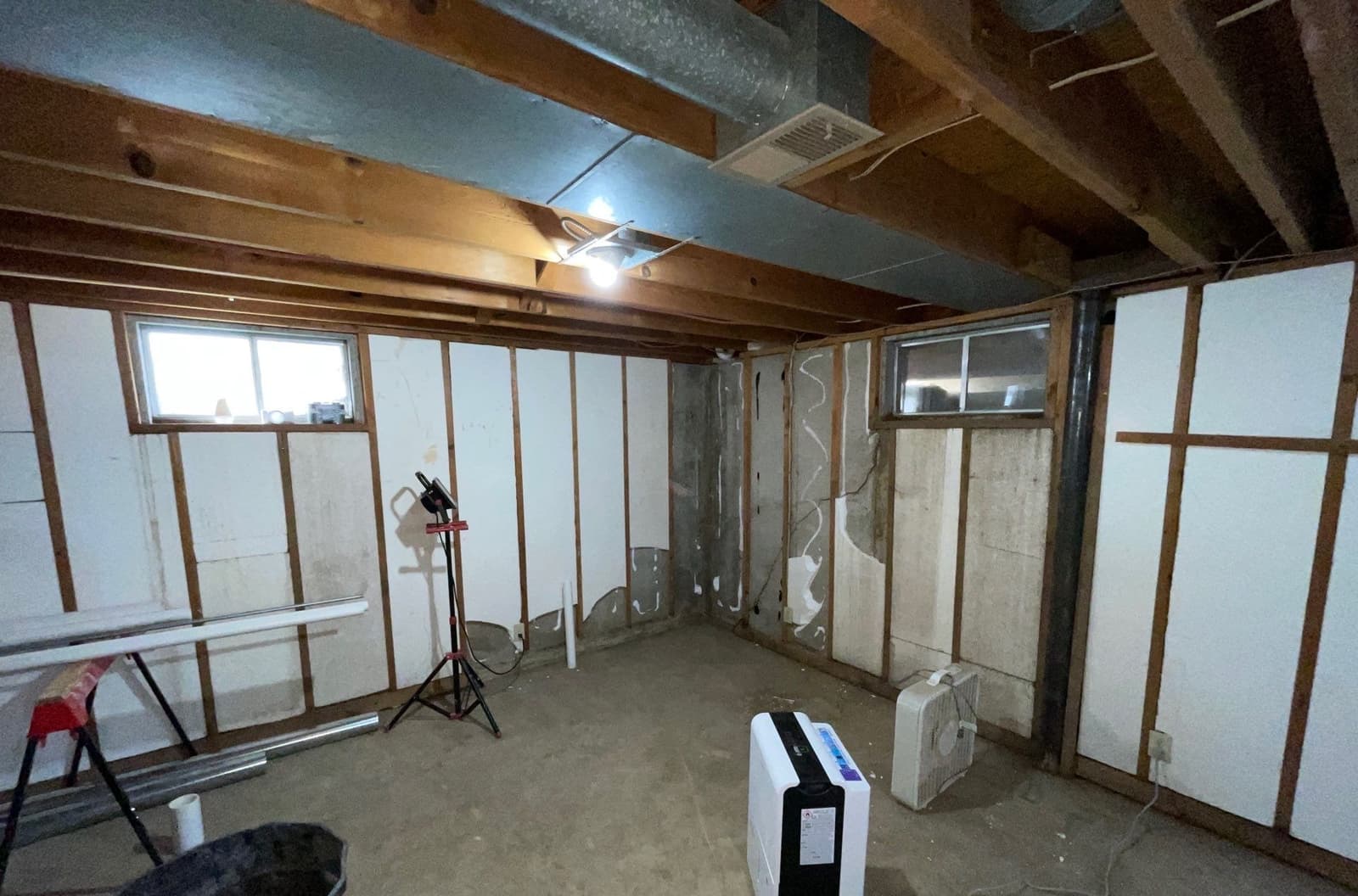
Water enters through a crack or the cove joint where the wall meets the floor, then soaks into the drywall stud cavity from behind. In this region that seepage is driven by hydrostatic pressure from saturated clay after heavy rain or snowmelt, and the finished wall hides it until the panel is already wet.
- 02
Condensation on Cool Surfaces
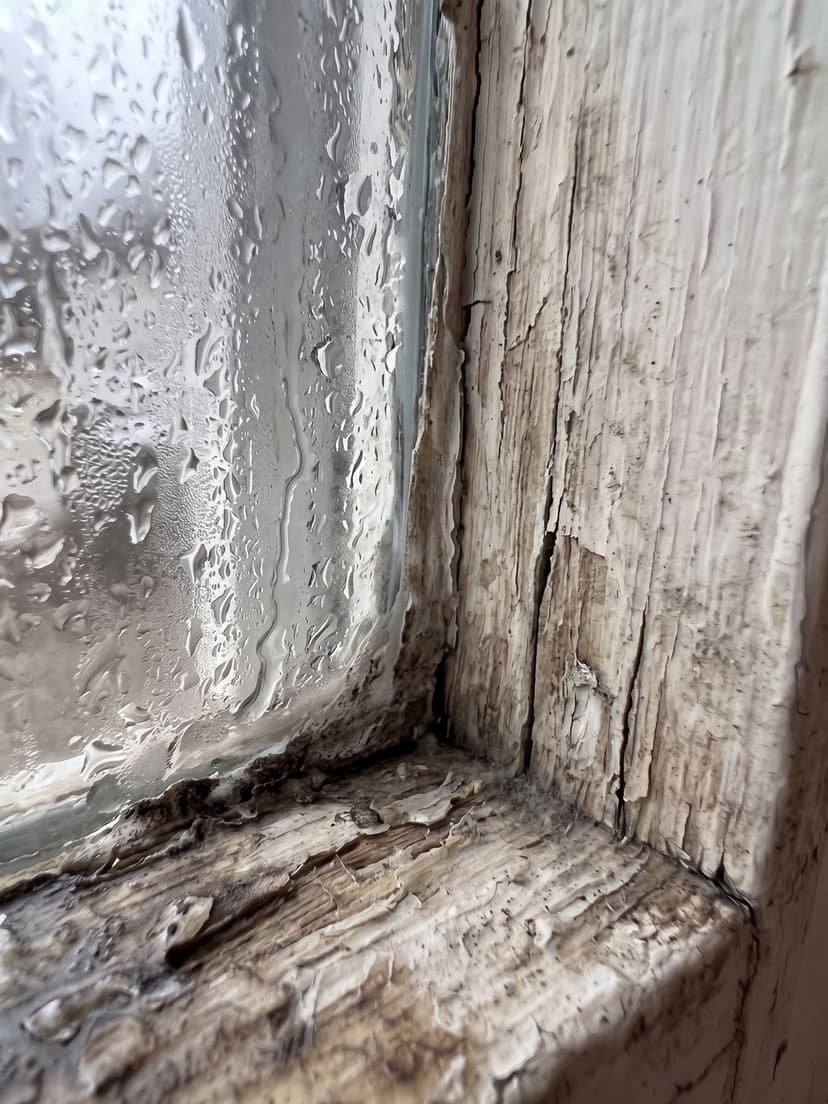
Below-grade walls stay cool year-round. When warm, humid summer air contacts that cool surface or a cold water line, it condenses into liquid. Without a vapor barrier or dehumidifier, that moisture collects behind the drywall and keeps the gypsum damp.
- 03
Vapor Drive Through Concrete
Poured concrete and block are porous. Groundwater in the soil moves through the wall as vapor and pushes toward the drier basement air. When drywall is installed tight against an unsealed wall, that vapor has nowhere to go and the paper backing stays damp.
- 04
Plumbing or Appliance Leaks
A slow supply-line drip, a failing water heater, or a sweating pipe inside the wall can saturate drywall from the inside out. These leaks often hide behind finished walls for weeks, so the first visible sign is a stain or a soft spot low on the panel.
How basement waterproofing specialists actually fix wet drywall in finished basements.
Solving wet drywall in finished basements means addressing the underlying soil, pressure, or settlement cause. Not just patching the visible damage. Below are the engineered solutions we install most often for this symptom in Nebraska, Iowa, Kansas, and Missouri homes.
Engineered basement waterproofing solutions for this problem.
Each method is matched to a specific failure mode and soil profile. Browse the toolkit we draw from when diagnosing your home.
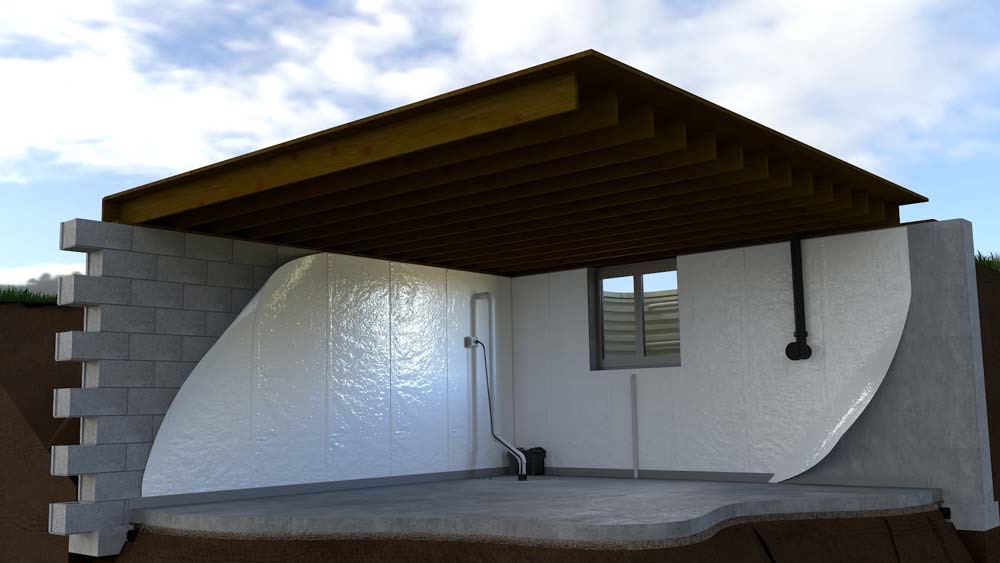
Interior Drainage Systems
Epp Foundation Repair has installed sub-slab perimeter drains and sump systems across Nebraska, Iowa, Kansas, and Missouri since 1994, and it is the default basement waterproofing solution in this region.
Basement Vapor Barriers
Epp Foundation Repair installs basement vapor barriers as part of a complete waterproofing plan across Nebraska, Iowa, Kansas, and Missouri, paired with drainage rather than sold on its own.
French Drain Installation
Family owned since 1994, Epp Foundation Repair installs perforated drain pipe and gravel collection systems across Nebraska, Iowa, Kansas, and Missouri.
Downspout Extensions
Family owned since 1994, Epp Foundation Repair installs buried discharge pipe and pop-up emitters across Nebraska, Iowa, Kansas, and Missouri.
Exterior Waterproofing Membranes
Epp Foundation Repair has installed peel-and-stick and spray-applied foundation membranes across Nebraska, Iowa, Kansas, and Missouri since 1994.
What puts water against basement walls in Nebraska and Iowa?
Rain and melting snow soak into the soil around a basement. When that water cannot drain away, it can press against the walls and floor and find a way in through cracks and joints.
Based on NOAA 1991 to 2020 climate normals for Lincoln Municipal Airport and Omaha Eppley Airfield.
What kind of soil is around Lincoln and Omaha?
Based on USDA soil survey data for Lancaster County (Lincoln) and Douglas County (Omaha), clay is the main soil type in both counties. The survey rates Lancaster County high and Douglas County moderate for shrink swell. Clay can swell when it gets wet and shrink as it dries, so a slab or foundation on clay can move up and down with the seasons. The soils that cover the most ground in Lancaster County are Wymore and Aksarben, and in Douglas County they are Contrary and Marshall.
Loess, the wind deposited silt common in eastern Nebraska and western Iowa, can lose strength and settle when it gets wet. Water can reach it from runoff, a plumbing leak or a downspout that empties next to the house.
How does freezing weather affect footings and basement walls?
In Lincoln and Omaha, soil near the surface can freeze and thaw many times between fall and spring. Each city's building code sets a frost line depth, which is the minimum depth below finished grade for a footing. It is 36 inches in Lincoln and 42 inches in Omaha. Supports that sit above that depth, such as some porches, stoops and chimney footings, can move as the ground freezes and thaws.
Horizontal cracks in a basement wall are more often linked to pressure from the soil outside the wall than to settlement. Wet soil pushes harder against a wall than dry soil, and soil that freezes against the wall can add to that pressure.
Climate: NOAA U.S. Climate Normals 1991 to 2020, LINCOLN MUNI AP (USW00014939) and OMAHA EPPLEY AIRFIELD (USW00014942), retrieved September 30, 2026. Soil: USDA NRCS Soil Data Access (SSURGO), county survey for Lancaster County and Douglas County. Frost line depth: Lincoln Municipal Code 20.12.140 and Omaha Municipal Code Sec. 43-127.
"I've walked into basements where someone quoted ten thousand dollars in waterproofing and the actual problem was a humid August and a wall that gets to fifty-eight degrees in the afternoon. That's a dehumidifier, not a sump pump. Run the moisture meter first, then talk price."

Care and expertise from a team that's been doing this since 1994.
Epp Foundation Repair is locally owned and operated, with crews dedicated exclusively to foundation, basement, and concrete work across the Midwest.
Foundation repair, waterproofing, and concrete leveling are our entire focus, not a sideline.
Three decades of experience with Midwest soils, basements, and weather conditions.
Recognized by the Better Business Bureau for integrity and ethical business practices.
Many of our repairs carry a written Epp warranty. The warranty page lists every covered repair and its terms.
Answers to common questions about Wet Drywall in Finished Basements.
Don't see your question here? Our team is happy to help. Reach out anytime.
Other basement waterproofing warning signs to watch for.
If you see one, it's worth checking for the others. Most foundation problems show up as more than one symptom.
Serving Nebraska, Iowa, Kansas & Missouri.
Local crews based in five regional offices, dispatched daily across four states. If your town isn't listed, call us: we likely serve your area.
- Omaha, NE
- Lincoln, NE
- Topeka, KS
- Sioux City, IA
- Bellevue, NE
- St. Joseph, MO
- Council Bluffs, IA
- Grand Island, NE
- Papillion, NE
- Kearney, NE
Take the first step toward a healthy home.
A straightforward path from initial inspection to completed repairs.
Schedule your inspection.
A local specialist visits your home, evaluates the foundation, and answers your questions on site. No cost, no obligation.
Receive an estimate based on your needs.
We provide a clear, Customized Repair Estimate with a scope of work tailored to your home's specific issues. Typically within one business day.
Get your repairs.
Trained crews complete the work on schedule.
Over 1,700 homeowners have shared their experience.
A 4.9-star average across Google, with verified reviews from homeowners throughout Nebraska, Iowa, Kansas, and Missouri.
Two ways to start: book instantly, or request an estimate.
Schedule your inspection in seconds with our Driive booking tool, or share a few details and a local specialist will follow up within one business day.
- A local foundation specialist on site
- A complete walk-through of the findings
- A Customized Repair Estimate within one business day
- No cost, no obligation, no high-pressure sales
Expert guidance on protecting your home.
Practical articles from the Epp team on foundation health, waterproofing, and home preservation.
 Basement WaterproofingLatest
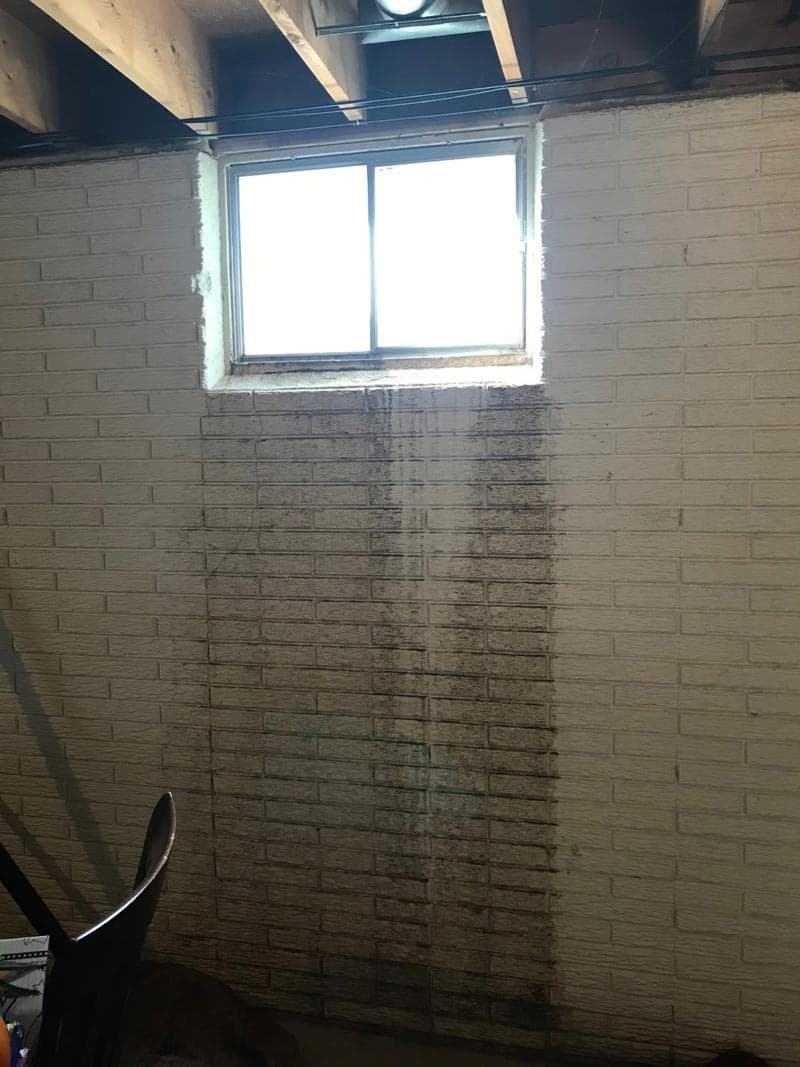
Can You Waterproof Basement Walls From the Inside With Paint?
Waterproof paint and sealer can help with light dampness, but they usually cannot stop water pushed through a basement wall by wet soil outside.
 Basement Waterproofing
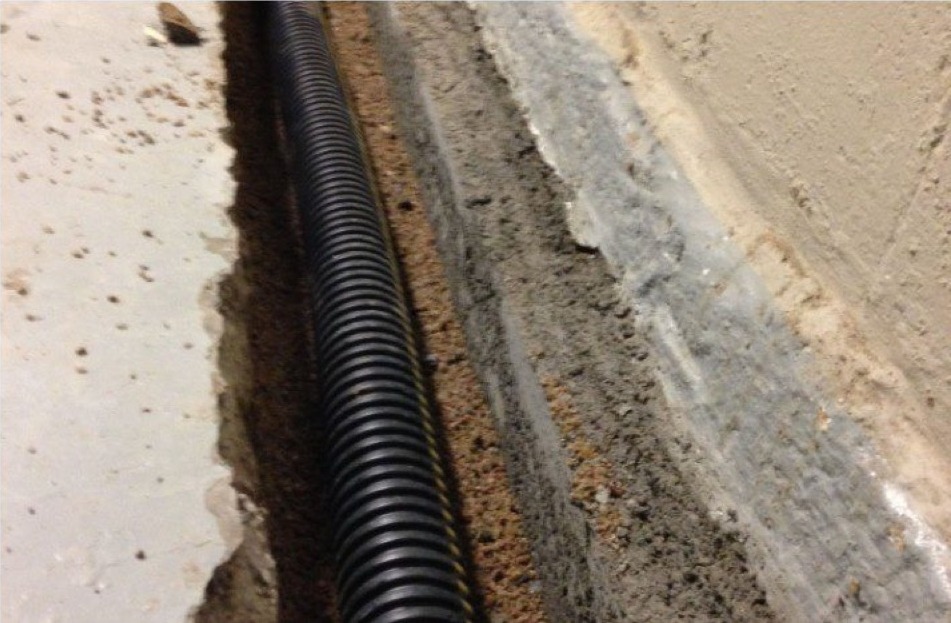
What Is Drain Tile?
Drain tile channels water away from your foundation to keep the surrounding soil dry, which helps prevent many common foundation problems.
 Basement Waterproofing
Water Seeping Through Foundation Slab: Hydrostatic Pressure
Water seeping through a foundation slab escalates quickly. Learn what hydrostatic pressure is, why it happens, and how to stop it damaging your home.
 Basement Waterproofing
Is Efflorescence Harmful? Causes And Removal Options
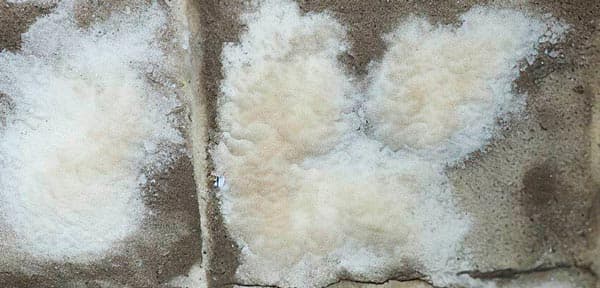
Efflorescence is a chalky white residue left by evaporating water. It signals moisture intrusion that can lead to bigger problems if ignored.
Five regional offices across the Midwest.
St. Joseph, MO 64506