What Are Foundation Wall Anchors?
Foundation wall anchors stabilize bowed or cracked basement walls. Learn how hydrostatic pressure damages walls, when anchors are needed, and how they are installed.
Are you a homeowner with bowed or cracked basement walls? If so, you may be dealing with foundation wall failure. A common solution for damaged foundation walls is the installation of wall anchors. In this blog post, we will explore the ins and outs of foundation wall anchors so that you can make informed decisions about your home’s health and safety.
What Is Hydrostatic Pressure and How Does It Affect a Foundation Wall?
Hydrostatic pressure is the pressure that is exerted by a fluid at rest. This pressure is exerted equally in all directions and can increase as the depth of the fluid increases. When groundwater accumulates around a foundation, it can create a buildup of hydrostatic pressure that pushes against the foundation’s walls.

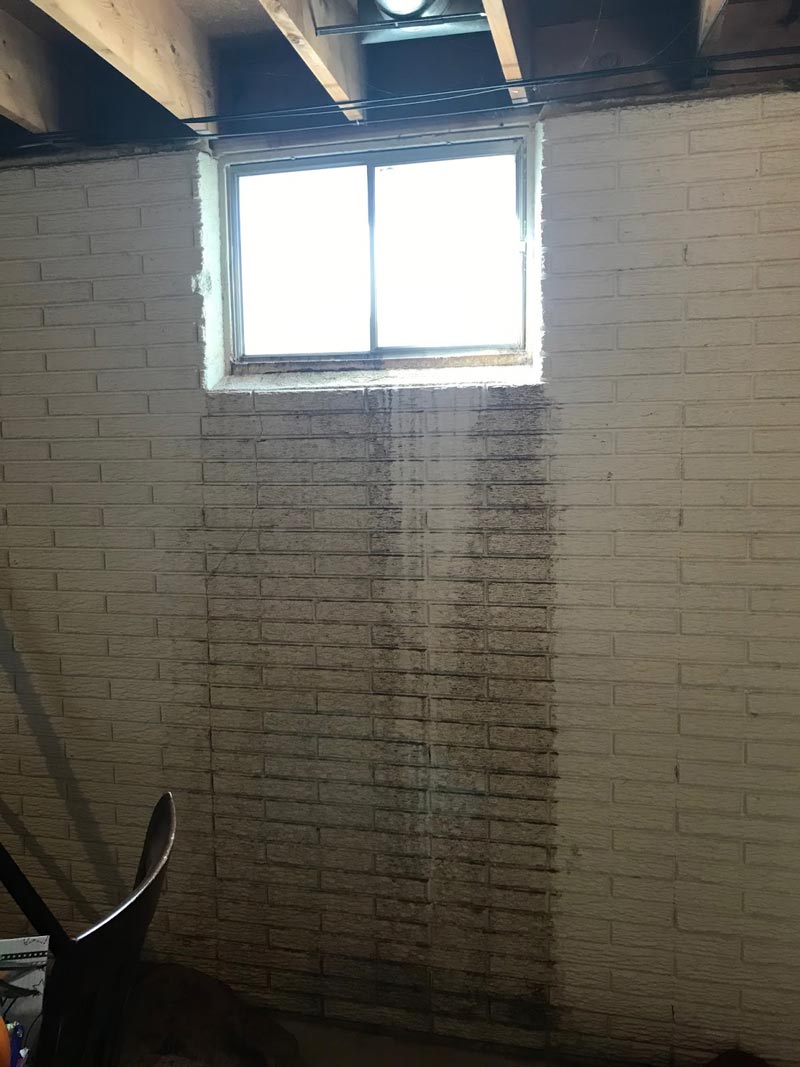
The effect of hydrostatic pressure on a foundation wall can be significant. Over time, this constant pressure can cause cracks in the walls. These cracks can then allow water to seep through and into the basement or crawl space, leading to moisture problems (and potentially even structural damage). In some cases, the pressure can be strong enough to cause the wall to bow inward, which can compromise the wall’s structural integrity.
To combat hydrostatic pressure, it is essential to ensure good drainage around the property. Installing a drain tile system can help prevent excess moisture from accumulating in the ground around the foundation.
What Are Foundation Wall Anchors?
Foundation wall anchors are support systems that stabilize and repair bowed or cracked foundation walls.

Foundation wall anchors consist of a threaded steel rod that is attached to the interior wall of the basement and anchored into the soil outside the home with a steel plate. The anchors stop further inward movement. Periodic tightening of the nuts, as the manufacturer recommends, may gradually improve the wall’s position over time, but that recovery is not guaranteed; stabilization is.
Foundation wall anchors provide a safe and cost-effective solution to bowed or cracked basement walls and can help ensure long-lasting stability and durability. They are installed by experienced foundation repair professionals who can assess the extent of the damage and calculate the necessary number of anchors required for optimal stabilization.
When Do You Need Foundation Wall Anchors?
Foundation wall anchors are essential when the structural integrity of your home’s foundation is compromised. During the construction of a house, foundation walls are designed to provide sturdy support to the overall structure. However, factors like hydrostatic pressure can cause foundation walls to bow inward and even crack. In such cases, foundation wall anchors are necessary to stabilize these walls and prevent further damage to your home.
If you notice any cracks, bowing, or bulges in your foundation walls, it’s important to take action and seek professional help to inspect the situation. Foundation wall anchors could be the answer to your problem and prevent further damage. Delaying or ignoring these warning signs could lead to more significant issues, as well as a larger repair.
For more information, check our blog about Gap between wall and floor.
Benefits of Foundation Wall Anchors
One of the primary benefits of foundation wall anchors is their ability to stabilize the wall and stop further inward movement from occurring.
Another benefit of foundation wall anchors is that, in some cases, they may gradually improve the position of the foundation wall over time. This is made possible because the anchors provide a counterforce which pushes against the inward pressure that caused the wall to bow or crack in the first place. Stabilization is the guaranteed outcome; any recovery is a bonus.
Foundation wall anchors are durable and long-lasting. They are made from high-quality materials that are resistant to corrosion, rust, and wear and tear. This ensures that they remain effective in providing support and reinforcement to the foundation wall for years to come.
How Are Foundation Wall Anchors Installed?
- The first step is to excavate the soil away from the foundation wall to create access to the foundation.
- Next, the anchor hole is drilled through the foundation wall. The hole should be drilled at an angle, usually 15 degrees.
- A steel rod is then inserted into the hole and driven into the soil. The anchor plate is installed securely to the end of the rod.
- The anchor plate is connected to a steel wall plate installed on the inside of the foundation wall using the threaded rod.
- Once the anchor plate is connected to the wall plate, the nut is tightened to create tension on the anchor rod, which holds the foundation wall in place and prevents any further movement.
- Finally, the soil is backfilled into the excavated hole.
It is important to note that a professional foundation contractor should install foundation wall anchors to ensure proper installation and prevent further damage to the foundation. The installation process may vary depending on the specific needs of the foundation and the soil conditions, but the above steps provide a general overview of how foundation wall anchors are installed to stabilize bowed and cracked foundation walls.
If you have a cracked or bowed foundation wall, contact us today to schedule an inspection and receive a free Customized Repair Estimate. We serve areas in four states: Nebraska, Iowa, Kansas, and Missouri. The top cities we serve are Lincoln, Omaha, Grand Island, Kearney, Norfolk, and many more.

Written by
Owner and President, Epp Foundation Repair
Dave joined the family business in 2004 after growing up watching his father Phil build it from the ground up. Today he runs daily operations across Epp's service region in Nebraska, Iowa, Kansas, and Missouri, and is trained and experienced across every repair method Epp installs.
More about Dave