When Should I Be Worried About Cracks In Brick?
Not every crack in brick is a foundation problem. Learn the crack types, how to judge severity, the interior and exterior warning signs, and the repair options.
Brick houses have long been admired for their classic beauty and durability. However, like all building materials, bricks are not immune to wear and tear. One common issue that homeowners face is cracking in the brickwork.
Don’t Overlook Cracks In Your Brick
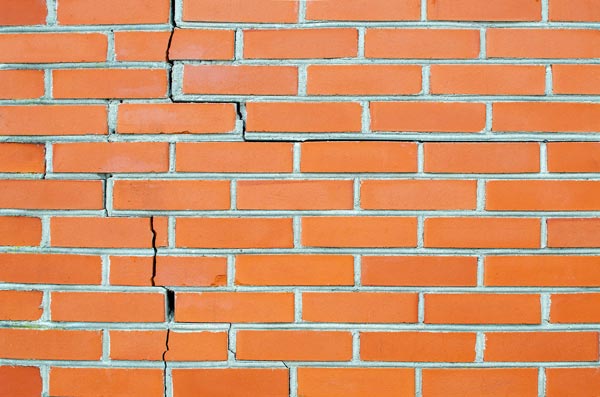
Cracks in your brick house are more than just unsightly; they can signal serious underlying issues that, if ignored, may lead to costly repairs and compromise the structural integrity of your property. It’s crucial to recognize when cracks in your brick house warrant concern to ensure the safety and value of your home.
In this guide, we will explore the most common types of brick cracks, delve into their root causes, and offer advice on how to assess their severity. This knowledge will empower you to decide when it’s time to seek professional assistance.
Types Of Cracks In Brick
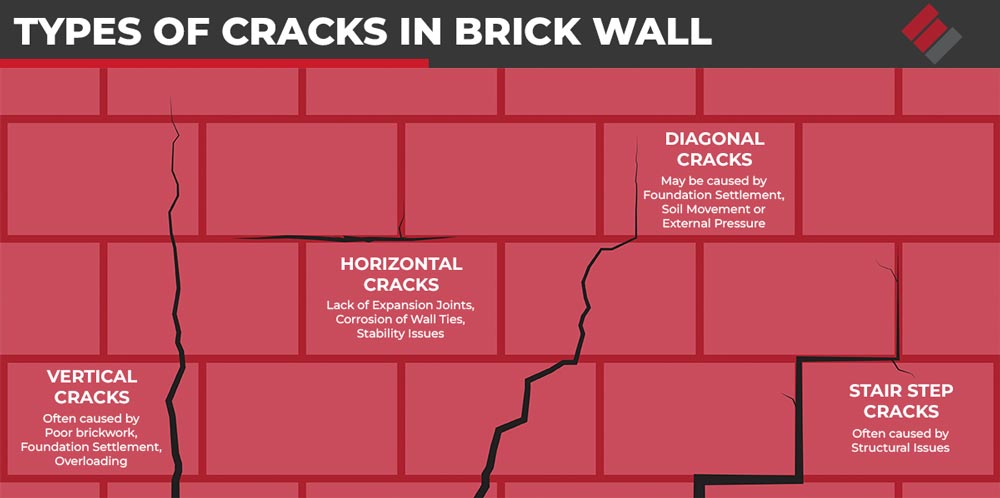
When assessing the cracks in your brick house, the first step is to identify both the type and severity of the cracks present. Distinguishing between structural vs cosmetic brick cracks is essential for determining if you need a simple patch or a major foundation repair. Each type of crack reveals a different underlying issue, while the severity can offer insights into whether the problem is ongoing or simply a result of normal settling.
Horizontal Cracks
Horizontal cracks often appear in the mortar joints between bricks. These cracks are most commonly associated with lateral soil pressure against the wall, though thermal expansion or issues with the construction process can also play a part. While they are often minor, horizontal cracks can be a sign of significant stress on your home’s structure.
Vertical Cracks
Vertical cracks typically run straight up and down the brickwork. These are usually less concerning unless they are wide, exceed 1/10 inch in width, or are accompanied by other signs of structural damage, such as bowing walls or doors and windows that stick. Vertical cracks can result from natural settling or minor shifting in the foundation, but if they appear suddenly or worsen over time, it’s important to consult a professional to assess the situation.
Diagonal Cracks
Diagonal cracks in structures are often more concerning than their horizontal or vertical counterparts. These cracks typically indicate uneven settling or shifting of the foundation, which can pose significant risks to a building’s integrity. If left unaddressed, these issues can escalate into serious structural problems, potentially compromising the safety and stability of the entire structure.
Stair-Step Cracks
Stair-step cracks are characterized by their distinctive step-like pattern, typically following the mortar joints. These cracks often emerge in the corners of your house and are the pattern most commonly tied to foundation settlement. Monitoring these specific patterns alongside other signs of foundation movement will give you a clearer picture of your home’s health. Although small stair-step cracks may not warrant immediate concern, it is essential to monitor them closely.
Signs Of Serious Damage
As mentioned, there are some clear signs when cracks in brick point to a serious foundation issue. While assessing cracks in your brick walls to determine severity, look for cracks that worsen over time, cracks that start small and get wider as they progress across or between bricks, and signs of foundation damage in other areas of the house.
Determining The Level Of Severity
- Minor Cracks (narrower than 1/10 inch): These are typically superficial and may result from normal settling or thermal expansion. While they should be monitored, they usually do not indicate serious structural problems.
- Cracks 1/10 inch or wider: A crack this wide suggests some level of structural movement and is the point at which the crack needs attention. A foundation repair specialist can assess the situation and recommend repairs.
- Wide or widening horizontal cracks: Large horizontal cracks are a strong indicator of lateral soil pressure or other significant structural issues. A professional assessment is the next step so the cause can be addressed before further damage occurs.
Interior Signs Of Foundation Damage
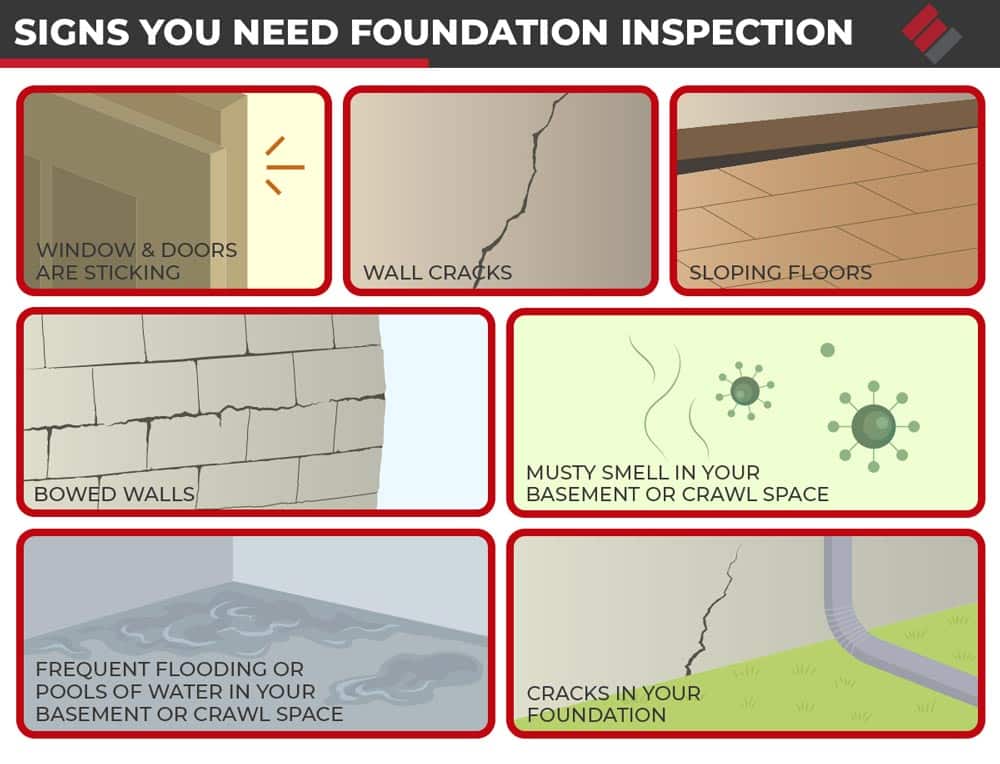
Cracks in Walls: Look for cracks, especially around door frames and windows. These can indicate that the foundation is shifting, which may lead to more serious structural problems. Pay attention to both horizontal and vertical cracks, as their patterns can provide clues about the underlying issues.
Uneven Floors: If you notice sloping or uneven floors, it may signal foundation issues. This can affect the overall stability of the house. Additionally, check for gaps between the floor and baseboards, as these can also be signs of shifting foundations.
Doors and Windows Sticking: If doors and windows are difficult to open or close, it may be due to a settling foundation. Look for signs of misalignment, as this can indicate larger structural concerns.
Wall Bulging: Watch for any bulging walls, especially in basements or exterior walls. This may suggest a buildup of pressure or moisture, which could compromise the integrity of the structure.
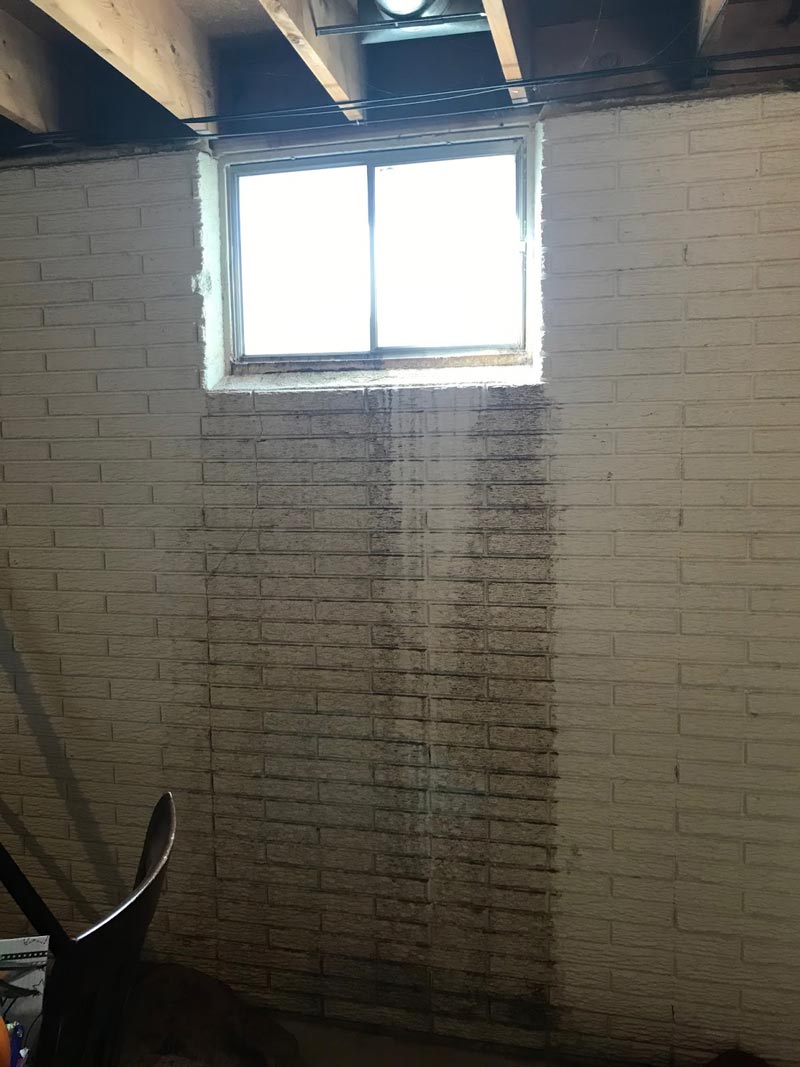
Water Damage: Inspect for signs of water damage or pooling in the basement or crawl spaces. Excess moisture can weaken foundations over time and lead to more severe issues if not addressed promptly.
Exterior Signs Of Foundation Damage
Large, Deep, or Widening Cracks: Inspect the brickwork thoroughly. Large or deep cracks may indicate improper settling or significant stress on the structure. While brick is a primary focus, you should also be aware of how cracked stucco and foundation issues can overlap if your home has mixed exterior finishes. It’s crucial to monitor these cracks regularly, as they can worsen over time and potentially lead to more serious issues if left unaddressed.
Cracks at Corners: Pay particular attention to the corners of the house, where cracks are more prone to develop. These may signal structural weaknesses or a shifting foundation. Use a level to check for misalignment in doors and windows, as this can also point to foundation problems.
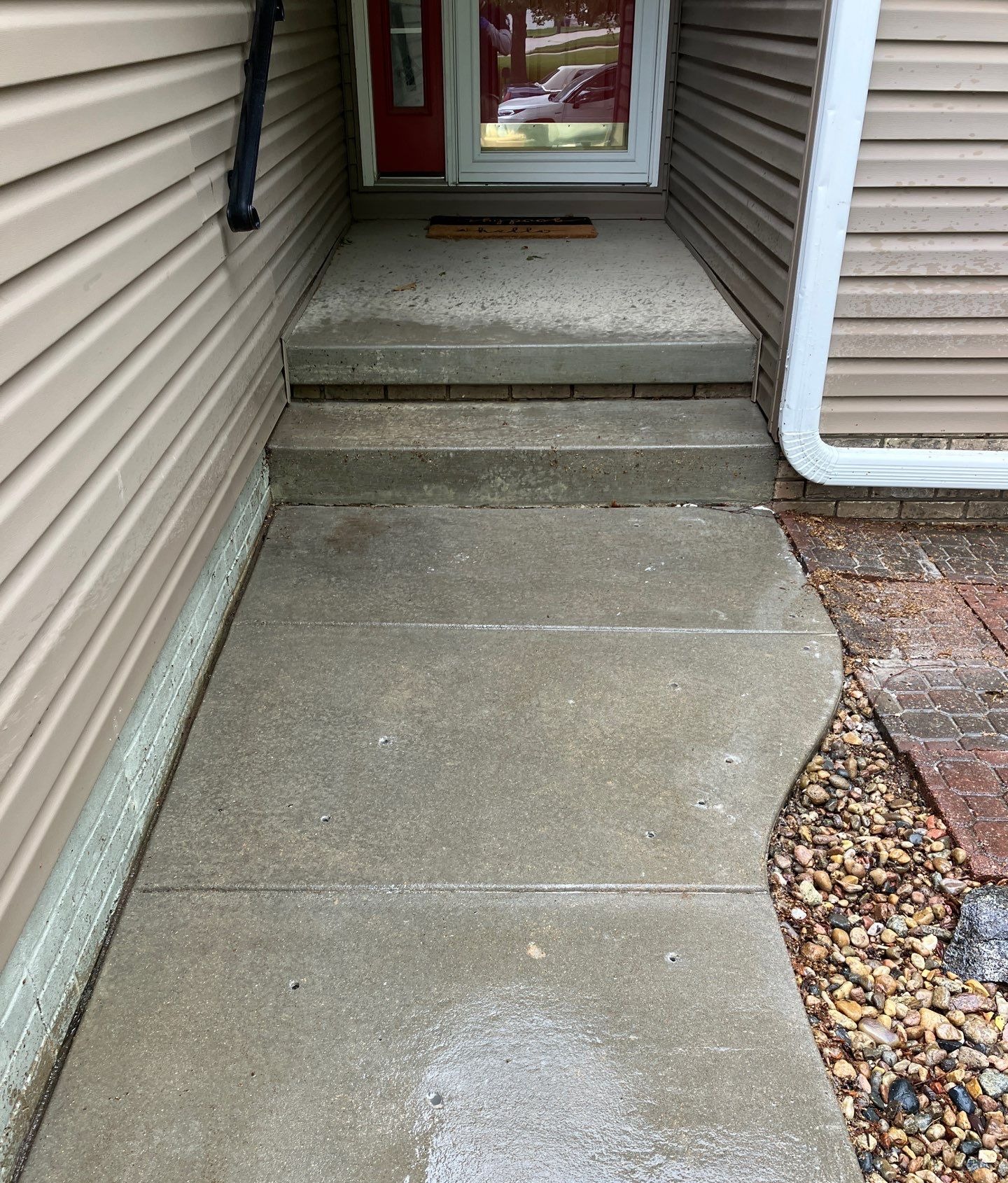
Drainage: Check the gutters and downspouts for any signs of clogging or damage. Proper drainage is essential for maintaining a stable foundation, as excess water can cause soil shifts and erosion.
Sagging Roofline: Look at the roofline from a distance to see if it appears straight. Any significant sagging may suggest problems with the foundation or structure.
Foundation Repair Options
If your foundation repair contractor identifies that cracks in your brick require specialized attention, there are various services available to address the underlying issues. The appropriate solution depends on the severity and cause of the cracks.
For minor cracks, a mason can repoint the mortar joints to reinforce them and keep water out. For more severe damage, methods such as underpinning or wall anchors may be necessary to stabilize the foundation. Each situation is unique, so a thorough assessment is essential to determine the most effective approach for repair.
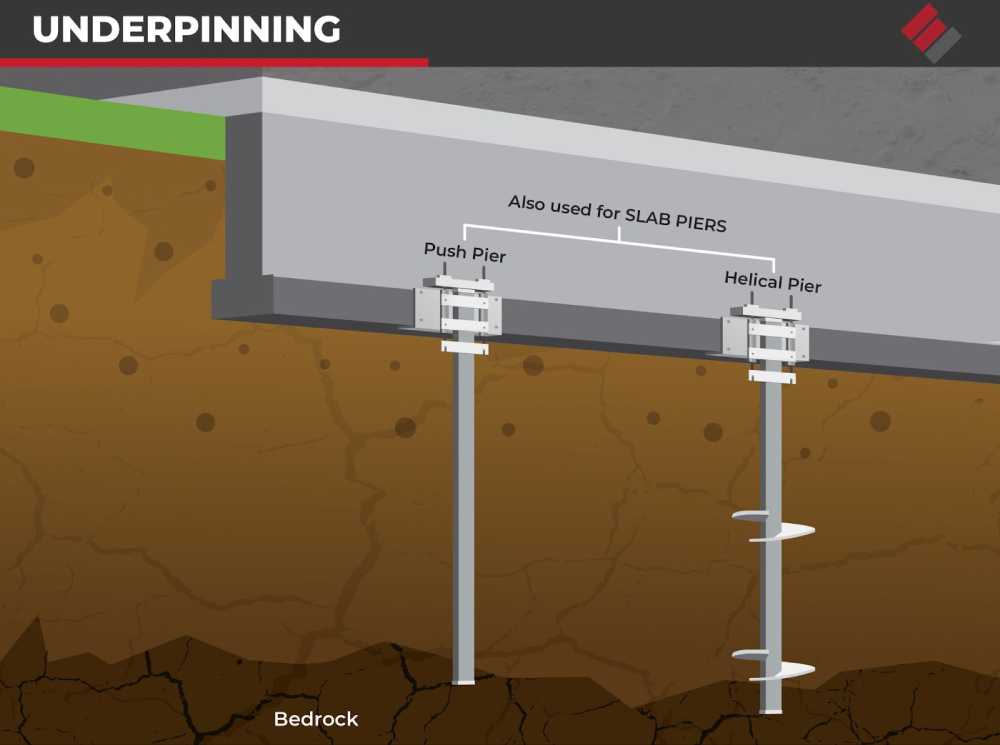
Underpinning With Push Piers And Helical Piers
The installation of push piers or helical piers is another effective solution for stabilizing a home’s foundation. The process begins with a thorough inspection to identify the specific areas requiring support.
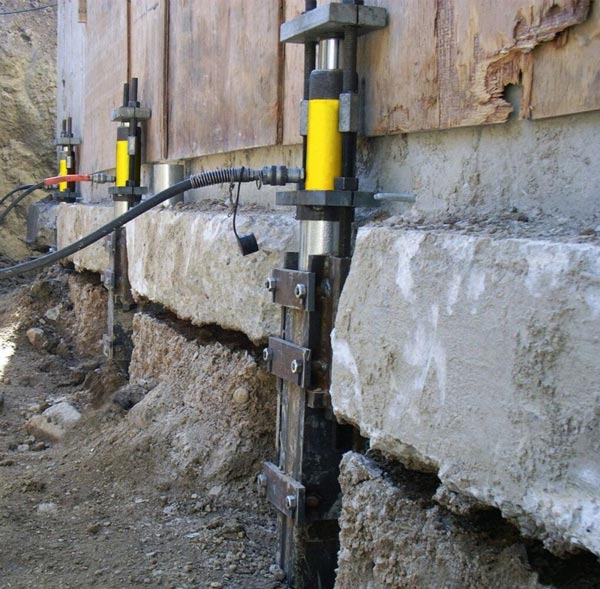
Once assessed, specialized equipment is used to install piers into the ground. These piers are essentially steel shafts that help anchor the foundation securely. They are driven deep into the soil until they reach bedrock or stable soil. After installation, hydraulic pressure is applied to each pier in an attempt to lift the foundation back toward level. Stabilization is the goal of the work; lift is attempted where the conditions allow it.
This process reinforces the foundation and minimizes movement, significantly reducing the risk of future damage caused by settling or shifting soil.
Wall Anchors (Tiebacks)
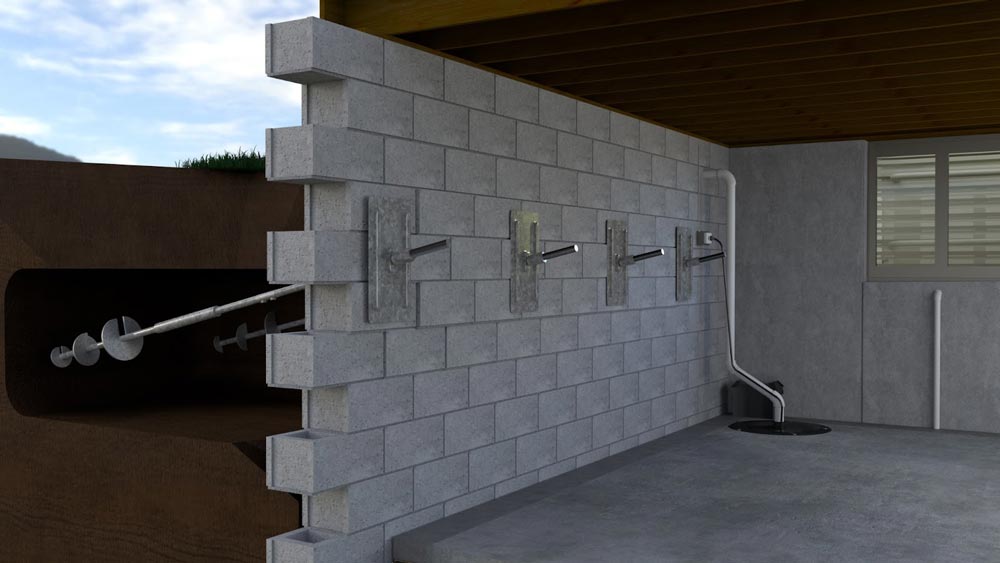
Wall anchors, also known as tiebacks, are an effective method for reinforcing foundation walls that may be bowing or tilting due to soil pressure or moisture issues.
The process involves drilling holes through the foundation wall and into the surrounding soil. Steel rods or anchors are then inserted through these holes, extending into the earth beyond the wall. The anchors are tightened to create tension, which helps stabilize the wall and prevent further movement. This method is particularly useful for stabilizing a home’s foundation walls when they begin to show signs of distress.
Wall anchors distribute the pressure exerted by the surrounding soil, providing long-lasting support and peace of mind for homeowners.
Preventative Maintenance
Once you have repaired the underlying cause of your cracked brickwork, it is important to follow up with some routine preventative maintenance steps.
Consider the following to maintain a healthy and stable foundation:
- Regular Inspections: Inspect your brickwork at least twice a year to catch potential new issues early, especially in areas where cracks have appeared.
- Proper Drainage: Ensure gutters and downspouts are functioning correctly and direct water away from the foundation to prevent water intrusion.
- Environmental Considerations: Be aware of local weather conditions, such as heavy rain, freezing temperatures, and high humidity, which can cause brick cracking.
Final Thoughts
In summary, maintaining the integrity of your home’s foundation is crucial for both its structural stability and your peace of mind. By understanding the causes of brickwork damage and implementing preventative measures, you can safeguard your property against costly repairs down the line. If you are experiencing issues with your foundation or need advice on effective solutions like wall anchors, don’t hesitate to reach out for professional assistance. Our foundation inspection services are designed to give you an honest look at your home’s structural condition and a Customized Repair Estimate based on what we find.
For expert guidance and effective solutions, contact Epp Foundation Repair today for a comprehensive assessment and estimate to explore how we can help you protect your investment and ensure your home remains a safe haven. We serve areas in Nebraska, Iowa, Kansas, and Missouri.

Written by
Owner and President, Epp Foundation Repair
Dave joined the family business in 2004 after growing up watching his father Phil build it from the ground up. Today he runs daily operations across Epp's service region in Nebraska, Iowa, Kansas, and Missouri, and is trained and experienced across every repair method Epp installs.
More about Dave