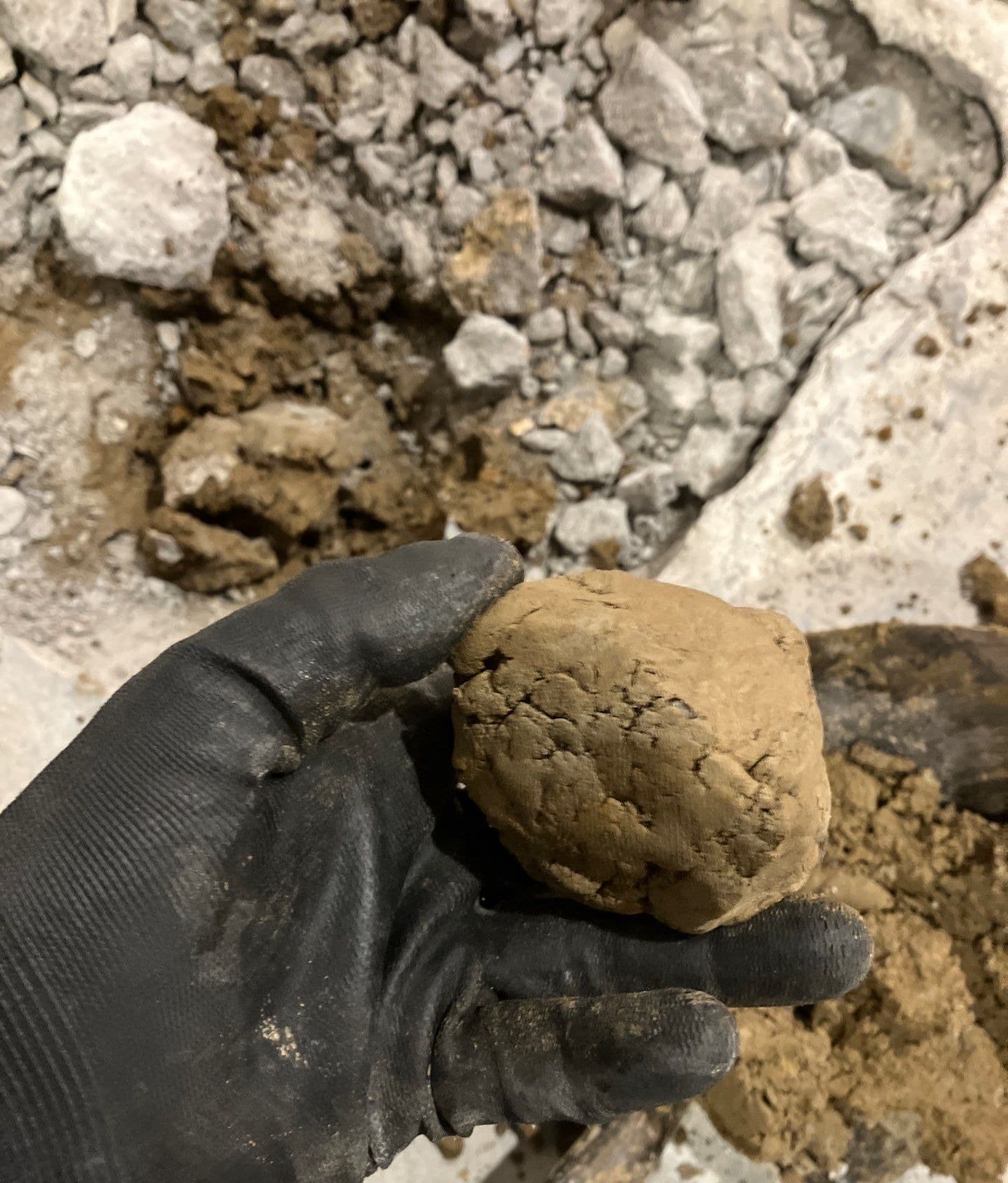

Two houses built the same way can develop different foundation problems if they sit on different soil.
Soil is one of the main reasons foundation problems vary across Nebraska. Some soils swell and shrink as they get wet and dry. Others drain well but can wash away. The soil under a house affects what kind of movement is most likely and what the warning signs look like.
This guide explains how clay, sand and silt affect a foundation, and what the soil is like around Omaha, Lincoln and Grand Island.
Why Does Soil Type Matter for a Foundation?
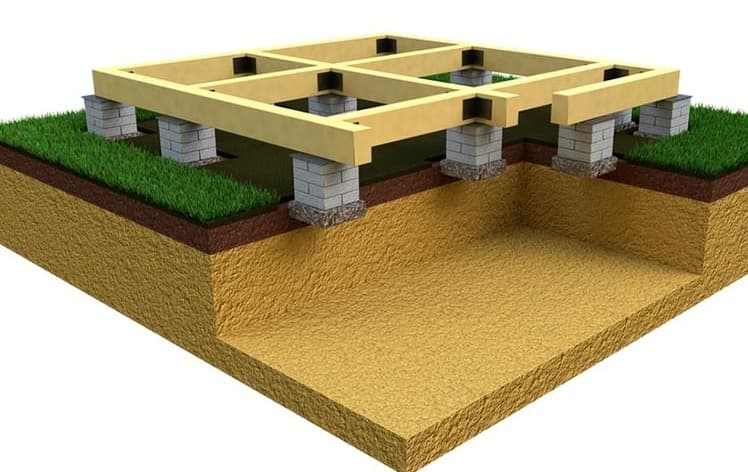
A foundation rests on soil. When that soil moves, the foundation can move with it.
Different soils react to water in different ways. The way the soil reacts can affect whether a house is more likely to shift with the seasons, settle in one area, or both.
How Does Clay Soil Affect a Foundation?
Expansive clay soil swells when it absorbs moisture and shrinks when it dries.
When clay swells, it can push up on a foundation or press against basement walls. When it shrinks, it can pull away and leave less support under the footing. Repeated cycles of swelling and shrinking can cause parts of a house to shift over time.
The soil around a house does not always dry evenly. A shaded side may stay damp while a sunny side dries out. Uneven moisture can cause one part of the house to move more than another.
Signs of foundation movement in clay soil can include:
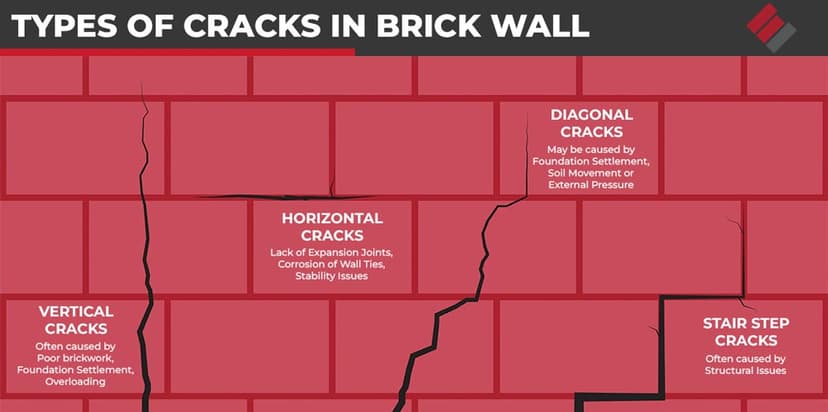
- Stair step cracks in block or brick walls. Stair step cracking is a common sign of settlement.
- Horizontal cracks in basement walls. These are more often linked to soil pressing against the wall. Epp’s guide to horizontal cracks in basement walls explains more.
- Sticking doors and windows that no longer close properly.
How Do Sandy and Silty Soils Affect a Foundation?
Sandy soil drains water more easily than clay. It does not swell and shrink the way clay does. The main concern with sandy soil is erosion. Water moving through sand can carry soil particles away. Over time, this can leave empty spaces, called voids, under a slab or footing. Concrete above a void can settle.
Silt is made of very fine particles. Water moving through silty soil can also carry it away, and silt can become soft when it is very wet. A concrete slab that has dropped at one corner, or a sidewalk with a new raised edge, can be an early sign. Epp’s page on uneven concrete slabs explains what causes them.
What Is the Soil Like Around Lincoln?
Based on USDA soil survey data for the counties Epp serves, clay is the main soil type in every county in the Lincoln area. Nearly all of those counties are rated high for expansion risk. Expansion risk describes how much a soil tends to swell when wet and shrink when dry.
For homeowners in and around Lincoln, movement caused by swelling and shrinking clay is a common concern. Learn more about foundation repair in Lincoln.
What Is the Soil Like Around Omaha?
Clay is also the main soil type in most counties in the Omaha area. Most of those counties are rated moderate for expansion risk, which is one step lower than most of the Lincoln area.
Clay soil around Omaha can still swell and shrink, so the same warning signs apply. Learn more about foundation repair in Omaha.
What Is the Soil Like Around Grand Island and Central Nebraska?
The pattern changes around Grand Island and across central Nebraska. Sand and silt are the main soil types in most counties, and clay is less common. About half of the counties in this area are rated low for expansion risk, and most of the rest are rated moderate.
Because sandier soil drains rather than swells, foundation and concrete problems here may be more often linked to soil washing away or settling. Learn more about foundation repair in Grand Island.
Can the Soil Under Your House Be Different From the Area?
Yes. Regional soil data describes the natural soil in an area. It does not describe every lot.
Much of the soil against a foundation is backfill. Backfill is soil that was dug out during construction and pushed back in once the walls were built. It is usually looser than undisturbed ground, and it can continue to settle for years.
Utility trenches, landscaping beds and downspouts that empty near the house can also change the soil and moisture around a foundation. That is why the conditions at one house can differ from the pattern for the county.
What Happens During an Epp Foundation Inspection?
During a free inspection at your home, an Epp specialist looks for signs of movement inside and outside the house. Epp then explains what was found, shows you photos, and walks you through your options.
Epp’s recommendations focus on the cause of the movement, not only the visible crack. If repair is needed, your Customized Repair Estimate explains the recommended foundation repair work.
How Can You Find Out What Is Causing Foundation Movement?
Clay soil can swell and shrink, which is a common concern around Lincoln and Omaha. Sandier and siltier soil, which is more common around Grand Island and central Nebraska, is more likely to wash away or settle. The soil at your own house may not match the regional pattern. An inspection is the best way to find out what is causing the movement.
Schedule a free inspection. Epp will look at the signs of movement at your home, explain what it finds, and provide a Customized Repair Estimate.
Serving Nebraska since 1994.
Next Step
Let's take the first step toward a healthy home.
A local specialist will inspect your foundation, walk you through the findings, and send a clear estimate, no cost, no pressure.
Learn more about our foundation repair services.
Found this useful? Share it with someone working on their home.
Written by
Dave Epp
Owner and President, Epp Foundation Repair
Dave joined the family business in 2004 after growing up watching his father Phil build it from the ground up. Today he runs daily operations across Epp's service region in Nebraska, Iowa, Kansas, and Missouri, and is trained and experienced across every repair method Epp installs.
More about Dave
Let's take the first step toward a healthy home.
A local specialist will inspect your foundation, walk you through the findings, and send a clear estimate, no cost, no pressure.