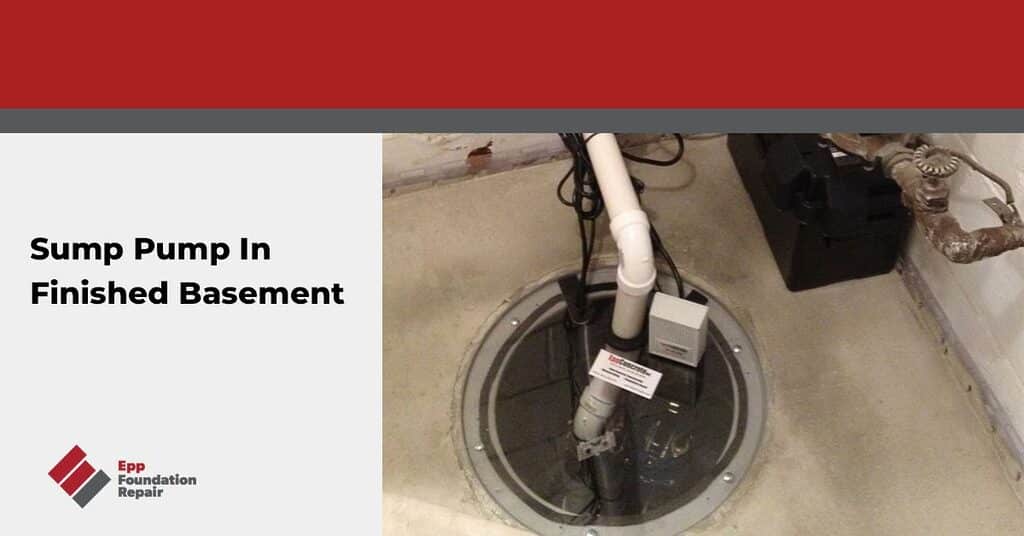
Sump Pump In Finished Basement
Do you need a sump pump in a finished basement? Learn the warning signs of water problems and what to consider before installing one.
To maintain your home’s integrity, safeguarding your basement should be a top priority. One integral component of this protection is the sump pump, but when this part of your home has been turned into additional living space, the question inevitably arises: “Do you need a sump pump in a finished basement?”
Sump pumps are installed in basements to remove water and minimize damage to your home. They are your first line of defense against flooding, and can be particularly vital when your basement has been finished. However, the necessity of a sump pump isn’t a one-size-fits-all situation. It depends on many factors, ranging from the geographical location of your home to the signs of potential water problems you might have noticed.
In this article, we’ll explore the role of sump pumps and understand when they become a necessity. We’ll also provide expert advice and practical tips to help you make the right decision for your finished basement, so that you can be sure to preserve your investment.
The Role of Sump Pumps in Preventing Basement Flooding

Sump pumps take on the important task of protecting your home against potential basement flooding. To achieve this, a sump pit and pump are installed at the lowest level of your basement floor. When water fills the pit, the pump sends the water through a network of pipes that lead it safely away from your home’s foundation.
But people often want to know: when does a sump pump become a necessity? There are a variety of factors to consider when determining what is right for your unique situation, such as:
- Prior history of basement flooding. If you have experienced basement flooding in the past, it is highly recommended that you install a sump pump to prevent future problems.
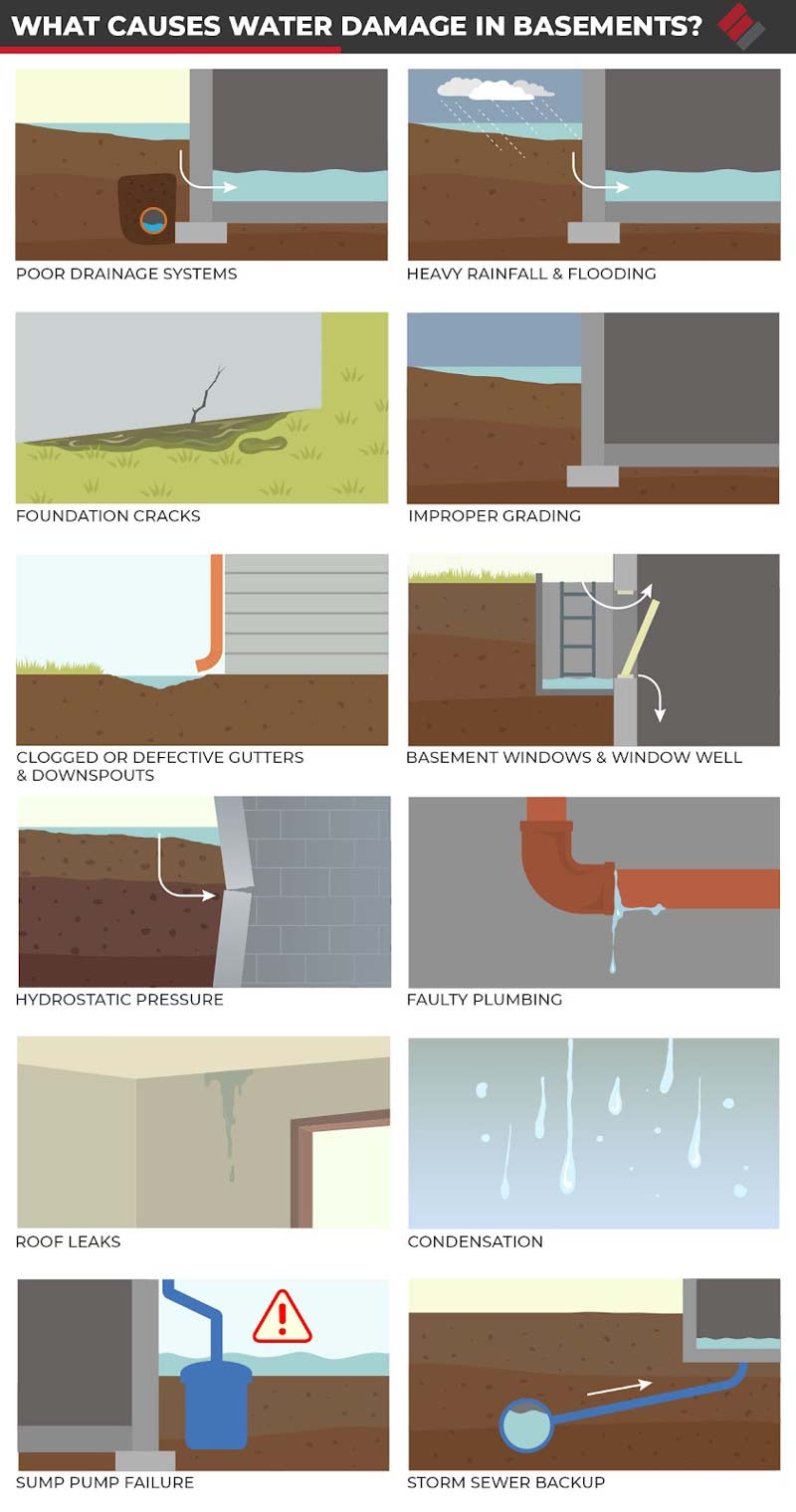
- Geographical location. Some regions have a high water table, meaning the water level in the ground is close to the surface. This condition makes the risk of groundwater seepage and basement flooding higher. If your home is located in one of these regions, a sump pump is often considered essential.
- Local climate. Heavy rainfall, snowmelt, or frequent storms can increase the likelihood of water entering your basement. A sump pump is a worthwhile investment in these types of environments.
- Finished basement. Finally, even if you are considered low risk, having a sump pump in a finished basement is still considered a wise investment. This device is an affordable way to protect your additional living space from the risk of water damage.
Now that you have an understanding of the role of a sump pump, you are better equipped to make an informed decision based on your needs. Next, we’ll explore how a sump pump can effectively prevent water-related issues.
Early Warning Signs of Water Problems in Your Basement
When considering a sump pump in a finished basement, it’s important to recognize the basement waterproofing problem signs so that you can then take appropriate action. The rapid removal of excess water is essential for preventing flooding and water damage to your basement.
The stakes are higher in the case of a finished basement, as the space is often used for recreational, storage, or living purposes. Water damage can ruin possessions, lead to costly repairs, and create an uncomfortable living environment. A sump pump is a vital component of your basement’s defense against these potential issues.
Signs of Water Problems in Your Basement
Identifying the early warning signs of water issues is the first step in prevention. Keep an eye out for the following indicators:
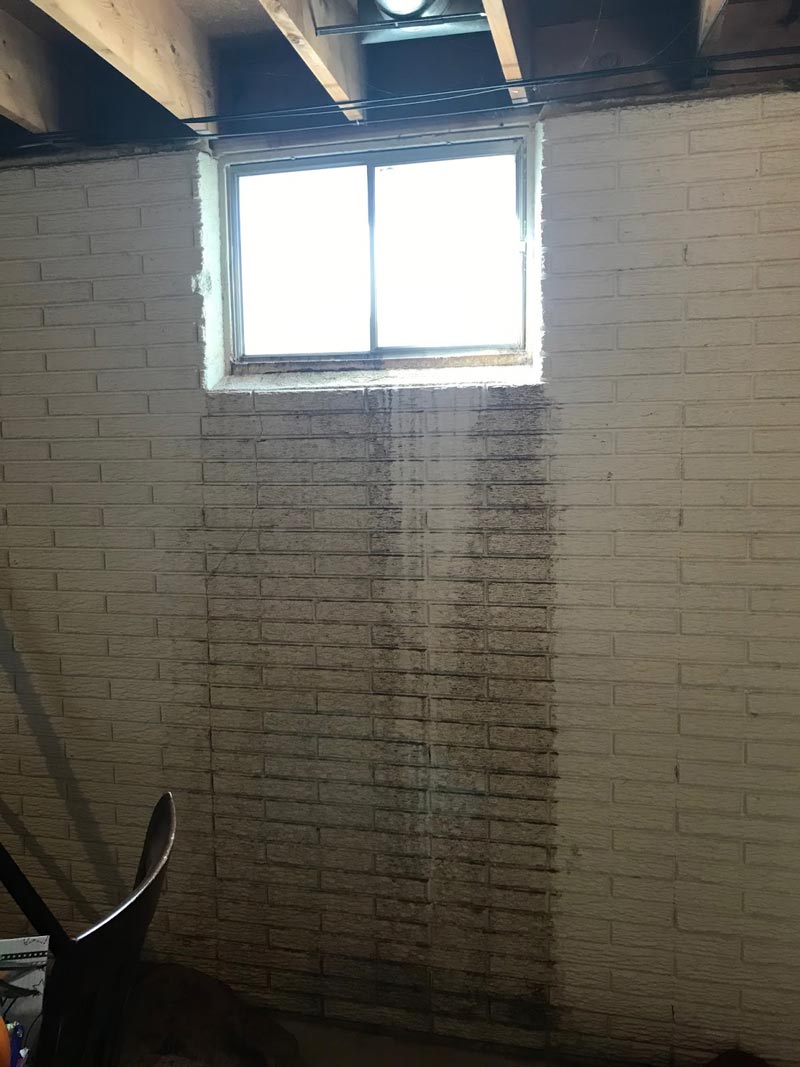
- Dampness. If you notice areas of your basement that feel constantly damp or humid, this is a sign of potential water intrusion.
- Musty odors. A persistent musty smell is often associated with moisture problems, and can indicate the presence of mold or mildew.
- Water stains. Stains on the walls, floors, or ceiling can be a clear sign of water infiltration, whether from seepage through the walls or up through the floor.
- Peeling paint or wallpaper. Water damage can cause paint or wallpaper to peel or bubble from excess moisture.
- Signs of rust or wood rot. When metal and wood are exposed to excess moisture, they show signs of deterioration. If you notice rusted metal or rotting wood, you should identify the source of the problem before it gets worse.
Recognizing these early signs can help you proactively address water issues, potentially preventing further damage.
What to Do if You Have Basement Water Problems
What should you do if you identify these signs of water in your basement? It’s vital to take prompt action to prevent damage and protect your property. Here are the next steps you should consider:
- Contact a professional. We recommend contacting a qualified basement waterproofing specialist or foundation repair expert. These professionals have the expertise and equipment necessary to assess the problem and recommend the most effective solutions.
- Identify where the water is coming from. Understanding why you are experiencing water intrusion is key to resolving the problem. A professional can pinpoint the source and recommend the appropriate measures to take.
- Assess foundation condition. If you have recurring water issues, it’s important to evaluate your foundation’s condition for underlying structural concerns.
- Sump pump installation. Depending on the professional’s assessment, they may recommend the installation of a sump pump to manage and remove excess water effectively. This protective measure is especially important in areas that are prone to flooding.
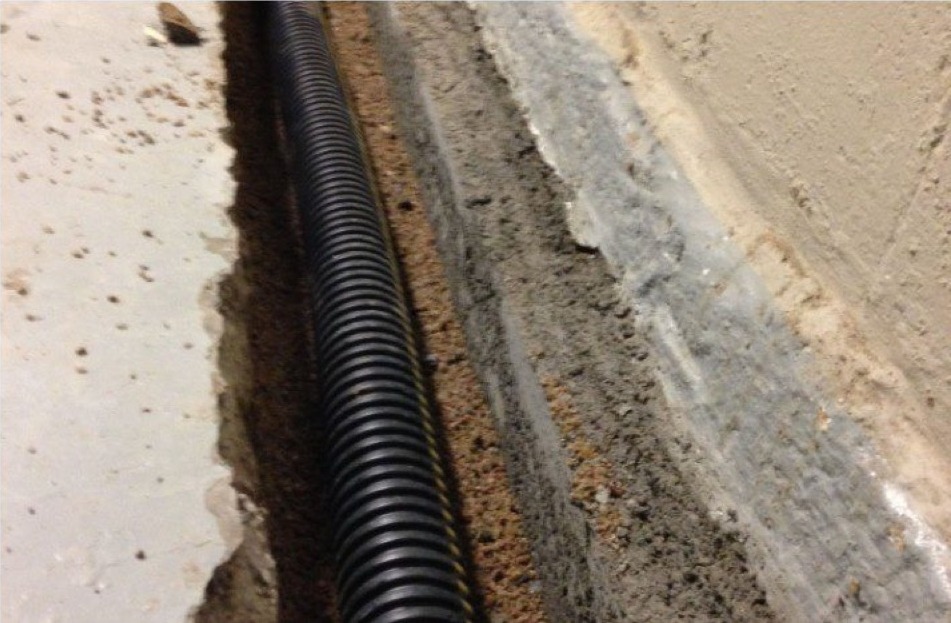
- Waterproofing solutions. Waterproofing your basement is a proactive method for preventing future water problems. This can include interior or exterior waterproofing, installation of drainage systems, or sealing of foundation cracks.
Taking these steps when you encounter basement water problems is essential to protecting your finished basement and the overall integrity of your home. Early intervention can help you avoid costly repairs and potential health hazards associated with moisture and mold. Always consult with experts in the field to determine the most appropriate solutions for your specific situation.
Choosing the Right Sump Pump for Your Finished Basement
Although sump pumps are designed with a primary objective in mind, there are also practical aspects to consider when adding this feature to your finished basement.
Types of Sump Pumps
There are two primary types of sump pump, each with its own set of advantages and considerations:

- Pedestal sump pumps. These pumps feature a motor mounted on a pedestal above the sump pit. They allow for easy access when it comes to maintenance, but are generally noisier and less discreet.
- Submersible sump pumps. This submersible pump design is installed directly inside the sump pit and is made to be submerged in water. They are quieter and less obtrusive, but can be slightly more challenging to access when servicing.
The choice between the pedestal and submersible sump pumps depends on factors like available space, personal preferences, and your specific needs.
Installation Considerations
Proper installation is crucial to the effectiveness of your sump pump. Consider these factors before adding a sump pump in a finished basement:
- DIY installation. It is possible to complete a sump pump installation without the assistance of a professional installer. If you choose to opt for a DIY installation, make sure you have the proper equipment for cutting a hole in the basement floor and adding the necessary pipes.
- Professional installation. Hiring a professional installer provides you with peace of mind in knowing that your system is set up properly the first time. Not only do professionals bring their expertise to the job, they will also ensure you are in compliance with local codes.
- Battery-operated backup systems. Installing a battery backup system is a great way to ensure continuous operation. These systems provide additional safety during power outages, or in the event that the primary pump fails.
As you weigh your options, keep in mind that you may also have local regulations and building codes to comply with. A qualified professional can verify that your sump pump is installed correctly and your investment remains secure.
A Smart Choice for Basement Protection
As you consider whether a sump pump is essential for your finished basement, remember that prevention is often the most cost-effective path. Stopping water problems before they start can save you from the potentially devastating consequences of flooding and water damage.
Our expert advice:
- Consult with professionals. When it comes to basement water management, it’s advisable to consult with professionals who specialize in basement waterproofing and foundation repair. They can provide you with personalized assessments and solutions tailored to your unique situation.
- Regular maintenance. Whether you already have a sump pump in your basement or are considering installing one, regular maintenance will keep it functioning as intended. Schedule periodic inspections and servicing to ensure your equipment remains in peak condition.
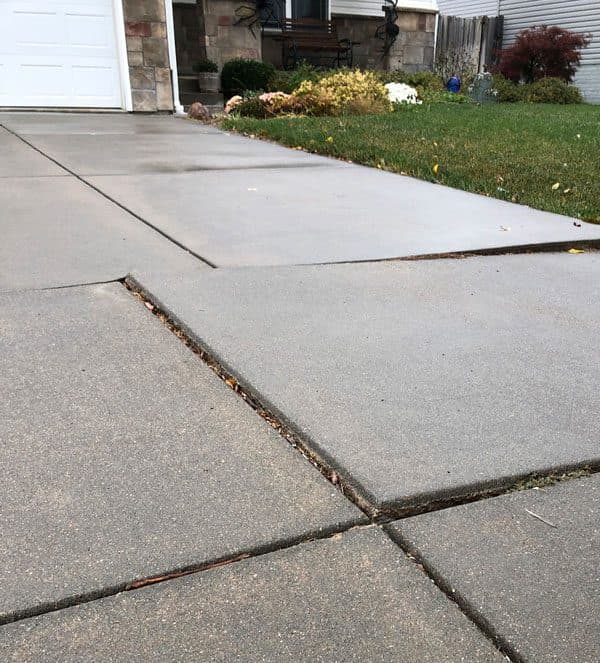
- Proactive waterproofing. Consider proactive waterproofing measures to protect your basement, including installing drainage systems, sealing foundation cracks, and ensuring proper grading and drainage around your home.
At Epp Foundation Repair, our goal is to help restore your home’s integrity so that you can rest assured that your home is both protected and structurally sound. We proudly service customers in Nebraska, Kansas, Missouri, Iowa, and surrounding areas.
Contact us today to receive a free estimate for a sump pump installation in your finished basement. Installing a sump pump in your finished basement is an investment that not only safeguards your basement, but also offers the peace of mind that comes with knowing your home is protected from potential water damage. Your finished basement is a valuable space, and a well-maintained sump pump will help preserve its comfort and functionality.

Written by
Owner and President, Epp Foundation Repair
Dave joined the family business in 2004 after growing up watching his father Phil build it from the ground up. Today he runs daily operations across Epp's service region in Nebraska, Iowa, Kansas, and Missouri, and is trained and experienced across every repair method Epp installs.
More about Dave