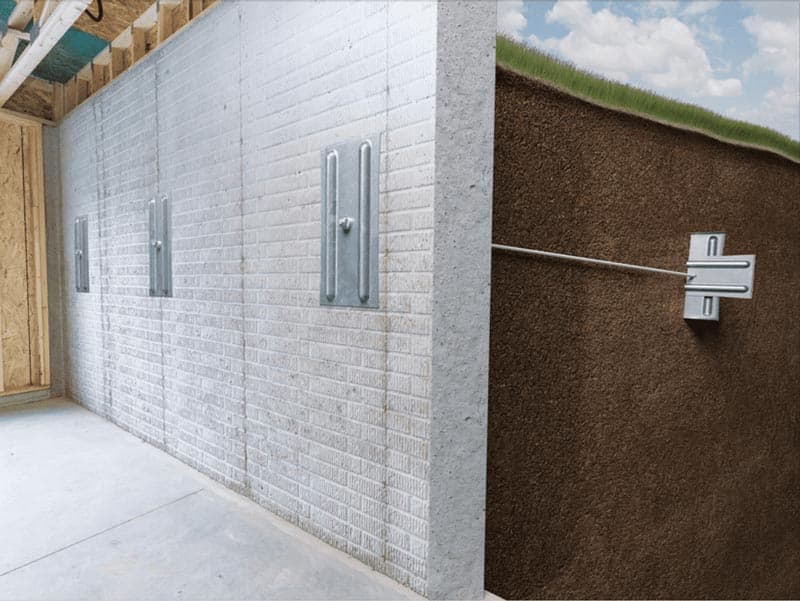
Give the Slab Somewhere to Move So It Stops Pushing on Your Foundation
The joint where a driveway or garage slab meets the house foundation, and the joint between a slab and its stem wall, is what keeps seasonal concrete movement from loading the foundation wall. Epp Foundation Repair cuts, fills, and reseals those joints so the slab moves without pushing on the house.

Let's take the first step toward a healthy home.
A local specialist will inspect your foundation, walk you through the findings, and send a clear estimate, no cost, no pressure.
Expansion Joints at the Foundation: how it works and when it's the right call.
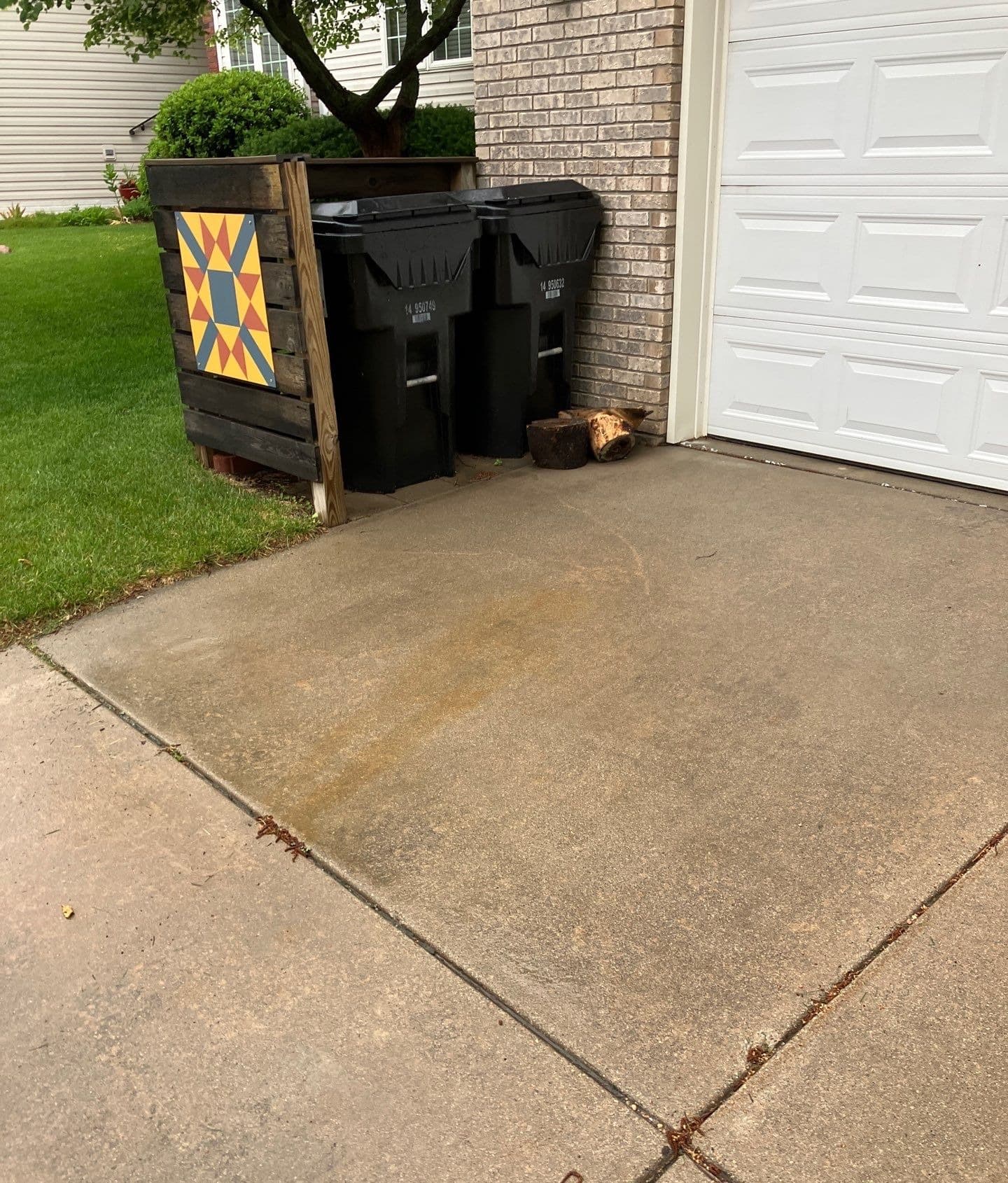
A slab poured tight against a foundation is a lever with no release. Across the Midwest a slab surface swings from deep winter cold to hot July sun, so a driveway or garage floor moves measurably across its length with the seasons, and repeated freeze-thaw events drive water into any gap and pry it wider. When the slab is pinned at the house end by the foundation and at the street end by a joint that has filled with sand and grit, summer expansion has only one way to go, and the slab shoves the foundation. The push is small in any one season and cumulative over decades, which is why the damage shows up in older homes with their original driveways. An expansion joint gives that movement a soft place to land. The crew cuts or clears a continuous gap the full depth of the slab where it meets the foundation, sets a closed-cell foam backer rod to the right depth, and tops it with a flexible polyurethane or self-leveling sealant that sheds water. When the slab grows the joint squeezes; when it shrinks the joint recovers, and the foundation never carries the load. Placement is the skill: the joint belongs where the driveway meets the garage slab or the stem wall, where a slab-on-grade floor meets the wall it was poured against, and at the cold joint between two pours of a foundation. Joints across a sidewalk or down the middle of a driveway are flatwork, and the Epp concrete leveling crew handles them.
Why Your Expansion Joint Isn't Stopping Street Creep
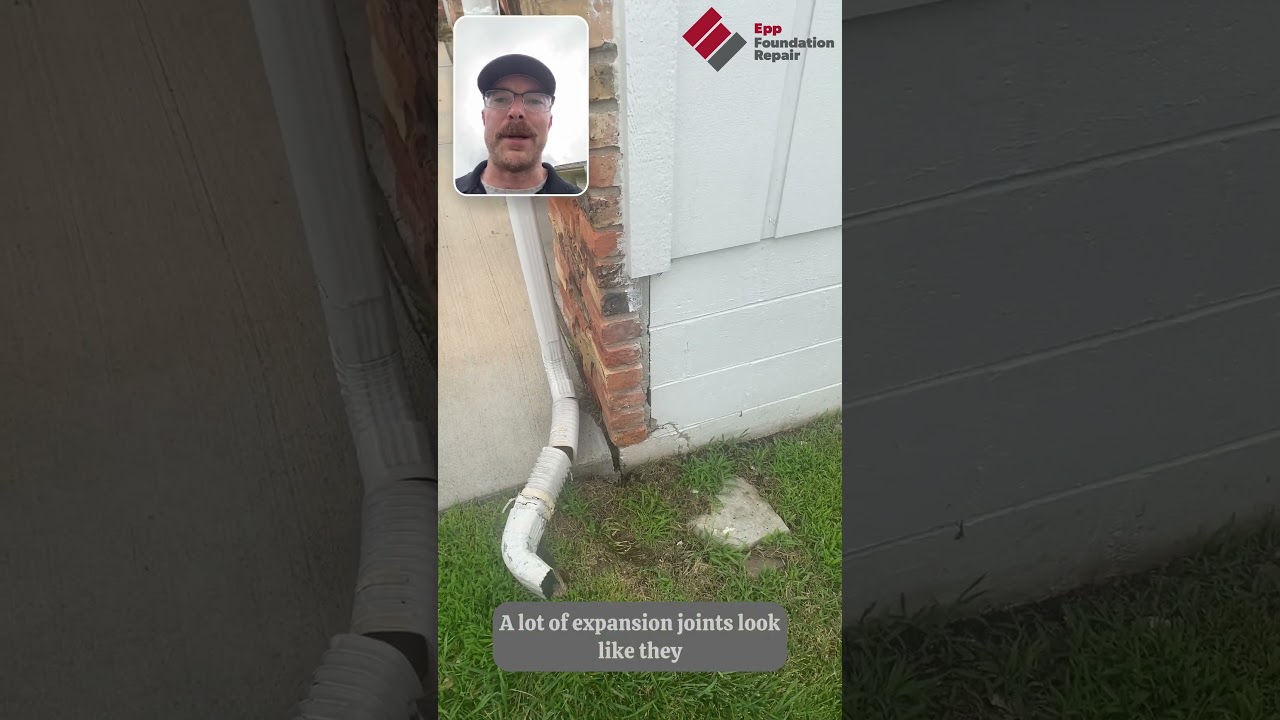

Related to what you are reading. Our team covers the same ground on camera.
How we install expansion joints at the foundation.
Step 01.Inspection at the Foundation Line
Epp Foundation Repair walks the joint where the driveway and garage slab meet the house, checks whether the driveway has crept toward the foundation, and looks at the garage wall and stem wall for block cracks beside the garage door and any lean. The crew measures the gap that is left, if any, and the inspection ends with a Customized Repair Estimate that says what the joint can and cannot fix.
Step 02.Cutting or Clearing the Joint
For a slab poured tight to the foundation, the crew saw-cuts a clean, straight channel along the wall to the full depth of the slab so the concrete no longer bears on the house. For an existing joint that has hardened or filled with debris, the old filler is raked out down to sound concrete and both joint faces are cleaned, because sealant will not bond to a dirty face.
Step 03.Backer Rod and Flexible Sealant
A closed-cell foam backer rod is set to the correct depth to control the sealant thickness and keep it from bonding to the joint bottom. A flexible polyurethane or self-leveling sealant is applied over it and tooled to shed water away from the foundation. The right depth-to-width ratio lets the sealant stretch and compress through the seasons without tearing loose.
Step 04.Check, Drainage, and Documentation
The crew confirms the slab is free of the wall along the full joint, photographs the finished joint, and notes the street-end joint that should also be kept clear so the driveway has room to move in both directions. Where the inspection found that the slab has already dropped at the threshold, the estimate pairs the joint with foam void filling under the slab so the joint is not sealed over a hollow.
"Inside a basement, epoxy works because nothing moves. Outside on a driveway, the slab moves with every freeze-thaw cycle and moves again with every summer-to-winter temperature swing. Rigid bond in a moving environment fails on a predictable timeline. Flexible sealant in the same environment lasts for years. The chemistry is dictated by the exposure."

Care and expertise from a team that's been doing this since 1994.
Epp Foundation Repair is locally owned and operated, with crews dedicated exclusively to foundation, basement, and concrete work across the Midwest.
Foundation repair, waterproofing, and concrete leveling are our entire focus, not a sideline.
Three decades of experience with Midwest soils, basements, and weather conditions.
Recognized by the Better Business Bureau for integrity and ethical business practices.
Many of our repairs carry a written Epp warranty. The warranty page lists every covered repair and its terms.
Answers to common questions about Expansion Joints at the Foundation.
Don't see your question here? Our team is happy to help. Reach out anytime.
Foundation Repair warning signs this solution resolves.
Each problem sign below is a symptom this solution is engineered to fix. See how we diagnose it before we recommend this method.
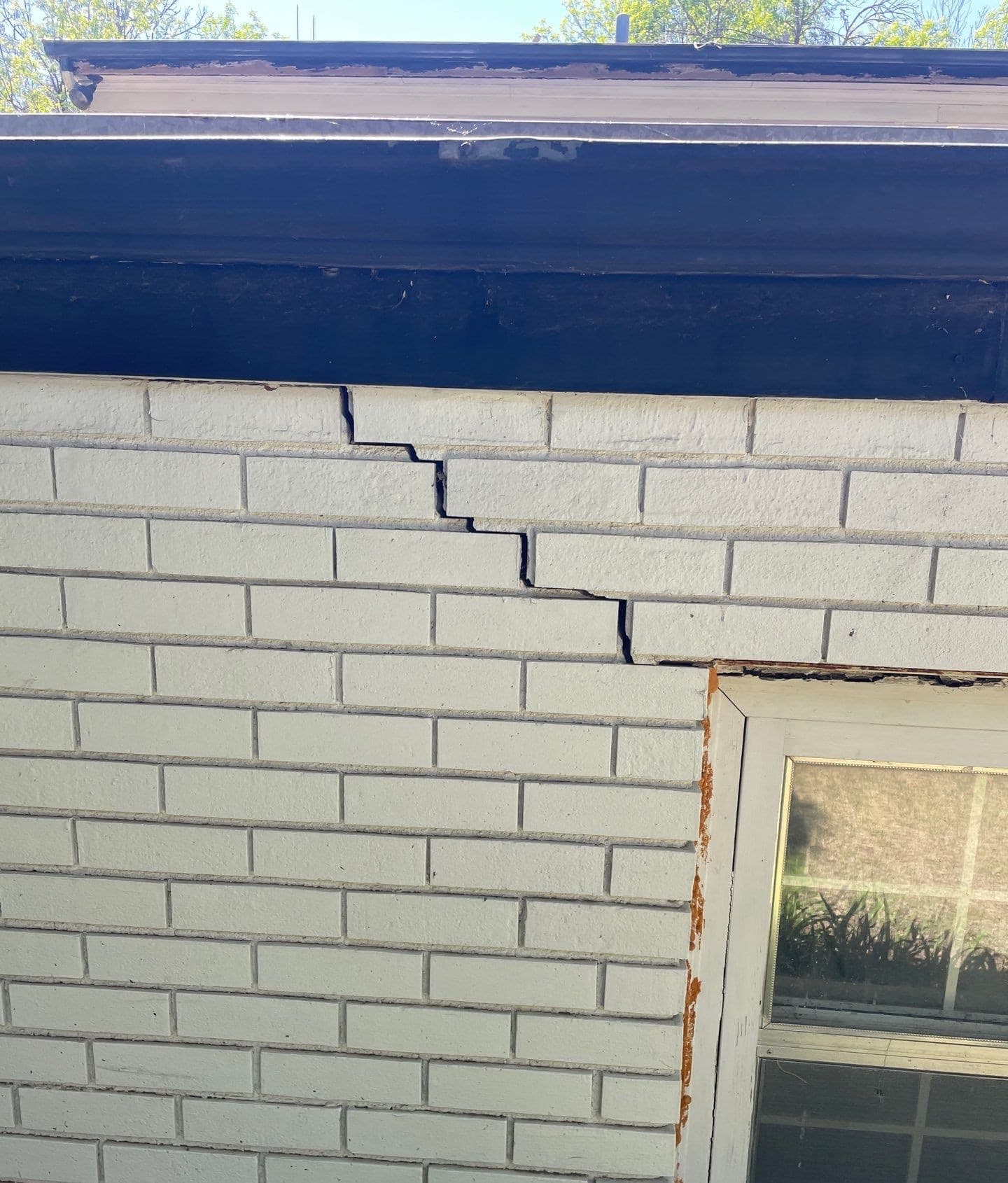
Stair-Step Cracks
Epp Foundation Repair has measured, monitored, and repaired stair-step cracks across Nebraska, Iowa, Kansas, and Missouri since 1994, separating the active ones that need underpinning from the stable ones that just need sealing.
Learn more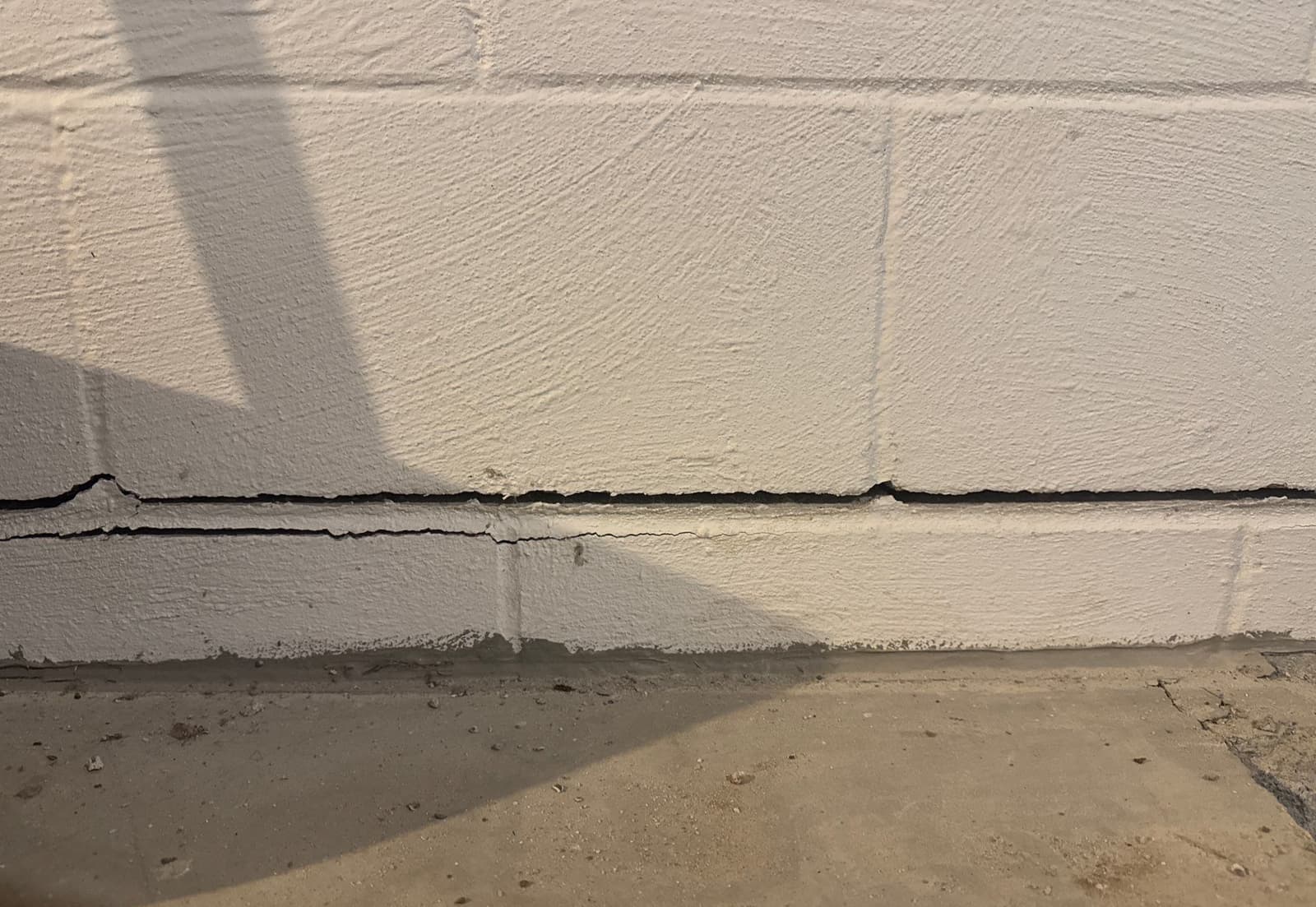
Cracked Block Foundation
A cracked block foundation is rarely random. The direction of the crack, whether stair-step, vertical, or horizontal, points to the force behind it. Reading that pattern guides the repair.
Learn more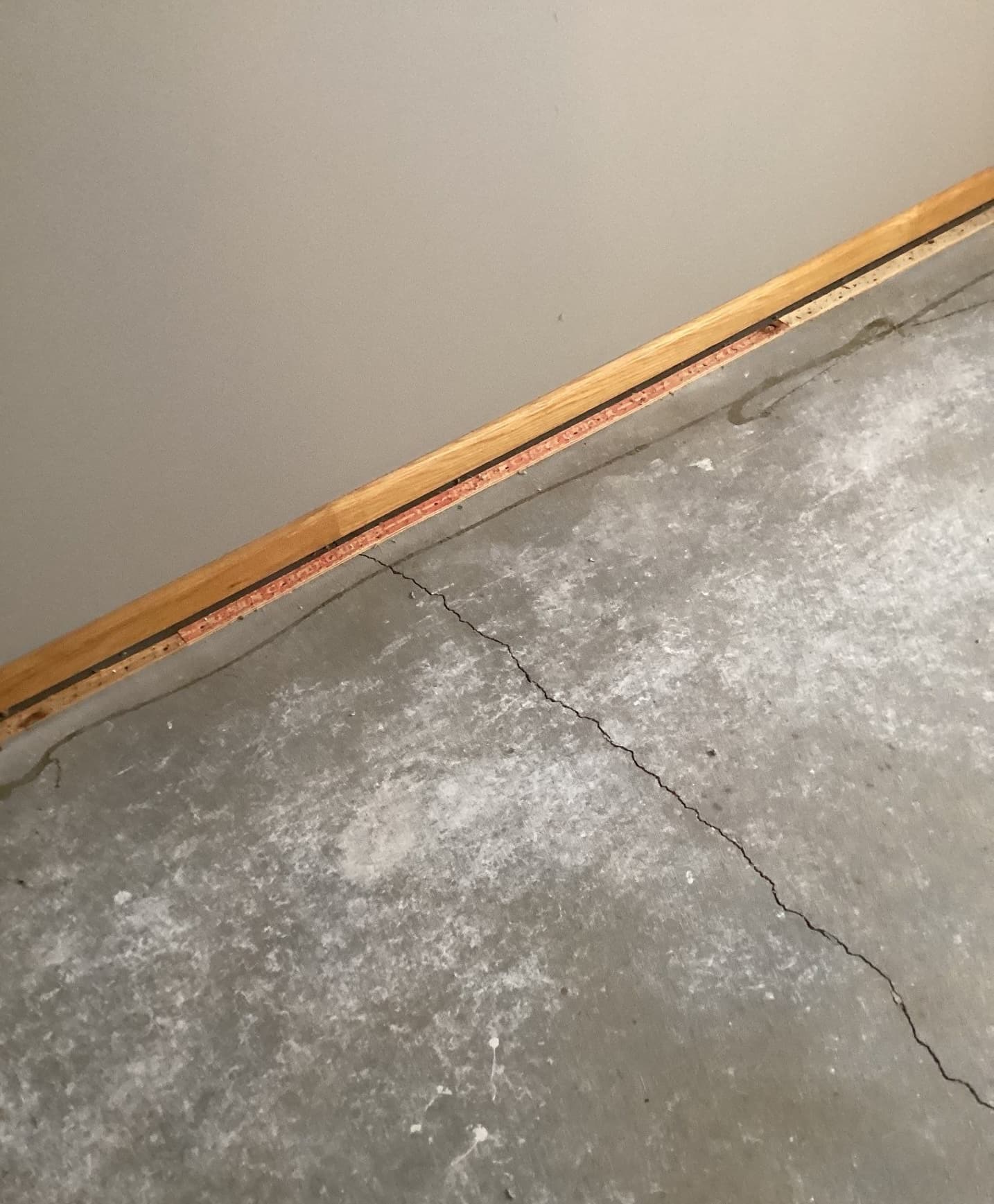
Concrete Floor Cracks Diagnosed by Cause, Not by Width Alone
Epp Foundation Repair has read concrete floor cracks across Nebraska, Iowa, Kansas, and Missouri since 1994. Crack width alone never tells the whole story; the pattern, the location, and the movement history do.
Learn more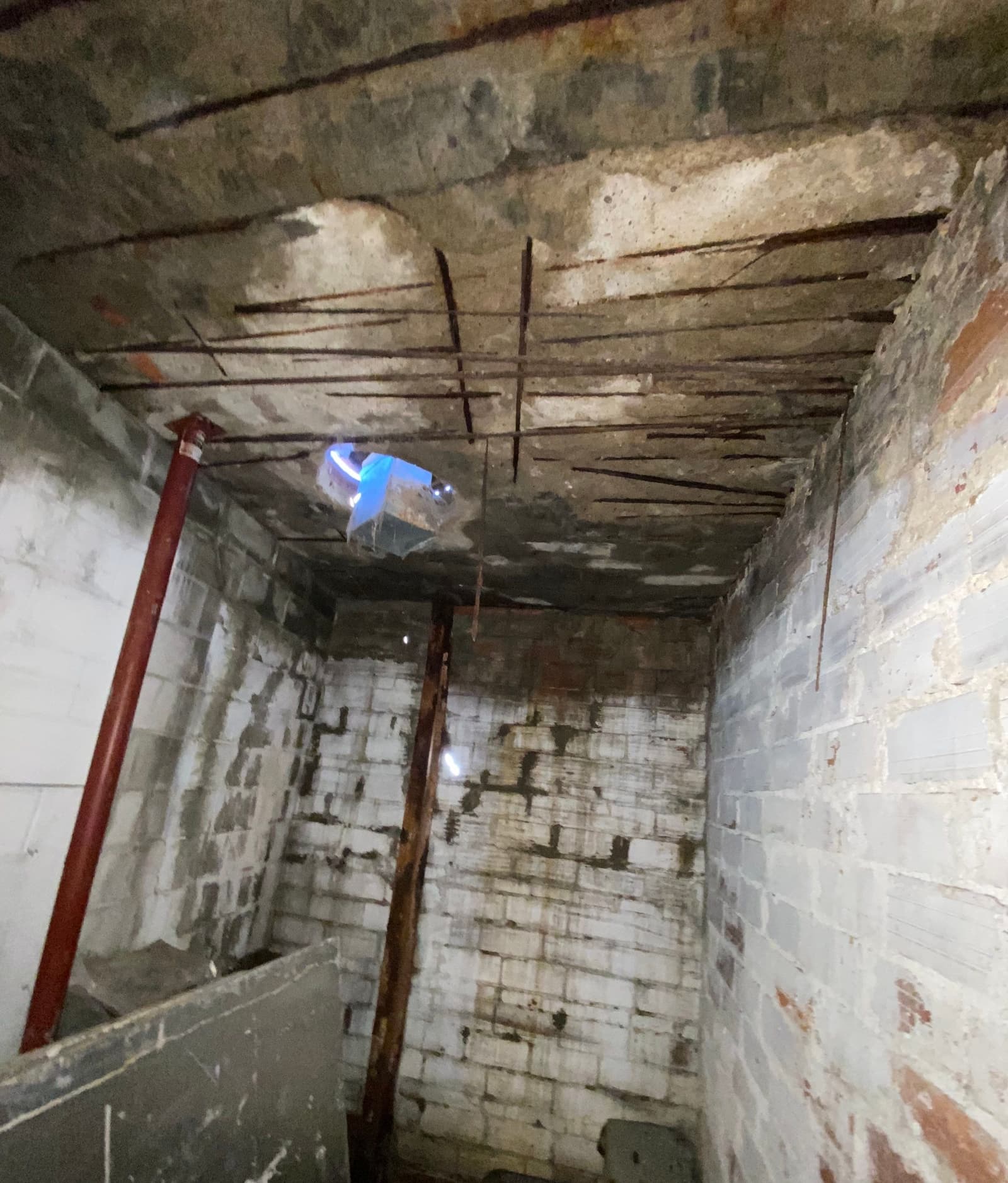
Foundation Upheaval
Upheaval is the opposite of settlement. Instead of sinking, a section of slab or footing lifts upward. The cause is almost always expanding soil or trapped moisture below the foundation, and it usually gets worse during wet seasons.
Learn more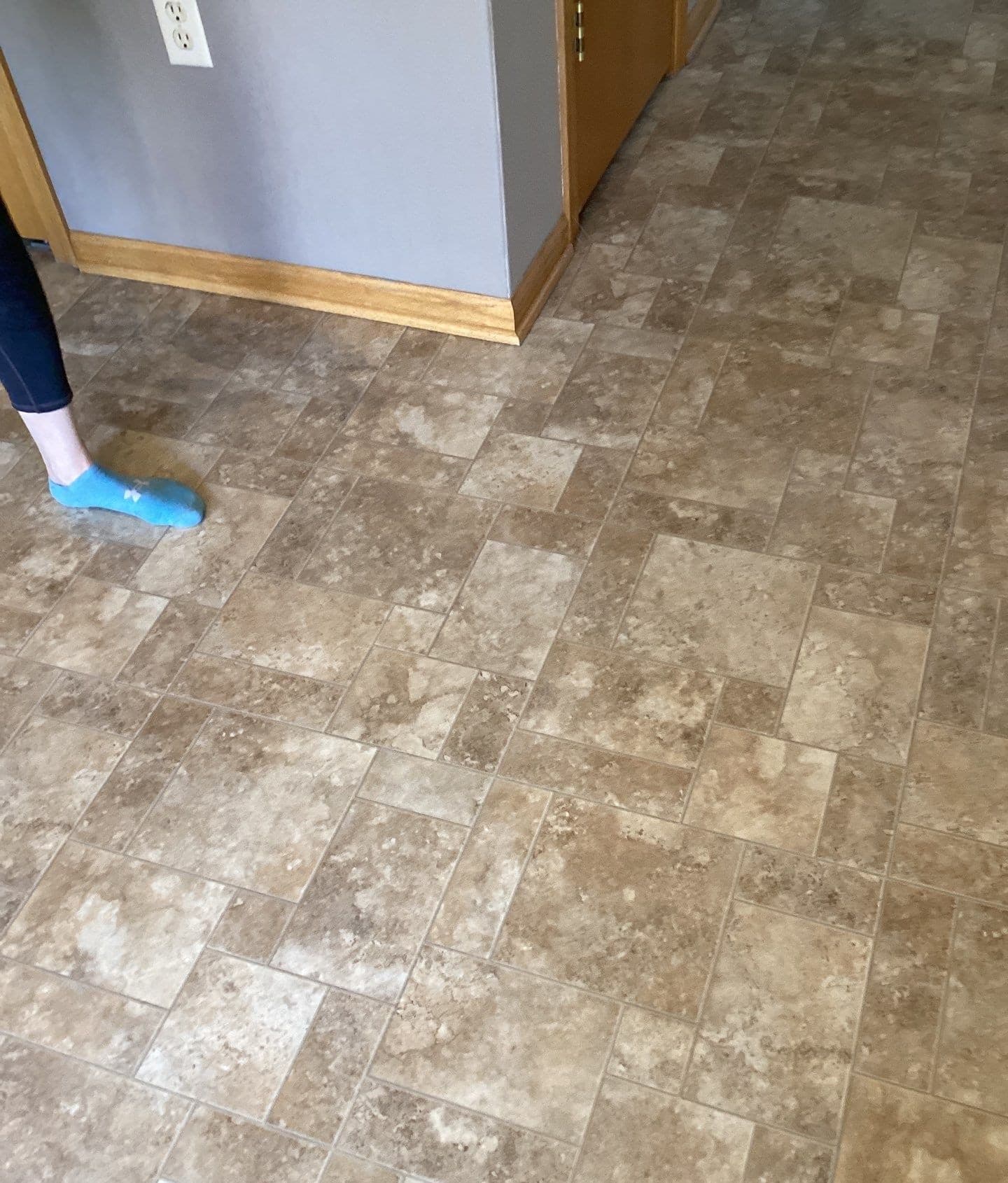
Bouncing Floors
A floor that flexes or bounces when you walk across it. This points to lost support underneath, often from foundation settlement or sagging structural members. The bounce gets worse as the support keeps shifting.
Learn more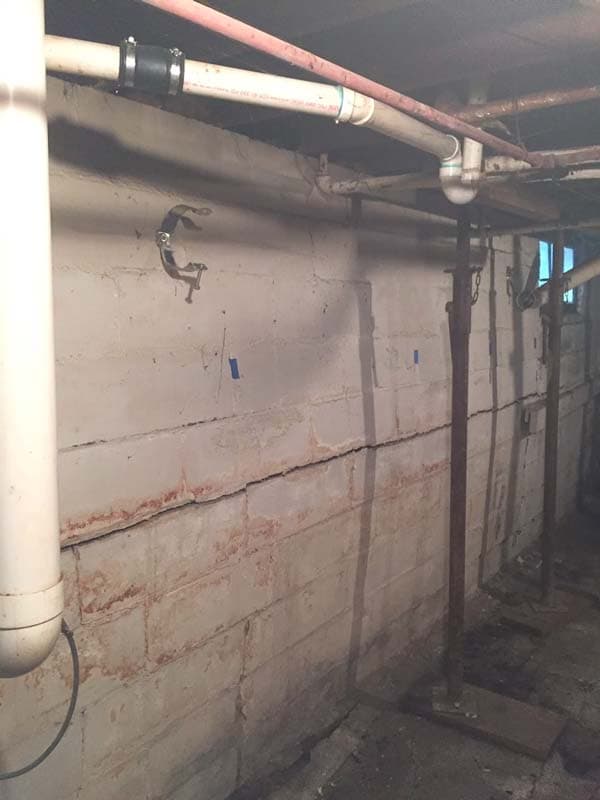
Bowing Walls
Inward deflection in a basement wall. Even a fraction of an inch. Indicates lateral soil pressure exceeding the wall's capacity. The pressure doesn't go away on its own.
Learn moreServing Nebraska, Iowa, Kansas & Missouri.
Local crews based in five regional offices, dispatched daily across four states. If your town isn't listed, call us: we likely serve your area.
- Omaha, NE
- Lincoln, NE
- Topeka, KS
- Sioux City, IA
- Bellevue, NE
- St. Joseph, MO
- Council Bluffs, IA
- Grand Island, NE
- Papillion, NE
- Kearney, NE
Take the first step toward a healthy home.
A straightforward path from initial inspection to completed repairs.
Schedule your inspection.
A local specialist visits your home, evaluates the foundation, and answers your questions on site. No cost, no obligation.
Receive an estimate based on your needs.
We provide a clear, Customized Repair Estimate with a scope of work tailored to your home's specific issues. Typically within one business day.
Get your repairs.
Trained crews complete the work on schedule.
Get the free settlement guide
Most foundation problems announce themselves early. This guide shows you what to look for before you call anyone.
- ✓A room-by-room checklist you can walk the house with
- ✓Which cracks can wait, and which deserve a closer look
- ✓How pier repair actually works, in plain language
Over 1,700 homeowners have shared their experience.
A 4.9-star average across Google, with verified reviews from homeowners throughout Nebraska, Iowa, Kansas, and Missouri.
Two ways to start: book instantly, or request an estimate.
Schedule your inspection in seconds with our Driive booking tool, or share a few details and a local specialist will follow up within one business day.
- A local foundation specialist on site
- A complete walk-through of the findings
- A Customized Repair Estimate within one business day
- No cost, no obligation, no high-pressure sales
Expert guidance on protecting your home.
Practical articles from the Epp team on foundation health, waterproofing, and home preservation.
 foundation repairLatest
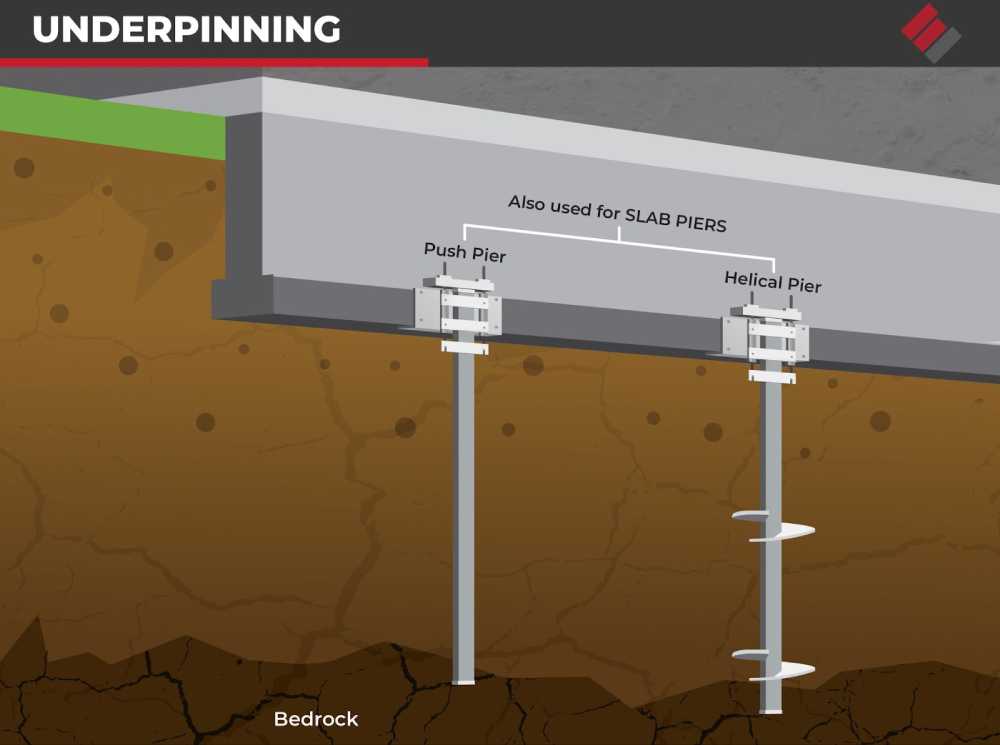
2026 Omaha commercial foundation repair guide for business owners.
A stable foundation protects your building, your people, and your bottom line. This guide covers warning signs, repair methods, and what to expect from a…
 Foundation Repair
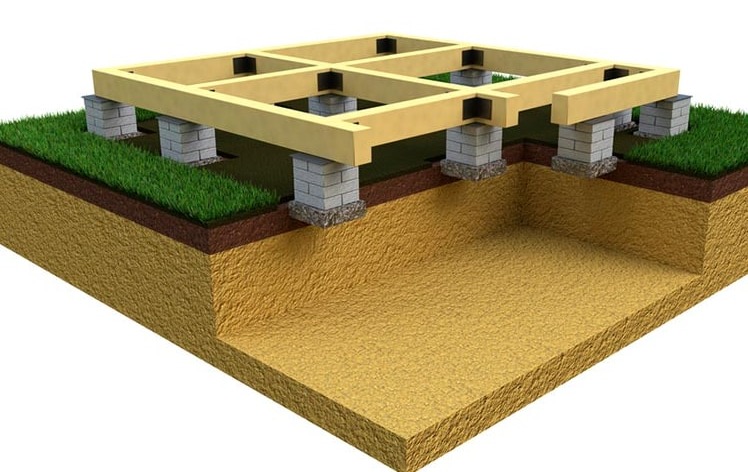
Pier And Beam Foundation Spacing: Best Practices For Stability
Learn the key to proper pier and beam foundation spacing for lasting home stability. Find out when to repair or add piers for support.
 Foundation Repair
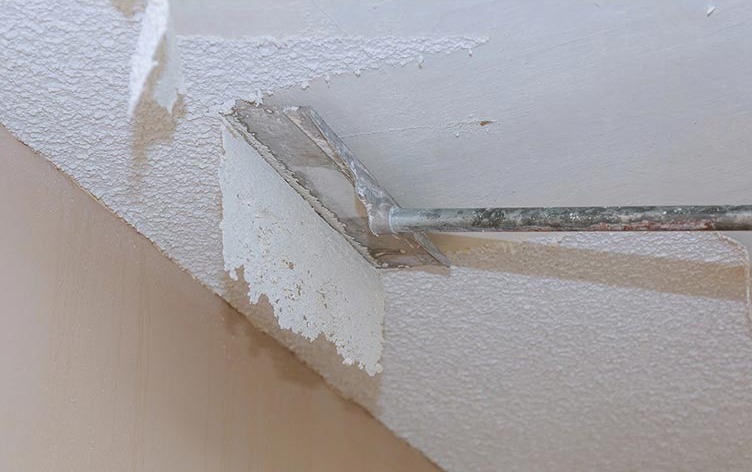
Can Cracks In Popcorn Ceiling Be Repaired?
Discover what causes cracks in a popcorn ceiling, the different crack types, and when foundation issues call for a professional repair.
 Foundation Repair
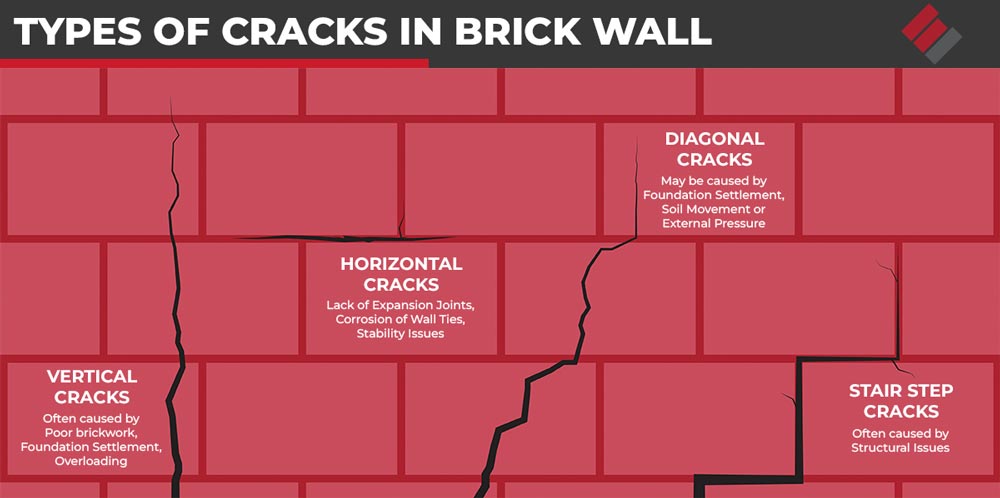
When Should I Be Worried About Cracks In Brick?
Not every crack in brick is a foundation problem. Learn the crack types, how to judge severity, the interior and exterior warning signs, and the repair options.
Five regional offices across the Midwest.
St. Joseph, MO 64506