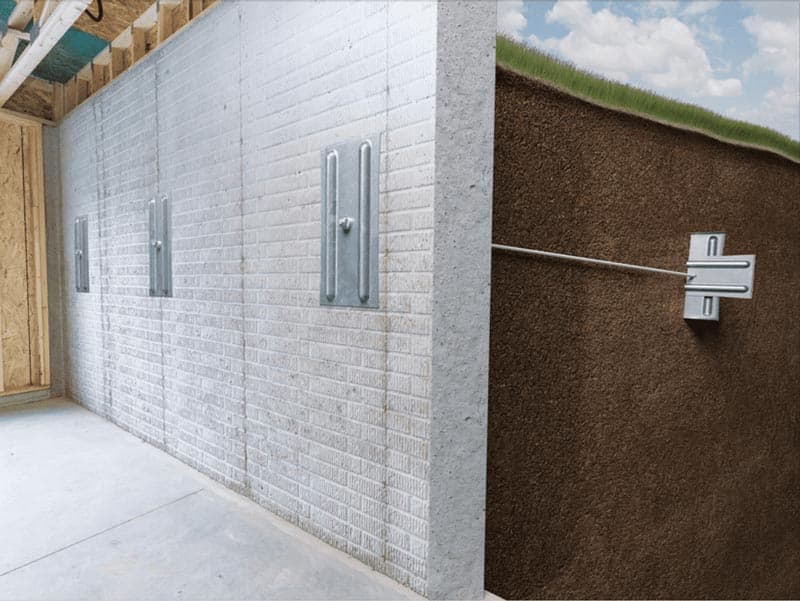
After the Water Leaves, the Pressure Stays.
Flooding does its worst work after it drains. Saturated soil keeps pushing on the foundation, washed-out soil leaves footings unsupported, and the structure can shift for weeks afterward. The visible water is only the start.

Let's take the first step toward a healthy home.
A local specialist will inspect your foundation, walk you through the findings, and send a clear estimate, no cost, no pressure.
Flood Damage: diagnosed and explained.
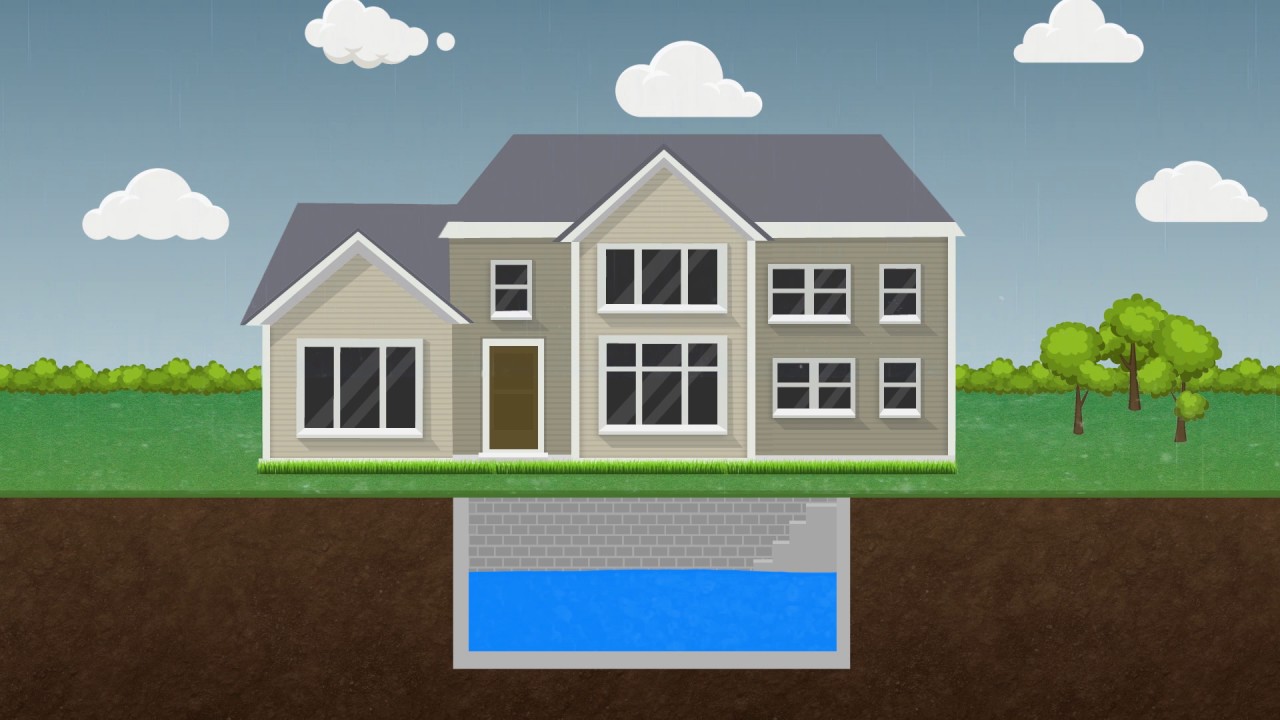
Flood damage to a foundation is less about the water you see and more about what the water does to the soil around the structure. When floodwater saturates the ground, expansive clay and loess swell and press on foundation walls, while the rising water raises hydrostatic pressure that pushes walls inward and forces seepage through cracks. As the water recedes, it can carry soil away from under footings, leaving sections unsupported, which leads to settlement and new cracks. Across Nebraska, Iowa, Kansas, and Missouri, the Missouri River basin near Omaha, Bellevue, and Council Bluffs is especially prone, since a high water table and spring snowmelt keep soil saturated. Crawl spaces and basements that flooded also hold moisture long after, which softens framing and feeds humidity. The threshold that matters is structural: new or growing cracks, a wall that has started to bow, doors and floors that shifted after the event, or standing water that will not drain. Those mean the flood moved the structure, not just wet the floor. Epp does not perform flood or water damage restoration, the cleanup, drying of finishes, and contents work that restoration companies handle. What Epp addresses is the structural and moisture side: stabilizing settled or bowed foundations and controlling the water that keeps the soil saturated.

Watch for these warning signs alongside flood damage.
- 01
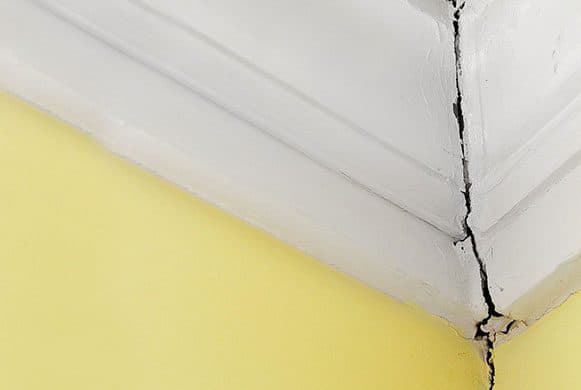
New cracks in foundation walls after the flood
Fresh cracks signal the saturated or washed-out soil has moved the structure.
- 02
A basement wall that has started to bow inward
Inward movement shows hydrostatic pressure exceeded the wall's capacity.
- 03
Doors and windows that stick after the water receded
Frames out of square point to settlement from soil washed out below.
- 04
Floors that now slope or feel uneven
A new slope reflects footings that lost support during the flood.
- 05
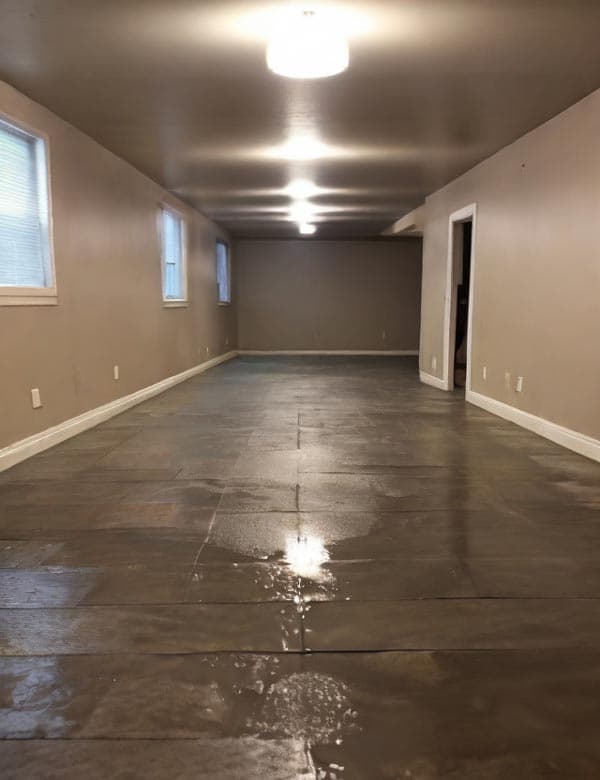
Standing water or dampness that will not drain
Trapped water keeps the soil saturated and the foundation under pressure.
- 06
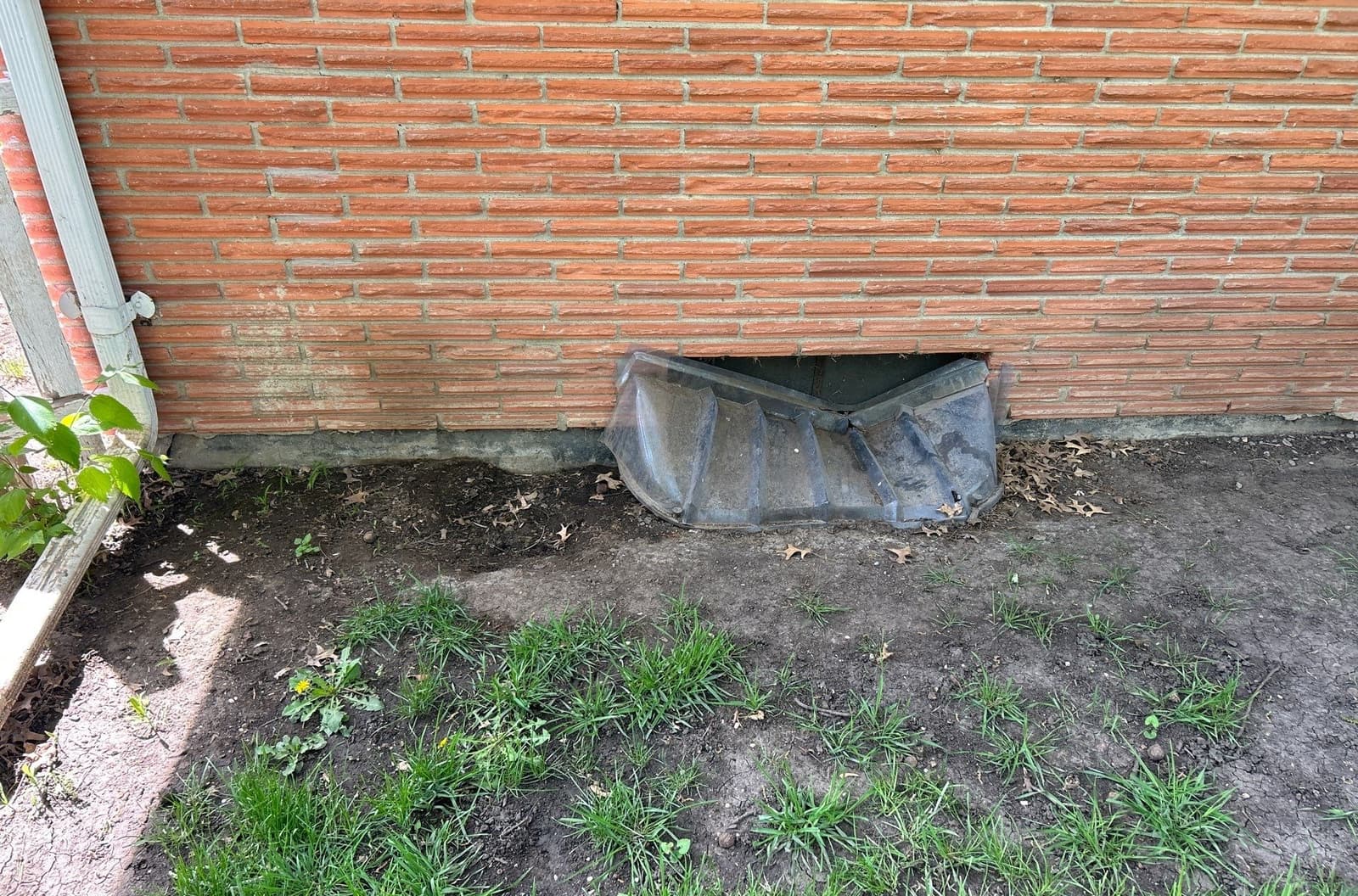
Soil washed away or sunken next to the foundation
Eroded or settled ground at the wall shows the support beneath may be gone.
What causes flood damage in Midwest homes.
- 01
Soil Saturation and Hydrostatic Pressure
Floodwater saturates the soil around the foundation, and that water-logged soil pushes hard on the walls. The pressure can crack or bow a wall and force seepage through joints. In the Missouri River basin, a high water table makes this pressure especially strong.
- 02
Soil Washout Under Footings
Moving floodwater erodes soil from beneath footings as it recedes. Sections of the foundation lose their support and settle, opening new cracks. This kind of undermining often shows up days or weeks after the water is gone.
- 03
Lingering Moisture in Basements and Crawl Spaces
Spaces that flooded stay damp long after the water drains, especially in our humid spring and summer. Persistent moisture softens framing and keeps soil saturated against the foundation, prolonging the stress on the structure.
How foundation repair specialists actually fix flood damage.
Solving flood damage means addressing the underlying soil, pressure, or settlement cause. Not just patching the visible damage. Below are the engineered solutions we install most often for this symptom in Nebraska, Iowa, Kansas, and Missouri homes.
Engineered foundation repair solutions for this problem.
Each method is matched to a specific failure mode and soil profile. Browse the toolkit we draw from when diagnosing your home.
Push Piers
Epp Foundation Repair installs resistance push piers under settling Nebraska, Iowa, Kansas, and Missouri foundations, driven to refusal under the structure's own weight.
Wall Anchors
Family owned since 1994, Epp Foundation Repair installs engineered wall anchor systems across Nebraska, Iowa, Kansas, and Missouri, with exterior earth-anchor plates tied to interior bearing plates.
Helical Piers
When a foundation has settled into soft or eroding soil, surface-level repairs treat the symptom. Helical piers transfer the structure's load to deep bearing soil, stopping settlement permanently, with some lift possible depending on conditions.
Foundation Underpinning
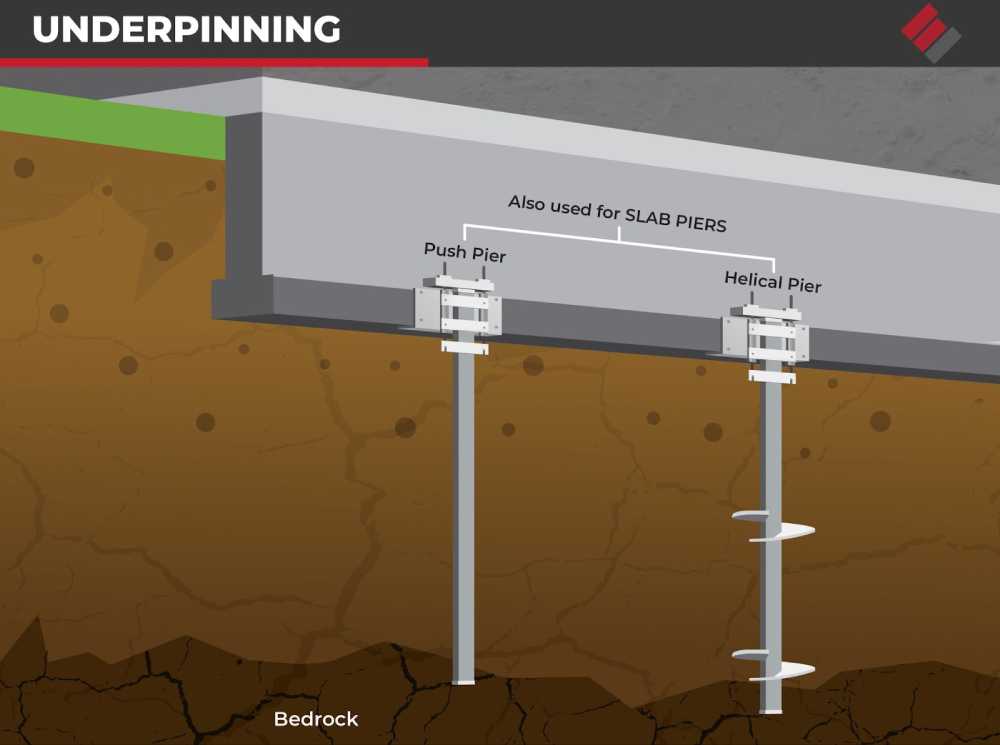
Epp Foundation Repair drives engineered helical, push, and slab piers through Nebraska loess and Kansas clay, matched to the soil and the structure.
Epoxy Crack Injection
Epp Foundation Repair has injected foundation cracks across Nebraska, Iowa, Kansas, and Missouri since 1994, and uses sequential polyurethane plus epoxy when one alone won't hold.
Carbon Fiber Reinforcement
Epp Foundation Repair has reinforced bowed walls across Nebraska, Iowa, Kansas, and Missouri since 1994. No interior steel, no excavation, no lost basement space.
How do soil and climate in Nebraska and Iowa affect foundations?
A foundation rests on the soil under and around it. When that soil gets wetter, drier or colder, it can swell, shrink, settle or freeze, and the foundation can move with it.
Based on NOAA 1991 to 2020 climate normals for Lincoln Municipal Airport and Omaha Eppley Airfield.
What kind of soil is around Lincoln and Omaha?
Based on USDA soil survey data for Lancaster County (Lincoln) and Douglas County (Omaha), clay is the main soil type in both counties. The survey rates Lancaster County high and Douglas County moderate for shrink swell. Clay can swell when it gets wet and shrink as it dries, so a slab or foundation on clay can move up and down with the seasons. The soils that cover the most ground in Lancaster County are Wymore and Aksarben, and in Douglas County they are Contrary and Marshall.
Loess, the wind deposited silt common in eastern Nebraska and western Iowa, can lose strength and settle when it gets wet. Water can reach it from runoff, a plumbing leak or a downspout that empties next to the house.
How does freezing weather affect footings and basement walls?
In Lincoln and Omaha, soil near the surface can freeze and thaw many times between fall and spring. Each city's building code sets a frost line depth, which is the minimum depth below finished grade for a footing. It is 36 inches in Lincoln and 42 inches in Omaha. Supports that sit above that depth, such as some porches, stoops and chimney footings, can move as the ground freezes and thaws.
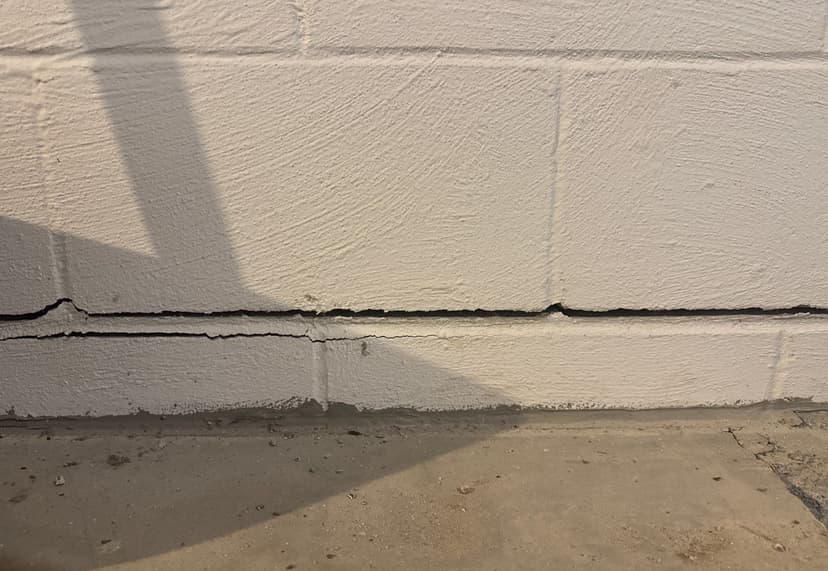
Horizontal cracks in a basement wall are more often linked to pressure from the soil outside the wall than to settlement. Wet soil pushes harder against a wall than dry soil, and soil that freezes against the wall can add to that pressure.
Climate: NOAA U.S. Climate Normals 1991 to 2020, LINCOLN MUNI AP (USW00014939) and OMAHA EPPLEY AIRFIELD (USW00014942), retrieved September 30, 2026. Soil: USDA NRCS Soil Data Access (SSURGO), county survey for Lancaster County and Douglas County. Frost line depth: Lincoln Municipal Code 20.12.140 and Omaha Municipal Code Sec. 43-127.
"Standing water in a crawl is the call where I tell the homeowner not to wait the weekend. You've got 48 hours before mold starts on a joist that's been sitting in water. I'd rather you call the restoration company first and call us second. Get the water out today, and we'll be there next week to make sure it never comes back."

Care and expertise from a team that's been doing this since 1994.
Epp Foundation Repair is locally owned and operated, with crews dedicated exclusively to foundation, basement, and concrete work across the Midwest.
Foundation repair, waterproofing, and concrete leveling are our entire focus, not a sideline.
Three decades of experience with Midwest soils, basements, and weather conditions.
Recognized by the Better Business Bureau for integrity and ethical business practices.
Many of our repairs carry a written Epp warranty. The warranty page lists every covered repair and its terms.
Answers to common questions about Flood Damage.
Don't see your question here? Our team is happy to help. Reach out anytime.
Other foundation repair warning signs to watch for.
If you see one, it's worth checking for the others. Most foundation problems show up as more than one symptom.
Serving Nebraska, Iowa, Kansas & Missouri.
Local crews based in five regional offices, dispatched daily across four states. If your town isn't listed, call us: we likely serve your area.
- Omaha, NE
- Lincoln, NE
- Topeka, KS
- Sioux City, IA
- Bellevue, NE
- St. Joseph, MO
- Council Bluffs, IA
- Grand Island, NE
- Papillion, NE
- Kearney, NE
Take the first step toward a healthy home.
A straightforward path from initial inspection to completed repairs.
Schedule your inspection.
A local specialist visits your home, evaluates the foundation, and answers your questions on site. No cost, no obligation.
Receive an estimate based on your needs.
We provide a clear, Customized Repair Estimate with a scope of work tailored to your home's specific issues. Typically within one business day.
Get your repairs.
Trained crews complete the work on schedule.
Get the free settlement guide
Most foundation problems announce themselves early. This guide shows you what to look for before you call anyone.
- ✓A room-by-room checklist you can walk the house with
- ✓Which cracks can wait, and which deserve a closer look
- ✓How pier repair actually works, in plain language
Over 1,700 homeowners have shared their experience.
A 4.9-star average across Google, with verified reviews from homeowners throughout Nebraska, Iowa, Kansas, and Missouri.
Two ways to start: book instantly, or request an estimate.
Schedule your inspection in seconds with our Driive booking tool, or share a few details and a local specialist will follow up within one business day.
- A local foundation specialist on site
- A complete walk-through of the findings
- A Customized Repair Estimate within one business day
- No cost, no obligation, no high-pressure sales
Expert guidance on protecting your home.
Practical articles from the Epp team on foundation health, waterproofing, and home preservation.
 foundation repairLatest
2026 Omaha commercial foundation repair guide for business owners.
A stable foundation protects your building, your people, and your bottom line. This guide covers warning signs, repair methods, and what to expect from a…
 Foundation Repair
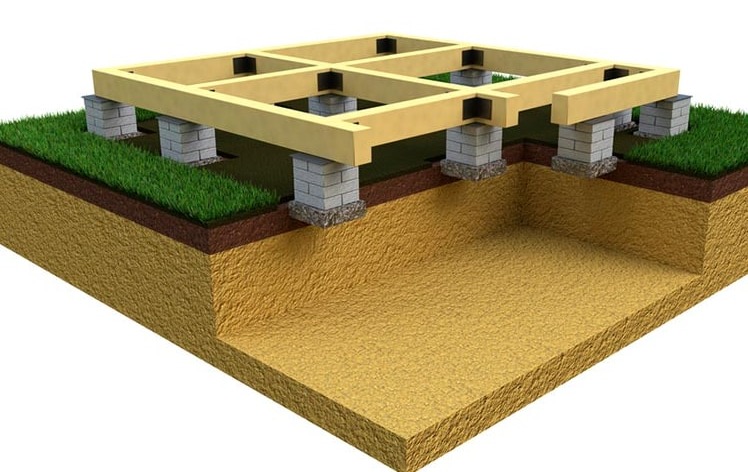
Pier And Beam Foundation Spacing: Best Practices For Stability
Learn the key to proper pier and beam foundation spacing for lasting home stability. Find out when to repair or add piers for support.
 Foundation Repair
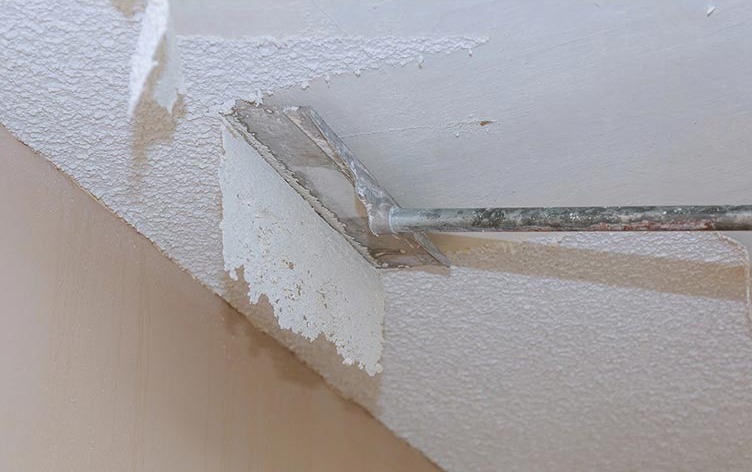
Can Cracks In Popcorn Ceiling Be Repaired?
Discover what causes cracks in a popcorn ceiling, the different crack types, and when foundation issues call for a professional repair.
 Foundation Repair
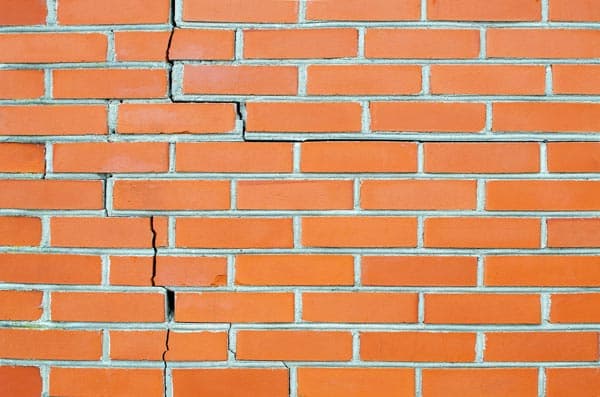
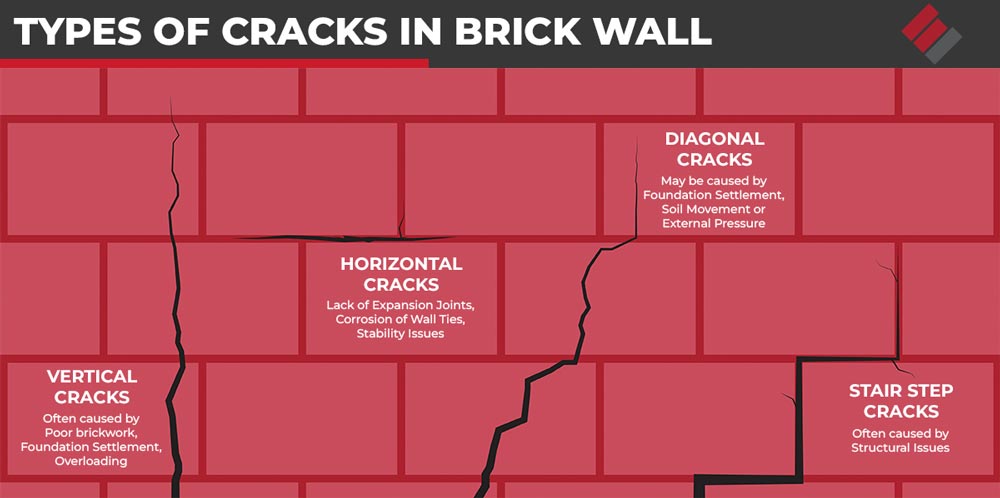
When Should I Be Worried About Cracks In Brick?
Not every crack in brick is a foundation problem. Learn the crack types, how to judge severity, the interior and exterior warning signs, and the repair options.
Five regional offices across the Midwest.
St. Joseph, MO 64506