What Are Helical Tiebacks And How Are They Used?
Learn what helical tieback anchors are, where they are used, how they differ from wall plate anchors, and how the installation process works.
Looking for information about helical tiebacks? In this article, we are going to cover helical tiebacks, what they are used for, how they differ from wall anchors, and how they are installed.
What Are Helical Tieback Anchors?

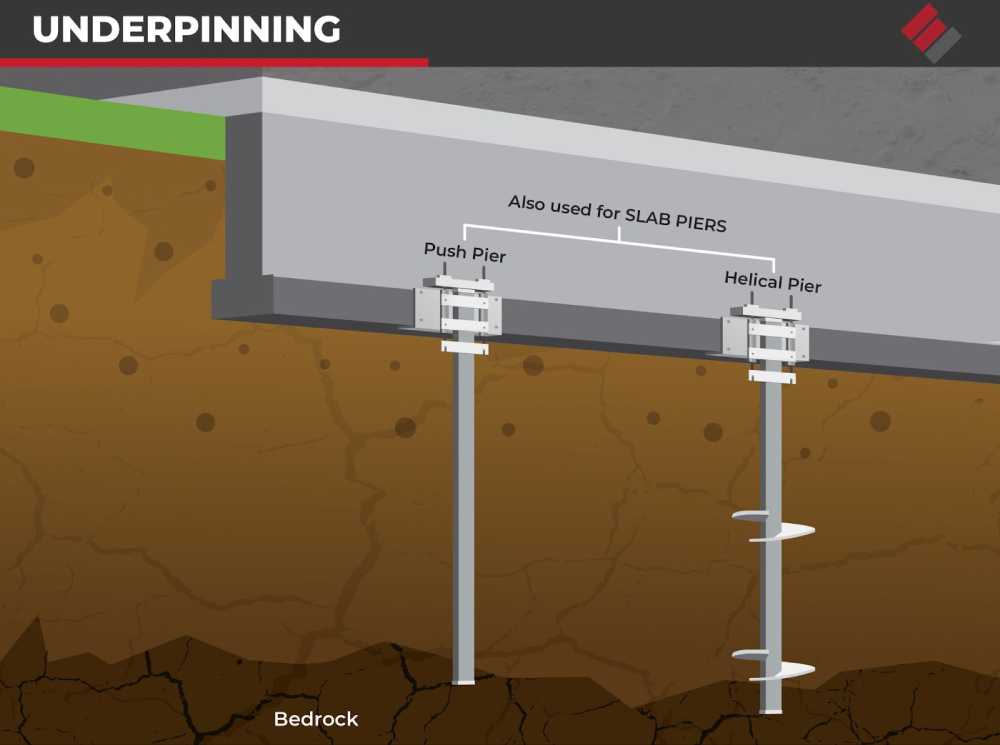
Helical tieback anchors are essentially helical piers that provide lateral support to existing structures.
The helical tieback anchor system consists of a helical pier and a load-transfer bracket that connects the pier to the structure it is intended to support. The helical pier and the load-transfer bracket are made of high-grade steel that has been heat-treated for maximum strength and durability.
Helical tieback anchors offer immediate wall stabilization without having to excavate the soil around the foundation because they are installed from inside the basement. However, helical tiebacks are difficult to install. This is their main drawback.
Where Are Helical Tiebacks Used?
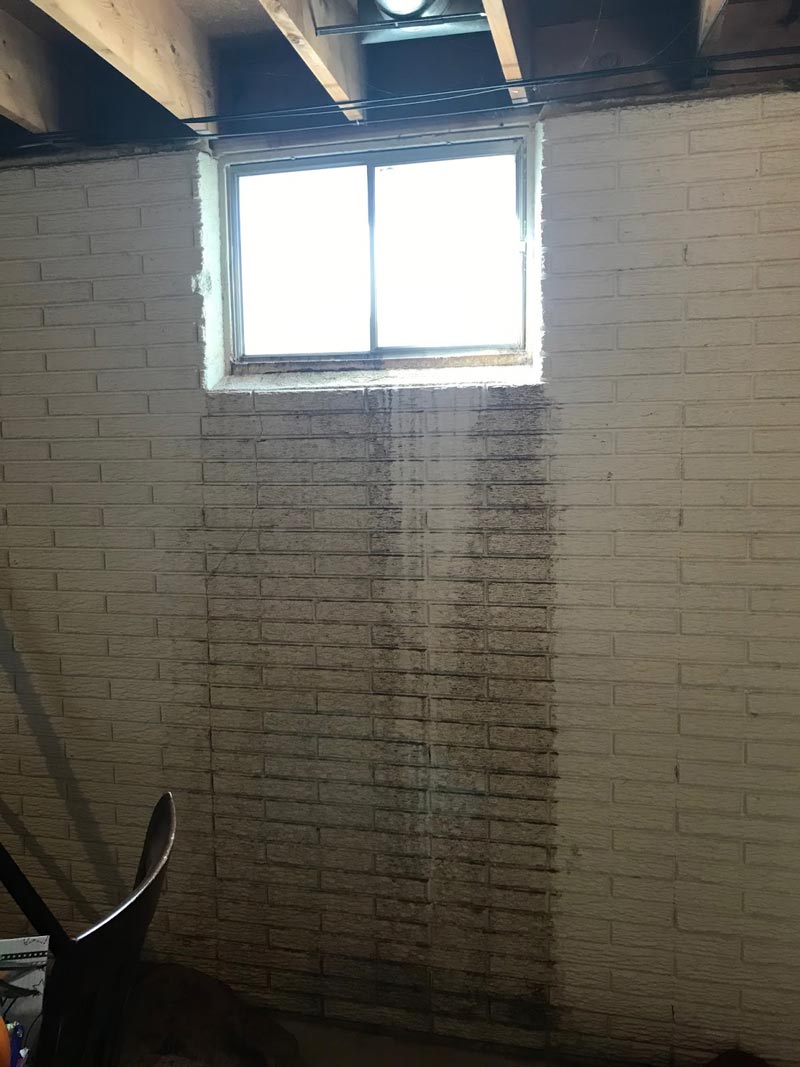
Helical tiebacks are one solution for bowed or cracked basement walls experiencing lateral pressure. They can be installed from inside the basement without excavation, but it is not a quick job and the installation is difficult. This is why we almost always use I-beams, wall plate anchors, or carbon fiber straps to stabilize a bowing or cracked basement wall.
Helical tiebacks are also used to anchor retaining walls. The tiebacks resist the lateral forces exerted against the wall by soil and water.
How Do Helical Tiebacks Differ From Wall Plate Anchors?

Helical tiebacks and wall plate anchors are two different methods to support and stabilize bowed or cracked basement walls.
Helical Tiebacks
Helical tiebacks, also known as screw anchors, are helical piers drilled deep into the soil behind a wall at an angle and then screwed into place. Helical tiebacks are designed to provide lateral support to the wall by transferring the weight and loads from the wall to the soil. They are used for repairing bowing or leaning walls and can be used in various soil conditions.
Wall Plate Anchors
Wall plate anchors also resist forces that could cause the wall to bow inward and crack, such as hydrostatic pressure and frost heave. A wall plate anchor system is an anchor buried in the ground outside the foundation wall that is attached to steel plates on the inside of the basement wall using steel rods or cables.
To install the anchors, the ground around the foundation needs to be dug up so they can be buried in the yard. The anchor is then connected to the steel rod or cable that goes through the wall and attaches to the steel plate on the inside of the basement wall. Once the system is in place, the anchor can be tightened, stabilizing the wall and helping to prevent further movement.
How Are Helical Tiebacks Installed?
The general procedure for installing helical tiebacks is as follows.
- First, holes (10 to 12 inches in diameter, minimum) are drilled through the wall at a slight downward angle. These holes should be spaced evenly along the length of the wall where the tiebacks will be installed.
- Next, the helical piers (the tiebacks) are screwed into each hole while a hydraulic torque motor rotates them. The helical piers are designed to grip the soil on the other side of the wall, creating a secure anchor point.
During installation, it is essential to carefully monitor the torque applied to the helical piers. This ensures they are being installed at the correct depth and with the appropriate level of tension, which is necessary for effective wall reinforcement.

How To Prevent Bowed, Cracked Basement Walls
Helical tiebacks are one solution for stabilizing a bowed or cracked basement wall, though not our preferred one. Avoiding the problem in the first place is even better. Bowed or cracked basement walls compromise the home’s foundation and the safety of anyone living in the house. To prevent these problems from occurring, you will need to control groundwater around the foundation. This can be achieved by taking a few simple yet effective measures.
- Homeowners should prioritize cleaning their gutters regularly. This ensures water is directed away from the foundation and does not accumulate around the basement walls. Overflowing gutters can result in water seeping into the foundation and causing structural damage.
- Installing downspout extensions can also help prevent basement wall damage by directing water away from the house before release.
- Re-grading the yard is another preventative measure that can be taken if necessary. If the yard slopes toward the house, water can accumulate around the foundation and cause trouble. Re-grading the yard so that it slopes away from the house will allow water to drain away from the foundation.
- Finally, installing a drain tile system is one of the best foundation waterproofing methods available today. This system involves installing a perforated pipe around the foundation, which is then covered with gravel. The pipe redirects water away from the foundation and toward a sump pit. When the pit fills with water, a sump pump turns on and ejects the water a safe distance from the foundation. This system is highly effective in preventing basement wall damage, as it ensures that any water accumulated around the foundation is quickly and efficiently removed. For more information, see Basement Drain Systems: The Secret To A Dry Basement.
If you have a bowed or cracked basement wall, or a retaining wall, that might need stabilization and reinforcement, contact us today to schedule an evaluation. We serve areas in Nebraska, Iowa, Kansas, and Missouri.

Written by
Owner and President, Epp Foundation Repair
Dave joined the family business in 2004 after growing up watching his father Phil build it from the ground up. Today he runs daily operations across Epp's service region in Nebraska, Iowa, Kansas, and Missouri, and is trained and experienced across every repair method Epp installs.
More about Dave