Does Your Home Have Dangerous Ceiling Cracks?
Not every ceiling crack is a structural problem. Learn how to tell a cosmetic crack from a dangerous one, what causes them, and what to do when you spot one.
Are you wondering if your home has dangerous ceiling cracks? If so, you’ve landed on the right page. First of all, not all ceiling cracks mean there’s structural damage. A ceiling crack might mean that, but it might not. Some ceiling cracks are just ugly, a cosmetic issue. Also, ceiling cracks are pretty common, especially in older homes.
So, how do you spot the difference between dangerous ceiling cracks and those that are just unsightly? Various things give dangerous ceiling cracks away, including the location of the crack, size, and type.
This article will discuss types of ceiling cracks, causes of dangerous ceiling cracks, signs a ceiling crack might be dangerous, and more.
For more information about cracks in general, see Structural or Non-Structural? Understanding Foundation Cracks.
Two types of ceiling cracks
There are two types of ceiling cracks, structural and non-structural. Structural ceiling cracks are the ones to look out for.
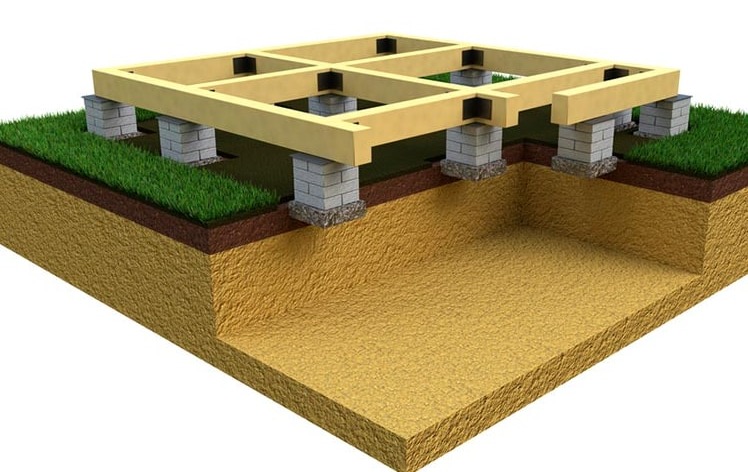
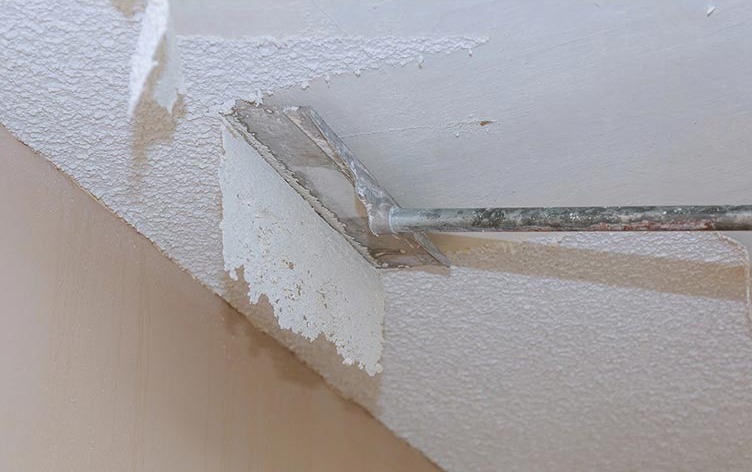
All buildings settle into the soil slightly (fractions of an inch) after they’re built. This isn’t anything unusual and could cause a ceiling crack. Ceiling cracks caused by this type of settlement (uniform, see infographic below) usually aren’t anything to worry about because they don’t affect the home’s structural integrity and are usually just small cracks in paint or plaster. Cracks in drywall can also happen, often because the drywall mud was improperly applied, either not enough or too much. These types of ceiling cracks will follow the drywall tape in a straight line, and while they’re not pretty, they’re not dangerous.
However, ceiling cracks can also be structural, meaning they do affect your home’s structural integrity. These ceiling cracks are dangerous and often caused by differential settlement. Therefore, all homeowners should know how to spot problem ceiling cracks.

Dangerous ceiling cracks are a sign of structural damage
All dangerous ceiling cracks are a sign the home has sustained structural damage. However, as we mentioned above, not all ceiling cracks are dangerous. Some are just an eyesore and possibly caused by paint buildup or improper drywall installation.
So, how do you tell which is which? How do you know if a ceiling crack is dangerous or not? The answer is you probably can’t, not for sure at least, unless you’re a foundation repair contractor, a structural engineer, or the crack is obviously dangerous. That’s why we strongly recommend you contact a professional right away for a foundation inspection. However, there are a few things to look for that will tell you if the crack is possibly dangerous or not:
- A ceiling crack wider than 1/10 inch.
- A ceiling crack accompanied by sagging.
- A discolored ceiling crack. This might indicate a plumbing leak or a leaking roof.
- A crack that runs across the ceiling and down a wall or down towards the corner of a door or window.
- Multiple ceiling cracks
- The ceiling and wall have separated. This is a sign of foundation movement.
Generally, the longer and wider the ceiling crack, the more likely it is to be dangerous. Use common sense. If it looks dangerous, it probably is, and you should contact a foundation repair professional promptly for an inspection.
While you’re waiting, look around for other signs the house may have structural damage, including:
- Doors and windows that stick
- Uneven floors
- Floor cracks, especially cracks that run wall to wall. (A crack limited to one or two tiles was probably caused when something fell on the floor.)
- Wall cracks, especially cracks that go across the ceiling and down a wall.
- Bowed walls
- Torn wallpaper could indicate the wall behind the wallpaper is cracked.
- Moldings that are no longer in contact with the wall or ceiling
- Stair step cracks in brickwork or masonry
- Stair step cracks originating at the corners of doors and/or windows.
- Chimneys and porches that are separating or leaning away from the house
Possible causes of dangerous ceiling cracks
Dangerous ceiling cracks could be caused by various things, including problems related to moisture and weight:
Moisture-related problems
- Plumbing leaks on the floor above the cracked ceiling. Is there a bathroom or a kitchen above the crack?
- Has there been a storm with lots of wind and rain recently? Was there roof damage?
Weight-related problems
- Is there something heavy on the floor above the ceiling? For example, a heavy piano or bathtub?
Foundation-related problems
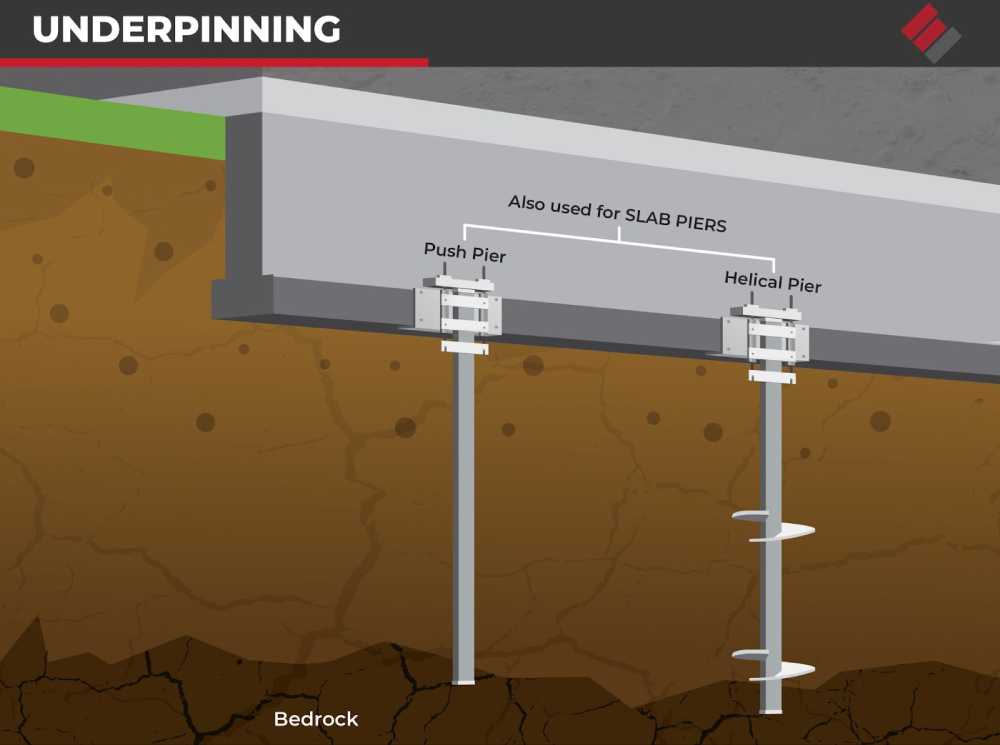
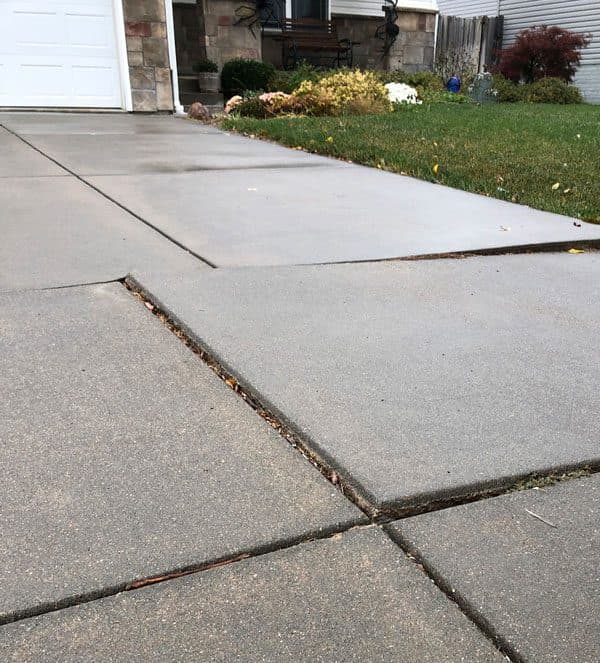
- Differential settlement can also cause ceiling cracks. Differential settlement happens when a structure settles into the soil unevenly. This puts a lot of stress on the foundation and can lead to cracks in the ceiling. (See above infographic)
Of course, natural disasters such as earthquakes, tornados, and sinkholes can also cause dangerous ceiling cracks.
For more information about ceiling cracks, see Are My Ceiling Cracks Normal?
What to do if you see a potentially dangerous ceiling crack in your home
If you see a suspicious ceiling crack in your home, contact an experienced foundation repair contractor right away and ask for an inspection. Most repair contractors will perform an inspection for free and then give you a repair estimate.
Here are some things to take note of when you first see a suspicious crack:
- How long is the crack?
- How wide is the crack?
- Is it just one crack, or are there several?
- Is there any discoloration around the crack? This is usually a sign there’s water involved.
Unless the crack is clearly severe (in which case you should contact a foundation repair contractor without delay), mark the crack ends with a pencil and monitor the crack to see if it gets bigger. Cracks that grow are almost always structural, and therefore possibly dangerous.
As we noted above, you should also look for other signs of foundation damage. Finally, use common sense. A dangerous ceiling crack will usually look different from a cosmetic crack in the plaster or drywall.
If you’re worried your home has one or more dangerous ceiling cracks, and you’re in our service area in Nebraska, Iowa, Kansas, and Missouri, contact us today for a repair estimate.

Written by
Owner and President, Epp Foundation Repair
Dave joined the family business in 2004 after growing up watching his father Phil build it from the ground up. Today he runs daily operations across Epp's service region in Nebraska, Iowa, Kansas, and Missouri, and is trained and experienced across every repair method Epp installs.
More about Dave