Sump Pumps, How They Work And Sump Pump Alternatives
Sump pumps collect and expel excess groundwater around your foundation. Learn how they work, when you might need one, and effective alternatives.
Looking for information about sump pump alternatives? If so, this article has what you need. We’re going to talk about what sump pumps are, how they’re used, sump pump alternatives, the fact that water causes most foundation problems, and more.

What Is A Sump Pump?
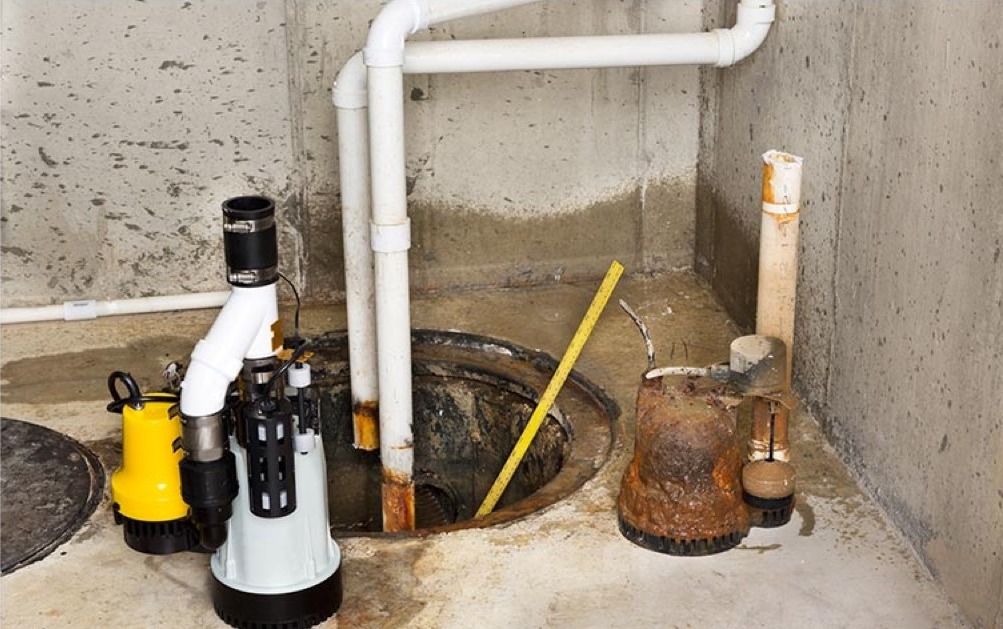
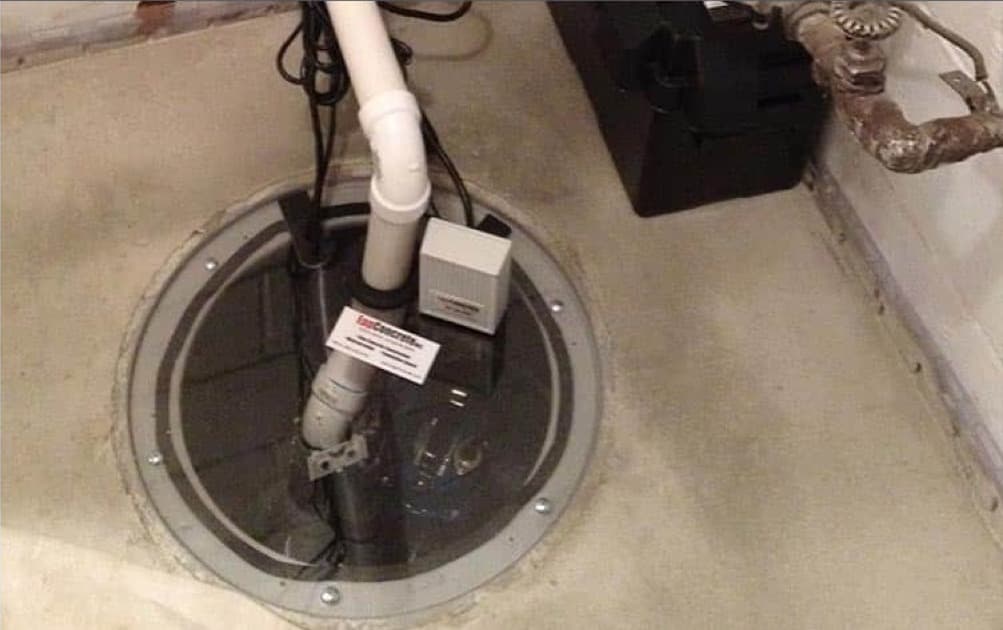
A sump pump is a piece of equipment designed to control groundwater around the foundation. Sump pumps are placed in either a basement or a crawl space, depending on the type of foundation. A sump pump’s job is to collect excess water in the soil around the foundation and expel it away from the foundation.
Water Causes Most Foundation Problems
Many homeowners are surprised to learn that most foundation problems are caused by water. When there’s excess water in the soil around the foundation, bad things happen. A lack of water in the soil around a foundation can also cause trouble. Here are a couple of ways too much water in the soil can cause problems for a foundation:

Hydrostatic pressure
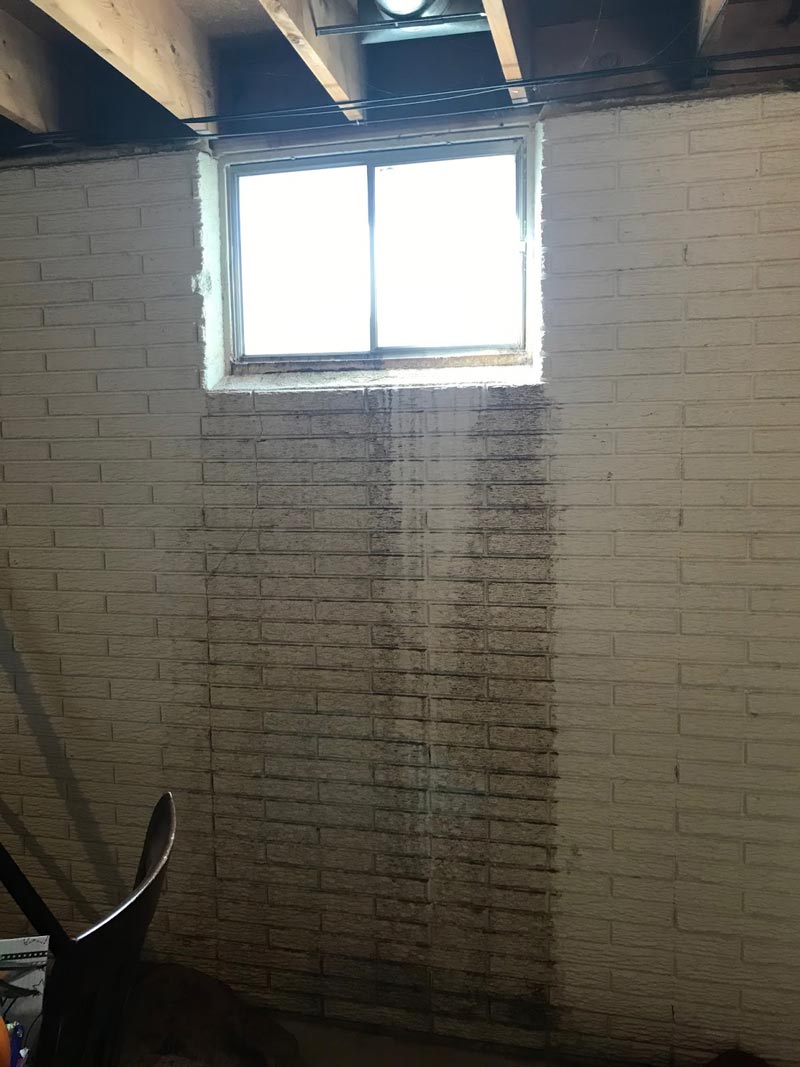
Excess moisture in the ground around a foundation that can’t drain off will cause hydrostatic pressure to build up and push against the foundation wall. If the pressure isn’t relieved, the wall will eventually start to bow inward and even crack.
Differential settlement
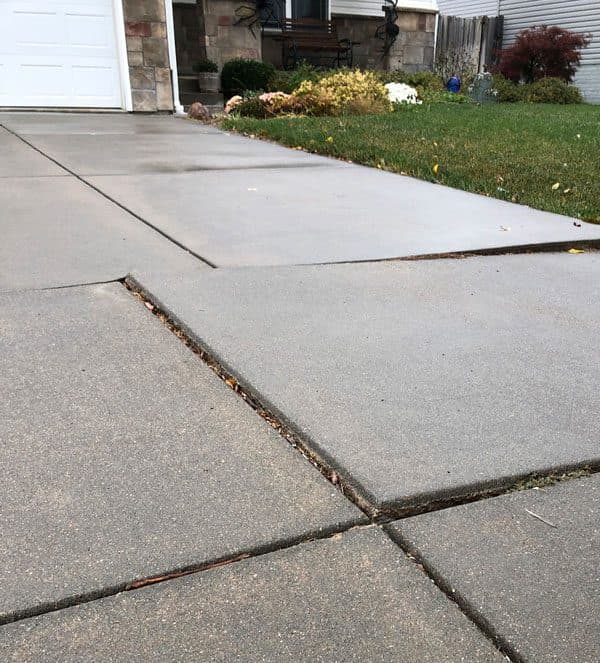
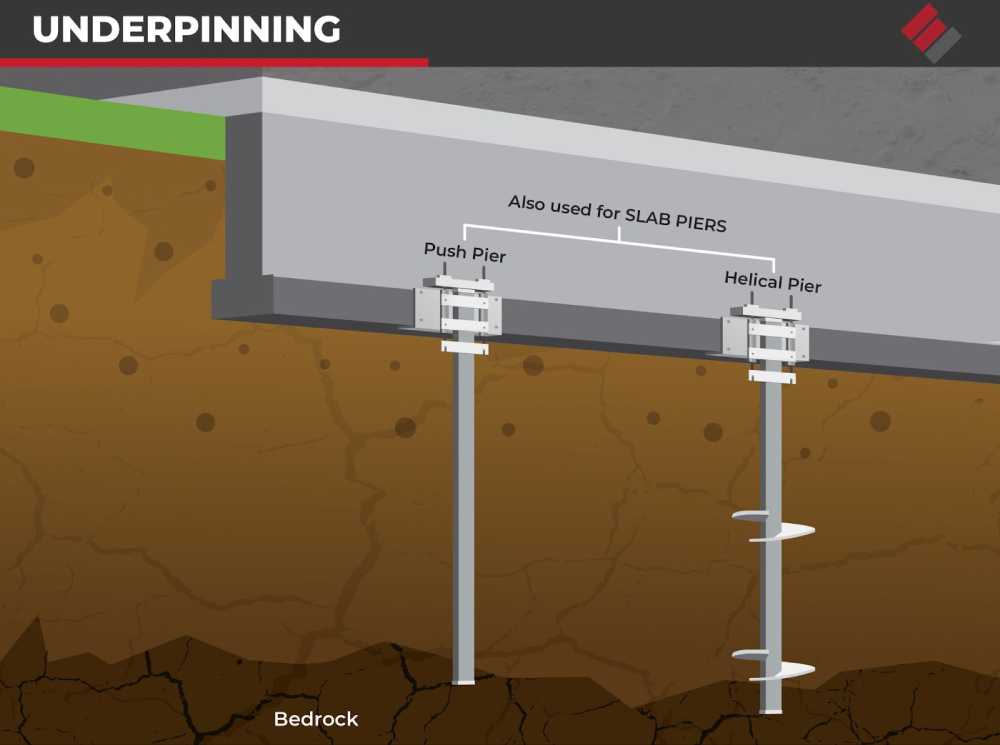
Differential settlement is when a foundation settles into the soil unevenly (see the illustration below). If it isn’t corrected, differential settlement can cause severe structural damage.
Excess water in the soil around the foundation is a common cause of differential settlement. Therefore, controlling groundwater around the foundation is the best way to prevent foundation trouble. While sump pumps are frequently used as part of a drain tile system, there are other ways to ensure the soil around your foundation doesn’t get waterlogged that are less expensive. Keep in mind that they might not be as effective, though.

What Is A Sump Pump Used For?
Since water causes most foundation problems, sump pumps are used, along with a drain tile system, to expel collected water away from the foundation. In other words, sump pumps help keep groundwater under control around the foundation.
How A Sump Pump Works
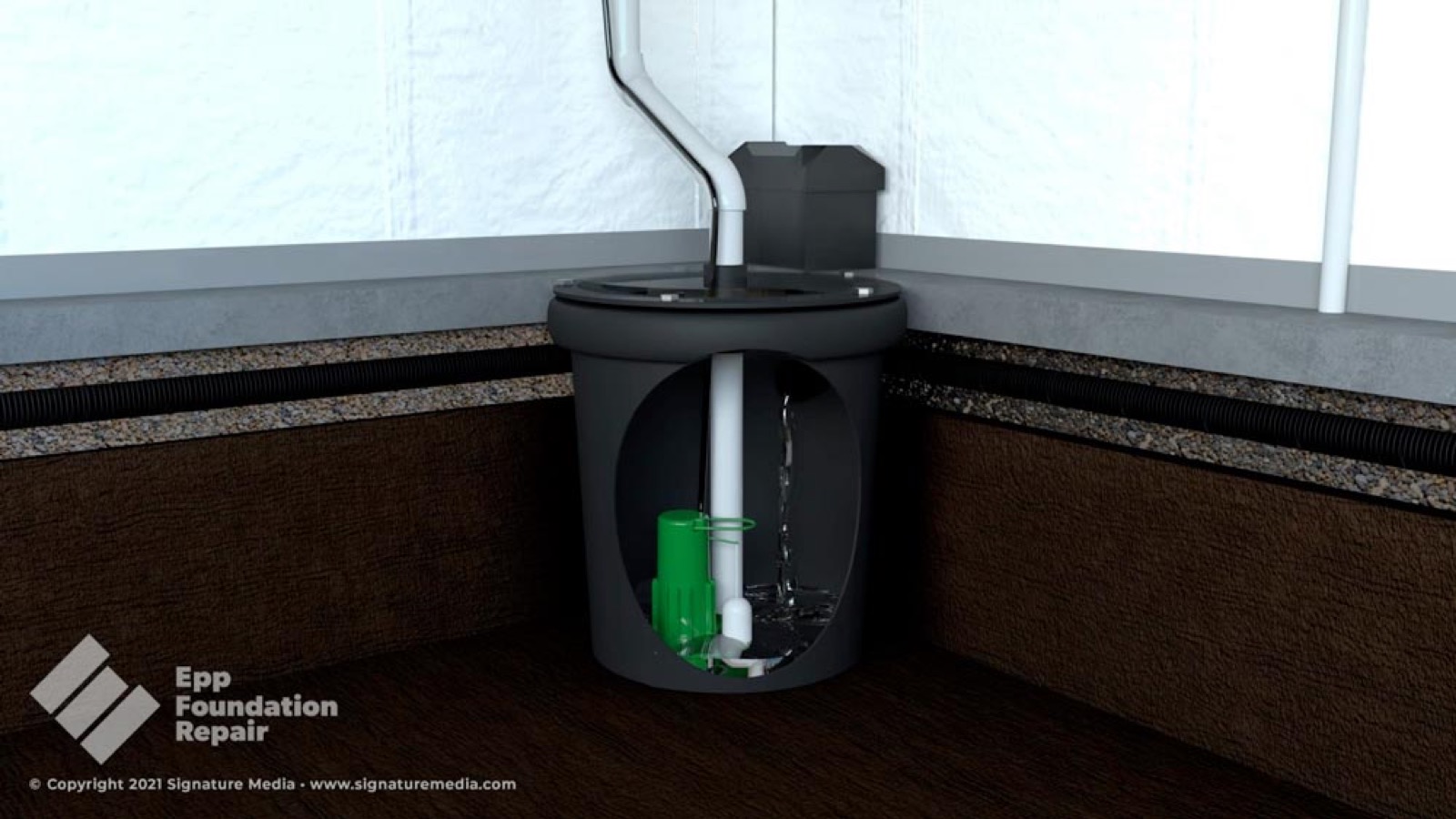
A sump pump, along with a sump pit, is part of a drain tile system. The purpose of a drain tile system is to prevent excess moisture from building up in the soil around the foundation. Here’s how it works:

A drain tile system includes three basic parts: a buried, perforated drainage pipe, a sump pit, and a sump pump. Excess moisture in the soil flows into the drainage pipe and gets channeled toward the sump pit. When the sump pit is full, the sump pump turns on and ejects the water away from the foundation.
For more information, see our guide to basement drain systems.
When You Might Need A Sump Pump
You might need a sump pump if you have:
- A wet basement. A wet basement is a sign there’s excess moisture in the soil around the foundation.
- You live in an area where it rains a lot. A sump pump ensures the excess moisture is collected and then released away from the foundation.
- You live in an area prone to floods. While a sump pump obviously can’t save your house from a massive flood, it can help protect your property against minor flooding.
You’re highly unlikely to need a sump pump if you live in an arid region.

Sump Pump Alternatives
Although a drain tile system, which includes a sump pump, is the best way to control groundwater around a foundation, there are some other things you can do to prevent excess soil moisture:
- Clean your gutters regularly. Gutters that are clogged with dead leaves and other debris can lead to water spilling over the side of the house and soaking the ground around the foundation.
- Don’t plant water-hungry vegetation next to the foundation.
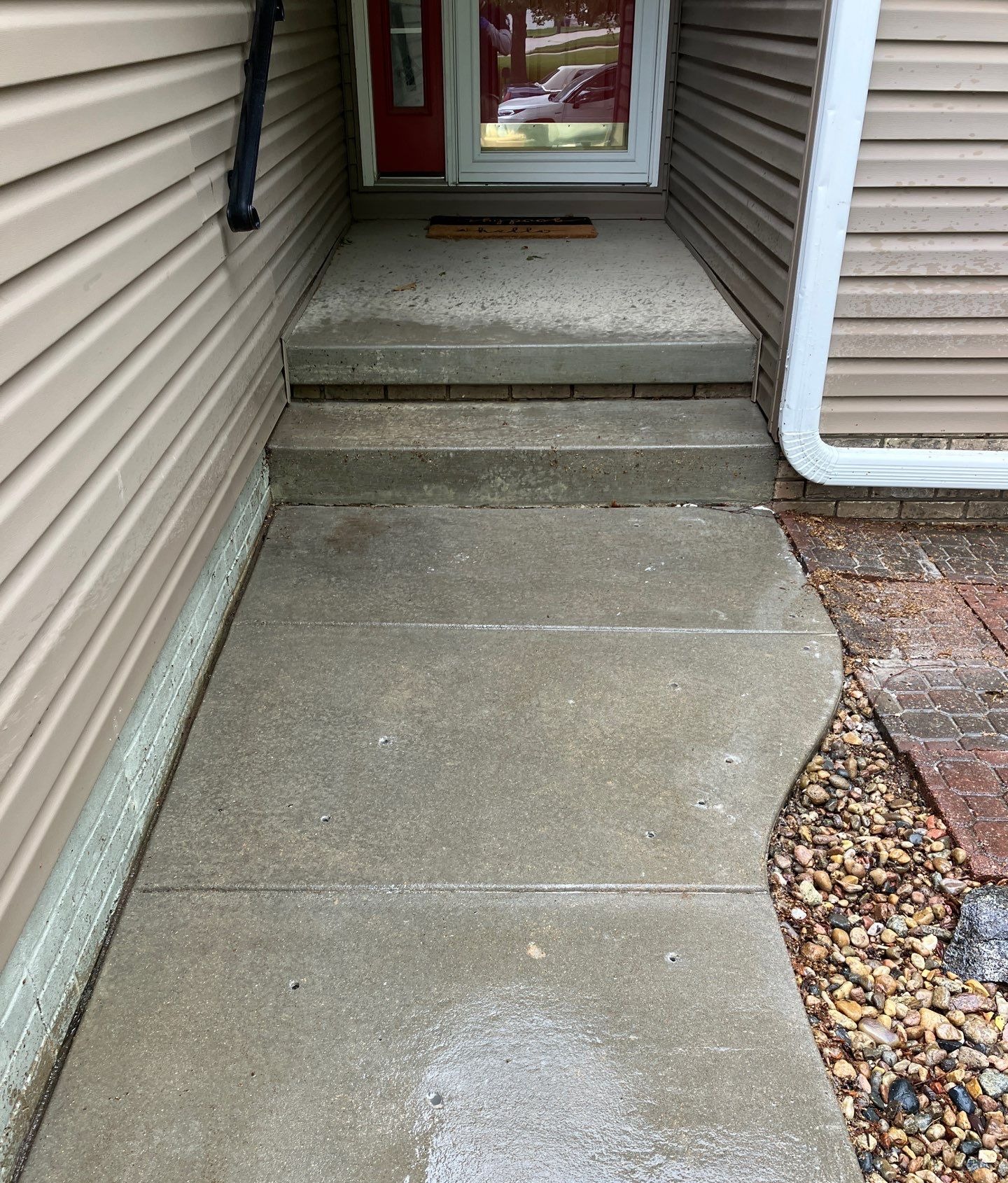
- Install downspout extensions. If your downspouts are too short, they will release water too close to the foundation. Downspout extensions are inexpensive, easy to install, and will carry water away from the foundation before releasing it.
- Install an underground downspout and pop-up emitter. Runoff flows into the underground downspout and toward a pop-up emitter situated away from the foundation. (It’s barely visible until it pops up.) When the pop-up emitter is full of water, it pops up and releases it away from the foundation. It then pops back down.
- Regrade your yard. The yard around your home should slope away from the foundation. If it doesn’t, water will drain toward and pool around the foundation. This is what you’re trying to avoid.
- Install a French drain. A French drain installed somewhere in your yard is a great way to collect excess water and direct it away from the foundation.
Common Signs Of Foundation Problems
All homeowners should be familiar with the common signs of foundation problems. These include:
- Cracks in walls, floors, and ceilings
- Windows and doors that no longer open and close properly
- Stair step cracks in brick or masonry
- Uneven floors
- One or more walls that are separating from the ceiling or floor
- Torn wallpaper. This is a sign the wall behind the wallpaper might be cracked.
- Moldings that are separating from the ceiling or wall
- Chimneys and porches that are tilting away from the house
- Gaps around doors and windows
If you’re interested in foundation waterproofing, including sump pump alternatives, contact us today for a foundation evaluation. We serve Lincoln basement waterproofing customers, and our Omaha waterproofing crews cover the metro, along with Grand Island, Kearney, Nebraska, Missouri, Iowa and parts of Northeastern Kansas. See our service area page for more information.

Written by
Owner and President, Epp Foundation Repair
Dave joined the family business in 2004 after growing up watching his father Phil build it from the ground up. Today he runs daily operations across Epp's service region in Nebraska, Iowa, Kansas, and Missouri, and is trained and experienced across every repair method Epp installs.
More about Dave